

P0301 on 2016-2019 Honda Odyssey: Cylinder 1 Misfire Causes and Fixes
P0301 means cylinder 1 is misfiring. On the 2016-2019 Odyssey, this is frequently caused by an oil-fouled spark plug due to issues with piston rings or the VCM system. For 2018-2019 models, a clogged fuel injector is also a very common cause, per Honda TSB A18-025. Other typical causes include a bad ignition coil. The simplest initial fix is swapping the cylinder 1 ignition coil with another cylinder to rule it out, followed by inspecting and likely replacing the spark plug.
- P0301 on a 2016-2019 Odyssey is very often caused by an oil-fouled spark plug in cylinder 1.
- This oil fouling is a known issue related to the engine's piston rings and VCM system, covered by multiple Honda TSBs.
- The easiest first diagnostic step is to swap the ignition coil from cylinder 1 to another cylinder to rule out a bad coil.
- For 2018-2019 models specifically, faulty fuel injectors are another likely cause according to Honda TSB A18-025.
- Simply replacing the spark plug may only be a temporary fix if the underlying oil consumption problem is not addressed.
What's Unique About the 2016-2019 Honda ODYSSEY

The Honda Odyssey's 3.5L V6 engine, particularly in this year range, is known for two significant issues that directly lead to misfire codes like P0301. Firstly, Honda has issued multiple Technical Service Bulletins (TSBs) regarding piston rings that can stick or align, allowing oil to seep into the combustion chamber and foul the spark plugs. This issue was the subject of a class-action lawsuit, resulting in warranty extensions. Secondly, the Variable Cylinder Management (VCM) system, designed to improve fuel economy by deactivating cylinders (including the bank containing cylinder 1), can contribute to this oil consumption and spark plug fouling. When VCM is active, a vacuum can be created in the deactivated cylinders, pulling oil past the piston rings. For 2018-2019 models with direct injection, Honda also identified faulty fuel injectors as a primary cause of misfires under TSB A18-025.
Diagnostic Flowchart

Tap your situation to follow the diagnostic path that matches what you're seeing on this vehicle.
Generation note: This range covers two generations: the end of the fourth generation (2016-2017, RC) with the J35Z8 engine and the start of the fifth generation (2018-2019, RL6) with the direct-injected J35YF engine. Both use a 3.5L V6 and share the same firing order and cylinder layout. Both generations are susceptible to the VCM-related piston ring and oil consumption issues. However, the 2018-2019 models, which feature a power increase to 280 hp and new 9 or 10-speed transmissions, are also specifically called out for faulty fuel injectors in TSB A18-025.
Symptoms You May Notice
- Flashing or solid Check Engine Light
- Rough or vibrating idle
- Engine hesitation or stumbling during acceleration
- Loss of power
- Reduced fuel economy
- Smell of unburned gasoline from the exhaust
- Shaking or juddering from the engine bay, sometimes related to worn motor mounts exacerbated by VCM operation.
- Replacing only the ignition coil without inspecting the spark plug. If the plug is fouled with oil, a new coil will not solve the problem for long.
- Assuming the issue is fuel-related on a 2016-2017 model without first checking for the much more common oil-fouling or ignition coil issues.
- Replacing just one fuel injector on a 2018-2019 model when the TSB recommends replacing all six as a preventative measure against future failures.
- Performing an expensive piston ring replacement without first attempting the much cheaper and often effective solution of installing a VCM disabling device and replacing the fouled spark plugs.
Most Likely Causes

- Oil-Fouled Spark Plug 🔴 High Probability Multiple Honda TSBs (A26-001, ONL6Z60725, AEBM06172025901, A25-061) state that piston rings can stick due to sludge and wear, allowing oil to foul the spark plugs, directly causing misfires on cylinders 1-4. This is a well-documented issue with the Honda J35 engine family, exacerbated by the VCM system. A class-action lawsuit led to warranty extensions for this specific problem.
How to confirm: Remove the spark plug from cylinder 1 (rear bank, passenger side) and inspect it. The tip will be black, wet, and oily if it is fouled. A clean plug will have light tan or gray deposits.
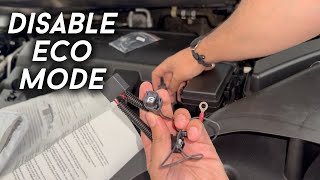
Typical fix: Replace the fouled spark plug. This is often a temporary fix if the underlying oil consumption issue isn't addressed. The long-term fix may involve piston ring replacement as per Honda's procedures, which is a very labor-intensive job. Many owners proactively install a VCM disabling device (like VCMTuner or S-VCM) to prevent the VCM system from engaging, which is reported to reduce oil consumption and prevent recurrence.
Est. part cost: $15-$30 for a single OEM-quality spark plug. - Faulty Fuel Injector 🔴 High Probability Specifically for 2018-2019 Odyssey models, Honda TSB A18-025 states that debris from the manufacturing process of the high-pressure pump or injectors can clog them, causing misfires and setting codes P0301-P0306. This TSB was later superseded by warranty extensions (TSB 20-100, 21-010) covering the issue for 10 years or 150,000 miles, though some owners report VIN-specific limitations.
How to confirm: This is difficult for a DIYer. A professional can perform a fuel injector balance test. Swapping injectors between cylinders is possible but is much more labor-intensive than swapping coils. The presence of codes P219A/P219B alongside the misfire code is a strong indicator of this issue, as noted in the TSB.
Typical fix: Replace the faulty fuel injector(s). Honda's TSB recommends replacing all six fuel injectors as a set to ensure reliability.
Est. part cost: $70-$150 per injector, or $400-$600 for the complete set (Part No. 06160-RLV-305). - Faulty Ignition Coil 🟡 Medium Probability Ignition coils are a common failure item on most modern vehicles as they age and are subjected to heat cycles.
How to confirm: Swap the ignition coil from cylinder 1 with another cylinder (e.g., cylinder 4 on the front bank). Clear the codes and drive the vehicle. If the code changes to P0304, the ignition coil is faulty. A multimeter can also be used to check primary and secondary resistance against specifications.
Typical fix: Replace the faulty ignition coil. It is often recommended to replace the corresponding spark plug at the same time.
Est. part cost: $50-$100 for one OEM-quality coil.
Rare But Worth Checking
- Rocker Arm Oil Pressure Switch Failure: An owner complaint to the NHTSA (ODI #11701010) for a 2019 Odyssey listed misfire codes P0301, P0302, P0303, and P0306 alongside code P2652 ('B' Rocker Arm Actuator System Stuck On Bank 1). This switch is part of the VTEC/VCM system. A failure can disrupt oil pressure control, leading to rough running and misfires.
- Internal Engine Damage (Piston Rings): While an oil-fouled plug is the immediate cause, the root problem can be worn or stuck piston rings requiring an engine rebuild. This is a major repair, with dealer quotes ranging from $2,700 to over $5,000. Honda acknowledged this with warranty extensions and detailed repair procedures in TSBs like A26-001 and A25-061.
- Clogged EGR Passages: While less common for a single-cylinder misfire, clogged EGR (Exhaust Gas Recirculation) passages in the intake manifold can disrupt airflow to specific cylinders, leading to misfires. This is more likely to cause multiple random misfire codes but can start with one.
- Incorrect Valve Clearance: J-series engines require periodic valve lash adjustments. If the exhaust valves, in particular, become too tight (not enough clearance), they may not seal properly when the engine is hot, causing a loss of compression and leading to misfires. This is often missed as it requires a specific mechanical adjustment rather than just replacing parts.
Diagnosis Steps
- Read the code with an OBD-II scanner to confirm P0301 and check for any other codes (e.g., P0300, P219A, P2652).
- Locate cylinder 1. On the Honda J35 V6, the cylinders against the firewall are 1-2-3 (passenger to driver), and the front cylinders are 4-5-6 (passenger to driver). Cylinder 1 is on the rear bank, passenger side. The firing order is 1-4-2-5-3-6.
- Swap the ignition coil from cylinder 1 with an easily accessible coil from the front bank (e.g., cylinder 4).
- Clear the codes and drive the vehicle until the check engine light returns.
- Scan for codes again. If the code has moved to the cylinder where you placed the coil (e.g., P0304), the ignition coil is bad and needs replacement.
- If the code remains P0301, turn off the engine and remove the ignition coil from cylinder 1 again. Remove the spark plug.
- Inspect the spark plug. If it is black, wet, and smells of oil, it is oil-fouled. This is a strong indicator of the piston ring/VCM issue. Replace the spark plug. Consider installing a VCM disabler as a preventative measure.
- If the spark plug appears normal (light tan or gray deposits), and you have a 2018-2019 model (especially with codes P219A/B), the issue is very likely a clogged fuel injector per TSB A18-025.
- If simple fixes don't work, consider professional diagnosis for fuel system testing or an engine compression test to check for mechanical issues like worn piston rings or tight valves.
Parts You'll Likely Need
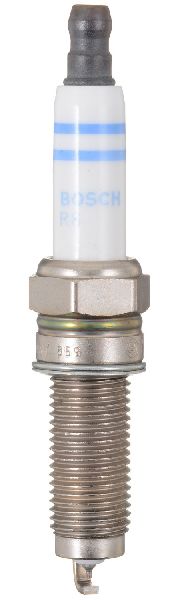
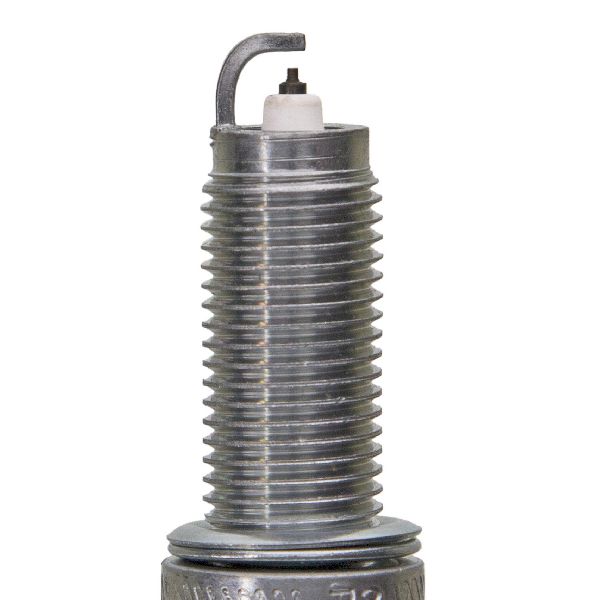
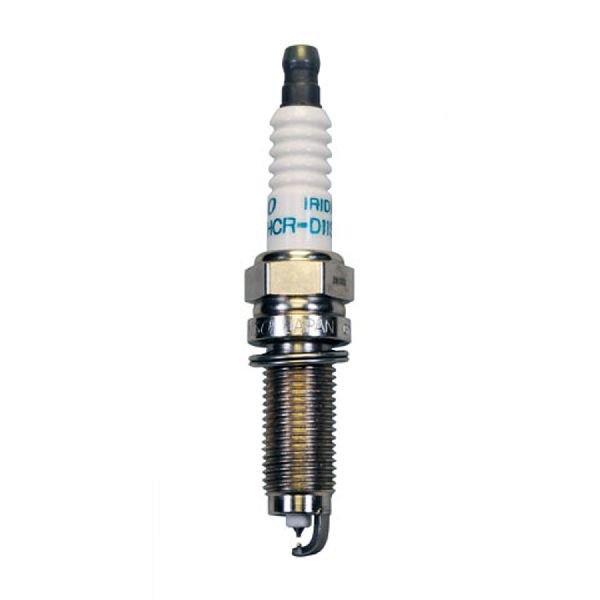
- Spark Plug
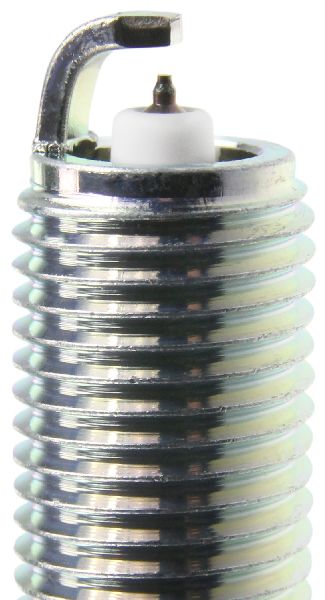
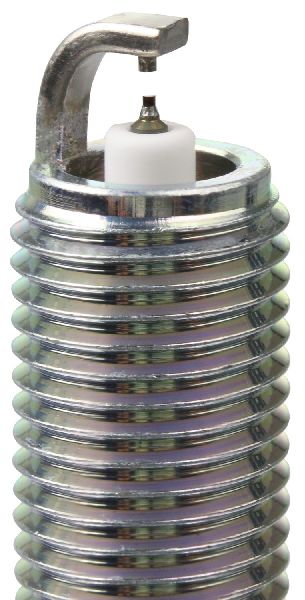
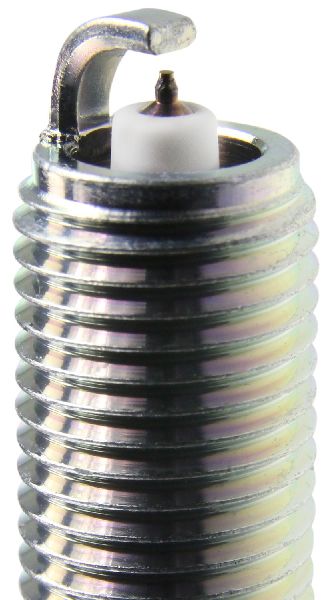
(OEM #12290-R70-A01 (NGK DILZKR7A11G))— Often the direct cause of the misfire due to being fouled by oil, a known issue on this engine.
Trusted brands: NGK, Denso
OEM price range: $20-$30
Aftermarket price range: $15-$25 - Ignition Coil
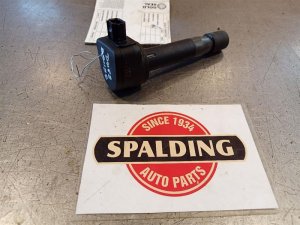
(OEM #30520-R70-A01)— A common failure point on most modern engines due to heat and age.
Trusted brands: Hitachi, Denso, NGK
OEM price range: $70-$100
Aftermarket price range: $40-$70 - Fuel Injector Kit (Set of 6)
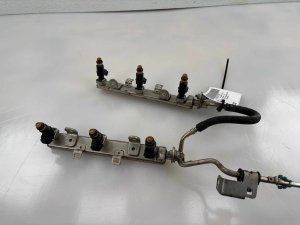
(OEM #06160-RLV-305)— A primary cause of misfires on 2018-2019 models with direct injection, as per Honda TSB A18-025. Often replaced as a full set.
Trusted brands: Genuine Honda
OEM price range: $310-$460
Aftermarket price range: N/A
Related Codes That Often Appear With This One
- P0300 — P0300 indicates random or multiple misfires. It can appear with P0301 if the misfire is intermittent or starting to affect other cylinders, which is common with the fuel injector or piston ring issues.
- P0302, P0303, P0304 — When other cylinder-specific misfire codes appear (especially for cylinders 1-4), it strongly points to the systemic piston ring/oil consumption problem described in Honda's TSBs.
- P219A / P219B — These codes indicate an air-fuel ratio imbalance. TSB A18-025 and its successors explicitly link these codes with misfires caused by faulty fuel injectors on 2018-2019 models.
- P2652 / P3400 — These codes point to a fault in the VCM/VTEC system, specifically the rocker arm oil pressure switch. AHM has noted a connection between these codes and rough running/misfires.
Technical Service Bulletins (TSBs) & Recalls

- A18-025: MIL Comes On with DTC P0300-P0306 or P219A/B (Faulty Fuel Injectors)
- A26-001 / A25-061: Warranty Extension for MIL on with DTCs P0301-P0304 (Piston Ring Sticking)
- 21-010: Warranty Extension for MIL on with P0420/P0430, P030x, P219A/B (Supersedes A18-025, extends injector warranty)
- 13-081: Warranty Extension for MIL on with DTCs P0301-P0304 (Class Action Lawsuit Details)
Platform-Specific Known Issues
- Piston Ring Sticking & Oil Consumption: TSBs A26-001, A25-061 and others describe how piston rings on cylinders 1-4 can stick from sludge, leading to oil fouling spark plugs. This was the subject of a class-action lawsuit (Soto et al. v. American Honda Motor Co., Inc.) resulting in warranty extensions to 8 years/unlimited miles for this specific failure. Many owners on forums like Odyclub and Reddit report experiencing this and either getting the dealer repair or installing a VCM muzzler.
- Faulty Fuel Injectors (2018-2019): TSB A18-025 (and subsequent warranty extensions like 21-010) applies to 2018-2019 Odysseys and states that manufacturing debris can clog fuel injectors, causing misfires (P0301-P0306) and air-fuel ratio codes (P219A/B). The official corrective action is to replace all six fuel injectors with the updated part kit (06160-RLV-305). The warranty was extended to 10 years/150,000 miles.
- VCM-Related Issues: The Variable Cylinder Management (VCM) system is widely believed to be the root cause of the piston ring and oil consumption issues. By deactivating the rear bank of cylinders (1, 2, 3), it can cause a vacuum that pulls oil past the rings, leading to fouled plugs and eventual ring wear. Disabling VCM with an aftermarket device is a very common modification discussed by owners to improve longevity and driving smoothness.
Mechanic-Grade Diagnostic Values
- Ignition Coil Primary Resistance — expected: 0.49 - 0.57 ohms. Failure: A reading outside this range.
- Ignition Coil Secondary Resistance — expected: 9.5 - 11.1 kilohms. Failure: An open circuit (OL) or a reading outside this range.
- Valve Clearance (Intake) — expected: 0.20 - 0.24 mm (0.008 - 0.009 in). Failure: Clearance outside of this range, especially too tight.
- Valve Clearance (Exhaust) — expected: 0.28 - 0.32 mm (0.011 - 0.013 in). Failure: Clearance outside of this range, especially too tight, which can cause hot misfires.
Hidden / Shadow Codes Worth Checking
- Mode $06 Data: Advanced diagnostic scanners, including the Honda HDS, can access Mode $06 data. This includes misfire counters for each specific cylinder (e.g., Test ID $53, Component ID $01 for cylinder 1). This allows a technician to see the raw number of misfire events before they are frequent enough to set a DTC, helping to confirm an intermittent issue. (see via Honda Diagnostic System (HDS) or other professional-grade scan tools with Mode $06 capability.)
Scan Tool Commands That Help
- Honda Diagnostic System (HDS): Power Balance / Cylinder Contribution Test — This function allows the technician to disable individual fuel injectors one by one to see the effect on engine RPM. If disabling a cylinder causes no change in engine smoothness, it confirms that cylinder was not contributing (misfiring). This is a definitive way to isolate a misfiring cylinder.
- Honda Diagnostic System (HDS): Data List Display — Allows for real-time viewing of ECU parameters like fuel trims, sensor voltages, and injector pulse width. This is crucial for diagnosing if the misfire is caused by a fuel delivery, sensor, or air metering problem.
Wiring & Ground Locations
- PCM/ECM Grounds — The main engine-to-chassis grounds are critical. While specific diagrams are often proprietary, key ground points are typically located on the engine block, cylinder heads, and from the negative battery terminal to the chassis.. A poor ground connection for the ECU or its sensors (like the crankshaft position sensor) can introduce electrical noise or incorrect voltage readings, leading the ECU to falsely detect a misfire.
Real Owner Repair Stories
- Reddit user in r/Honda (2019 Honda Odyssey, 67k miles) — Check engine light with code P0301.
❌ Tried (didn't work) The user did not report trying other fixes first.
✅ What actually fixed it The technician identified the need for new fuel injectors. The owner noted that there is a service bulletin for this issue on 2018-2019 models, but their specific VIN was not covered, leading to a dispute with corporate. This confirms the fuel injector issue as a real-world cause for P0301 on this specific model year. - Reddit user in r/HondaOdyssey (2014 Honda Odyssey) — P0301-P0304 misfire codes related to VCM operation.
❌ Tried (didn't work) The owner received a warranty extension notice from Honda for the piston ring issue.
✅ What actually fixed it The owner had previously installed a VCM disabling device ('VCM muzzler'), which resolved the misfires completely. The consensus from other owners was to avoid the dealer's piston ring repair, as it is invasive and may not be as effective as simply disabling the VCM system that causes the problem.
OEM Part Supersession History
Unknown→06160-RLV-305— This is the part number for the fuel injector kit specified in the TSB for 2018-2019 models to correct the misfire issue. It is sold as a complete set of six.
Heads up: This part is specific to the direct-injection J35YF engine in 2018+ models and is not compatible with the 2016-2017 port-injected J35Z8 engine. Some vendors require a VIN to ensure correct fitment.
Model Year Variations Within This Range
- 2018-2019: The 2018 model year marked the start of the 5th generation, introducing the direct-injected J35YF engine with 280 hp (up from 248 hp) and new 9-speed or 10-speed automatic transmissions. This engine change is the reason fuel injector failures are a primary cause of P0301 on these years, whereas they are not a common cause on the 2016-2017 models.
- 2016-2017: These models use the port-injected J35Z8 engine with a 6-speed automatic transmission. For these years, P0301 is almost exclusively related to the VCM-induced oil consumption, leading to fouled spark plugs, or standard ignition component failure (coil, plug).
Helpful Videos

Used OEM Parts in Stock


New Aftermarket Parts Available

The information in this article is provided for general reference and educational purposes only. Vehicle specifications, procedures, and part compatibility can vary by production date, trim level, and region. Always consult your vehicle's factory service manual and verify part numbers before purchasing or performing repairs. Safety-critical components such as airbags, seat belts, and braking systems should be installed by a qualified professional.
- Honda ODYSSEY:
- 🎬 Helpful Videos
- 🛍️ Shop This Part
- What's Unique About the 2016-2019 Honda ODYSSEY
- Diagnostic Flowchart
- Symptoms You May Notice
- Most Likely Causes
- Rare But Worth Checking
- Diagnosis Steps
- Parts You'll Likely Need
- Related Codes That Often Appear With This One
- Technical Service Bulletins (TSBs) & Recalls
- Platform-Specific Known Issues
- Mechanic-Grade Diagnostic Values
- Hidden / Shadow Codes Worth Checking
- Scan Tool Commands That Help
- Wiring & Ground Locations
- Real Owner Repair Stories
- OEM Part Supersession History
- Model Year Variations Within This Range
- 🎟️ Get 5% Off