

P0301 on 2008-2015 Honda Odyssey: Cylinder 1 Misfire Causes and Fixes
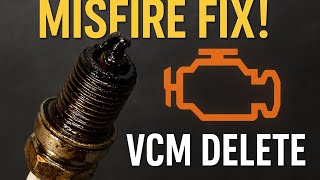
P0301 on a Honda Odyssey is almost always caused by an oil-fouled spark plug in cylinder 1. This is a symptom of a well-known issue with Honda's Variable Cylinder Management (VCM) system causing oil to get past the piston rings. The fix ranges from a ~$20 spark plug replacement to a major piston ring job costing thousands, though many owners prevent recurrence by installing a VCM-disabling device for ~$100.
- P0301 on a 2008-2015 Odyssey is not a typical random misfire; it's a strong indicator of the well-known VCM system flaw.
- The first diagnostic step should always be to inspect the spark plug in cylinder 1 for oil fouling.
- A simple spark plug replacement may fix the problem temporarily, but the misfire will likely return if the underlying oil consumption is not addressed.
- The official fix is an expensive piston ring replacement, which was covered under a warranty extension (TSB 13-081) that has now expired for most vehicles.
- Many owners prevent future issues by installing an aftermarket VCM disabling device, which is a popular and well-documented alternative to major engine repair.
What's Unique About the 2008-2015 Honda ODYSSEY

The 3.5L V6 engine in this generation of Odyssey is equipped with Honda's Variable Cylinder Management (VCM) system, designed to improve fuel economy by deactivating cylinders 1-4 during light-load cruising. A widely documented side effect of this system is increased oil consumption. The oil control rings on the pistons of the deactivated cylinders can become stuck with carbon deposits, allowing oil to seep into the combustion chamber and foul the spark plugs. This design flaw is the primary reason P0301 (and related codes P0302-P0304) are exceptionally common on this vehicle. The issue was so widespread it led to a class-action lawsuit, *Soto v. American Honda Motor Co., Inc.*, which resulted in a warranty extension for affected owners.
Diagnostic Flowchart

Tap your situation to follow the diagnostic path that matches what you're seeing on this vehicle.
Generation note: This range covers the end of the third generation (2008-2010) and the start of the fourth generation (2011-2015). Both generations use a 3.5L J-series V6 engine with the problematic VCM system. Honda's Technical Service Bulletin (TSB) 13-081 specifically addresses 2011-2013 models by extending the powertrain warranty to 8 years/unlimited miles for this issue. A later extension (TSB 25-061) reportedly covers 2013-2017 models for 10 years/150,000 miles.
Symptoms You May Notice
- Engine shaking, vibrating, or running rough, especially at idle.
- Flashing or solid Check Engine Light.
- Noticeably poor acceleration and loss of power.
- Hesitation or stumbling during acceleration.
- Reduced fuel economy.
- Smell of unburned fuel from the exhaust.
- In some cases, the "FCW Failure" (Forward Collision Warning) light may appear simultaneously with the misfire, as the system can be disabled when engine trouble is detected.
- Replacing only the ignition coil without inspecting the spark plug. If the plug is fouled with oil, a new coil will not solve the misfire for long.
- Replacing only the spark plug without addressing the root VCM issue. The new plug will likely foul with oil again in a few hundred or thousand miles.
Most Likely Causes

- Oil-Fouled Spark Plug in Cylinder 1 🔴 High Probability This is the most direct cause of the misfire and is a direct consequence of the VCM system allowing oil to bypass the piston rings and contaminate the spark plug, preventing a proper spark. 🎬 Watch: How to fix VCM-related misfires with a muzzler. As one owner complaint noted, this can lead to "spark plug fowling".
How to confirm: Remove the spark plug from cylinder 1 (rear bank). The tip will be black, wet, and oily compared to a plug from a cylinder not affected by VCM (e.g., cylinder 5 or 6).
Typical fix: Replace the fouled spark plug. This is often a temporary fix if the underlying oil consumption issue isn't addressed.
Est. part cost: $15-$30 - Stuck or Worn Piston Rings 🔴 High Probability This is the root mechanical failure. The VCM system's deactivation of certain cylinders causes the piston rings in those cylinders to become gummed up with carbon and stick. This allows oil to enter the combustion chamber. Multiple NHTSA complaints confirm this diagnosis from dealerships.
How to confirm: A cylinder compression test or a leak-down test can indicate poor ring seal. However, sometimes the oil control rings fail while compression rings test fine. The definitive diagnosis is often made based on the presence of oil-fouled plugs in VCM-affected cylinders (1-4).
Typical fix: The official Honda fix involves disassembling the engine to clean the pistons and replace the piston rings in the affected cylinders, a job costing $3,000-$5,000. A less invasive, though not always permanent, fix attempted by some is a 'piston soak,' where a solvent like kerosene or carburetor cleaner is poured into the cylinder through the spark plug hole and left to sit for several hours to dissolve carbon and potentially free up the rings.
Est. part cost: $200-$400 for a piston ring set, but labor is the primary cost, often exceeding $3,000. - Failed Ignition Coil 🟡 Medium Probability Ignition coils are a common failure item on all modern vehicles. While less likely than the VCM issue, a coil can fail independently.
How to confirm: Swap the ignition coil from cylinder 1 with another cylinder (e.g., cylinder 4). Clear the codes and drive the vehicle. If the code changes to P0304, the ignition coil is faulty. 🎬 Watch: Diagnosing and solving P0301 and P0304 misfire codes.
Typical fix: Replace the failed ignition coil.
Est. part cost: $50-$100 - Clogged or Faulty Fuel Injector ⚪ Low Probability
How to confirm: Requires testing the injector's resistance with a multimeter or performing an injector balance test. This is typically done after ruling out spark plugs and ignition coils.
Typical fix: Replace the faulty fuel injector.
Est. part cost: $70-$150
Diagnosis Steps
- Read the trouble codes with an OBD-II scanner to confirm P0301 and note any other codes (P0300, P0302, P0303, P0304 are common companions).
- Locate cylinder 1. On the Honda J35 engine, it is the cylinder on the rear bank (closest to the firewall).
- Swap the ignition coil from cylinder 1 with a coil from an easily accessible cylinder on the front bank (e.g., cylinder 4).
- Clear the codes and start the engine. Let it run until the Check Engine Light reappears.
- Re-scan the codes. If the code has moved to the cylinder where you placed the coil (e.g., P0304), the ignition coil is bad and needs replacement.
- If the code remains P0301, turn off the engine and remove the ignition coil from cylinder 1 again. Remove the spark plug (typically requires a 5/8" spark plug socket).
- Inspect the spark plug. If the electrode is black, wet, and smells of burnt oil, it is oil-fouled. This strongly indicates the VCM-related piston ring issue.
- Replace the fouled spark plug with a new one. This may resolve the misfire temporarily.
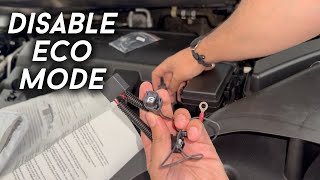
- To prevent recurrence, install a VCM disabling device. This is the most common and cost-effective long-term solution recommended by the owner community. 🎬 See this step-by-step S-VCM controller installation and test drive.
- If the misfire returns on the same cylinder after replacing the plug (and without a VCM disabler), a professional diagnosis involving a compression and/or leak-down test is needed to confirm the condition of the piston rings. At this point, the official repair is a piston ring replacement, which is very expensive.
Parts You'll Likely Need

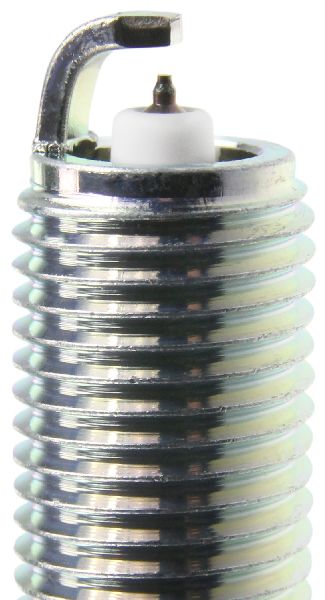
- Spark Plug
(OEM #12290-R70-A01 (NGK ILZKR7B11) for 2008-2010; 12290-R9P-A01 (NGK DILZKR7A11G) for 2011-2015.)— This is the most common part to fail directly due to the VCM oil consumption issue. The plug becomes fouled with oil and can no longer create a spark.
Trusted brands: NGK (OEM), Denso (OEM)
OEM price range: $20-$30
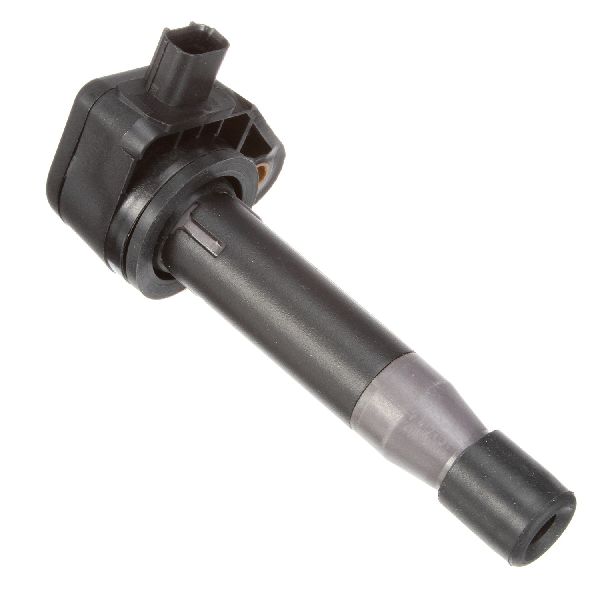
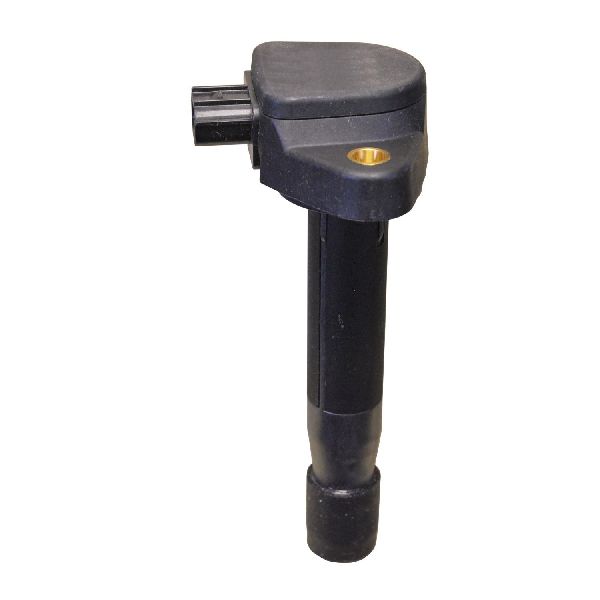
Aftermarket price range: $10-$20 - Ignition Coil
(OEM #30520-RN0-A01 (superseded by 30520-RN0-S01).)— A common failure point for any misfire code, though less likely to be the root cause on this vehicle than the spark plug itself.
Trusted brands: Honda (Genuine), Hitachi (OEM Supplier), Denso, NGK
OEM price range: $80-$120
Aftermarket price range: $40-$70 - VCM Disabler / Muzzler — A popular aftermarket solution to prevent the root cause of the problem. It disables the VCM system, preventing oil from fouling the plugs in the first place.
Trusted brands: VCMTuner, VCMuzzler II, S-VCM Controller
OEM price range: N/A
Aftermarket price range: $100-$150 - Piston Ring Set — This is the part needed for the ultimate, most expensive fix recommended by Honda to address the root cause of the oil consumption issue.
Related Codes That Often Appear With This One
- P0300 — Indicates random/multiple cylinder misfires. It may appear alongside P0301 if the issue is intermittent or affecting other cylinders.
- P0302, P0303, P0304 — These codes indicate misfires in cylinders 2, 3, and 4, respectively. Because the VCM system deactivates cylinders 1-4, it is very common to see misfire codes for any or all of these cylinders together as the piston rings wear.
Technical Service Bulletins (TSBs) & Recalls

- TSB 13-081 — Warranty Extension: MIL Comes On With DTCs P0301 Through P0304 — This is the primary TSB resulting from the Soto v. American Honda class-action lawsuit. It acknowledges that piston rings may align, causing spark plug fouling and setting codes P0301-P0304. It extended the warranty to 8 years/unlimited miles for this specific issue and outlined the repair procedure, which includes a software update (for 2011 models) and piston/ring replacement.
- TSB 25-061 — Warranty Extension: 2013-16 Odyssey MIL Comes on with DTCs P0301 thru P0304 — Mentioned in owner complaints and forum posts, this appears to be a newer warranty extension announced around June 2025. It extends coverage for the same VCM-related misfire issue to 10 years or 150,000 miles, with a grace period until January 31, 2026, where vehicles are covered regardless of age or mileage.
Platform-Specific Known Issues
- Honda's Variable Cylinder Management (VCM) system is the underlying cause of most P0301-P0304 codes on this vehicle. It causes oil control rings to stick, leading to oil burning and spark plug fouling.
- Honda acknowledged this issue via the *Soto v. American Honda Motor Co., Inc.* class-action settlement and issued Technical Service Bulletin (TSB) 13-081, which extended the powertrain warranty to 8 years/unlimited miles for this specific repair.
- A subsequent warranty extension (mentioned as TSB 25-061) was reportedly issued for 2013-2017 models, extending coverage to 10 years/150,000 miles, with a special grace period.
- Due to the high cost of the official piston ring repair ($3000+), a large community of owners has successfully opted to install an aftermarket VCM disabling device for around $100 to prevent the issue from occurring or recurring.
Mechanic-Grade Diagnostic Values
- Ignition Coil Resistance (Primary) — expected: 0.4 to 2.0 ohms. Failure: A reading outside this range indicates a faulty coil.
- Ignition Coil Resistance (Secondary) — expected: 6,000 to 10,000 ohms. Failure: A reading outside this range suggests the coil's secondary winding has failed.
- Fuel Injector Resistance — expected: 12 to 17 ohms (for most 1992+ Honda MPFI systems). Failure: A reading significantly outside this range points to a bad injector coil.
- Mode $06 Misfire Count (per cylinder) — expected: Zero or a very low number.. Failure: A significantly higher count for cylinder 1 compared to others, even without a set P0301 code, indicates an intermittent or developing misfire issue.
Hidden / Shadow Codes Worth Checking
- Mode $06, Test ID $53 (Ford example, Honda may vary): Mode $06 provides raw data from the PCM's self-tests before a full-blown Diagnostic Trouble Code is set. For misfires, it logs a counter for each cylinder. A technician can view these counts to see if a cylinder is misfiring intermittently, even if it's not frequent enough to trigger the Check Engine Light. (see via Requires a professional-grade scan tool or an advanced OBD-II app that can access Mode $06 data. The specific Test ID (TID) or Monitor ID (MID) for cylinder-specific misfires must be looked up for Honda vehicles.)
Scan Tool Commands That Help
- Honda HDS (Honda Diagnostic System): Cylinder AF Test / Cylinder Contribution Test — This function allows a technician to assess the performance of each cylinder individually. While not a direct command to fix the issue, it's a key diagnostic step within the dealer toolset to confirm which cylinder is underperforming and by how much.
- Honda HDS (Honda Diagnostic System): DTC & Freeze Data — The HDS can retrieve detailed freeze frame data which shows the exact engine conditions (RPM, load, temperature, etc.) at the moment the first misfire was detected. This is more detailed than generic scanners and can provide crucial diagnostic clues.
Wiring & Ground Locations
- G101 — On the front of the right cylinder head (the bank closer to the radiator).. This is a primary engine ground. Multiple components, including ignition coils, rely on a clean, tight ground connection to function properly. A corroded or loose G101 can cause erratic electrical behavior, including weak spark and misfires that can be difficult to diagnose.
- G1 — Left side of the engine compartment.. Another main engine compartment ground point. Verifying its integrity is a crucial step when diagnosing any electrical issue, including persistent misfires.
- PCM Connectors — The Powertrain Control Module (PCM) is located in the engine bay. The specific pin for the cylinder 1 ignition coil signal would need to be identified from a wiring diagram.. If the coil and spark plug are good, a technician may need to test for a consistent signal from the PCM to the coil. A damaged wire or faulty pin at the PCM connector could interrupt this signal and cause the misfire.
Real Owner Repair Stories
- WellTech Auto on YouTube (2006 Honda Odyssey 3.5L with 210,000 miles (Note: Pre-dates the specified range but uses a similar J35 engine with VCM, and the fix is highly relevant)) — Multiple cylinder misfire codes, rough idle.
❌ Tried (didn't work) Initial assumption was the common VCM piston ring issue, but diagnosis pointed elsewhere.
✅ What actually fixed it A valve adjustment. In-cylinder pressure transducer testing showed the exhaust valves were opening too early (advanced timing). A physical inspection confirmed that every single exhaust valve was too tight with insufficient clearance. Adjusting the valves to the correct specification resolved the misfire. - Reddit user in /r/HondaOdyssey (2012 Honda Odyssey) — Rough idle and Check Engine Light on.
❌ Tried (didn't work) Calling multiple independent shops who either didn't perform the service or didn't know what it was.
✅ What actually fixed it The dealership diagnosed the issue as needing a valve adjustment. While the user was seeking a cheaper alternative, this story confirms that tight valves can be a direct cause of rough running and codes on this specific platform, corroborating other expert findings.
OEM Part Supersession History
30520-RN0-A01→30520-RN0-S01— This is a common supersession for the ignition coil. The reason is typically an incremental improvement in design, materials, or manufacturing process by the OEM.30520-R70-A01→30520-R70-S01— Another ignition coil part number that was updated. This highlights that multiple base part numbers may have been used during production, but they often consolidate to a single newer part.
Model Year Variations Within This Range
- 2008-2010: In the third generation, the VCM system was typically only on higher trims like the EX-L and Touring. Base models (LX, EX) often had a standard J35 V6 without VCM, making them less prone to the oil-fouling issue.
- 2011-2015: For the fourth generation, Honda made the VCM system standard on all trim levels (LX, EX, EX-L, Touring). This means every 2011+ Odyssey is susceptible to the VCM-related piston ring and spark plug fouling issue that causes P0301-P0304 codes. The 2014 model year introduced a 6-speed automatic transmission across more trims, replacing the 5-speed, but the fundamental engine and VCM design remained the same.
Helpful Videos
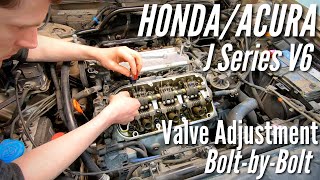
Used OEM Parts in Stock
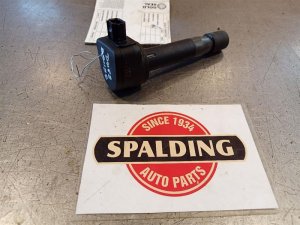
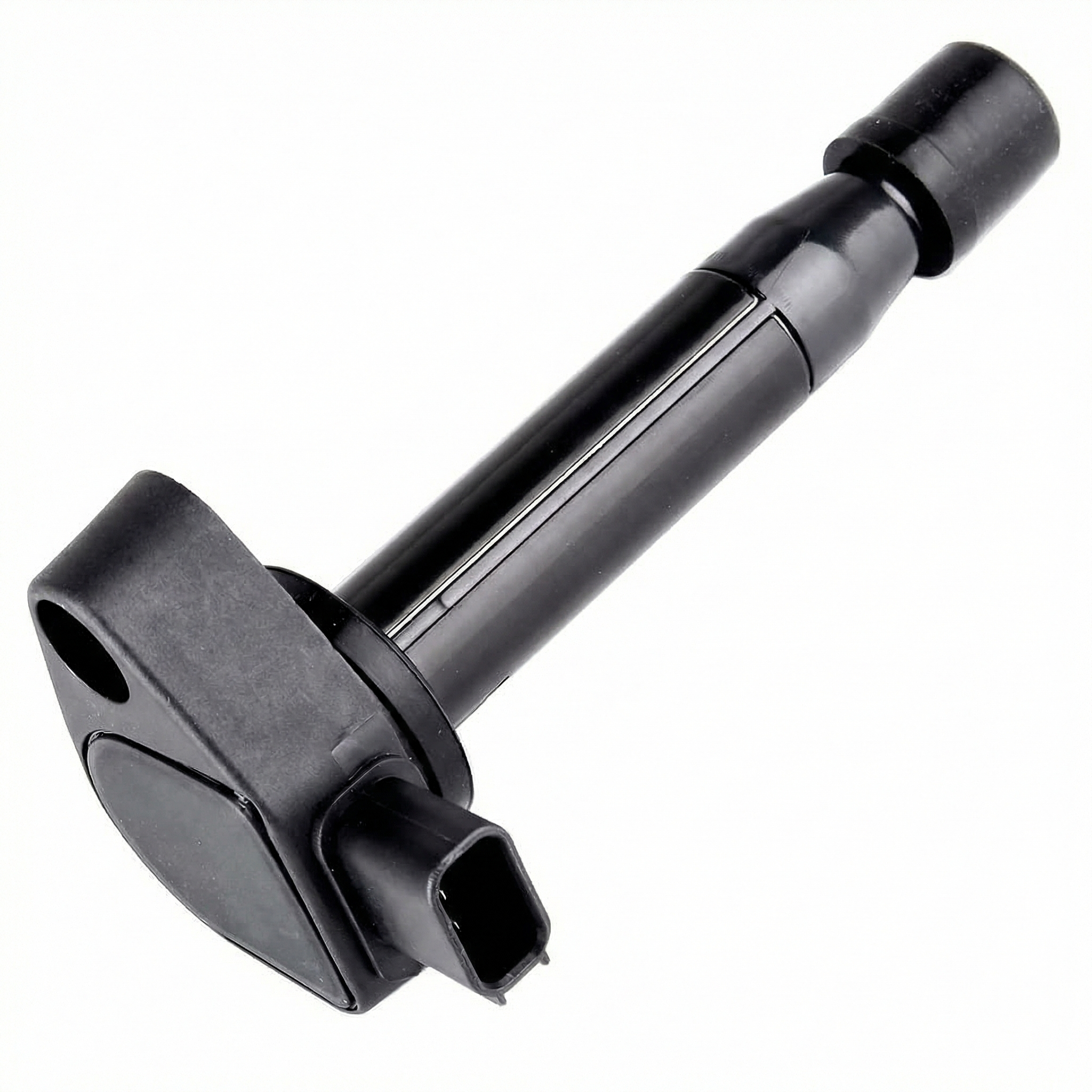
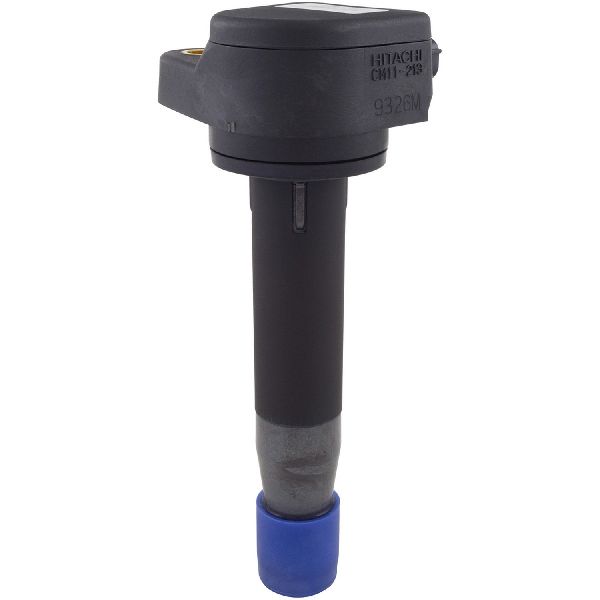
New Aftermarket Parts Available


The information in this article is provided for general reference and educational purposes only. Vehicle specifications, procedures, and part compatibility can vary by production date, trim level, and region. Always consult your vehicle's factory service manual and verify part numbers before purchasing or performing repairs. Safety-critical components such as airbags, seat belts, and braking systems should be installed by a qualified professional.
- Honda ODYSSEY:
- 🎬 Helpful Videos
- 🛍️ Shop This Part
- What's Unique About the 2008-2015 Honda ODYSSEY
- Diagnostic Flowchart
- Symptoms You May Notice
- Most Likely Causes
- Diagnosis Steps
- Parts You'll Likely Need
- Related Codes That Often Appear With This One
- Technical Service Bulletins (TSBs) & Recalls
- Platform-Specific Known Issues
- Mechanic-Grade Diagnostic Values
- Hidden / Shadow Codes Worth Checking
- Scan Tool Commands That Help
- Wiring & Ground Locations
- Real Owner Repair Stories
- OEM Part Supersession History
- Model Year Variations Within This Range
- 🎟️ Get 5% Off