

P0301 on 2017-2018 Honda CR-V 1.5T: Cylinder 1 Misfire Causes and Fixes
P0301 on a 2017-2018 Honda CR-V with the 1.5L Turbo engine is most often caused by a known fuel dilution issue that requires a software update from a Honda dealer, as outlined in TSB #19-032. This fix is covered under a warranty extension. If the software is up to date, the next most likely causes are worn spark plugs, a bad ignition coil, or, increasingly, failing fuel injectors.
- P0301 on a 2017-2018 CR-V is very likely related to the known fuel/oil dilution issue specific to the 1.5L Turbo engine.
- Before attempting any repairs, contact a Honda dealer with your VIN to check for open campaigns or warranty extensions related to TSB #19-032.
- The official fix is a software update performed by the dealer, which is often covered under the warranty extension.
- If the software is current, the most common DIY fixes are replacing the spark plugs and/or the cylinder #1 ignition coil.
- Be aware that this engine code can cause numerous other, unrelated system warning lights to appear on the dashboard.
What's Unique About the 2017-2018 Honda CR-V

The 2017-2018 CR-V with the 1.5L turbo engine is known for a specific issue where gasoline can mix with the engine oil, a problem called fuel dilution. 🎬 Watch: A deep dive into how oil dilution affects your engine. This is especially common in cold climates with short driving trips. This thins the oil, leading to poor combustion and causing misfires like P0301. Honda acknowledged this and issued Technical Service Bulletins (TSBs) and a warranty extension. The primary fix involves software updates for the engine (PGM-FI) and transmission (TCU) control modules, an oil change, and sometimes replacing the A/C control unit to help the engine warm up faster.
Diagnostic Flowchart

Tap your situation to follow the diagnostic path that matches what you're seeing on this vehicle.
Symptoms You May Notice

- Flashing or solid Check Engine Light
- Rough or shaking idle
- Engine hesitation or stumbling during acceleration
- Noticeable loss of power
- Smell of gasoline from the exhaust
- Strong smell of gasoline on the engine oil dipstick
- Multiple other warning lights illuminating simultaneously, such as for the braking system, electronic power steering, or forward collision avoidance system.
- Replacing only the spark plug without addressing the underlying software/oil dilution issue, leading to the new plug fouling quickly.
- Replacing a fuel injector when the issue is a simpler ignition component like a coil or spark plug.
- Replacing the battery when a cascade of warning lights appears, as the root cause is often the engine misfire itself.
Most Likely Causes

- Engine Oil Dilution / Outdated ECM Software 🔴 High Probability The 1.5L direct-injection turbo engine is susceptible to fuel mixing with oil, especially during short trips in cold weather, before the engine fully warms up. This leads to poor combustion and misfires. Honda has issued multiple TSBs and a warranty extension to address this widespread problem.
How to confirm: Check the oil dipstick for a level that is rising over time or a strong smell of gasoline. A Honda dealer must check the vehicle's VIN against TSBs like #19-032 and #A19-037 to see if the software updates have been performed.
Typical fix: A dealer performs software updates for the Engine Control Module (ECM/PGM-FI) and Transmission Control Unit (TCU), changes the engine oil, and in some cases, replaces the A/C control unit. This is covered under a warranty extension to 6 years/unlimited miles for many vehicles.
Est. part cost: $0 (if covered under warranty extension) - Fouled or Worn Spark Plugs 🟡 Medium Probability Spark plugs are a standard maintenance item. The oil dilution issue can also cause them to foul prematurely. TSB #19-032 includes instructions to inspect and, if necessary, replace fouled spark plugs if misfires return after the software update.
How to confirm: Remove the spark plug from cylinder #1 (the front-most cylinder on the driver's side) and inspect it for wear, carbon buildup, or oil/fuel fouling.
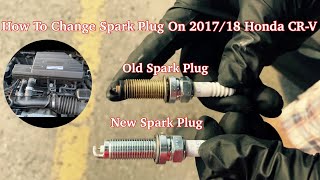
Typical fix: Replace all four spark plugs. 🎬 See this walkthrough for replacing your spark plugs and coils. It is recommended to use OEM-spec NGK or Denso plugs. The OEM part number is typically 12290-59B-003 (NGK ILZKAR8H8S) or 12290-5PA-A01 (NGK ILZKAR8J8SY).
Est. part cost: $80-$160 - Faulty Ignition Coil 🟡 Medium Probability
How to confirm: Swap the ignition coil from cylinder #1 with the coil from another cylinder (e.g., cylinder #2). Clear the codes and drive the vehicle. If the code changes to P0302, the ignition coil is faulty.
Typical fix: Replace the failed ignition coil. The OEM part number is 30520-59B-013, which may be superseded by 30520-59B-023. It is often recommended to replace the corresponding spark plug at the same time.
Est. part cost: $55-$150 - Clogged or Faulty Fuel Injector 🟡 Medium Probability There are growing reports of fuel injector failure on the 1.5T engine, even after the oil dilution software fix. A Reddit thread with a claimed Honda technician notes that injector replacement is 'much more common than they should be' and can cause P0172 and misfire codes. NHTSA complaint #11711307 for a 2017 CR-V states all four injectors failed at 82,300 miles.
How to confirm: This requires more advanced diagnostics, such as a fuel injector balance test performed by a dealer or qualified shop. A DIY method involves checking the resistance of the injector with a multimeter.
Typical fix: Replace the faulty fuel injector(s). 🎬 Watch: Step-by-step tutorial on replacing clogged fuel injectors. Many owners and technicians recommend replacing all four at once.
Est. part cost: $100-$250 per injector
Rare But Worth Checking
- Leaking Head Gasket: A user on YouTube reported that after extensive parts replacement, the root cause of a persistent P0301/P0304 was found to be coolant leaking into the cylinders from a failing head gasket at high mileage (150,000+ miles).
- Worn Camshaft Lobes: Honda TSB #19-032 and #A19-037 mention that a whirling noise from the engine combined with misfire codes can be caused by premature wear on the camshaft lobes, a potential long-term result of the oil dilution issue. The warranty extension covers these components.
Diagnosis Steps
- Check for Honda TSBs: This is the most critical first step. Contact a Honda dealer with your VIN to determine if your vehicle is eligible for the warranty extension and software updates related to TSBs #19-032, #A19-037, and others.
- Inspect Engine Oil: Check the oil level and smell. A level that is over the full mark and a strong gasoline odor are key indicators of the fuel dilution problem.
- Scan for Other Codes: Check for companion codes like P0300, P0302-P0304, and especially P0172, which can point to either oil dilution or a fuel injector problem.
- Swap the Ignition Coil: If the software is up to date, swap the ignition coil from cylinder #1 with another cylinder (e.g., cylinder #2). Clear the codes. If the trouble code moves to P0302, the coil is bad.
- Inspect the Spark Plug: Remove and inspect the spark plug from cylinder #1. Look for signs of excessive wear, carbon fouling, or wetness from oil or fuel. Replace if it appears worn or fouled.
- Investigate Fuel Injectors: If ignition components are good and the software fix has been applied, faulty fuel injectors are a strong possibility. This diagnosis is best left to a professional with tools to perform a balance test.
- Perform a Compression Test: If all else fails, a compression test can check for mechanical engine problems like a worn piston ring or a leaking head gasket.
Parts You'll Likely Need
- Software Update — This is the official Honda fix for the widespread fuel/oil dilution problem that causes misfires on this engine. It involves reflashing the ECM and TCU.
Trusted brands: Honda Dealer Service
OEM price range: $0-$200
Aftermarket price range: N/A - Spark Plugs (Set of 4)
(OEM #12290-59B-003 or 12290-5PA-A01)— Spark plugs are a common wear item and can be fouled by the oil dilution issue. Cylinder #1 is the most forward cylinder on the driver's side. TSBs recommend inspection and replacement if fouled.
Trusted brands: NGK (ILZKAR8H8S / ILZKAR8J8SY), Denso
OEM price range: $100-$160
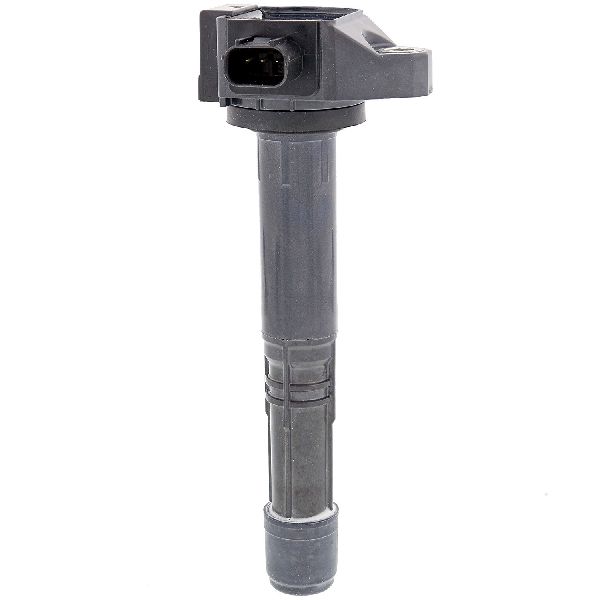
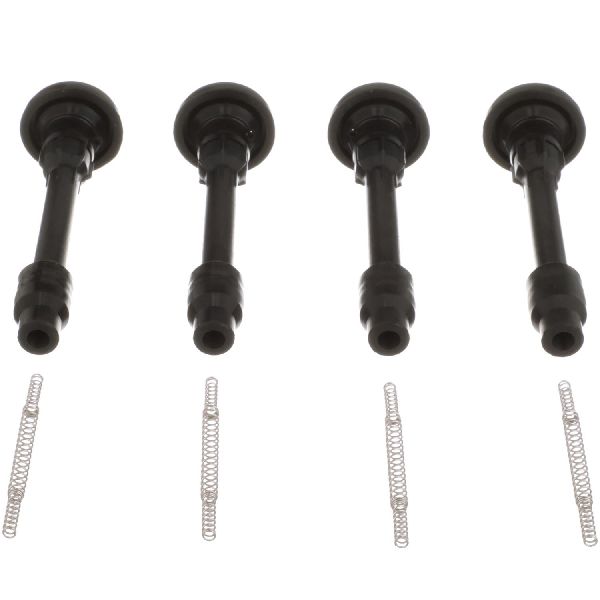
Aftermarket price range: $80-$120 - Ignition Coil
(OEM #30520-59B-013 (superseded by 30520-59B-023))— Ignition coils provide the voltage for the spark plugs and can fail over time, causing a misfire in a single cylinder.
Trusted brands: Honda (OEM), Hitachi, Denso
OEM price range: $55-$100
Aftermarket price range: $40-$80 - Fuel Injectors — Becoming a more common failure point on the 1.5T engine, causing rich conditions and misfires. Often replaced as a set.
Trusted brands: Honda (OEM)
OEM price range: $150-$250 per injector
Aftermarket price range: $80-$150 per injector
Related Codes That Often Appear With This One
- P0300 — P0300 indicates a random misfire across multiple cylinders. It often appears with P0301 if the underlying cause, like oil dilution or failing injectors, is affecting the entire engine.
- P0302, P0303, P0304 — These are misfire codes for cylinders 2, 3, and 4. Seeing them together with P0301 strongly points to a systemic issue like the fuel dilution problem or widespread fuel injector failure covered by Honda's TSBs.
- P0172 — This code means 'Fuel System Too Rich.' It is frequently triggered alongside misfire codes because the fuel-contaminated oil is drawn through the PCV system into the intake, creating a rich condition. It can also be a primary indicator of failing fuel injectors.
Technical Service Bulletins (TSBs) & Recalls

- A19-032 / 19-032: Warranty Extension: Software Update with A/C Replacement; DTC P0300-P0304, P0172; Whirling Noise. This is the primary TSB for the fuel dilution issue.
- A19-037: A revised version of the fuel dilution TSB.
- A18-114: An earlier product update related to the software fix for misfires and rich conditions.
- A18-147: An early TSB that was superseded by 19-032.
- 22-002: While for the Honda Fit, this TSB shows a precedent for Honda extending warranties for failing fuel injectors causing misfires, up to 10 years/150,000 miles.
Platform-Specific Known Issues
- Fuel Dilution and Warranty Extension: The most significant issue is fuel contaminating the engine oil, causing misfires (P0300-P0304) and rich running conditions (P0172). Honda issued TSBs (including #19-032) and extended the powertrain warranty to 6 years/unlimited miles for affected components on many 2017-2018 CR-Vs. The fix involves software updates, an oil change, and sometimes A/C unit replacement.
- Cascading Warning Lights: Owners have reported that a P0301 misfire can trigger a cascade of other system warnings on the dashboard, including alerts for the braking system, power steering, adaptive cruise control, and collision mitigation. This can be alarming but is typically a symptom of the engine misfire, not a failure of all those systems.
- Fuel Injector Failures: A growing number of owners report that even after the TSB software fix, they experience misfires and P0172 codes caused by failing fuel injectors. This is becoming a known second major issue for this engine, with repairs often costing over $1,500 at a dealership.
Helpful Videos



Used OEM Parts in Stock


New Aftermarket Parts Available


The information in this article is provided for general reference and educational purposes only. Vehicle specifications, procedures, and part compatibility can vary by production date, trim level, and region. Always consult your vehicle's factory service manual and verify part numbers before purchasing or performing repairs. Safety-critical components such as airbags, seat belts, and braking systems should be installed by a qualified professional.
- Honda CR-V:
- 🎬 Helpful Videos
- 🛍️ Shop This Part
- What's Unique About the 2017-2018 Honda CR-V
- Diagnostic Flowchart
- Symptoms You May Notice
- Most Likely Causes
- Rare But Worth Checking
- Diagnosis Steps
- Parts You'll Likely Need
- Related Codes That Often Appear With This One
- Technical Service Bulletins (TSBs) & Recalls
- Platform-Specific Known Issues
- 🎟️ Get 5% Off