

P0301 on 2008-2015 Honda Accord: Cylinder 1 Misfire Causes and Fixes
P0301 indicates a misfire in cylinder #1. The most common fixes are replacing the spark plug or ignition coil for that cylinder. However, on 2008-2012 V6 models, this code is frequently linked to a known issue with piston rings causing fouled spark plugs due to the VCM system, which is a much more serious and expensive repair covered by a warranty extension.
- P0301 is a misfire on cylinder #1. Start your diagnosis with the easy and cheap parts: the ignition coil and spark plug.
- A simple way to test the ignition coil is to swap it with one from a neighboring cylinder and see if the trouble code follows it.
- For 2008-2012 V6 Accords, be highly aware of TSB A13-078. An oil-fouled spark plug is a strong indicator of the known piston ring issue, which is a major engine repair.
- Do not ignore a flashing check engine light, as it signals a severe misfire that can quickly destroy your expensive catalytic converter.
What's Unique About the 2008-2015 Honda ACCORD

For the 2008-2012 Honda Accord with the 3.5L V6 engine, the P0301 code (along with P0302, P0303, P0304) is notoriously linked to a design issue with the Variable Cylinder Management (VCM) system. This system deactivates cylinders 1-4 under light load to save fuel. However, this can cause the piston rings in those cylinders to rotate and align, allowing oil to seep into the combustion chamber and foul the spark plugs. A class-action lawsuit led to Honda issuing TSB A13-078 and extending the warranty. This means that while a simple spark plug or coil could be the cause, there's a significant chance of a deeper mechanical engine problem on these specific V6 models.
Diagnostic Flowchart

Tap your situation to follow the diagnostic path that matches what you're seeing on this vehicle.
Generation note: This range covers two Accord generations: the 8th (2008-2012) and the 9th (2013-2015). The 8th generation offered a 2.4L 4-cylinder (K24Z) and a 3.5L V6 (J35Z). The 9th generation featured a new direct-injected 2.4L 4-cylinder (K24W) and an updated 3.5L V6 (J35Y). The most significant vehicle-specific issue, covered by TSB A13-078, applies to the V6 models from the 8th generation (2008-2012) and some early 2013 models.
Symptoms You May Notice
- Rough or shaky idle
- Hesitation or stumbling during acceleration
- Noticeable loss of engine power
- Flashing or solid Check Engine Light
- Reduced fuel economy
- Smell of unburned gasoline from the exhaust
- Vibration, especially when the VCM system engages (ECO light on)
- Replacing only the spark plug without investigating why it fouled. If the plug is black and oily, especially on a 2008-2012 V6 VCM model, simply replacing it will only be a temporary fix. The root cause is likely the piston ring issue.
- Replacing ignition coils or fuel injectors when the actual cause is mechanical, such as incorrect valve lash or low compression.
Most Likely Causes

- Worn or Fouled Spark Plug 🔴 High Probability On V6 models, spark plugs in cylinders 1-4 can become fouled with oil due to the VCM piston ring issue described in TSB A13-078. On all models, spark plugs are a normal wear item that requires periodic replacement.
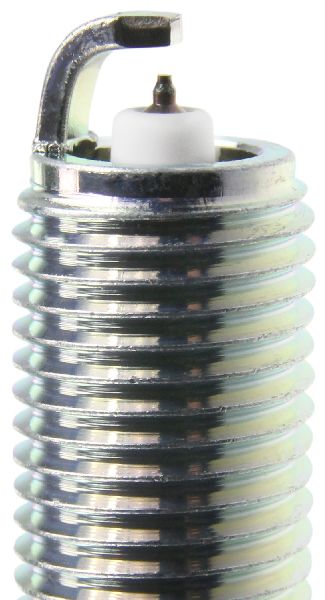
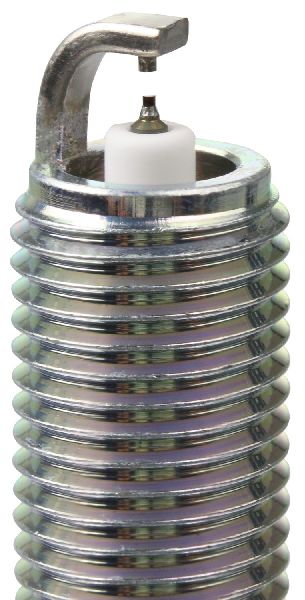
How to confirm: Remove the spark plug from cylinder #1 and inspect it. Look for a black, sooty, or oily deposit on the electrode, a wet appearance, or a visibly worn-out electrode.
Typical fix: Replace the spark plug. If it was oil-fouled on a V6, the underlying cause of the oil consumption (piston rings) must be addressed for a permanent fix.
Est. part cost: $15-$35 per plug - Failed Ignition Coil 🔴 High Probability Ignition coils are a common failure point on modern engines as they age due to heat and vibration.
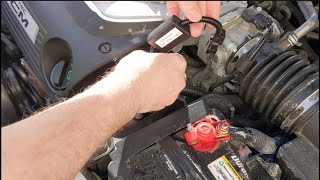
How to confirm: Swap the ignition coil from cylinder #1 with another cylinder (e.g., cylinder #2). Clear the codes and drive the car. 🎬 Watch: A quick 15-minute DIY check for faulty ignition coils. If the code changes to P0302, the ignition coil is bad.
Typical fix: Replace the faulty ignition coil. It is often recommended to replace all coils if they are original and high-mileage.
Est. part cost: $50-$125 - Piston Ring Alignment / Oil Consumption (V6 Models) 🟡 Medium Probability As documented in TSB A13-078, 2008-2012 V6 models with automatic transmissions are prone to an issue where piston rings on VCM-deactivated cylinders (1-4) can align, causing oil to enter the combustion chamber and foul the spark plug.
How to confirm: This is a complex diagnosis. It often starts with finding an oil-fouled spark plug in cylinder 1. A cylinder compression test or leak-down test may be required to confirm poor ring sealing. Monitoring oil consumption is also a key indicator. The dealer confirms by checking for specific DTCs and fouled plugs.
Typical fix: Honda's official fix involves a two-step process. For 2008-2011 models, a PCM software update was the first step. If the problem returned, or for 2012 models, the fix is to replace the piston rings in the affected cylinders (1-4), which is a partial engine rebuild. This repair was covered under an extended warranty (8 years/unlimited miles).
Est. part cost: $100-$300 for rings and gaskets, but labor is extremely high ($2000+). - Clogged or Faulty Fuel Injector ⚪ Low Probability
How to confirm: You can test the injector's resistance with a multimeter or swap it with an injector from another cylinder to see if the misfire code follows the injector. A user on Reddit reported that using a quality fuel injector cleaner resolved an intermittent P0301 code.
Typical fix: Clean or replace the faulty fuel injector.
Est. part cost: $70-$150
Rare But Worth Checking
- Incorrect Valve Lash: Honda engines require periodic valve clearance adjustments, typically every 100,000-110,000 miles or if the valvetrain becomes noisy. If the valves are too tight, they may not seal properly, causing a loss of compression and a misfire. This is a common cause for misfires on higher-mileage Hondas after plugs and coils have been ruled out.
- Vacuum Leak: A leak in a vacuum hose, PCV valve system, or intake manifold gasket can introduce unmetered air, leaning out the air/fuel mixture and causing a misfire.
- Clogged EGR Passages: On V6 models, the EGR (Exhaust Gas Recirculation) passages on the intake manifold can become clogged with carbon, leading to poor running and multiple misfire codes.
Diagnosis Steps
- Read the code with an OBD-II scanner to confirm P0301 and check for any other codes.
- Check if the Check Engine Light is solid or flashing. A flashing light indicates a severe misfire that can damage the catalytic converter.
- Locate cylinder #1. On 4-cylinder engines, it's the cylinder closest to the belts (driver's side). On V6 engines, it's on the rear bank (near firewall), passenger side.
- Swap the ignition coil from cylinder #1 with the coil from cylinder #2. Clear the codes and run the engine. If the code changes to P0302, the coil is faulty.
- If the code remains P0301, remove the spark plug from cylinder #1. Inspect it for wear, damage, or fouling (black, sooty, or oily deposits). An oil-fouled plug on a V6 strongly suggests the TSB A13-078 piston ring issue.
- If the coil and plug are good, consider a mechanical issue. Check for compression in cylinder #1. A healthy reading is typically above 135 psi and should be within 15% of the other cylinders.
- For higher mileage engines, check valve lash (clearance). Tight valves are a known cause of misfires on Honda engines. This should be done on a cold engine. 🎬 Watch: How to perform a valve adjustment on Honda V6 engines.
- If compression and valve lash are good, the next steps involve checking the fuel injector (by listening for its clicking sound, checking resistance, or swapping it) and inspecting for vacuum leaks.
Parts You'll Likely Need

- Spark Plug
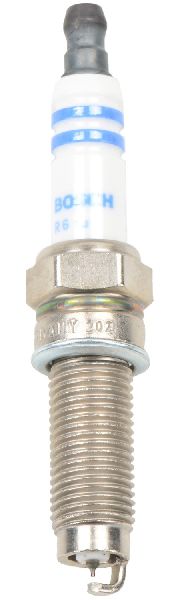
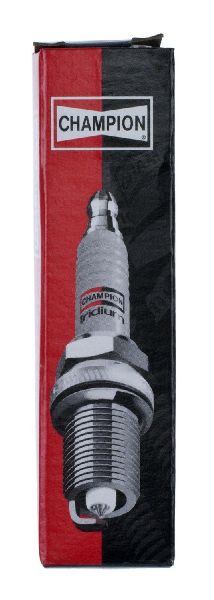
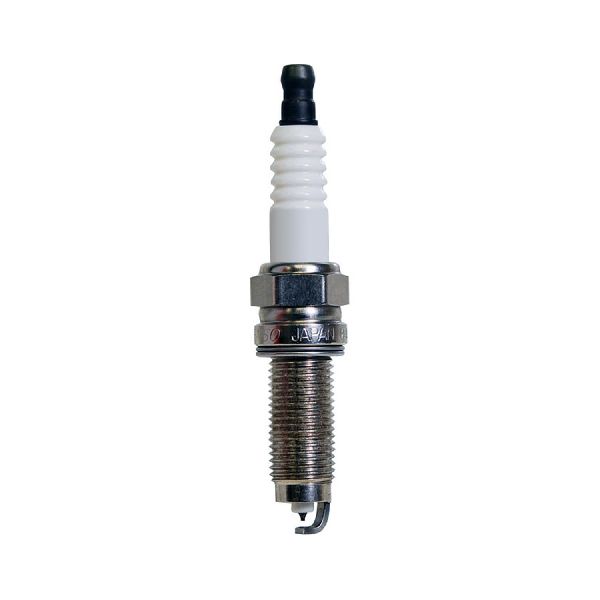
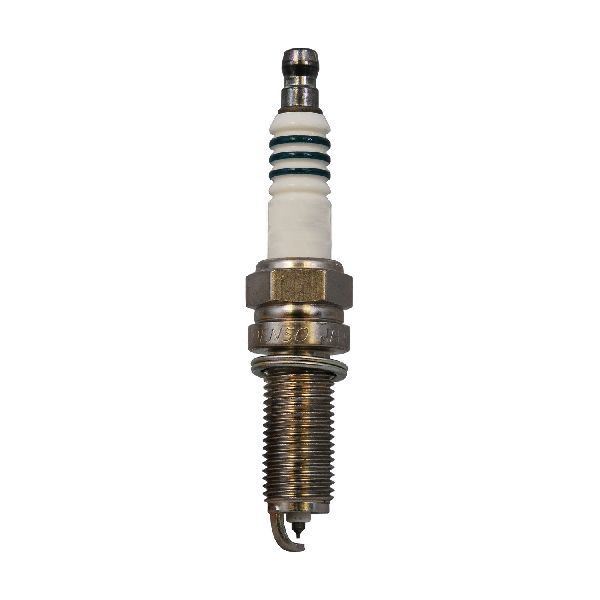
(OEM #V6: 12290-R70-A01 (NGK ILZKR7B11). 4-Cyl: 12290-R40-A01 (NGK ILZKR7B-11S) or Denso SXU22HCR11S.)— This is the most common and simplest fix for a single-cylinder misfire. It's a standard maintenance item that can become worn or fouled.
Trusted brands: NGK, Denso
OEM price range: $25-$35
Aftermarket price range: $15-$25 - Ignition Coil (Coil-on-Plug)
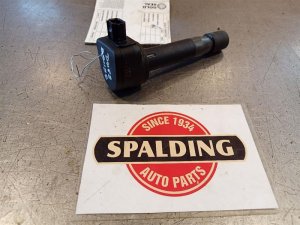
(OEM #V6: 30520-R70-S01 (replaces 30520-R70-A01). 4-Cyl: 30520-R40-007.)— Ignition coils generate the spark. A failed coil is a very common cause for a P0301 code and is easily diagnosed by swapping it with another cylinder.
Trusted brands: Hitachi (OEM), Denso, NGK
OEM price range: $80-$125
Aftermarket price range: $40-$80 - Piston Ring Set — For 2008-2012 V6 models, this is the ultimate fix for the known oil consumption and plug fouling issue described in TSB A13-078. This is not a common DIY part and the repair is extremely labor-intensive.
Trusted brands: Honda Genuine
OEM price range: $100-$200
Aftermarket price range: $50-$150
Related Codes That Often Appear With This One
- P0300 — If the condition causing the misfire is not isolated to one cylinder (like a major vacuum leak, clogged EGR, or low fuel pressure), you may also get a P0300 code for random/multiple cylinder misfires.
- P0302, P0303, P0304 — On V6 models with the VCM issue, it's common for multiple cylinders in the front bank (1-4) to experience misfires due to spark plug fouling. The TSB specifically lists these codes together.
Technical Service Bulletins (TSBs) & Recalls
- A13-078: Warranty Extension: MIL Comes On with DTCs P0301 thru P0304
Platform-Specific Known Issues
- TSB A13-078 for 2008-2012 Accord V6 Models: Honda issued a Technical Service Bulletin and extended the powertrain warranty to 8 years/unlimited mileage due to a class-action lawsuit. The bulletin states, "The piston rings on certain cylinders may rotate and align, which can lead to spark plug fouling. This can set DTCs P0301... P0302... P0303... P0304..." The fix involves a software update and/or piston ring replacement for affected cylinders.
Mechanic-Grade Diagnostic Values
- Ignition Coil Primary Winding Resistance — expected: 0.4 to 2.0 ohms. Failure: A reading outside this range, or an open circuit (infinite resistance).
- Ignition Coil Secondary Winding Resistance — expected: 6,000 to 10,000 ohms (6k-10k Ω). Failure: A reading significantly higher or lower than the specified range.
- Fuel Injector Resistance (High Impedance) — expected: 10.5 to 12.4 ohms at 68°F (20°C). Failure: A reading outside this range suggests a faulty injector coil. This does not test for clogging.
- Ignition Coil Power Supply Wire Voltage — expected: 12V with key on, engine off. Failure: No voltage indicates a wiring or fuse issue upstream of the coil.
Scan Tool Commands That Help
- Honda HDS (or compatible advanced scan tool like Launch X431, Autel, Foxwell NT510): CKP Pattern Clear — This function should be used after repairing a misfire, replacing a crankshaft sensor, or updating the PCM. It erases the stored crankshaft fluctuation data that the PCM uses to detect misfires.
- Honda HDS (or compatible advanced scan tool): CKP Pattern Learn — After performing a 'CKP Pattern Clear,' this procedure must be done. It involves a specific drive cycle (decelerating from a set RPM) to allow the PCM to relearn the normal variations in crankshaft speed, which is essential for accurate misfire detection. Failure to perform this can lead to false misfire codes or failure to detect real ones.
- Honda HDS: Misfire Counter Data — While a generic scanner shows the P0301 code, the Honda Diagnostic System (HDS) can display live misfire counts for each cylinder. This is invaluable for confirming the misfire is isolated to cylinder 1 and for verifying that a repair has been effective.
Wiring & Ground Locations
- G101 — On the intake manifold plenum on the driver's side for 4-cylinder models. For V6 models, it is typically on the cylinder head or engine block near the driver's side.. G101 is a primary ground point for the ECU and many engine sensors. A corroded or loose G101 connection can cause erratic sensor readings, leading to a variety of codes, including misfires that are difficult to diagnose.
- Cylinder 1 Ignition Coil Connector — On top of the valve cover, connected to the ignition coil for cylinder #1.. The power wire is typically Black/Yellow (12V with key on). The other wire is the trigger signal from the PCM. Verifying power at this connector is a key step in diagnosing a no-spark condition.
- Cylinder 1 Fuel Injector Connector — On the fuel rail, connected to the fuel injector for cylinder #1.. On many Hondas, the power wire shared by all injectors is Yellow/Black. The unique control wire for cylinder #1 is often a solid Brown wire. Checking for 12V on the power side and using a noid light on the connector can confirm if the injector is receiving power and a pulse signal from the PCM.
Real Owner Repair Stories
- Reddit user post in r/MechanicAdvice (2013 Honda Accord, 130k miles) — Initially burning 1 quart of oil every 1500-2000 miles, which worsened to 1 quart every 600 miles. Likely accompanied by misfire codes.
❌ Tried (didn't work) The user was monitoring the issue before seeking professional diagnosis.
✅ What actually fixed it A mechanic inspected the spark plugs and found oil residue. A borescope inspection confirmed the piston rings needed to be replaced. This confirms the oil consumption issue can persist into the 9th generation, even if the primary TSB was for the 8th gen. - YouTube video by 'Honda Accord P0301, P0302, P0304, P30306, P1399 -- FIX' (Honda Accord V6 (year not specified, but applicable to this range)) — Multiple misfire codes including P0301.
❌ Tried (didn't work) Diagnosing individual coils and plugs.
✅ What actually fixed it The actual fix was cleaning the EGR valve and, more importantly, the EGR passages on the intake manifold which had become clogged with carbon. This is a common cause for multiple misfires on V6 models.
OEM Part Supersession History
30520-R70-A01→30520-R70-S01— Standard part revision by Honda. The new part is a direct replacement for the old one.
Model Year Variations Within This Range
- 2008-2012: These models use the J35Z series V6 engine. These are the primary subject of TSB A13-078 for oil consumption due to piston ring alignment caused by the VCM system.
- 2013-2015: These models use the updated J35Y series V6 engine, which introduced direct injection ('Earth Dreams'). While the VCM system is still present, the specific piston ring issue from the TSB was supposedly addressed. However, these engines can suffer from carbon buildup on intake valves due to direct injection, which can also cause misfires over time. Some owner reports indicate oil consumption issues can still occur.
- 2013-2017: A separate TSB (A15-010) was issued for some 2013 Accords (and other models) for high oil consumption due to oil control rings becoming clogged with carbon, which is a slightly different issue than the ring alignment problem in the earlier TSB.
Helpful Videos
Used OEM Parts in Stock



New Aftermarket Parts Available

The information in this article is provided for general reference and educational purposes only. Vehicle specifications, procedures, and part compatibility can vary by production date, trim level, and region. Always consult your vehicle's factory service manual and verify part numbers before purchasing or performing repairs. Safety-critical components such as airbags, seat belts, and braking systems should be installed by a qualified professional.
- Honda ACCORD:
- 🎬 Helpful Videos
- 🛍️ Shop This Part
- What's Unique About the 2008-2015 Honda ACCORD
- Diagnostic Flowchart
- Symptoms You May Notice
- Most Likely Causes
- Rare But Worth Checking
- Diagnosis Steps
- Parts You'll Likely Need
- Related Codes That Often Appear With This One
- Technical Service Bulletins (TSBs) & Recalls
- Platform-Specific Known Issues
- Mechanic-Grade Diagnostic Values
- Scan Tool Commands That Help
- Wiring & Ground Locations
- Real Owner Repair Stories
- OEM Part Supersession History
- Model Year Variations Within This Range
- 🎟️ Get 5% Off