

P0301 on 2010-2017 GMC Terrain: Cylinder 1 Misfire Causes and Fixes
On a 2010-2017 GMC Terrain, especially with the 2.4L engine, P0301 is often caused by a worn spark plug or a failing ignition coil. If you have the 2.4L engine, excessive oil consumption is a major underlying issue that fouls plugs. A simple coil swap can diagnose the problem, with parts costing between $25 and $75.
- P0301 indicates a misfire specifically in cylinder 1.
- For the 2.4L engine, always check your oil level first, as excessive oil consumption is the most likely root cause of the spark plug fouling that triggers this code.
- The easiest and quickest diagnostic step is to swap the ignition coil from cylinder 1 to another cylinder to see if the misfire code follows the coil.
- A flashing check engine light signals a severe misfire that can damage your catalytic converter; reduce driving until the issue is fixed.
- While a new spark plug or coil may fix the code temporarily, on a 2.4L engine it may return until the underlying oil consumption or PCV issue is addressed.
What's Unique About the 2010-2017 Gmc TERRAIN

For the 2010-2017 GMC Terrain equipped with the 2.4L Ecotec engine, a P0301 code is frequently a symptom of a much larger, well-documented problem: excessive oil consumption. This issue, caused by premature piston ring wear, leads to oil fouling the spark plugs, which directly causes misfires. Additionally, these engines can suffer from a clogged or frozen PCV orifice in the intake manifold, which increases crankcase pressure and can lead to oil leaks and other engine problems. While the 3.0L and 3.6L V6 engines are less prone to the oil consumption issue, they are direct-injection engines known for accumulating carbon deposits on the intake valves, which can cause rough idling and misfire codes like P0301.
Diagnostic Flowchart

Tap your situation to follow the diagnostic path that matches what you're seeing on this vehicle.
Symptoms You May Notice
- Rough or shaky idle
- Hesitation or stumbling during acceleration
- Flashing Check Engine Light
- Reduced engine power
- Poor fuel economy
- Smell of gasoline from the exhaust
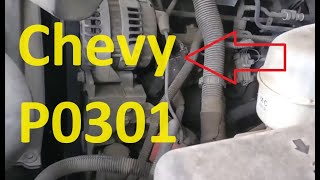
- Service StabiliTrak warning light 🎬 Watch: A breakdown of common causes for the P0301 code.
- Replacing only the ignition coil when the spark plug is fouled with oil from the underlying consumption issue. The new coil will not fix the misfire for long.
- Replacing fuel system components like the fuel pump when the issue is isolated to a single cylinder's ignition system.
- Replacing oxygen sensors when they are simply reporting the effects of the misfire, not causing it.
Most Likely Causes

- Worn or Fouled Spark Plug 🔴 High Probability On the 2.4L engine, excessive oil consumption due to piston ring issues can quickly foul the spark plugs with oil and carbon deposits, causing a misfire. On all engines, spark plugs are a normal wear item that can become worn or fouled over time.
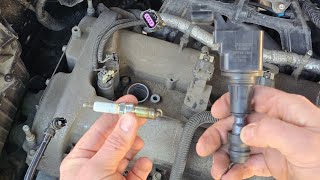
How to confirm: Remove the spark plug from cylinder 1 and inspect it. Look for a worn electrode, heavy black carbon buildup, or wet oil residue. A plug that is black and sooty indicates carbon fouling. Compare it to the other plugs.
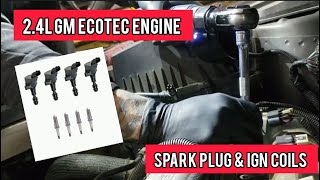
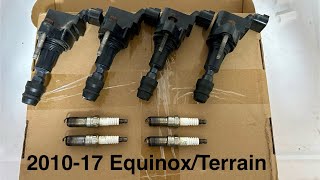
Typical fix: Replace the spark plug. It is best practice to replace all four (or six for V6) spark plugs at the same time. Use of OEM-spec ACDelco Iridium plugs is recommended. 🎬 See this step-by-step spark plug and coil replacement guide.
Est. part cost: $10-$25 per plug - Failing Ignition Coil 🔴 High Probability Ignition coils are a common failure point on many modern engines as they age and are subjected to heat cycles.
How to confirm: Swap the ignition coil from cylinder 1 with the coil from another cylinder (e.g., cylinder 2). Clear the codes and drive the vehicle. If the code changes to P0302, the ignition coil is faulty.
Typical fix: Replace the faulty ignition coil. It is also wise to replace the corresponding spark plug at the same time.
Est. part cost: $40-$100 - Excessive Oil Consumption (2.4L Engine) 🔴 High Probability The 2.4L Ecotec engine is notorious for premature piston ring wear, leading to excessive oil consumption (less than 2,000 miles per quart). This directly leads to fouled spark plugs and recurring misfires. GM issued special coverage programs to address this.
How to confirm: Monitor engine oil levels frequently. Check the spark plug for heavy, wet oil deposits. A compression test or leak-down test can confirm poor piston ring seal.
Typical fix: The official GM repair is to replace the pistons and rings, which is a major engine repair. In the short term, replacing the fouled spark plug will temporarily resolve the misfire, but it will return as the plug fouls again.
Est. part cost: $1000-$3000+ for piston/ring replacement - Clogged/Faulty Fuel Injector 🟡 Medium Probability Direct injection engines, like those in the Terrain, can be susceptible to carbon buildup on the injector tips, which can disrupt the fuel spray pattern and cause a misfire. The issue can also be an electrical failure in the injector or its circuit, which may set a companion code like P0201.
How to confirm: This is more difficult to diagnose. A professional may use a scan tool to perform a fuel injector balance test. Another method is to swap the injector with another cylinder, but this is more labor-intensive. Check for injector-specific codes like P0201.
Typical fix: Clean or replace the fuel injector for cylinder 1. Sometimes, running a high-quality fuel system cleaner can help.
Est. part cost: $50-$150
Rare But Worth Checking
- Plugged PCV Orifice (2.4L Engine): In cold weather, the PCV orifice in the intake manifold can freeze or become clogged with sludge, especially on engines with high oil consumption. This increases crankcase pressure, which can force oil past seals (like the rear main seal) and rings, fouling plugs. GM issued TSB #14882 and a special coverage program to address this by cleaning the orifice.
- Low Engine Compression: Beyond the common piston ring issue on the 2.4L, any mechanical problem like a burnt or leaking valve, a damaged piston, or a failed head gasket can cause a loss of compression and a persistent P0301 code. A compression test and a leak-down test are needed to verify this.
- Carbon Buildup on Intake Valves (V6 and 2.4L): As direct-injection engines, both the 4-cylinder and V6 models do not have fuel washing over the intake valves. This can lead to significant carbon accumulation over time, which can disrupt airflow into the cylinder and cause misfires at idle or under load. GM has issued TSB 16-NA-383 for this condition across many of its gasoline engines.
- Cracked Exhaust Manifold (2.4L Engine): The exhaust manifold on the 2.4L Ecotec engine is known to develop cracks, particularly between the runners for cylinders 1 and 2. This can cause an exhaust leak near the upstream oxygen sensor, which may cause the sensor to read a false lean condition, leading to improper fuel trim adjustments and misfires. An audible ticking noise, especially on a cold start, and the smell of exhaust fumes are common symptoms. 🎬 Watch: How to replace a cracked exhaust manifold on the 2.4L.
Diagnosis Steps
- Read the code with an OBD-II scanner and confirm P0301 is present. Note any other codes, like P0300 or P0201.
- If driving a 2.4L model, check the engine oil level immediately. Low oil is a critical clue for oil consumption or a leaking rear main seal due to PCV issues.
- Swap the ignition coil from cylinder 1 to cylinder 2. Clear the codes and see if the misfire moves to cylinder 2 (P0302). If it does, the coil is bad.
- If the misfire remains on cylinder 1, remove the spark plug. Inspect for wear, damage, or fouling (especially wet oil or heavy black carbon). Replace if necessary.
- If the plug was heavily fouled with oil (on a 2.4L), suspect the common oil consumption issue. The new plug may only be a temporary fix.
- Inspect the wiring and connector for the cylinder 1 ignition coil and fuel injector for any damage, looseness, or corrosion.
- If ignition components are good, the issue may be fuel-related. If a P0201 code is present, focus on the fuel injector and its circuit. Consider having the fuel injector on cylinder 1 tested or cleaned.
- If the misfire persists, perform an engine compression test to check for mechanical problems like worn piston rings or a bad valve. Follow up with a leak-down test to pinpoint the source of the compression loss.
Parts You'll Likely Need

- Spark Plug
(OEM #12622561)— This is the most common failure item causing a single-cylinder misfire. On the 2.4L engine, it is often fouled by oil consumption. This part number corresponds to the ACDelco 41-109 Iridium plug.
Trusted brands: ACDelco, NGK
OEM price range: $15-$25
Aftermarket price range: $8-$18 - Ignition Coil
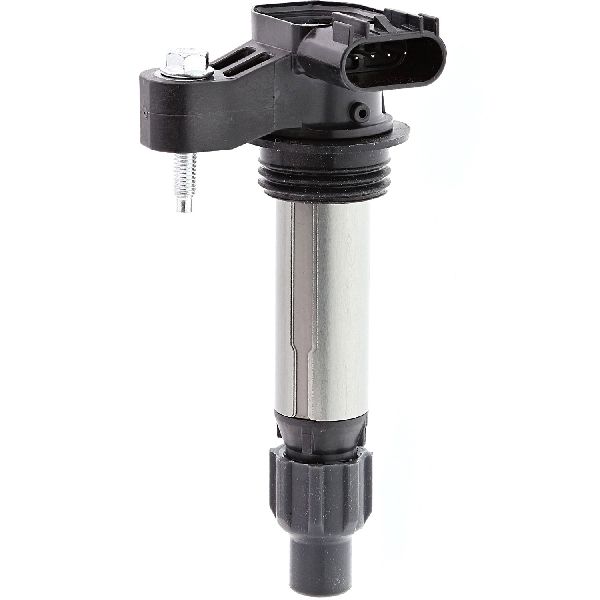
(OEM #12638824)— A failed ignition coil cannot produce the spark needed for combustion. It's a very common cause for a P0301 code. This part number corresponds to ACDelco D522C.
Trusted brands: ACDelco, Delphi, Denso
OEM price range: $70-$110
Aftermarket price range: $40-$80 - Pistons and Rings Kit (2.4L Engine) — This is the definitive, but expensive, fix for the underlying oil consumption issue on 2.4L engines that causes recurring P0301 codes from fouled plugs.
Trusted brands: GM Genuine
OEM price range: $500-$800
Aftermarket price range: $300-$500 - Intake Manifold PCV Orifice Tube
(OEM #12673333)— For 2.4L engines experiencing issues related to TSB 14882, GM released an updated part to help prevent the PCV orifice from clogging. This is part of the fix when addressing high crankcase pressure.
Trusted brands: GM Genuine
OEM price range: $5-$15
Related Codes That Often Appear With This One
- P0300 — If the underlying cause, like a vacuum leak, low fuel pressure, or severe oil consumption, begins to affect multiple cylinders, a P0300 (Random/Multiple Cylinder Misfire) code may appear alongside P0301.
- P0302, P0303, P0304 — If other specific cylinders are also misfiring, their corresponding codes will be stored. The TSB #PIP3333C specifically mentions P0301 and P0304 occurring together due to potential fuel contamination.
- P0201 — This code indicates a fault in the cylinder 1 injector circuit. If you see P0201 with P0301, it strongly suggests the fuel injector or its wiring is the root cause of the misfire.
Technical Service Bulletins (TSBs) & Recalls
- 14882: Special Coverage for Plugged PCV Orifice in Intake Manifold on 2.4L engines, which can cause high crankcase pressure, oil leaks, and contribute to oil consumption issues.
- PIP3333C: Addresses intermittent misfires on cylinder 1 during left turns (or cylinder 4 on right turns), potentially caused by fuel contamination in the fuel rail, especially on returnless fuel systems.
- 16-NA-383 (replaces PIP5029H): General bulletin for GM gasoline engines regarding misfires (P0300-P0308) caused by heavy carbon buildup on intake/exhaust valves, a known issue with direct injection engines.
Platform-Specific Known Issues
- Excessive Oil Consumption (2.4L): Many 2010-2013 models with the 2.4L engine were subject to special coverage from GM for excessive oil consumption due to piston ring wear, which directly causes spark plug fouling and misfires.
- Plugged PCV Orifice (2.4L): TSB #14882 addresses a condition where the PCV orifice in the intake manifold can freeze or clog, increasing crankcase pressure and leading to oil leaks (notably the rear main seal) and worsening oil consumption.
Mechanic-Grade Diagnostic Values
- Ignition Coil Resistance (Primary Winding) — expected: 0.4 to 2.0 ohms. Failure: A reading outside this range suggests a faulty coil.
- Ignition Coil Resistance (Secondary Winding) — expected: 6,000 to 10,000 ohms. Failure: A reading outside this range indicates a failure in the secondary coil windings.
- Low-Pressure Fuel System (V6 Engine) — expected: 50–100 psi (345–690 kPa). Failure: Pressure below this range indicates a weak in-tank fuel pump or a leak.
- High-Pressure Fuel System (2.4L & 3.6L GDI Engines) — expected: Can range from 2,000 to 2,800 PSI under load.. Failure: Significantly lower pressure under load points to a failing high-pressure fuel pump (HPFP).
Scan Tool Commands That Help
- GDS2 / Tech2: Fuel Injector Balance Test — After ruling out spark issues, this command can help determine if the fuel injector on cylinder 1 is flowing at a different rate than the others, indicating a clog or malfunction.
- GDS2 / Tech2: Cylinder Power Balance — This function helps identify which cylinder is contributing least to engine power by sequentially deactivating cylinders and measuring the RPM drop. It can confirm that cylinder 1 is the source of the misfire.
- GDS2 / Tech2: Fuel Pump Enable — When testing the low-pressure fuel system, this command allows the technician to run the in-tank fuel pump without the engine running to get a stable pressure reading.
Wiring & Ground Locations
- G102 — Located at the left rear of the engine.. This ground point is specified as the ground for the ignition coils. A loose or corroded connection here can cause weak spark or intermittent ignition issues on any cylinder, including cylinder 1.
- G104 — Located on the back of the left (driver's side) cylinder head.. This is a primary engine-to-chassis ground. A poor connection here can cause a variety of electrical issues, including problems with the Engine Control Module (ECM) and its ability to properly fire the ignition coils and injectors.
Real Owner Repair Stories
- Buff Motorsports YouTube Channel (2012 GMC Terrain 2.4L) — Loud on startup, exhaust fumes in the cabin, odd engine idle issues, poor fuel economy (20 MPG vs previous 25 MPG).
❌ Tried (didn't work) Timing chain replacement was previously done but did not solve the noise or idle issues.
✅ What actually fixed it Replacement of a cracked exhaust manifold. The crack was located near the cylinder 1 & 2 runners, causing the upstream O2 sensor to get a false lean reading and leading to fuel enrichment and poor idle.
OEM Part Supersession History
12629646, 12578224→12638824 (ACDelco D522C)— Standard part evolution for improved durability and performance.
Model Year Variations Within This Range
- 2010-2011: These years used the 2.4L LAF engine. While still prone to oil consumption, it is distinct from the later LEA engine.
- 2012-2017: These years used the updated 2.4L LEA engine, which was flex-fuel capable. While GM made internal updates, issues with oil consumption and timing chains persisted, though some sources suggest later years (2016-2017) may have had improved piston rings from the factory.
- 2013-2017: The optional V6 engine was upgraded from a 3.0L (LF1/LFW) to a more powerful 3.6L (LFX), which has different fuel system components and is not known for the same oil consumption issues as the 2.4L.
- 2016-2017: Received a mid-cycle refresh with new front/rear fascias, a new hood, and LED daytime running lights. The mechanicals, including the problematic 2.4L engine, were carried over.
Helpful Videos

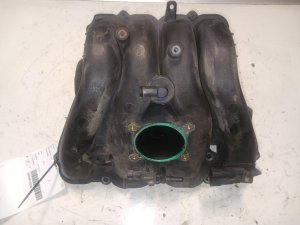
Used OEM Parts in Stock



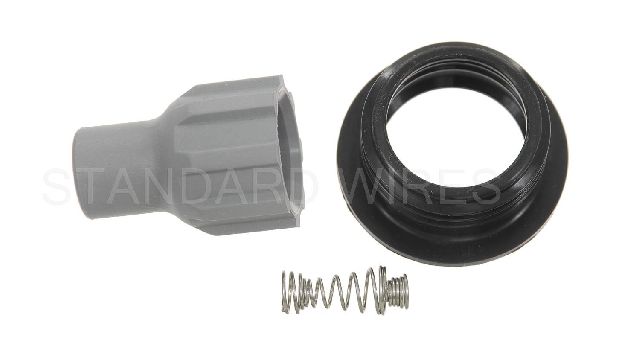
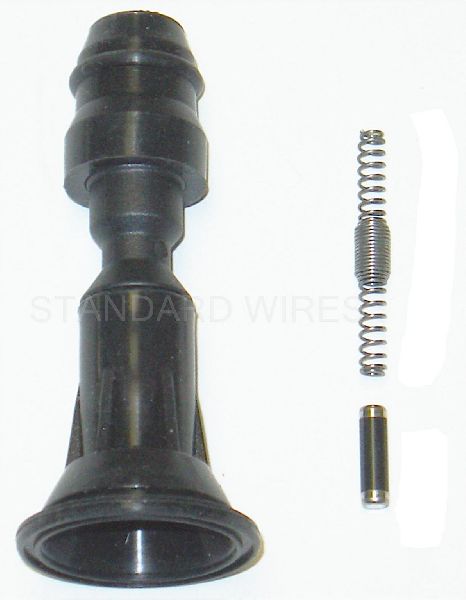
New Aftermarket Parts Available



The information in this article is provided for general reference and educational purposes only. Vehicle specifications, procedures, and part compatibility can vary by production date, trim level, and region. Always consult your vehicle's factory service manual and verify part numbers before purchasing or performing repairs. Safety-critical components such as airbags, seat belts, and braking systems should be installed by a qualified professional.
- Gmc TERRAIN:
- 🎬 Helpful Videos
- 🛍️ Shop This Part
- What's Unique About the 2010-2017 Gmc TERRAIN
- Diagnostic Flowchart
- Symptoms You May Notice
- Most Likely Causes
- Rare But Worth Checking
- Diagnosis Steps
- Parts You'll Likely Need
- Related Codes That Often Appear With This One
- Technical Service Bulletins (TSBs) & Recalls
- Platform-Specific Known Issues
- Mechanic-Grade Diagnostic Values
- Scan Tool Commands That Help
- Wiring & Ground Locations
- Real Owner Repair Stories
- OEM Part Supersession History
- Model Year Variations Within This Range
- 🎟️ Get 5% Off