

P0301 on 2008-2012 GMC Sierra Denali: Cylinder 1 Misfire Causes and Fixes
P0301 on a 2008-2012 Sierra Denali indicates a misfire in cylinder 1. While often caused by a simple bad spark plug, wire, or coil, this code is a significant early warning for this specific engine. GM Technical Service Bulletins and extensive owner reports link P0301 directly to oil-fouled spark plugs from excessive oil consumption and, more seriously, to the failure of the Active Fuel Management (AFM) lifter on cylinder 1. A basic DIY fix is under $100, but an AFM lifter failure can exceed $15
- P0301 is a misfire on the front driver's side cylinder.
- Always check the spark plug, wire, and ignition coil first, as these are the most common and cheapest fixes.
- Pay close attention to the condition of the spark plug. If it's coated in oil, it confirms a known issue with these engines described in TSBs.
- A persistent P0301, especially if accompanied by a ticking engine noise, could be an early sign of a more serious AFM lifter failure.
- Do not drive if the check engine light is flashing to avoid destroying your catalytic converter.
What's Unique About the 2008-2012 Gmc SIERRA DENALI
The 6.2L V8 engine (L92/L94) in this generation of Sierra Denali is equipped with Active Fuel Management (AFM), a system designed to improve fuel economy by deactivating cylinders 1, 4, 6, and 7 under light load. This system is a notorious weak point. The specialized AFM lifters are prone to failure where the internal locking pin can get stuck or break, causing the lifter to collapse. This prevents the valve from opening, resulting in a persistent P0301 misfire. Additionally, GM has issued multiple service bulletins (e.g., #10-06-01-008H) acknowledging that oil consumption related to the AFM pressure relief valve and PCV system can foul the #1 and #7 spark plugs, making an oil-soaked plug a very common and vehicle-specific cause for this code.
Diagnostic Flowchart
Tap your situation to follow the diagnostic path that matches what you're seeing on this vehicle.
Symptoms You May Notice
- Rough or shaking idle
- Hesitation or stumbling during acceleration
- Noticeable loss of engine power
- Flashing or solid Check Engine Light
- "Service StabiliTrak" or "Service Traction Control" messages on the driver information center, which are triggered as a result of the engine misfire
- Smell of unburned fuel from the exhaust
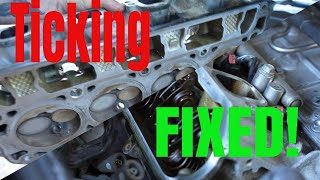
- A distinct ticking or tapping sound from the top of the engine, often indicating a lifter issue
- Replacing only the spark plug without addressing the root cause of oil fouling (PCV/AFM oil spray issue) will result in the P0301 code returning quickly.
- Repeatedly replacing ignition components when the underlying cause is a mechanical failure like a collapsed AFM lifter.
Most Likely Causes
- Worn or Oil-Fouled Spark Plug 🔴 High Probability TSB #10-06-01-008H directly addresses oil consumption from the PCV system or oil spray from the AFM pressure relief valve fouling the #1 and #7 spark plugs. TSB #PIP4525D also notes that a worn #1 cam bearing can cause excess oil splash, fouling the plug. This is the most common starting point for a P0301. 🎬 Watch: How oil-fouled plugs cause this specific misfire.
How to confirm: Remove the spark plug from cylinder 1 (driver's side, front). Inspect for a black, oily, wet coating, heavy carbon buildup, or a cracked porcelain insulator. A plug dripping with oil is a clear sign of this issue.
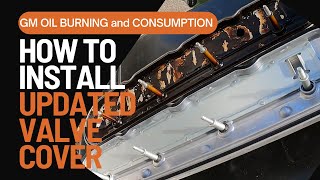
Typical fix: Replace the spark plug. It is best practice to replace all 8. If the plug is oil-fouled, consider the underlying oil consumption issue. GM's fix involves installing an updated driver-side valve cover (GM P/N 12642655 for 2009-2011 models).
Est. part cost: $8-$20 per plug - Faulty Spark Plug Wire 🔴 High Probability TSB #PIP4819A was issued by GM specifically for misfires caused by loose or faulty spark plug wires. The connection at the coil or plug can become loose, or the wire's insulation can degrade from heat and age, causing the spark to arc to the block.
How to confirm: Visually inspect the wire for damage, burns, or carbon tracking. Ensure it 'clicks' securely onto both the ignition coil and the spark plug. An inline spark tester can confirm if spark is being delivered through the wire.
Typical fix: Replace the spark plug wire. It is recommended to replace the entire set of 8 wires (OEM P/N 12731654).
Est. part cost: $50-$100 for a set - Bad Ignition Coil 🟡 Medium Probability
How to confirm: Swap the ignition coil from cylinder 1 with the coil from another cylinder (e.g., cylinder 3, the next one back on the same side). Clear the codes and run the engine. If the code changes to P0303, the coil is faulty.
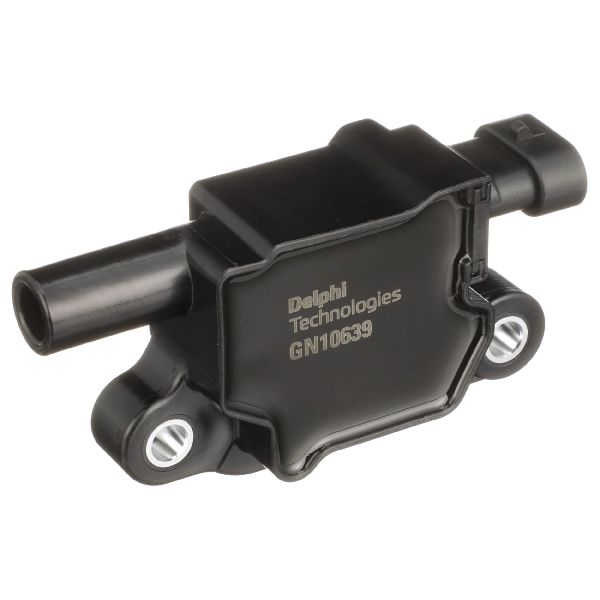
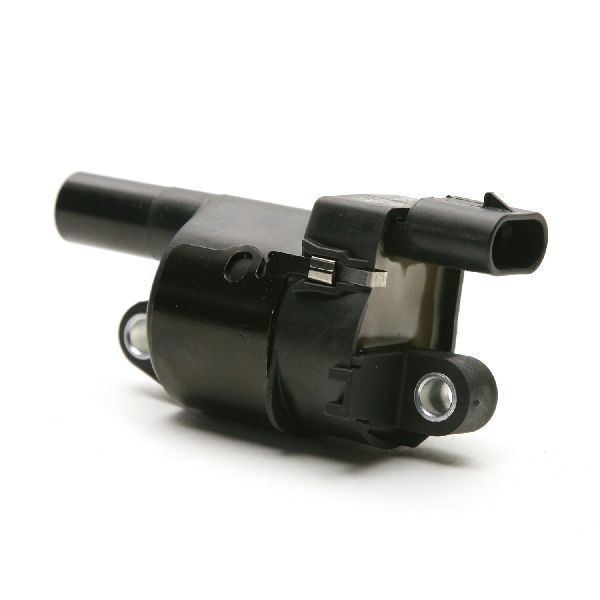
Typical fix: Replace the failed ignition coil. The OEM part number has been updated several times; the latest is GM P/N 12699382, which supersedes 12611424 and 12570616.
Est. part cost: $40-$80 per coil - Failed AFM Lifter 🔴 High Probability This is the most significant and feared failure on this platform. The Active Fuel Management (AFM) system lifters on cylinders 1, 4, 6, and 7 are a well-documented, widespread failure point. A collapsed or stuck lifter on cylinder 1 will cause a persistent P0301 that cannot be fixed with ignition or fuel parts.
How to confirm: This is a complex diagnosis. It often starts with a distinct ticking or chirping noise from the engine. A compression test will likely show low or zero compression on cylinder 1. The definitive diagnosis involves removing the driver's side valve cover to observe the rocker arms while turning the engine by hand; a failed lifter will result in the rocker arm for cylinder 1 not moving or having limited movement.
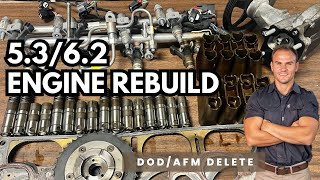
Typical fix: This is a major and expensive repair. It involves removing the cylinder head to replace the failed lifters and lifter guides. The camshaft is often damaged ('wiped lobe') by the failed lifter and also requires replacement. Many owners install an 'AFM delete kit' to prevent future failures. 🎬 Watch: Why AFM lifters fail and how deletes work.
Est. part cost: $500-$1500+ for parts alone - Clogged or Faulty Fuel Injector ⚪ Low Probability
How to confirm: Listen to the injector with a mechanic's stethoscope; it should have a consistent clicking sound. Compare it to cylinder 3. A more involved test is to swap the injector with another cylinder, but this requires removing the fuel rail and is more labor-intensive than swapping a coil.
Typical fix: Replace the faulty fuel injector.
Est. part cost: $50-$120
Rare But Worth Checking
- Low Engine Compression: If ignition and fuel components are confirmed good, a mechanical issue like a worn piston ring, a bad valve, a broken valve spring, or a leaking head gasket could be the cause. This is often the result of a failed AFM lifter damaging other components. A compression test is the first step to verify.
- Intake Manifold Gasket Leak: A vacuum leak near the cylinder 1 intake runner can lean out the air/fuel mixture and cause a misfire. This can be diagnosed with a smoke test or by carefully spraying brake cleaner near the gasket and listening for a change in engine idle.
Diagnosis Steps
- Read the trouble codes with an OBD-II scanner. Note if P0301 is the only code or if others like P0300 are present.
- Check if the Check Engine Light is flashing. If so, avoid driving to prevent catalytic converter damage.
- Listen for a distinct ticking noise from the driver's side of the engine, a common sign of a failed AFM lifter.
- Swap the ignition coil from cylinder 1 with cylinder 3. Clear codes and drive. If the code changes to P0303, the coil is bad.
- If the misfire stays on cylinder 1, inspect the spark plug wire for a secure fit and any signs of arcing or damage. Consider swapping it with cylinder 3's wire.
- Remove and inspect the spark plug from cylinder 1. Look for signs of heavy wear, damage, or a wet, oily coating as described in TSB #10-06-01-008H.
- If the plug is fouled, replace it (and preferably all 8). If it was oil-fouled, the root cause is likely the PCV system, requiring the updated valve cover.
- If ignition components are good, listen to the fuel injector on cylinder 1 with a stethoscope to ensure it is clicking consistently. Compare the sound to an adjacent injector.
- If all else fails, perform an engine compression test on cylinder 1. Low or zero compression strongly points to a mechanical issue, most likely a failed AFM lifter.
- For definitive mechanical diagnosis, remove the driver's side valve cover and visually inspect the valve train, specifically the rocker arm movement for cylinder 1, to confirm a collapsed lifter.
Parts You'll Likely Need
- Iridium Spark Plug
(OEM #12622441)— Per TSBs #PIP4525D and #10-06-01-008H, oil fouling of spark plugs is a primary cause of P0301 on this engine. A fresh plug is often the immediate fix.
Trusted brands: ACDelco, NGK
OEM price range: $10-$15
Aftermarket price range: $8-$12 - Ignition Coil
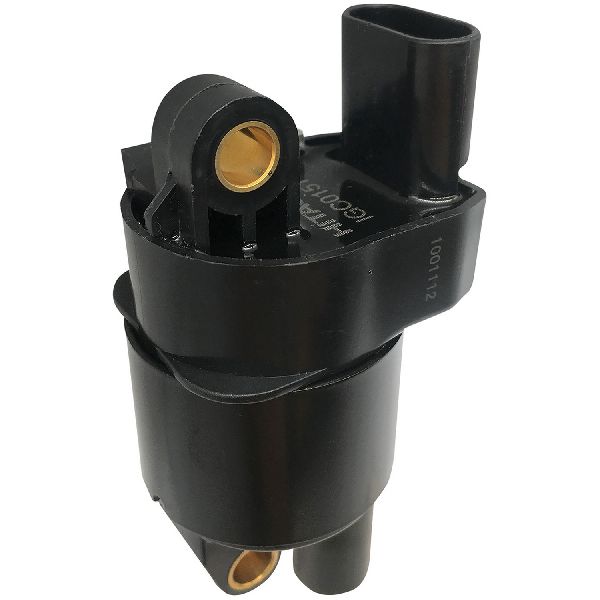
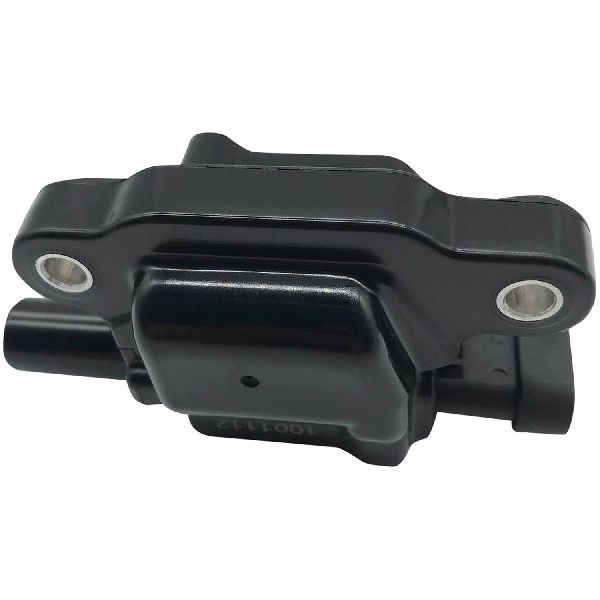
(OEM #12699382 (supersedes 12611424, 12570616))— Ignition coils are a common failure item that directly causes a single-cylinder misfire. It's easy to diagnose by swapping its position. Using the latest OEM part number is recommended.
Trusted brands: ACDelco, Delphi
OEM price range: $60-$90
Aftermarket price range: $40-$70 - Spark Plug Wire Set
(OEM #12731654 (Set of 8))— TSB #PIP4819A identifies loose or faulty spark plug wires as a direct cause of misfires. Replacing them as a set is good preventative maintenance, especially on a higher-mileage vehicle.
Trusted brands: ACDelco, NGK
OEM price range: $80-$120
Aftermarket price range: $50-$90
Related Codes That Often Appear With This One
- P0300 — If the misfire is intermittent or starting to affect other cylinders, a P0300 (Random/Multiple Cylinder Misfire) may be stored alongside P0301.
- P0171 — If the misfire is caused by a vacuum leak or a clogged fuel injector, the engine may run lean on that bank, triggering a 'System Too Lean (Bank 1)' code.
Technical Service Bulletins (TSBs) & Recalls
- 10-06-01-008H: Details how oil spray from the AFM pressure relief valve or PCV issues can cause excessive oil consumption, fouling spark plugs on cylinders #1 and #7. Recommends installing an updated valve cover.
- PIP4819A: Notes that engine misfires (P0301 included) can be caused by loose spark plug wires that need inspection and replacement.
- PIP4525D: Links P0301 to oil consumption and misfires, advising technicians to inspect spark plugs for oil fouling. Notes it can be caused by a worn #1 cam bearing.
Platform-Specific Known Issues
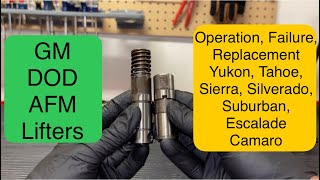
- Active Fuel Management (AFM) Lifter Failure: This is the most significant issue. The lifters for cylinders 1, 4, 6, and 7 are designed to deactivate. They are a common failure point, leading to misfires, engine noise, and eventually camshaft damage. A P0301 code can be the first warning sign of this expensive repair.
- Oil Consumption and Fouled Plugs: TSB #10-06-01-008H describes how the PCV system and an AFM oil pressure relief valve in the oil pan can cause excessive oil consumption, leading to oil-fouled spark plugs, particularly in cylinders 1 and 7. The official fix involves installing an improved design driver's side valve cover.
Mechanic-Grade Diagnostic Values
- Fuel Pressure (Key On, Engine Off) — expected: 55-65 PSI. Failure: Pressure below 55 PSI may indicate a weak fuel pump or clogged filter.
- Fuel Injector Resistance — expected: 11-14 Ohms. Failure: A reading outside this range, or OL (over-limit), suggests a faulty injector coil.
- Ignition Coil Primary Resistance — expected: 0.8 - 1.2 Ohms. Failure: A reading of OL (over-limit/infinite) or zero ohms indicates a failed coil.
Hidden / Shadow Codes Worth Checking
- Mode 6, Test ID $A2-$AB (Component ID $01-$08): Mode 6 data provides raw misfire counts for each cylinder over the last 10 driving cycles. A technician can view the misfire count for cylinder 1 (Component ID $01) to see how frequently the misfire is occurring, even if it's not yet severe enough to keep the MIL flashing. (see via Most advanced OBD-II scanners, not just dealer tools, can access Mode 6 data.)
Scan Tool Commands That Help
- Tech2 / GDS2: Crankshaft Position System Variation Learn — This procedure is required after replacing the crankshaft position sensor, the ECM, the harmonic balancer, or after major engine work. Failure to perform this relearn can cause the ECM to inaccurately detect misfires, potentially leading to a persistent or false P0301 code.
- Tech2 / GDS2: Power Balance Test — This function allows a technician to disable one cylinder at a time and observe the corresponding drop in engine RPM. A cylinder that causes little or no RPM drop when disabled is the one that is misfiring. This is a quick way to confirm the misfire is on cylinder 1.
- Tech2 / GDS2: AFM Cylinder Deactivation (Enable/Disable) — To help diagnose a potential AFM lifter issue, a technician can command the AFM system on and off to see if the misfire on cylinder 1 changes. If the misfire is only present when AFM is active (or inactive), it points strongly toward a fault in the AFM lifter or solenoid for that cylinder.
Wiring & Ground Locations
- G104 — On the front of the driver's side (left) cylinder head.. This is a primary engine ground. A loose or corroded connection here can cause erratic signals for ignition and injection components on the driver's side bank, including cylinder 1, leading to phantom misfires.
- G103 — On the front of the passenger's side (right) cylinder head.. This is a main ground for the Engine Control Module (ECM). A poor connection can cause the ECM to behave erratically, potentially misinterpreting sensor data and setting false codes.
- Cylinder 1 Ignition Coil Connector — Plugged into the ignition coil for the front-most cylinder on the driver's side.. Technicians test the pins on this connector to verify power (Pink wire), ground (Black wire), and signal from the ECM (Dark Green/White wire) are all present, ruling out a wiring issue between the ECM and the coil.
Real Owner Repair Stories
- PerformanceTrucks.net Forums (2009 GMC Sierra Denali 6.2L) — Rough idle, severe loss of power, blinking check engine light, Stabilitrak/Traction Control service messages, P0301 code.
❌ Tried (didn't work) Swapping ignition coil between cylinder 1 and 3, Swapping spark plug wire between cylinder 1 and 3
✅ What actually fixed it The dealership diagnosed a failed AFM lifter on cylinder 1. The repair involved removing the cylinder head and replacing the lifter.
OEM Part Supersession History
12637685, 12607721→12642655— Updated design to address oil consumption issues related to the PCV system fouling spark plugs.
Heads up: This is the updated driver-side valve cover recommended by a TSB to fix oil fouling on cylinder 1.12648846→12698945— Likely an updated design for the standard (non-AFM) hydraulic roller lifter.
Heads up: Part number 12648846 is explicitly for engines WITHOUT Active Fuel Management (AFM). It will not work in an AFM cylinder location. The correct AFM lifter part number is different (e.g., 12645725).
Model Year Variations Within This Range
- 2008: The 2008 Sierra Denali used the L92 engine, which has Variable Valve Timing (VVT) but does NOT have Active Fuel Management (AFM). Therefore, a P0301 on a 2008 model is not caused by an AFM lifter failure.
- 2009: The 2009 model used the L9H engine, which added Flex Fuel capability to the L92 design. It still did not have AFM.
- 2010-2012: These years used the L94 engine, which included VVT, Flex Fuel, and Active Fuel Management (AFM). For these model years, a failed AFM lifter becomes a high-probability cause for a P0301 code.
Helpful Videos


We Have This Part in Stock


The information in this article is provided for general reference and educational purposes only. Vehicle specifications, procedures, and part compatibility can vary by production date, trim level, and region. Always consult your vehicle's factory service manual and verify part numbers before purchasing or performing repairs. Safety-critical components such as airbags, seat belts, and braking systems should be installed by a qualified professional.
- Gmc SIERRA DENALI:
- 🎬 Helpful Videos
- 🛍️ Shop This Part
- What's Unique About the 2008-2012 Gmc SIERRA DENALI
- Diagnostic Flowchart
- Symptoms You May Notice
- Most Likely Causes
- Rare But Worth Checking
- Diagnosis Steps
- Parts You'll Likely Need
- Related Codes That Often Appear With This One
- Technical Service Bulletins (TSBs) & Recalls
- Platform-Specific Known Issues
- Mechanic-Grade Diagnostic Values
- Hidden / Shadow Codes Worth Checking
- Scan Tool Commands That Help
- Wiring & Ground Locations
- Real Owner Repair Stories
- OEM Part Supersession History
- Model Year Variations Within This Range
- 🎟️ Get 5% Off