

P0301 on 2014-2021 Dodge Challenger: Cylinder 1 Misfire Causes and Fixes
P0301 on a Dodge Challenger means cylinder 1 is misfiring. The most common fix is replacing a faulty ignition coil or a worn-out spark plug. Swapping the coil from cylinder 1 to another cylinder is a quick, no-cost way to confirm if the coil is the problem. On HEMI engines, this can be an early sign of lifter failure, while on Pentastar V6 engines, it can point to rocker arm issues.
- P0301 is a misfire on cylinder 1. On a V6, it's the front passenger-side cylinder; on a V8, it's the front driver-side cylinder.
- Start your diagnosis with the easiest and most common fixes: swap the ignition coil with another cylinder to see if the problem moves.
- If the coil is good, inspect and likely replace the spark plug(s) for cylinder 1.
- Be aware of engine-specific mechanical issues: a ticking sound on a HEMI V8 or Pentastar V6 accompanied by a misfire can indicate a serious and expensive camshaft/lifter problem.
- Do not drive if the Check Engine Light is flashing, as this can quickly destroy your catalytic converters.
What's Unique About the 2014-2021 Dodge CHALLENGER
On the Dodge Challenger, the cause of a P0301 misfire can be engine-specific. For the 3.6L Pentastar V6, while ignition components are common culprits, these engines can also be prone to valvetrain issues like worn rocker arms where the internal needle bearings fail, causing a persistent ticking noise and misfire. For the 5.7L and 6.4L HEMI V8 engines, a notorious issue is potential camshaft and lifter failure. The roller on a lifter can fail, causing it to grind down the camshaft lobe, which results in a misfire often accompanied by a distinct 'HEMI tick'. It's also important to remember that HEMI engines use two spark plugs per cylinder, doubling the chances of a plug-related failure.
Diagnostic Flowchart
Tap your situation to follow the diagnostic path that matches what you're seeing on this vehicle.
Symptoms You May Notice
- Rough or shaking idle
- Hesitation or stumbling when accelerating
- Noticeable loss of engine power
- Flashing or solid Check Engine Light
- Decreased fuel economy
- Engine is difficult to start
- Smell of unburned gasoline from the exhaust
- A ticking or tapping sound from the engine, especially on HEMI or Pentastar models
- Replacing only one spark plug when the entire set is old or due for service.
- Replacing a fuel pump when the issue is isolated to a single cylinder's injector or ignition system.
- Assuming a ticking noise is a normal 'HEMI tick' without investigating it as a potential cause for the misfire, which could be a sign of imminent lifter/camshaft failure.
Most Likely Causes
- Faulty Ignition Coil 🔴 High Probability Coil-on-plug systems are common failure points due to constant high-voltage use, heat, and vibration. This is often the first and most likely part to fail for a single-cylinder misfire.
How to confirm: Swap the ignition coil from cylinder 1 with another cylinder (e.g., cylinder 3 on a V6 or V8). Clear the codes and drive. If the code changes to P0303, the ignition coil is faulty. This is a definitive, no-cost diagnostic step.
Typical fix: Replace the failed ignition coil. Many owners choose to replace all coils on the affected bank or the entire set as preventative maintenance, especially on higher mileage vehicles.
Est. part cost: $40-$80 - Worn or Fouled Spark Plug(s) 🔴 High Probability Spark plugs are a standard wear item. HEMI engines have two plugs per cylinder (16 total), increasing the likelihood of a plug-related issue. Plugs can become worn, fouled with oil or carbon, or have an incorrect gap, leading to a weak or inconsistent spark.
How to confirm: Remove the spark plug(s) from cylinder 1 and inspect for wear, damage, or deposits. Check the electrode for excessive wear and ensure the gap is correct (typically around 0.043 inches, but verify for your specific engine).
Typical fix: Replace the spark plug(s) in cylinder 1. It is highly recommended to replace the entire set (6 for V6, 16 for V8) at the same time for even performance and to avoid future misfires.
Est. part cost: $10-$25 per plug - Faulty Fuel Injector 🟡 Medium Probability Injectors can become clogged with fuel deposits over time or fail electronically, preventing proper fuel delivery to the cylinder. This can cause a lean misfire.
How to confirm: After ruling out the coil and plug, you can swap the fuel injector from cylinder 1 with another cylinder. If the misfire code follows the injector, it needs to be replaced. A professional can also use a 'noid light' to confirm the injector is receiving an electrical signal from the PCM.
Typical fix: Replace the faulty fuel injector. It's also a good idea to clean or replace the fuel injector seals. Some owners try a quality fuel system cleaner first, with mixed results.
Est. part cost: $70-$150 - Camshaft/Lifter Failure (HEMI Engines) ⚪ Low Probability The 5.7L and 6.4L HEMI engines can suffer from premature wear of the camshaft lobes and lifters, often on cylinders managed by the Multi-Displacement System (MDS). The lifter's roller bearing fails, causing the lifter to seize and grind away the camshaft lobe, leading to a persistent misfire and a distinct ticking sound.
How to confirm: This is a complex diagnosis that usually starts with a persistent ticking noise from the top of the engine that gets more pronounced as the engine warms up. A mechanic will need to perform a compression test and ultimately remove the valve covers and potentially the cylinder head to visually inspect the camshaft and lifters for wear.
Typical fix: Requires extensive engine work, including replacing the camshaft, all lifters (often upgrading to non-MDS lifters), head gaskets, and related components. This is a very expensive repair. 🎬 See how to identify and prevent HEMI lifter failure.
Est. part cost: $800-$2500+ - Worn Rocker Arm / Cam Lobe (3.6L Pentastar) ⚪ Low Probability Some 3.6L Pentastar engines can experience premature failure of the needle bearings inside the rocker arms. This causes the arm to seize or develop excessive play, which can then damage the camshaft lobe, leading to a misfire and ticking sound.
How to confirm: Listen for a ticking or tapping sound from the top of the engine. Diagnosis requires removing the valve cover to inspect the valvetrain for worn or damaged components. One owner noted this issue occurred on one bank of the engine after having previously repaired the other bank for the same problem.
Typical fix: Replace the failed rocker arm(s) and inspect the camshaft for damage. If the cam is scored, it must also be replaced. It is recommended to replace all rocker arms on the affected cylinder head. 🎬 Watch: Diagnosing a Pentastar misfire caused by rocker arm failure.
Est. part cost: $200-$700
Rare But Worth Checking
- Low Engine Compression: This indicates a more serious internal engine problem. A compression test and a cylinder leak-down test are required to diagnose a burnt valve, worn piston rings, or a failed head gasket. Driving with a misfire for too long can cause piston ring wear, leading to low compression.
- Vacuum Leak: A leak from a cracked intake manifold or a bad intake gasket near cylinder 1 can lean out the fuel mixture and cause a misfire. This can sometimes be diagnosed by carefully spraying brake cleaner near the gasket with the engine running and listening for a change in RPM.
Diagnosis Steps
- Confirm Cylinder 1 Location: For the 3.6L V6, cylinder 1 is on the passenger side (right bank), front of the engine. For V8 HEMI engines (5.7L, 6.4L), cylinder 1 is on the driver's side (left bank), front of the engine.
- Scan for Codes: Use an OBD-II scanner to confirm P0301 and look for any other related codes like P0351 or P0201, which can narrow down the cause.
- Test the Ignition Coil: Swap the ignition coil from cylinder 1 with an adjacent, easily accessible cylinder (like cylinder 3). Clear the codes, run the engine, and rescan. If the code has moved (e.g., to P0303), the coil is bad.
- Inspect the Spark Plug(s): If the coil is good, remove and inspect the spark plug(s) from cylinder 1. Look for signs of wear, carbon fouling, oil, or damage. Check the gap with a feeler gauge. Replace if in doubt. Remember HEMI engines have two plugs per cylinder.
- Test the Fuel Injector: If the ignition system checks out, you can test the injector. A simple method is to listen to it with a mechanic's stethoscope to hear if it's clicking. A more advanced test involves swapping the injector with another cylinder or using a 'noid light' to verify it's getting a signal.
- Check for Vacuum Leaks: With the engine running, carefully listen for hissing sounds around the intake manifold near cylinder 1. You can also (cautiously) spray short bursts of brake cleaner or starter fluid around the intake gasket; a change in engine RPM indicates a leak.
- Perform Mechanical Tests: If all else fails, a compression test and a cylinder leak-down test are necessary to check for internal engine problems like bad valves, piston rings, or a failing camshaft/lifter. This is especially important if you hear a persistent ticking noise.
Parts You'll Likely Need
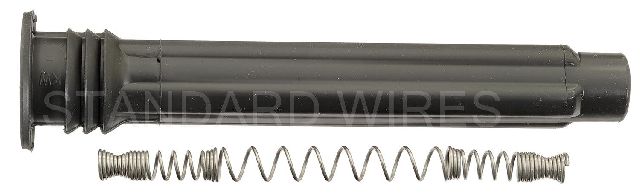
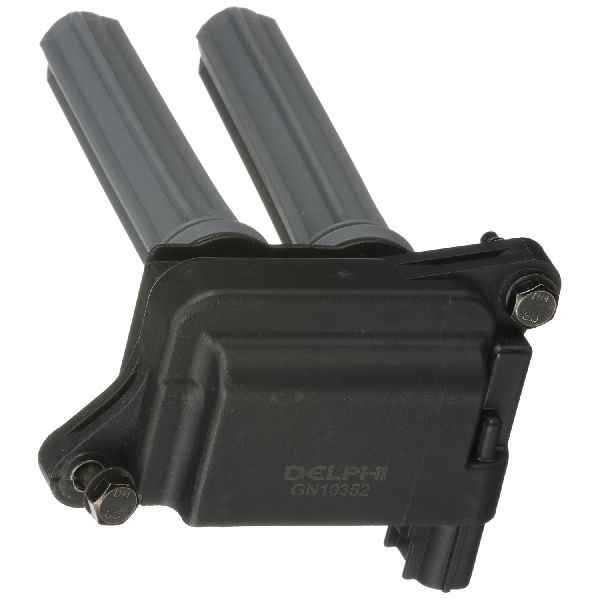
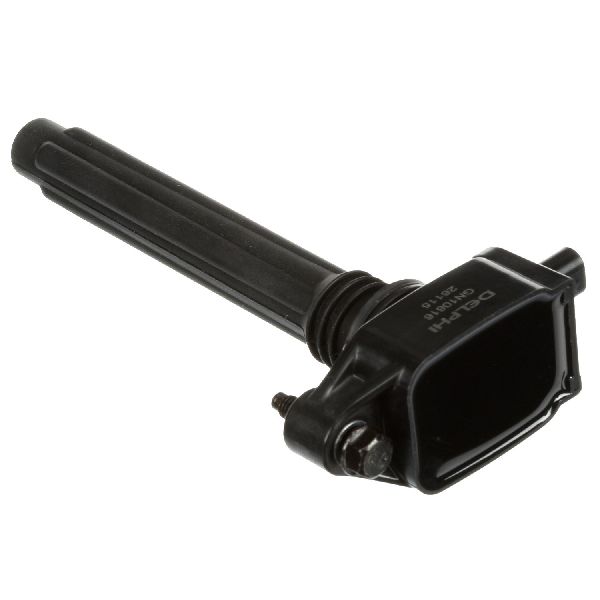
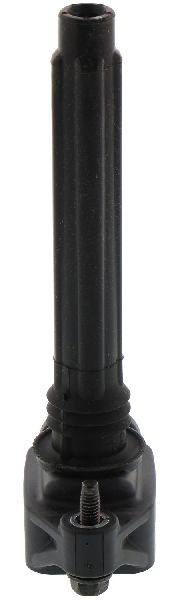
- Ignition Coil
Related Codes That Often Appear With This One
- P0300 — If the misfire is intermittent or begins to affect other cylinders, a P0300 (Random/Multiple Cylinder Misfire) may be stored alongside P0301.
- P0351 — This code specifically points to a malfunction in the ignition coil primary/secondary circuit for cylinder 1, strongly suggesting the coil or its wiring is the problem.
- P0201 — This code indicates a malfunction in the fuel injector circuit for cylinder 1, pointing directly to a problem with the injector or its wiring.
Technical Service Bulletins (TSBs) & Recalls
- 1400322REVA
- 18-094-16
- 1809416
Platform-Specific Known Issues
- TSB #1400322REVA, #18-094-16, #1809416: These Technical Service Bulletins issued by the manufacturer list P0301 - Cylinder 1 Misfire as a potential Diagnostic Trouble Code that may be set, confirming it applies to these vehicles.
- HEMI Cam/Lifter Wear: 5.7L and 6.4L HEMI engines are known for a potential issue where the camshaft lobes wear down and the roller lifters fail, causing a persistent misfire and a ticking sound.
- Pentastar Valvetrain Wear: 3.6L V6 engines can suffer from worn rocker arms that can damage the camshaft, also resulting in a misfire and engine ticking.
Mechanic-Grade Diagnostic Values
- Short-Term/Long-Term Fuel Trims — expected: Between -5% and +5% at idle.. Failure: Consistently high positive values (e.g., > +10%) can indicate a vacuum leak affecting the cylinder, while high negative values can suggest a leaking fuel injector.
- Ignition Coil Primary Resistance (3.6L V6) — expected: Approximately 0.5 - 2.0 Ohms.. Failure: A reading outside of this range (e.g., an open circuit or significantly higher/lower resistance) indicates a faulty coil.
- Cylinder Leak-Down Test — expected: Less than 10-15% leakage.. Failure: High leakage (e.g., 80% as seen in one case) points to a mechanical issue. Listening for where the air escapes (intake, exhaust, or crankcase) pinpoints the problem (intake valves, exhaust valves, or piston rings).
Scan Tool Commands That Help
- wiTECH (Chrysler/Dodge/Jeep Dealer Tool): Cylinder Contribution Test — This function actively disables one cylinder at a time to measure the RPM drop. A cylinder with a minimal or no RPM drop when disabled is the one that is not contributing (misfiring). This is a definitive way to confirm the misfiring cylinder electronically.
- wiTECH (Chrysler/Dodge/Jeep Dealer Tool): Misfire Counters (Live Data) — Viewing the live misfire counters for each cylinder can help identify intermittent misfires that may not be severe enough to set a code immediately. This is useful for tracking which cylinder is the primary offender.
Wiring & Ground Locations
- Cylinder 1 Ignition Coil Connector — On the ignition coil for cylinder 1. For HEMI V8s, this is the front-most cylinder on the driver's side. For the 3.6L V6, it's the front-most cylinder on the passenger's side.. The connector and its wiring are critical. The PCM sends a ground signal through the control wire to fire the coil. A damaged wire or corroded terminal at this connector will directly cause a P0301 and/or P0351.
- Ignition Coil Control Wire — Runs from a specific pin on the Powertrain Control Module (PCM) to the ignition coil connector.. This wire carries the signal for the coil to fire. A short to ground or an open circuit in this wire will prevent the spark plug from firing. Testing for voltage or continuity between the PCM and the coil connector on this specific wire is a key diagnostic step when the coil and plug are known to be good.
Real Owner Repair Stories
- Daniels Customs YouTube Channel (2012 Dodge Challenger 3.6L V6) — Check engine light with codes P0301, P0302, and P0306.
❌ Tried (didn't work) Swapping ignition coils, Swapping spark plugs, Swapping fuel injectors
✅ What actually fixed it A cylinder leak-down test revealed an 80% leak on cylinder 1. Air could be heard escaping from the intake, indicating the admission (intake) valves were damaged and not sealing, requiring mechanical engine repair.
OEM Part Supersession History
5149168AH→5149168AI, then 5149168AJ— Standard part revision and improvement by the manufacturer over time.
Heads up: The newer part numbers (e.g., 5149168AJ) are backward compatible and replace the older versions.
Model Year Variations Within This Range
- 2015+: Starting in 2015, the 5.7L and 6.4L HEMI engines received updates, including strengthened valvetrain components. However, the fundamental design that can lead to lifter failure, especially in MDS-equipped engines, remains. PCM software updates have also been released over the years which may alter MDS activation patterns to reduce stress on lifters.
Helpful Videos
Used OEM Parts in Stock


New Aftermarket Parts Available


The information in this article is provided for general reference and educational purposes only. Vehicle specifications, procedures, and part compatibility can vary by production date, trim level, and region. Always consult your vehicle's factory service manual and verify part numbers before purchasing or performing repairs. Safety-critical components such as airbags, seat belts, and braking systems should be installed by a qualified professional.
- Dodge CHALLENGER:
- 🎬 Helpful Videos
- 🛍️ Shop This Part
- What's Unique About the 2014-2021 Dodge CHALLENGER
- Diagnostic Flowchart
- Symptoms You May Notice
- Most Likely Causes
- Rare But Worth Checking
- Diagnosis Steps
- Parts You'll Likely Need
- Related Codes That Often Appear With This One
- Technical Service Bulletins (TSBs) & Recalls
- Platform-Specific Known Issues
- Mechanic-Grade Diagnostic Values
- Scan Tool Commands That Help
- Wiring & Ground Locations
- Real Owner Repair Stories
- OEM Part Supersession History
- Model Year Variations Within This Range
- 🎟️ Get 5% Off