

P0301 on 2012-2017 Chrysler 200: Cylinder 1 Misfire Causes and Fixes
P0301 indicates a misfire in cylinder 1. On the 2012-2017 Chrysler 200, this is most often caused by a faulty ignition coil or a worn spark plug. For 2.4L engines, oil leaking from the valve cover gasket into the spark plug tube is a very common cause. For early 3.6L V6 models (2012-2014), this code can be a symptom of a more serious valvetrain failure, such as worn camshaft lobes or a failed cylinder head. A DIY fix with a new coil and plug costs around $50-$100.
- P0301 means cylinder 1 is misfiring. Do not ignore this code, especially if the check engine light is flashing, to avoid catalytic converter damage.
- The most likely cause is a bad ignition coil or spark plug. A simple diagnostic test is to swap the coil from cylinder 1 to another cylinder to see if the code follows.
- If you have the 2.4L engine (common in 2015-2017 models), the first thing to check is for engine oil in the spark plug well, which points to a failed valve cover gasket.
- If you have the 3.6L V6 and hear a ticking noise along with the misfire, be aware of the known valvetrain issues (rocker arms/camshaft) that may require a more involved repair.
What's Unique About the 2012-2017 Chrysler 200

The 2012-2017 Chrysler 200 spans two generations and two primary engines, each with its own well-documented quirks for this code. The first generation (2012-2014) with the 3.6L Pentastar V6 is notorious for valvetrain issues. Early 2012-2013 models were subject to a major warranty extension (X56) for a defective left cylinder head that caused misfires on cylinders 2, 4, and 6, but the underlying valvetrain weakness can affect any cylinder. More broadly, these engines suffer from failed rocker arm bearings that cause a 'Pentastar tick' and can lead to a P0301 and camshaft damage. The second generation (2015-2017) with the 2.4L 'Tigershark' engine is well-known for valve cover gaskets that leak oil into the spark plug wells, fouling the plugs and coils and causing misfires. A Technical Service Bulletin (TSB #08-027-20) was issued specifically for the 2.4L engine to address misfires by replacing the ignition coil boots with an improved part.
Diagnostic Flowchart

Tap your situation to follow the diagnostic path that matches what you're seeing on this vehicle.
Generation note: This range covers the first generation (JS; 2012-2014) and the second generation (UF; 2015-2017). The 3.6L Pentastar V6 in early models (2012-2013) had a known defect with the left cylinder head causing misfires, covered by an extended warranty (X56). The 2.4L Tigershark engine, common in the second generation, is prone to oil leaks from the valve cover gasket that cause misfires.
Symptoms You May Notice
- Flashing or solid Check Engine Light
- Rough or shaky engine idle
- Hesitation or stumbling during acceleration
- Noticeable loss of engine power
- Increased fuel consumption
- Smell of raw fuel from the exhaust
- Engine ticking noise (especially on 3.6L V6, indicating potential rocker arm failure)
- Replacing the oxygen (O2) sensors. O2 sensor codes can sometimes accompany misfire codes, but the misfire is usually the root cause, not the sensor.
- On the 3.6L V6, replacing only the spark plugs and ignition coil when the actual cause is a mechanical valvetrain issue like a failed rocker arm. A Reddit user with a 2015 200S V6 had a dealer replace lifters and rocker arms for P0301, which did not solve the problem that was ultimately diagnosed as a bad cylinder head.
Most Likely Causes

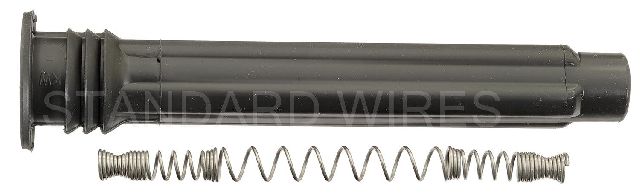
- Faulty Ignition Coil 🔴 High Probability Ignition coils are a common failure item. On the 2.4L engine, they are often damaged by oil leaking from the valve cover gasket. TSB #08-027-20 specifically addresses replacing ignition coil boots to fix misfires on the 2.4L engine, indicating a known weakness.
How to confirm: Swap the ignition coil from cylinder 1 with another cylinder (e.g., cylinder 2). Clear the codes and drive the vehicle. If the code changes to P0302, the ignition coil is faulty.
Typical fix: Replace the faulty ignition coil. It is often recommended to replace the spark plug at the same time. 🎬 Watch: How to replace ignition coils and spark plugs. If performing the TSB 08-027-20 repair, all four coil boots are replaced and a specific Mopar lubricant is applied.
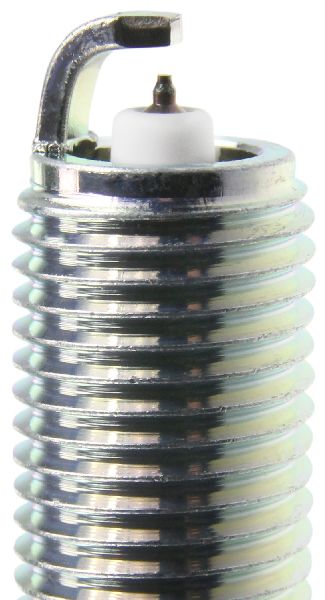
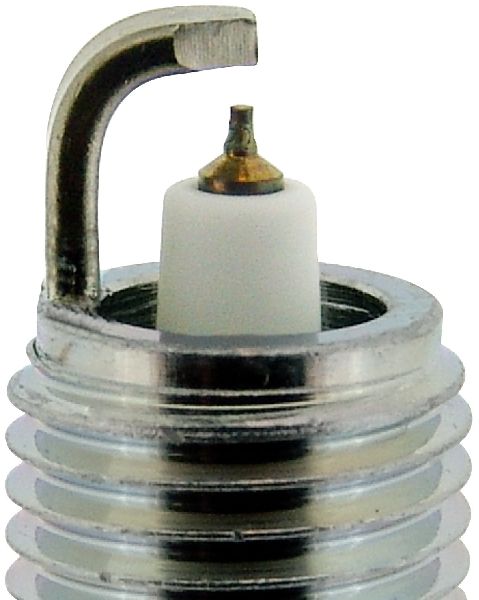
Est. part cost: $35-$112 - Worn or Fouled Spark Plug 🔴 High Probability Spark plugs are a routine maintenance item. On the 2.4L engine, they are frequently fouled by oil leaking from the valve cover gasket, a very common issue.
How to confirm: Remove the spark plug from cylinder 1 and inspect it. The porcelain may be cracked, the electrode worn, or it may be wet with oil or black with carbon soot.
Typical fix: Replace the spark plug. It's best practice to replace all spark plugs at the same time to maintain consistent performance.
Est. part cost: $5-$25 per plug - Leaking Valve Cover Gasket (2.4L Engine) 🔴 High Probability This is an extremely common issue on the 2.4L Tigershark engine. The spark plug tube seals, which are integrated into the gasket, harden and fail, allowing oil to fill the spark plug well, shorting out the coil and plug.
How to confirm: Remove the ignition coil from cylinder 1. If the boot and the inside of the spark plug tube are wet with engine oil, the valve cover gasket has failed.
Typical fix: Replace the valve cover gasket and the spark plug tube seals. 🎬 Watch: Step-by-step valve cover gasket replacement on the 2.4L engine. It is critical to also replace the oil-soaked ignition coil and spark plug for that cylinder.
Est. part cost: $40-$100 - Faulty Fuel Injector ⚪ Low Probability
How to confirm: After ruling out spark issues, listen to the injector with a mechanic's stethoscope to confirm it's clicking. For a more definitive test, swap the injector with another cylinder and see if the misfire code follows. This is more difficult on the V6 as it requires removing the intake manifold.
Typical fix: Replace the clogged or failed fuel injector.
Est. part cost: $60-$200
Rare But Worth Checking
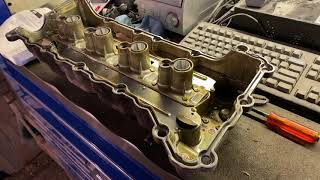
- Failed Rocker Arm / Worn Camshaft Lobe (3.6L V6): A widespread issue on 3.6L Pentastar engines is the failure of rocker arm bearings, creating a distinct 'Pentastar tick'. This prevents the valves from opening correctly. If ignored, the failed rocker arm will destroy the camshaft lobe, requiring replacement of the rockers, lifters, and camshaft. 🎬 See this complete guided repair for 3.6L rocker arm replacement. A video of a 2014 Chrysler 200 with P0301 showed completely worn-down intake lobes on the cylinder 1 camshaft.
- Left Cylinder Head Failure (2012-2013 3.6L V6): A known manufacturing defect caused excessive wear on valve guides and seats in the left-side cylinder head of early Pentastar engines, leading to loss of compression and misfires (typically P0302, P0304, P0306, but can contribute to others). Chrysler issued warranty extension X56 (10 years/150,000 miles) to cover replacement. The updated head is part number RL141353AC.
- Low Engine Compression: Beyond the specific Pentastar head issue, mechanical problems like a burnt valve, damaged piston, or a failed head gasket can cause a loss of compression in cylinder 1. A forum user with a 2015 200C reported a P0301 and found 0 PSI compression in cylinder 1, pointing to a major mechanical failure. A compression test followed by a leak-down test is needed to diagnose this.
Diagnosis Steps
- Read the code with an OBD-II scanner to confirm P0301 and check for any other codes.
- For 2.4L engines, the first step is to remove the plastic engine cover and then the ignition coil on cylinder 1 (front-most cylinder on the passenger side). Check for liquid oil in the spark plug tube. If oil is present, the valve cover gasket has failed and is the root cause.
- If no oil is present, swap the ignition coil from cylinder 1 with the coil from cylinder 2. Clear the codes and run the engine. If the code changes to P0302, the ignition coil is bad.
- If the code remains P0301, remove and inspect the spark plug from cylinder 1. Look for heavy carbon fouling, oil contamination, or a worn/damaged electrode. Replace if necessary.
- For 3.6L engines, listen carefully for a persistent ticking sound from the top of the engine. This is a strong indicator of a failing rocker arm, which requires removing the valve cover for visual inspection of the camshaft lobes and rocker arms.
- If spark components are good, check the fuel injector for cylinder 1. Listen for a steady clicking sound with a stethoscope. Consider swapping it with another cylinder's injector to see if the misfire moves (more complex on the V6).
- If ignition and fuel systems seem okay, perform a compression test on cylinder 1 to check for mechanical engine problems. A reading significantly lower than other cylinders (or 0 PSI) indicates a serious internal issue.
- Inspect for vacuum leaks around the intake manifold gaskets and vacuum hoses, which can lean out the mixture and cause a misfire.
Parts You'll Likely Need
- Ignition Coil
(OEM #68242286AB)— This is one of the most common causes of a single-cylinder misfire. On the 2.4L engine, it is often damaged by leaking oil from the valve cover gasket.
Trusted brands: Mopar, NGK, Delphi
OEM price range: $70-$115
Aftermarket price range: $35-$75 - Spark Plug
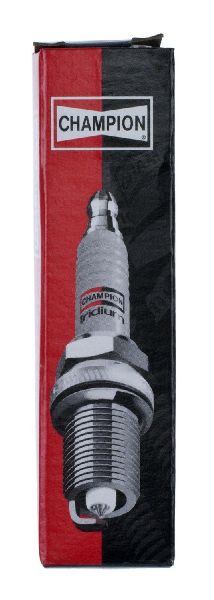
(OEM #SP148183AD)— Spark plugs are a standard wear item and a primary cause of misfires. They are often fouled by oil on the 2.4L engine.
Trusted brands: Champion, NGK
OEM price range: $15-$30
Aftermarket price range: $5-$20
Related Codes That Often Appear With This One
- P0300 — If the underlying issue (like low fuel pressure or a large vacuum leak) is not isolated to one cylinder, it can cause random misfires across multiple cylinders.
- P0302, P0303, P0304, etc. — If other specific cylinders are also misfiring, it points to a more widespread problem. On the 3.6L, misfires on cylinders 2, 4, and 6 are a classic sign of the left cylinder head defect.
- P0201 — This code indicates a malfunction in the cylinder 1 injector circuit. It often appears alongside P0301 when the fuel injector itself or its wiring is the root cause of the misfire.
Technical Service Bulletins (TSBs) & Recalls
- 08-027-20: For 2015-2017 2.4L engines, this TSB addresses misfire codes by replacing all four ignition coil insulating boots and applying a specific lubricant to create a better seal.
- 09-002-14: This is the service bulletin associated with the 3.6L Pentastar left cylinder head replacement, detailing the diagnosis and repair for the issue covered under warranty extension X56.
- 18-102-16: This TSB involves a software update for the Powertrain Control Module (PCM) on 2012 models with the 3.6L engine. It can resolve erroneously set misfire codes, including P0301, among other issues.
Platform-Specific Known Issues

- TSB for Ignition Coil Boots: Chrysler issued Technical Service Bulletin #08-027-20 for 2015-2017 models with the 2.4L engine, which addresses rough running and misfire codes (P0300-P0304). The fix involves replacing all four ignition coil insulating boots and applying Molykote G-5008 lubricant.
- 3.6L Pentastar Left Cylinder Head Defect: Early models (2012-2013) with the 3.6L V6 were part of warranty extension X56 (10 years/150,000 miles) for a defective left cylinder head that caused severe misfires. The fix is a redesigned cylinder head (P/N RL141353AC).
- 3.6L Pentastar Rocker Arm Failure: A more general and very common issue for all years of the 3.6L V6 is the failure of rocker arm bearings. This starts as a ticking noise and progresses to a misfire code like P0301 and can cause expensive camshaft damage if not addressed.
- 2.4L Tigershark Oil Leaks: Second-generation models (2015-2017) with the 2.4L engine are known for leaking valve cover gaskets that cause oil to pool in the spark plug tubes, fouling the ignition components and being a primary cause of P0301.
Mechanic-Grade Diagnostic Values
- Fuel Injector Resistance (3.6L V6) — expected: 11-14 Ohms. Failure: A reading significantly outside this range indicates a faulty injector coil winding.
- Fuel Pressure (both engines, KOEO) — expected: 58 +/- 5 PSI. Failure: Low fuel pressure can cause lean misfires, though it would typically affect multiple cylinders.
- Mode $06 Misfire Monitor — expected: Misfire count for Component ID $01 (Cylinder 1) should be zero.. Failure: Any non-zero value confirms misfire events have been detected by the PCM, even if not enough to set a code.
Scan Tool Commands That Help

- wiTECH (Chrysler Dealer Tool): Cylinder Kill / Injector Kill Test — This bidirectional command allows the user to manually disable the cylinder 1 fuel injector. If there is no change in engine RPM or smoothness, it confirms cylinder 1 was not contributing power, pinpointing the issue to that cylinder.
- wiTECH (Chrysler Dealer Tool): View Misfire Counters — This live data PID shows real-time misfire events per cylinder before they accumulate to the threshold required to set a P030x trouble code. It is useful for diagnosing intermittent misfires.
Wiring & Ground Locations
- G103 — On the front of the cylinder head on the 2.4L engine.. This is a primary engine ground point. A loose or corroded connection at G103 can cause insufficient or erratic voltage to sensors and ignition coils, leading to misfires and other phantom electrical issues.
- Cylinder 1 Ignition Coil Connector (3.6L) — Connector on the ignition coil for the front-most cylinder on the passenger side, against the firewall.. Pin 1 is the ASD (Auto Shutdown) relay output (12V+) and Pin 2 is the coil control driver signal from the PCM. Verifying 12V+ at Pin 1 and checking the signal integrity on Pin 2 with a noid light or oscilloscope can diagnose wiring or PCM driver faults.
Real Owner Repair Stories
- 200forums.com user (2015 Chrysler 200C 2.4L) — Persistent P0301 misfire.
❌ Tried (didn't work) Replacing all 4 spark plugs, Replacing all 4 ignition coils, Replacing the cylinder 1 fuel injector
✅ What actually fixed it The vehicle had 0 PSI compression in cylinder 1. The root cause was a major internal mechanical failure, suspected to be a burnt valve or damaged piston. - Reddit user kingcomedian (Dodge with 3.6L Pentastar engine) — P0301 misfire.
❌ Tried (didn't work) Initial diagnosis focusing on spark and fuel.
✅ What actually fixed it The user, a mechanic, stated it was a bad rocker arm and that it's critical to fix it before it damages the camshaft lobe. Their shop stocks cams and rocker arms due to the frequency of this failure. - YouTube channel 'Valley Mobile Automotive' (2013 Dodge Grand Caravan 3.6L (same engine and common issue)) — Ticking noise and misfire code.
✅ What actually fixed it Upon removing the valve cover, a rocker arm was found to have excessive play due to a failed bearing. The final repair was to replace all 24 rocker arms and lifters.
OEM Part Supersession History
05184445AI (and others)→RL141353AC or 68141353AC— To correct a manufacturing defect in the valve guides and seats of the left cylinder head on early 3.6L Pentastar engines.5149168AH→5149168AI, 5149168AJ— Standard revision and improvement of the ignition coil for the 3.6L V6 engine.
Heads up: Later revisions are generally backward compatible.
Model Year Variations Within This Range
- 2012-2015 (3.6L V6): These earlier Pentastar engines are more susceptible to the rocker arm bearing failure that causes a 'Pentastar tick' and can lead to P0301.
- 2016-2017 (3.6L V6): The 3.6L Pentastar engine was updated around 2016 with improved valvetrain components, including more durable rocker arms, to reduce the failure rate seen in earlier models. While not immune, failure is less common.
Helpful Videos
Used OEM Parts in Stock


New Aftermarket Parts Available


The information in this article is provided for general reference and educational purposes only. Vehicle specifications, procedures, and part compatibility can vary by production date, trim level, and region. Always consult your vehicle's factory service manual and verify part numbers before purchasing or performing repairs. Safety-critical components such as airbags, seat belts, and braking systems should be installed by a qualified professional.
- Chrysler 200:
- 🎬 Helpful Videos
- 🛍️ Shop This Part
- What's Unique About the 2012-2017 Chrysler 200
- Diagnostic Flowchart
- Symptoms You May Notice
- Most Likely Causes
- Rare But Worth Checking
- Diagnosis Steps
- Parts You'll Likely Need
- Related Codes That Often Appear With This One
- Technical Service Bulletins (TSBs) & Recalls
- Platform-Specific Known Issues
- Mechanic-Grade Diagnostic Values
- Scan Tool Commands That Help
- Wiring & Ground Locations
- Real Owner Repair Stories
- OEM Part Supersession History
- Model Year Variations Within This Range
- 🎟️ Get 5% Off