

P0301 on 2008-2010 Chevrolet Silverado 2500: Cylinder 1 Misfire Causes and Fixes
P0301 on a 2008-2010 Silverado 2500 with the 6.0L V8 most often indicates a failure in the ignition system for cylinder 1. The most likely culprits are a worn spark plug, a bad spark plug wire, or a faulty ignition coil. These are affordable DIY fixes, typically costing under $100. A cracked spark plug porcelain is a commonly reported finding.
- P0301 specifically points to a misfire in cylinder 1, which is the first cylinder on the driver's side.
- The most probable cause on a 2008-2010 Silverado 2500 6.0L is a bad spark plug or spark plug wire, as noted in official GM service bulletins.
- A simple and effective diagnostic step is to swap the ignition coil from cylinder 1 with another cylinder to see if the misfire code follows the coil.
- Do not drive for extended periods with a flashing check engine light, as this indicates a severe misfire that can quickly destroy your catalytic converter.
- Unlike the Silverado 1500, this issue is very unlikely to be related to the AFM/DOD system, as the 6.0L HD engine was not equipped with it.
What's Unique About the 2008-2010 Chevrolet SILVERADO 2500
The 6.0L V8 engine (LY6/L96) in the Silverado 2500 HD is a workhorse known for its durability. Unlike the 5.3L V8 in the Silverado 1500, this engine does not have the Active Fuel Management (AFM) system, which is a common source of lifter-related misfires on other GM trucks. Because of this, misfire codes like P0301 on the 2500 HD are most often traced back to basic ignition system wear, such as fouled plugs or degraded wires, as confirmed by multiple GM Technical Service Bulletins (TSBs).
Diagnostic Flowchart
Tap your situation to follow the diagnostic path that matches what you're seeing on this vehicle.
Symptoms You May Notice
- Flashing or solid Check Engine Light
- Rough or shaking idle
- Engine hesitation or stumbling during acceleration
- Noticeable loss of power
- Smell of unburnt fuel from the exhaust
- Reduced fuel economy
- Engine backfiring or popping sounds from the exhaust
- Replacing the fuel pump when only a single cylinder is misfiring. A fuel pump issue would typically cause random misfires on multiple cylinders (P0300) or issues under load.
- Replacing oxygen sensors. A bad O2 sensor can cause fuel trim issues but is unlikely to cause a consistent misfire on only one cylinder. It's a symptom, not the root cause of a single-cylinder misfire.
Most Likely Causes
- Worn or Fouled Spark Plug 🔴 High Probability TSB #PIP4525D specifically mentions inspecting spark plugs for oil fouling and cracks as a cause for P0301 on these trucks. The 6.0L engine can consume some oil over time, which fouls the plugs. A hairline crack in the porcelain insulator is a very common failure mode that can be hard to spot but will cause a definite misfire.
How to confirm: Remove the spark plug from cylinder 1 (driver's side, front). Inspect for a worn electrode, wide gap, black, oily deposits, or hairline cracks in the white porcelain. A cracked plug is a confirmed failure.
Typical fix: Replace the spark plug. It is recommended to replace all 8 spark plugs at the same time for even performance using ACDelco Iridium plugs.
Est. part cost: $5-$15 per plug - Bad Spark Plug Wire 🔴 High Probability TSB #PIP4819A directly links loose or faulty spark plug wires to misfire codes on this platform. The wires, especially for cylinders 1 and 7, are exposed to high heat from the exhaust manifold, which causes the boot to become brittle and the connection to loosen or fail over time.
How to confirm: Inspect the wire for cylinder 1 for any visible damage, cracks, or loose connections at the coil and spark plug. A common failure is the terminal breaking off inside the boot. With the engine running, you can carefully spray a fine mist of water on the wire and look for arcing (sparks).
Typical fix: Replace the spark plug wire. It is best practice to replace the full set of 8 wires with a quality set like ACDelco OEM.
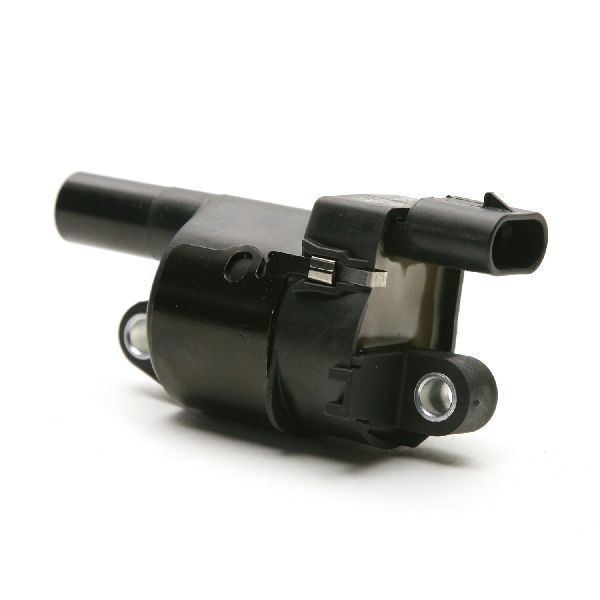
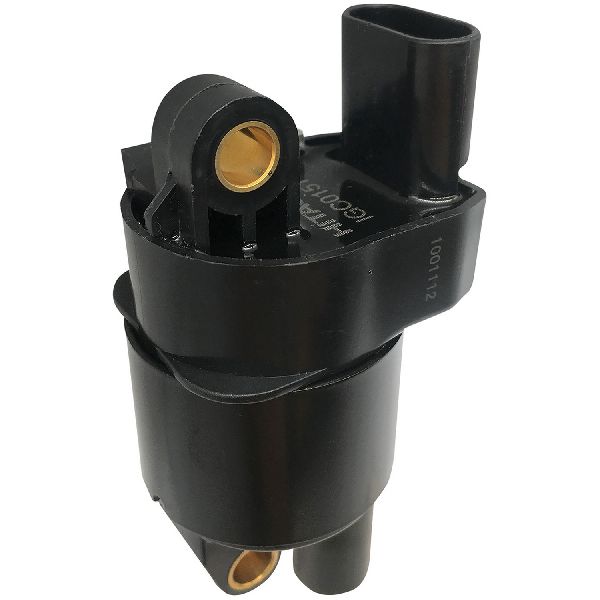
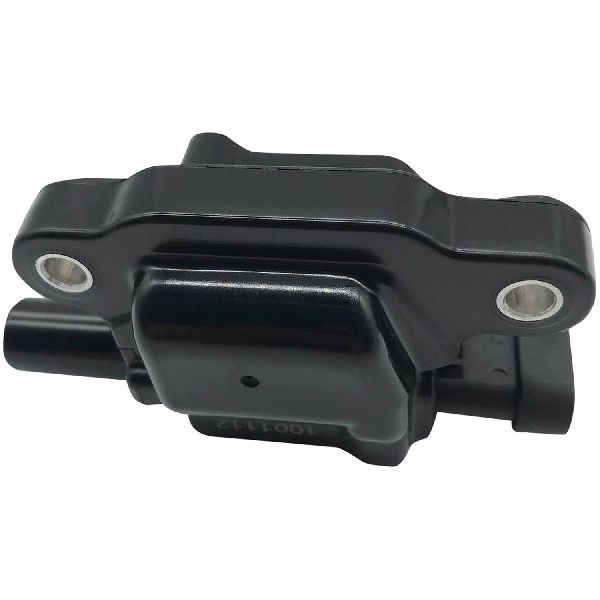
Est. part cost: $50-$100 for a set - Faulty Ignition Coil 🟡 Medium Probability Coil-on-plug systems are a common failure point on many vehicles as they age. Heat and vibration can cause the coil's internal windings to fail, leading to a weak or no-spark condition.
How to confirm: Swap the ignition coil from cylinder 1 with the coil from another cylinder (e.g., cylinder 3, which is next on the same bank). Clear the codes and drive the vehicle. If the code changes to P0303, the coil is faulty.
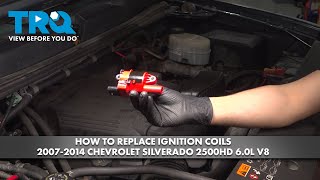
Typical fix: Replace the faulty ignition coil. It is generally acceptable to replace only the single failed coil. 🎬 Watch this walkthrough on how to replace your ignition coils.
Est. part cost: $30-$75 - Clogged or Failing Fuel Injector ⚪ Low Probability Fuel injectors can become clogged with deposits from fuel over many miles, preventing them from delivering the correct amount of fuel to the cylinder. While less common than ignition issues, it's a known failure point.
How to confirm: After ruling out ignition issues, you can swap the fuel injector from cylinder 1 with another cylinder. If the misfire code follows the injector, the injector is the problem. This is more labor-intensive than swapping a coil. An injector balance test with a professional scan tool can also identify a weak injector.
Typical fix: Replace the faulty fuel injector. Some owners have had success with professional fuel system cleaning services.
Est. part cost: $50-$120
Rare But Worth Checking
- Intake Manifold Gasket Leak: A vacuum leak near the intake runner for cylinder 1 can lean out the air/fuel mixture and cause a misfire. This is a known issue on the GM Gen IV V8s and may be accompanied by lean codes P0171 or P0174 and a hissing sound. The original orange gaskets were prone to failure and were replaced by an updated teal green gasket design.
- Low Engine Compression: A mechanical issue like a worn piston ring, a bad valve, a broken valve spring, or a worn camshaft lobe can cause a loss of compression in cylinder 1, leading to a persistent misfire. Even without AFM, a standard lifter can fail or a cam lobe can wear down, which would typically produce a ticking or chirping noise. A compression test and cylinder leak-down test are needed to diagnose this.
Diagnosis Steps
- Read the code with an OBD-II scanner to confirm P0301 and check for any other codes.
- Visually inspect the spark plug wire for cylinder 1 (front-most on driver's side) for damage, a loose fit, or signs of arcing.
- Remove the spark plug from cylinder 1. Check for wear, damage, or fouling (black, oily, or white deposits). Pay close attention to hairline cracks in the porcelain insulator. Compare it to a new plug.
- If the plug or wire looks suspect, replace them. It's best to replace all plugs and wires as a set if they are old.
- If plugs and wires are good, swap the ignition coil from cylinder 1 with another cylinder (e.g., cylinder 3).
- Clear the codes and drive the truck. If the code returns as P0303, the ignition coil is bad and needs to be replaced.
- If the misfire remains on cylinder 1, check for a good spark using an inline spark tester. This will confirm if the entire ignition circuit to that cylinder is functioning.
- If spark is confirmed good, the issue may be fuel-related (injector) or mechanical (compression).
- Listen for a hissing sound near the intake manifold at idle. Spray short bursts of brake cleaner near the cylinder 1 intake runner; if the engine RPM changes, you have a vacuum leak.
- Perform a compression test on cylinder 1 to rule out internal engine problems like bad rings, valves, or a worn cam lobe.
Parts You'll Likely Need
- Spark Plug
(OEM #ACDelco 41-162 (supersedes 41-110))— This is the most common cause of a single-cylinder misfire and is a standard maintenance item. TSB #PIP4525D points directly to faulty plugs. The 41-162 is the updated part number from GM, though both will work.
Trusted brands: ACDelco, NGK
OEM price range: $8-$15
Aftermarket price range: $5-$12 - Spark Plug Wire Set
(OEM #ACDelco 9748RR)— TSB #PIP4819A identifies faulty spark plug wires as a primary cause of misfires on these trucks. They degrade from heat and time, leading to loose connections or breakage.
Trusted brands: ACDelco, Delphi, NGK
OEM price range: $70-$110
Aftermarket price range: $50-$90 - Ignition Coil
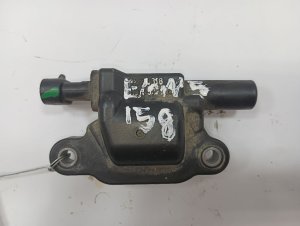
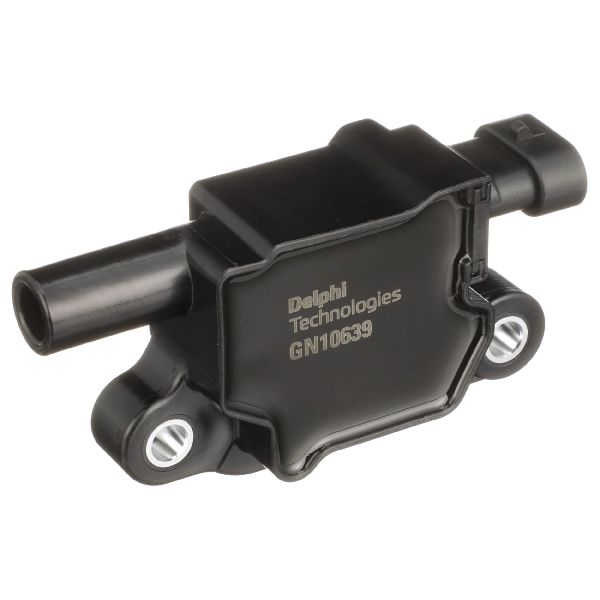
(OEM #ACDelco D521C (or GM 12735944))— A common failure point that is easy to diagnose by swapping its position with another coil. A failed coil will cause a persistent misfire on a single cylinder.
Trusted brands: ACDelco, Delphi, Standard Motor Products
OEM price range: $50-$80
Aftermarket price range: $30-$60
Related Codes That Often Appear With This One
- P0300 — If the misfire is intermittent or begins to affect other cylinders, the PCM may log a P0300 (Random/Multiple Cylinder Misfire) in addition to the P0301.
- P0171 — If the misfire is caused by a vacuum leak affecting cylinder 1 (which is on Bank 1), a 'System Too Lean (Bank 1)' code may also be triggered.
- P0430 — Catalyst System Efficiency Below Threshold (Bank 2). While P0420 (Bank 1) is more likely, a severe, long-term misfire on any cylinder can lead to catalytic converter damage, sometimes triggering efficiency codes for either bank.
Technical Service Bulletins (TSBs) & Recalls
- PIP4819A: Addresses misfires caused by loose spark plug wires.
- PIP4525D: Addresses misfires caused by oil-fouled or cracked spark plugs.
- 19-NA-219: Provides diagnostic tips for mechanical misfire causes like worn cam lobes or sticking valves.
Platform-Specific Known Issues
- TSB #PIP4819A: A General Motors bulletin specifically mentions that engine misfires (including P0301) can be caused by loose-fitting spark plug wires. The fix is to inspect and replace any wires that do not have a secure connection. This is common due to heat degradation of the boot.
- TSB #PIP4525D: This bulletin addresses misfires and oil consumption. It advises technicians to inspect spark plugs for oil fouling or cracks around the porcelain, which can directly cause a P0301 code.
- TSB #19-NA-219: This bulletin supersedes an older one (PIP4138R) and provides diagnostic tips for misfires that are not solved by ignition or fuel system repairs. It points towards mechanical issues like worn camshaft lobes or broken valve springs as potential hidden causes.
Mechanic-Grade Diagnostic Values
- Fuel Pressure (Key on, engine off or at idle) — expected: 55-62 PSI. Failure: Pressure below 55 PSI suggests a weak fuel pump or clogged filter.
- Ignition Coil Primary Resistance — expected: 0.4 - 2.0 ohms. Failure: A reading of 0 ohms (short) or infinite/OL (open) indicates a bad coil.
- Ignition Coil Secondary Resistance — expected: 6,000 - 10,000 ohms (6k-10k Ω). Failure: A reading significantly outside this range suggests a faulty coil winding.
- Fuel Injector Resistance (High Impedance) — expected: 12 - 17 ohms. Failure: A reading outside this range indicates a faulty injector coil.
Hidden / Shadow Codes Worth Checking
- Mode $06 Misfire Counts: Before a P0301 code is officially set, the ECU monitors and counts misfire events for each cylinder. A professional scan tool can access this Mode $06 data to see which cylinder is accumulating misfires, even if they are not yet frequent enough to trigger the Check Engine Light. This allows for early diagnosis. (see via Professional-grade scan tool (like GM Tech2/GDS2) with Mode $06 data display capabilities.)
Scan Tool Commands That Help
- GM Tech2 / GDS2: Cylinder Power Balance Test — This is a critical diagnostic step after basic checks. The command allows the technician to disable fuel to each cylinder one by one and monitor the drop in engine RPM. If disabling cylinder 1 causes little or no RPM drop compared to other cylinders, it confirms that cylinder 1 is not contributing power, isolating the fault.
- GM Tech2 / GDS2: Fuel Injector Balance Test — Used to confirm a suspected faulty fuel injector after ignition issues have been ruled out. The test measures the fuel pressure drop when each injector is commanded to fire, identifying an injector that is clogged or flowing less fuel than the others.
Wiring & Ground Locations
- G104 — On the front of the left (driver's side) cylinder head.. This is a primary ground point for the engine harness on the same bank as cylinder 1. A poor connection here can cause erratic behavior for sensors and ignition components on that side of the engine, potentially leading to a misfire code.
- G108 — On the left (driver's side) of the firewall.. This ground connects the main engine harness to the vehicle's chassis. Corrosion or a loose connection can create various electrical issues, including problems with the ignition system that could manifest as a misfire.
- PCM Ground — On the rear of the driver's side cylinder head, often difficult to access.. This is a critical ground for the Powertrain Control Module (PCM). A bad connection here is a known cause of multiple, difficult-to-diagnose electrical problems and sensor reading errors, which could include phantom misfire codes.
"I Checked Everything" — The Actual Cause
- In cases where a smoke test for vacuum leaks comes back clean and ignition components are confirmed good, the misfire may be caused by a mechanical compression issue that a smoke test cannot detect. A cylinder leak-down test may reveal a problem like a cracked piston ring land or poor valve sealing that only manifests under combustion pressure, causing a P0301 code without an external vacuum leak.
When the Usual Fixes Don't Work
- While most P0301 codes on the 6.0L V8 are resolved by replacing a spark plug, wire, or coil, a subset of cases requires deeper mechanical diagnosis. In instances where a full ignition system tune-up does not resolve the misfire, technicians should investigate less common causes before replacing more parts. GM has issued bulletins pointing to hard-to-diagnose mechanical issues like a broken valve spring, which can pass a standard compression test, or heavy carbon buildup causing an intake valve to stick. A thorough diagnosis including a cylinder leak-down test and a visual inspection with a borescope may be necessary to find these root causes.
OEM Part Supersession History
ACDelco 41-110 (also 41-985)→ACDelco 41-162— GM changed spark plug suppliers (from Denso to NGK, or vice-versa) and updated the design. The 41-162 is slightly shorter but is designed to place the electrode more centrally in the combustion chamber for better efficiency.
Heads up: Both 41-110 and 41-162 are compatible and will work. However, parts systems will list 41-162 as the correct replacement for this vehicle.
Model Year Variations Within This Range
- 2008-2009 vs. 2010: The engine was updated for the 2010 model year from the LY6 to the L96. The primary difference is the L96 is Flex Fuel (E85) compatible. This means the 2010 L96 uses different, higher-flow fuel injectors (approx. 50 lb/hr) compared to the gas-only LY6 injectors (approx. 30 lb/hr), which is critical to know if replacing an injector.
Helpful Videos
![How to Fix P0301 Engine Code in 3 Minutes [2 DIY Methods / Only $4.22]](https://img.youtube.com/vi/3R-0J38Phfc/mqdefault.jpg)
Used OEM Parts in Stock
New Aftermarket Parts Available


The information in this article is provided for general reference and educational purposes only. Vehicle specifications, procedures, and part compatibility can vary by production date, trim level, and region. Always consult your vehicle's factory service manual and verify part numbers before purchasing or performing repairs. Safety-critical components such as airbags, seat belts, and braking systems should be installed by a qualified professional.
- Chevrolet SILVERADO 2500:
- 🎬 Helpful Videos
- 🛍️ Shop This Part
- What's Unique About the 2008-2010 Chevrolet SILVERADO 2500
- Diagnostic Flowchart
- Symptoms You May Notice
- Most Likely Causes
- Rare But Worth Checking
- Diagnosis Steps
- Parts You'll Likely Need
- Related Codes That Often Appear With This One
- Technical Service Bulletins (TSBs) & Recalls
- Platform-Specific Known Issues
- Mechanic-Grade Diagnostic Values
- Hidden / Shadow Codes Worth Checking
- Scan Tool Commands That Help
- Wiring & Ground Locations
- "I Checked Everything" — The Actual Cause
- When the Usual Fixes Don't Work
- OEM Part Supersession History
- Model Year Variations Within This Range
- 🎟️ Get 5% Off