

P0301 on 2010-2017 Chevrolet Equinox: Cylinder 1 Misfire Causes and Fixes
P0301 on a 2010-2017 Equinox indicates a misfire in cylinder 1. On the 2.4L engine, this is frequently caused by a spark plug fouled by excessive oil consumption. For all engines, a failed ignition coil is also a very common cause. A simple coil swap is a good first diagnostic step. For V6 engines, carbon buildup on intake valves is another primary suspect.
- P0301 means cylinder 1 is misfiring.
- On the 2.4L Equinox, immediately suspect a spark plug fouled by oil due to the engine's known oil consumption problem.
- A faulty ignition coil is the next most likely culprit and can be easily diagnosed by swapping it with another cylinder's coil.
- Ignoring a misfire can lead to costly damage to the catalytic converter.
- If spark plugs and coils are good, the problem could be a fuel injector or, more seriously, internal engine carbon buildup or a loss of compression.
What's Unique About the 2010-2017 Chevrolet EQUINOX

For the 2010-2017 Equinox, especially models with the 2.4L Ecotec engine, the P0301 code is often a symptom of a much larger, well-documented problem: excessive oil consumption. This issue, stemming from piston ring design, causes oil to enter the combustion chamber, fouling the cylinder 1 spark plug and leading to persistent misfires. While a bad coil or injector can still be the cause, the high rate of oil burning on the 2.4L engine makes spark plug fouling a primary and platform-specific suspect. The 3.0L and 3.6L V6 engines, being direct-injected, are prone to significant carbon buildup on the intake valves, which can restrict airflow or cause valves to stick, also leading to misfires.
Diagnostic Flowchart

Tap your situation to follow the diagnostic path that matches what you're seeing on this vehicle.
Symptoms You May Notice
- Flashing or solid Check Engine Light
- Rough or shaking idle
- Engine hesitation or stumbling during acceleration
- Noticeable loss of power
- Reduced fuel economy
- Vehicle entering 'limp mode' with reduced power
- Stabilitrak/Traction Control warning message on the dash
- Smell of unburned fuel from the exhaust
- Replacing only the spark plug without addressing the root cause of fouling (like oil consumption on the 2.4L or a leaky injector) will result in the new plug failing prematurely.
- Replacing oxygen sensors, as a misfire can affect their readings, but they are rarely the cause of a single-cylinder misfire.
- Assuming a P0301 on a 2.4L is always a plug or coil without first checking the oil level. Low oil is a critical clue pointing to the larger oil consumption problem.
Most Likely Causes

- Fouled Spark Plug 🔴 High Probability The 2.4L Ecotec engine is known for excessive oil consumption which fouls spark plugs, particularly in the 2010-2013 model years. A spark plug from cylinder 1 that is black and burnt is a strong indicator. On V6 models, carbon fouling can also occur due to direct injection.
How to confirm: Remove the spark plug from cylinder 1 and inspect it. A plug that is black, oily, or covered in carbon deposits is fouled. A cracked porcelain insulator can also be the cause.
Typical fix: Replace the spark plug. It's often recommended to replace all plugs at once. If oil fouling is the cause on a 2.4L, the underlying oil consumption issue (piston rings) must be addressed for a permanent fix.
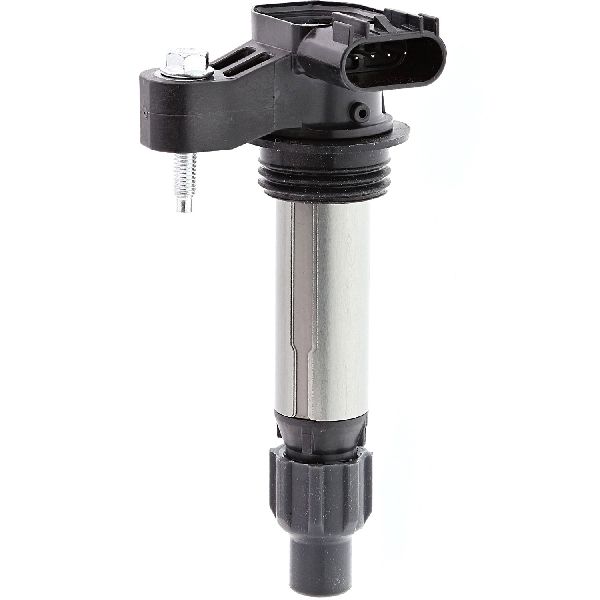
Est. part cost: $10-$25 - Failed Ignition Coil 🔴 High Probability Ignition coils are a common failure item on most modern engines. There is no specific design flaw predisposing the Equinox, but it's a frequent cause of a single-cylinder misfire.
How to confirm: Swap the ignition coil from cylinder 1 with another cylinder (e.g., cylinder 2). Clear the codes and drive the vehicle. If the code changes to P0302, the ignition coil is faulty.
Typical fix: Replace the failed ignition coil. While some recommend replacing all coils at the same time, it is not strictly necessary if only one has failed.
Est. part cost: $40-$80 per coil - Clogged or Faulty Fuel Injector 🟡 Medium Probability Direct injection (DI) fuel injectors on all engines operate under high pressure and can be susceptible to clogging over time.
How to confirm: An advanced scan tool can perform a fuel injector balance test. Alternatively, swap the fuel injector from cylinder 1 with another cylinder to see if the misfire code follows the injector. This is more labor-intensive and may require new seals.
Typical fix: Replace the faulty fuel injector. Professional cleaning may be an option, but replacement is more common.
Est. part cost: $70-$150 per injector, with professional replacement costing between $743 and $952 for a single injector. - Intake Valve Carbon Buildup 🟡 Medium Probability The 2.4L, 3.0L, and 3.6L engines all use direct injection (DI), which is prone to carbon buildup on the intake valves because fuel is no longer sprayed over them, removing their cleaning effect. This can restrict airflow to the cylinder and cause misfires.
How to confirm: Requires a borescope to visually inspect the intake valves or removal of the intake manifold.
Typical fix: Perform an intake valve cleaning service. 'Walnut blasting' is the most effective professional method. Chemical induction cleaning (like SeaFoam) is a DIY option with mixed results.
Est. part cost: $0 (if using chemical cleaner) - $50 (walnut media)
Rare But Worth Checking
- Low Engine Compression: This is a serious mechanical issue. On the 2.4L engine, it can be a direct result of the oil consumption problem causing damage to piston rings or cylinder walls. On V6 engines, a stuck or burnt valve from carbon buildup can be the cause. A compression test is needed to confirm.
- Vacuum Leak: A leak in a vacuum hose or intake manifold gasket near cylinder 1 can lean out the air-fuel mixture and cause a misfire. A smoke test is the most effective way to find a leak.
- Stretched Timing Chain: Both the 2.4L I4 and the 3.6L V6 are known to have issues with timing chains stretching prematurely. This can alter cam timing enough to cause misfires, often accompanied by codes like P0008, P0016, or P0017.
Diagnosis Steps
- Read the code with an OBD-II scanner to confirm P0301 and check for any other codes.
- For 2.4L engines, check the engine oil level immediately. If it's low, suspect oil consumption as the root cause.
- Inspect the spark plug in cylinder 1. Look for signs of wear, damage, or fouling (oil or carbon). A black, burnt, or oily plug is a key indicator.
- If the spark plug looks acceptable, swap the ignition coil from cylinder 1 to another cylinder (e.g., cylinder 2).
- Clear the codes, start the engine, and see if the misfire code returns for the new cylinder (e.g., P0302). If it does, the ignition coil is bad.
- If the misfire remains on cylinder 1, the issue is likely fuel or mechanical. Check the wiring and connector for the cylinder 1 fuel injector for damage or corrosion.
- If wiring is okay, consider testing the fuel injector. This may require swapping it with another cylinder or using a specialized tool like a multimeter or noid light.
- If ignition and fuel components are ruled out, perform an engine compression test to check for mechanical problems like bad rings or valves.
- If compression is good, use a borescope to inspect the intake valves for heavy carbon buildup, a common issue on these direct injection engines.
Parts You'll Likely Need

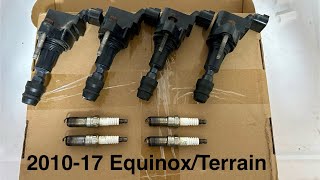
- Spark Plug
(OEM #41-125 (replaces 41-109 for many applications))— Spark plugs are a common failure point and are especially prone to fouling on 2.4L engines with oil consumption issues. The OEM recommended plug is Iridium.
Trusted brands: ACDelco, NGK
OEM price range: $12-$18
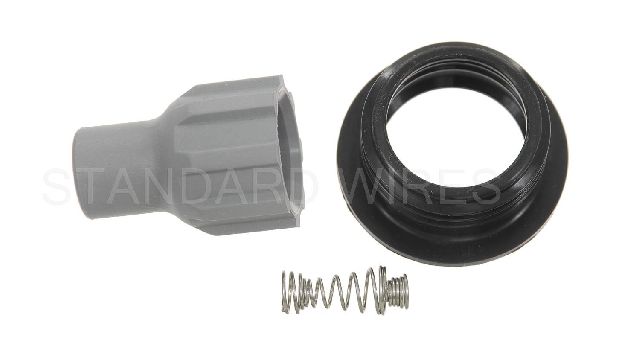
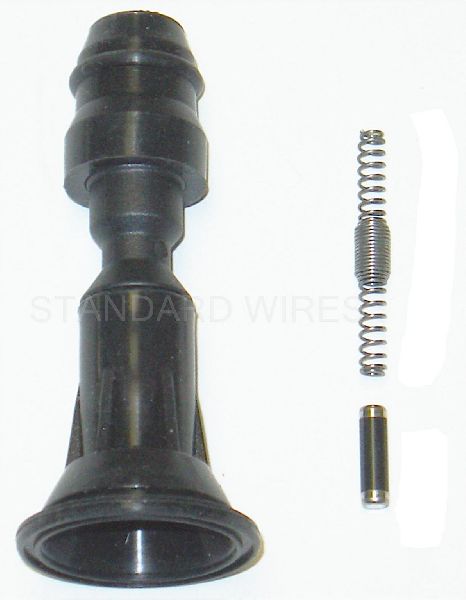
Aftermarket price range: $8-$15 - Ignition Coil
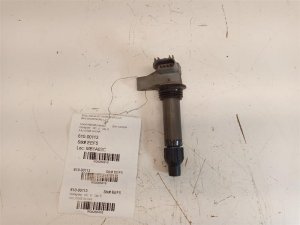
(OEM #12674754 (replaces 12635672))— Ignition coils are a frequent cause of single-cylinder misfires on many modern engines.
Trusted brands: ACDelco, Delphi, DENSO
OEM price range: $60-$90
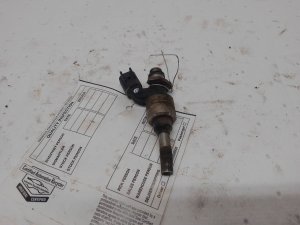
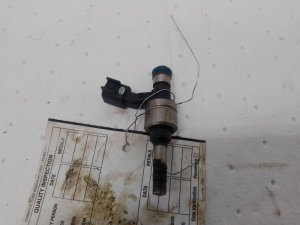
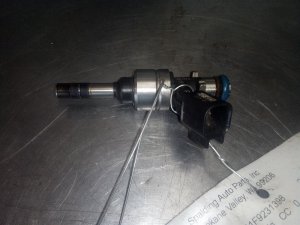
Aftermarket price range: $40-$70 - Fuel Injector — Clogging or failure of the direct injector for cylinder 1 can cause a misfire. This is a more expensive and labor-intensive repair.
Trusted brands: ACDelco, Bosch
OEM price range: $100-$150
Aftermarket price range: $70-$120
Related Codes That Often Appear With This One
- P0300 — This is a 'Random Misfire' code. It may appear with P0301 if the misfire is intermittent or beginning to affect other cylinders.
- P0697 — As seen in an NHTSA complaint, this code relates to sensor reference voltage. An electrical issue could potentially cause misfires and other system faults simultaneously.
- P0016 / P0017 — These codes indicate a Crankshaft/Camshaft Position Correlation error. On these engines, it's a strong indicator of a stretched timing chain, which can also cause misfires.
Technical Service Bulletins (TSBs) & Recalls
- PIP3333C: Mentions diagnosis for P0301 on 2010 models, indicating a need to follow standard diagnostics before looking for more complex causes.
- 07-06-04-019F: Cited in an owner complaint related to P0301 and limp mode, suggesting a known issue.
- 16-NA-383: A general GM bulletin addressing misfire codes (including P0301) caused by excessive carbon buildup on intake/exhaust valves in direct injection engines.
- 12-06-01-009F: Provides information on updated timing chain service kits for the High Feature V6 engines, which can suffer from stretched chains causing misfires.
- 10-06-01-008F (and subsequent revisions): Addresses engine oil consumption on 2.4L engines, the root cause of many P0301 codes on that platform.
Platform-Specific Known Issues
- Excessive Oil Consumption (2.4L Engine): Models from 2010-2013 are particularly known for high oil consumption due to low-tension piston ring issues. This directly leads to spark plug fouling and misfire codes like P0301. GM issued special coverage programs (e.g., TSB 12-06-01-001) for this, but many vehicles are now outside the coverage window. The ultimate fix is piston and ring replacement.
- Sticking Valves due to Carbon Buildup (All Engines): Given that all engines in this generation are direct injection, none benefit from the cleaning effect of fuel spraying on the intake valves. Over time, carbon deposits can build up, causing valves to stick or not seal properly, which leads to compression loss and misfires.
Mechanic-Grade Diagnostic Values
- Ignition Coil Primary Resistance — expected: 0.4 - 2.0 Ohms. Failure: A reading outside this range, especially 0 Ohms (short) or infinite (open), indicates a bad coil.
- Ignition Coil Secondary Resistance — expected: 6,000 - 10,000 Ohms (6k-10k Ω). Failure: A reading significantly outside this range points to a failure in the secondary windings.
- Fuel Injector Resistance (2.4L I4) — expected: 11 - 14 Ohms. Failure: A reading outside this range indicates an electrical fault within the injector.
- Fuel Injector Resistance (3.6L LFX V6) — expected: 1.2 - 1.8 Ohms. Failure: The 3.6L uses low-impedance injectors. A reading outside this very narrow range indicates a failed injector.
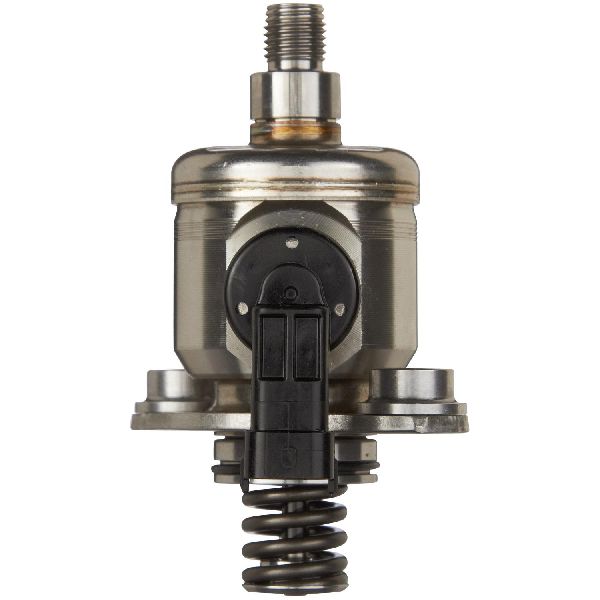
- High Pressure Fuel Rail Pressure at Idle (All DI Engines) — expected: 276 - 725 PSI (1.9 - 5.0 MPa). Failure: Pressure that is significantly low or erratic could indicate a failing high-pressure fuel pump, which can cause misfires, though it would typically affect multiple cylinders.
- ECM Ground Wire Resistance to Chassis — expected: < 0.1 Ohms. Failure: A higher resistance reading indicates a poor ground connection, which can cause erratic behavior from the ECM, including false misfire detection or incorrect coil/injector firing.
Scan Tool Commands That Help
- GDS2 (GM Tech 2 successor): Cylinder Power Balance Test — This function graphically displays the contribution of each cylinder, allowing a technician to quickly identify if cylinder 1 is underperforming compared to the others in real-time. It's a fast way to confirm the misfire without disassembly.
- GDS2 (GM Tech 2 successor): Fuel Injector Balance Test — This test commands each injector to fire for a set duration while monitoring the drop in fuel rail pressure. If the pressure drop for cylinder 1 is significantly different from the others, it points to a clogged or faulty injector. This is used to confirm a fuel delivery issue after spark has been ruled out.
Wiring & Ground Locations
- G103 / G108 — On the back side of the cylinder heads. G103 is often on the passenger side head, while G108 may be on the driver's side.. These are primary engine grounds. A loose or corroded ground at these locations can cause a host of electrical issues, including weak spark or incorrect sensor readings that can lead to a P0301 code.
- ECM Connector X1/X2 — At the Engine Control Module (ECM), typically located in the engine bay.. The specific pins for the cylinder 1 ignition coil control and fuel injector control are in these connectors. Probing these pins for voltage/signal is a key step in diagnosing if the ECM is commanding the components to fire. A poor connection or corrosion on the pin for cylinder 1 can directly cause a P0301.
OEM Part Supersession History
12635672→12674754— Improved design for durability and resistance to internal shorts and dielectric breakdown.
Model Year Variations Within This Range
- 2010-2012 vs 2013-2017: The optional V6 engine was changed. 2010-2012 models used the 3.0L V6 (LF1/LFW), while 2013-2017 models received the more powerful 3.6L V6 (LFX). While diagnosis is similar, part numbers for items like fuel injectors and some sensor locations differ.
- 2010-2013 (2.4L Engine): These early model years with the 2.4L engine are most susceptible to the excessive oil consumption issue due to faulty piston ring design. While later 2.4L engines can still consume oil, the problem was most pronounced in this range, making oil-fouled plugs a much higher probability cause for P0301.
Helpful Videos
Used OEM Parts in Stock

New Aftermarket Parts Available


The information in this article is provided for general reference and educational purposes only. Vehicle specifications, procedures, and part compatibility can vary by production date, trim level, and region. Always consult your vehicle's factory service manual and verify part numbers before purchasing or performing repairs. Safety-critical components such as airbags, seat belts, and braking systems should be installed by a qualified professional.
- Chevrolet EQUINOX:
- 🎬 Helpful Videos
- 🛍️ Shop This Part
- What's Unique About the 2010-2017 Chevrolet EQUINOX
- Diagnostic Flowchart
- Symptoms You May Notice
- Most Likely Causes
- Rare But Worth Checking
- Diagnosis Steps
- Parts You'll Likely Need
- Related Codes That Often Appear With This One
- Technical Service Bulletins (TSBs) & Recalls
- Platform-Specific Known Issues
- Mechanic-Grade Diagnostic Values
- Scan Tool Commands That Help
- Wiring & Ground Locations
- OEM Part Supersession History
- Model Year Variations Within This Range
- 🎟️ Get 5% Off