

P0301 on 2017-2021 Cadillac Escalade: Cylinder 1 Misfire Causes and Fixes
P0301 indicates a misfire on cylinder 1. The most common causes are a bad spark plug or ignition coil, which are easy DIY fixes. However, on the 6.2L V8 engine, this code can also be the first sign of a more serious and expensive internal engine issue, such as a failed AFM/DFM lifter. This is a well-documented weak point on this platform and its relatives.
- P0301 is a misfire on cylinder 1, located at the front of the driver's side of the engine.
- Always start diagnosis with the cheapest and easiest parts: check the spark plug wire connection, then swap the ignition coil to another cylinder to see if the misfire follows.
- If the coil is good, replace the spark plug in cylinder 1.
- Be aware that a persistent P0301, especially if accompanied by a ticking noise, is a strong indicator of a more serious AFM/DFM lifter failure, a known issue with these 6.2L V8 engines.
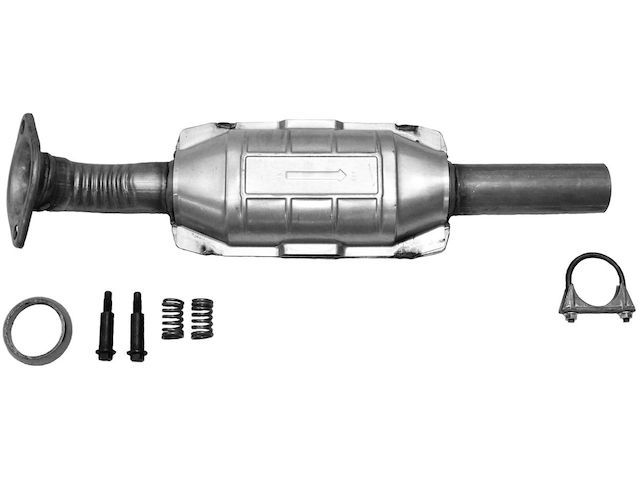
- Do not drive with a flashing check engine light, as this can cause rapid and expensive damage to your catalytic converters.
What's Unique About the 2017-2021 Cadillac ESCALADE
While P0301 is a generic code, on the 2017-2021 Escalade's 6.2L V8, it warrants special attention. These engines are equipped with Active or Dynamic Fuel Management (AFM/DFM), a system that deactivates cylinders to save fuel. The specialized lifters used in this system are a known weak point and are prone to failure, which can cause a persistent misfire. Manufacturer TSB #23-NA-043 directly links P0301 and other misfire codes to the need to replace lifters and guides, confirming this is a significant platform-specific issue beyond typical spark plug or coil failures. A class-action lawsuit has also been filed against GM regarding these valve train systems.
🎬 Watch: Learn more about the AFM/DFM lifter failure class action lawsuit.Diagnostic Flowchart
Tap your situation to follow the diagnostic path that matches what you're seeing on this vehicle.
Generation note: This range covers two generations: the fourth generation (2017-2020) with the 6.2L L86 V8 engine, and the fifth generation (2021) which introduced the 6.2L L87 V8. Both engines share the same fundamental architecture and are known for similar issues, including lifter failures related to their respective AFM (L86) and DFM (L87) systems.
Symptoms You May Notice
- Rough idle or engine shaking
- Hesitation or stumbling during acceleration
- Noticeable loss of power
- Solid or flashing Check Engine Light
- Engine running rough
- Smell of gasoline from the exhaust
- Distinct ticking, chirping, or squeaking noise from the engine bay, especially noticeable in a drive-thru or near a wall.
- Replacing only the spark plug when the underlying cause is a failing lifter that has fouled the plug with oil.
- Assuming the issue is fuel-related when it is a more common ignition system or mechanical problem.
- Replacing all ignition coils when only one has failed, which is an unnecessary expense.
Most Likely Causes
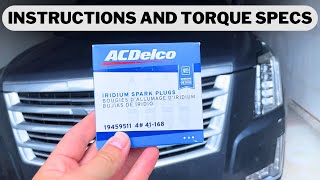
- Worn or Fouled Spark Plug 🔴 High Probability Spark plugs are a regular maintenance item. The OEM ACDelco Iridium plugs are durable but can fail or become fouled with carbon or oil over time. TSB #PIP4525D notes that oil fouling on the #1 spark plug can be an issue, often as a symptom of a deeper problem.
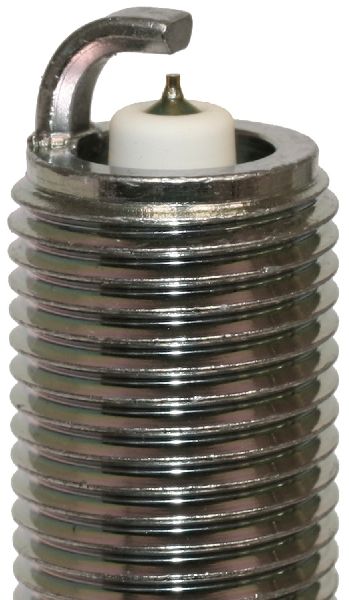
How to confirm: Remove the spark plug from cylinder 1 and inspect it for wear (worn electrode), damage (cracked porcelain), or fouling (black, sooty, or oily deposits). The correct gap for the OEM plug is 0.040 inches, though they come pre-gapped and should not be adjusted.
Typical fix: Replace the spark plug. It is best practice to replace all 8 spark plugs at the same time for even performance.
Est. part cost: $15-$25 per plug - Failed Ignition Coil 🔴 High Probability Coil-on-plug systems are reliable, but individual coils can fail with heat and age, leading to a misfire.
How to confirm: Swap the ignition coil from cylinder 1 with another cylinder (e.g., cylinder 3, which is next in line on the driver's side bank). Clear the codes and drive the vehicle. If the code changes to P0303, the ignition coil is faulty.
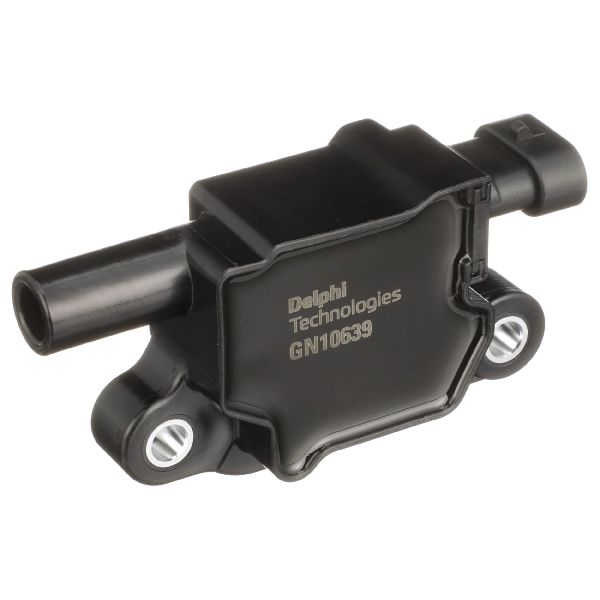
Typical fix: Replace the faulty ignition coil. The OEM part is ACDelco #12726023.
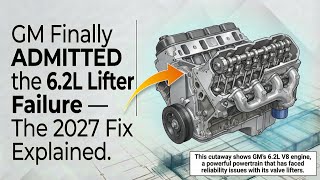
Est. part cost: $50-$100 - Failed AFM/DFM Lifter 🟡 Medium Probability The Active/Dynamic Fuel Management systems in the L86 and L87 engines have lifters that can collapse, get stuck, or have their internal locking pin fail, leading to a misfire. This is a well-documented issue and the subject of TSB #23-NA-043. Cylinder 1 is one of the AFM-controlled cylinders, making it susceptible to this failure.
How to confirm: This is a complex diagnosis. A distinct ticking or knocking sound from the top of the engine is a strong indicator. A professional technician will likely perform a compression test and may need to remove the valve cover to check for bent pushrods or rocker arms that are not moving, which confirms the lifter is not functioning.
Typical fix: Requires replacing the faulty lifter(s), lifter guides, and often the camshaft if it has been damaged by the failed lifter. TSB #23-NA-043 provides guidelines for replacing lifters on one or both banks depending on mileage. Many owners opt to perform an AFM/DFM delete at this time, which involves replacing the specialized lifters with standard ones and reprogramming the ECM to prevent future failures.
Est. part cost: $500-$1500 for parts, depending on the extent of the repair and whether a full AFM delete is performed. - Clogged or Faulty Fuel Injector ⚪ Low Probability
How to confirm: A technician can perform a fuel injector balance test to check flow rates. A DIY method is to listen to the injector with a mechanic's stethoscope to ensure it's clicking. You can also swap the injector with another cylinder, similar to the ignition coil test, though this is more labor-intensive.
Typical fix: Replace the faulty fuel injector.
Est. part cost: $70-$150
Rare But Worth Checking
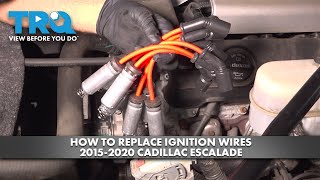
- Loose or Damaged Spark Plug Wire: While these engines use coil-on-plug, there is a short wire connecting the coil to the plug. TSB #PIP4819A, though for an older model, highlights that a loose connection can cause a misfire. It's a simple and important check.
- Internal Engine Mechanical Failure: In rare cases, a misfire can be caused by more severe issues like a bent pushrod (often a consequence of lifter failure), a broken valve spring, or a worn camshaft lobe. This would typically be accompanied by other symptoms like excessive oil consumption or loud knocking noises and requires significant engine disassembly to diagnose and repair.
Diagnosis Steps
- Read the code with an OBD-II scanner and note any other codes present, like P0300 or P050D.
- Check if the Check Engine Light is flashing. If so, avoid driving to prevent catalytic converter damage.
- Swap the ignition coil from cylinder 1 to cylinder 3. Clear the codes and see if the misfire moves to P0303. If it does, the coil is bad.
- If the misfire stays on cylinder 1, inspect the spark plug for wear, fouling, or damage. Check the spark plug wire for a secure connection.
- If the plug and coil are good, listen carefully to the engine for any ticking or knocking sounds that could indicate a lifter issue.
- Check the fuel injector wiring for damage. Listen to the injector with a stethoscope to confirm it is operating (clicking).
- If simple checks fail, a professional diagnosis is recommended. This may include a compression test. Low compression on cylinder 1 points to a mechanical issue.
- For suspected lifter failure, a technician may remove the driver-side valve cover to inspect the valve train for lack of movement in a rocker arm or a bent pushrod.
Parts You'll Likely Need
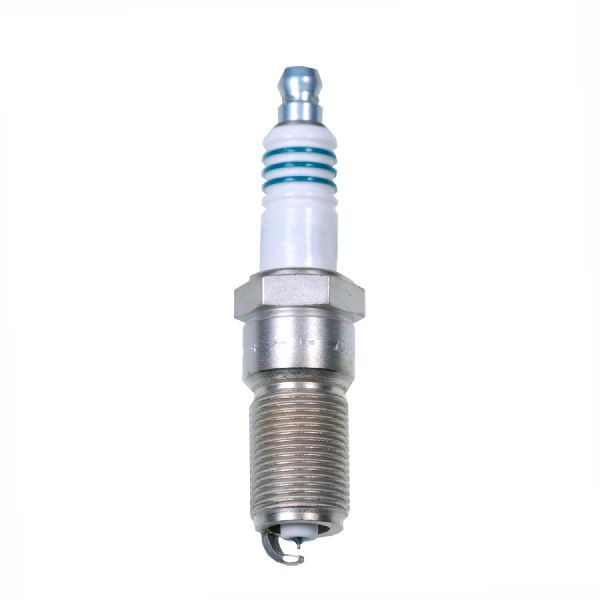
- Spark Plug
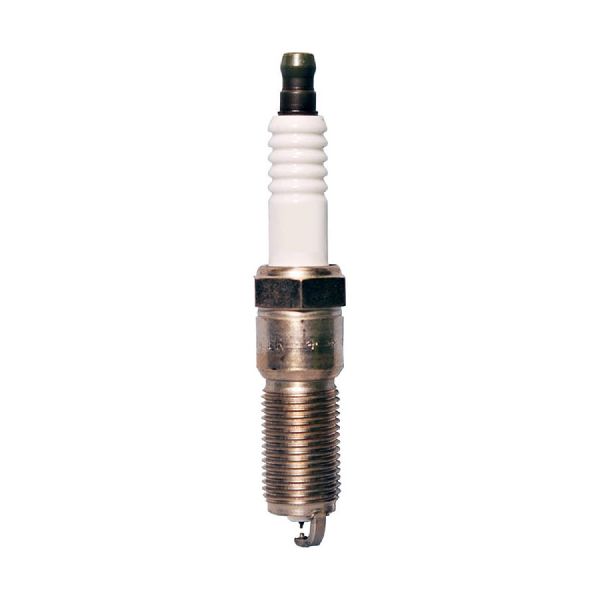
(OEM #19459511)— This is a common wear item and the most frequent cause of a single-cylinder misfire. The OEM part is an ACDelco Iridium plug.
Trusted brands: ACDelco, NGK
OEM price range: $15-$25
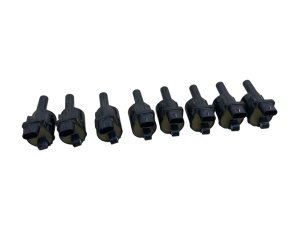
Aftermarket price range: $10-$20 - Ignition Coil
(OEM #12726023)— Another common failure point for ignition-related misfires. The 'coil swap' is a definitive diagnostic test.
Trusted brands: ACDelco, Delphi
OEM price range: $70-$100
Aftermarket price range: $40-$75 - AFM/DFM Lifter Kit
(OEM #12698945 (AFM Lifter), 12698946 (LS7 Style/Non-AFM))— A known major issue on this specific engine platform that directly causes misfire codes like P0301, as cited in TSB #23-NA-043. Repair often involves replacing all lifters, guides, and sometimes the camshaft.
Trusted brands: GM Genuine Parts, ACDelco, Brian Tooley Racing (for delete kits)
OEM price range: $400-$800
Aftermarket price range: $300-$600
Related Codes That Often Appear With This One
- P0300 — If the misfire is intermittent or starting to affect other cylinders, a P0300 (Random/Multiple Cylinder Misfire) code may appear alongside P0301.
- P050D — This code for 'Cold Start Rough Idle' is often seen with lifter-related misfires, as the engine is particularly unstable before reaching operating temperature.
Technical Service Bulletins (TSBs) & Recalls
- 23-NA-043: Notes that engine misfire codes including P0301 can be caused by faulty lifters and guides, requiring replacement.
- PIP4819A: An older TSB that suggests checking for loose spark plug wires as a cause for misfires.
- PIP4525D: An older TSB that points to inspecting spark plugs for oil fouling and cracks as a diagnostic step for P0301.
Platform-Specific Known Issues
- AFM/DFM Lifter Failure: The most significant issue for this platform. TSB #23-NA-043 explicitly mentions P0301 as a result of an 'internal lifter concern' which may also present with a bent pushrod. Owners on forums and Reddit report this failure frequently, with repair costs often exceeding $5,000 at dealerships. The failure can happen at relatively low mileage.
Mechanic-Grade Diagnostic Values
- High-Pressure Fuel System Pressure — expected: Up to 150 bar / 15 MPa (2,175 psi) under load.. Failure: Significantly lower pressure suggests a failing high-pressure fuel pump (HPFP).
- Short-Term Fuel Trim (STFT) on Bank 1 — expected: Fluctuating between -10% and +10% at idle.. Failure: Sustained readings above +10% indicate a lean condition (vacuum leak, weak fuel delivery); readings below -10% indicate a rich condition (leaking injector).
- Ignition Coil Primary Resistance — expected: ~0.403 ohms. Failure: A reading significantly higher or lower than the specification indicates a faulty coil.
- Ignition Coil Secondary Resistance — expected: ~14.5K ohms. Failure: An open circuit (infinite resistance) or a reading far from the specification points to a failed coil.
Hidden / Shadow Codes Worth Checking
- Misfire History Counters: This is not a DTC but a live data parameter showing the exact number of misfire events logged by the ECM for each specific cylinder. It can confirm an active or recent misfire on cylinder 1 even if the issue is intermittent. (see via Requires a professional-grade scan tool with access to GM-specific live data, such as a GM GDS2/Tech2.)
Scan Tool Commands That Help
- GDS2 / Tech2 (or equivalent professional scanner): Cylinder Power Balance Test — This is a primary diagnostic step to confirm a non-contributing cylinder. The tool electronically cuts fuel or spark to each cylinder one by one. If disabling cylinder 1 causes little or no drop in engine RPM compared to other cylinders, it definitively confirms cylinder 1 is the source of the misfire.
- GDS2 / Tech2: Injector Balance Test — Use this command after ruling out spark issues. It helps diagnose a potentially clogged or faulty fuel injector by measuring pressure drops as each injector is commanded to fire. This is especially useful for the direct-injection L86/L87 engines.
Real Owner Repair Stories
- Reddit user in r/gmc (2018 GMC with 6.2L V8 at 115k miles (L86 engine, same family as Escalade)) — P0301 code.
❌ Tried (didn't work) Initial thought was to replace spark plugs and ignition coils.
✅ What actually fixed it Vehicle was towed to a dealer who diagnosed failed lifters on multiple cylinders. The repair estimate was $5,500 if only lifters were needed, and $9,500 if the camshaft was also damaged. This highlights how a simple P0301 code can be the first symptom of a catastrophic and expensive lifter failure.
"I Checked Everything" — The Actual Cause
- A common diagnostic pattern for the P0301 code on this platform is that standard tests for ignition and fuel delivery come back clean. A technician may swap coils and plugs, confirm the fuel injector is clicking, and even perform a smoke test for vacuum leaks with no faults found. The persistent misfire, especially when accompanied by a ticking noise, is ultimately traced to a mechanical failure of an AFM/DFM lifter, which requires engine disassembly to confirm and repair.
OEM Part Supersession History
12621750, 12658183, 12674754, 12699383, 12708496→12726023— Standard part evolution for improved durability and performance.12564012, 12576400, 12648846→12698945— This is the part number for the standard (non-AFM/DFM) lifter. The supersession history reflects updates to the standard lifter design. This part is critical for owners choosing to perform an AFM/DFM delete.
Heads up: This part, 12698945, is NOT a direct replacement for a failed AFM/DFM lifter unless the entire AFM/DFM system is being deleted and the ECM is reprogrammed accordingly.
Model Year Variations Within This Range
- 2017-2020: These models use the 6.2L L86 V8 with Active Fuel Management (AFM), which deactivates four of the eight cylinders (1, 7, 6, and 4) under light load. Lifter failure is a known issue.
- 2021: The 2021 model uses the updated 6.2L L87 V8 with Dynamic Fuel Management (DFM). DFM is a more advanced system capable of 17 different cylinder firing patterns for improved efficiency. Despite the update, these DFM lifters are also known to fail.
- 2021: Vehicles with the L87 engine built between March 2021 and May 2024 are subject to a recall for potential manufacturing defects in the crankshaft and connecting rods. As part of the recall inspection, GM service may replace the engine or, if it passes, change the oil to a higher viscosity 0W-40 synthetic and update the oil cap to reflect the change.
Helpful Videos
Used OEM Parts in Stock

New Aftermarket Parts Available


The information in this article is provided for general reference and educational purposes only. Vehicle specifications, procedures, and part compatibility can vary by production date, trim level, and region. Always consult your vehicle's factory service manual and verify part numbers before purchasing or performing repairs. Safety-critical components such as airbags, seat belts, and braking systems should be installed by a qualified professional.
- Cadillac ESCALADE:
- 🎬 Helpful Videos
- 🛍️ Shop This Part
- What's Unique About the 2017-2021 Cadillac ESCALADE
- Diagnostic Flowchart
- Symptoms You May Notice
- Most Likely Causes
- Rare But Worth Checking
- Diagnosis Steps
- Parts You'll Likely Need
- Related Codes That Often Appear With This One
- Technical Service Bulletins (TSBs) & Recalls
- Platform-Specific Known Issues
- Mechanic-Grade Diagnostic Values
- Hidden / Shadow Codes Worth Checking
- Scan Tool Commands That Help
- Real Owner Repair Stories
- "I Checked Everything" — The Actual Cause
- OEM Part Supersession History
- Model Year Variations Within This Range
- 🎟️ Get 5% Off