

P0301 on 2011-2015 Buick Regal: Cylinder 1 Misfire Causes and Fixes
P0301 on a 2011-2015 Buick Regal means cylinder 1 is misfiring. The most common fix is replacing the ignition coil and/or spark plug for that cylinder. For direct-injected turbo models, carbon buildup on intake valves is also a frequent cause. Expect to pay $30-$80 for a basic DIY ignition parts fix.
- P0301 indicates a misfire specifically in cylinder 1.
- The most likely culprits are a bad ignition coil or a worn spark plug, which are simple DIY fixes.
- A quick way to diagnose is to swap the ignition coil from cylinder 1 with another cylinder and see if the misfire code follows the coil.
- On turbocharged models, be aware that carbon buildup on intake valves is a possible cause if new plugs and coils don't solve the problem.
- Do not ignore a flashing check engine light, as it signals a severe misfire that can quickly destroy your catalytic converter.
What's Unique About the 2011-2015 Buick REGAL

The 2011-2015 Buick Regal was offered with different Ecotec engines, primarily a naturally-aspirated 2.4L (LAF/LEA) and a turbocharged 2.0L (LHU/LTG). While the common causes for a P0301 misfire are similar, the direct-injected 2.0L turbo and later 2.4L engines are highly susceptible to carbon buildup on the intake valves. This occurs because the fuel is injected directly into the cylinder, so it no longer washes over and cleans the back of the valves. Oil vapor from the Positive Crankcase Ventilation (PCV) system bakes onto the hot valves, restricting airflow and causing misfires that won't be fixed by replacing ignition components. The 2.4L is also known for a PCV orifice that can clog, increasing oil consumption and fouling spark plugs.
Diagnostic Flowchart
Tap your situation to follow the diagnostic path that matches what you're seeing on this vehicle.
Symptoms You May Notice
- Rough or shaky idle.
- Hesitation or stumbling during acceleration.
- Noticeable loss of engine power. 🎬 Watch: A quick guide to common P0301 causes and fixes.
- Solid or flashing Check Engine Light.
- Decreased fuel economy.
- Smell of raw fuel from the exhaust.
- Hard starting.
- Throttle Position Sensor: An owner complaint (NHTSA ODI #10993978) mentioned a potential link to the throttle position sensor, but this is an unlikely cause for a single-cylinder misfire and would typically set different DTCs.
- Mass Airflow Sensor: While a dirty MAF sensor can cause lean/rich conditions and misfires, it will almost always trigger a P0300 (random misfire) or a lean/rich code (P0171/P0172) before a single cylinder misfire code.
Most Likely Causes

- Faulty Ignition Coil 🔴 High Probability Coil-on-plug ignition systems are a very common failure point on modern vehicles due to constant heat and vibration.
How to confirm: The easiest way to confirm a bad coil is to swap the ignition coil from cylinder 1 with another cylinder (e.g., cylinder 2). Clear the codes and drive the vehicle. If the code changes to P0302, the ignition coil is faulty. This is the standard first diagnostic step.
Typical fix: Replace the faulty ignition coil. It is often recommended to replace all coils and spark plugs at the same time for preventative maintenance, especially on higher mileage vehicles. 🎬 See this walkthrough for replacing coils and plugs on the 2.0L Turbo.
Est. part cost: $25-$70 per coil - Worn or Fouled Spark Plug 🔴 High Probability Spark plugs are a regular maintenance item. Worn electrodes, incorrect gap, or fouling from oil (due to PCV issues or piston rings) or carbon can prevent a strong spark.
How to confirm: After confirming the ignition coil is good, remove the spark plug from cylinder 1. Inspect it for wear, damage, or deposits (black and sooty for carbon, wet for oil). You can also swap the spark plug with another cylinder to see if the misfire follows it.
Typical fix: Replace the spark plug. It is best practice to replace all spark plugs as a set with the correct type (Iridium for these engines).
Est. part cost: $10-$25 per plug - Intake Valve Carbon Buildup 🟡 Medium Probability The 2.0L and 2.4L direct injection (DI) engines in these Regals do not have fuel spraying over the intake valves to keep them clean. Over time, oil vapor from the PCV system can bake onto the valves, restricting airflow and causing misfires, often on cold starts. This is a well-documented issue for GM's GDI engines.
How to confirm: This requires a visual inspection of the intake valves, which usually involves removing the intake manifold. A borescope can be used to see the valves without full removal. Often accompanied by codes like P050D (Cold Start Rough Idle).
Typical fix: The intake valves need to be manually or mechanically cleaned. The most effective method is 'walnut blasting,' where crushed walnut shells are blasted at the valves to remove the carbon without damaging the metal. This is typically a job for a professional shop and can cost between $400-$800.
Est. part cost: $0 (service cost is labor) - Clogged or Faulty Fuel Injector 🟡 Medium Probability Fuel injectors can become clogged with deposits over time, preventing the correct amount of fuel from being delivered to the cylinder. This is a known issue on some GM direct injection engines.
How to confirm: A professional can perform a fuel injector balance test. A DIY method involves listening to the injector with a mechanic's stethoscope to ensure it's clicking. Swapping injectors between cylinders is possible but is a more labor-intensive job than coils or plugs.
Typical fix: Replace the faulty fuel injector. It may be recommended to have the other injectors professionally cleaned at the same time.
Est. part cost: $50-$150 per injector
Rare But Worth Checking
- Low Cylinder Compression: If ignition and fuel systems check out, a mechanical issue could be the cause. This can be due to worn piston rings, a leaking head gasket, or valve train problems. A compression test is needed to diagnose this. Early 2.0L LTG engines had some issues with piston failures.
- Vacuum Leak: A leak in the intake manifold gasket, a cracked vacuum hose, or a faulty PCV valve can lean out the air-fuel mixture and cause a misfire. Listen for a hissing sound at idle and inspect vacuum hoses. A smoke test is the most effective way to find a leak.
- PCV System Failure: On the 2.4L engine, a clogged PCV orifice in the intake manifold can cause high crankcase pressure, leading to oil being forced past seals and piston rings, fouling the spark plug and causing a misfire. 🎬 Watch: How to fix a clogged 2.4L PCV orifice without removing the intake. On the 2.0L Turbo, a failed PCV can also contribute to oil consumption and carbon buildup.
Diagnosis Steps

- Use an OBD-II scanner to confirm P0301 and check for any other codes. Note the freeze frame data to see the conditions when the misfire occurred.
- Swap the ignition coil from cylinder 1 to cylinder 2. Clear the codes and see if the misfire code changes to P0302. If it does, the coil is bad.
- If the misfire remains on cylinder 1, swap the spark plug from cylinder 1 to cylinder 2. If the code changes to P0302, the spark plug is bad.
- Inspect the cylinder 1 spark plug for signs of excessive wear, oil fouling (wet/black), or carbon tracking.
- If ignition parts are good, listen to the fuel injector on cylinder 1 with a stethoscope to ensure it is clicking. Compare the sound to other injectors.
- With a capable scanner, check the short-term and long-term fuel trims. High positive numbers could indicate a vacuum leak, while high negative numbers could point to a leaking injector.
- Check for vacuum leaks around the intake manifold, particularly near the runner for cylinder 1. A smoke test is the most reliable method.
- For direct-injection models (2.0T, later 2.4L), if misfires are worse on cold starts, inspect the intake valves for carbon buildup using a borescope.
- If the above steps do not identify the issue, perform a cylinder compression test and a leak-down test to check for mechanical engine problems like bad rings or valves.
Parts You'll Likely Need

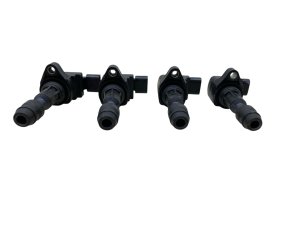
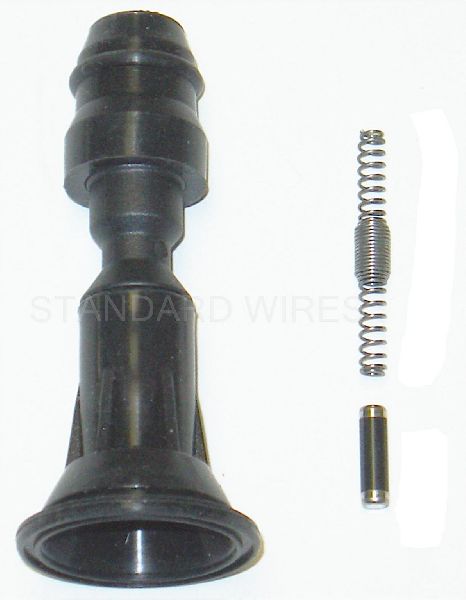
- Ignition Coil
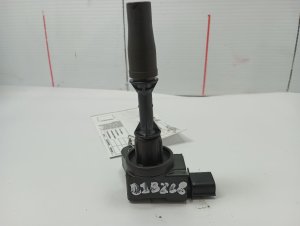
(OEM #ACDelco D522C (GM #12638824) for 2.4L & 2.0L LHU; ACDelco D523C (GM #12654078) for 2.0L LTG)— This is one of the most frequent failure points for a single-cylinder misfire. It's responsible for generating the spark.
Trusted brands: ACDelco, Delphi, NGK
OEM price range: $45-$70
Aftermarket price range: $25-$50 - Spark Plug
(OEM #ACDelco 41-108 (Iridium) for 2.4L; ACDelco 41-125 (Iridium) for 2.0L Turbo)— As a routine maintenance item, a worn or fouled spark plug is a very common cause of misfires.
Trusted brands: ACDelco, NGK, Denso
OEM price range: $12-$25
Aftermarket price range: $8-$18 - Fuel Injector
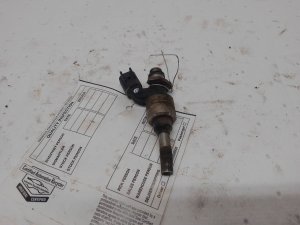
(OEM #ACDelco 217-3432 (GM #12633784) for 2.4L)— A clogged or failing injector will prevent the proper amount of fuel from reaching the cylinder, causing a misfire.
Trusted brands: ACDelco, Bosch
OEM price range: $70-$120
Aftermarket price range: $40-$80
Related Codes That Often Appear With This One
- P0300 — If the misfire is intermittent or affects multiple cylinders, a P0300 (Random Misfire) may be stored alongside P0301.
- P0302, P0303, P0304 — If other cylinders are also misfiring, their respective codes will appear. This points towards a more systemic issue like a vacuum leak, fuel pressure problem, or carbon buildup across all cylinders.
- P0420 — Catalyst System Efficiency Below Threshold. A chronic misfire allows unburned fuel into the exhaust, which can overheat and damage the catalytic converter, leading to this code. [ODI #10993978]
- P050D — Cold Start Rough Idle. This code is often seen with misfire codes on GDI engines and strongly points towards carbon buildup on the intake valves as the root cause.
Technical Service Bulletins (TSBs) & Recalls
- PIP3333C: Addresses intermittent engine misfire and advises following published Service Information diagnostics first. [⭐ MANUFACTURER TSB — highest authority]
- PIP5195A: Diagnostic aid for various driveability issues including misfires on GDI engines, pointing to carbon deposits on intake valves as a likely cause requiring cleaning.
- PIP5164C: For 2.0L LHU engines, this TSB provides diagnostic tips for low-speed misfires, suggesting checks of the turbocharger system components.
Platform-Specific Known Issues
- A Technical Service Bulletin (TSB #PIP3333C) was issued for intermittent engine misfires on these vehicles, which could include code P0301. The bulletin advises technicians to follow standard diagnostic procedures before exploring less common causes. [⭐ MANUFACTURER TSB — highest authority]
- TSB #PIP5195A addresses rough idle and misfire codes (P0300, P0301, etc.) specifically related to carbon buildup on the intake valves of direct injection engines, recommending valve cleaning.
- TSB #PIP5164C discusses misfires at idle or low RPM on 2.0L LHU engines, pointing towards potential issues with loose turbocharger wastegate linkages or other turbo-related faults affecting cylinder pressure.
Mechanic-Grade Diagnostic Values
- Ignition Coil Primary Resistance — expected: 0.4 to 2 ohms. Failure: A reading outside this range indicates a faulty coil winding.
- Ignition Coil Secondary Resistance — expected: 6,000 to 10,000 ohms. Failure: A reading outside this range, especially an infinite reading, points to a break in the secondary winding.
- Fuel Trim Percentage (Short or Long Term) — expected: -5% to +5%. Failure: Consistently high positive trims (>10%) suggest unmetered air (vacuum leak), while high negative trims suggest excess fuel (leaking injector).
- Low-Side Fuel Pressure (In-tank pump) — expected: 50-65 PSI (Key On, Engine Off). Failure: Pressure below this range indicates a weak in-tank fuel pump or clogged filter.
- High-Side Fuel Pressure (Direct Injection pump, at idle) — expected: 300-750 PSI. Failure: Pressure that is erratic or significantly lower than specified can indicate a failing High-Pressure Fuel Pump (HPFP).
Hidden / Shadow Codes Worth Checking
- Mode 6, Test ID $A2-$AF, Component ID $01-$0C: This is not a specific code, but a data stream in advanced OBD-II scanners. It provides raw misfire counts for each cylinder over the last 10 drive cycles. For P0301, you would look at Test ID $A2 (Misfire counts for cylinder 1). (see via An advanced OBD-II scanner with Mode 6 capability. The ECM uses these raw counts to determine when to set a P0301.)
Scan Tool Commands That Help
- GDS2 (GM Global Diagnostic System 2): Misfire Graphic — This function displays real-time misfire counts for each cylinder, allowing a technician to see if the misfire on cylinder 1 is constant, intermittent, or only occurs under specific load/RPM conditions.
- GDS2 / Tech2: Injector Balance Test — This bidirectional test commands each injector to fire for a set duration and measures the corresponding drop in fuel pressure. A smaller-than-expected pressure drop for cylinder 1 would confirm a clogged or failing injector.
- GDS2 / Tech2: Power Balance — This function allows the technician to disable one cylinder at a time. When cylinder 1 is disabled, if there is little to no change in engine RPM and smoothness, it confirms that cylinder 1 was not contributing power, pinpointing the misfire location.
Wiring & Ground Locations
- G102 — At the left rear of the engine.. This is a primary ground point for the ignition coils. A loose or corroded connection here can cause a weak or intermittent spark on one or more cylinders, leading to a misfire code.
- G103 — On the cowl at the left rear of the engine compartment, often near the brake booster.. This is a major ground point that serves the Engine Control Module (ECM) and Body Control Module (BCM). A poor ground here can cause a wide range of erratic engine management behavior, including phantom misfire codes.
- Cylinder 1 Ignition Coil Connector — On top of the valve cover, connected to the ignition coil for the cylinder closest to the drive belts.. The terminals within this connector can become corroded or loose, causing a poor connection to the coil. The wiring harness leading to it can also chafe against the engine cover or other components, leading to a short or open circuit for the coil's power or signal wire.
Real Owner Repair Stories
- RegalOwners.com forum user (2012 Buick Regal GS 2.0L (LHU)) — P0301, rough idle, hesitation under boost.
❌ Tried (didn't work) Replaced spark plugs, Swapped ignition coils (misfire stayed on cylinder 1), Replaced fuel injector #1, Performed intake valve carbon cleaning (walnut blast)
✅ What actually fixed it A cylinder leak-down test revealed poor compression. Upon engine disassembly, the piston in cylinder 1 was found to have a cracked ring land, a known but uncommon failure on the LHU engine. The final fix was replacing the piston and rings for cylinder 1.
"I Checked Everything" — The Actual Cause
- On the 2.4L Ecotec engine, a P0300 or single-cylinder misfire can occur even with a 'clean' smoke test that shows no vacuum leaks. The actual cause is often a PCV orifice located *inside* the intake manifold becoming clogged with sludge. This doesn't create an external leak but disrupts crankcase pressure and the air-fuel mixture, causing misfires. The fix requires removing and thoroughly cleaning the intake manifold or replacing it.
When the Usual Fixes Don't Work
- While the vast majority of P0301 codes are fixed by replacing an ignition coil or spark plug, a notable number of owner reports for the 2.0L Turbo engine, after trying these common fixes without success, ultimately traced the problem to a mechanical failure. In one documented case, even after replacing plugs, coils, the fuel injector, and performing a carbon cleaning service, the misfire persisted. The final diagnosis was a cracked piston ring land in cylinder 1, a much more severe and expensive internal engine repair.
OEM Part Supersession History
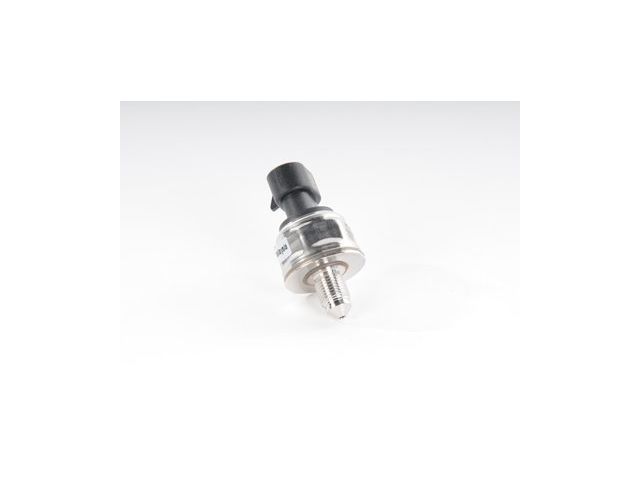
13500747→25780327— Likely an update for improved reliability or a change in supplier for the fuel pressure sensor.12654078→12687140— Updated part number for the ignition coil used on the 2.0L LTG engine.
Model Year Variations Within This Range
- 2011-2013 vs 2014-2015 (2.0L Turbo): The 2011-2013 models used the 2.0L LHU Ecotec engine. In 2014, the Regal received a facelift and a new Gen3 Ecotec 2.0L engine, the LTG. While architecturally similar, the LTG is a significantly updated design with a different block, rotating assembly, and twin-scroll turbo, and uses different ignition coils (D523C vs D522C). The LHU was known for potential piston ring land failures, while the LTG had its own set of early production issues.
- 2011 vs 2012+ (2.4L): The 2011 model primarily used the 2.4L LAF engine. From 2012 onwards, the main 2.4L engine was the LEA, which was flex-fuel capable. While very similar, there can be minor differences in fuel system components and ECU programming. Both are direct-injected and prone to carbon buildup and timing chain issues.
Helpful Videos

Used OEM Parts in Stock


New Aftermarket Parts Available



The information in this article is provided for general reference and educational purposes only. Vehicle specifications, procedures, and part compatibility can vary by production date, trim level, and region. Always consult your vehicle's factory service manual and verify part numbers before purchasing or performing repairs. Safety-critical components such as airbags, seat belts, and braking systems should be installed by a qualified professional.
- Buick REGAL:
- 🎬 Helpful Videos
- 🛍️ Shop This Part
- What's Unique About the 2011-2015 Buick REGAL
- Diagnostic Flowchart
- Symptoms You May Notice
- Most Likely Causes
- Rare But Worth Checking
- Diagnosis Steps
- Parts You'll Likely Need
- Related Codes That Often Appear With This One
- Technical Service Bulletins (TSBs) & Recalls
- Platform-Specific Known Issues
- Mechanic-Grade Diagnostic Values
- Hidden / Shadow Codes Worth Checking
- Scan Tool Commands That Help
- Wiring & Ground Locations
- Real Owner Repair Stories
- "I Checked Everything" — The Actual Cause
- When the Usual Fixes Don't Work
- OEM Part Supersession History
- Model Year Variations Within This Range
- 🎟️ Get 5% Off