

P0301 on 2017-2022 Alfa Romeo Giulia: Cylinder 1 Misfire Causes and Fixes
P0301 on an Alfa Romeo Giulia most often points to a worn spark plug or a faulty ignition coil on cylinder 1. This is a common maintenance item, and a DIY fix is possible. Expect to pay $20-$40 for a single spark plug and $60-$150 for an ignition coil. Always check for spark plugs and coils first before moving to more complex diagnoses.
- P0301 on a Giulia means cylinder 1 is misfiring.
- The most likely cause is a bad spark plug or ignition coil, which are straightforward DIY fixes.
- Always perform a 'swap test' with a neighboring coil and then the spark plug to pinpoint the faulty component before buying parts.
- Do not ignore a flashing check engine light, as it signals a severe misfire that can quickly damage the catalytic converter.
- Be aware of the recall on 2017-2019 models for fuel pump failure, which can also cause misfires.
What's Unique About the 2017-2022 Alfa Romeo GIULIA

The Alfa Romeo Giulia's high-performance turbocharged engines are sensitive to spark quality and timing. While spark plugs and coils are the usual suspects, this platform has specific documented issues. A Technical Service Bulletin (TSB #09-002-22) for some 2021-2022 2.0T models points to a bad batch of ignition coils causing misfires. Another TSB (S2018000011) indicates that P0301 can sometimes be triggered by a software glitch after a PCM update. Furthermore, owner complaints and a subsequent recall for some model years link misfires to failing low-pressure fuel pumps, a less common but critical possibility.
Diagnostic Flowchart
Tap your situation to follow the diagnostic path that matches what you're seeing on this vehicle.
Symptoms You May Notice
- Rough or shaky idle
- Hesitation or stumbling during acceleration
- Noticeable loss of engine power
- Flashing Check Engine Light (indicates a severe misfire)
- Reduced fuel economy
- Smell of unburnt fuel from the exhaust
- Replacing the oxygen sensor. While a faulty O2 sensor can cause fuel trim issues and misfires, it will typically set its own codes (like P0171) and is more likely to affect multiple cylinders rather than just one.
Most Likely Causes

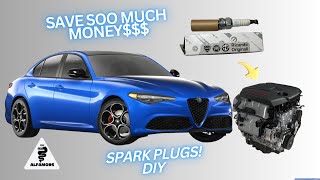
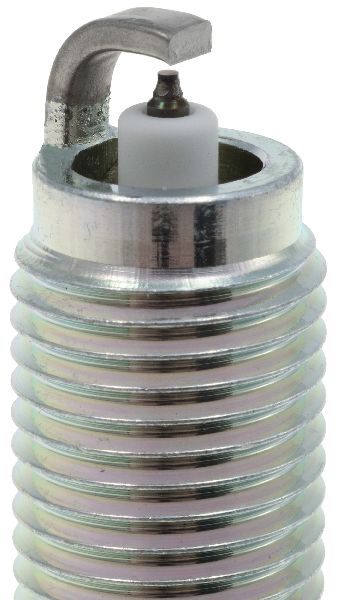
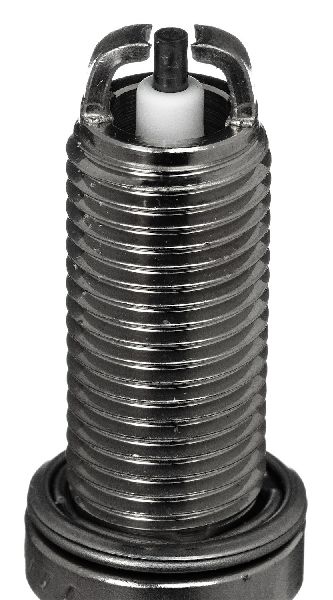
- Worn or Fouled Spark Plug 🔴 High Probability The manufacturer's recommended change interval is relatively short at 30,000 miles for both the 2.0T and 2.9T engines, and many owners experience issues if this is extended. Direct injection engines can be hard on plugs, and owners report that deviating from the OEM NGK plugs can also cause issues.
How to confirm: Inspect the spark plug from cylinder 1 for wear (worn electrode), carbon buildup, or oil fouling. A common diagnostic trick is to swap the spark plug from cylinder 1 with another cylinder (e.g., cylinder 2). If the code changes to P0302, the spark plug is the culprit.
Typical fix: Replace the spark plug in cylinder 1. It is best practice to replace all spark plugs as a set with OEM-spec NGK plugs.
Est. part cost: $80-$130 for a set of four (2.0T), $250-$330 for a set of six (2.9T) - Faulty Ignition Coil 🔴 High Probability Coil-on-plug systems are a common failure point on many modern turbocharged engines due to high heat and electrical stress. TSB #09-002-22 was issued for a bad batch of coils on some 2021-2022 2.0T models built between Sept 8 and Sept 28, 2021, specifically causing misfire codes.
How to confirm: After confirming the spark plug is good, swap the ignition coil from cylinder 1 with another cylinder (e.g., cylinder 2). Clear the codes and drive the vehicle. If the code returns as P0302, the ignition coil is faulty.
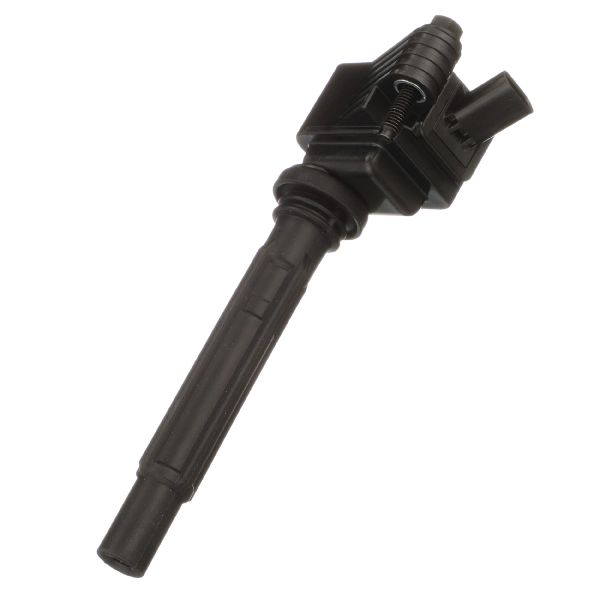
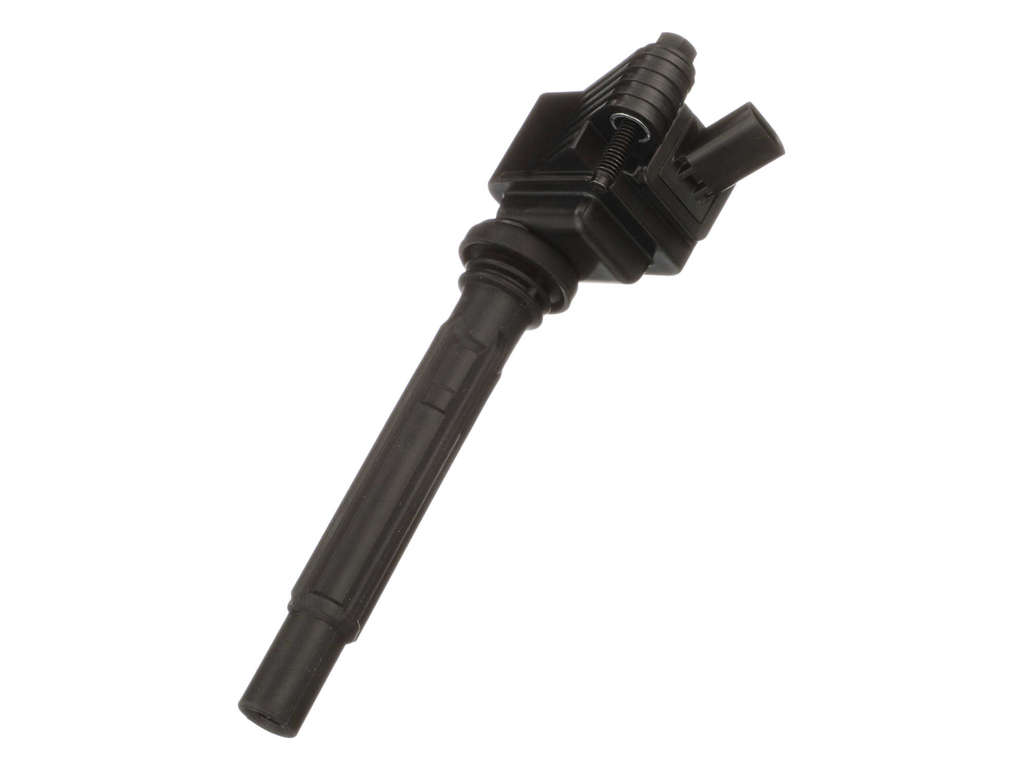
Typical fix: Replace the faulty ignition coil. While you can replace just one, they often fail around the same time, so replacing them as a set during a spark plug change is a good preventative measure.
Est. part cost: $60-$150 per coil - Faulty Fuel Injector 🟡 Medium Probability Direct injection fuel injectors operate under very high pressure and can become clogged or fail electronically over time. A leaking injector seal can also cause issues without immediately throwing a specific injector code.
How to confirm: This is more difficult to diagnose. It involves checking the injector's electrical resistance or performing a flow test, which may require professional tools. A swap test similar to the coil/plug method can be done but is more labor-intensive.
Typical fix: Replace the faulty fuel injector. This is a more involved job than plugs or coils.
Est. part cost: $100-$250 per injector - PCM Software Issue ⚪ Low Probability A specific TSB exists for this issue. TSB #S2018000011 notes that misfire codes can be set after a specific PCM software update (CSN W05), requiring a dealer visit to apply a fix.
How to confirm: A dealership can check if TSB #S2018000011 applies to your vehicle's VIN and if the necessary software updates have been performed.
Typical fix: The dealer will re-flash the Powertrain Control Module (PCM) with updated software.
Est. part cost: $0 if covered by warranty/TSB, otherwise shop labor rates apply.
Rare But Worth Checking
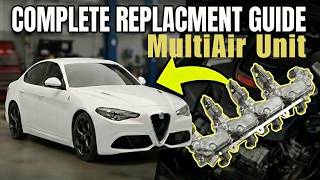
- Failing MultiAir Actuator (2.0T Engine): The 2.0T engine uses Fiat's MultiAir technology, an electro-hydraulic system that controls intake valve lift. Failure of the actuator 'brick' can cause misfires, often starting in colder weather, that may smooth out as the engine warms up. This is a known issue and often requires replacement of the entire MultiAir unit. Using the correct spec engine oil (e.g., 5W-30 full synthetic) and maintaining clean oil is critical for the health of this system.
- Failing Low-Pressure Fuel Pump: While a failing pump usually causes multiple/random misfires (P0300), it has been specifically linked to P0301 in an NHTSA complaint (ODI #11597827). A recall was issued for 2017-2019 Giulia models for this exact issue.
- Low Engine Compression: This indicates a more serious internal engine problem, such as a worn piston ring, a leaking valve, or a damaged head gasket. A compression test is needed to confirm.
- Vacuum Leak: A leak in a vacuum hose or intake manifold gasket near cylinder 1 can lean out the air-fuel mixture and cause a misfire. A smoke test is the most effective way to find a leak.
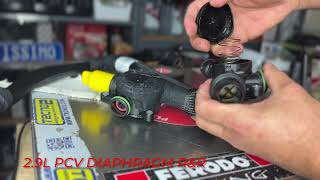
- Cracked PCV Diaphragm (2.9L V6): On the Quadrifoglio's 2.9L engine, the PCV valve diaphragm can tear, creating a significant vacuum leak. This can cause a loud squealing or whistling noise from the engine bay and may lead to misfire codes. The diaphragm can be replaced separately from the entire PCV assembly.
Diagnosis Steps

- Use an OBD-II scanner to confirm P0301 and check for any other stored codes.
- If other cylinder misfire codes (P0302, etc.) or fuel pressure codes (P0087) are present, investigate shared causes like the fuel pump first.
- If only P0301 is present, start with the ignition system. Swap the ignition coil from cylinder 1 to cylinder 2. Clear the codes and drive to see if the misfire code changes to P0302. If it does, the ignition coil is bad.
- If the misfire remains on cylinder 1 (P0301 returns), swap the spark plug from cylinder 1 to cylinder 3. If the code changes to P0303, the spark plug is bad.
- If the misfire still remains on cylinder 1, inspect the fuel injector wiring and connector for damage. Consider a more involved injector swap if you have the tools and expertise.
- Check for vacuum leaks around the intake manifold, particularly near the runner for cylinder 1. A smoke test is the most reliable method.
- For the 2.0T engine, if misfires are temperature-dependent (worse when cold), investigate the MultiAir actuator as a potential cause.
- If the above steps do not identify the cause, a mechanical issue is possible. Perform a compression test and a cylinder leak-down test on cylinder 1 to check the health of its internal components.
Parts You'll Likely Need

- Spark Plug
(OEM #NGK ILZKR7G (for 2.0T), NGK LKAR8AP7JDS (for 2.9L))— This is the most common failure item for a single-cylinder misfire and a regular maintenance part with a relatively short life on this engine.
Trusted brands: NGK (OEM)
OEM price range: $30-$40 per plug (2.0T), $50-$60 per plug (2.9T)
Aftermarket price range: $20-$30 per plug - Ignition Coil
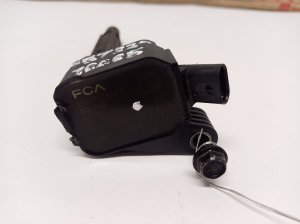
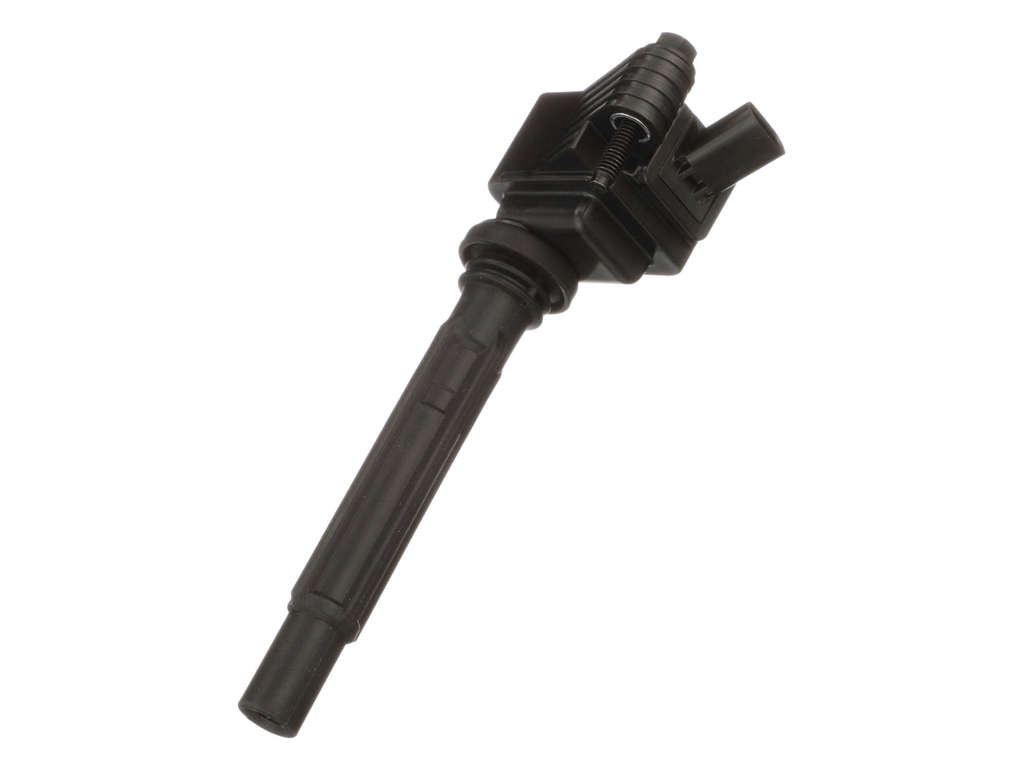
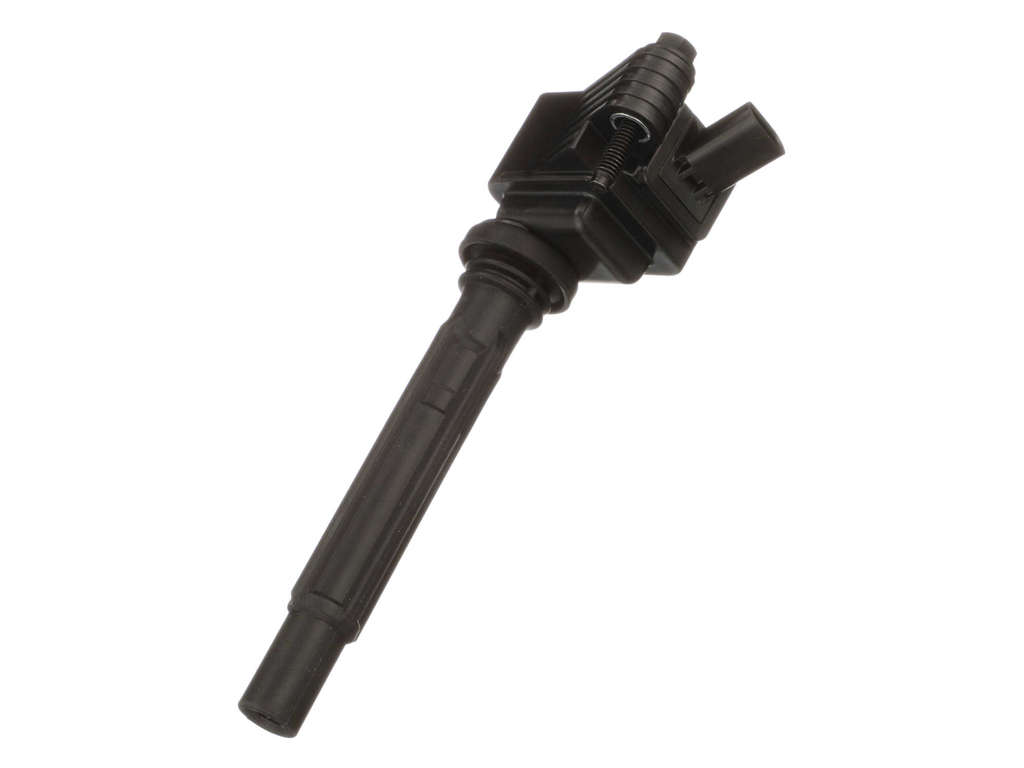
(OEM #Bosch 0221504048 or Mopar 68322839AA (for 2.0T))— The second most likely cause, ignition coils are subjected to high heat and voltage and are a common failure point. A specific batch was faulty on some 2021-2022 models.
Trusted brands: Bosch (OEM), Delphi, Mopar
OEM price range: $100-$150
Aftermarket price range: $60-$100
Related Codes That Often Appear With This One
- P0300 — If the misfire is intermittent or starting to affect other cylinders, a P0300 (Random/Multiple Cylinder Misfire) may appear alongside P0301.
- P0302, P0303, P0304 — These codes indicate misfires in other cylinders. Seeing them together often points to a systemic problem like bad fuel, a vacuum leak, or a failing fuel pump.
- P0087, P008A — These codes indicate low fuel rail/system pressure. An NHTSA complaint documented these appearing with misfire codes, pointing to a failing fuel pump as the root cause.
Technical Service Bulletins (TSBs) & Recalls
- 09-002-22: Confirms DTC P0301
Platform-Specific Known Issues

- TSB #09-002-22 (also RRT 22-014): Affects some 2021-2022 Giulia/Stelvio 2.0T models built between Sept 8 and Sept 28, 2021. A bad batch of ignition coils can cause misfires (P0301-P0304). The fix is to replace all four coils.
- TSB #S2018000011: Notes that misfire codes including P0301 can be erroneously set after a specific PCM software update, requiring a dealer visit to correct.
- A recall was issued for some 2017-2019 Giulia models due to low-pressure fuel pumps that could fail, causing stalling and misfires. This aligns with NHTSA complaint #11597827, where P0301 was accompanied by low fuel pressure codes.
- MultiAir System (2.0T): The health of the electro-hydraulic valve control system is dependent on correct and clean engine oil. Neglecting oil changes or using the wrong viscosity can lead to actuator failure and misfires.
Mechanic-Grade Diagnostic Values
- Ignition Coil Primary Resistance — expected: 0.4 - 2.0 ohms. Failure: A reading of OL (over-limit/open circuit) or a value significantly outside the expected range.
- Ignition Coil Secondary Resistance — expected: 5,000 - 15,000 ohms (5kΩ - 15kΩ). Failure: A reading of OL (over-limit/open circuit). Note that a coil can pass a resistance test but still fail under load.
- Spark Plug Torque Spec (2.0L Engine) — expected: 14 ft-lbs. Failure: Over or under-tightening can cause sealing issues or damage to the spark plug or cylinder head.
- High-Pressure Fuel Injection — expected: Up to 2,900 psi (200 bar). Failure: Significantly lower pressure readings would indicate a problem with the high-pressure fuel pump.
Hidden / Shadow Codes Worth Checking
- Mode 6 Misfire Counters: The Engine Control Module (ECM) tracks misfires on each cylinder even before they are frequent enough to trigger a P030x code. Advanced scan tools, including MultiECUScan, can access this 'Mode 6' data to show live misfire counts per cylinder, which is invaluable for diagnosing intermittent issues. (see via Advanced OBD-II scanners or specialized software like MultiECUScan.)
Scan Tool Commands That Help
- MultiECUScan: Self-adaptation parameters reset — After replacing a component like a fuel injector or fixing a vacuum leak, resetting the engine's learned fuel trim and idle parameters can help it adapt to the new part more quickly and resolve rough running conditions.
- MultiECUScan: Parameters (Live Data) -> Misfire Counters — To diagnose an intermittent or random misfire (P0300) without a specific cylinder code. This allows you to see which cylinder is actually misfiring in real-time, even if it hasn't triggered a specific code like P0301 yet.
- MultiECUScan: PROXI Alignment Procedure — This is needed after replacing certain electronic modules to ensure all systems on the car's network recognize each other. While not a direct fix for P0301, it can resolve a host of electronic gremlins that may accompany other work, indicated by a flashing odometer.
Wiring & Ground Locations
- Engine/Transmission Ground Strap — Underneath the car, connecting the transmission case to the vehicle chassis. It is exposed to the elements.. This is the main ground for the engine block and all sensors mounted to it, including the crankshaft position sensor which is critical for misfire detection. Corrosion or a loose connection here can cause erratic sensor readings and phantom misfire codes.
- Remote Negative (-) Post — In the engine compartment, separate from the battery itself (which is often in the trunk). The exact location varies by model year but it is a designated metal post for jump-starting.. This is the primary chassis ground point in the engine bay. Ensuring this connection is clean and tight is a crucial first step in diagnosing any electrical issue, as a poor ground can cause a wide range of problems, including weak spark.
Real Owner Repair Stories
- GiuliaForums.com user (2018 Giulia Quadrifoglio (2.9L V6)) — Loud squealing/whistling noise from the engine, accompanied by misfire codes.
❌ Tried (didn't work) Initial diagnosis was unclear, often mistaken for a belt or pulley issue.
✅ What actually fixed it The PCV (Positive Crankcase Ventilation) valve diaphragm had torn, creating a massive vacuum leak. Replacing the diaphragm (available as a separate part) resolved both the noise and the misfire. - Reddit user r/AlfaRomeo (2017 Giulia Ti (2.0L I4) at ~44k miles) — No symptoms or codes; work was done as preventative maintenance based on the 30,000-mile service interval.
✅ What actually fixed it Replaced all four spark plugs and ignition coils. The owner noted the job was straightforward and confirmed the spark plug torque value is 14 ft-lbs. This story confirms the short service interval and highlights that even without symptoms, the plugs may be due for replacement.
"I Checked Everything" — The Actual Cause
- On the 2.9L V6 Quadrifoglio engine, a smoke test might not immediately reveal a torn PCV diaphragm as the source of a vacuum leak. The leak can manifest as a loud squeal under vacuum, which can be misdiagnosed as a bad belt tensioner or pulley. The actual cause is the torn rubber diaphragm inside the PCV valve assembly, which requires disassembly to visually confirm.
OEM Part Supersession History
670050243→670050924— Part revision or manufacturer change for the ignition coil on the 2.9L V6 engine.
Model Year Variations Within This Range
- 2017-2019 (Quadrifoglio): The 2.9L V6 engine in these earlier models used direct injection only. This can make them more susceptible to carbon buildup on intake valves over time, which can impede airflow and contribute to misfires.
- 2020+: For the 2020 model year, the 2.9L V6 engine was updated to include both port and direct injection. The addition of port injection helps wash carbon deposits off the back of the intake valves, reducing the likelihood of carbon-related misfires. The 2.0L engine remained direct injection only.
- 2018+: Vehicles built after a certain date in 2017 for the 2018 model year are equipped with a Secure Gateway Module (SGW). This requires a specific bypass cable or an authorized modern scan tool with an active subscription (like AutoAuth for Autel scanners) to perform bidirectional commands like resets and calibrations.
Helpful Videos
Used OEM Parts in Stock
New Aftermarket Parts Available

The information in this article is provided for general reference and educational purposes only. Vehicle specifications, procedures, and part compatibility can vary by production date, trim level, and region. Always consult your vehicle's factory service manual and verify part numbers before purchasing or performing repairs. Safety-critical components such as airbags, seat belts, and braking systems should be installed by a qualified professional.
- Alfa Romeo GIULIA:
- 🎬 Helpful Videos
- 🛍️ Shop This Part
- What's Unique About the 2017-2022 Alfa Romeo GIULIA
- Diagnostic Flowchart
- Symptoms You May Notice
- Most Likely Causes
- Rare But Worth Checking
- Diagnosis Steps
- Parts You'll Likely Need
- Related Codes That Often Appear With This One
- Technical Service Bulletins (TSBs) & Recalls
- Platform-Specific Known Issues
- Mechanic-Grade Diagnostic Values
- Hidden / Shadow Codes Worth Checking
- Scan Tool Commands That Help
- Wiring & Ground Locations
- Real Owner Repair Stories
- "I Checked Everything" — The Actual Cause
- OEM Part Supersession History
- Model Year Variations Within This Range
- 🎟️ Get 5% Off