

P0300 on 2018 Volkswagen Beetle Convertible: Random Misfire Causes and Fixes
On a 2018 VW Beetle with the 2.0L TSI engine, a P0300 code is most often caused by failing ignition coils or worn spark plugs. A failed PCV valve or carbon buildup on the intake valves are also very common culprits. Expect to spend $100-$300 for plugs and coils, while professional carbon cleaning can exceed $600.
- P0300 means multiple cylinders are misfiring randomly. Do not ignore it, especially if the check engine light is flashing, to avoid catalytic converter damage.
- Start your diagnosis with the most common and inexpensive parts: inspect the spark plugs and test the ignition coils.
- For the 2018 Beetle's 2.0T TSI engine, a failed PCV valve is a very common cause of P0300 and is often indicated by a whistling noise.
- If plugs, coils, and the PCV system are good, the next most likely cause is significant carbon buildup on the intake valves, a known issue with this engine that requires professional cleaning.
What's Unique About the 2018-2018 Volkswagen BEETLE CONVERTIBLE
The 2018 Beetle Convertible uses the 2.0L TSI (EA888 Gen3) direct-injection engine. While ignition components are a common cause of misfires on any car, this specific engine is uniquely prone to two other major issues that trigger a P0300 code: failure of the Positive Crankcase Ventilation (PCV) valve, which creates a significant vacuum leak, and heavy carbon buildup on the intake valves. This carbon issue is a known side effect of the direct injection design, where fuel doesn't wash over the valves to keep them clean, allowing oil vapors to bake onto the hot valve stems.
Diagnostic Flowchart
Tap your situation to follow the diagnostic path that matches what you're seeing on this vehicle.
Symptoms You May Notice
- Rough or vibrating idle
- Hesitation or stuttering during acceleration
- Reduced engine power and lazy throttle response
- Solid or flashing Check Engine Light
- Poor fuel economy
- Loud whistling or squealing noise from the engine bay (if PCV valve has failed)
- Engine knocking or stalling, especially on cold starts
- Replacing only spark plugs when the ignition coils are the actual problem.
- Replacing ignition components when the root cause is a large vacuum leak from a failed PCV valve.
- Replacing fuel injectors when the issue is severe carbon buildup on the intake valves, which causes similar symptoms.
- Assuming a major engine failure when a cracked flexplate on automatic models causes an erratic crank sensor reading, mimicking a misfire.
Most Likely Causes
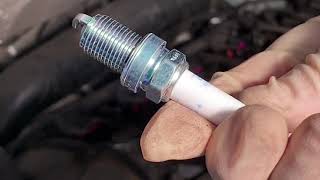
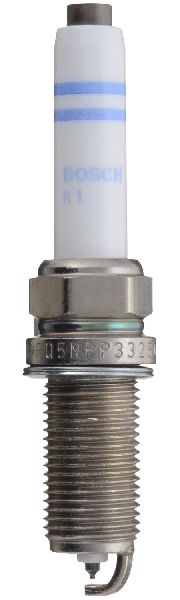
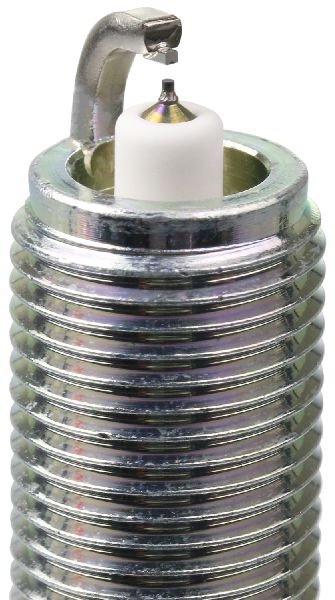
- Worn or Fouled Spark Plugs 🔴 High Probability Spark plugs are a regular maintenance item with a typical replacement interval of 40,000-60,000 miles on the TSI engine. They are a primary and frequent cause of misfires as they wear out.
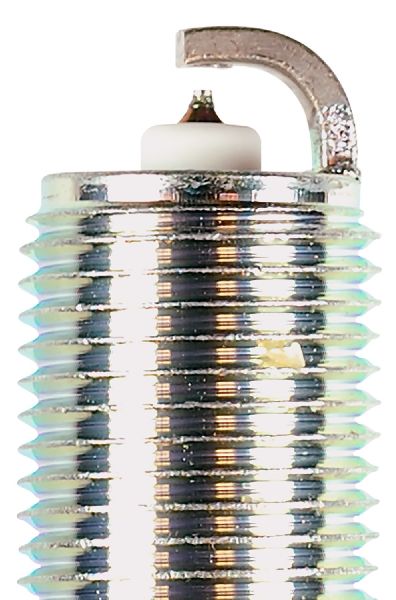
How to confirm: Remove and inspect the spark plugs for wear (eroded electrode), fouling (black, oily, or white deposits), or incorrect gap. A visual inspection is often sufficient. Ensure the gap is correct per manufacturer specifications, typically between 0.024 and 0.032 inches.
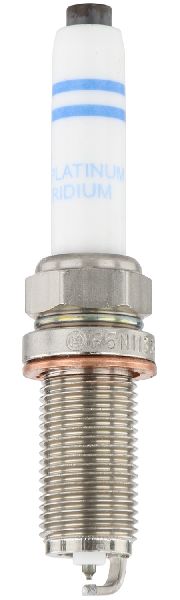
Typical fix: Replace all four spark plugs as a set. It is highly recommended to use OEM-spec plugs from brands like NGK or Bosch to ensure proper performance.
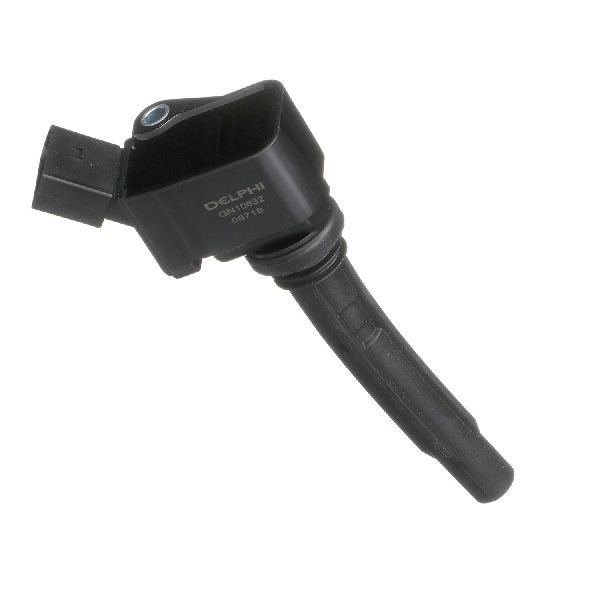
Est. part cost: $60-$120 - Failing Ignition Coils 🔴 High Probability Ignition coil failure is a well-documented and very common problem on VW/Audi EA888 engines. It is often recommended to replace all four at once, as they tend to fail around the same time.
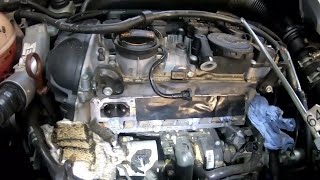
How to confirm: With the engine running, use a scan tool (like VCDS or OBDeleven) to monitor misfire counts per cylinder. If a specific cylinder is misfiring more than others (e.g., P0302), swap that ignition coil with one from a known good cylinder (e.g., cylinder 1). Clear the codes and run the engine. If the misfire code follows the coil 🎬 See this walkthrough on diagnosing and repairing a cylinder misfire. (now showing P0301), the coil is bad.
Typical fix: Replace the faulty ignition coil. Many owners and shops choose to replace all four simultaneously as a preventative measure.
Est. part cost: $30-$75 per coil - Failed PCV Valve 🟡 Medium Probability The diaphragm inside the PCV valve (also called an oil separator) on TSI engines is made of rubber and is known to tear, creating a large unmetered vacuum leak that the ECM cannot compensate for, leading to lean conditions and misfires.
How to confirm: Listen for a loud whistling or hissing sound from the engine bay at idle. Another definitive test is to try to remove the oil filler cap while the engine is running; a failed PCV will create extreme vacuum, making the cap very difficult to remove and the engine may stumble or stall. This issue is often accompanied by lean codes like P0171 or P2279 (Intake Air System Leak).
Typical fix: Replace the entire PCV valve assembly. While diaphragm-only repair kits exist, replacing the whole unit with an updated OEM part is more reliable and recommended. Some mechanics suggest preventative replacement every 70,000-80,000 miles.
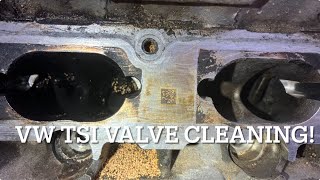
Est. part cost: $40-$150 - Carbon Buildup on Intake Valves 🟡 Medium Probability As a direct-injection engine, the 2.0L TSI does not spray fuel over the intake valves. This allows oil vapor and combustion byproducts from the PCV system to bake onto the valves, restricting airflow and causing misfires, especially on cold starts. This issue becomes more probable on engines with over 60,000 miles.
How to confirm: This requires a visual inspection using a borescope inserted into the intake ports after removing the intake manifold. Symptoms like cold start misfires that improve as the engine warms are a strong indicator.
Typical fix: The intake valves must be manually cleaned. The most effective method is media blasting (often called 'walnut blasting'), which requires removing the intake manifold. 🎬 Watch: See how walnut blasting removes heavy carbon buildup. This is a labor-intensive job.
Est. part cost: $10-$30 for cleaning materials, but shop labor is significant, often $600+.
Rare But Worth Checking
- Clogged or Failing Fuel Injectors: While less common than ignition or air-related issues, a faulty injector can cause misfires. If multiple injectors are performing poorly, it can result in a P0300 code. Diagnosis can involve checking fuel trims with a scan tool or performing a flow test. One owner on a forum fixed a persistent P0300 by replacing the injectors after plugs and coils failed to solve it.
- Low Fuel Pressure: A failing in-tank low-pressure fuel pump (LPFP), a failing high-pressure fuel pump (HPFP), or a clogged fuel filter can starve the engine of fuel, causing random misfires under load. This may be accompanied by fuel pressure-related codes.
- Vacuum Leak (Non-PCV): A cracked vacuum hose, a leaking intake manifold gasket, or even a failed rear main seal can introduce unmetered air and lead to a P0300 code. A smoke test is the most effective way to diagnose these leaks.
- Faulty Crankshaft Position Sensor (G28): The sensor that detects misfires can itself be faulty. An erratic signal from the Crankshaft Position Sensor can be misinterpreted by the ECM as a random misfire, triggering a P0300 code.
Diagnosis Steps
- Read all fault codes with a VW-specific OBD-II scanner like VCDS or OBDeleven. Note any other codes present, especially lean codes (P0171, P2279), idle codes (P0507), or cylinder-specific misfires (P0301-P0304).
- Check live data for fuel trims. High positive fuel trims suggest the engine is compensating for a vacuum leak.
- Inspect the ignition system. Remove and examine all four spark plugs for signs of wear, oil fouling, or damage.
- Test the ignition coils. If a specific cylinder misfire is also logged, swap the coil from that cylinder to another and see if the fault code follows. If only P0300 is present, this test is less effective but coils remain a top suspect.
- If plugs and coils are good, inspect the PCV valve. Listen for a whistling noise at idle and check for strong vacuum at the oil filler cap with the engine running.
- If the PCV is okay, perform a smoke test to find other hidden vacuum leaks from cracked hoses or leaking gaskets.
- Check fuel pressure (both low and high pressure systems) to rule out a weak fuel pump or clogged filter.
- If all other causes are ruled out, especially on an engine with over 60,000 miles, suspect carbon buildup. This requires removing the intake manifold for a visual inspection with a borescope.
Parts You'll Likely Need
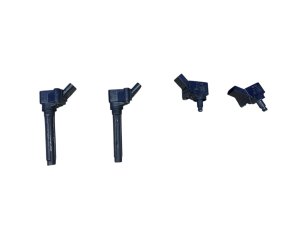
- Ignition Coil
(OEM #06L905110K)— These are a very common failure item on the 2.0T EA888 Gen3 engine and a primary cause of misfires. The 'K' revision is the latest and backward compatible.
Trusted brands: Bosch, NGK, Eldor, Genuine Volkswagen/Audi
OEM price range: $60-$80
Aftermarket price range: $30-$60 - Spark Plug
(OEM #06K905601D)— Spark plugs are a standard maintenance item that wear out and cause misfires. Using the correct OEM-spec plug is critical for performance on this direct-injection, turbocharged engine.
Trusted brands: NGK, Bosch, Genuine Volkswagen/Audi
OEM price range: $15-$25 per plug
Aftermarket price range: $10-$20 per plug
Related Codes That Often Appear With This One
- P0301, P0302, P0303, P0304 — These are cylinder-specific misfire codes. A random misfire (P0300) may eventually be accompanied by or turn into a code for a specific cylinder as the problem worsens or the ECM isolates the fault.
- P0171 - System Too Lean — This code frequently appears with P0300 when the cause is a vacuum leak, most commonly from a failed PCV valve which allows unmetered air into the intake.
- P0507 - Idle Control System RPM Higher Than Expected — A vacuum leak from a bad PCV valve can cause the engine's idle speed to be higher than the target RPM, triggering this code alongside misfires.
- P2279 - Intake Air System Leak — This is a more direct code indicating a vacuum leak and is very commonly seen with a failed PCV valve on VW/Audi engines, often in conjunction with P0171 and P0300.
Technical Service Bulletins (TSBs) & Recalls
- VIN-4-A-PIN-2018: A general bulletin noting the possibility of a Malfunction Indicator Lamp (MIL) with codes P0300-P0304 in the ECM, indicating this is a known issue to the manufacturer.
- TSB 2033223 / 01 13 73: For EA888 engines, this TSB describes a procedure to reset misfire adaptations stored in the ECM, which may be necessary after an engine replacement or other major repair to resolve persistent false misfire codes.
- TSB 01-16-15: VW notes that poor quality gasoline can cause deposit accumulation on intake valves and injectors, leading to rough running and misfire codes like P0300.
Platform-Specific Known Issues
- Carbon Buildup: The direct-injection nature of the 2.0L TSI engine leads to inevitable carbon accumulation on the intake valves, which restricts airflow and is a primary cause of misfires as the vehicle ages. This typically requires professional walnut blasting every 60,000-80,000 miles to resolve.
- TSB Reference: While the generic TSB VIN-4-A-PIN-2018 mentions P0300-P0304, more specific VW TSBs exist for the EA888 engine family. For example, TSB 2033223/[01 13 73] discusses the need to reset misfire adaptations in the ECM after certain repairs by clearing fault codes three times in under 29 seconds. TSB 01-16-15 also notes that poor fuel quality can lead to deposits causing P0300.
- PCV System Failure: The PCV valve on the EA888 is not just a simple valve but a complex oil separator assembly. Its high failure rate is a well-documented source of vacuum leaks that directly cause P0300 and P0171 codes.
Mechanic-Grade Diagnostic Values
- Low-Pressure Fuel System — expected: 5.0 bar (+/- 0.5 bar) at idle. Approximately 60-80 PSI.. Failure: Pressure significantly below 4.5 bar at idle or dropping under load indicates a failing in-tank pump or clogged filter.
- High-Pressure Fuel Rail — expected: Around 40-50 bar (580-725 PSI) at idle. Rises to 200 bar (2900 PSI) under load.. Failure: Actual pressure reading in VCDS is significantly lower than the specified pressure, especially under acceleration. A reading of 6-10 bar at idle indicates a failed HPFP.
- Mode $06 Misfire Counts — expected: Counts should be at or very near zero for all cylinders during a drive cycle.. Failure: Any cylinder showing a significantly higher count than others points to an emerging issue, even if a cylinder-specific code (P0301-P0304) has not been set.
Hidden / Shadow Codes Worth Checking
- Mode $06 Misfire Data: This is not a specific code but a data stream showing raw misfire counts per cylinder for the current and last 10 driving cycles. It can reveal which cylinders are misfiring before the count is high enough to trigger a formal P030x fault code, helping to pinpoint an intermittent issue. (see via A VW-specific scan tool like VCDS or OBDeleven, or any advanced scanner with Mode $06 functionality.)
Scan Tool Commands That Help
- VCDS (VAG-COM): Measuring Block Groups 014, 015, 016 — Use these groups to view live misfire counters for each cylinder. This is essential for determining if the misfire is truly random or if it's starting to favor specific cylinders, which helps narrow down the diagnosis to a specific coil, plug, or injector.
- VCDS (VAG-COM): Reset Misfire Adaptions — On some EA888 engines, after a major repair like an engine replacement or significant component change, the ECU may retain old misfire adaptation values. Clearing fault codes three times in a row in under 29 seconds can force a reset of these learned values.
Wiring & Ground Locations
- Ignition Coil Ground — The ignition coils are grounded via their mounting bolts to the aluminum cam cover. A common chassis ground point used for supplemental grounding kits is the lug located behind the passenger-side headlight.. The threads in the soft aluminum cam cover can strip, leading to a poor ground for the ignition coils. A weak ground can cause reduced spark energy and trigger misfires even with good coils and plugs. Aftermarket grounding kits that run a separate wire from the coils to a solid chassis ground are a common solution.
- GND 1 / Battery Ground — In the engine compartment on the left side, below the battery tray (battery-to-body ground).. A corroded or loose main battery ground can cause a host of electrical issues, including insufficient voltage for the ignition system, potentially leading to weak spark and random misfires.
Real Owner Repair Stories
- Reddit user Regular-Place1009 (Volkswagen (model not specified, but behavior is typical of EA888)) — P0300, plus specific misfires on cylinders 3 & 4.
❌ Tried (didn't work) Replacing spark plugs, Replacing ignition coils
✅ What actually fixed it A manual cleaning of the intake valves resolved the misfire codes. - Scirocco Central forum user (2009 VW Scirocco 2.0 TSI (EA888 Gen1, similar issues)) — P0300, P0301, P0302. Misfires primarily at idle and when slowing down, but not under acceleration.
❌ Tried (didn't work) Replacing one ignition coil, Replacing one fuel injector, Replacing all spark plugs
✅ What actually fixed it The user's story was left unresolved in the thread, highlighting the diagnostic difficulty when common parts are replaced without fixing the issue, pointing towards less common causes like carbon buildup or vacuum leaks.
"I Checked Everything" — The Actual Cause
- In some cases, a P0300 is not caused by a vacuum leak (which a smoke test would find), but by a faulty ignition coil ground. The threads for the coil pack hold-down bolts in the aluminum valve cover can become stripped or corroded, creating a weak ground path. This results in a weak spark and misfires, even though the ignition coil itself is good and there are no air leaks.
When the Usual Fixes Don't Work
- While ignition parts are the most common cause, a significant number of owners report that replacing spark plugs and ignition coils does not fix their P0300 code. In these instances, the next most likely culprits are a failed PCV valve creating a vacuum leak, or significant carbon buildup on the intake valves requiring manual cleaning. One owner on a Reddit forum stated that after replacing plugs and coils with no success, a valve cleaning was the repair that finally resolved the misfire codes.
OEM Part Supersession History
06H103495A, 06H103495E→06H103495AC, 06H103495AH, and later revisions like AK, BM, BL.— The original PCV valve diaphragms were made of a material prone to tearing, causing major vacuum leaks. The updated parts use a more durable diaphragm material to improve longevity.
Heads up: It is critical to use the latest available revision. Aftermarket versions can sometimes have incorrect spring tension, causing issues even when new.
Model Year Variations Within This Range
- 2018: A manufacturer Technical Service Bulletin (TSB) mentions that P0300-P0304 faults can occur specifically AFTER the ECM software is updated to level 0003, indicating a potential software-related sensitivity to misfire detection that may not have been present on earlier software versions. [VIN-4-A-PIN-2018]
Helpful Videos
Used OEM Parts in Stock
New Aftermarket Parts Available


The information in this article is provided for general reference and educational purposes only. Vehicle specifications, procedures, and part compatibility can vary by production date, trim level, and region. Always consult your vehicle's factory service manual and verify part numbers before purchasing or performing repairs. Safety-critical components such as airbags, seat belts, and braking systems should be installed by a qualified professional.
- Volkswagen BEETLE CONVERTIBLE:
- 🎬 Helpful Videos
- 🛍️ Shop This Part
- What's Unique About the 2018-2018 Volkswagen BEETLE CONVERTIBLE
- Diagnostic Flowchart
- Symptoms You May Notice
- Most Likely Causes
- Rare But Worth Checking
- Diagnosis Steps
- Parts You'll Likely Need
- Related Codes That Often Appear With This One
- Technical Service Bulletins (TSBs) & Recalls
- Platform-Specific Known Issues
- Mechanic-Grade Diagnostic Values
- Hidden / Shadow Codes Worth Checking
- Scan Tool Commands That Help
- Wiring & Ground Locations
- Real Owner Repair Stories
- "I Checked Everything" — The Actual Cause
- When the Usual Fixes Don't Work
- OEM Part Supersession History
- Model Year Variations Within This Range
- 🎟️ Get 5% Off