

P0300 on 2017-2020 Toyota 86: Random Misfire Causes and Fixes
For a 2017-2020 Toyota 86 with an automatic transmission showing a P0300 code and rough idle when cold, the most likely cause is outdated engine software, which a dealer can update per TSB T-SB-0156-19 Rev. For all other cases, suspect worn spark plugs (at 60k miles) or failing ignition coils.
- For 2017-2020 automatic models with a P0300 and cold-start rough idle, check with a Toyota dealer about TSB T-SB-0156-19 Rev before attempting other repairs.
- Outside of the specific TSB issue, the most common causes are worn spark plugs and failing ignition coils.
- Do not continue driving if the check engine light is flashing, as this can cause rapid and expensive damage to the catalytic converter.
- Always replace spark plugs as a complete set of four.
What's Unique About the 2017-2020 Toyota 86
The Toyota 86 uses a Subaru-designed 2.0L FA20 'boxer' engine, which has unique characteristics. Most notably for this code, Toyota issued a Technical Service Bulletin (TSB T-SB-0156-19 Rev) specifically for 2017-2020 models with automatic transmissions that can set a P0300 and idle roughly at cold temperatures (around 50°F/10°C) due to engine control software logic. This is a well-documented, specific issue separate from the usual causes of misfires, and Subaru issued a parallel TSB (11-193-19) for the identical issue on the BRZ.
Diagnostic Flowchart
Tap your situation to follow the diagnostic path that matches what you're seeing on this vehicle.
Symptoms You May Notice
- Check Engine Light (CEL) is on or flashing
- Rough or unstable idle, especially when the engine is cold
- Engine hesitation or stumbling during acceleration
- Noticeable loss of engine power
- Shaking or vibrating from the engine bay
- Engine stalling at low RPM
- Replacing only one spark plug when the entire set is due for service.
- Replacing oxygen (O2) sensors without confirming they are faulty. A misfire will cause bad O2 sensor readings, but the sensor itself is usually not the root cause.
Most Likely Causes
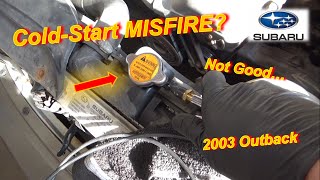
- Engine Control Module (ECM) Software Update Needed 🔴 High Probability Specific to 2017-2020 models with automatic transmissions, as identified in Toyota TSB T-SB-0156-19 Rev. The factory software logic can incorrectly interpret data during a cold start, leading to a P0300 and rough idle. Subaru has an identical TSB (11-193-19) for the BRZ. 🎬 Watch: Diagnosing the cold-start misfire and TSB software issue.
How to confirm: Check if the vehicle is a 2017-2020 model with an automatic transmission. Use a scan tool to check freeze frame data; if the misfire occurred at a low engine temperature (around 50°F/10°C), this is the most likely cause. A Toyota dealer can confirm if the TSB applies and if the update has been performed. A Reddit user confirmed a dealer reflash on their 2017+ model resolved the code.
Typical fix: A Toyota dealership must reprogram or 'reflash' the ECM with the updated software. This is called an "engine ECM recalibration" or "engine software update" by dealers.
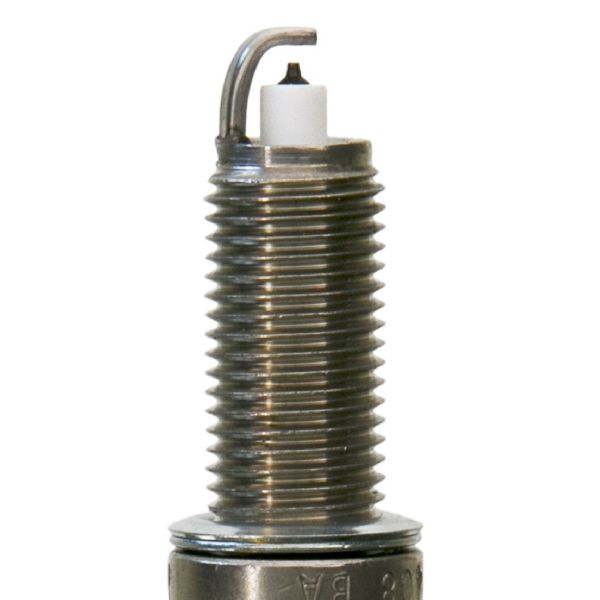
Est. part cost: $0 (if under warranty) - Worn or Fouled Spark Plugs 🔴 High Probability Spark plugs are a regular maintenance item with a 60,000-mile service interval. The FA20 engine's high-compression design requires them to be in good condition for a complete burn. Misfires are a common symptom as they approach the end of their service life.
How to confirm: Remove and inspect the spark plugs for wear, carbon fouling, or oil contamination. If they have 60,000 miles or more, or look worn, they are a prime suspect. The boxer engine design makes access very tight, and many owners report the job is tedious.
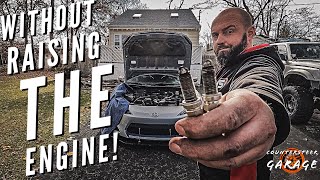
Typical fix: Replace all four spark plugs as a set. This is a common but challenging DIY job. 🎬 See this walkthrough for replacing spark plugs in under an hour. Many forum guides recommend specific tool combinations (wobble extensions, thin-wall sockets) and some owners suggest slightly jacking up the engine for better access.
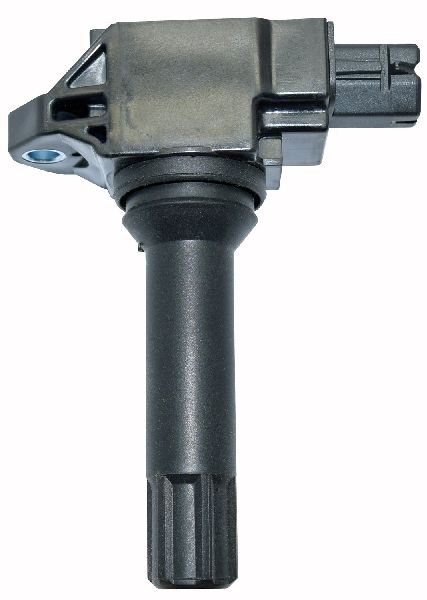
Est. part cost: $60-$120 - Failing Ignition Coil(s) 🟡 Medium Probability Ignition coils can fail with heat and age. While one failing coil usually triggers a specific cylinder code (e.g., P0301), an intermittently failing coil or multiple weak coils can cause a random P0300 code before a specific cylinder is identified.
How to confirm: With the engine running, use a scan tool to monitor misfire counts per cylinder. If you can identify a cylinder with a higher count, swap its ignition coil with a known good cylinder. If the misfire follows the coil, the coil is bad. This is a common diagnostic step mentioned in owner forums.
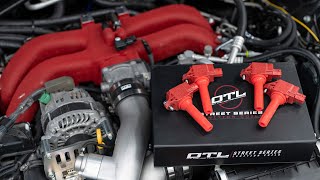
Typical fix: Replace the faulty ignition coil. It is often recommended to replace them in sets if they are original and high-mileage. 🎬 Watch: How to install new ignition coil packs.
Est. part cost: $70-$150 per coil - Vacuum Leak ⚪ Low Probability Hoses and gaskets can become brittle over time. An unmetered air leak downstream of the mass airflow sensor disrupts the air-fuel ratio, which can cause random misfires across all cylinders, often most noticeable at idle.
How to confirm: Visually inspect all vacuum hoses for cracks or loose connections. A hissing sound from the engine bay at idle can be a clue. A professional smoke test is the most effective method, where a mechanic forces smoke into the intake system to reveal the source of any leaks.
Typical fix: Replace the cracked hose or faulty gasket that is causing the leak.
Est. part cost: $10-$50
Rare But Worth Checking
- Clogged or Dirty Fuel Injectors: The FA20 engine uses both port and direct injection (Toyota's D-4S system). Carbon buildup on the direct injectors can affect fuel spray and cause misfires, though this is less common than ignition issues. Some owners try a bottle of injector cleaner as a first step.
- Low Fuel Pressure: A weak fuel pump or clogged fuel filter can starve the engine of fuel, leading to lean conditions and random misfires. This would typically affect performance under load more than at idle.
- Loose Direct Injector (DI) Computer Ground Bolt: A known quirk in the FT86 community is that the ground bolts for the direct injection computer can become loose, leading to erratic behavior and random misfires. Owners recommend checking that these bolts are tight as an easy first step.
Diagnosis Steps
- Read the Codes: Use an OBD-II scanner to confirm the P0300 code and check for any other pending or stored codes. Note the freeze frame data, paying close attention to engine temperature, RPM, and load when the code was set.
- Check for TSBs: If you have a 2017-2020 automatic model and the freeze frame data shows a cold engine (around 50°F/10°C), the primary suspect is the ECM software. Consult a dealer about TSB T-SB-0156-19 Rev.
- Check DI Computer Ground: Before diving into mechanical work, locate the direct injector computer in the engine bay and ensure its grounding bolts are secure. This is a simple check recommended by other owners.
- Inspect Ignition System: If the TSB doesn't apply, begin with the most common culprits. Remove and inspect all four spark plugs for wear and proper gap. They should be replaced every 60,000 miles. This job is known to be difficult due to tight access.
- Test Ignition Coils: Inspect the ignition coils for any signs of damage. Use a scan tool to watch live misfire data to see if one cylinder is misfiring more than others. Swap the suspect coil with another cylinder to see if the misfire moves.
- Check for Vacuum Leaks: Visually inspect all intake and vacuum hoses for cracks, brittleness, or loose connections. A professional smoke test is the most reliable way to find hidden leaks.
- Analyze Fuel System: If ignition and air leaks are ruled out, investigate the fuel system. This is a more advanced step and may require checking fuel pressure and testing fuel injectors, which may be best left to a professional.
Parts You'll Likely Need
- Spark Plugs
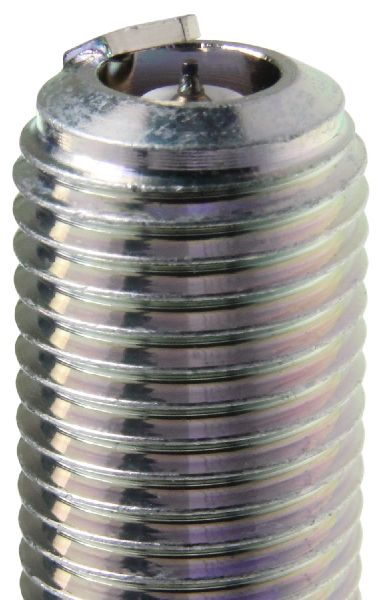
(OEM #SU003-04931)— These are a standard maintenance item and a very common cause of misfires as they wear out. This part number also fits the Scion FR-S and Subaru BRZ. It supersedes part number SU003-00416.
Trusted brands: NGK, Denso (OEM is Denso ZXE27HBR8)
OEM price range: $80-$120 (set of 4)
Aftermarket price range: $60-$100 (set of 4) - Ignition Coil
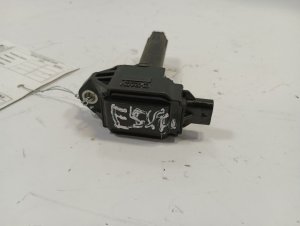
(OEM #SU003-05259)— Heat and age cause ignition coils to fail, leading to a weak or nonexistent spark. This part number also fits the Scion FR-S (from 04/2014) and Subaru BRZ.
Trusted brands: Denso, NGK, Beck/Arnley
OEM price range: $100-$150 (per coil)
Aftermarket price range: $70-$120 (per coil)
Related Codes That Often Appear With This One
- P0301, P0302, P0303, P0304 — If the ECM can eventually isolate the misfire to a specific cylinder, a P0300 will often be accompanied by a code indicating which cylinder is at fault (e.g., P0304 for cylinder 4).
Technical Service Bulletins (TSBs) & Recalls
- T-SB-0156-19 Rev: Addresses a MIL ON condition with DTC P0300 and a rough idle at cold start for 2017-2020 86 vehicles with automatic transmissions.
- T-SB-0156-19: The original version of the bulletin with the same information.
- Subaru TSB 11-193-19: An equivalent bulletin for the 2017-2020 Subaru BRZ, addressing the same cold start P0300 issue for automatic transmission models.
Platform-Specific Known Issues
- A known issue documented in Toyota Technical Service Bulletin T-SB-0156-19 Rev causes a P0300 code and rough idle on cold starts for 2017-2020 models with automatic transmissions. The fix is an ECM software update performed by a Toyota dealer.
- The identical issue exists on the 2017-2020 Subaru BRZ with an automatic transmission, covered by Subaru TSB 11-193-19.
Mechanic-Grade Diagnostic Values
- Ignition Coil Primary Winding Resistance — expected: 0.4 to 2.0 ohms. Failure: A reading of 0 ohms (short) or OL/infinity (open).
- Ignition Coil Secondary Winding Resistance — expected: 6,000 to 15,000 ohms (6k-15k Ω). Failure: A reading significantly outside this range, or OL/infinity.
- Fuel System Pressure — expected: This engine uses a D-4S system with two separate fuel systems: a low-pressure system for port injectors and a high-pressure system for direct injectors. Specific pressure values require specialized tools and service information.. Failure: Low fuel pressure on either system can cause lean misfires. Diagnosis requires checking both low-side pressure (from the in-tank pump) and high-side pressure (from the engine-driven pump).
Hidden / Shadow Codes Worth Checking
- Misfire Counters (EWMA / Rate): The ECU stores detailed misfire history (EWMA - Exponentially Weighted Moving Average) and current misfire rates that are more detailed than a simple P030X code. This can show which cylinder has a history of misfiring even if it's not currently setting a code. (see via Using Toyota Techstream software, navigate to the 'Monitor' screen, then select 'Details' under the Misfire section. This is more reliable than the standard 'Data List' for tracking misfires under load.)
- Vehicle Control History (VCH): Dealer-level scanners can access non-DTC data like Vehicle Control History (VCH) and Records of Behavior (RoB), which log events like engine over-revs. While not a P0300 sub-code, this data can provide context for engine health. (see via In Toyota Techstream, connect to the Engine Control System ECU and navigate to the 'Stored Data' tab.)
Scan Tool Commands That Help
- Toyota Techstream: Active Test: Control the Select Cylinder Fuel Cut — This is a primary diagnostic step for an active misfire. By sequentially cutting fuel to each cylinder, a technician can identify the misfiring cylinder. If cutting fuel to a cylinder results in no change to the engine's idle, that is the cylinder that was not contributing (misfiring).
- Toyota Techstream: Active Test: Check the Cylinder Compression — This function performs a relative compression test by cranking the engine and measuring the speed of each compression stroke. It can quickly identify a cylinder with a mechanical sealing issue (piston rings, valves, head gasket) without using a manual compression gauge.
- Toyota Techstream: Monitor -> Misfire -> Details — To accurately track down an intermittent misfire that doesn't always set a code. The standard live data list may not update quickly enough or at all under certain load conditions. The Monitor screen provides a more persistent and detailed count of historical and current misfires per cylinder.
Wiring & Ground Locations
- Direct Injection (DI) Computer Ground — On the passenger side of the engine, near the valve cover. The computer is a black box that grounds to the engine block via its own mounting bolts.. This is a widely-known quirk on the FA20 engine. If the bolts for the DI computer become loose, it can cause a poor ground connection, leading to erratic direct injector performance and random misfires. Checking that these bolts are tight is a common and easy first diagnostic step.
- Main Engine Grounds — There are three primary ground straps: 1) Front-bottom, driver's side of engine to frame rail. 2) Front-bottom, passenger's side of engine to frame rail. 3) Top-rear, passenger's side of engine/transmission to the transmission tunnel.. A poor engine ground can cause a host of electrical issues, including weak spark or incorrect sensor readings, which can lead to a P0300 code. All grounds should be clean, tight, and free of corrosion.
Real Owner Repair Stories
- Reddit user on r/ft86 (2017 Subaru BRZ, 15,000 miles) — Check engine light with P0300 code.
❌ Tried (didn't work) Initial diagnosis by owner.
✅ What actually fixed it The Subaru dealer performed two actions: 1) Reflashed the ECU, consistent with the TSB for cold start misfires. 2) Performed a battery stress test, which it failed. They replaced the battery. The dealer's theory was that a weak battery caused a voltage drop on startup, which the ECU misinterpreted as a misfire. The problem was resolved after the reflash and new battery. - FT86Club user (Year not specified, 5,000 miles, modified with ACE header and Delicious flex fuel kit/tune.) — Check engine light with P0300 code, car drove fine.
✅ What actually fixed it The user had just filled up with a new tank of E85 fuel. They cleared the code using their tuning software and it did not immediately return. The suspected cause was a bad batch of fuel. While not a definitive repair, it highlights fuel quality as a potential one-time trigger for a P0300.
"I Checked Everything" — The Actual Cause
- In a case reported by a 2017 BRZ owner, a P0300 was ultimately resolved by a dealer ECU reflash and a new battery after the original failed a stress test. The root cause was not a vacuum leak, but rather an electrical issue (voltage drop on startup) that the ECU misinterpreted as a misfire. A smoke test in this scenario would have found no faults and wasted diagnostic time.
Model Year Variations Within This Range
- 2017-2020: The ECM software logic for cold starts on automatic transmission models is the primary variation affecting this code. The corresponding Subaru TSB (11-193-19) lists different, specific PAK file names and new ECM part numbers for each model year (2017, 2018, 2019, 2020), indicating that the software fix is tailored to each year's baseline calibration.
Helpful Videos
Used OEM Parts in Stock
New Aftermarket Parts Available


The information in this article is provided for general reference and educational purposes only. Vehicle specifications, procedures, and part compatibility can vary by production date, trim level, and region. Always consult your vehicle's factory service manual and verify part numbers before purchasing or performing repairs. Safety-critical components such as airbags, seat belts, and braking systems should be installed by a qualified professional.
- Toyota 86:
- 🎬 Helpful Videos
- 🛍️ Shop This Part
- What's Unique About the 2017-2020 Toyota 86
- Diagnostic Flowchart
- Symptoms You May Notice
- Most Likely Causes
- Rare But Worth Checking
- Diagnosis Steps
- Parts You'll Likely Need
- Related Codes That Often Appear With This One
- Technical Service Bulletins (TSBs) & Recalls
- Platform-Specific Known Issues
- Mechanic-Grade Diagnostic Values
- Hidden / Shadow Codes Worth Checking
- Scan Tool Commands That Help
- Wiring & Ground Locations
- Real Owner Repair Stories
- "I Checked Everything" — The Actual Cause
- Model Year Variations Within This Range
- 🎟️ Get 5% Off