

P0300 on 2017-2020 Subaru BRZ: Random Misfire Causes and Fixes
On a 2017-2020 Subaru BRZ, a P0300 code is often caused by an engine computer software issue that requires a dealer update, especially if it happens during warm-up. This is a well-documented issue covered by a Technical Service Bulletin. Otherwise, the most likely causes are worn spark plugs or failing ignition coils.
- If your P0300 code appears only during engine warm-up, the most likely cause is an ECM software issue fixed by a dealer update per TSB #11-193-19.
- Outside of the software issue, the most common causes are worn spark plugs or a failing ignition coil.
- Do not ignore a flashing check engine light, as it signals a severe misfire that can quickly damage your expensive catalytic converter.
- A simple diagnostic step is to swap ignition coils between cylinders to see if a cylinder-specific misfire code follows the coil.
- The 2017-2020 BRZ is part of the first generation (ZC6), so this guide applies consistently across the entire year range.
What's Unique About the 2017-2020 Subaru BRZ
The 2017-2020 Subaru BRZ and its platform-mate, the Toyota 86, have a well-documented, specific issue that can cause a P0300 code without any mechanical failure. 🎬 Watch this ultimate guide to understanding P0300 codes A Technical Service Bulletin (TSB 11-193-19) was issued because the factory engine computer software can be overly sensitive, misinterpreting slight air-fuel variations between cylinders during warm-up as a random misfire. Many owners on forums like FT86club.com have reported that a simple ECU reflash at a dealership permanently resolves the code, especially when no other symptoms are present.
Diagnostic Flowchart
Tap your situation to follow the diagnostic path that matches what you're seeing on this vehicle.
Symptoms You May Notice
- Rough or unstable idle, especially during a cold start or warm-up phase.
- Engine stumbling, bucking, or hesitating during acceleration.
- Flashing Check Engine Light (indicates a severe misfire that can damage the catalytic converter).
- Noticeable shaking or jerking from the engine bay.
- Reduced engine power and poor fuel economy.
- Engine may stall at low RPMs or when coming to a stop.
- Replacing oxygen (O2) sensors. While a faulty O2 sensor can contribute to air-fuel ratio problems, it's less likely to be the direct cause of a P0300 code compared to ignition system faults or the known ECU issue.
- Replacing the Mass Airflow (MAF) sensor. Unless the sensor is visibly dirty or failing a diagnostic test, it's not a primary suspect for this specific vehicle and code. Cleaning it is a simple step, but replacement is often unnecessary.
Most Likely Causes
- Engine Control Module (ECM) Software Calibration 🔴 High Probability A specific TSB (#11-193-19) was released for 2017-2020 models to correct overly sensitive misfire detection logic. The bulletin states the update is to "stabilize engine RPM and combustion during warm-up due to slight differences in the air-fuel ratio between cylinders causing DTC P0300 to set." This issue is particularly noted on models with automatic transmissions.
How to confirm: Check the vehicle's service history or consult a Subaru dealership to see if TSB 11-193-19 has been performed. The issue typically occurs on a cold start and may disappear once the engine is fully warm. A Reddit user with a 2017 86 confirmed their P0300 was fixed by a dealer 'engine ECM recalibration/engine software update.'
Typical fix: A Subaru dealer must reprogram the ECM with updated software. This is not a parts replacement. The new logic was incorporated into production vehicles starting with VIN L8751145.
Est. part cost: $0 - Worn or Fouled Spark Plugs 🟡 Medium Probability Spark plugs are a standard maintenance item with a 60,000-mile replacement interval. As they wear, the spark weakens, leading to incomplete combustion and misfires, a common cause for any P0300 code.
How to confirm: Remove and inspect all four spark plugs for wear (worn electrode), carbon fouling, oil contamination, or damage. Even if they look okay, they should be replaced if they have exceeded their service life.
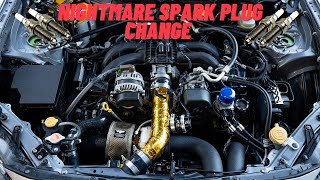
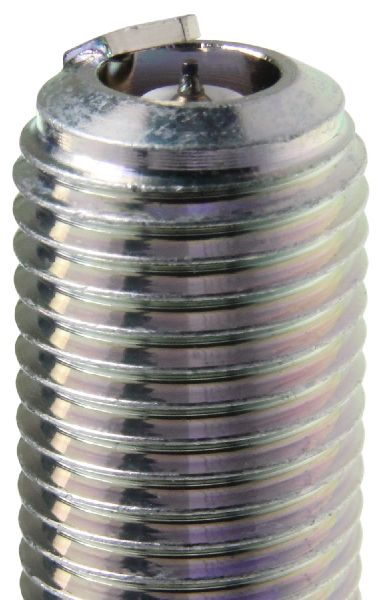
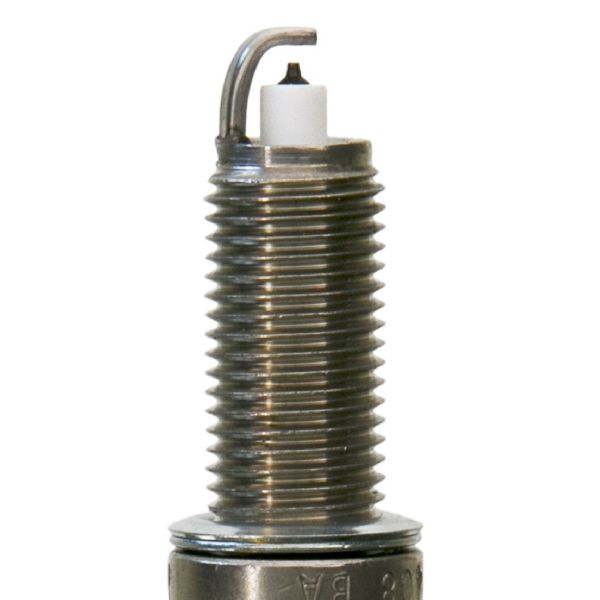
Typical fix: Replace all four spark plugs. It is highly recommended to use OEM-spec plugs. The specified OEM part is NGK Laser Iridium, model ILKAR8H6. 🎬 See how to change spark plugs without removing the engine
Est. part cost: $50-$100 - Failing Ignition Coil(s) 🟡 Medium Probability Ignition coils can weaken over time, producing insufficient spark under load, which can cause random misfires before one fails completely and triggers a cylinder-specific code.
How to confirm: Use a scan tool with live data to monitor misfire counts per cylinder. If a specific cylinder shows more misfires, swap its coil with a known good cylinder's coil. If the misfire follows the coil (e.g., a P0302 becomes a P0304 after swapping coils from cylinders 2 and 4), the coil is bad.
Typical fix: Replace the faulty ignition coil. The OEM part number can vary by production date but includes 22433AA650 and 22433AA730. Many owners choose to replace all four as a preventative measure if the vehicle has high mileage.
Est. part cost: $70-$150 per coil - Vacuum Leak ⚪ Low Probability Intake manifold gaskets or vacuum hoses can degrade, crack, or become dislodged, allowing unmetered air into the engine. This leans out the air-fuel mixture and can cause random misfires, especially at idle.
How to confirm: Perform a smoke test on the intake system to identify leaks from gaskets or hoses. A less precise method is to listen for hissing sounds around the engine bay at idle or carefully spray brake cleaner near gasket surfaces and listen for a change in engine RPM.
Typical fix: Replace the leaking gasket or hose.
Est. part cost: $10-$50 - Dirty or Clogged Fuel Injectors ⚪ Low Probability The FA20 engine uses both port and direct injection (DI). The DI injectors are prone to carbon buildup, which can disrupt the fuel spray pattern, leading to poor combustion and misfires. This is a known issue on many direct-injection engines.
How to confirm: This is difficult to confirm without professional diagnosis. A first step is to try a quality fuel system cleaner additive. If the issue persists, a professional cleaning service or injector balance test is needed. In severe cases of carbon buildup on intake valves, a 'walnut blasting' service may be required.
Typical fix: Perform a professional fuel injector cleaning service or an intake valve walnut blasting service. In severe cases, one or more injectors may need replacement.
Est. part cost: $100-$300 for cleaning service, $500-$800 for walnut blasting
Rare But Worth Checking
- Weak High-Pressure Fuel Pump (HPFP): The FA20's direct injection system uses a high-pressure fuel pump. A failing HPFP can cause low fuel pressure, starving the engine of fuel and causing random misfires, especially under load. Symptoms include hesitation, stalling, and specific fuel pressure codes like P0087.
- Low Compression: Internal engine issues like a worn piston ring, damaged valve, or a weak valve spring can cause low compression. This typically results in a consistent misfire on one cylinder (e.g., P0301) rather than a random P0300, but a borderline issue could present randomly at first.
Diagnosis Steps
- Check for TSBs: First, determine if your vehicle is eligible for the ECU reflash under TSB #11-193-19, especially if the misfire only happens during warm-up on an automatic transmission model. This should be the primary step for a stock vehicle with no other symptoms.
- Read Freeze Frame Data: Use a quality OBD-II scanner to check the conditions (engine temperature, RPM, load) under which the P0300 code was set. This can provide crucial clues, such as the issue only occurring on a cold start.
- Inspect Ignition System: Check the maintenance history for spark plugs. If they are near or over 60,000 miles, start there. Remove and inspect the plugs and ignition coils for any visible damage, oil, or carbon tracking.
- Isolate with Coil Swap: Use a scanner to view live misfire data per cylinder. Swap the ignition coil from a frequently misfiring cylinder with one from a non-misfiring cylinder. Clear the codes and see if the misfire follows the coil. 🎬 Watch: How to diagnose a failing ignition coil
- Check for Vacuum Leaks: Perform a visual inspection of all vacuum hoses connected to the intake manifold. For a definitive diagnosis, a smoke test is the most effective method.
- Analyze Fuel System: If ignition and air leaks are ruled out, consider a fuel system issue. Use a quality fuel injector cleaner (e.g., Techron, Seafoam) as a first step. If the problem persists, professional diagnosis of the high-pressure fuel pump and injectors may be needed.
Parts You'll Likely Need
- Ignition Coil
(OEM #22433AA650, 22433AA730)— A common failure point for misfires. One weak coil can cause random misfires before failing completely.
Trusted brands: Subaru (OEM), Denso, NGK
OEM price range: $100-$150
Aftermarket price range: $60-$100 - Spark Plugs
(OEM #NGK ILKAR8H6 (Subaru: 22401AA830))— Regular wear item. Worn plugs are a primary cause of weak spark and misfires. Must be replaced every 60,000 miles.
Trusted brands: NGK, Denso
OEM price range: $80-$120 (set of 4)
Aftermarket price range: $50-$80 (set of 4)
Related Codes That Often Appear With This One
- P0301, P0302, P0303, P0304 — If the random misfire begins to occur more frequently on one cylinder, the ECM may also log a cylinder-specific code, which can help pinpoint a failing coil, plug, or injector.
- P0087 — This code for 'Fuel Rail/System Pressure - Too Low' can accompany a P0300 if the misfire is being caused by a failing high-pressure fuel pump (HPFP) that isn't supplying enough fuel to the direct injectors.
Technical Service Bulletins (TSBs) & Recalls
- Bulletin #11-193-19: Announces availability of ECM reprogramming files to "stabilize engine RPM and combustion during warm-up due to slight differences in the air-fuel ratio between cylinders causing DTC P0300 to set." Applies to 2017-2020 BRZ models with automatic transmission.
Platform-Specific Known Issues
- A significant number of 2017-2020 BRZ models (especially with automatic transmissions) may trigger a P0300 code during warm-up due to sensitive ECM logic. This is addressed by Subaru TSB #11-193-19, which involves a software update rather than a hardware repair.
- The Toyota 86, which is mechanically identical, shares this issue and Toyota dealerships can perform a similar 'engine ECM recalibration' to resolve the problem.
Mechanic-Grade Diagnostic Values
- Low-Pressure Fuel System (In-tank pump) — expected: 51-73 PSI, with a nominal reading around 58 PSI.. Failure: Pressure significantly below 50 PSI indicates a weak in-tank pump or clogged filter.
- High-Pressure Fuel System (HPFP) — expected: At idle: ~400-750 PSI (approx. 4 MPa). Under load: Can exceed 2,000-3,000 PSI.. Failure: Pressure dropping to low-pressure levels (~60 PSI) at idle or failing to build pressure under load points to a failing HPFP or related sensor.
- Fuel Injector Resistance (High Impedance) — expected: ~12 ohms.. Failure: A reading significantly higher or lower than 12 ohms suggests a faulty injector coil.
Hidden / Shadow Codes Worth Checking
- Mode $06 Misfire Counters: Most OBD-II scanners can access Mode $06 data, which contains non-continuous monitor test results. This includes misfire counts for each individual cylinder, even if the count is not high enough to trigger a specific P030x code. (see via Use a scan tool that supports Mode $06. Look for Test IDs (TIDs) related to cylinder misfire data. A cylinder with a count significantly higher than others indicates a developing problem with that specific cylinder's ignition, fuel, or compression.)
Wiring & Ground Locations
- Engine Ground Straps — There are three primary engine grounds: one on each side of the front bottom of the engine to the frame rail, and one from the top-rear of the passenger side engine/transmission area to the transmission tunnel.. The ECU grounds through the intake manifold. A loose or corroded ground strap, especially the one near the transmission that is often forgotten during clutch jobs, can cause erratic sensor readings and phantom electrical issues, including misfires.
- Direct Injector Driver Ground — The direct injection driver module grounds through its own mounting to the chassis.. If the DI driver is not tightly secured, it can have an inadequate ground, leading to poor injector performance and potential misfires.
Real Owner Repair Stories
- Reddit user YT_Lonelyz (2017 Toyota 86, 68,000 miles) — P0300 Check Engine Light with no other noticeable symptoms.
❌ Tried (didn't work) Initial diagnosis was uncertain.
✅ What actually fixed it Took the car to a Toyota dealership for an 'engine ECM recalibration/engine software update,' which permanently resolved the code. This corresponds to the known TSB for this issue. - FT86Club user (2013 Scion FR-S) — P0301 and P0300, rough running, stalling at low RPM.
❌ Tried (didn't work) Replacing ignition coil on cylinder 1., Replacing spark plugs (done a month prior).
✅ What actually fixed it After escalating to Toyota, the diagnosis was a weak/damaged exhaust valve spring on cylinder 1, requiring engine teardown to repair. - Mustang6G.com user (similar engine behavior) (Ford Mustang GT (demonstrates a non-engine cause)) — Intermittent P0300, sometimes with specific cylinder codes (P0302, P0303), appearing after a clutch replacement. No noticeable running issues.
❌ Tried (didn't work) Crankshaft position sensor relearn procedure., Cleaning the crankshaft position sensor., Replacing spark plugs and ignition coils.
✅ What actually fixed it The issue was the aftermarket twin-disc clutch and flywheel assembly itself. The different rotational mass and characteristics were enough to make the ECU's misfire detection logic register false misfires.
OEM Part Supersession History
22433AA610, 22433AA611, 22433AA612→22433AA613— Standard part revision and improvement.22433AA70A, 22433AA70B→22433AA700— Standard part revision and improvement.
Model Year Variations Within This Range
- 2017-2020: Vehicles produced before VIN L8751145 may have the overly sensitive ECU logic that is corrected by TSB 11-193-19. Vehicles produced after this VIN already have the updated software from the factory.
Helpful Videos
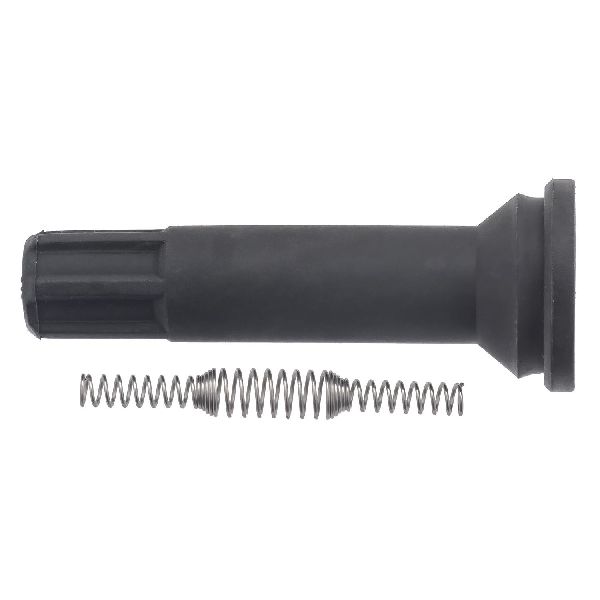
We Have This Part in Stock

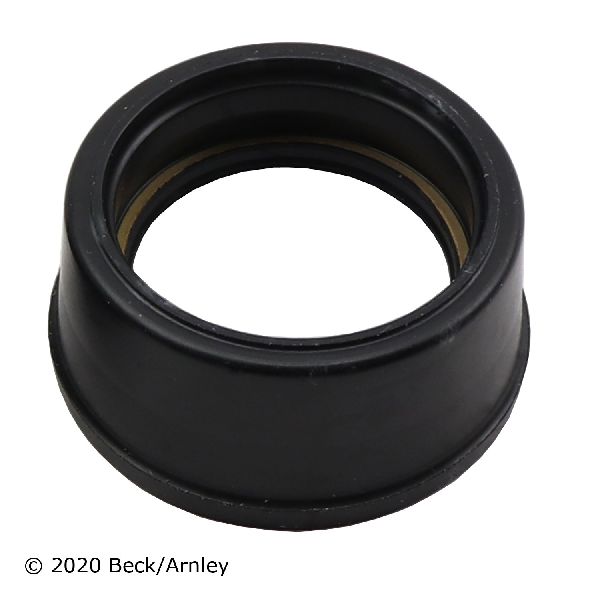

The information in this article is provided for general reference and educational purposes only. Vehicle specifications, procedures, and part compatibility can vary by production date, trim level, and region. Always consult your vehicle's factory service manual and verify part numbers before purchasing or performing repairs. Safety-critical components such as airbags, seat belts, and braking systems should be installed by a qualified professional.
- Subaru BRZ:
- 🎬 Helpful Videos
- 🛍️ Shop This Part
- What's Unique About the 2017-2020 Subaru BRZ
- Diagnostic Flowchart
- Symptoms You May Notice
- Most Likely Causes
- Rare But Worth Checking
- Diagnosis Steps
- Parts You'll Likely Need
- Related Codes That Often Appear With This One
- Technical Service Bulletins (TSBs) & Recalls
- Platform-Specific Known Issues
- Mechanic-Grade Diagnostic Values
- Hidden / Shadow Codes Worth Checking
- Wiring & Ground Locations
- Real Owner Repair Stories
- OEM Part Supersession History
- Model Year Variations Within This Range
- 🎟️ Get 5% Off