

P0300 on 2004-2010 Saturn VUE: Random Misfire Causes and Fixes
P0300 means your Saturn VUE has a random engine misfire affecting multiple cylinders. The most common causes are worn spark plugs, a faulty ignition coil pack/module, or a vacuum leak. Start with a basic ignition tune-up, as this is often the cheapest and most effective fix, especially on the 4-cylinder models.
- P0300 indicates a random misfire that is not specific to one cylinder, often pointing to a system-wide problem.
- Do not drive if the Check Engine Light is flashing, as this can cause rapid and expensive damage to the catalytic converter.
- Start your diagnosis with the cheapest and most common fixes: inspect and replace worn spark plugs and test the ignition coils.
- Be aware of your specific engine (2.2L, 2.4L, 3.5L Honda, 3.5L GM, or 3.6L GM), as common causes like timing chain stretch are specific to the 3.6L V6.
- A failing crankshaft position sensor is a common but often overlooked cause of P0300 on these vehicles.
What's Unique About the 2004-2010 Saturn VUE

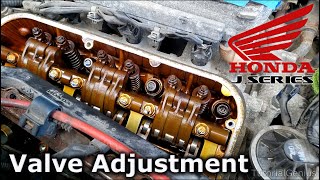
The 2004-2010 Saturn VUE spans two generations with completely different engine lineups, making diagnosis tricky. First-generation models (2004-2007) used a 2.2L Ecotec I4 or a reliable Honda-sourced 3.5L V6. Second-generation models (2008-2010) used a 2.4L Ecotec I4 and GM's own 3.5L or 3.6L V6 engines. The GM 3.6L V6, in particular, is known for stretched timing chains that can cause a P0300 code. Conversely, the Honda 3.5L V6 can cause a P0300 if its valve clearances become too tight, requiring a valve adjustment. 🎬 Watch: How to perform a valve adjustment on the Honda 3.5L. The 2.2L Ecotec is prone to intake manifold gasket leaks and ignition module failure.
Diagnostic Flowchart

Tap your situation to follow the diagnostic path that matches what you're seeing on this vehicle.
Generation note: This guide covers the first generation (2004-2007) and second generation (2008-2010) Saturn VUE. The engines differ significantly. Gen 1 had a 2.2L I4 (timing chain) and a 3.5L Honda V6 (timing belt). Gen 2 had a 2.4L I4 and 3.6L V6 (both timing chain), and a 3.5L GM V6. Notably, the 3.6L V6 is prone to timing chain issues that can cause this code, while the Honda 3.5L V6 is not but may require valve adjustments.
Symptoms You May Notice
- Rough or shaking idle.
- Hesitation or stumbling during acceleration.
- Noticeable loss of engine power.
- Flashing Check Engine Light (indicates a severe, catalyst-damaging misfire).
- Solid Check Engine Light.
- Reduced fuel economy.
- Engine may be hard to start.
- Engine may stall at stops.
- Replacing only one spark plug or coil when others are near the end of their service life.
- Replacing oxygen sensors, which are more likely to be a symptom of the misfire (due to raw fuel) rather than the cause.
Most Likely Causes


- Worn or Fouled Spark Plugs 🔴 High Probability Spark plugs are a standard maintenance item and a universal cause of misfires on all engines used in the VUE. Using incorrect plugs can also cause issues.
How to confirm: Remove the spark plugs and inspect them for wear (worn electrode), carbon fouling, oil contamination, or a white, ashy appearance (lean condition). A scan tool can be used to swap coils between cylinders to see if the misfire follows the coil, but for a P0300, it's best to inspect all plugs.
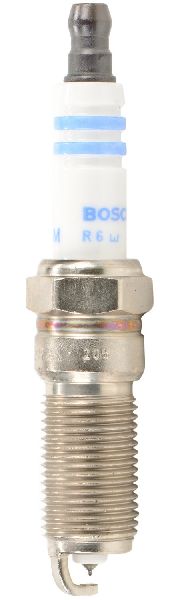
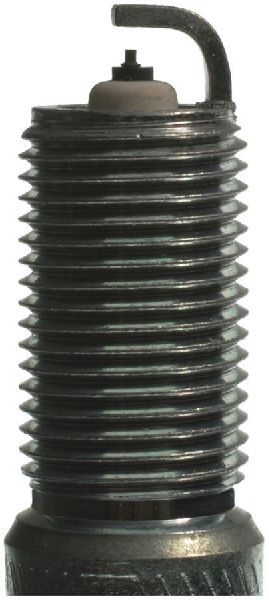
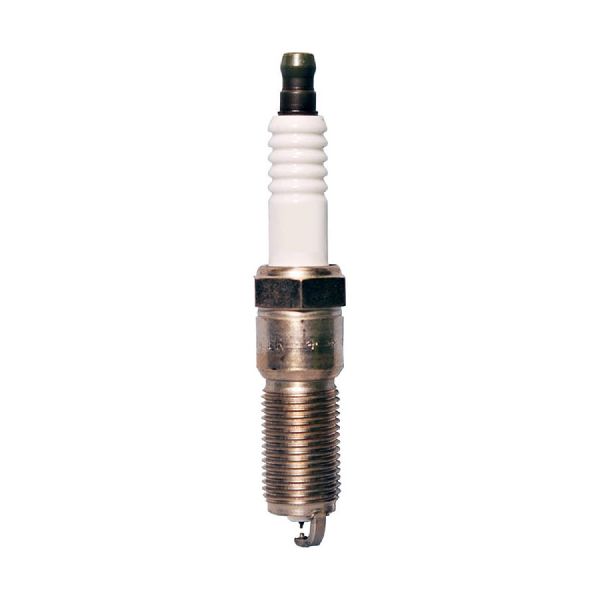
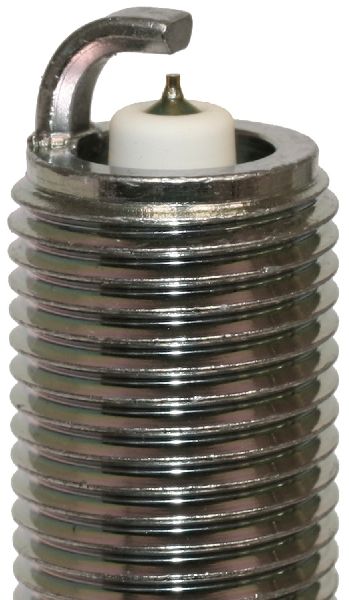
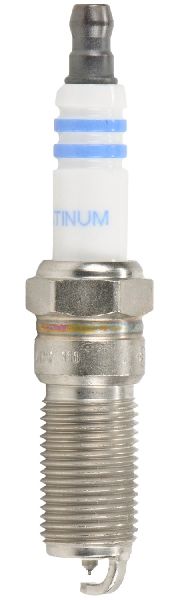
Typical fix: Replace all spark plugs as a set. Use plugs that meet OEM specifications. For the 3.5L V6, NGK Laser Iridium plugs are a common choice. For the 2.2L Ecotec, ACDelco Iridium plugs like 41-105 are often used.
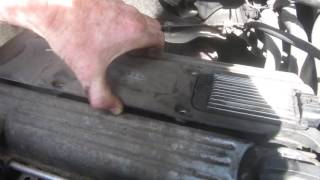
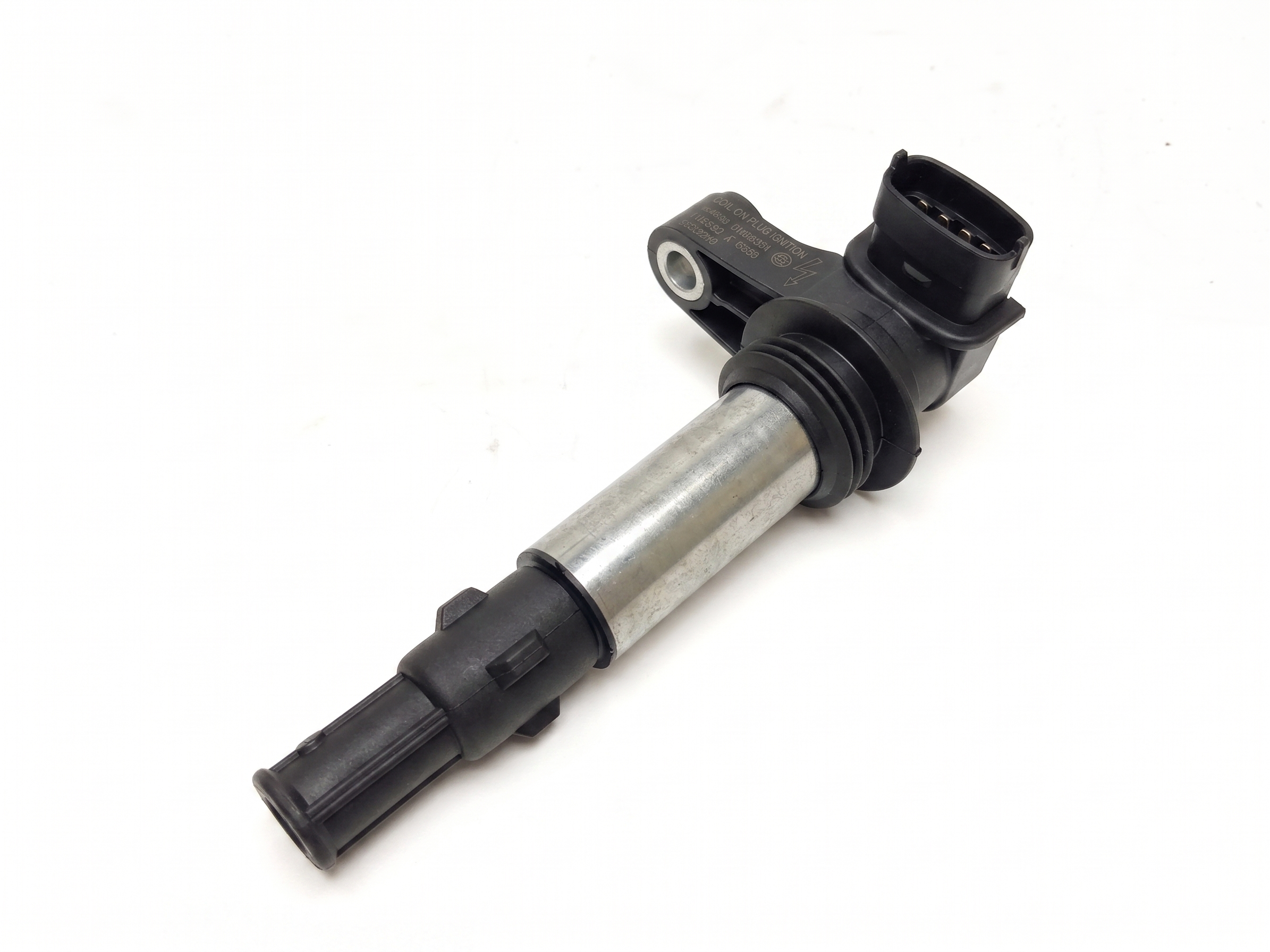
Est. part cost: $20-$100 - Faulty Ignition Coil(s) or Coil Pack/Module 🔴 High Probability The VUE uses a coil-on-plug system (V6 engines) or a single coil pack with an integrated ignition control module (I4 engines). Over time, heat and vibration cause these to fail, leading to weak or no spark. The module on the I4 engines is a particularly common failure point. 🎬 Watch: How to replace the ignition module on the 2.2L engine.
How to confirm: With the engine running, carefully unplug the electrical connector to each coil one by one (on V6s). If unplugging a coil causes no change in the engine's idle, that coil is suspect. For the I4 coil pack, testing is more difficult and replacement is often based on symptoms after plugs are ruled out. A scan tool can also monitor misfire counts per cylinder.
Typical fix: Replace the faulty ignition coil or the entire coil pack assembly. For the 3.6L V6, an ACDelco D515C is a common replacement. For the I4 engines, the entire cassette-style coil pack is replaced.
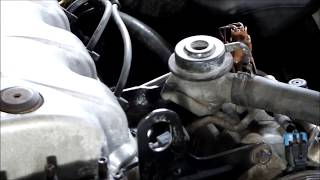
Est. part cost: $40-$150 per coil, $80-$200 for a coil pack - Vacuum Leak 🟡 Medium Probability Aging rubber hoses and plastic intake manifold gaskets become brittle and crack, allowing unmetered air into the engine. This leans out the air-fuel mixture and causes random misfires. The 2.2L Ecotec engine is particularly known for intake manifold gasket failures. 🎬 See how a leaking intake manifold gasket causes misfires.
How to confirm: Perform a smoke test by introducing smoke into the intake system and watching for leaks. Alternatively, carefully spray carburetor cleaner around the intake manifold gasket and vacuum lines with the engine running; a change in engine RPM indicates a leak. Check the large air intake hose between the air filter and throttle body for cracks.
Typical fix: Replace the leaking vacuum hose or intake manifold gasket.
Est. part cost: $5-$150 - Failing Crankshaft Position Sensor (CKP) 🟡 Medium Probability The CKP sensor provides the primary signal for ignition timing. When it fails or sends an erratic signal, it can disrupt timing for all cylinders, causing a random misfire without setting a specific sensor code.
How to confirm: Symptoms include stalling when the engine is hot and difficulty restarting. A definitive diagnosis requires testing the sensor's output with an oscilloscope, but some owners replace it when chasing a persistent P0300. After replacement, a 'relearn' procedure is required.
Typical fix: Replace the crankshaft position sensor. A 'relearn' procedure must be performed afterward using a capable scan tool or by following a specific drive cycle. Failure to perform the relearn can result in continued poor performance.
Est. part cost: $30-$90 - Low Fuel Pressure ⚪ Low Probability A weak fuel pump or clogged fuel filter can fail to supply adequate fuel pressure. On 2002-2007 models, the plastic nipples on the fuel pump module can crack, causing a fuel leak and a loss of pressure.
How to confirm: Connect a fuel pressure gauge to the fuel rail's service port. Check that the pressure is within the manufacturer's specified range. A strong smell of gasoline around the rear of the vehicle is a major red flag for a cracked fuel pump module on Gen 1 VUEs.
Typical fix: Replace the weak fuel pump module or clogged fuel filter. If the module is cracked, it must be replaced as a complete unit. Delphi is an OEM supplier for these pumps.
Est. part cost: $20-$350
Rare But Worth Checking
- Stretched Timing Chain (3.6L V6 Engine): On 2008-2010 VUE models with the 3.6L LY7 V6, stretched timing chains are a well-documented issue. This can alter cam/crank correlation enough to cause misfires and will often be accompanied by codes like P0016 or P0017 and a rattling noise on startup. This is a significant and expensive repair.
- Clogged Catalytic Converter: A clogged catalytic converter can create excessive exhaust backpressure, choking the engine and causing a random misfire. This is often a consequence of long-term misfires, not the initial cause. A backpressure test or using an infrared thermometer to check temperatures before and after the converter (it should be hotter after) can confirm a clog.
- Cracked Fuel Pump Module (2004-2007): A known defect on first-generation VUEs is the cracking of the plastic fuel line ports on top of the fuel pump module, leading to a dangerous fuel leak and loss of pressure. This will cause a strong gas smell and can trigger a P0300 along with lean codes.
Diagnosis Steps
- Scan for all DTCs. Note any codes accompanying the P0300, as they provide critical clues (e.g., P0017 points to timing, P0171 points to a vacuum/fuel issue).
- Check Freeze Frame data to see the engine conditions (RPM, load, temperature) when the misfire occurred.
- Perform a full visual inspection of the engine bay. Look for obvious issues like cracked vacuum hoses (especially on the 2.2L), a cracked air intake boot, loose electrical connectors, or signs of arcing around ignition components.
- Inspect spark plugs for wear, proper gap, and signs of oil or fuel fouling.
- Test the ignition system. If you have a scan tool, monitor live misfire data. On V6 engines, swap ignition coils between a misfiring and a good cylinder to see if the misfire count moves with the coil. For I4 engines, the coil pack is often replaced as a unit if plugs are good.
- Test for vacuum leaks using a smoke machine or the carb cleaner method. Pay close attention to the intake manifold gasket area, especially on the 2.2L Ecotec.
- Test fuel pressure to rule out a weak fuel pump or clogged filter. For 2004-2007 models, carefully inspect the top of the fuel tank for any signs or smells of a fuel leak from the pump module.
- If equipped with the 3.6L V6 and other symptoms are present (rattling, cam/crank codes), investigate the timing chain system.
- If equipped with the 3.5L Honda V6 and the issue persists after ignition/fuel checks, consider having a valve adjustment performed.
- As a final step for persistent issues, perform an engine compression test to check for mechanical problems like a leaking head gasket or bad valves.
Parts You'll Likely Need
- Spark Plugs
(OEM #ACDelco 41-103 (3.6L V6), NGK 6418 or 94553 (3.5L V6))— This is the most common and fundamental cause of engine misfires and should be the first part replaced during a tune-up.
Trusted brands: ACDelco, NGK
OEM price range: $40-$100
Aftermarket price range: $20-$80 - Ignition Coil or Coil Pack
(OEM #ACDelco D515C (3.6L V6), Delphi GN10485 (2.4L I4))— Ignition coils are the next most common failure point after spark plugs. The I4 engines use a single cassette-style pack which contains the failure-prone ignition module.
Trusted brands: Delphi, ACDelco, NGK
OEM price range: $60-$150 per coil, $120-$250 for a coil pack
Aftermarket price range: $40-$120 per coil, $80-$200 for a coil pack - Intake Manifold Gasket — A very common cause of vacuum leaks and P0300 on the 2.2L and 2.4L Ecotec engines.
Trusted brands: Fel-Pro, ACDelco
OEM price range: $30-$60
Aftermarket price range: $15-$40 - Crankshaft Position Sensor — Can cause a persistent, hard-to-diagnose P0300 when it sends erratic signals. Requires a relearn procedure after replacement.
Trusted brands: ACDelco, Delphi
OEM price range: $50-$100
Aftermarket price range: $30-$70
Related Codes That Often Appear With This One
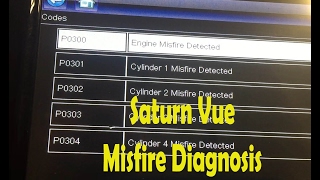
- P0301-P0306 — If the ECM can eventually isolate the misfire to a specific cylinder, it will set a corresponding code (e.g., P0301 for Cylinder 1) alongside the P0300.
- P0171/P0174 — These codes indicate a lean condition (too much air, not enough fuel). They frequently appear with P0300 when the root cause is a vacuum leak or a weak fuel pump.
- P0016/P0017 — On the 3.6L V6, these codes for Crankshaft/Camshaft Position Correlation are a strong indicator that the P0300 is caused by a stretched timing chain.
Technical Service Bulletins (TSBs) & Recalls
- PIP5628G: A general bulletin for 2010 models with the 3.6L V6 requesting technicians to gather specific information to aid in diagnosing P0300-P0308 codes, indicating it's a complex issue GM is tracking.
- PIP3333C: Pertains to intermittent misfires (P0300, P0301, P0304) on 2010 models, instructing technicians to follow standard diagnostics first, suggesting no single 'magic bullet' fix exists and proper procedure is key.
Platform-Specific Known Issues
- High failure rate of the ignition control module, which is integrated into the coil pack assembly. Also, the intake manifold gasket is a common failure point, causing a significant vacuum leak.
- Generally very reliable, but can cause a P0300 if the valve clearances become too tight over many miles. This requires a valve adjustment, a maintenance item not common on the GM engines.
- Well-documented issues with premature timing chain stretching. This is a major repair and will almost always be accompanied by codes P0016/P0017 and a startup rattle.
- The plastic nipples on the fuel pump module are known to crack, causing a dangerous fuel leak and loss of fuel pressure, which can lead to a P0300 and other lean codes.
Mechanic-Grade Diagnostic Values
- Valve Clearance (Honda 3.5L V6, Cold Engine) — expected: Intake: 0.22 mm ± 0.02 mm; Exhaust: 0.30 mm ± 0.02 mm. Failure: Exhaust valves that are too tight are a common cause of cold-start misfires.
- MAP Sensor Voltage (General GM) — expected: KOEO: ~2.8V; Idle (warmed up, no load): < 1.0V (usually ~0.9V); WOT: 2.7V - 2.8V. Failure: Readings outside these ranges suggest a faulty MAP sensor or a significant vacuum leak.
Scan Tool Commands That Help
- Tech 2 / GDS2: Misfire Graph — To visually monitor misfire counts on each cylinder in real-time, helping to identify if the misfire is truly random or concentrated on specific cylinders that haven't yet set a specific P030x code.
- Professional Scan Tool (Autel, etc.): Crankshaft Position (CKP) Variation Learn — This function is required after replacing the crankshaft position sensor, timing components, or sometimes even the ECM. The procedure calibrates the new sensor's signal to the ECM to ensure accurate misfire detection. Failure to perform this can cause persistent P0300 codes or rough running.
Wiring & Ground Locations
- G105 (2006 VUE) — At the left rear of the engine.. This is a ground point for the 2.2L Engine Control Module (ECM) and Ignition Control Module (ICM). A corroded or loose ground here can cause erratic behavior and random misfires.
- G107 (2008 VUE) — At the rear of the engine (location varies slightly by engine size).. This is a primary engine ground. For the 3.6L V6, this ground is critical for the ECM. Poor contact can lead to a host of issues, including misfires.
- ECM Mounting Bolts (2.2L Ecotec) — The bolts securing the ECM to the front of the engine block.. The ECM on the 2.2L engine grounds through its case to the engine block. Corrosion on the mounting surfaces can create a poor ground, leading to various sensor problems and misfires. It is recommended to clean the mounting points and consider adding a redundant ground wire from the ECM case to the chassis.
Real Owner Repair Stories
- YouTube video description (2007 Saturn Vue) — Engine cylinder misfire with codes P0304, P0300, and P0302.
❌ Tried (didn't work) Changed and gapped spark plugs, Moved ignition coils (misfire did not follow the coil), Performed a compression test (all cylinders good), Performed a fuel pressure test (pressure in range, no leaks), Tried a different car battery, Verified spark on cylinder #4
✅ What actually fixed it The #4 fuel injector was bad and replacing it resolved the issue. - Reddit user 'worminator69' (2006 Saturn Vue (2.2L Ecotec)) — Very sluggish, lack of power, P0300 code.
❌ Tried (didn't work) Replaced spark plugs (had already replaced plugs and coil pack a year prior).
✅ What actually fixed it Replacing the entire ignition coil pack (cassette style) fixed the problem, even though the previous one was only a year old. - Saturn Forum user (2008 Saturn Vue 3.6L) — P0300 code present without a Check Engine Light initially. Misfires were detected on cylinders 1, 3, and 5 via scan tool.
❌ Tried (didn't work) Replaced spark plugs, Cleaned throttle body, Replaced MAP sensor, Swapped ignition coils (misfire did not move)
✅ What actually fixed it Following a TSB, performing a fuel injector cleaning procedure with a kit connected to the fuel rail significantly reduced misfire counts and resolved the code.
Model Year Variations Within This Range
- 2004-2007: First-generation models used a 2.2L L61 Ecotec I4 or a Honda-sourced 3.5L L66 V6. The V6 requires periodic timing belt changes and valve clearance adjustments, which are common P0300 causes.
- 2008-2010: Second-generation models used a 2.4L LE5 Ecotec I4, a 3.5L LZ4 GM V6, or a 3.6L LY7 GM V6. The 3.6L V6 is known for timing chain stretch causing P0300, a problem not seen on the earlier Honda V6.
Helpful Videos
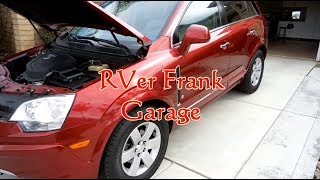
Used OEM Parts in Stock

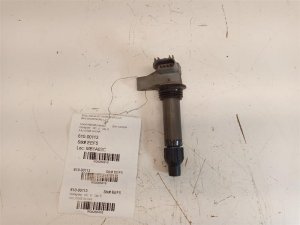
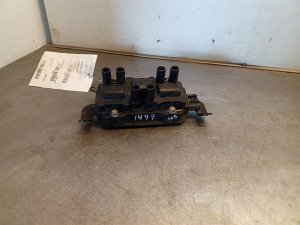
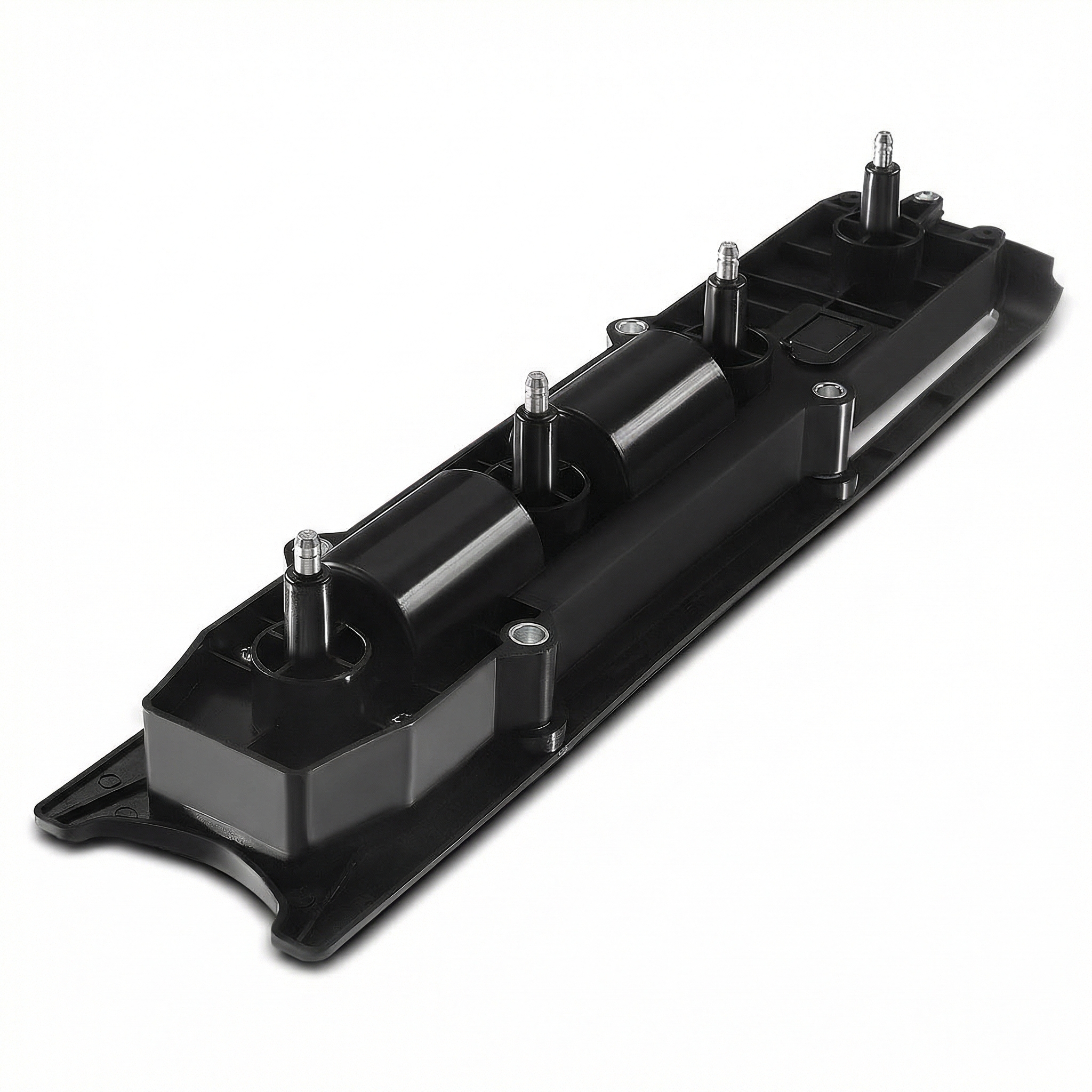

New Aftermarket Parts Available

The information in this article is provided for general reference and educational purposes only. Vehicle specifications, procedures, and part compatibility can vary by production date, trim level, and region. Always consult your vehicle's factory service manual and verify part numbers before purchasing or performing repairs. Safety-critical components such as airbags, seat belts, and braking systems should be installed by a qualified professional.
- Saturn VUE:
- 🎬 Helpful Videos
- 🛍️ Shop This Part
- What's Unique About the 2004-2010 Saturn VUE
- Diagnostic Flowchart
- Symptoms You May Notice
- Most Likely Causes
- Rare But Worth Checking
- Diagnosis Steps
- Parts You'll Likely Need
- Related Codes That Often Appear With This One
- Technical Service Bulletins (TSBs) & Recalls
- Platform-Specific Known Issues
- Mechanic-Grade Diagnostic Values
- Scan Tool Commands That Help
- Wiring & Ground Locations
- Real Owner Repair Stories
- Model Year Variations Within This Range
- 🎟️ Get 5% Off