

P0300 on 2000-2002 Saturn SL: Random Misfire Causes and Fixes
On a 2000-2002 Saturn SL, a P0300 code is most often caused by a faulty ignition system (plugs, wires, coil packs) or a vacuum leak from a failed intake manifold gasket. Expect to spend $20-$100 on ignition parts or around $25 for the gasket set for a DIY fix. Always use standard NGK copper plugs and check for a leaking intake gasket near cylinder #1.
- For a P0300 on a 2000-2002 Saturn SL, suspect a bad intake manifold gasket or a failing ignition component before anything else.
- Test for a leaking intake manifold gasket by spraying brake cleaner near the #1 cylinder intake runner with the engine running; a change in idle confirms the leak.
- The Saturn S-Series does not have a separate camshaft position sensor; codes P0340/P0341 point directly to a problem with the ignition coils or module.
- Always use the OEM-recommended NGK spark plugs for best results, as these engines can be sensitive to other brands.
- Driving with a flashing check engine light can quickly damage your catalytic converter, turning a simple repair into a very expensive one.
What's Unique About the 2000-2002 Saturn SL
The Saturn S-Series, including the SL model, is well-known for a few specific issues that directly lead to a P0300 code. The 1.9L engine is particularly prone to vacuum leaks from a failed intake manifold gasket, especially around the #1 cylinder. 🎬 Watch: How to diagnose and fix a leaking intake gasket. Additionally, the waste-spark ignition system, which uses two coils to fire all four cylinders, means that a single failing coil can cause a misfire on two cylinders simultaneously, often triggering the P0300 code. Finally, these cars uniquely lack a dedicated camshaft position sensor, using the ignition control module for that data instead; a failing module can therefore send bad data and cause misfires. A notoriously failure-prone Engine Coolant Temperature Sensor (ECTS) with a plastic tip can also crack, sending false signals to the computer, causing a rich condition and misfires.
Diagnostic Flowchart
Tap your situation to follow the diagnostic path that matches what you're seeing on this vehicle.
Symptoms You May Notice
- Flashing or solid Check Engine Light
- Rough or shaking idle
- Engine hesitation or stumbling during acceleration
- Noticeable loss of power
- Reduced fuel economy
- Difficulty starting the engine, especially when warm
- A "putt-putt" sound from the exhaust
- Strong smell of gasoline from the exhaust
- Replacing only the spark plugs when the wires or coils are the actual problem.
- Replacing the Camshaft Position Sensor. The Saturn S-Series does not have one; it uses the ICM to derive this information. A P0340 or P0341 code on this car points to an ignition system problem, not a separate sensor.
- Replacing individual fuel injectors when the issue is a system-wide vacuum leak or low fuel pressure.
- Using expensive platinum or iridium spark plugs. Many owners report that these plugs do not perform well in the S-Series waste-spark ignition system and can cause running issues.
Most Likely Causes
- Worn Spark Plugs or Faulty Spark Plug Wires 🔴 High Probability These are standard maintenance items that wear out over time. The S-Series engine is known to be extremely sensitive to the type and condition of its spark plugs, with owner communities overwhelmingly recommending standard copper NGK plugs and advising against platinum or iridium plugs, which can interfere with the ignition system's design.
How to confirm: Visually inspect spark plugs for wear, fouling, or damage. A gap of 0.040 inches is specified. Check spark plug wells for the presence of oil, which indicates a failed valve cover gasket. Test spark plug wires for cracks, corrosion, or test their resistance with a multimeter; spec is 1.5k to 15k ohms.
Typical fix: Replace spark plugs and spark plug wires as a set. It is highly recommended to use the OEM-specified NGK copper plugs. For the SOHC engine (SL1), use NGK BKR4ESA-11 (Stock #7755). For the DOHC engine (SL2), use NGK BKR5ESA-11 (Stock #5643). Ensure plugs are gapped to 0.040 inches.
Est. part cost: $30-$70 - Leaking Intake Manifold Gasket 🔴 High Probability This is a very common, well-documented failure on the 1.9L engine. The original gasket design was weak, particularly around the #1 cylinder intake port, and it tends to get sucked into the port, creating a significant vacuum leak.
How to confirm: With the engine running, spray brake cleaner, carb cleaner, or an unlit propane torch around the intake manifold where it meets the cylinder head, focusing on the area around cylinder #1 (driver's side of the engine). If the engine idle speed changes or smooths out, the gasket is leaking.
Typical fix: Replace the intake manifold gasket. Aftermarket brands like Fel-Pro offer a redesigned, more robust gasket that is less prone to failure. The Fel-Pro part number for the DOHC engine is MS 94191, and for the SOHC engine is MS 96117.
Est. part cost: $15-$30 - Failed Ignition Coil(s) or Ignition Control Module (ICM) 🔴 High Probability The S-Series uses a waste-spark system where two coils are mounted on a single Ignition Control Module (ICM). A failure in one coil affects two cylinders (1&4 or 2&3), and a failure in the ICM can cause random misfires across all cylinders. Cracks in the coil housing are a common failure point, and corrosion on the grounding bolts can also cause intermittent issues.
How to confirm: Swap the two ignition coils. The front coil fires cylinders 1 & 4; the rear fires 2 & 3. If a specific misfire code (e.g., P0301/P0304) moves to the other pair of cylinders (P0302/P0303), the coil is bad. If the misfire is random or doesn't follow a coil swap, the ICM is the likely culprit. Cleaning the module and its ground connections can sometimes resolve the issue.
Typical fix: Replace the faulty ignition coil(s) or the entire Ignition Control Module. It's often wise to replace the coils and module together. Ensure the four mounting bolts are clean and tight as they provide the ground path for the module.
Est. part cost: $40-$100 per coil, $70-$150 for the ICM - Clogged or Dirty EGR Valve 🟡 Medium Probability The Exhaust Gas Recirculation (EGR) valve can get stuck open due to carbon buildup. This creates a constant vacuum leak at idle, leading to a rough idle and misfires, sometimes triggering a P0300 before a specific EGR code like P0401.
How to confirm: Tap on the EGR valve while the engine is idling roughly. If the idle smooths out, the valve is likely stuck. The definitive test is to remove it for inspection and cleaning. The pintle should move freely when pressed.
Typical fix: Remove the EGR valve and clean the carbon buildup from the pintle and passages using carburetor cleaner and a small brush or pick. Also clean the ports on the intake manifold. If it's heavily worn or fails to operate correctly after cleaning, replace it.
Est. part cost: $0 (for cleaning) - $120 - Low Fuel Pressure or Clogged Fuel Injectors ⚪ Low Probability A weak fuel pump or clogged fuel filter can reduce fuel pressure, causing a lean condition and random misfires under load. While not unique to Saturns, it's a fundamental check after ignition and vacuum issues are ruled out.
How to confirm: Connect a fuel pressure gauge to the fuel rail's test port. Check that the pressure is within the manufacturer's specifications (38-44 psi key on, 31-36 psi at idle). Listen to each injector with a mechanic's stethoscope to ensure they are all clicking consistently.
Typical fix: Replace the fuel filter first, as it's a cheap and easy maintenance item. If pressure is still low, the fuel pump may need replacement. Clogged injectors can sometimes be cleaned, but may require replacement.
Est. part cost: $15-$250
Rare But Worth Checking
- Faulty Engine Coolant Temperature Sensor (ECTS): A very common failure on S-Series engines. The original plastic-tipped sensor cracks, allowing coolant to contaminate the connector. This causes the PCM to receive an incorrect (often extremely cold) temperature reading, leading it to command a very rich fuel mixture. This fouls the spark plugs and causes stalling, rough running, and random misfires. Always replace with a brass-tipped sensor and inspect/replace the connector pigtail.
- Cracked Cylinder Head: The DOHC 1.9L cylinder heads were known to develop cracks, often between the valve seats or into a coolant passage. This can cause coolant to leak into a cylinder, leading to a misfire on startup that may smooth out as the engine warms up and burns off the coolant. Symptoms include unexplained coolant loss, white smoke from the exhaust, and bubbling in the coolant reservoir.
- Low Engine Compression: While less common, internal engine issues like a worn piston ring, burnt valve, or a failing head gasket can cause misfires. This should be investigated after all fuel, spark, and air-related causes have been ruled out. A compression test is the definitive diagnostic step.
Diagnosis Steps
- Read the codes with an OBD-II scanner. Note any other codes present besides P0300, as they are critical clues (e.g., P0171, P0341).
- Check for vacuum leaks. Perform a visual inspection of all vacuum hoses. Then, specifically test the intake manifold gasket by spraying carb cleaner or unlit propane around the #1 cylinder intake runner while the engine is idling. A change in idle indicates a leak.
- Inspect the ignition system. Start by checking the spark plug wells for oil, which points to a bad valve cover gasket. Remove spark plugs and inspect for wear, correct gap (0.040"), and fouling. Test spark plug wires for resistance (spec: 1.5k-15k ohms). Test ignition coils for secondary resistance (spec: 8k-15k ohms).
- Test the Fuel System. Connect a fuel pressure gauge and verify pressure is 38-44 psi with the key on, engine off, and 31-36 psi at idle.
- Inspect the ECTS and connector. Look for cracks on the sensor tip (if visible) and green corrosion inside the electrical connector. Proactively replacing the plastic-tipped sensor with a brass one is recommended.
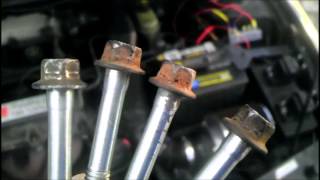
- Clean Critical Grounds. Remove the Ignition Control Module (ICM) and clean the four mounting bolts and the mating surface on the transmission case with a wire brush. A poor ground here is a known cause of intermittent misfires.
- Check for EGR valve function. Tap the EGR valve at idle to see if it frees a stuck pintle and smooths the idle. If not, remove and clean it.
- If all else fails, perform an engine compression test to check for mechanical issues like a bad head gasket, worn rings, or burnt valves.
Parts You'll Likely Need
- Intake Manifold Gasket — A very common failure point on the 1.9L engine, causing vacuum leaks that trigger P0300. The Fel-Pro version is a recommended upgrade.
- Spark Plugs — The ignition system is sensitive to plug type. These standard copper plugs are widely recommended by the owner community for best performance.
- Ignition Coils / Ignition Control Module (ICM) — The waste-spark system is a common failure point. A bad coil or module can cause misfires on two or all four cylinders.
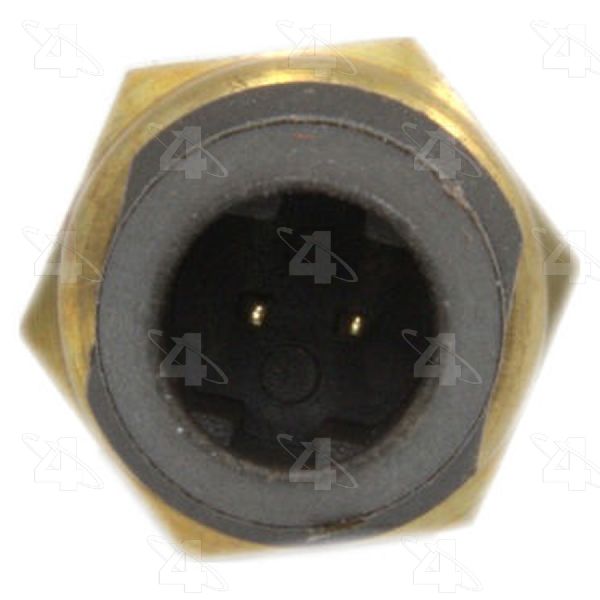
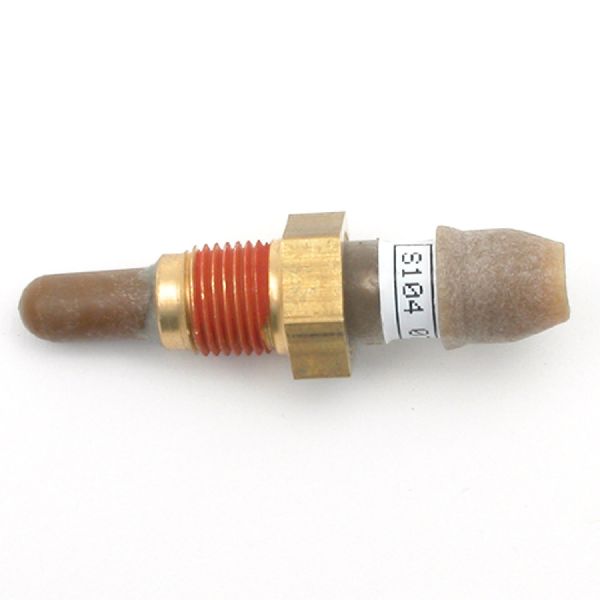
- Engine Coolant Temperature Sensor (ECTS) and Connector Pigtail — The original plastic sensor is prone to cracking and causing a rich fuel mixture, leading to misfires. Always replace with a brass-tipped version and replace the connector if corroded.
- Valve Cover Gasket Set — The spark plug tube seals are integrated into this gasket and frequently fail, allowing oil to foul the spark plugs.
Related Codes That Often Appear With This One
- P0301, P0302, P0303, P0304 — These codes specify which cylinder is misfiring. They often appear alongside P0300 as the PCM attempts to narrow down the random misfire.
- P0171 — This code means "System Too Lean," which often points to a vacuum leak (like a bad intake manifold gasket) or a fuel delivery issue being the root cause of the misfires.
- P0507 — This code means "Idle Air Control System RPM Higher Than Expected." A leaking intake manifold gasket is a common cause for both this code and P0300 on a Saturn SL.
- P0340/P0341 — These are Camshaft Position Sensor codes. On an S-Series, these codes are almost always caused by a faulty ignition coil or ICM, as there is no separate cam sensor.
Technical Service Bulletins (TSBs) & Recalls
- Preliminary Information - Misfire And DTC Codes P0300 - P0308 And/or P050D: A general GM bulletin indicating a process for dealers to follow when diagnosing P0300-series misfire codes. While not specific to the Saturn SL, it is an official manufacturer document acknowledging the diagnostic challenge of P0300.
- Engine Misfire P0300, P0301, P0302, P0303, P0304: While for a different manufacturer, this TSB highlights a common, often overlooked cause of P0300: cracks in new spark plugs that occur during installation. This reinforces the need for careful handling and proper torque when replacing plugs.
Platform-Specific Known Issues
- Oil in Spark Plug Wells: A very common issue is the failure of the valve cover gasket, which has integrated spark plug tube seals. When these seals fail, oil leaks into the spark plug wells, soaking the spark plugs and wires. This can cause a misfire by shorting the spark. This is often discovered during a spark plug change and requires replacing the valve cover gasket set.
- Cracked Plastic ECTS Sensor: The original Engine Coolant Temperature Sensor (ECTS) used a black plastic tip that is notorious for cracking over time. This allows coolant to leak into the sensor's connector, causing corrosion and sending erratic temperature signals to the PCM (often telling it the engine is -40°F). This leads to an overly rich fuel mixture, fouling spark plugs and causing misfires. The standard fix is to replace the sensor with an updated brass-tipped version and replace the connector pigtail if it shows any corrosion.
Mechanic-Grade Diagnostic Values
- Fuel Pressure (Key On, Engine Off) — expected: 38-44 PSI. Failure: Pressure below 38 PSI indicates a weak fuel pump, clogged filter, or faulty regulator.
- Fuel Pressure (at Idle) — expected: 31-36 PSI. Failure: Pressure outside this range can indicate a faulty fuel pressure regulator or vacuum leak.
- Ignition Coil Secondary Resistance — expected: 8,000 - 15,000 Ohms (8k-15k Ω). Failure: A reading significantly outside this range indicates a faulty coil.
- Spark Plug Wire Resistance — expected: 1,500 - 15,000 Ohms (1.5k-15k Ω). Failure: Resistance higher than 15k Ω or an open circuit (OL) means the wire is bad.
- Ignition Control Module (ICM) Feedback Voltage (Circuit 633 to PCM) — expected: 4.5 - 5.5 Volts (Key On, Engine Off); 2.0 - 4.0 Volts (Engine Idling). Failure: Voltage outside these ranges suggests a faulty ICM or wiring issue.
Hidden / Shadow Codes Worth Checking
- Misfire Data / Misfire Graph: This is not a formal DTC, but a live data screen showing the number of misfire events for each individual cylinder. It is the GM-specific equivalent of Mode 6 misfire data. (see via A GM Tech2 or equivalent professional bidirectional scan tool is required to view this data. It is essential for identifying which cylinders are contributing to a P0300 code when no specific P030x codes are present.)
Scan Tool Commands That Help
- GM Tech2 / GDS2: Crankshaft Position Variation Learn (Crank Relearn) — This procedure must be performed after replacing the Crankshaft Position Sensor (CKP), PCM, or making major engine/transmission repairs. It calibrates the PCM to accurately detect misfires. Failure to perform a relearn can lead to false P0300 codes.
Wiring & Ground Locations
- ICM Mounting Bolts — The four 8mm bolts that secure the Ignition Control Module and coil pack assembly to the top of the transmission case.. The ICM gets its primary ground path through these four mounting bolts. Corrosion or looseness here can cause a weak or intermittent ground, leading to erratic spark, random misfires, and P0300 or P0341 codes. Cleaning the bolt threads and mating surfaces is a critical diagnostic step.
- G115 — Rear of engine.. This is a primary engine ground point. A loose or corroded connection here can affect various sensors and the ignition system.
- G117 — Right rear of engine.. Another key engine ground. Ensuring it is clean and tight is important for stable sensor and module operation.
- G102 / G103 — Located near the base of the left and right shock towers, respectively.. These are main chassis and PCM ground points. The PCM and other modules rely on these grounds.
Real Owner Repair Stories
- SaturnFans.com forum user (2001 Saturn SL) — P0300 code, loss of power.
❌ Tried (didn't work) The user swapped an ICM from another vehicle to test.
✅ What actually fixed it The final fix was replacing the Ignition Control Module (ICM). - Saturn Forum user 'Octavious' (Saturn S-Series) — Planning to replace ICM, broke a mounting bolt head off during the process.
❌ Tried (didn't work) Initially had issues after the bolt broke.
✅ What actually fixed it After being advised that the bolts provide the ground, the user replaced the broken bolt and cleaned the connection, stating the 'car hauls now,' which resolved the performance issue related to the poor ground.
"I Checked Everything" — The Actual Cause
- A common scenario for a P0300 on this vehicle is a misfire caused by an overly rich fuel mixture, not a vacuum leak (lean mixture). The primary culprit is a failing Engine Coolant Temperature Sensor (ECTS) that incorrectly tells the PCM the engine is extremely cold. The PCM then commands excessive fuel, fouling the spark plugs and causing a misfire. In this case, a smoke test searching for vacuum leaks would come back clean, misleading the diagnosis. The true cause is the faulty sensor signal, not unmetered air.
OEM Part Supersession History
Unknown (Resin/Plastic Tip)→Unknown (Brass Tip), e.g., ACDelco or Delphi equivalents— The original resin-tipped Engine Coolant Temperature Sensor (ECTS) was prone to cracking from heat cycles, allowing coolant to leak into the connector and cause incorrect signals.
Heads up: Always replace with a brass-tipped sensor. If the old sensor has leaked, the electrical connector pigtail must also be replaced due to corrosion to ensure a lasting repair.Unknown (4-counterweight)→Unknown (8-counterweight)— The crankshaft was redesigned to incorporate eight counterweights for improved balance and refinement.
Heads up: All 2000-2002 models should have the 8-counterweight crankshaft. This is for informational purposes as it's not a typical replacement item, but confirms a running change prior to this model year range.
Model Year Variations Within This Range
- 2000-early 2001: These models were originally equipped with the failure-prone resin (plastic) tipped Engine Coolant Temperature Sensor (ECTS). Models from mid-2001 onward were factory-equipped with the more reliable brass-tipped sensor.
- 2000-2002: The third-generation S-series, starting in model year 2000, received an updated Powertrain Control Module (PCM) and the addition of a Body Control Module (BCM), which changed some electrical architecture from the previous generation.
Helpful Videos
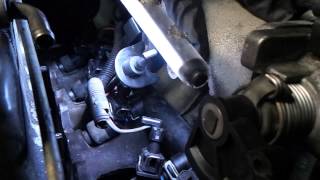
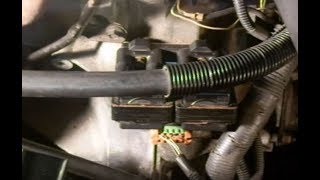
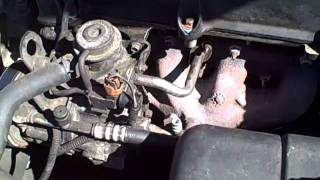
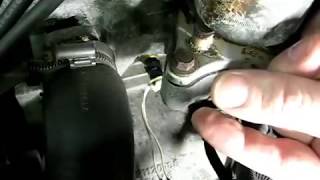
Used OEM Parts in Stock

New Aftermarket Parts Available




The information in this article is provided for general reference and educational purposes only. Vehicle specifications, procedures, and part compatibility can vary by production date, trim level, and region. Always consult your vehicle's factory service manual and verify part numbers before purchasing or performing repairs. Safety-critical components such as airbags, seat belts, and braking systems should be installed by a qualified professional.
- Saturn SL:
- 🎬 Helpful Videos
- 🛍️ Shop This Part
- What's Unique About the 2000-2002 Saturn SL
- Diagnostic Flowchart
- Symptoms You May Notice
- Most Likely Causes
- Rare But Worth Checking
- Diagnosis Steps
- Parts You'll Likely Need
- Related Codes That Often Appear With This One
- Technical Service Bulletins (TSBs) & Recalls
- Platform-Specific Known Issues
- Mechanic-Grade Diagnostic Values
- Hidden / Shadow Codes Worth Checking
- Scan Tool Commands That Help
- Wiring & Ground Locations
- Real Owner Repair Stories
- "I Checked Everything" — The Actual Cause
- OEM Part Supersession History
- Model Year Variations Within This Range
- 🎟️ Get 5% Off