

P0300 on 2005 Pontiac Sunfire: Random Misfire Causes and Fixes
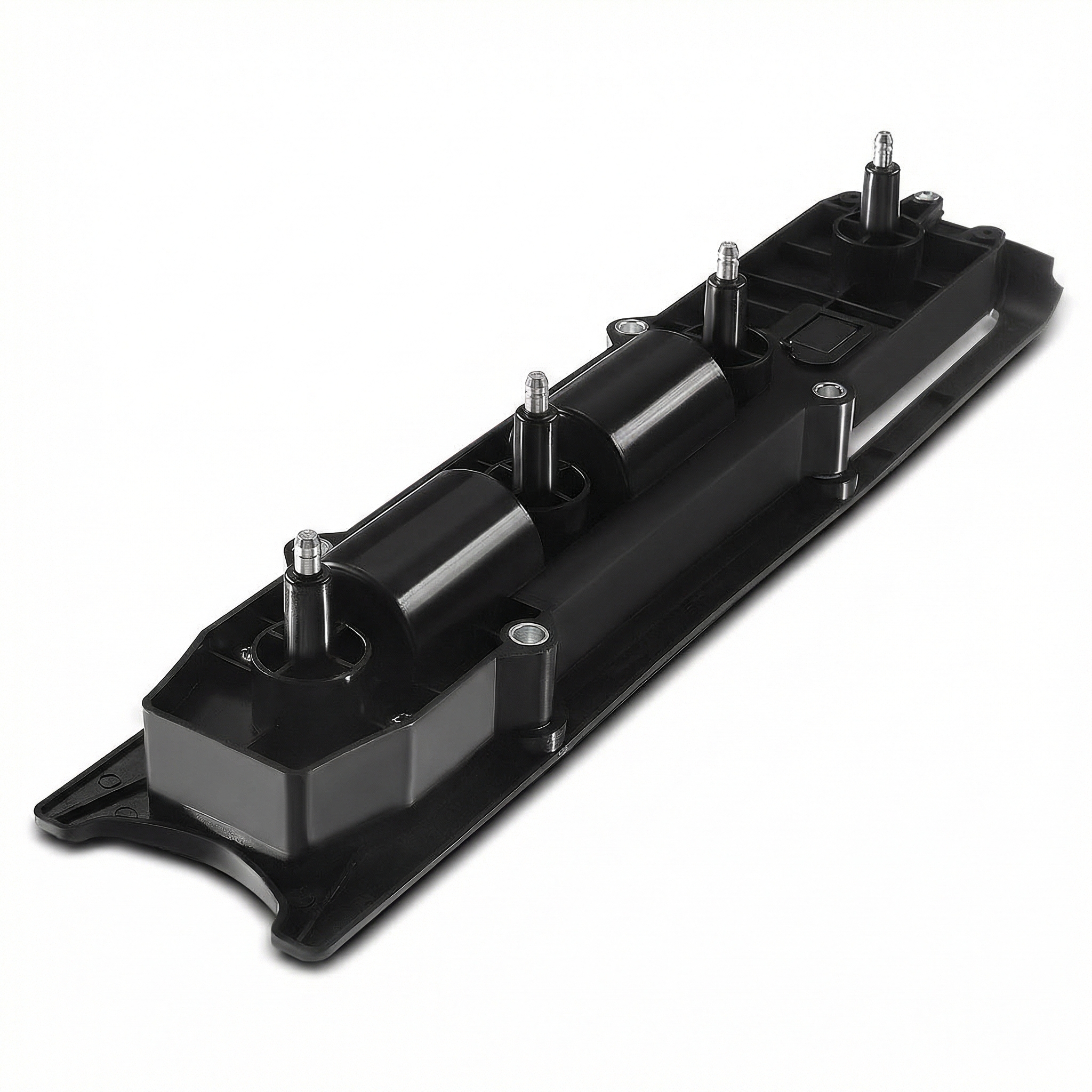
On a 2005 Sunfire with the 2.2L Ecotec engine, a P0300 code is most often caused by a failed ignition control module and coil pack assembly. Heat and vibration cause the integrated electronics to fail. Replacing the entire assembly along with new spark plugs is the most common and effective fix, costing between $120 and $250 for parts.
- For a 2005 Pontiac Sunfire, P0300 is most likely caused by a bad ignition control module/coil pack assembly.
- Always replace the spark plugs when you replace the ignition module for a complete and lasting repair.
- Do not ignore a flashing check engine light, as it indicates a severe misfire that can quickly cause expensive damage to your catalytic converter.
- If a new ignition module and plugs don't solve the issue, the next steps are to check for vacuum leaks and verify fuel pressure.
What's Unique About the 2005-2005 Pontiac SUNFIRE
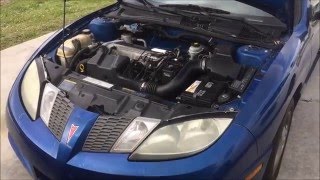
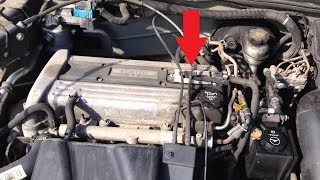
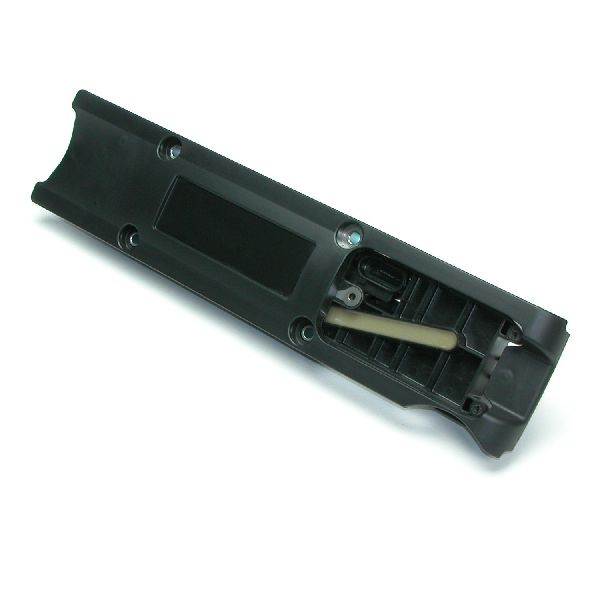
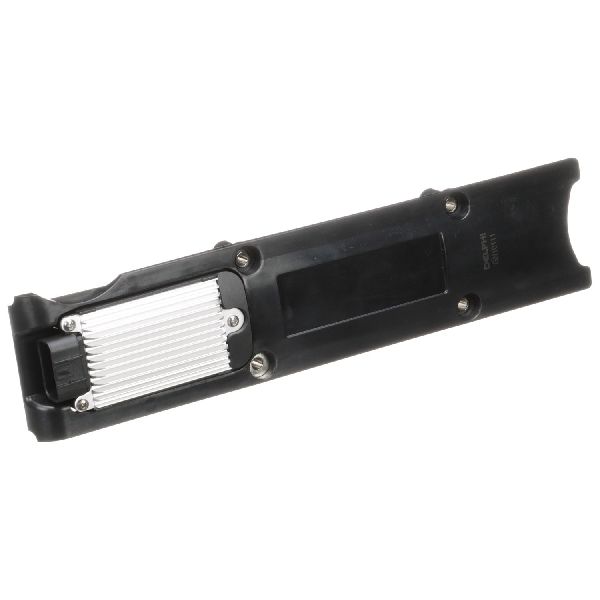
The 2005 Sunfire uses the 2.2L Ecotec L61 engine, which features a single, integrated ignition cassette. This unit combines the ignition coils and the control module (ICM) into one assembly that sits directly on top of the engine. This specific component is a notoriously common failure point due to constant heat soak and vibration, making it the primary suspect for a P0300 code 🎬 Watch: Helpful tips for diagnosing P0300 codes on the Sunfire on this vehicle. Often, a failing coil can overload and destroy the module, which is why mechanics strongly recommend replacing both the coil housing and the ICM at the same time to prevent a repeat failure. This engine also lacks a traditional camshaft position sensor; instead, the ICM generates a synthesized cam signal for the PCM, meaning a faulty ICM can cause misfires that mimic timing or sensor issues.
Diagnostic Flowchart
Tap your situation to follow the diagnostic path that matches what you're seeing on this vehicle.
Symptoms You May Notice
- Rough or shaky idle
- Engine hesitation or stumbling during acceleration
- Noticeable loss of power
- Flashing or solid Check Engine Light
- Poor fuel economy
- Engine stalling, especially when cold or under load
- Misfire is worse when the engine is hot or has been running for a while
- Difficulty starting the engine
- Replacing only the spark plugs without changing the failing ignition module. The new plugs may temporarily improve performance, but the misfire will return as the module continues to fail.
- Replacing the crankshaft or camshaft position sensors. On the Ecotec, the ignition control module is involved in generating the cam signal, so a faulty ICM can mimic a sensor failure and even set cam sensor codes like P0341.
- Replacing only the ignition control module (ICM) or only the coil pack. A failing coil can damage a new ICM, and a failing ICM can damage a new coil. They should be replaced as a set.
Most Likely Causes
- Faulty Ignition Control Module / Coil Pack Assembly 🔴 High Probability The integrated design of the ignition cassette on the 2.2L Ecotec engine is known to be susceptible to failure from constant heat exposure on top of the engine. The electronics inside the module degrade, or one of the coils fails, often taking the module with it.
How to confirm: With the engine cranking, use a 12V test light connected to battery positive to check for a flashing signal at the two driver signal pins on the ICM connector. If the light does not flash for one or both coil pairs, the module is bad. A scan tool may also show misfire counts concentrated on companion cylinders (1 and 4, or 2 and 3), pointing to a failure in the half of the assembly that controls them.
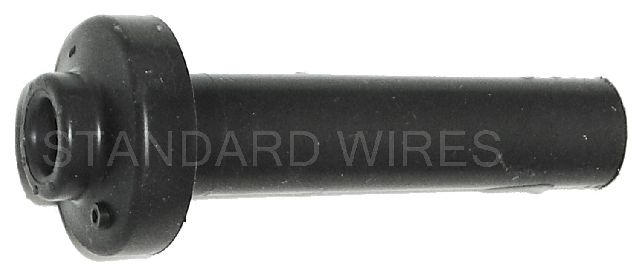
Typical fix: Replace the entire ignition module and coil assembly as one unit. It is highly recommended to replace all four spark plugs at the same time. 🎬 Watch a walkthrough of the most common Ecotec misfire fix Using dielectric grease on the new coil boots is also best practice.
Est. part cost: $100-$180 - Worn or Fouled Spark Plugs 🔴 High Probability Spark plugs are a standard maintenance item. If they are original or have high mileage, their ability to produce a strong spark diminishes, causing misfires. Oil from a leaking valve cover gasket can also foul the plugs and boots.
How to confirm: Remove the spark plugs and inspect them for wear on the electrode, carbon fouling, oil contamination, or an incorrect gap. The gap for the 2.2L Ecotec should be 0.040 inches.
Typical fix: Replace all four spark plugs with OEM-spec Iridium plugs (e.g., ACDelco 41-105). This is almost always done when replacing the ignition module.
Est. part cost: $20-$50 - Vacuum Leak 🟡 Medium Probability Gaskets and vacuum hoses become brittle with age and heat, leading to cracks and leaks. An unmetered air leak disrupts the air-fuel ratio for all cylinders, causing lean misfires. Common leak points include the intake manifold gasket and the PCV hose.
How to confirm: Perform a smoke test to find the source of the leak. Alternatively, carefully spray short bursts of carburetor cleaner or unlit propane around the intake manifold gasket and vacuum lines with the engine running; a change in engine RPM indicates a leak. A scan tool showing high positive short-term fuel trims (STFT) at idle that decrease when RPMs are raised is a strong indicator of a vacuum leak.
Typical fix: Replace the leaking gasket (e.g., intake manifold gasket) or vacuum hose.
Est. part cost: $15-$60 - Low Fuel Pressure ⚪ Low Probability
How to confirm: Connect a fuel pressure gauge to the Schrader valve on the fuel rail. For the 2.2L Ecotec, pressure should be 50-60 PSI with the key on and engine off. Pressure below this range indicates a weak fuel pump or a clogged fuel filter. Pressure that bleeds off quickly could indicate a leaking injector or fuel pressure regulator.
Typical fix: Replace the clogged fuel filter first. The fuel filter is located inside the fuel tank as part of the fuel pump module, making it a more involved job. If pressure is still low, replace the entire fuel pump module.
Est. part cost: $20-$200
Rare But Worth Checking
- Worn Timing Chain or Guides: The 2.2L Ecotec engine is known for timing chain and guide issues, particularly with the tensioner. If the chain stretches or a guide breaks, it can cause camshaft timing to be off, leading to misfires. A key symptom is a rattling or 'clacky, diesel' sound on startup.
- Clogged or Dirty Fuel Injectors: If injectors become dirty, they may not deliver the correct amount of fuel, leading to a lean misfire. This is less common than ignition or vacuum issues. Unplugging injectors one by one while the engine is running can help identify a faulty one if there is no change in idle.
- Clogged Catalytic Converter: A long-term misfire can damage the catalytic converter, which in turn can become clogged and create excessive exhaust backpressure, causing more misfires. This is usually a result of an unfixed P0300, not the initial cause. A glowing red catalytic converter after driving is a definitive sign.
- Internal Coolant Leak: A GM TSB (#06-06-01-019B) mentions a rare issue of block porosity on some Ecotec engines, causing a small coolant leak into a cylinder. This typically causes a misfire only on a cold start that disappears as the engine warms up and the metal expands.
Diagnosis Steps
- Read all diagnostic trouble codes with an OBD-II scanner and check freeze frame data. Note any other codes present.
- Visually inspect all vacuum hoses for cracks or disconnection, especially the PCV and brake booster lines.
- Remove and inspect all four spark plugs for wear, fouling, oil contamination, and correct gap (0.040").
- If plugs are worn or the ignition module's history is unknown, it's often cost-effective to replace the ignition module assembly and spark plugs together, as this is the most common failure.
- If the problem persists, test the ignition control module's driver signals using a 12V test light while cranking the engine.
- Test fuel pressure at the fuel rail to ensure it is between 50-60 PSI.
- Perform a smoke test to check for vacuum leaks, paying close attention to the intake manifold gasket.
- Listen for a rattling noise from the engine on startup, which could indicate a timing chain issue.
- If no other cause is found, consider more complex mechanical issues like low engine compression by performing a compression test.
Parts You'll Likely Need
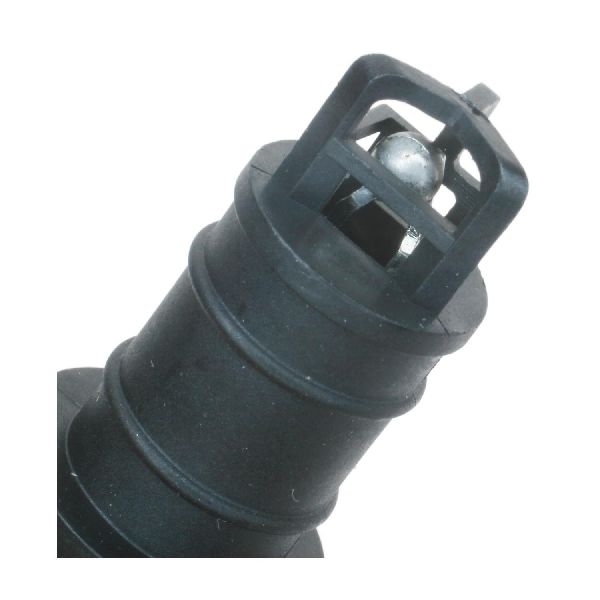
- Ignition Control Module & Coil Assembly
(OEM #19300922 (Module), 12587426 (Coil))— This is the most common failure point on the 2.2L Ecotec engine that causes a P0300 code. They should be replaced together.
Trusted brands: ACDelco, Delphi, NGK
OEM price range: $130-$160
Aftermarket price range: $100-$140 - Spark Plugs
(OEM #41-105 (ACDelco Iridium))— Worn spark plugs are a common cause of misfires and should always be replaced with the ignition module. Use correct spec Iridium plugs for longevity.
Trusted brands: ACDelco, NGK, Denso
OEM price range: $25-$40
Aftermarket price range: $20-$35 - Intake Manifold Gasket
(OEM #MS96340 (Fel-Pro Set))— A common source of vacuum leaks that can cause a random misfire.
Trusted brands: Fel-Pro, ACDelco, Mahle
OEM price range: $20-$35
Aftermarket price range: $15-$25
Related Codes That Often Appear With This One
- P0301, P0302, P0303, P0304 — If the random misfire begins to occur more frequently on a specific cylinder, the ECM may also log a cylinder-specific code.
- P0171 — This 'System Too Lean' code can appear with P0300 if the root cause is a significant vacuum leak from a component like the intake manifold gasket.
- P0420 — This 'Catalyst System Efficiency Below Threshold' code often appears after a P0300 has been ignored, as the unburned fuel from misfires damages the catalytic converter.
Technical Service Bulletins (TSBs) & Recalls
- PIP5628G: Communicates information needed to aid in diagnosing misfire DTCs P0300 - P0308.
- PIP3333C: Addresses intermittent engine misfires with DTC P0300, P0301, and/or P0304.
- 06-06-01-019B: Diagnostic Information for Engine Misfire and/or Rough Idle on Cold Start.
Platform-Specific Known Issues
- A Technical Service Bulletin (TSB #PIP5628G) exists to guide technicians in gathering diagnostic information for misfire codes (P0300-P0308), indicating that diagnosis can sometimes be complex.
- Another TSB (PIP3333C) notes intermittent misfires with code P0300 and advises following standard diagnostic procedures first, suggesting common causes are the primary culprits.
- A less common TSB (06-06-01-019B) points to potential engine block porosity causing a coolant leak into a cylinder, leading to a cold-start misfire that resolves when warm.
Mechanic-Grade Diagnostic Values
- Fuel Pressure (Key On, Engine Off) — expected: 50-60 PSI. Failure: Pressure below 50 PSI suggests a weak fuel pump or clogged filter. Pressure that bleeds off quickly points to a leaking fuel pressure regulator or injector.
- Fuel Injector Resistance — expected: Approximately 12.5 - 16.5 Ohms. Failure: An injector with resistance significantly outside this range, or that differs from the others by more than 0.5 Ohms, is likely faulty.
- Engine Compression — expected: Approximately 200-215 PSI per cylinder. Failure: A cylinder with significantly lower compression than others indicates a mechanical engine problem like a burnt valve or bad piston rings.
- Fuel Pressure Regulator Vacuum Line Check — expected: No fuel present in the vacuum line.. Failure: Gasoline dripping from the vacuum port when the line is removed indicates a ruptured internal diaphragm, requiring regulator replacement.
Hidden / Shadow Codes Worth Checking
- Mode $06, Test ID $A2-$AF: This diagnostic mode stores non-critical misfire counts for each cylinder (Cylinder 1 is $A2, 2 is $A3, etc.). It can reveal which cylinder is misfiring the most before it's bad enough to set a specific P030x code, helping to pinpoint the source of a P0300. (see via A professional scan tool or an advanced DIY scanner with Mode $06 viewing capabilities.)
Scan Tool Commands That Help
- GM Tech 2 (or equivalent): Crankshaft Variation Relearn (CASE Relearn) — This procedure is required after replacing the crankshaft position sensor (CKP), flexplate, or PCM. It calibrates the PCM to the CKP sensor's signal to ensure accurate misfire detection. Failure to perform it can cause a persistent false P0300 code.
- GM Tech 2 (or equivalent): Fuel Pump Relay Control — Allows the technician to manually turn the fuel pump on with the engine off. This is useful for pressurizing the fuel system to its maximum (50-60 PSI) to check for leaks or verify fuel pressure without repeated key cycles.
- GM Tech 2 (or equivalent): Cylinder Balance Test — This function systematically disables one fuel injector at a time. If disabling an injector causes little to no drop in engine RPM, it confirms that cylinder was not contributing, pointing to a problem with its fuel, spark, or compression.
Wiring & Ground Locations
- G102 — Located at the left rear of the engine block.. This is a primary ground point for the ignition coils. A loose or corroded connection here can cause weak spark or intermittent ignition function, leading to random misfires.
- G101 — Located at the left front of the engine, on the lower block.. This ground serves the Engine Control Module (ECM). A poor connection can cause a wide range of erratic sensor readings and performance issues, including false misfire detection.
- Ignition Module Harness Connector — On top of the valve cover, connecting to the Ignition Control Module (ICM).. The wiring and pins in this connector can become brittle or corroded from heat. Wiggling this harness with the engine running can help identify a bad connection if it induces a misfire.
- Tranny Ground Strap — A grounding strap is bolted on top of the transmission housing.. This is another critical engine-to-chassis ground. Corrosion or a loose bolt can create electrical issues that manifest as ignition problems.
Real Owner Repair Stories
- Chevy HHR Network user (Chevy HHR 2.2L Ecotec with 115,000 miles (mechanically similar to Sunfire)) — Bad idle, stalling at stops, P0300 code. Also had a 'clacky, diesel' sound on startup.
❌ Tried (didn't work) Replaced spark plugs, Replaced ignition control module, Replaced coil pack, Checked fuel pressure (was good at 60 PSI), Swapped fuel injectors
✅ What actually fixed it The timing chain tensioner was found to be stuck shut. Replacing the entire timing set (chain, guides, tensioner) resolved the P0300 misfire. - Reddit user u/b_rolla12 (2006 Chevy Cobalt 2.2L Ecotec (mechanically similar to Sunfire)) — P0300, runs fine on highway but acts up and stalls in slow-moving traffic.
❌ Tried (didn't work) Replaced coil pack (NGK), Replaced spark plugs (ACDelco), Replaced Ignition Control Module (ICM) with an aftermarket part, which made the misfire worse. Swapping the original ICM back in made it run better but still stalled.
✅ What actually fixed it Multiple other users in the thread reported that replacing a faulty Mass Airflow (MAF) sensor fixed their intermittent P0300 misfire issue immediately, even after cleaning it did not help. - Reddit user u/PM_ME_UR_SUNFIRE (2005 Pontiac Sunfire 2.2L Ecotec with 140k miles) — Sporadic P0300, rich start, stalling when cold. Misfire would disappear when the engine warmed up.
❌ Tried (didn't work) Replaced spark plugs (twice), Replaced spark plug boots, Replaced Ignition Control Module (ICM), Replaced battery
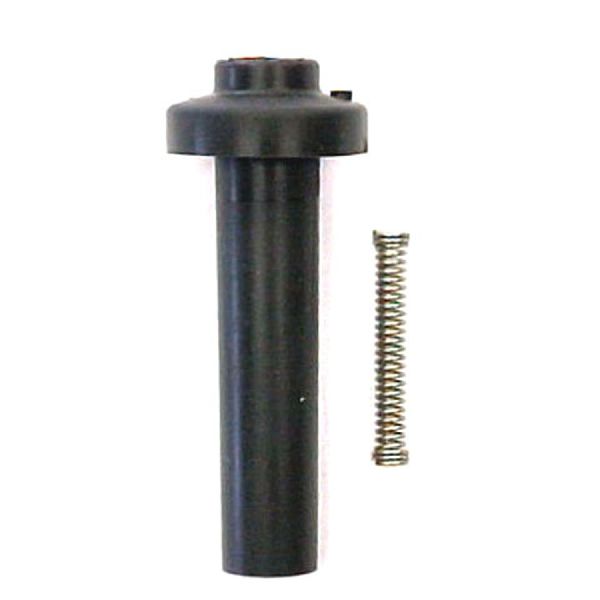
✅ What actually fixed it The user updated their post to state that replacing the ignition coil assembly (the plastic housing with the coil springs) finally fixed the issue.
"I Checked Everything" — The Actual Cause
- In a documented case on a similar 2.2L Ecotec, a user with a P0300 checked for vacuum leaks and found none. After replacing the ICM, coils, and plugs without success, the final cause was discovered to be a stuck timing chain tensioner, which had allowed the timing to slip just enough to cause a random misfire at idle.
When the Usual Fixes Don't Work
- While the vast majority of P0300 codes on this platform are caused by the ignition cassette, there are documented cases where this was not the root cause. One owner replaced the ICM, coil pack, and spark plugs, but the misfire persisted. The problem was ultimately a failed timing chain tensioner, a known but less common issue on high-mileage Ecotec engines. Another owner replaced the ICM and plugs, only to find the final fix was replacing the ignition coil housing itself, which had developed a fault. These cases highlight the importance of considering secondary causes like timing components or even a faulty MAF sensor if replacing the entire ignition assembly does not solve the problem.
OEM Part Supersession History
12580215→19300922 (ACDelco D521C)— Standard part revision and improvement over time.
Heads up: Users have reported that some aftermarket Ignition Control Modules can cause severe misfires or immediate failure, while the original stock part works better, even if partially failing. It is often recommended to use OEM or high-quality Delphi/ACDelco parts for this specific component.
Helpful Videos
Used OEM Parts in Stock
New Aftermarket Parts Available


The information in this article is provided for general reference and educational purposes only. Vehicle specifications, procedures, and part compatibility can vary by production date, trim level, and region. Always consult your vehicle's factory service manual and verify part numbers before purchasing or performing repairs. Safety-critical components such as airbags, seat belts, and braking systems should be installed by a qualified professional.
- Pontiac SUNFIRE:
- 🎬 Helpful Videos
- 🛍️ Shop This Part
- What's Unique About the 2005-2005 Pontiac SUNFIRE
- Diagnostic Flowchart
- Symptoms You May Notice
- Most Likely Causes
- Rare But Worth Checking
- Diagnosis Steps
- Parts You'll Likely Need
- Related Codes That Often Appear With This One
- Technical Service Bulletins (TSBs) & Recalls
- Platform-Specific Known Issues
- Mechanic-Grade Diagnostic Values
- Hidden / Shadow Codes Worth Checking
- Scan Tool Commands That Help
- Wiring & Ground Locations
- Real Owner Repair Stories
- "I Checked Everything" — The Actual Cause
- When the Usual Fixes Don't Work
- OEM Part Supersession History
- 🎟️ Get 5% Off