

P0300 on 2006 Pontiac GTO: Random Misfire Causes and Fixes
A P0300 code on a 2006 GTO indicates a random engine misfire. The most common causes are worn spark plugs and faulty spark plug wires, which are prone to heat damage from the exhaust manifolds. If a basic tune-up doesn't solve it, check for vacuum leaks (especially PCV hoses and intake gaskets) or fuel delivery issues. A flashing check engine light signals a severe misfire that requires immediate attention to prevent catalytic converter damage.
- P0300 on a 2006 GTO is a random misfire code, most often caused by worn spark plugs and heat-damaged spark plug wires.
- Do NOT drive if the Check Engine Light is flashing. This indicates a severe misfire that can quickly destroy your expensive catalytic converters.
- Always start with the basics: inspect and replace spark plugs and wires before moving to more complex diagnostics like fuel pressure or vacuum leak testing.
- Be aware of the TSB (#PIP4138R) that points to worn camshaft lobes as a potential, though rare, cause for persistent misfires on this engine.
What's Unique About the 2006-2006 Pontiac GTO
The 2006 GTO is powered by the 6.0L LS2 V8 engine, which uses a coil-near-plug ignition system with short spark plug wires. These wires are highly susceptible to heat damage from the exhaust manifolds, making them a frequent cause of misfires. Additionally, GM has issued a Technical Service Bulletin (TSB #PIP4138R) for this powertrain family that points to potential worn camshaft lobes as a cause for persistent P0300 codes, a more serious mechanical issue to be aware of if simpler fixes fail. Broken valve springs are another known weak point in the LS valvetrain that can lead to misfires.
Diagnostic Flowchart
Tap your situation to follow the diagnostic path that matches what you're seeing on this vehicle.
Symptoms You May Notice
- Rough or shaking idle
- Engine hesitation or stumbling during acceleration
- Noticeable loss of power
- Flashing or steady Check Engine Light
- Difficulty starting the engine
- Reduced fuel economy
- Fuel smell from the exhaust
- Popping sound from the exhaust
- Replacing only one ignition coil when the issue is spark plugs or wires.
- Replacing oxygen sensors, which are more likely to report a problem caused by misfires (like a rich or lean condition) rather than be the root cause of them.
- Replacing the MAF sensor without first attempting to clean it properly.
Most Likely Causes
- Worn Spark Plugs or Faulty Spark Plug Wires 🔴 High Probability The LS2 engine's coil-near-plug design places the short spark plug wires very close to the hot exhaust manifolds, causing them to degrade, become brittle, and fail prematurely. Worn plugs with an excessive gap also cause a weak spark. Many owners on forums for GTOs and Corvettes report that sticking with OEM ACDelco plugs and wires resolves persistent misfires that aftermarket parts sometimes fail to fix.
How to confirm: Inspect spark plugs for wear (worn electrodes, wide gap), fouling, or cracked porcelain. The correct gap is 0.040". Inspect spark plug wires for cracks, burns, or brittleness. A common failure point is the boot itself. Test wires for proper resistance using a multimeter.
Typical fix: Replace all eight spark plugs and the full set of spark plug wires. It is highly recommended to replace them together. Some owners proactively install high-temperature wire protectors or sleeves, especially with aftermarket headers.
Est. part cost: $80-$200 - Vacuum Leak 🟡 Medium Probability Intake manifold gaskets on LS engines can degrade and shrink over time, creating a leak. The PCV hose (GM Part #12594779) is another common failure point, becoming brittle and cracked. A stuck-open purge valve solenoid can also create a vacuum leak significant enough to trigger a P0300.
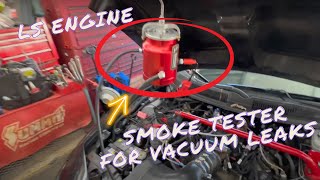
How to confirm: Perform a smoke test to see if 🎬 Watch: How to test if your LS engine has a vacuum leak. smoke escapes from any gaskets or hoses. Alternatively, with the engine running, carefully spray carburetor cleaner or starting fluid around the intake manifold gaskets and vacuum lines; a change in engine idle RPM indicates a leak. A scan tool showing high positive fuel trims at idle that normalize with increased RPM also points to a vacuum leak.
Typical fix: Replace the leaking gasket or hose. If replacing intake manifold gaskets, it's good practice to replace the throttle body seal as well.
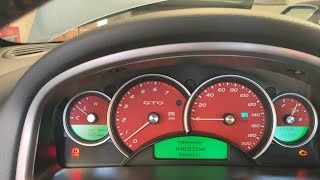
Est. part cost: $20-$150 - Low Fuel Pressure / Fuel System Issue 🟡 Medium Probability A failing fuel pump or clogged fuel filter can starve the engine of fuel, causing a lean condition and misfires across all cylinders. Dirty or failing fuel injectors can also cause misfires. In one documented case on an LS1Tech forum, a 2006 GTO that sat for a long time developed a severe misfire on cylinder 7 that was ultimately traced to a bad injector. 🎬 See this walkthrough on replacing a GTO fuel injector.
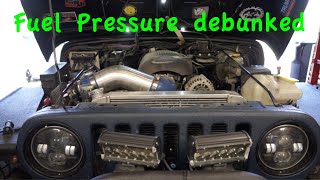
How to confirm: Connect a fuel pressure gauge to the fuel rail's Schrader valve. The pressure should be around 58-60 PSI at idle. Pressure below this range indicates a problem. A scan tool can be used to monitor misfire counts per cylinder to see if one is significantly worse than others, pointing towards a specific injector.
Typical fix: Replace the fuel filter first, as it is a common and inexpensive maintenance item. If pressure is still low, the fuel pump likely needs to be replaced. If a single injector is suspected, it can be swapped with one from another cylinder to see if the misfire follows.
Est. part cost: $20-$400 - Dirty or Faulty Mass Airflow (MAF) Sensor ⚪ Low Probability The MAF sensor measures the amount of air entering the engine. If it's dirty (often from oiled air filters) or failing, it will send incorrect data to the ECM, leading to an improper air-fuel ratio and misfires.
How to confirm: Unplug the MAF sensor while the engine is idling. If the idle quality improves, the sensor is likely faulty. Visually inspect the sensor's delicate wires for contamination. Cleaning with a dedicated MAF sensor cleaner may resolve the issue. Do not use compressed air to dry it.
Typical fix: Clean the MAF sensor with a specialized cleaner. If cleaning does not work, replace the sensor.
Est. part cost: $15-$120
Rare But Worth Checking
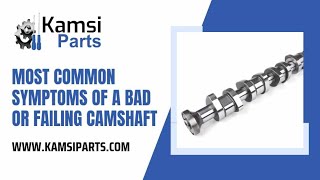
- Worn Camshaft Lobe(s) or Lifter: This is a known mechanical issue documented in GM TSB #PIP4138R. A worn lobe will not open the valves on a cylinder correctly, causing a persistent misfire that can be accompanied by a distinct ticking or chirping noise from the valvetrain. Diagnosis involves measuring valve lift or, in some cases, requires physical inspection of the camshaft. 🎬 Learn more about the symptoms of a failing camshaft.
- Broken Valve Spring: Another known issue for the LS engine family, also mentioned in TSB #PIP4138R. A broken spring can cause a valve to not seat properly, leading to a loss of compression and a misfire that may be intermittent or only appear at higher RPM. This was identified as a potential cause in a CorvetteForum thread for a P0300 code.
- Clogged Catalytic Converters: A severe, long-term misfire can cause the catalytic converters to melt and become clogged. This creates excessive exhaust backpressure, which chokes the engine and causes a random misfire and severe power loss. This is often a result of ignoring a flashing check engine light, not the initial cause.
- Faulty Crankshaft Position Sensor (or its connection): A failing crankshaft position sensor can send erratic signals to the ECM, which disrupts spark timing and can be misinterpreted as a random misfire. The sensor is located behind the starter motor. After replacement, a Crankshaft Position Variation Learn procedure must be performed with a scan tool like a GM Tech2.
Diagnosis Steps
- Read the trouble codes with an OBD-II scanner and check for any other pending or stored codes. Note any cylinder-specific misfire counts if your scanner supports Mode $06.
- If the check engine light is flashing, stop the engine immediately to prevent catalytic converter damage.
- Visually inspect the spark plugs and spark plug wires for signs of wear, heat damage, or corrosion. Ensure wire boots are fully seated on the plugs and coils with an audible 'click'.
- Check for vacuum leaks by performing a smoke test or by carefully spraying carburetor cleaner around the intake manifold gaskets (especially near the corners), PCV hoses, and purge solenoid while listening for a change in engine idle.
- Test fuel pressure at the fuel rail to ensure the fuel pump and filter are functioning correctly. Pressure should be 58-60 PSI.
- Clean the Mass Airflow (MAF) sensor with a dedicated cleaner. Inspect the air filter and intake path for obstructions.
- If misfires persist, perform an engine compression test to check for mechanical issues like bad rings, valves, or head gaskets.
- Inspect the valvetrain. With the valve covers off, check for broken valve springs. If a ticking noise is present and other causes are ruled out, consider the possibility of a worn camshaft lobe as noted in TSB #PIP4138R and have it inspected by a professional.
Parts You'll Likely Need
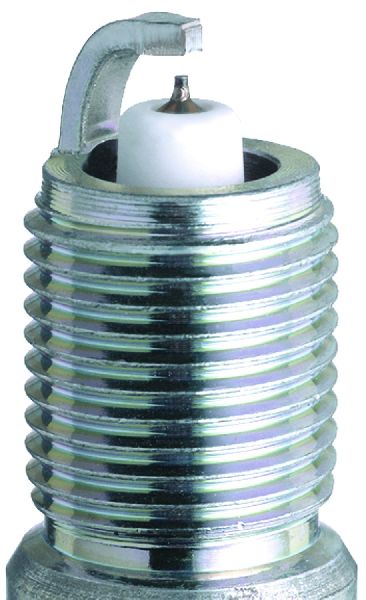
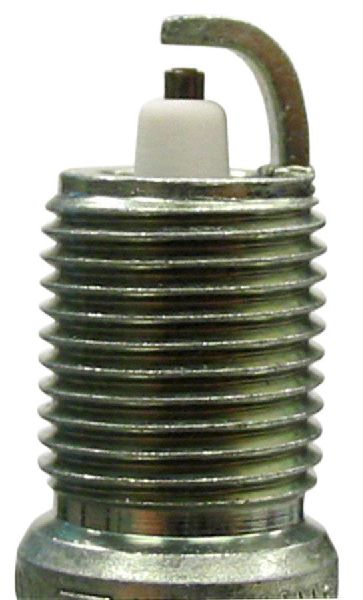
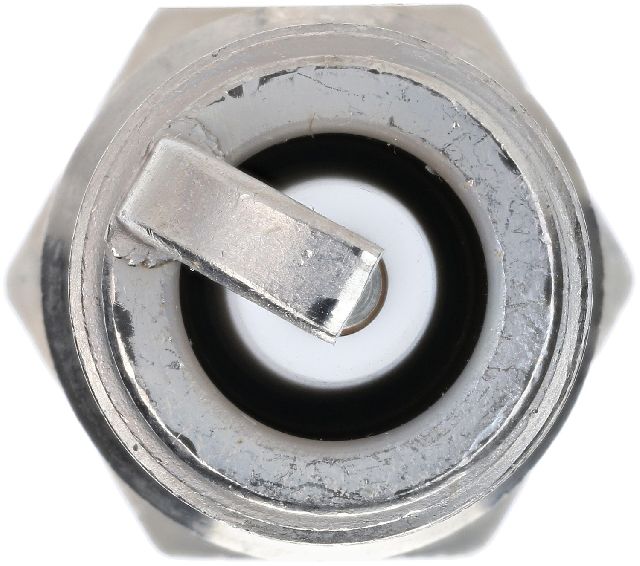
- Spark Plugs
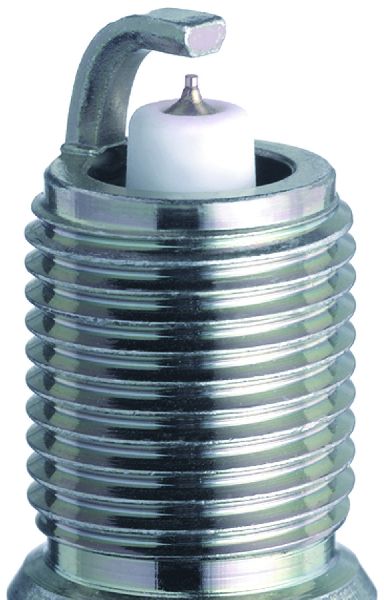
(OEM #12571164)— Spark plugs are a primary wear item and a leading cause of misfires. The original plugs are long-life iridium but can fail sooner under performance driving conditions.
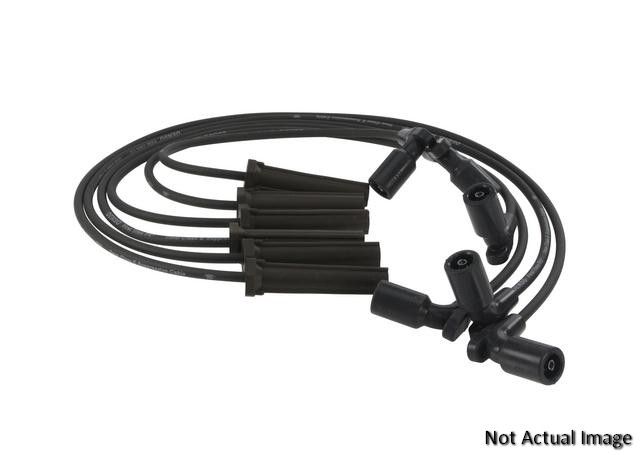
Trusted brands: ACDelco, NGK - Spark Plug Wires — The short wires on the LS2 are prone to heat damage from the exhaust manifolds, causing them to become brittle and fail.
Trusted brands: ACDelco, MSD, Taylor - PCV Hose
(OEM #12594779)— This molded plastic hose becomes brittle with age and heat cycles, leading to cracks and significant vacuum leaks.
Trusted brands: GM Genuine, Dorman
Related Codes That Often Appear With This One
- P0301-P0308 — If the ECM is able to isolate the misfire to a specific cylinder, it will set one of these codes alongside or instead of P0300.
- P0171, P0174 — These codes indicate a "System Too Lean" condition on Bank 1 and Bank 2, respectively. They often appear with P0300 when the root cause is a major vacuum leak or a fuel delivery problem.
- P0496 — This EVAP code for "High Purge Flow" can be caused by a stuck-open purge valve. This creates a vacuum leak that can, in turn, trigger a P0300 misfire code.
- P050D — This code for "Cold Start Rough Idle" is mentioned in TSB #PIP5628C as being related to misfire diagnostics on this platform.
Technical Service Bulletins (TSBs) & Recalls
- PIP5628C
- PIP4138R
Platform-Specific Known Issues
- Per TSB #PIP4138R, a worn camshaft lobe can be a root cause of P0300-P0308 codes if common ignition and fuel system issues have been ruled out. This may be accompanied by a ticking or chirping noise.
- TSB #PIP5628C indicates that diagnosing misfires on this platform can be complex and provides information for technicians to aid in diagnosis, especially when code P050D (Cold Start Rough Idle) is also present.
- Broken valve springs are a known weak point in the LS engine family valvetrain and can cause intermittent or high-RPM misfires.
Mechanic-Grade Diagnostic Values
- Fuel Pressure at Idle — expected: 58-60 PSI. Failure: Pressure significantly below 58 PSI indicates a weak fuel pump or clogged filter.
- Stock LS2 Fuel Injector Resistance — expected: ~12 Ohms. Failure: A reading of 0 Ohms indicates a short, while an infinite (O.L.) reading indicates an open circuit. Both require injector replacement.
- Mode $06 Misfire Counts — expected: Counts should be zero or very low (under 100) for all cylinders during a drive cycle.. Failure: A significantly high count on one or more cylinders (e.g., several hundred or thousands) points to the specific cylinders that are misfiring, even if a cylinder-specific code (P030x) is not set.
Hidden / Shadow Codes Worth Checking
- Mode $06, Test ID $A2-$A9: This is not a shadow code, but a data stream in the generic OBD-II protocol that provides raw misfire data. Test IDs $A2 through $A9 correspond to Misfire Cylinder 1 through 8 data. A professional scan tool can read these values to show the exact number of misfires counted per cylinder. (see via A professional-grade scan tool or advanced OBD-II software (like OBD Auto Doctor) that can access Mode $06 data.)
Scan Tool Commands That Help
- GM Tech2 / Tech2win: Crankshaft Position Variation Learn (CASE Learn) — This procedure is required after replacing the crankshaft position sensor, the PCM, or sometimes after major engine work. It synchronizes the sensor with the actual position of the crankshaft reluctor wheel. Failure to perform this can cause a P0315 or P1336 code and may contribute to misfire detection issues.
- Professional Scan Tool: Injector Balance Test — This bidirectional test allows the technician to individually disable one fuel injector at a time while the engine is running. If disabling a specific injector causes no change in engine RPM, it indicates that the cylinder was not contributing in the first place, pointing to a problem with that injector or cylinder.
Wiring & Ground Locations
- Engine Block Grounds — The primary PCM and sensor grounds are located on the rear of the driver's side cylinder head. Another critical ground runs from the battery negative terminal to the engine block.. A poor or corroded ground at the cylinder head can cause erratic sensor readings for the ignition coils and injectors, leading to intermittent misfires that are difficult to diagnose. The ECM relies on a stable ground reference for all its calculations.
- Chassis/Body Grounds — Important ground straps connect the engine block to the chassis/frame and the battery to the body. On the GTO, these are located in the engine bay and near the battery in the trunk.. While the primary engine grounds are most critical, poor overall vehicle grounding can introduce electrical noise into the system, potentially affecting ignition system performance and sensor data.
Real Owner Repair Stories
- LS1Tech forum user (2006 Pontiac GTO) — P0300 code, rough running. The car had been sitting for 4 years.
❌ Tried (didn't work) Initial diagnosis pointed to a random misfire across multiple cylinders.
✅ What actually fixed it Using a scan tool to view Mode $06 data revealed that cylinder #7 had 2,957 misfires, while all others had less than 50. The owner suspected a fuel issue due to the car sitting. Swapping the injector from cylinder #7 to another cylinder caused the misfire to follow the injector. Replacing the faulty fuel injector on cylinder #7 resolved the P0300 code.
OEM Part Supersession History
N/A→N/A— The ignition coils for the 2005-2006 GTO (LS2) are different and not interchangeable with the coils from the 2004 GTO (LS1). Using the wrong coil will result in misfires or a no-spark condition.
Heads up: LS1 and LS2 ignition coils are not interchangeable. Ensure you are purchasing the correct part for the 6.0L LS2 engine.
Helpful Videos
We Have This Part in Stock

The information in this article is provided for general reference and educational purposes only. Vehicle specifications, procedures, and part compatibility can vary by production date, trim level, and region. Always consult your vehicle's factory service manual and verify part numbers before purchasing or performing repairs. Safety-critical components such as airbags, seat belts, and braking systems should be installed by a qualified professional.
- Pontiac GTO:
- 🎬 Helpful Videos
- 🛍️ Shop This Part
- What's Unique About the 2006-2006 Pontiac GTO
- Diagnostic Flowchart
- Symptoms You May Notice
- Most Likely Causes
- Rare But Worth Checking
- Diagnosis Steps
- Parts You'll Likely Need
- Related Codes That Often Appear With This One
- Technical Service Bulletins (TSBs) & Recalls
- Platform-Specific Known Issues
- Mechanic-Grade Diagnostic Values
- Hidden / Shadow Codes Worth Checking
- Scan Tool Commands That Help
- Wiring & Ground Locations
- Real Owner Repair Stories
- OEM Part Supersession History
- 🎟️ Get 5% Off