

P0300 on 2000-2002 Pontiac Firebird: Random Misfire Causes and Fixes
Code P0300 on a 2000-2002 Firebird indicates random cylinder misfires. For the 5.7L LS1 V8, this is often due to worn spark plugs and heat-damaged wires near the exhaust manifolds. For the 3.8L V6, a very common cause is a leaking lower intake manifold gasket, requiring an upgraded metal-framed replacement. A basic ignition tune-up costs around $150-$300 in parts.
- P0300 means multiple cylinders are misfiring, and you should stop driving if the check engine light is flashing to avoid catalytic converter damage.
- For the 3.8L V6, the most likely cause is a failed intake manifold gasket causing a vacuum leak.
- For the 5.7L LS1 V8, the most likely cause is a bad set of spark plugs and/or heat-damaged spark plug wires.
- Start with the basics: a full ignition system tune-up (plugs and wires) is often the fix and is good preventative maintenance.
- Do not immediately assume a major or expensive failure; a logical diagnostic approach can often pinpoint a simple, inexpensive part.
What's Unique About the 2000-2002 Pontiac FIREBIRD
The 2000-2002 Firebird was available with two very different engines, and the likely cause of a P0300 code often depends on which one you have. The 3.8L V6 (L36) is notorious for lower intake manifold (LIM) gasket failures. The original plastic-framed gaskets degrade from heat and exposure to Dex-Cool coolant, causing vacuum and/or coolant leaks that lead to misfires. The 5.7L LS1 V8, on the other hand, is known for generating significant engine bay heat that can bake the spark plug wires, especially where they pass near the hot exhaust manifolds. This heat causes the wire insulation and boots to become brittle and fail, resulting in a weak or inconsistent spark. For 2001-2002 LS1 models, the factory installed an improved LS6-style intake manifold which is less prone to gasket leaks than earlier designs.
Diagnostic Flowchart
Tap your situation to follow the diagnostic path that matches what you're seeing on this vehicle.
Symptoms You May Notice
- Rough or shaking idle.
- Engine hesitation or stumbling during acceleration.
- Flashing Check Engine Light, especially under load.
- Noticeable loss of engine power.
- Reduced fuel economy.
- Difficulty starting the engine, or extended cranking time.
- A smell of raw fuel from the exhaust.
- Engine vibrations that change with RPM.
- For the 3.8L V6, unexplained coolant loss or milky-looking engine oil if the intake gasket has failed internally.
- Replacing only one spark plug or wire when a full set is needed.
- Replacing oxygen sensors, which are more likely to be a symptom of the misfire (due to unburnt fuel) rather than the cause.
- Assuming a bad catalytic converter without first fixing the root cause of the misfire.
- Replacing the Mass Airflow (MAF) sensor when the issue is an unmetered air leak downstream from it.
- Confusing the fuel pressure damper on the LS1's fuel rail with a fuel pressure regulator. The actual regulator is in the fuel tank.
Most Likely Causes
- Worn Spark Plugs and/or Damaged Spark Plug Wires 🔴 High Probability On the 5.7L LS1 V8, intense heat from the exhaust manifolds can cook the spark plug wires, causing them to degrade and fail. Plugs and wires are a common maintenance item on both engines. Many owners add aftermarket heat shield sleeves to the plug boots for extra protection.
How to confirm: Visually inspect spark plugs for wear, fouling, or carbon tracking. Inspect wires for cracks, burns, or brittleness. Test wires with a multimeter for proper resistance (should be under 5,000 ohms per foot). Check for arcing in the dark with the engine running.
Typical fix: Replace all spark plugs and spark plug wires as a set. It's highly recommended to use high-quality wires with good heat shielding (e.g., ceramic boots or adding thermal sleeves) on the LS1. Ensure plugs are gapped correctly before installation.
Est. part cost: $80-$200 - Leaking Intake Manifold Gasket 🔴 High Probability This is a very common failure on the 3.8L V6 engine. The original plastic-framed gaskets deteriorate from heat and chemical exposure (especially Dex-Cool coolant), causing vacuum leaks that lean out the air/fuel mixture and trigger misfires. In severe cases, it can also cause coolant to leak into the intake ports or crankcase.
How to confirm: Perform a smoke test on the intake system to check for leaks. You can also (carefully) spray carburetor cleaner or a propane torch (unlit) around the intake manifold gasket with the engine running; a change in idle RPM indicates a leak. Check for coolant loss or milky oil.
Typical fix: Replace the lower intake manifold gaskets. It is highly recommended to use an upgraded aftermarket gasket set with a metal frame, such as the Fel-Pro MS 98014 T, to prevent a repeat failure.
Est. part cost: $50-$100 - Faulty Ignition Coil(s) or Ignition Control Module (ICM) 🟡 Medium Probability The 3.8L V6 uses a coil pack system with an Ignition Control Module (ICM) underneath, which is a known failure point due to heat soak. The 5.7L LS1 has individual coil-on-plug units. Over time, heat and vibration can cause these components to fail, producing a weak or no spark. A cracked coil can also cause misfires in high humidity or rain.
How to confirm: Use a scan tool with live data to watch for misfire counts while swapping coils between cylinders. If the misfire moves with the coil, the coil is bad. The ICM on the V6 can be tested at many auto parts stores.
Typical fix: Replace the faulty ignition coil or coil pack. On the 3.8L V6, if the ICM is suspected, it's often replaced along with the coil packs. It's wise to replace the one on the corresponding 'sister' cylinder at the same time on V6 models (1-4, 2-5, 3-6).
Est. part cost: $40-$80 per coil, $60-$150 for an ICM - Low Fuel Pressure or Clogged Injectors ⚪ Low Probability A weak fuel pump or clogged fuel filter can starve the engine of fuel, causing a lean condition and random misfires across all cylinders. Clogged injectors can also be a cause, sometimes remedied with a quality fuel system cleaner as a first step.
How to confirm: Connect a fuel pressure gauge to the fuel rail's Schrader valve. Check that the pressure is within the manufacturer's specification (55-60 PSI for the LS1, 53-59 PSI for the V6 with key on, engine off). Listen to injectors with a mechanic's stethoscope to ensure they are all clicking.
Typical fix: If pressure is low, replace the fuel filter first. If the pressure is still low, the fuel pump likely needs replacement. Clogged injectors may require professional cleaning or replacement.
Est. part cost: $20-$300
Rare But Worth Checking
- Clogged Catalytic Converter: A restricted exhaust can create excessive backpressure, leading to misfires. This is often a result of long-term misfires dumping raw fuel into the exhaust, so it can be both a cause and an effect. Symptoms include a sluggish engine and a rotten egg smell from the exhaust.
- Faulty Crankshaft Position Sensor (CKP): The CKP sensor tells the PCM the engine's speed and position. An erratic or intermittent signal can disrupt ignition and injection timing, causing random misfires, sometimes without a specific CKP sensor code. A relearn procedure with a bi-directional scan tool may be required after replacement.
- Vacuum Leak (PCV System or Intake Manifold Bolts): On the LS1, the PCV hoses can become cracked and brittle, creating a vacuum leak. Another uncommon but reported cause is intake manifold bolts that have loosened over time, allowing unmetered air to enter. On the 3.8L V6, the PCV valve is located under a small plate on the intake manifold.
Diagnosis Steps
- Check for any other stored trouble codes with an OBD-II scanner. Codes like P0171/P0174 strongly suggest a vacuum leak.
- Use a scan tool with live data to monitor misfire counts per cylinder (Mode $06). This can help pinpoint a problem cylinder even without a specific P030x code.
- Analyze fuel trim data. High positive short-term fuel trims (over +10%) under load point towards a lean condition (vacuum leak, weak fuel delivery), while trims near zero suggest an ignition or mechanical issue.
- Perform a thorough visual inspection of the ignition system. Look for cracked or burnt spark plug wires, carbon tracking on spark plugs, and loose connections. Check for arcing in a dark garage.
- If you have the 3.8L V6, check for vacuum leaks around the intake manifold gasket using a smoke machine or by carefully spraying carb cleaner in the area while listening for idle changes. Also inspect the PCV valve and hoses.
- If you have the 5.7L LS1, pay close attention to the spark plug wires for any signs of heat damage or contact with the exhaust manifolds. Check the PCV hose system for cracks, especially the rubber boots at the valve covers.
- Test fuel pressure at the fuel rail to rule out a weak fuel pump or clogged filter. Pressure should be 55-60 PSI for the LS1 and 53-59 PSI for the 3.8L V6 (key on, engine off).
- Swap ignition coils between a known good cylinder and a suspected misfiring cylinder. If the misfire follows the coil, the coil is faulty.
- If ignition and fuel systems check out, consider testing the Crankshaft Position Sensor (CKP). An erratic signal can cause random misfires. If replaced, a CKP Variation Relearn procedure is mandatory.
- As a final step, perform an engine compression test to check for mechanical issues like a worn camshaft, bad lifters, or head gasket problems.
Parts You'll Likely Need
- Spark Plugs
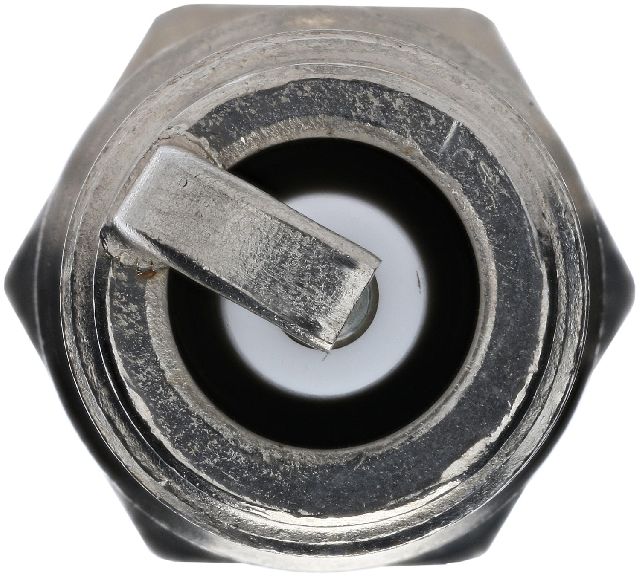
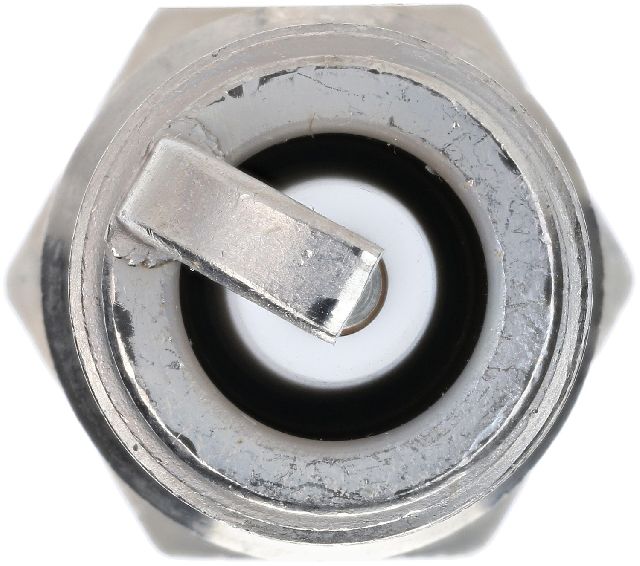
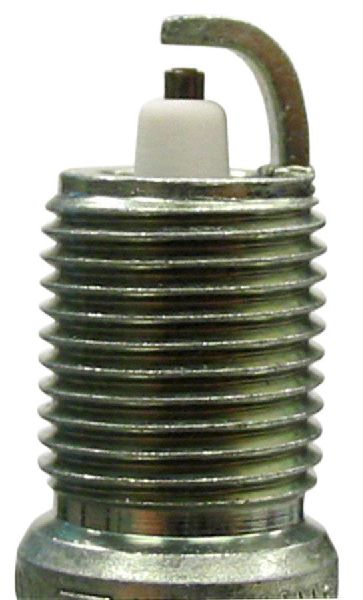
(OEM #ACDelco 41-162 (LS1 Iridium), ACDelco 41-101 (V6 Iridium))— Spark plugs are a primary wear item and a leading cause of misfires.
Trusted brands: ACDelco, NGK
OEM price range: $6-$15 per plug
Aftermarket price range: $4-$12 per plug - Spark Plug Wires
(OEM #ACDelco 9746T (3.8L V6))— Engine heat, especially on the LS1 V8, degrades the wires over time, causing weak spark and misfires.
Trusted brands: ACDelco, MSD, Taylor
OEM price range: $60-$100
Aftermarket price range: $50-$150 - Lower Intake Manifold Gasket (3.8L V6) — The original plastic-framed gaskets are a notorious failure point on the V6, causing vacuum leaks and misfires. The aftermarket has provided a superior metal-framed solution.
Trusted brands: Fel-Pro (MS 98014 T), Dorman
OEM price range: N/A (Use upgraded design)
Aftermarket price range: $50-$100
Related Codes That Often Appear With This One
- P0301-P0308 — If the PCM can eventually isolate the misfire to a specific cylinder, it will set a corresponding code (e.g., P0301 for Cylinder 1).
- P0171 / P0174 — These "System Too Lean" codes often appear with P0300 when the cause is a vacuum leak, such as from an intake manifold gasket, as unmetered air is entering the engine.
- P0420 / P0430 — These "Catalyst System Efficiency Below Threshold" codes can appear after a P0300 has been active for a long time, indicating the misfires have damaged the catalytic converter(s).
- P1336 — This GM-specific code indicates the Crankshaft Position Variation has not been learned. This procedure is required after replacing the CKP sensor or PCM and failure to perform it can cause misfires that log a P0300.
Technical Service Bulletins (TSBs) & Recalls
- PIP5628G - Diagnostic Aid for Misfire Codes P0300-P0308 and P050D. This TSB is a request for information from technicians to help GM diagnose complex misfire cases, rather than a specific repair procedure.
- 03-06-04-030E - This TSB addresses misfire codes caused by carbon buildup on engine valves for various GM engines, which could be a contributing factor in some cases.
Platform-Specific Known Issues
- The GM Technical Service Bulletin #PIP5628G from 2023 indicates that diagnosing misfire codes P0300-P0308 on these vehicles can be complex, and requests diagnostic information be sent to GM's Technical Assistance Center, highlighting the ongoing nature of this issue.
- On LS1-equipped cars, owners frequently report that even high-quality spark plug wires can be damaged if they make direct contact with aftermarket headers or even the stock exhaust manifolds. Using thermal sleeves or boots is a common preventative measure discussed in owner forums.
- On 3.8L V6 models, the failure of the lower intake manifold gasket is so common that many owners consider it a predictable maintenance item. Failure to use the upgraded metal-frame gasket (like Fel-Pro MS 98014 T) will likely lead to the problem recurring.
Mechanic-Grade Diagnostic Values
- Fuel Pressure (5.7L LS1 V8) — expected: 55-60 PSI, constant (key on, engine off, idle, and under load).. Failure: Pressure below 55 PSI or pressure that bleeds down quickly after the pump primes indicates a weak pump, clogged filter, or leaking regulator.
- Fuel Pressure (3.8L L36 V6) — expected: 53-59 PSI (key on, engine off).. Failure: Pressure below 50 PSI indicates a weak fuel pump or clogged filter.
- Short-Term Fuel Trim (STFT) at idle and under load — expected: Within +/- 10%.. Failure: Consistently high positive values (e.g., +15% or higher) indicate the PCM is adding fuel to compensate for a lean condition, strongly suggesting a vacuum leak or fuel delivery issue. Trims near zero with a misfire point towards an ignition or mechanical problem.
- Spark Plug Wire Resistance — expected: Under 5,000 ohms per foot of length.. Failure: Higher resistance or an open circuit (OL) on a multimeter indicates a bad wire.
Hidden / Shadow Codes Worth Checking
- Mode $06 Misfire Counts: This is not a DTC, but a function within a scan tool's Mode $06 data that shows raw misfire counts for each individual cylinder, even before the count is high enough to set a P0300 or specific P030x code. This is invaluable for identifying a cylinder that is starting to fail. (see via A professional scan tool or advanced OBD-II app with Mode $06 capabilities.)
- P1336: Crankshaft Position (CKP) System Variation Not Learned. This code sets when the PCM has not learned the minor manufacturing variations of the crankshaft reluctor wheel. It is required after CKP sensor or PCM replacement and can cause misfires if not performed. (see via Standard OBD-II scanner.)
Scan Tool Commands That Help
- GM Tech 2 / Tech2Win: Crankshaft Position Variation Learn — This procedure is mandatory after replacing the crankshaft position sensor or the PCM. The engine is revved to fuel cut-off (approx. 4000 RPM for V8) to allow the PCM to learn the crank signal profile. Failure to perform this can directly cause a P0300 code.
- GM Tech 2 / Tech2Win: Injector Balance Test — This test fires each injector for a set duration and measures the corresponding drop in fuel pressure. It is used to identify a clogged or weak injector that may be causing a lean misfire on one or more cylinders.
Wiring & Ground Locations
- G105 (LS1) — On the rear of the driver's side cylinder head.. This is a primary ground point for the ignition coil harnesses and other critical engine sensors. A loose or corroded connection here can cause erratic spark, incorrect sensor readings, and lead to random misfires.
- Engine Block to Chassis Ground — Typically a braided strap from the passenger side engine block to the chassis frame rail.. This is the main ground path for the entire engine electrical system. If this strap is broken, loose, or corroded, it can create widespread electrical issues, including weak ignition and P0300.
- Ignition Coil Harness — Runs along the valve covers on both sides of the LS1 engine.. The wiring and connectors can become brittle from engine heat. Inspect the harness for chafing or damage, especially near the back of the engine where access is tight.
Real Owner Repair Stories
- LS1Tech Forum user (2002 Pontiac Trans Am, 73k miles) — Rough running after warming up, flashing SES light, P0300 code. Started after driving in heavy rain.
❌ Tried (didn't work) Initial speculation was plugs/wires or O2 sensors.
✅ What actually fixed it The consensus from veteran users pointed to two highly likely causes: 1) A cracked ignition coil, which can arc in high humidity or rain. 2) Loose intake manifold bolts, which is described as a 'Number 1 cause for P0300 in a stock car' causing a vacuum leak. - LS1Tech Forum user (1998 Chevrolet Camaro Z28 (LS1)) — P0300 random misfire, especially when cold.
❌ Tried (didn't work) Replaced spark plugs and an O2 sensor.
✅ What actually fixed it The user noted a dry-rotted and broken rubber boot on the PCV system at the back of the driver's side valve cover. Other users confirmed that cracked and leaking PCV hoses are a very common cause of P0300 on these engines. - CorvetteForum user (C5 Corvette (LS1)) — P0300 after reinstalling intake manifold. Later found to have no compression in cylinder #1.
❌ Tried (didn't work) Initial thoughts were damaged injector o-rings.
✅ What actually fixed it The owner had broken an intake manifold bolt during reassembly. The broken bolt prevented the intake manifold gasket from sealing on that cylinder, causing a massive vacuum leak that resulted in zero compression reading and a severe misfire.
"I Checked Everything" — The Actual Cause
- A common scenario for a P0300 on an LS1 is a cracked ignition coil. A smoke test for vacuum leaks will come back clean, and the coil may even test fine with a multimeter when cold. However, under high humidity or rainy conditions, moisture can get into the crack and cause the spark to arc to the cylinder head instead of the plug, causing a misfire that disappears in dry weather.
- An intermittently failing Crankshaft Position Sensor (CKP) can cause a P0300 that is impossible to find with a smoke test. The sensor's signal may become erratic only when it gets hot, disrupting timing and causing misfires, but it may function perfectly during a cold diagnostic test in the shop. Often, it will not set a specific CKP fault code until it fails more completely.
When the Usual Fixes Don't Work
- In many documented cases, owners chased a P0300 by replacing the most common parts—spark plugs and wires—with no improvement. The problem persisted until a less obvious vacuum leak was found. Two frequent culprits on the LS1 are intake manifold bolts that have backed out slightly over time, or a small crack in a PCV system hose. These leaks introduce unmetered air that the PCM cannot compensate for, leading to a lean misfire across all cylinders that mimics a fuel or ignition system-wide problem.
OEM Part Supersession History
GM plastic-frame intake manifold gasket (3.8L V6)→Fel-Pro MS 98014 T (metal frame)— The original GM gaskets with a plastic carrier frame were highly prone to cracking and deteriorating from exposure to heat and Dex-Cool coolant, causing persistent vacuum and coolant leaks. The aftermarket Fel-Pro gasket with a steel carrier frame is far more durable and is the industry-standard replacement.GM 12556333 (1998-2000 LS1 Intake Manifold)→GM 12561184 (2001-2002 F-Body LS6-style Intake Manifold)— For the 2001 model year, GM began equipping all LS1 F-bodies with the superior-flowing intake manifold design from the high-performance LS6 engine. This part offers a performance increase over the earlier design.
Heads up: Swapping an LS6-style intake onto a 1998-2000 engine requires deleting the external EGR system and using different coolant crossover pipes.
Model Year Variations Within This Range
- 2001-2002 (LS1 V8 only): Compared to 2000 models, the 2001-2002 LS1 engines came from the factory with several key upgrades: an LS6 intake manifold for better airflow, deletion of the EGR system, a camshaft with a profile designed for more low-end torque, and slightly larger 28.5 lb/hr fuel injectors.
- 2000-2002: The location of the fuel pressure regulator is a major difference between engines. On the 5.7L LS1 V8, the regulator is integrated into the fuel pump module inside the fuel tank. The device on the fuel rail is only a pulse damper. On the 3.8L V6, the fuel pressure regulator is a serviceable component located on the fuel rail in the engine bay. This is a frequent point of misdiagnosis.
Helpful Videos
![1998 Firebird Ep. 3: 3800 V6 RWD (Camaro/Firebird) Intake Gasket Replacement [Full Tutorial]](https://img.youtube.com/vi/Wz62di7VL2E/mqdefault.jpg)
We Have This Part in Stock


The information in this article is provided for general reference and educational purposes only. Vehicle specifications, procedures, and part compatibility can vary by production date, trim level, and region. Always consult your vehicle's factory service manual and verify part numbers before purchasing or performing repairs. Safety-critical components such as airbags, seat belts, and braking systems should be installed by a qualified professional.
- Pontiac FIREBIRD:
- 🎬 Helpful Videos
- 🛍️ Shop This Part
- What's Unique About the 2000-2002 Pontiac FIREBIRD
- Diagnostic Flowchart
- Symptoms You May Notice
- Most Likely Causes
- Rare But Worth Checking
- Diagnosis Steps
- Parts You'll Likely Need
- Related Codes That Often Appear With This One
- Technical Service Bulletins (TSBs) & Recalls
- Platform-Specific Known Issues
- Mechanic-Grade Diagnostic Values
- Hidden / Shadow Codes Worth Checking
- Scan Tool Commands That Help
- Wiring & Ground Locations
- Real Owner Repair Stories
- "I Checked Everything" — The Actual Cause
- When the Usual Fixes Don't Work
- OEM Part Supersession History
- Model Year Variations Within This Range
- 🎟️ Get 5% Off