

P0300 on 2014-2017 Mazda MAZDA6: Random Misfire Causes and Fixes
P0300 on a 2014-2017 Mazda6 indicates a random engine misfire. The most common causes are failing ignition coils—a known issue addressed by Mazda TSB #01-014-16-3208A—and worn or fouled spark plugs. Another frequent culprit is carbon buildup on the intake valves, a characteristic of direct-injection engines like the Skyactiv-G that typically causes misfires on cold starts.
- P0300 on your Mazda6 means multiple cylinders are misfiring, and it should be addressed promptly to avoid damaging the catalytic converter.
- Start your diagnosis with the most likely culprits: spark plugs and ignition coils. A Mazda TSB specifically points to faulty ignition coils as a known problem.
- If the misfires happen mostly on cold starts, intake valve carbon buildup is a strong possibility due to the Skyactiv direct-injection engine design.
- Do not drive if the check engine light is flashing. Pull over safely and have the vehicle towed to prevent expensive repairs.
What's Unique About the 2014-2017 Mazda MAZDA6

The 2014-2017 Mazda6 uses the Skyactiv-G direct-injection engine. This technology is prone to carbon buildup on intake valves, which can cause misfires, especially on cold starts. Additionally, Mazda issued a Technical Service Bulletin (TSB #01-014-16-3208A), acknowledging that specific YUMEBISHI-produced ignition coils were prone to internal failure, causing random misfires, particularly after large temperature swings. Another TSB (#01-007-19-3541) points to water freezing in the muffler in cold climates, restricting exhaust flow and causing startup misfires.
Diagnostic Flowchart

Tap your situation to follow the diagnostic path that matches what you're seeing on this vehicle.
Symptoms You May Notice

- Rough or shaky idle
- Hesitation or stumbling during acceleration
- Lack of engine power
- Solid or flashing Check Engine Light
- Reduced fuel economy
- Shaking or vibrating from the engine bay
- Replacing oxygen (O2) sensors. A misfire will cause poor exhaust quality and may trigger O2 sensor codes, but the sensors are reporting the problem, not causing it.
- Replacing the Mass Airflow (MAF) sensor without cleaning it first. Often, a MAF sensor just needs to be cleaned with a dedicated MAF sensor cleaner.
Most Likely Causes

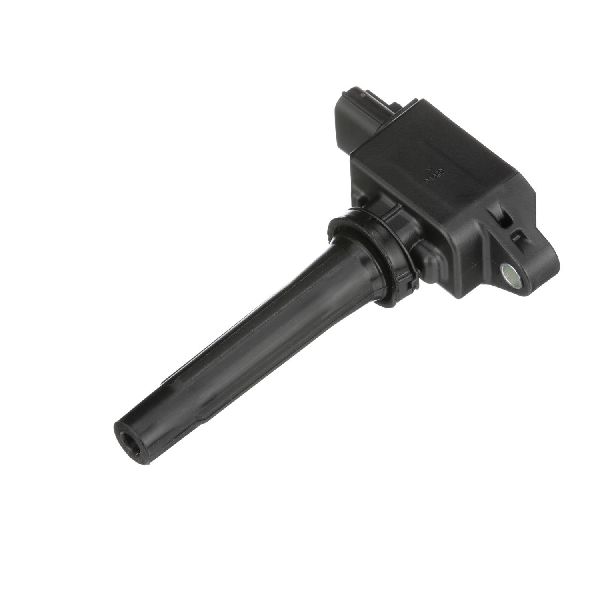
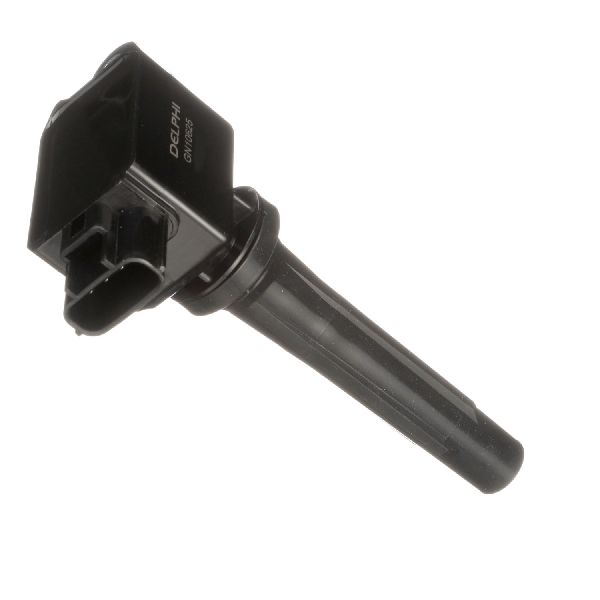
- Failing Ignition Coil(s) 🔴 High Probability Mazda TSB #01-014-16-3208A directly identifies internal failure of specific 'YUMEBISHI'-produced ignition coils as a cause for P0300. The bulletin states a change in production method was implemented. Coils with a lot number of '6328' (March 28, 2016) or higher are the improved part. Forum discussions confirm this is a very common fix.
How to confirm: If a specific cylinder code (P0301-P0304) is also present, swap the ignition coil from the misfiring cylinder with one from a good cylinder. Clear the codes and drive. If the code follows the coil to the new cylinder (e.g., P0301 becomes P0302), the coil is bad. For a P0300, you can use an OBD-II scanner with Mode $06 capabilities to view misfire counts per cylinder, which may reveal the primary offender even without a specific code.
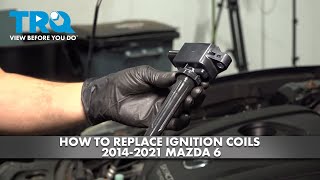
Typical fix: Replace the faulty ignition coil(s) with the updated OEM part (PE20-18-100A) or a quality aftermarket equivalent like NGK or Denso. The TSB advises replacing any YUMEBISHI-produced coils made before March 28, 2016. Many owners replace all four if they are original and the vehicle has high mileage.
Est. part cost: $40-$80 per coil (aftermarket), $100-$140 per coil (OEM) - Worn or Fouled Spark Plugs 🔴 High Probability Spark plugs are a standard wear item with a service interval of around 75,000 miles. Skyactiv engines are sensitive to spark plug condition and gap. Oil leaks into the spark plug tubes from a failing valve cover gasket can also foul the plugs and cause misfires.
How to confirm: Remove and inspect the spark plugs. Look for worn electrodes, fouling (black, oily, or white deposits), or an incorrect gap (should be ~1.1mm or 0.044"). Even a hairline crack in the porcelain, which can be hard to see, can cause a misfire. Oil in the spark plug well indicates a leaking valve cover gasket.
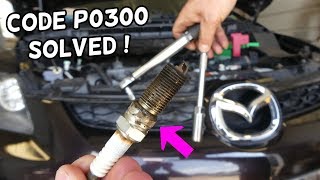
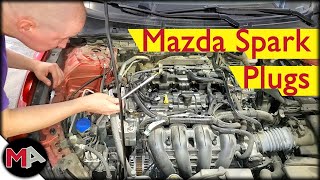
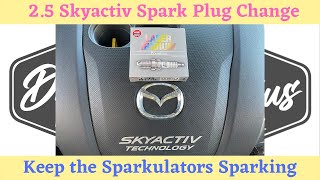
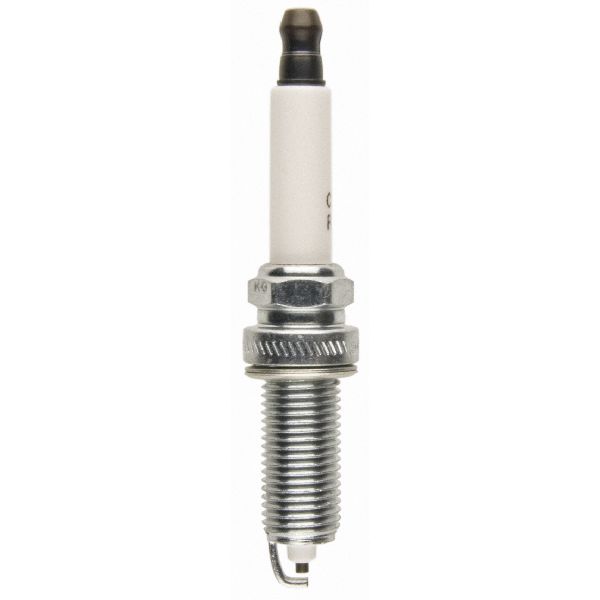
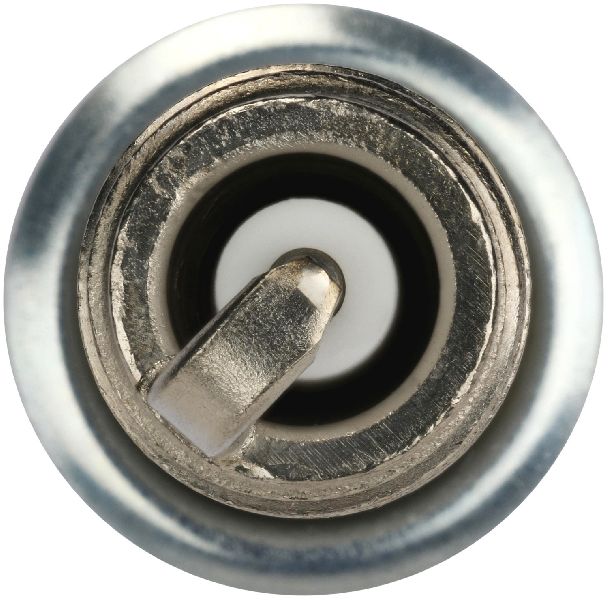
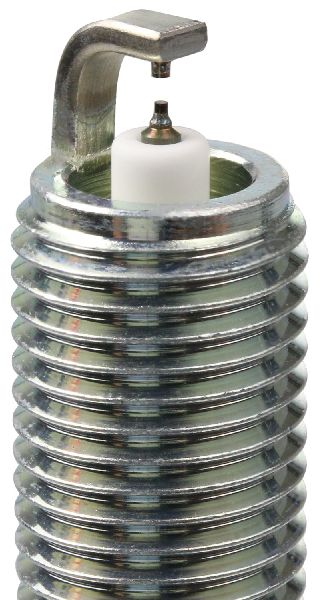
Typical fix: Replace all four spark plugs with the specified OEM-equivalent Iridium plugs, such as NGK ILKAR7L11. Ensure they are gapped and torqued correctly. If oil was present, also replace the valve cover gasket set.
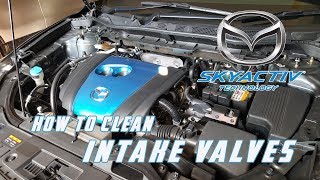
Est. part cost: $40-$80 for a set of four NGK Iridium plugs. - Intake Valve Carbon Buildup 🟡 Medium Probability As a direct-injection (GDI) engine, fuel is sprayed directly into the cylinder, not over the intake valves. This means gasoline detergents don't clean the valves, allowing oil vapor from the PCV system to bake on. This can restrict airflow and cause misfires, especially on cold starts. While Skyactiv engines are reportedly less prone than some other GDI engines, it is a known issue that can trigger a P0300.
How to confirm: This requires a visual inspection using a borescope inserted into the intake ports. This is the only definitive way to confirm buildup. A user on a Reddit forum confirmed their P0300 was caused by carbon buildup after inspecting with a snake camera.
Typical fix: Physical cleaning of the intake valves via walnut blasting is the most effective method. This service is typically performed by a professional shop. Chemical cleaners sprayed into the intake may offer minimal improvement and risk damaging the catalytic converter.
Est. part cost: $0 (if DIY cleaning) to $500-$900 for professional walnut blasting service - Vacuum Leak ⚪ Low Probability
How to confirm: A vacuum leak introduces unmetered air, creating a lean condition (often with code P0171) and causing misfires. A professional smoke test is the most reliable method to find leaks from components like a cracked intake hose or failed manifold gasket.
Typical fix: Replace the leaking gasket or hose. Common culprits include the intake manifold gasket, PCV hose, or other vacuum lines.
Est. part cost: $5-$100 depending on the leaking component
Rare But Worth Checking
- Frozen Water in Exhaust: TSB #01-007-19-3541 notes that in freezing temperatures (below 32°F/0°C), water from condensation can accumulate and freeze in the muffler (main silencer), restricting exhaust flow. This causes a rough idle and misfire codes on startup, especially with short-trip driving. The fix involves replacing the muffler with a modified part that has drain holes.
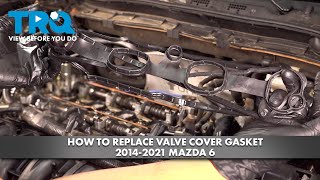
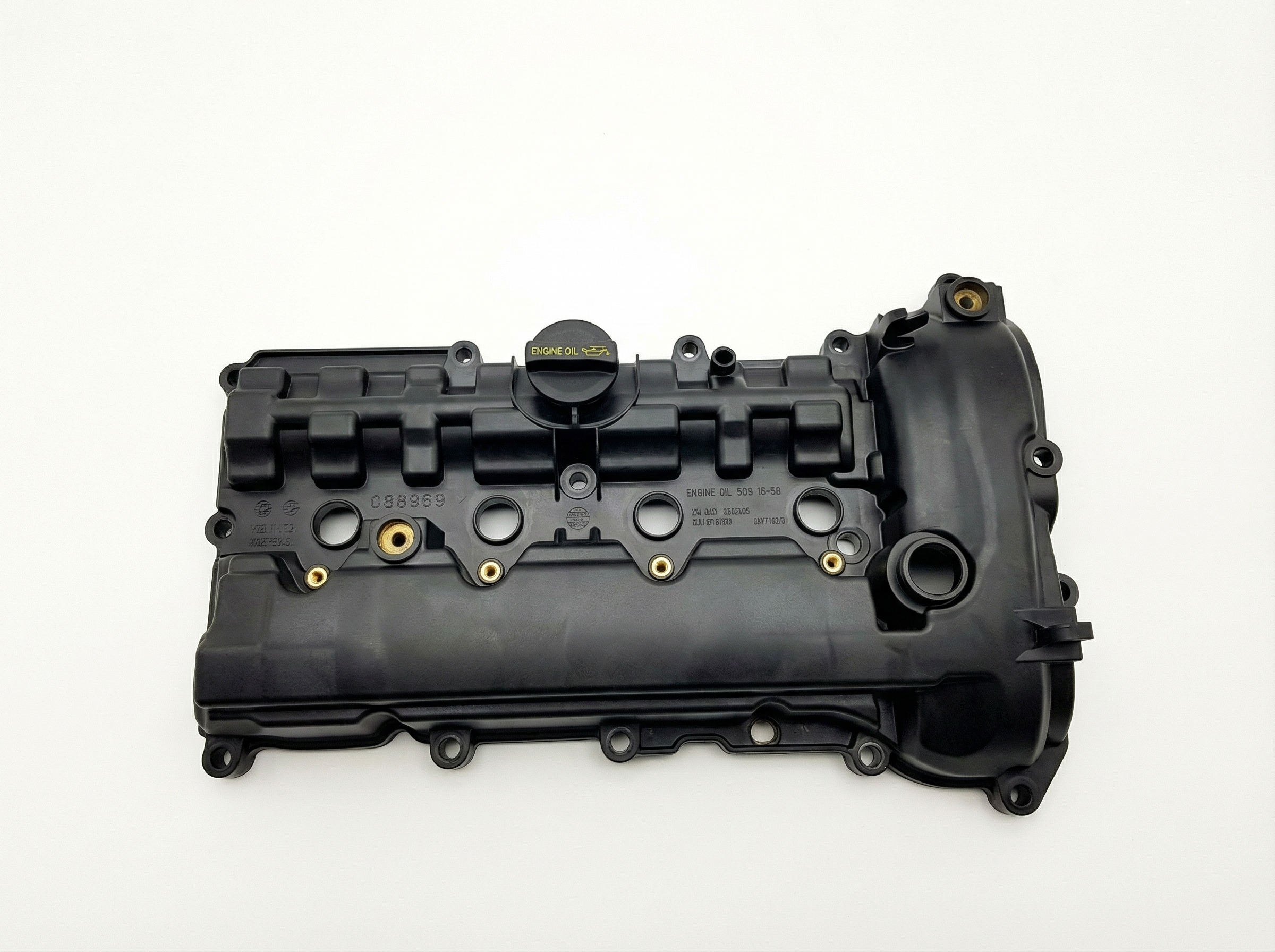
- Leaking Valve Cover Gasket: If the spark plug tube seals fail, oil can leak into the spark plug wells, fouling the spark plug and shorting out the ignition coil, causing misfires. If you find oil on your spark plugs or coils, the valve cover gasket set needs to be replaced. This is a common experience shared by owners.
- Fuel Dilution of Oil: A TSB for other Skyactiv models (01-005/15) mentions that in very cold weather with repeated short trips, improper PCM logic could cause excess fuel to enter the crankcase, raising the oil level and causing misfires. Check your oil level on the dipstick and smell for a strong gasoline odor.
Diagnosis Steps
- Read all stored codes with an OBD-II scanner. Note any cylinder-specific (P030x) or fuel trim (P0171) codes. Check Mode $06 for misfire counts per cylinder to help isolate a 'random' misfire.
- Check freeze frame data to see the engine conditions (RPM, load, temperature) when the misfire occurred. This can help isolate the cause (e.g., cold start vs. high load).
- Inspect the ignition system. Remove and examine all four spark plugs for wear, damage, and fouling. Check for oil in the spark plug wells, which indicates a valve cover gasket leak.
- Inspect ignition coils for cracks or damage. If a specific cylinder code is present (or identified via Mode $06), swap the coil with a known good cylinder to see if the misfire follows.
- Check the lot number on the ignition coils. If they are 'YUMEBISHI' brand and produced before March 28, 2016 (lot #6328), they are suspect per TSB 01-014-16-3208A.
- Inspect for vacuum leaks. Listen for hissing sounds around the intake manifold. A professional smoke test is the most effective way to find a leak.
- Clean the Mass Airflow (MAF) sensor with a dedicated cleaner.
- If misfires primarily occur on cold starts in freezing weather, consider the possibility of carbon buildup or a frozen exhaust as described in Mazda TSBs.
- Check fuel pressure to rule out a weak fuel pump or clogged filter.
Parts You'll Likely Need
- Ignition Coil
(OEM #PE20-18-100A)— Identified as a common failure point in manufacturer TSB #01-014-16-3208A for causing random misfires. The original part from supplier YUMEBISHI was faulty; this is the updated part number.
Trusted brands: Mazda OE, NGK, Denso
OEM price range: $100-$140
Aftermarket price range: $40-$80 - Spark Plugs
(OEM #NGK ILKAR7L11 (94124))— Basic maintenance item and a primary cause of misfires. Worn or fouled plugs cannot create a strong enough spark for complete combustion. This is the OEM-equivalent Iridium plug.
Trusted brands: NGK Laser Iridium
OEM price range: $60-$90
Aftermarket price range: $40-$80 - Valve Cover Gasket Set
(OEM #PY01-10-235)— Needed if oil is found leaking into the spark plug wells, which is a common cause of ignition misfires by fouling plugs and coils.
Trusted brands: Mazda OE, Fel-Pro, Mahle
OEM price range: $40-$60
Aftermarket price range: $20-$40
Related Codes That Often Appear With This One
- P0301, P0302, P0303, P0304 — A random misfire (P0300) can eventually become frequent enough on one cylinder for the PCM to identify it, setting a cylinder-specific code. This is a common progression reported by owners.
- P0171 — This code for "System Too Lean" often appears with P0300 if the root cause is a vacuum leak, which allows unmetered air into the engine.
Technical Service Bulletins (TSBs) & Recalls
- 01-014-16-3208A
- 01-007-19-3541
- 01-005/15
Platform-Specific Known Issues
- TSB #01-014-16-3208A: Notes that some vehicles may experience a lack of power, rough idle, and misfire codes (P0300-P0304) due to an internal failure of the YUMEBISHI-produced ignition coils. The fix is to replace them with updated coils (lot #6328 or newer).
- TSB #01-007-19-3541: Details how short trips in freezing weather can cause water to accumulate and freeze in the muffler, restricting exhaust flow and causing misfires on startup. The fix is a new muffler with drain holes.
Helpful Videos


Used OEM Parts in Stock

New Aftermarket Parts Available


The information in this article is provided for general reference and educational purposes only. Vehicle specifications, procedures, and part compatibility can vary by production date, trim level, and region. Always consult your vehicle's factory service manual and verify part numbers before purchasing or performing repairs. Safety-critical components such as airbags, seat belts, and braking systems should be installed by a qualified professional.
- Mazda MAZDA6:
- 🎬 Helpful Videos
- 🛍️ Shop This Part
- What's Unique About the 2014-2017 Mazda MAZDA6
- Diagnostic Flowchart
- Symptoms You May Notice
- Most Likely Causes
- Rare But Worth Checking
- Diagnosis Steps
- Parts You'll Likely Need
- Related Codes That Often Appear With This One
- Technical Service Bulletins (TSBs) & Recalls
- Platform-Specific Known Issues
- 🎟️ Get 5% Off