

P0300 on 2016-2019 Mazda CX-3: Random Misfire Causes and Fixes
P0300 on a 2016-2019 Mazda CX-3 indicates a random engine misfire. The most common causes are worn spark plugs or failing ignition coils. In cold climates, a unique and documented cause is a frozen muffler creating excess exhaust backpressure, which is addressed by Mazda Technical Service Bulletin (TSB) #01-007-19-3541. Higher mileage engines may also suffer from carbon buildup on the intake valves.
- P0300 means the engine is misfiring on random cylinders.
- For the 2016-2019 CX-3, always consider the possibility of a frozen muffler if the problem occurs during cold weather startups, as per Mazda TSB #01-007-19-3541.
- The most common DIY fixes are replacing the set of four iridium spark plugs and/or one or more failing ignition coils.
- Do not drive with a flashing check engine light, as this can quickly lead to costly catalytic converter damage.
- If basic ignition parts don't solve the issue, the cause could be a vacuum leak, fuel delivery problem, or carbon buildup on the intake valves.
What's Unique About the 2016-2019 Mazda CX-3

The 2016-2019 Mazda CX-3 uses the 2.0L Skyactiv-G direct-injection engine. While generally reliable, a unique issue documented by Mazda TSB #01-007-19-3541 can cause a P0300 code in cold weather. Water from condensation can accumulate and freeze in the muffler, creating an exhaust restriction that leads to excessive backpressure, a rough idle, and random misfires on startup. Additionally, like many direct-injection (GDI) engines, the intake valves are susceptible to carbon buildup over time because fuel is injected directly into the cylinder and does not wash over the valves to clean them. This buildup can restrict airflow and cause misfires, particularly at higher mileage.
Diagnostic Flowchart
Tap your situation to follow the diagnostic path that matches what you're seeing on this vehicle.
Symptoms You May Notice
- Rough or unstable idle, especially on a cold start.
- Hesitation or jerking during acceleration.
- Noticeable loss of engine power.
- Flashing or solid Check Engine Light.
- Reduced fuel economy.
- Popping or backfiring sounds from the exhaust.
- Replacing only one spark plug or ignition coil when multiple are weak or near the end of their service life.
- Replacing oxygen sensors, as their readings are often a symptom of the misfire (due to unburnt fuel) rather than the cause.
- Assuming carbon buildup is the cause on a low-mileage vehicle without performing basic ignition and fuel system checks first.
Most Likely Causes

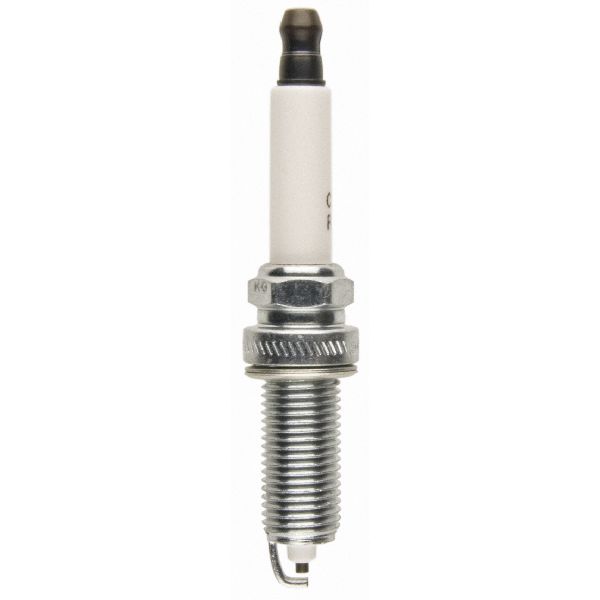
- Worn or Fouled Spark Plugs 🔴 High Probability Spark plugs are a standard maintenance item with a 75,000-mile replacement interval. Skyactiv engines are known to be very sensitive to spark plug condition, brand, and gap. The ignition system uses ion-sensing for combustion analysis, which requires OEM-spec plugs for proper feedback. Worn plugs with an excessive gap or fouling from oil can cause a weak spark, leading to incomplete combustion and misfires.
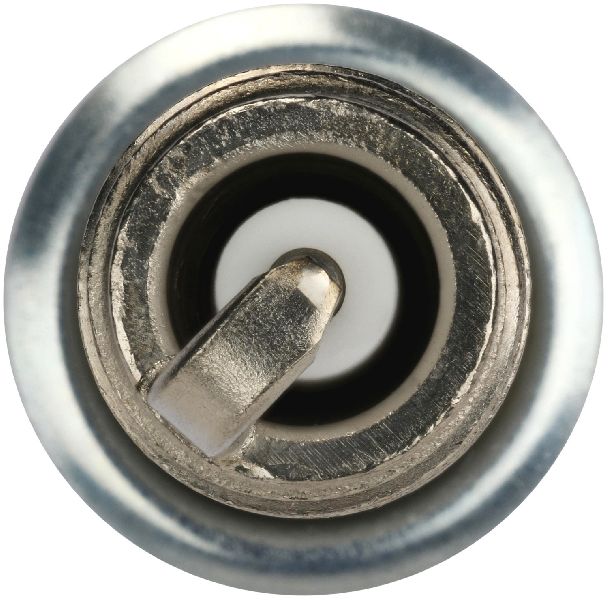
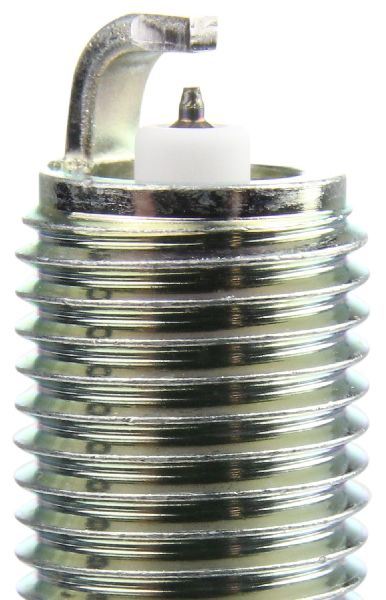
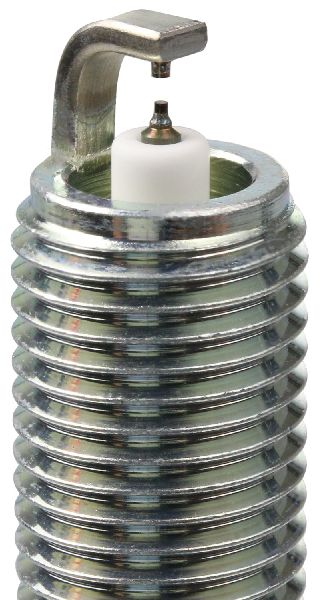
How to confirm: Remove and inspect all four spark plugs. Look for worn or melted electrodes, heavy black carbon deposits, oil fouling, or cracked porcelain. The recommended gap is 0.044 inches; owners have reported misfires when the gap widens from wear.
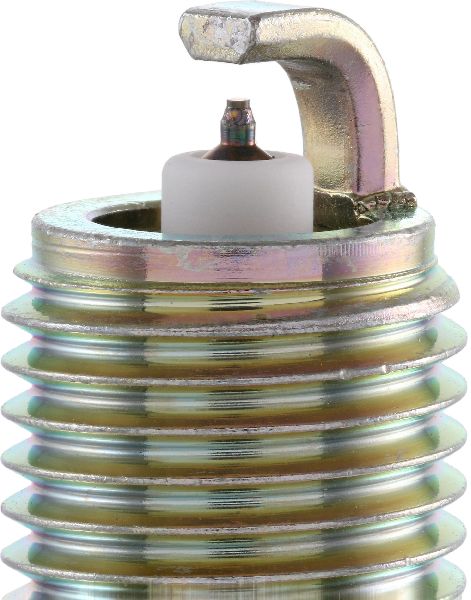
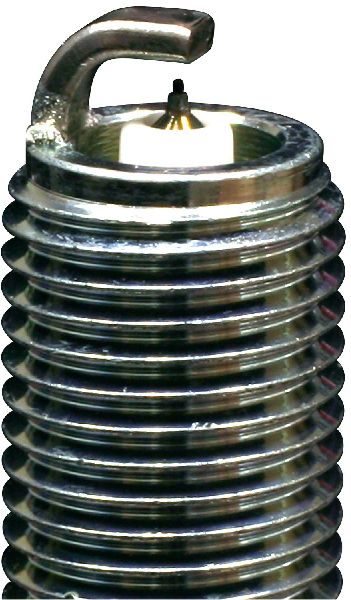
Typical fix: Replace all four spark plugs with new, OEM-specification iridium plugs (NGK or Denso are OEM suppliers). It is critical to use the correct plugs and ensure they are gapped properly before installation. 🎬 Watch: See a walkthrough on replacing CX-3 plugs and coils.
Est. part cost: $40-$80 - Frozen Water in Muffler (Main Silencer) 🟡 Medium Probability This is a known issue specific to this platform and its siblings (CX-5, Mazda3), documented in Mazda TSB #01-007-19-3541. In freezing temperatures, condensation from short trips builds up and freezes inside the muffler, restricting exhaust flow. This creates backpressure that leads to a rough idle and misfires on subsequent cold starts.
How to confirm: This issue occurs when starting the vehicle after it has been parked overnight in temperatures below 32°F (0°C). Check the freeze frame data on an OBD-II scanner for an Intake Air Temperature (IAT) reading below freezing when the code was set. A visual inspection may reveal ice blocking the tailpipe exit. The diagnosis is confirmed if the conditions in the TSB are met.
Typical fix: Mazda's official repair is to replace the main silencer (muffler) with a modified part that includes two drain holes to prevent water accumulation. The TSB also recommends an oil change if the oil level is found to be high. The labor time is estimated at 0.4-0.6 hours.
Est. part cost: $300-$600 for an OEM muffler - Failing Ignition Coils 🟡 Medium Probability Ignition coils are a common failure point on modern engines due to constant exposure to heat and vibration. While a single completely failed coil usually triggers a cylinder-specific code (e.g., P0301), one or more weak or intermittently failing coils can result in a random P0300 code. A TSB for other Mazda models with the same engine family notes that certain supplier coils were prone to internal failure.
How to confirm: If a cylinder-specific code (P0301-P0304) is also present, swap the ignition coil from the misfiring cylinder with one from a working cylinder. Clear the codes and drive the vehicle. If the code follows the coil (e.g., P0301 becomes P0302), the coil is bad. For a random P0300, visual inspection for cracks or burn marks is a first step, but testing may require a scanner with live data to monitor misfire counts per cylinder (Mode $06).
Typical fix: Replace the faulty ignition coil(s). It is often recommended to replace all four coils and spark plugs at the same time, especially on higher-mileage vehicles, as the failure of one can indicate the others are near the end of their service life.
Est. part cost: $50-$125 per coil - Vacuum Leak ⚪ Low Probability A leak in the air intake system after the mass airflow sensor allows unmetered air into the engine, which can lean out the air/fuel mixture and cause random misfires. This can be caused by a cracked hose (like the PCV hose), a bad intake manifold gasket, or a warped air filter housing gasket.
How to confirm: A professional smoke test is the most effective way to find a vacuum leak. A DIY method involves carefully spraying carburetor cleaner or a propane torch (unlit) around potential leak points with the engine idling; a change in engine RPM indicates the location of the leak. Visually inspect all vacuum hoses and intake gaskets for cracks or damage.
Typical fix: Repair the source of the leak, which typically involves replacing a cracked hose or a faulty gasket.
Est. part cost: $10-$100
Rare But Worth Checking
- Carbon Buildup on Intake Valves: As a direct-injection (GDI) engine, the Skyactiv-G is prone to carbon deposits on the intake valves over time. Fuel does not wash over the valves to keep them clean. This buildup can restrict airflow, especially on cold starts, and cause misfires. This usually occurs at higher mileage (over 80,000 miles) but can happen sooner with frequent short trips. The fix is professional cleaning, often via walnut blasting. 🎬 See how to clean intake valves on a Skyactiv engine.
- Clogged or Faulty Fuel Injectors: If one or more fuel injectors become clogged or fail, it can disrupt the fuel spray pattern and lead to misfires. This can sometimes trigger a P0300 if multiple injectors are affected or if one is failing intermittently. A detailed diagnostic on a similar engine found a single clogged injector to be the root cause after all ignition components were replaced.
- Low Fuel Pressure: A weak high-pressure fuel pump (HPFP) or in-tank low-pressure fuel pump can cause low fuel pressure, starving the engine of fuel under load and leading to random misfires across all cylinders.
Diagnosis Steps

- Read all stored fault codes with an OBD-II scanner. Note if any cylinder-specific codes (P0301-P0304) are present with P0300. Use a scanner capable of reading Mode $06 data to view live misfire counts per cylinder. 🎬 Watch: How to diagnose a Mazda P0300 using Forscan software.
- Check the freeze frame data. If the misfire occurred at an intake air temperature below 32°F (0°C), strongly suspect the frozen muffler issue described in TSB #01-007-19-3541.
- Perform a full visual inspection of the engine bay. Look for obvious issues like disconnected vacuum hoses, cracked intake boots, or damaged wiring.
- Inspect all four spark plugs for wear, damage, and correct gap (0.044"). Replace as a set if they are worn, fouled, or past their 75,000-mile service life.
- Inspect the ignition coils for any visible damage like cracks or burn marks. If a specific cylinder is misfiring (per Mode $06 data), swap the coil with a known good cylinder to see if the misfire count follows the coil.
- Check for vacuum leaks. A smoke test is most effective. Alternatively, listen for hissing sounds and carefully spray carb cleaner around the intake manifold gasket and vacuum lines to see if the engine idle changes.
- If no issues are found, consider more complex causes: cleaning the mass airflow (MAF) sensor, checking fuel pressure (both low and high pressure systems), or inspecting for carbon buildup on intake valves (may require a borescope or intake manifold removal).
Parts You'll Likely Need
- Iridium Spark Plugs
(OEM #PE5R-18-110A (replaces PE5R-18-110))— Worn spark plugs are a primary cause of misfires and are a routine maintenance item. Using the correct OEM-spec plug is critical for the Skyactiv engine.
Trusted brands: NGK, Denso
OEM price range: $25-$35 per plug
Aftermarket price range: $10-$20 per plug - Ignition Coil
(OEM #PE20-18-100A)— Ignition coils are a common failure point that can cause intermittent or random misfires before failing completely. A weak coil can cause misfires under load that the PCM registers as a P0300.
Trusted brands: Mazda (OEM), NGK, Denso
OEM price range: $90-$125 per coil
Aftermarket price range: $25-$75 per coil
Related Codes That Often Appear With This One
- P0301, P0302, P0303, P0304 — These cylinder-specific misfire codes often accompany P0300, especially if the random misfire has moments where it is more pronounced on certain cylinders. The TSB for the frozen muffler issue explicitly lists these codes alongside P0300.
- P0171 — This code for 'System Too Lean' can appear if the root cause of the misfire is a vacuum leak, a dirty MAF sensor, or a fuel delivery issue that affects the overall air-fuel ratio.
Technical Service Bulletins (TSBs) & Recalls
- TSB #01-007-19-3541: Specifically for the 2016-2019 CX-3 and 2013-2019 CX-5. Details the rough idle and P0300-P0304 codes caused by frozen water in the muffler in sub-freezing temperatures.
- TSB #01-002/17: A broader TSB covering the 2016-2017 CX-3, as well as Mazda3, Mazda6, and CX-5 models, for the same frozen muffler issue. It notes the modified muffler has two drain holes.
- TSB #SSB009934 / 01-013/16: Affects earlier Skyactiv models and points to carbon buildup on intake valves as a cause for misfires during warm-up, recommending decarbonization.
Platform-Specific Known Issues

- A Technical Service Bulletin (#01-007-19-3541) was issued for 2016-2019 CX-3 models that experience a rough idle and misfire codes (P0300-P0304) on cold starts. The cause is frozen water in the muffler, and the fix is to replace it with a modified part containing drain holes.
Mechanic-Grade Diagnostic Values
- Low-Pressure (In-Tank) Fuel Pump Pressure — expected: 62-68 PSI. Failure: Pressure below the minimum of 62 PSI can cause fuel starvation under load, leading to random misfires.
- High-Pressure Fuel Pump (HPFP) Pressure — expected: 2,000 to 2,800 PSI. Failure: Pressure significantly below this range, especially under acceleration, indicates a failing HPFP and can cause misfires.
- Ignition Coil Primary Winding Resistance — expected: ~0.49–0.57 ohms. Failure: A reading significantly outside this range suggests a faulty coil. Note: This is a general value for a similar Skyactiv engine and should be used as a guideline.
- Spark Plug Resistance — expected: 3.0 ~ 7.5 KΩ. Failure: Using a spark plug outside of this resistance range can interfere with the ion-sensing capabilities of the ignition system, potentially leading to misfire detection issues.
Hidden / Shadow Codes Worth Checking
- Mode $06, Test ID $A2-$AF: This refers to the onboard test monitor for misfire counts per cylinder. Even with a P0300, this data can reveal which specific cylinder(s) are accumulating the most misfire events before they are high enough to set a cylinder-specific code (P0301-P0304). (see via Requires a professional scan tool or advanced DIY software (like FORScan) that can access and display Mode $06 test results.)
Scan Tool Commands That Help
- Mazda M-MDS (or equivalent advanced scanner): Misfire Count Monitoring — Essential for diagnosing a P0300. It allows a technician to see live data on which cylinder is misfiring, even if the misfires are randomly distributed. This helps pinpoint whether the issue is truly random or biased towards one or two cylinders, guiding the next diagnostic steps.
Wiring & Ground Locations
- Engine Room Grounding Points — There are multiple key ground points in the engine bay. One is typically located on the chassis near the battery, and another is on the engine block itself, often near the starter or transmission housing.. A corroded or loose engine ground can cause intermittent electrical issues for the entire ignition and fuel system, leading to weak spark or erratic sensor readings that can trigger a random P0300 code. Verifying clean, tight grounds is a crucial early step.
Real Owner Repair Stories
- Reddit user PIG20 (2014 Mazda (similar Skyactiv-G engine), 75,000 miles) — P0300 code appeared twice in a few months, only during vehicle startup. No limp mode.
❌ Tried (didn't work) Replaced spark plugs
✅ What actually fixed it The user was advised by Mazda techs that the cause was carbon buildup. The user confirmed with a borescope camera that the intake valves were 'caked with carbon' and found a shop to perform a walnut blast. This was the confirmed root cause of the startup misfire. - Reddit user avgfinds (2018 Mazda3 2.5L (similar Skyactiv-G engine), 108,000 miles) — P0300 and P0301 every couple of weeks on cold starts.
❌ Tried (didn't work) Changed spark plugs at 80k miles., Swapped ignition coils between cylinders 1 and 2; the P0301 code remained on cylinder 1.
✅ What actually fixed it Knowing the issue was not the coil or plug, the owner performed a manual chemical cleaning of the intake valves. They found cylinder 1 was the 'gunkiest' and confirmed this resolved the misfire codes. This points to carbon buildup as the root cause.
OEM Part Supersession History
PE01-18-100, PE01-18-100A→PE20-18-100A— Part has been updated over time. Earlier versions may have been part of TSBs related to coil failure on other Mazda models.
Heads up: PE20-18-100A is the current recommended replacement for a wide range of Mazda vehicles, including the 2016-2019 CX-3.
Model Year Variations Within This Range
- 2018-2019: The CX-3 received a minor facelift in 2018, which included small chassis tweaks and the replacement of the manual handbrake with an electronic one. The 2.0L Skyactiv-G engine received a slight update, but power output and fundamental design remained nearly identical, meaning the causes and diagnostics for P0300 are consistent across the 2016-2019 range.
Helpful Videos


Used OEM Parts in Stock

New Aftermarket Parts Available

The information in this article is provided for general reference and educational purposes only. Vehicle specifications, procedures, and part compatibility can vary by production date, trim level, and region. Always consult your vehicle's factory service manual and verify part numbers before purchasing or performing repairs. Safety-critical components such as airbags, seat belts, and braking systems should be installed by a qualified professional.
- Mazda CX-3:
- 🎬 Helpful Videos
- 🛍️ Shop This Part
- What's Unique About the 2016-2019 Mazda CX-3
- Diagnostic Flowchart
- Symptoms You May Notice
- Most Likely Causes
- Rare But Worth Checking
- Diagnosis Steps
- Parts You'll Likely Need
- Related Codes That Often Appear With This One
- Technical Service Bulletins (TSBs) & Recalls
- Platform-Specific Known Issues
- Mechanic-Grade Diagnostic Values
- Hidden / Shadow Codes Worth Checking
- Scan Tool Commands That Help
- Wiring & Ground Locations
- Real Owner Repair Stories
- OEM Part Supersession History
- Model Year Variations Within This Range
- 🎟️ Get 5% Off