

P0300 on 2015-2019 Lincoln MKZ: Random Misfire Causes & Fixes
P0300 on a 2015-2019 Lincoln MKZ signifies a random misfire. For models with the 2.0L EcoBoost engine, this code is a major warning sign for catastrophic coolant intrusion into the cylinders, a known issue requiring engine replacement. For V6 models, the cause is more likely traditional tune-up items like spark plugs or ignition coils.
- For any 2015-2019 Lincoln MKZ with a 2.0L EcoBoost engine, a P0300 code must be treated as a potential symptom of catastrophic coolant intrusion. Check your coolant level immediately.
- The most common causes for V6 models are worn spark plugs and ignition coils, often made worse by leaking valve cover gaskets.
- Do not ignore a flashing Check Engine Light. It signals a severe misfire that can quickly damage the expensive catalytic converters.
- Due to the severity of the coolant issue, professional diagnosis is strongly recommended before purchasing any parts.
- Always check for applicable TSBs, as Ford/Lincoln has issued several that directly address the causes of P0300 on these specific vehicles.
What's Unique About the 2015-2019 Lincoln MKZ

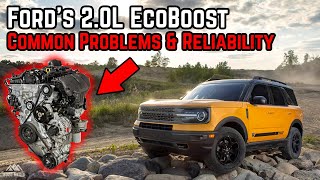
For the 2015-2019 Lincoln MKZ, the P0300 code carries significantly different weight depending on the engine. On models equipped with the 2.0L EcoBoost I4, this code is strongly associated with a severe, well-documented engine design flaw. The engine block has a coolant channel, or slit, between the cylinders that can crack, allowing coolant to leak directly into the combustion chamber. Multiple Technical Service Bulletins (TSBs) confirm this defect, which causes misfires and ultimately requires a complete engine replacement. For the V6 engines (3.7L and 3.0L), while still serious, a P0300 code is more likely to point towards more conventional issues like ignition coil failure, worn spark plugs, or oil consumption problems also noted in TSBs.
Diagnostic Flowchart
Tap your situation to follow the diagnostic path that matches what you're seeing on this vehicle.
Generation note: This range covers the second-generation MKZ (2013-2020) but includes significant engine options with different common problems. The 2.0L EcoBoost I4 was available throughout the 2015-2019 period and is the subject of serious TSBs regarding coolant leaks into the cylinders. The 3.7L V6 was available in 2015-2016, while the 3.0L twin-turbo V6 was introduced for 2017-2019 models. TSBs for V6 models point more towards oil consumption and cylinder head issues.
Symptoms You May Notice
- Check Engine Light is on or flashing
- Rough or vibrating idle, especially when cold
- Engine hesitation or stumbling during acceleration
- Noticeable loss of power
- White smoke from the exhaust with a sweet coolant smell
- Excessive oil consumption (more common on V6 models)
- Low coolant level in the reservoir without visible external leaks
- Replacing only spark plugs and ignition coils on a 2.0L EcoBoost without checking for coolant intrusion. Multiple owners report this fix only lasts a short time before the misfire returns because the root cause was the engine block leak.
- Replacing oxygen sensors. While a faulty O2 sensor can affect the air-fuel mixture, it's less likely to be the primary cause of a P0300 compared to ignition system faults or the known engine issues on this platform.
Most Likely Causes

- Coolant Intrusion into Cylinders (2.0L EcoBoost Engine) 🔴 High Probability A known engine block design flaw allows coolant to enter the cylinders through a crack in the passages between them. This is documented in multiple manufacturer TSBs, with the latest being TSB 22-2229.
How to confirm: A technician will perform a cooling system pressure test, holding pressure for several hours to check for a drop. If a leak is suspected, a borescope is used to visually inspect the inside of the cylinders for coolant, which is the definitive test.
Typical fix: Replacement of the long block engine assembly with a redesigned part is the only official manufacturer-recommended permanent repair.
Est. part cost: $4000-$7000 - Worn Spark Plugs or Defective Ignition Coils (All Engines) 🔴 High Probability Ignition components are wear items. On V6 models, oil leaks from the valve cover gaskets can pool in the spark plug wells, damaging the ignition coil boots and causing misfires. On the 2.0L, a coil may fail due to normal wear, but it's critical to check for coolant fouling on the plug at the same time.
How to confirm: Visually inspect spark plugs for wear, fouling, or signs of coolant (white, chalky deposits). Test ignition coils by swapping a suspected bad coil with a known good one and seeing if the misfire code (e.g., P0301, P0302) follows the coil's new position.
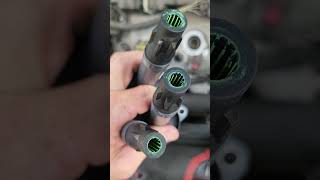
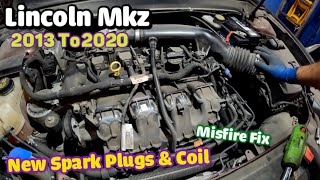
Typical fix: Replace all spark plugs and any faulty ignition coils. For V6 engines, it is highly recommended to replace all six coils and plugs at once due to the labor required to access the rear bank. OEM parts are recommended. 🎬 Watch: Step-by-step guide to replacing MKZ spark plugs and coils.
Est. part cost: $150-$600 - Cylinder Head Issues or Excessive Oil Consumption (V6 Engines) 🟡 Medium Probability TSBs have been issued for V6 models experiencing misfires with excessive oil consumption (1 quart in 3000 miles or less), pointing towards potential cylinder head or valve stem seal problems. [TSB SSM 54504, TSB SSM 46364]
How to confirm: Perform an oil consumption test documented by a dealer, followed by engine compression and leak-down tests to assess cylinder health.
Typical fix: Depending on the diagnosis, this could range from valve stem seal replacement to cylinder head repair or replacement.
Est. part cost: $500-$2500+ - Faulty Fuel Injectors ⚪ Low Probability
How to confirm: Requires testing fuel injector flow and spray patterns, or swapping injectors between cylinders to see if the misfire moves.
Typical fix: Replace the faulty fuel injector(s).
Est. part cost: $50-$200 per injector - PCM Software Update Needed ⚪ Low Probability A specific TSB was issued for rough idle conditions on some models that could be resolved with a software update. [TSB 16-0113]
How to confirm: A dealer or qualified shop can check the current PCM software calibration against the latest available version.
Typical fix: Reprogram the Powertrain Control Module (PCM) to the latest calibration.
Est. part cost: $0-$200
Rare But Worth Checking
- Weak Fuel Pump: A failing high-pressure fuel pump (HPFP) on EcoBoost models or a low-pressure in-tank pump can cause lean conditions and random misfires under load.
- Vacuum Leak: A significant leak in the intake manifold, vacuum hoses, or PCV system can introduce unmetered air, leading to a lean air-fuel mixture and random misfires.
- Clogged Catalytic Converter: A restricted exhaust can cause excessive backpressure, leading to misfires across multiple cylinders. This is often a result of a long-term misfire condition, not the initial cause.
- Faulty Powertrain Control Module (PCM): In a documented case on an MKZ, a shorted ignition coil sent voltage back to the PCM, destroying the driver circuit for that coil. This required replacement of the PCM, wiring, and the coil to fix the misfire.
Diagnosis Steps

- Read all fault codes with an OBD-II scanner. Note any accompanying codes like P0301-P0306 or P0316.
- If driving a 2.0L EcoBoost, immediately check the coolant level in the overflow reservoir. If it is low without any visible external leaks, suspect coolant intrusion.
- Perform a full visual inspection. Check for cracked vacuum hoses, damaged wiring, and (on V6 models) oil leaks from the valve covers onto the ignition coils.
- Inspect and test the ignition system. Remove spark plugs to check for wear, oil fouling, or signs of coolant (clean, steam-cleaned appearance or white/greenish crystalline deposits). Test ignition coils by swapping them between cylinders to see if a specific misfire code (e.g. P0302) moves with the coil.
- For 2.0L EcoBoost: Perform a cooling system pressure test. Pressurize the system to 20 psi when the engine is warm and let it sit for at least 5 hours. A pressure drop of more than 4 psi indicates a leak. If it fails, use a borescope to inspect the cylinders for liquid coolant. This is the definitive test for coolant intrusion.
- For V6 Engines: If plugs and coils are good, perform an engine compression test and a cylinder leak-down test to check for mechanical issues like poor ring seal or leaking valves, which could be related to oil consumption issues.
- If all else fails, investigate the fuel system by checking fuel pressure and testing fuel injectors. Consider the rare possibility of a faulty PCM driver circuit if a new coil on a specific cylinder fails repeatedly.
Parts You'll Likely Need

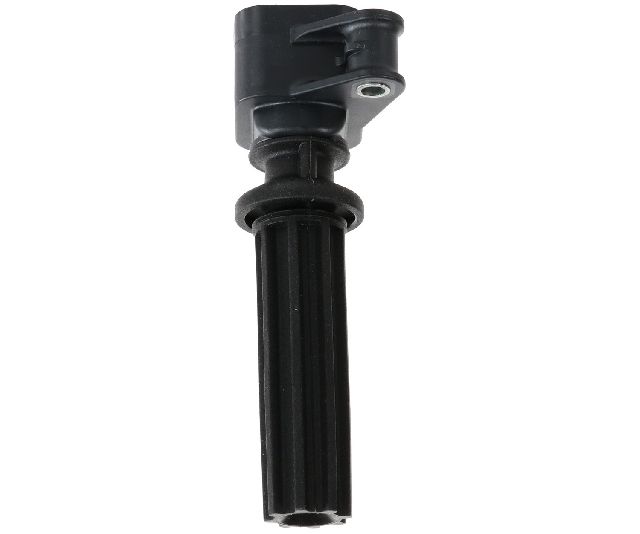
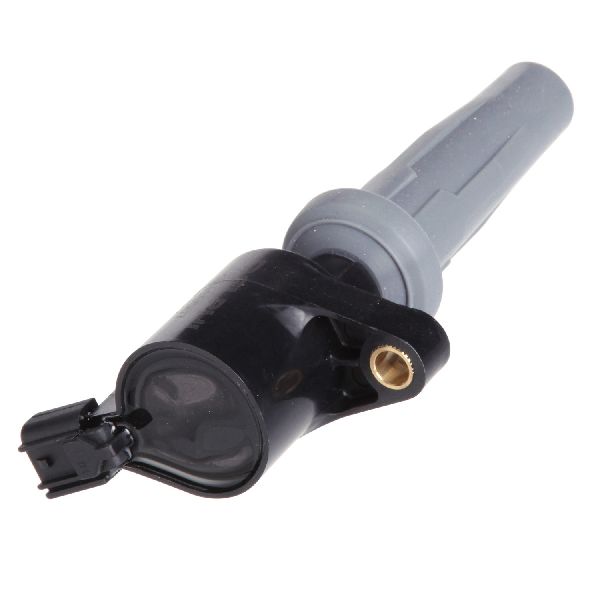
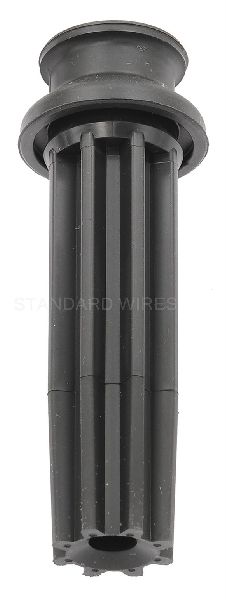
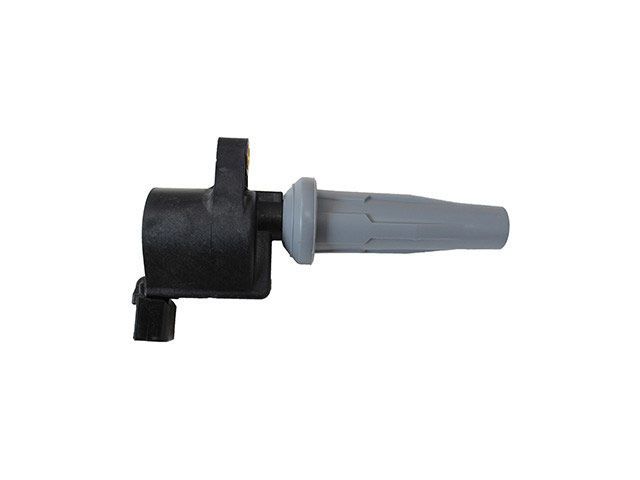
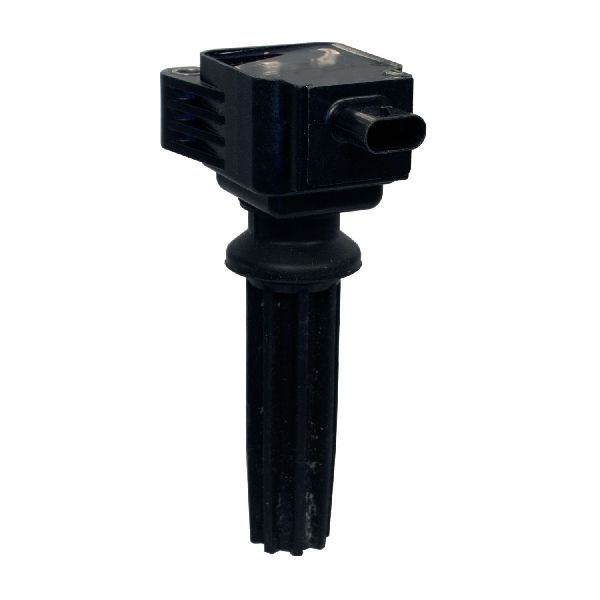
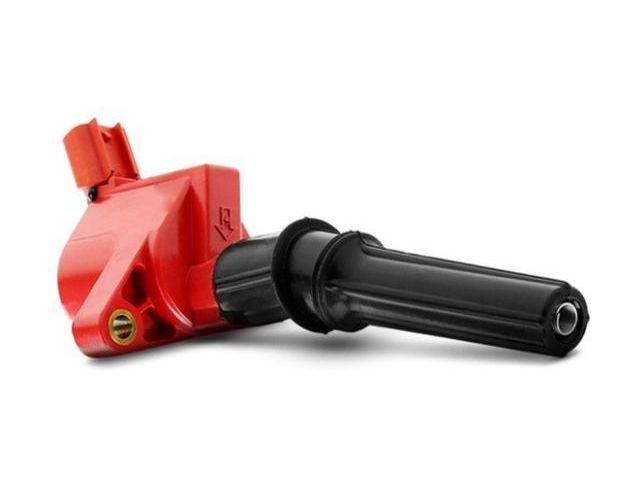
- Ignition Coil — A primary cause of misfires
Related Codes That Often Appear With This One
- P0301-P0306 — These codes specify which cylinder is misfiring (e.g., P0301 for cylinder 1). They frequently accompany P0300 when the misfire is severe enough to be identified in specific cylinders.
- P0316 — Indicates a misfire was detected within the first 1,000 engine revolutions on startup. It is frequently cited alongside P0300 in TSBs for both the 2.0L coolant intrusion and V6 oil consumption issues.
- P0217, P1285, P1299 — These codes relate to engine overheat conditions and are specifically mentioned in TSB 22-2229 for coolant intrusion on the 2.0L EcoBoost engine, as the loss of coolant can lead to overheating.
Technical Service Bulletins (TSBs) & Recalls

- TSB 22-2229: Supersedes previous versions. Outlines the coolant intrusion issue in the 2.0L EcoBoost, lists affected vehicles, and confirms the repair is a long block engine replacement.
- TSB 19-2346 / 19-2208 / 19-2172: Earlier versions of the coolant intrusion TSB, showing the history of this known issue.
- SSM 47204: An earlier communication also identifying the 2.0L EcoBoost coolant intrusion issue due to block corrosion.
- SSM 54504 / SSM 46364: Bulletins for V6 models related to misfires (P0300/P0316) accompanied by excessive oil consumption, pointing to cylinder head issues.
- TSB 16-0113: Addresses a rough idle condition on some models that can be fixed with a PCM software update.
Platform-Specific Known Issues
- 2.0L EcoBoost Coolant Intrusion: A significant number of 2017-2019 MKZ models with the 2.0L engine are prone to coolant leaking into the cylinders due to a flaw in the engine block design. This is a catastrophic failure requiring engine replacement. TSBs #TSB 22-2229, #SSM 47204, and #19-2346 all document this issue.
- V6 Oil Consumption: Some V6 models can exhibit excessive oil consumption which can foul spark plugs and lead to misfires. TSBs #SSM 54504 and #SSM 46364 point to cylinder head issues as a potential cause.
- PCM Reprogram for Rough Idle: TSB #16-0113 was issued to address a rough idle condition with or without misfire codes, which could be fixed by reprogramming the PCM with the latest software.
Mechanic-Grade Diagnostic Values
- Ignition Coil Secondary Resistance — expected: 8-12 kΩ. Failure: Readings outside this range may indicate a faulty coil.
- Ignition Coil Primary Resistance — expected: 0.4 - 2.0 ohms. Failure: Readings outside this range suggest a failing coil.
- Fuel Pressure (at idle) — expected: Above 35 PSI. Failure: Pressure below 35 PSI at the fuel rail can indicate a weak fuel pump or clogged filter, leading to lean misfires.
- Spark Plug Gap (2.0L EcoBoost) — expected: 0.027-0.031 in. (0.7-0.8 mm). Failure: An incorrect gap can lead to weak spark and misfires.
Hidden / Shadow Codes Worth Checking
- Mode $06, Test ID $56: This test monitor tracks the total number of misfires detected by the PCM, which can accumulate even before a P0300 code is officially set. A rising count in this test can be an early warning of a developing misfire problem. (see via A scan tool capable of reading Mode $06 data, such as ScanMaster-Elm or similar advanced diagnostic tools.)
Scan Tool Commands That Help
- Ford IDS (Integrated Diagnostic System) or equivalent high-end scan tool (e.g., Snap-on): Power Balance Test — This is a crucial functional test for diagnosing misfires on Ford vehicles. It allows a technician to disable individual fuel injectors one at a time while observing the effect on engine speed (RPM). A cylinder that shows little or no RPM drop when its injector is disabled is the misfiring cylinder. This test is more advanced than the older 'Cylinder Contribution Test' and provides a graphical display of each cylinder's performance, making it easier to pinpoint intermittent or subtle misfires.
Wiring & Ground Locations
- G107 — General ground point referenced in wiring diagrams for the MKZ platform. Its exact location can vary but is typically on the chassis in the engine bay or near the A-pillar.. A poor ground at G107 or other primary engine grounds can cause erratic behavior in the PCM, sensors, and ignition system, leading to random misfires and codes like P0300.
- PCM Connector Pins — At the Powertrain Control Module (PCM) itself.. Technicians may need to test for voltage, resistance, or signal at specific pins for ignition coils, fuel injectors, and sensors (like CKP/CMP) to diagnose a P0300. For example, checking the ignition signal at the correct pin can confirm if the PCM is commanding the coil to fire.
Real Owner Repair Stories
- Reddit user in r/AskAMechanic (2017 Lincoln MKZ) — Initial P0301 code, overheating, and low coolant. After a mechanic fixed a coolant leak and replaced spark plugs/coil packs, the issue persisted.
❌ Tried (didn't work) Topping off coolant, Replacing spark plugs, Replacing individual ignition coil packs
✅ What actually fixed it The initial problem was diagnosed by a Ford dealer using a borescope as coolant leaking into the engine, requiring a complete engine/long block replacement under warranty. However, even after the engine replacement, a P0300 code returned, which the dealer suspected was an air pocket in the cooling system. - Lincoln MKZ Forum user (2017 MKZ 3.0L AWD) — Recurring, non-flashing P0300 check engine light.
❌ Tried (didn't work) Replaced coil packs and spark plugs (first dealer visit), PCM reprogramming (second dealer visit)
✅ What actually fixed it The forum thread was unresolved, with the owner's vehicle at the dealer for the third time for the same issue. This highlights the diagnostic difficulty of P0300 on V6 models when initial tune-up parts do not solve the problem.
OEM Part Supersession History
N/A (Engines built before mid-2019)→J2GZ6006E (example of a revised long block part number)— The original 2.0L EcoBoost engine block design had a flaw in the coolant passages between cylinders, which could lead to cracks and coolant intrusion. The revised engine block (long block assembly) has a new design that remedies this issue.
Heads up: When replacing an engine due to coolant intrusion, it is critical to use the redesigned long block. Installing an older-style block will result in a repeat failure. TSB 22-2229 specifies replacing the long block assembly.
Model Year Variations Within This Range
- 2017-2019 (2.0L EcoBoost): The 2.0L EcoBoost engine used in 2017-2019 MKZ models (built before April 8, 2019, per TSB 19-2208) is prone to the coolant intrusion issue. Engines manufactured from mid-2019 onward feature a revised block design that corrects this flaw. Therefore, a 2019 MKZ built late in the model year may have the updated engine, while earlier 2019 models will not.
- 2015-2016 vs 2017-2019 (V6): The 2015-2016 MKZ offered the 3.7L Cyclone V6. For 2017, this was replaced by the new 3.0L twin-turbo EcoBoost V6. While both can experience P0300 from general ignition faults, the 3.0L engine has specific TSBs (SSM 54504, SSM 46364) related to oil consumption that can also trigger misfire codes.
Helpful Videos
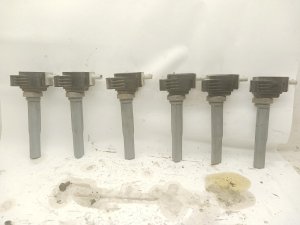
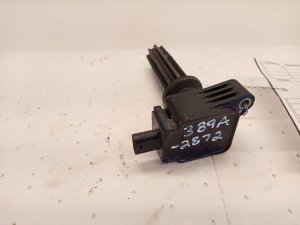
Used OEM Parts in Stock


New Aftermarket Parts Available

The information in this article is provided for general reference and educational purposes only. Vehicle specifications, procedures, and part compatibility can vary by production date, trim level, and region. Always consult your vehicle's factory service manual and verify part numbers before purchasing or performing repairs. Safety-critical components such as airbags, seat belts, and braking systems should be installed by a qualified professional.
- Lincoln MKZ:
- 🎬 Helpful Videos
- 🛍️ Shop This Part
- What's Unique About the 2015-2019 Lincoln MKZ
- Diagnostic Flowchart
- Symptoms You May Notice
- Most Likely Causes
- Rare But Worth Checking
- Diagnosis Steps
- Parts You'll Likely Need
- Related Codes That Often Appear With This One
- Technical Service Bulletins (TSBs) & Recalls
- Platform-Specific Known Issues
- Mechanic-Grade Diagnostic Values
- Hidden / Shadow Codes Worth Checking
- Scan Tool Commands That Help
- Wiring & Ground Locations
- Real Owner Repair Stories
- OEM Part Supersession History
- Model Year Variations Within This Range
- 🎟️ Get 5% Off