

P0300 on 2011-2015 Lexus RX HYBRID: Random Misfire Causes and Fixes
P0300 on a 2011-2015 Lexus RX 450h indicates random engine misfires. Common causes include worn spark plugs, failing ignition coils, or a dirty mass airflow (MAF) sensor. A known issue on these models is a rough start when cold, which a specific TSB addresses by replacing the fuel injectors. Cleaning the EGR system and replacing the PCV valve are also relevant preventative maintenance items to consider.
- P0300 means random misfires are detected in multiple cylinders.
- For the 2011-2015 RX 450h, pay special attention to symptoms on a cold start, as this could point to a known issue with fuel injectors per TSB L-SB-0045-12 Rev.
- Start diagnosis with the cheapest and easiest fixes: check the air filter, clean the MAF sensor, and inspect spark plugs.
- A flashing check engine light is serious. It signals a severe misfire that can quickly destroy your catalytic converters, a very expensive repair.
What's Unique About the 2011-2015 Lexus RX HYBRID
The 2011-2015 RX 450h, with its 3.5L 2GR-FXE V6 hybrid engine, is known for its reliability. However, it is specifically mentioned in a Lexus Technical Service Bulletin (TSB L-SB-0045-12 Rev1) for exhibiting a P0300 code along with rough running, particularly on a cold start. While many vehicles share common causes for P0300, this TSB points towards a specific issue with fuel injectors under cold soak conditions for this platform, which may not be immediately obvious through standard diagnostic procedures. Additionally, the complexity of the hybrid system means that issues with the 12V auxiliary battery can sometimes cause seemingly unrelated electronic issues, although it's less commonly a direct cause for P0300.
Diagnostic Flowchart
Tap your situation to follow the diagnostic path that matches what you're seeing on this vehicle.
Symptoms You May Notice
- Rough running on initial start-up, especially after a cold soak.
- Rough or unstable idle, sometimes described as a vibration or bounce when stationary.
- Hesitation or stumbling during acceleration.
- Noticeable loss of engine power.
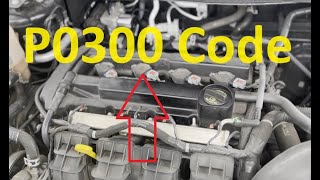
- Flashing or solid Check Engine Light. 🎬 Watch: Understanding the causes and fixes for a P0300 code.
- Reduced fuel economy.
- Engine knocking sound on cold startup, which may or may not be related to the misfire.
- Engine may stall when coming to a stop, particularly when cold.
- Replacing only one spark plug or coil when multiple are weak.
- Replacing oxygen sensors, which are more likely to cause fuel trim codes (like P0171/P0174) but can be a secondary cause of misfires if they lead to a severely incorrect air/fuel ratio.
- Assuming a cold-start rattle or knock is 'normal' for the engine, when it could be an early symptom of issues that eventually lead to a misfire code.
Most Likely Causes
- Worn or Fouled Spark Plugs 🔴 High Probability Spark plugs are a standard maintenance item and a primary cause of misfires on any gasoline engine as they wear out over time. The 2GR-FXE uses long-life iridium plugs, but they can still fail or become fouled, especially with oil consumption or poor fuel quality.
How to confirm: Visually inspect the spark plugs for wear, carbon buildup, or oil fouling. The service interval for iridium plugs on this engine is typically around 120,000 miles, but they can fail sooner. Check for cracks in the porcelain.
Typical fix: Replace all six spark plugs. It is recommended to use OEM-spec Denso (FK20HR11) or NGK (DILFR6D11) iridium plugs for optimal performance and longevity. Ensure they are gapped correctly if not pre-gapped. 🎬 See this ultimate guide for replacing V6 engine spark plugs.
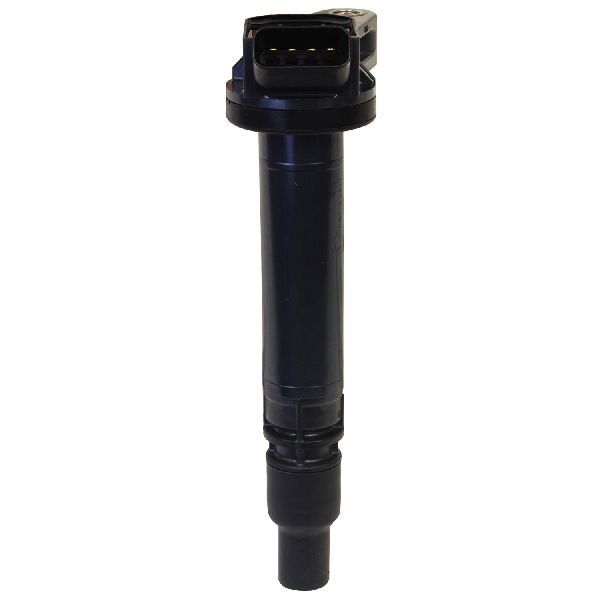
Est. part cost: $60-$150 - Failing Ignition Coil(s) 🟡 Medium Probability While a single failed coil usually triggers a cylinder-specific code (e.g., P0301), multiple weak or intermittently failing coils can create a random misfire condition that sets a P0300. Heat and age are the primary factors for coil failure.
How to confirm: Use a scan tool with live data to monitor misfire counts for each cylinder. Swap a suspected bad coil with a known good one from another cylinder and see if the misfire follows the coil. This can be difficult for the rear bank of cylinders due to tight access.
Typical fix: Replace the faulty ignition coil(s). It is often wise to replace the spark plug in that cylinder at the same time. Using OEM Denso coils is highly recommended.
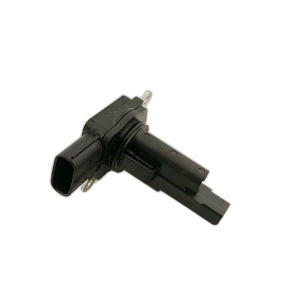
Est. part cost: $70-$120 per coil - Dirty Mass Airflow (MAF) Sensor 🟡 Medium Probability The MAF sensor can become contaminated with dirt, oil from the PCV system, or residue from over-oiled aftermarket air filters. This causes it to send inaccurate airflow readings to the ECM, disrupting the air-fuel ratio and causing random misfires, especially at idle or on cold starts.
How to confirm: The sensor can be carefully removed and inspected. Often, cleaning it is a simple and effective first step. 🎬 Watch: How to identify and clean a dirty MAF sensor. A user on ClubLexus reported fixing a cold-start P0300 solely by cleaning the MAF sensor.
Typical fix: Clean the MAF sensor wires with a dedicated MAF sensor cleaner spray. Do not touch the delicate wires or use aggressive cleaners like brake cleaner. If cleaning doesn't resolve the issue, the sensor may need to be replaced.
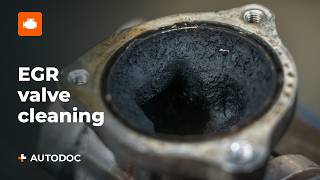
Est. part cost: $10-$15 for cleaner, $100-$200 for a new sensor - Clogged EGR System 🟡 Medium Probability The 2GR-FXE engine, like many modern engines with Exhaust Gas Recirculation (EGR), can suffer from carbon buildup in the EGR valve, cooler, and intake passages over time. This can cause the valve to stick or restrict flow, leading to incorrect air-fuel mixtures and misfires.
How to confirm: A diagnostic scan tool can perform an active test on the EGR valve to check its operation. Visual inspection after removing the valve and associated pipes is the most definitive method, often revealing significant carbon deposits.
Typical fix: Remove and clean the EGR valve, EGR cooler, and intake manifold passages. This can be a labor-intensive job but is often effective. Some owners report significant improvements in performance and economy after cleaning.
Est. part cost: $20 for cleaners, or $200-$400 for a new EGR valve if cleaning fails. - Vacuum Leak ⚪ Low Probability Intake manifold gaskets, PCV hoses, or other vacuum lines can degrade and crack over time, allowing unmetered air to enter the engine. A failing PCV valve itself can act as a vacuum leak. This leans out the air-fuel mixture and can cause random misfires.
How to confirm: Perform a smoke test to introduce smoke into the intake system and watch for leaks. A visual inspection of all vacuum hoses for cracks or disconnections is also a good starting point. A hissing noise from the engine bay at idle can also indicate a leak.
Typical fix: Replace the leaking gasket or hose. The PCV valve is an inexpensive and easy part to replace as preventative maintenance.
Est. part cost: $10-$100
Rare But Worth Checking
- Faulty Fuel Injectors: While less common as a general cause, this is the specific fix identified in Lexus TSB L-SB-0045-12 Rev1 for the symptom of cold start misfires with P0300. The bulletin suggests replacing all six fuel injectors to resolve the issue.
- Low Fuel Pressure: A weak fuel pump or clogged fuel filter can starve the engine for fuel, leading to lean misfires across all cylinders. This should be investigated if ignition and air induction systems check out. Water in the fuel from a recent fill-up can also cause these symptoms.
- Faulty PCV Valve: A stuck-open Positive Crankcase Ventilation (PCV) valve can create a vacuum leak, while a stuck-closed one can lead to increased crankcase pressure, pushing oil past seals and potentially fouling spark plugs. It's an inexpensive maintenance item that is often overlooked. Part number 12204-31120 is a common replacement.
Diagnosis Steps
- Scan the ECM for any other stored trouble codes. Troubleshoot other codes first, as they may be the root cause of the misfire.
- Using a scan tool with live data, monitor the misfire count for each cylinder to see if any are more problematic than others. Also, observe short-term and long-term fuel trims; high positive values can indicate a vacuum leak.
- Inspect the air filter and clean the Mass Airflow (MAF) sensor with a dedicated cleaner.
- Remove and inspect all spark plugs for wear, damage, or deposits. Replace if they are worn or past their service life (typically 120k miles).
- Test the ignition coils. A common method is to swap a coil from a misfiring cylinder (identified via scan tool) with a coil from a cylinder that is firing correctly. If the misfire code changes to the new cylinder, the coil is bad.
- Check for vacuum leaks by inspecting all hoses connected to the intake manifold. A professional smoke test is the most effective way to find small leaks.
- Inspect and test the PCV valve. It's an inexpensive part and often worth replacing as preventative maintenance.
- Test fuel pressure to ensure the fuel pump and filter are functioning correctly.
- If misfires persist, especially on cold starts, refer to TSB L-SB-0045-12 Rev1, which points to faulty fuel injectors as a potential cause.
- Inspect the EGR system for carbon buildup. Use a scan tool to command the EGR valve open and closed, observing changes in engine idle and MAP sensor readings to confirm operation.
Parts You'll Likely Need
- Spark Plugs
(OEM #90919-01247)— Worn spark plugs are the most frequent cause of engine misfires. They are a standard maintenance item.
Trusted brands: Denso (FK20HR11), NGK (DILFR6D11)
OEM price range: $15-$25 per plug
Aftermarket price range: $10-$18 per plug - Ignition Coil
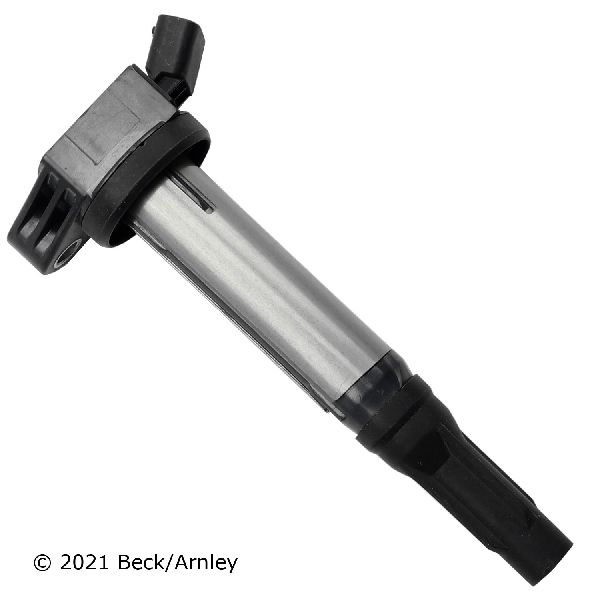
(OEM #90919-A2007)— Ignition coils provide the high voltage needed to create a spark. When one or more become weak, they can cause random misfires.
Trusted brands: Denso (OEM), NGK, Delphi
OEM price range: $90-$120
Aftermarket price range: $50-$90 - Mass Airflow Sensor Cleaner — Cleaning a dirty MAF sensor is a low-cost, high-impact diagnostic step that can resolve misfires caused by incorrect air-fuel mixtures.
Trusted brands: CRC, Liqui Moly
Aftermarket price range: $10-$15 - Fuel Injector
(OEM #23250-31100)— Specifically cited by a manufacturer TSB as the remedy for cold-start misfires on this vehicle.
Trusted brands: Denso (OEM), Aisan
OEM price range: $150-$250 per injector
Aftermarket price range: $80-$150 per injector - PCV Valve
(OEM #12204-31120)— A faulty PCV valve can cause vacuum leaks or excessive crankcase pressure, leading to misfires. It is an inexpensive and often-overlooked maintenance part.
Trusted brands: Toyota/Lexus Genuine
OEM price range: $7-$12
Aftermarket price range: $5-$10
Related Codes That Often Appear With This One
- P0301-P0306 — These codes specify which cylinder is misfiring (P0301 for cylinder 1, etc.). They often accompany P0300, helping to pinpoint the problem area. If P0300 appears alone, it means the misfires are happening randomly across cylinders without a consistent pattern, or are occurring at high RPM where the ECM may not set a cylinder-specific code.
Technical Service Bulletins (TSBs) & Recalls
- L-SB-0045-12 Rev1: Addresses MIL ON with DTC P0300 and rough running on initial start-up after a cold soak. The fix is fuel injector replacement. The bulletin was revised to expand the model years to 2010-2017.
Platform-Specific Known Issues
- Lexus issued Technical Service Bulletin L-SB-0045-12 Rev1 for 2010–2017 RX 450h models that may exhibit a MIL ON with DTC P0300 (and/or P0301-P0306) and experience rough running on initial start-up after a cold soak. The recommended repair procedure in the bulletin is to replace the fuel injectors.
Mechanic-Grade Diagnostic Values
- Fuel Pressure (Low Side) — expected: 304 to 343 kPa (44 to 50 psi). Failure: Pressure below this range indicates a weak fuel pump or clogged filter.
- Fuel Injector Resistance — expected: 11.6 to 12.4 Ω at 20°C (68°F). Failure: Resistance outside this range indicates a faulty injector coil.
- Long Term Fuel Trim (LTFT) at Idle — expected: -10% to +10%. Failure: Sustained positive values above +10% suggest the ECM is adding fuel to compensate for unmetered air, often from a vacuum leak.
- 12V Auxiliary Battery Voltage (Engine Off) — expected: 12.0V or higher. Failure: Voltage below 12.0V before a cold start can indicate a weak battery, which may cause various electronic issues during startup.
- Charging System Voltage (Engine Running) — expected: 13.5V to 14.1V. Failure: Voltage outside this range can indicate an issue with the charging system, which could lead to insufficient power for ignition components.
Hidden / Shadow Codes Worth Checking
- Mode 6 Misfire Data (TID $A2-$AD, CID $01-$0C): Even if only a P0300 is present, the ECU stores raw misfire counts for each cylinder from the last 10 driving cycles. This data can reveal which specific cylinder(s) are contributing the most to the random misfire count, helping to focus diagnosis. (see via A professional scan tool (including Toyota Techstream) that can access OBD-II Mode 6 data. The specific Test ID (TID) and Component ID (CID) may vary slightly but will be labeled for misfire monitoring.)
Scan Tool Commands That Help
- Toyota Techstream: Active Test: Control the Injection All Cylinders/Cylinder #X — This function allows a technician to individually disable fuel injectors one by one while the engine is idling. A cylinder that is misfiring will show little to no change in engine RPM when its injector is disabled, confirming it's the problem cylinder.
- Toyota Techstream: Active Test: Control the EGR Valve Step — This allows for manually opening and closing the EGR valve to verify its mechanical operation. A smooth change in idle quality and MAP sensor readings indicates the valve is not stuck.
- Toyota Techstream: Data List: Misfire Count (Cyl 1-6) — While Mode 6 shows historical data, the live data list in Techstream can show misfire counts in real-time during a test drive, helping to identify the conditions (load, RPM, temperature) under which the misfire occurs.
Wiring & Ground Locations
- Engine Bay Grounds — Key ground points for the engine control system are located on the engine block and chassis, specifically noted in wiring diagrams as being at the 'left rear of engine compt' and 'left side of engine compt'.. A corroded or loose engine ground can cause erratic voltage to the ECM, ignition coils, and injectors, leading to random, hard-to-diagnose misfires that don't point to a single component failure.
Real Owner Repair Stories
- ClubLexus Forum User (Lexus GS with 2GR-FSE (similar engine family)) — P0300 code, misfire only occurred on a cold start and would go away once the car reached operating temperature.
❌ Tried (didn't work) Initially suspected spark plugs or ignition coils.
✅ What actually fixed it The owner removed the Mass Airflow (MAF) sensor and cleaned the delicate sensor wires with dedicated MAF sensor cleaner spray. After reinstallation, the cold start misfire and P0300 code were resolved. - ClubLexus Forum User (2010 Lexus RX450h) — P0300 code appeared, accompanied by a noticeable engine knock/rattle for about 30 seconds on cold startup and a significant drop in average MPG over time.
❌ Tried (didn't work) Initially accepted the cold start knock as 'normal' based on forum discussions.
✅ What actually fixed it After the P0300 code appeared, the owner had a shop replace all six spark plugs and all six OEM Lexus ignition coils. This was done to resolve the misfire code, with the owner concluding the persistent knock was an early symptom of the failing components.
"I Checked Everything" — The Actual Cause
- In the context of this vehicle, the official Lexus TSB L-SB-0045-12 Rev1 represents this pattern. A technician may perform standard diagnostics like a smoke test for vacuum leaks, check fuel pressure, and test spark, finding no issues. The TSB points to the actual cause being faulty fuel injectors that only malfunction during a cold soak, a condition not easily identified by standard workshop tests.
OEM Part Supersession History
23209-31090→23209-39325— This is a common supersession for the fuel injectors on this platform. The updated part is likely the solution prescribed in TSB L-SB-0045-12 to address the cold-soak misfire issue.90919-02255→90919-A2002— Common supersession for the ignition coils. Updated parts often feature improved internal windings or epoxy to better resist heat and vibration over time.
Model Year Variations Within This Range
- 2013-2015: The Lexus RX series received a facelift for the 2013 model year, which included cosmetic changes like the 'spindle' grille, a new steering wheel, and a revised center console. However, the core powertrain, the 3.5L 2GR-FXE hybrid system and its 295 total system horsepower, remained unchanged. Therefore, the diagnostic procedures and common causes for a P0300 code are identical across the 2011-2015 model year range.
Helpful Videos
Used OEM Parts in Stock


New Aftermarket Parts Available


The information in this article is provided for general reference and educational purposes only. Vehicle specifications, procedures, and part compatibility can vary by production date, trim level, and region. Always consult your vehicle's factory service manual and verify part numbers before purchasing or performing repairs. Safety-critical components such as airbags, seat belts, and braking systems should be installed by a qualified professional.
- Lexus RX HYBRID:
- 🎬 Helpful Videos
- 🛍️ Shop This Part
- What's Unique About the 2011-2015 Lexus RX HYBRID
- Diagnostic Flowchart
- Symptoms You May Notice
- Most Likely Causes
- Rare But Worth Checking
- Diagnosis Steps
- Parts You'll Likely Need
- Related Codes That Often Appear With This One
- Technical Service Bulletins (TSBs) & Recalls
- Platform-Specific Known Issues
- Mechanic-Grade Diagnostic Values
- Hidden / Shadow Codes Worth Checking
- Scan Tool Commands That Help
- Wiring & Ground Locations
- Real Owner Repair Stories
- "I Checked Everything" — The Actual Cause
- OEM Part Supersession History
- Model Year Variations Within This Range
- 🎟️ Get 5% Off