

P0300 on 2014-2021 Jeep Cherokee: Random Misfire Causes and Fixes
P0300 on a Jeep Cherokee most often points to worn spark plugs or faulty ignition coils. A full set of spark plugs costs between $40-$100, while ignition coils are $30-$70 each. Both are common DIY fixes. However, on the 3.2L V6, this code can also indicate a more serious rocker arm failure, and on the 2.4L, it can be related to excessive oil consumption.
- P0300 means multiple cylinders are misfiring, not just one.
- Do not drive with a flashing check engine light, as you can destroy your catalytic converters.
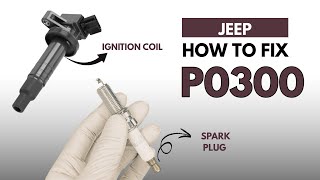
- The most likely culprits are simple maintenance items: spark plugs and ignition coils.
- On the 2.4L engine, check for oil in the spark plug wells, which points to a bad valve cover gasket.
- Check with a dealer to see if your vehicle needs a PCM software update, as several TSBs mention this as a fix.
What's Unique About the 2014-2021 Jeep CHEROKEE

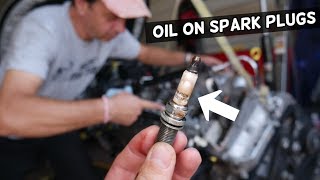
For the 2014-2021 Jeep Cherokee (KL), P0300 can be triggered by common issues like worn plugs or coils, but it is also specifically mentioned in several Technical Service Bulletins (TSBs). These bulletins address software updates to prevent false codes, fuel pressure problems, and even oil getting into spark plug tubes due to failing valve cover gaskets on the 2.4L engine. 🎬 Watch: How to check for oil on your spark plugs More significantly, the 3.2L V6 Pentastar engine is known for rocker arm failures that can cause persistent misfires, often starting on cylinders 2, 4, or 6. The 2.4L I4 Tigershark engine has known issues with excessive oil consumption which can foul spark plugs and trigger a P0300.
Diagnostic Flowchart

Tap your situation to follow the diagnostic path that matches what you're seeing on this vehicle.
Symptoms You May Notice

- Flashing or solid Check Engine Light
- Rough or shaky idle
- Engine hesitation or stumbling during acceleration
- Noticeable loss of engine power
- Reduced fuel economy
- Sputtering or popping noises from the engine or exhaust
- Vehicle shuddering, especially under load or at certain RPMs
- Replacing only one spark plug when the entire set is worn or oil-fouled.
- Replacing oxygen sensors, which are more likely to be a symptom of the misfire (due to unburned fuel) rather than the cause.
- Ignoring a valve cover gasket leak after replacing oil-fouled plugs or coils, leading to a repeat failure.
Most Likely Causes

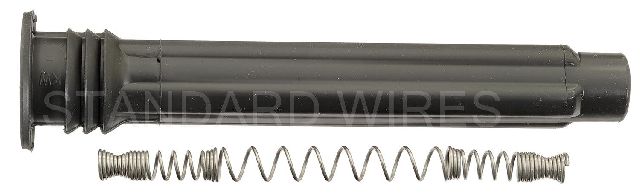
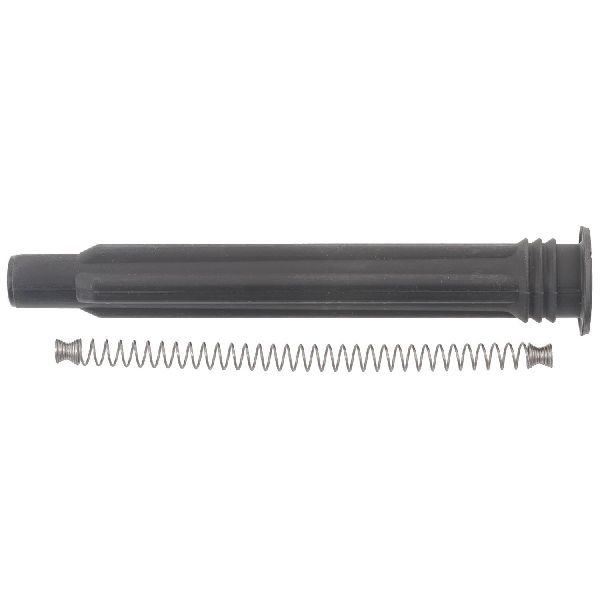
- Worn or Incorrect Spark Plugs 🔴 High Probability Spark plugs are a regular maintenance item. Using incorrect (non-OEM spec) plugs can cause immediate misfires. On the 2.4L engine, excessive oil consumption can foul plugs, leading to misfires. TSB 08-027-20 also notes issues with ignition coil boots which seal the spark plug tube.
How to confirm: Inspect the spark plugs for wear, fouling (black, oily, or white deposits), and check the electrode gap. Oil on the plug threads or in the spark plug well is a strong indicator of a leaking valve cover gasket or tube seal.
Typical fix: Replace all spark plugs with OEM-spec plugs (typically Iridium). Ensure they are torqued to the correct specification. For the 2.4L, the recommended gap is 0.047 inches. If oil is present, the valve cover gasket and tube seals must also be replaced.
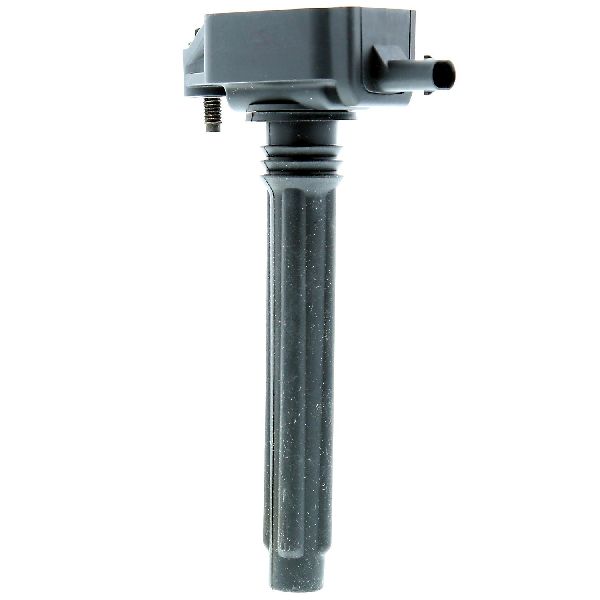
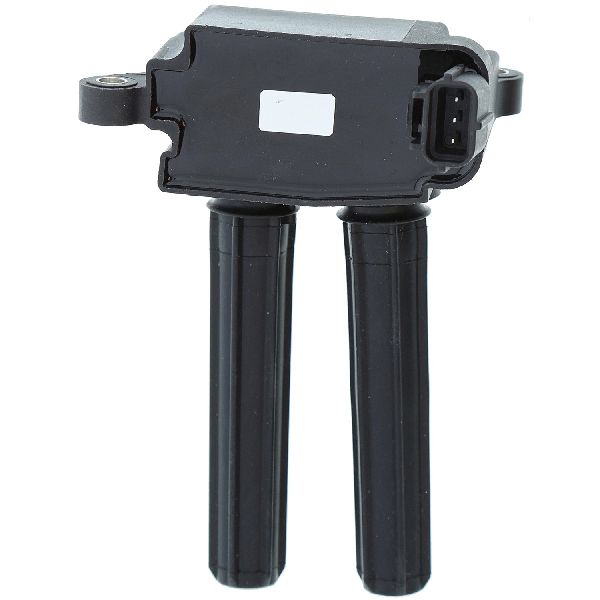
Est. part cost: $40-$100 - Faulty Ignition Coils 🔴 High Probability Ignition coils are a common failure point on many modern engines. Heat and vibration cause them to degrade over time. Oil leaking into the spark plug wells from a bad valve cover gasket is a very common cause of coil failure on these engines.
How to confirm: Use a scan tool to see if misfires are more common on certain cylinders. Swap the ignition coil from a misfiring cylinder with one from a cylinder that is firing correctly. If the misfire code follows the coil (e.g., P0301 becomes P0302 after swapping coils from cylinders 1 and 2), the coil is bad.
Typical fix: Replace the faulty ignition coil. It is often recommended to replace all coils at the same time if they are original and high-mileage. If oil contamination was the cause, the valve cover gasket must be replaced first.
Est. part cost: $30-$70 per coil - Failed Rocker Arms / Lifters (3.2L V6) 🟡 Medium Probability The 3.2L Pentastar V6 has a known issue with the valvetrain, specifically rocker arm bearings failing. This causes the arm to slip, leading to a loss of compression and a persistent misfire on the affected cylinder. It often occurs on the passenger-side bank (cylinders 2, 4, 6).
How to confirm: Diagnosis often starts with a specific cylinder misfire code (e.g., P0302, P0304, P0306) accompanying P0300. A ticking or tapping noise from the top of the engine 🎬 See this guide on diagnosing Pentastar V6 rocker arm noise is a strong clue. A mechanic can confirm by removing the valve cover and inspecting the rocker arms for excessive play or visible damage.
Typical fix: Replace all rocker arms and lifters on the affected cylinder head. Many mechanics recommend replacing them on both heads as a preventative measure. This is a labor-intensive job.
Est. part cost: $200-$500 for parts, but labor can be significant. - Vacuum Leak 🟡 Medium Probability Vacuum hoses can become brittle and crack. A failing PCV valve is a common source of a vacuum leak that can cause a P0300 code. Intake manifold gaskets can also fail.
How to confirm: Visually inspect all vacuum lines for cracks or disconnection. Listen for a hissing sound at idle. A professional can perform a smoke test to pinpoint the source of the leak. A stuck-open PCV valve can also lead to increased oil consumption.
Typical fix: Replace the cracked hose or faulty gasket/PCV valve.
Est. part cost: $10-$150 - Faulty Fuel Injectors 🟡 Medium Probability Injectors can become clogged or fail electronically. One TSB for certain 2021 models pointed to incorrect fuel injectors being installed from the factory. On the 3.2L V6, injectors have been known to fail when hot, causing an open circuit. Forum users have reported injector circuit codes (like P0206) alongside misfire codes.
How to confirm: A professional can test injector flow and electrical resistance. A DIY method involves listening to each injector with a mechanic's stethoscope; they should all make a consistent clicking sound. A noid light can verify if the injector is receiving an electrical signal.
Typical fix: Clean or replace the faulty fuel injector(s).
Est. part cost: $50-$150 per injector - Needs a Powertrain Control Module (PCM) Software Update ⚪ Low Probability Multiple TSBs exist for this generation of Cherokee that involve reprogramming the PCM to correct issues that can cause false misfire codes. TSB 18-093-16 REV. A specifically mentions a P0300 that may set during a 1-2 upshift above 6000 RPM on the 3.2L. Other TSBs (like 18-014-17 and 18-002-16 REV. A) also address misfire logic.
How to confirm: A Jeep dealership or qualified shop can check your vehicle's VIN against available software updates.
Typical fix: The PCM is reprogrammed (flashed) with the latest software. This must be done by a dealer or a properly equipped independent shop.
Est. part cost: $0-$200
Rare But Worth Checking
- Low Engine Compression (2.4L I4): Beyond the 3.2L rocker arm issue, the 2.4L can suffer from low compression due to excessive oil consumption leading to piston ring or valve issues. A burnt valve was noted as a rare cause in one instance. A compression test is needed to confirm.
- Low Fuel Pressure: TSB #18-044-26 specifically links P0300 to code P00C6-00 (Fuel Rail Pressure Too Low). This points to a failing fuel pump or sensor.
- Clogged Catalytic Converter: A clogged converter can create excessive backpressure, leading to misfires. This is often a result of long-term misfires rather than the initial cause.
Diagnosis Steps
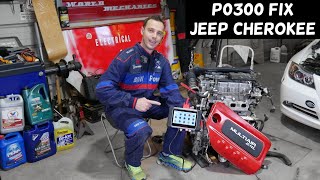
- Read all fault codes with an OBD-II scanner. 🎬 Watch: Two simple methods to fix a P0300 error code Note any codes that appear alongside P0300, especially specific cylinder codes (P0301-P0306).
- Check for a flashing check engine light, which indicates a severe, catalyst-damaging misfire.
- Inspect the ignition system. Start by removing ignition coils and checking the spark plug tubes for engine oil. Oil presence points to a failed valve cover gasket/tube seal.
- Remove and inspect all spark plugs. Look for heavy carbon or oil fouling, wear, or incorrect gaps. Replace as a set if needed.
- Test the ignition coils. If a specific cylinder is misfiring, swap its coil with a known good cylinder's coil and see if the misfire code follows.
- Check for vacuum leaks. Visually inspect all hoses and listen for hissing sounds. Pay attention to the PCV valve and hose. A smoke test is the most effective way to find a leak.
- For 3.2L V6: Listen for a distinct ticking/tapping sound from the valve covers, which could indicate rocker arm failure. This is a known issue.
- Check fuel pressure to rule out a weak fuel pump or faulty regulator, especially if code P00C6 is present.
- If all else fails, consult a professional for advanced diagnostics, such as a compression test or using a dealer-level scan tool.
Parts You'll Likely Need
- Spark Plugs
(OEM #2.4L: SP148183AD; 3.2L: SP149125AF)— This is the most common cause of a misfire and a routine maintenance item. Always use plugs that meet OEM specifications.
Trusted brands: Mopar, NGK, Champion
OEM price range: $60-$120
Aftermarket price range: $40-$100 - Ignition Coil
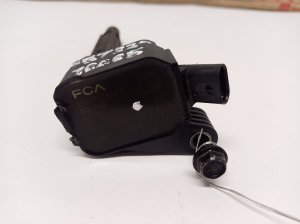
(OEM #2.4L: 68242286AB; 3.2L: 5158562AC)— Coils provide the spark and are a frequent failure point, often due to oil contamination from a leaking valve cover gasket.
Trusted brands: Mopar, Denso, NGK
OEM price range: $50-$90
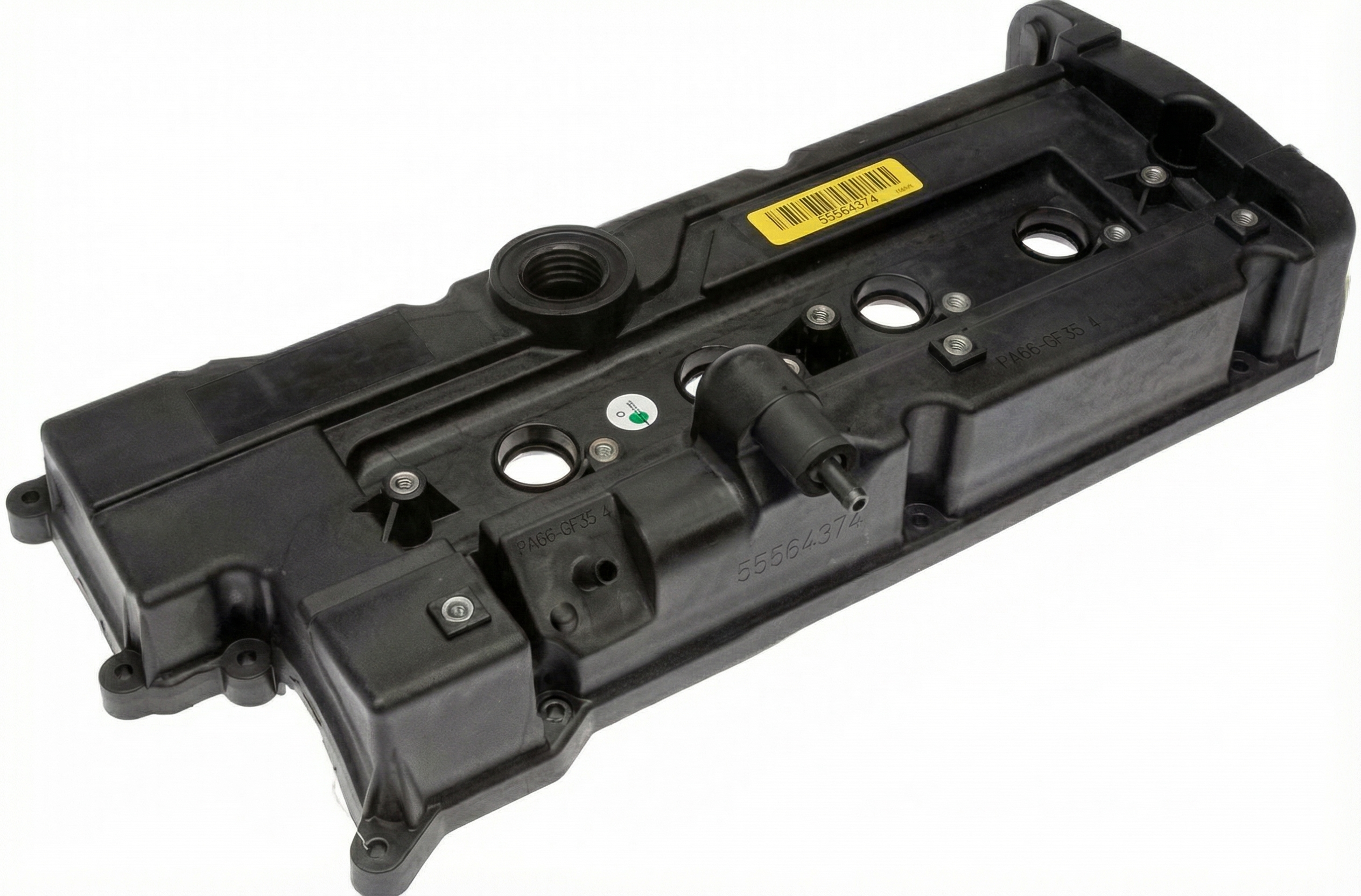
Aftermarket price range: $30-$70 - Valve Cover Gasket Kit — On the 2.4L and 3.2L engines, the gasket (specifically the spark plug tube seals) can leak oil into the spark plug wells, shorting out the ignition coil and causing misfires.
Trusted brands: Mopar, Fel-Pro
OEM price range: $50-$100
Aftermarket price range: $30-$70 - Rocker Arm Kit (3.2L V6) — A known failure point on the 3.2L V6 that leads to loss of compression and persistent misfires. Usually replaced as a full set for one or both cylinder heads.
Trusted brands: Mopar
OEM price range: $150-$250 per head
Aftermarket price range: $100-$200 per head
Related Codes That Often Appear With This One
- P0301-P0306 — These are specific cylinder misfire codes. They often appear with P0300 as the PCM tries to identify which cylinders are failing.
- P0171, P0174 — These 'System Too Lean' codes can indicate a vacuum leak is introducing unmetered air, causing the misfire. An owner complaint cited P0174 with P0300.
- P0420, P0430 — These 'Catalyst System Efficiency Below Threshold' codes indicate the catalytic converter is being damaged by unburned fuel from the misfiring cylinders. An owner complaint cited P0430 with P0300.
- P00C6-00 — TSB #18-044-26 links this 'Fuel Rail Pressure Too Low' code directly with P0300, indicating a fuel delivery problem.
- P219A — Bank 1 Air-Fuel Ratio Imbalance. This code often appears with P0300 and can be caused by the same underlying issues, such as a vacuum leak or faulty fuel injector on one bank of cylinders.
Technical Service Bulletins (TSBs) & Recalls
- 18-044-26: Links P0300 with fuel pressure code P00C6-00.
- 18-110-20: PCM software update to address various misfire codes including P0300.
- 08-027-20: Addresses replacing ignition coil insulating boots on the 2.4L engine to fix rough running and misfire codes P0300-P0304.
- 18-093-16 REV. A: PCM software update for the 3.2L engine to fix a false P0300 that can occur during a 1-2 upshift.
- 18-014-17: PCM software update for the 2.4L engine to improve diagnostics and system performance, including idle performance.
Platform-Specific Known Issues

- TSB #18-044-26: Notes that P0300 can appear with P00C6-00 (Fuel Rail Pressure Too Low) and a high oil level warning, pointing to a specific fuel system performance issue.
- TSB #18-110-20 & #08-027-20: These bulletins list P0300 among several other codes that may be resolved by a PCM software update, indicating the vehicle's computer may be misinterpreting data.
- Owner Complaint ODI #11605623: An owner reported a flashing check engine light with code P0300, where a scan tool identified misfires specifically on cylinders 1 and 2, leading to testing of the coils.
Mechanic-Grade Diagnostic Values
- Ignition Coil Primary Resistance (Both Engines) — expected: 0.4 - 2.0 Ohms. Failure: A reading outside this range indicates a faulty coil.
- Ignition Coil Secondary Resistance (Both Engines) — expected: 6,000 - 15,300 Ohms. Failure: Readings significantly outside this range suggest the coil is bad. Note that resistance tests may not always identify a coil that fails under high voltage.
- Fuel Injector Resistance (Both Engines) — expected: 10 - 16 Ohms. Failure: An injector with resistance outside this range, or that differs from the others by more than 0.5 Ohms, is likely faulty.
- Fuel Pressure at Idle (Both Engines) — expected: 51 - 60 psi. Failure: Pressure that is low, fluctuating, or drops off quickly after shut-down can indicate a weak fuel pump or a leak in the system.
Scan Tool Commands That Help
- wiTECH (OEM FCA Tool): Clear Mis-fire TLC (Tooth Learn Correction) — This function is used to reset the learned values for the crankshaft position sensor after a repair or to troubleshoot false misfires. It's a necessary step in some TSB procedures.
- wiTECH (OEM FCA Tool): OBDII Monitors -> Mis-fire Mon SWC Screen — This screen provides live data on misfire counts per cylinder, allowing a technician to see which cylinders are misfiring in real-time without waiting for a specific DTC to set.
- wiTECH (OEM FCA Tool): System Tests & Routines — The wiTECH 2.0 J2534 application allows for running various system tests and routines that can help diagnose underlying causes of misfires that aren't immediately obvious from DTCs alone.
Wiring & Ground Locations
- Powertrain Control Module (PCM) — Mounted on the left front inner fender, next to the air filter box.. The PCM is the central computer that detects misfires. Its connections and ground points are critical. A poor ground or damaged connector at the PCM can cause a host of phantom issues, including false misfire codes.
- Engine Wiring Harness Chafe Point — Known chafe points exist where the harness runs along the firewall behind the engine and near the driver's side rear head bolt on some Jeep platforms. A TSB for 2014-2016 2.4L models also notes potential chafing near the shock tower.. Chafing can damage the wiring for ignition coils, fuel injectors, or critical sensors like the crankshaft position sensor, leading to intermittent shorts or open circuits that cause random misfires.
Real Owner Repair Stories
- YouTube video 'P0300...How I fixed My code....P0300. Simple steps!' (Vehicle not specified, but demonstrates a universal P0300 diagnostic process applicable to the Cherokee.) — P0300 code present, hard starting.
❌ Tried (didn't work) Checked spark plugs, Tested ignition coils and spark plug wires, Performed a compression test (all cylinders were good), Checked for vacuum leaks
✅ What actually fixed it The problem was ultimately traced to a faulty electrical connector for the crankshaft position sensor. Wiggling and re-seating the connector resolved the misfire, indicating a poor connection was the root cause. - Reddit user in /r/JeepCherokee (1996 Jeep Grand Cherokee 4.0L with 177k miles) — Failed smog test with codes P0300, P0302, P0303, P0420. Engine idled and ran fine with no perceptible misfire.
❌ Tried (didn't work) Replaced spark plugs, Replaced fuel pump and filter (for a separate hard start issue)
✅ What actually fixed it The user was advised that the P0420 (catalyst efficiency) code was likely a symptom of the misfires (P0300, P0302, P0303) dumping unburnt fuel into the exhaust. The recommended next steps were to address the root cause of the misfires, such as ignition wires, coil pack, or fuel injectors, before replacing the catalytic converter.
OEM Part Supersession History
5184296AF, 5184296AG (and others)→5184296AH— Updated design to improve durability and prevent premature failure of the rocker arm bearings.
Heads up: The latest part number, 5184296AH, is the recommended replacement for the 3.2L V6 engine in all 2014-2021 Cherokees to ensure the most durable design is used.
Helpful Videos
Used OEM Parts in Stock


New Aftermarket Parts Available



The information in this article is provided for general reference and educational purposes only. Vehicle specifications, procedures, and part compatibility can vary by production date, trim level, and region. Always consult your vehicle's factory service manual and verify part numbers before purchasing or performing repairs. Safety-critical components such as airbags, seat belts, and braking systems should be installed by a qualified professional.
- Jeep CHEROKEE:
- 🎬 Helpful Videos
- 🛍️ Shop This Part
- What's Unique About the 2014-2021 Jeep CHEROKEE
- Diagnostic Flowchart
- Symptoms You May Notice
- Most Likely Causes
- Rare But Worth Checking
- Diagnosis Steps
- Parts You'll Likely Need
- Related Codes That Often Appear With This One
- Technical Service Bulletins (TSBs) & Recalls
- Platform-Specific Known Issues
- Mechanic-Grade Diagnostic Values
- Scan Tool Commands That Help
- Wiring & Ground Locations
- Real Owner Repair Stories
- OEM Part Supersession History
- 🎟️ Get 5% Off