

P0300 on 2006-2010 Hummer H3: Random Misfire Causes and Fixes
P0300 on a Hummer H3 indicates a random misfire. While it can be simple items like spark plugs or coils, it is frequently a sign of a more serious, known issue with the cylinder head on 2006-2008 models with the I5 engine. Diagnosis is critical before buying parts, as many owners waste money on tune-ups when a mechanical failure is the root cause.
- P0300 on a 2006-2008 Hummer H3 with the I5 engine has a high probability of being caused by a faulty cylinder head due to worn valve seats.
- Before replacing any parts, a cylinder compression test is mandatory to rule out mechanical engine failure.
- Check for common, simpler causes first, such as worn spark plugs, bad ignition coils, and broken MAP sensor wiring (per TSB #PIP4409F).
- Do not continue driving if the Check Engine Light is flashing, as this can cause expensive damage to the catalytic converter.
- If you own a 2006 H3, check if your VIN falls within the range known for head defects (last 6 digits below 287591).
What's Unique About the 2006-2010 Hummer H3

The Hummer H3, particularly models with the 3.5L and 3.7L inline-five (I5) engines, has a well-documented history of P0300 codes stemming from a serious design flaw. Early 2006-2008 models were especially prone to premature valve seat wear on the cylinder head, leading to a loss of compression and a persistent misfire that cannot be fixed with a simple tune-up. While GM issued a special policy and redesigned the cylinder head with hardened valve seats for later models, even 2007 and newer H3s can suffer from valve train and other mechanical issues that present as a P0300.
Diagnostic Flowchart

Tap your situation to follow the diagnostic path that matches what you're seeing on this vehicle.
Symptoms You May Notice
- Rough or unstable idle, sometimes only when cold or after reaching operating temperature.
- Engine stumbling or hesitating during acceleration.
- Flashing or solid Check Engine Light.
- Noticeable loss of power.
- Reduced fuel economy.
- Engine backfiring or popping sounds.
- Stalling, especially after reaching full operating temperature.
- Repeatedly replacing spark plugs and coils without checking for mechanical engine health. Many owners spend hundreds on tune-up parts only to find the root cause is a bad cylinder head.
Most Likely Causes

- Worn Valve Seats / Cylinder Head Failure (Especially 2006-2008 I5) 🔴 High Probability Early 3.5L and 3.7L I5 engines used valve seats that were not properly hardened, causing them to wear prematurely or even fall out. This leads to a loss of compression and a persistent misfire that tune-up parts won't fix. The issue was most prevalent in 2006-2007 models. GM acknowledged the issue via TSB #PIP4013D which applies to the H3 and its platform mates.
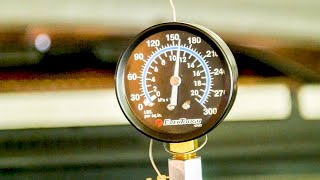
How to confirm: Perform a cylinder compression test and a cylinder leakage test. A healthy I5 engine should have compression around 210-215 PSI per cylinder. 🎬 See how to perform a quick and simple compression test. Readings below 150 PSI, or a significant variance between cylinders (more than 30%), strongly suggest a mechanical problem. A leak-down test will confirm if the valves are the source of the leak.
Typical fix: Replacement of the cylinder head with an updated part containing hardened valve seats. This is a major and expensive repair. Some owners report dealers quoting $3,000-$5,000 for the job.
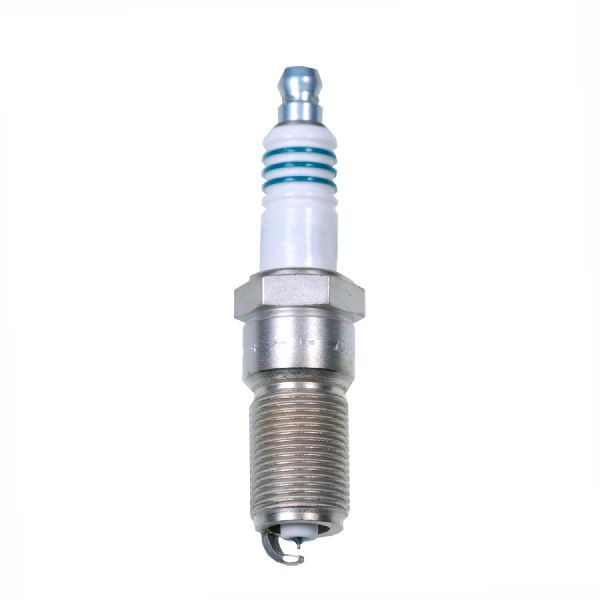
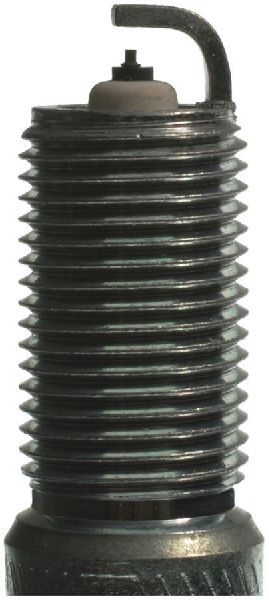
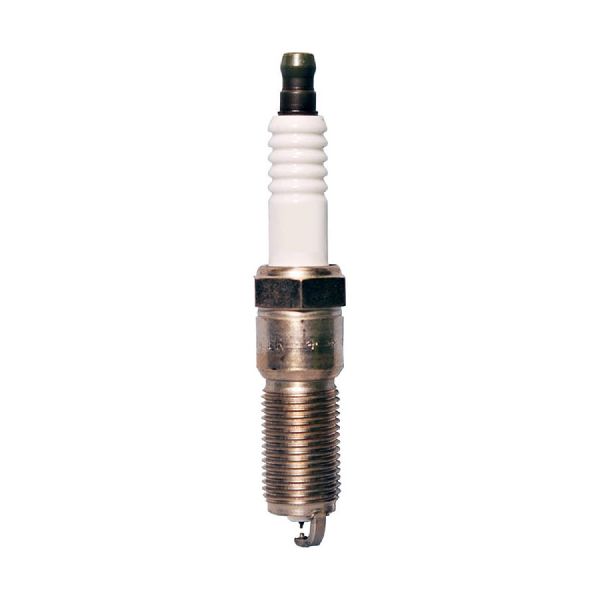
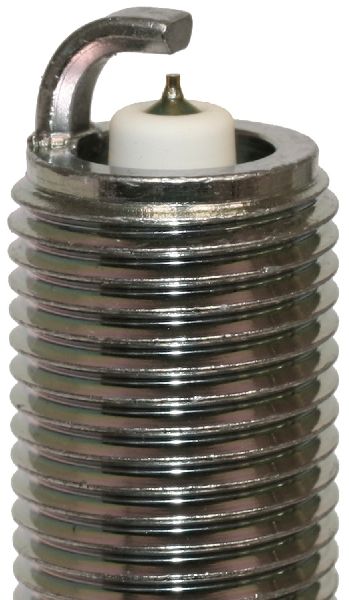
Est. part cost: $700-$1500 for a remanufactured cylinder head - Worn Spark Plugs or Faulty Ignition Coils 🟡 Medium Probability Standard wear and tear. Water can also pool in the rearmost spark plug wells on the I5 engine (cylinder #5), causing the coil and plug to fail. Owners on forums strongly recommend using only AC Delco Iridium plugs (41-103) and genuine AC Delco coils, as counterfeit parts from online marketplaces are a common source of new problems.
How to confirm: Inspect spark plugs for wear, fouling, or incorrect gap. Swap a suspected faulty coil with a known good one from another cylinder; if the misfire moves (requires a scan tool that can read individual cylinder misfires), the coil is bad.
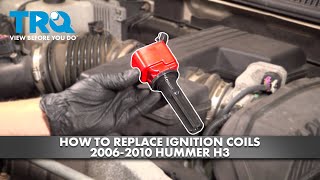
Typical fix: Replace all spark plugs and any faulty ignition coils. Use dielectric grease on coil boots to prevent moisture intrusion. 🎬 Watch this step-by-step guide to replacing your ignition coils.
Est. part cost: $50-$150 for spark plugs, $40-$80 per ignition coil - Broken MAP Sensor Circuit Wiring 🟡 Medium Probability GM issued TSB #PIP4409F specifically for this issue. The wires for the Manifold Absolute Pressure (MAP) sensor can break internally near the connector, causing erratic signals and a host of codes, including P0300, P0106, and P0171.
How to confirm: Visually inspect and gently tug on the wires at the MAP sensor connector. The break is often inside the insulation and not visible. Wiggling the harness while monitoring engine data may reveal the issue.
Typical fix: Repair the broken wire(s) in the MAP sensor harness, often by installing a new pigtail connector.
Est. part cost: $5-$25 for wiring repair supplies or a new pigtail - Vacuum Leak (Intake Manifold Gasket, PCV Hoses) ⚪ Low Probability Gaskets and rubber hoses deteriorate with age and heat cycles. A cracked PCV hose under the air resonator is a common finding. While the I5 engine has a fixed orifice PCV system and no traditional valve, the hoses can crack and cause unmetered air leaks.
How to confirm: With the engine running, use a smoke machine to check for leaks around the intake manifold, throttle body, and all vacuum/PCV lines. Spraying flammable cleaner is not recommended for safety reasons.
Typical fix: Replace the failed gasket or hose. The intake manifold bolts should also be checked for proper torque.
Est. part cost: $20-$100
Rare But Worth Checking
- Worn Camshaft Lobes: TSB #PIP4138P mentions this as a possible cause if other diagnostics fail. A worn lobe will prevent the valve from opening fully, reducing cylinder airflow and causing a misfire.
- Faulty Fuel Injectors or Fuel System Issues: A clogged or failing fuel injector can cause a lean misfire. While less common than ignition or mechanical issues, it's a possibility, especially on higher mileage vehicles. Some owners have also traced issues to a failing fuel pressure regulator.
- Faulty Camshaft Position Actuator Solenoid: A failing VVT solenoid can disrupt cam timing and cause misfires, often accompanied by codes like P0014 or P0017. This is a relatively common and easy part to replace, located on the side of the engine.
Diagnosis Steps
- Read Freeze Frame Data: Note the engine conditions (RPM, load, temperature) when the P0300 code was set. Misfires only at idle can point to TSB PIP4013D (valve issue).
- Check for a Flashing Check Engine Light: If flashing, do not drive the vehicle to avoid catalytic converter damage.
- Check for Other Codes: Address any other codes, especially for sensors (MAP, Cam) or lean conditions (P0171), as they can provide clues.
- Inspect Basic Ignition Components: Check spark plugs for wear and proper gap (ACDelco Iridium 41-103 recommended). Inspect ignition coil boots for cracks or signs of arcing. Check for moisture in spark plug wells, especially the rear cylinders.
- Test Ignition Coils: Swap the ignition coil from a misfiring cylinder (if identifiable with a good scan tool) with a known good one and see if the misfire follows the coil.
- Inspect for Vacuum Leaks: Perform a smoke test around the intake manifold gasket and PCV hoses. The PCV hose under the air resonator is a common failure point.
- Inspect MAP Sensor Wiring: Carefully inspect the wiring harness near the MAP sensor connector for breaks or damage, as per TSB #PIP4409F. Gently wiggle the wires while the engine is running to see if the idle changes.
- Perform a Cylinder Compression Test: This is a critical step. A healthy I5 engine should have compression near 215 PSI. Readings below 150 PSI or high variance between cylinders point to a mechanical problem.
- Perform a Cylinder Leak-Down Test: If compression is low, this test will pinpoint the source of the leak (intake valves, exhaust valves, or piston rings), as recommended by TSB #PIP4013D.
- Check Camshaft Actuator Solenoid: If codes P0014/P0017 are present, consider cleaning or replacing the solenoid. It's an accessible and common fix.
- If all else fails, consult TSBs #PIP4138P (worn camshaft) and #PIP5628G for further advanced diagnostics.
Parts You'll Likely Need
- Cylinder Head Assembly
(OEM #19206642)— This is the definitive fix for the most common and serious cause of P0300 on early H3s: worn valve seats leading to compression loss.
Trusted brands: ACDelco (OEM), Various aftermarket remanufacturers
OEM price range: $1200-$2000+
Aftermarket price range: $700-$1500 - Ignition Coil
(OEM #12568062)— A common failure point for any vehicle, and a standard part of a misfire diagnosis. Using genuine ACDelco is highly recommended.
Trusted brands: ACDelco
OEM price range: $40-$80
Aftermarket price range: $25-$60 - Spark Plugs
(OEM #ACDelco 41-103 (Iridium))
Related Codes That Often Appear With This One
- P0171 — System Too Lean (Bank 1). This often appears with P0300 when the misfire is caused by a vacuum leak, a faulty MAP sensor, or a fuel delivery problem.
- P0301-P0305 — Specific cylinder misfire codes. If the computer can eventually isolate the misfire, it will log a specific code (e.g., P0302 for cylinder 2) in addition to or instead of P0300. This is useful for diagnosis.
- P0014 / P0017 — Camshaft Position Timing codes. These point towards issues with the VVT system, such as a faulty actuator solenoid, which can also trigger a P0300.
- P0106 / P0107 — MAP/Barometric Pressure Sensor codes. These often accompany P0300 when the wiring to the MAP sensor is compromised, as noted in TSB #PIP4409F.
Technical Service Bulletins (TSBs) & Recalls
- PIP5628G: Diagnostic aid for misfire codes P0300-P0308.
- PIP4409F: Points to broken MAP sensor circuits as a cause for P0300 and other codes.
- PIP4013D: Recommends a cylinder leakage test for persistent P0300 at idle.
- PIP4138P: Suggests checking for worn camshaft lobes for P0300-P0308 codes.
Platform-Specific Known Issues
- Owner Story: The Inevitable Head Replacement: On carsurvey.org, an owner of a 2007 H3 with 85,000 miles reported getting a P0300. After a dealer-recommended valve cleaning failed to solve the issue, they were quoted over $3,000 for a cylinder head replacement, with the service advisor confirming GM had issued bulletins on the problem.
- Owner Story: Good Compression, Still Stalls: A user on HummerForums with a 2006 H3 documented a P0300 and stalling issue that only occurred once the engine reached operating temperature. Despite having excellent compression (180 PSI across all cylinders) and replacing numerous sensors, the problem persisted. This highlights that even with good compression, other components like a failing Crankshaft Position Sensor can cause similar symptoms.
- Owner Story: Low Compression Confirmed: A HummerForums member described their mother's 2007 H3 with 200k miles and a persistent P0300. After replacing plugs and coils with no success, a compression test revealed low readings, particularly on cylinder 2 (120 PSI vs. 150 PSI on others), confirming a mechanical failure consistent with a bad cylinder head.
Mechanic-Grade Diagnostic Values

- Fuel Pressure (Key On, Engine Off and at Idle) — expected: Should be approximately 57-60 PSI. Some variation is normal with electronic returnless systems; the pressure may drop to ~43 PSI after initial startup but should hold steady.. Failure: Pressure that drops more than 5 PSI within one minute (KOEO) or is consistently well below 50 PSI while running can indicate a weak pump, leak, or faulty fuel pressure regulator.
- Camshaft Position Actuator Solenoid Bolt Torque — expected: 10 N.m (89 lb in).. Failure: Improper torque can lead to oil leaks or a poorly seated solenoid, affecting VVT operation.
- Long-Term Fuel Trim (LTFT) at Idle — expected: Ideally close to 0%. Values consistently above +10% indicate the engine is adding fuel to compensate for a lean condition (like a vacuum leak).. Failure: LTFT values climbing to +25% or higher strongly suggest a significant unmetered air leak or fuel delivery issue, which can trigger a P0300.
Hidden / Shadow Codes Worth Checking
- Mode $06 Misfire Data: Even if a specific P0301-P0305 code is not present, many scan tools can access Mode $06 data, which contains raw misfire counts for each individual cylinder. This is invaluable for identifying which cylinder(s) are contributing to the random misfire count of P0300. (see via A mid-range or professional scan tool with Mode $06 or "Non-Continuous Monitor" test result capabilities. A basic code reader will likely not show this.)
Scan Tool Commands That Help
- Tech2, GDS2, or other professional scan tools (e.g., HP Tuners, Autel): Crankshaft Position (CKP) System Variation Relearn (also called CASE Relearn) — This procedure is required after replacing the crankshaft position sensor, the ECM, or performing major engine work like replacing a timing chain or cylinder head. It synchronizes the sensor with the actual crankshaft position. Failure to perform the relearn can cause false misfire detection. The procedure typically involves revving the engine to fuel cut-off under specific conditions guided by the scan tool.
- Tech2 or similar: Cylinder Power Balance Test — This bidirectional test allows the technician to disable one cylinder at a time and observe the corresponding drop in engine RPM. A cylinder that produces little or no RPM drop when disabled is the one that is misfiring. This helps isolate the problem cylinder when only a P0300 is present.
Wiring & Ground Locations
- G102 — On the lower left side of the engine block.. This is a primary ground point for the engine harness, which includes the ground for the ignition coils. A loose or corroded G102 can cause weak or erratic spark across multiple cylinders, leading to a random misfire code.
- G103 — On the lower left side of the engine block, forward of G102.. This ground serves the Engine Control Module (ECM). A poor connection here can cause a wide range of erratic engine behavior and fault codes, including P0300.
- Main Ground behind Battery — On the firewall/cowl, behind the battery toward the passenger compartment.. This is a main chassis and battery ground point. While less specific to the engine itself, poor grounding here can introduce electrical noise and issues throughout the vehicle's systems, including those monitored by the ECM.
Real Owner Repair Stories
- Reddit user in r/Hummer (2007 Hummer H3, ~150k kms) — Stumbling issues on start, theft code light on occasion, eventual no-start in cold weather. P0171 and P0300 codes were present.
❌ Tried (didn't work) Initial diagnosis was difficult due to intermittent nature.
✅ What actually fixed it The wiring harness to the fuel rail had deteriorated and was shorting out against the engine block. The harness is located on the front top of the engine, under the plastic cover. Repairing the wiring resolved the short and the misfire codes. - Hummer Forums user (Hummer H3, unknown year) — P0300, misfire primarily at idle on cylinder #2, but other cylinders misfiring at times too. No misfires above idle RPM.
❌ Tried (didn't work) Replaced all spark plugs and ignition coils with AC Delco parts., Replaced purge solenoid to fix a P0455 EVAP code.
✅ What actually fixed it The user discovered a cracked and split PCV hose located under the air cleaner resonator while changing the plugs and coils. Replacing this hose fixed the vacuum leak that was causing the idle-only misfire.
OEM Part Supersession History
Unknown→12615873— Updated design for the Camshaft Position Actuator Solenoid (VVT Solenoid).Unknown, multiple early versions→19206642— The original cylinder heads on 2006-2007 models had soft valve seats. Part #19206642 is the updated GM head with hardened valve seats to correct the premature wear and compression loss issue.
Model Year Variations Within This Range
- 2006 only: The 2006 H3 used the 3.5L L52 inline-five engine. This engine is the most susceptible to the cylinder head valve seat failure.
- 2007-2010: From 2007 onwards, the H3 used the 3.7L LLR inline-five engine. While the fundamental design is the same, the 2007 models can still suffer from the head issue. The problem was largely corrected for the 2008 model year with a revised cylinder head design.
- 2006 vs 2007+: When swapping engines between years, sensor compatibility is critical. For example, putting a 2008+ 3.7L engine into a 2006 H3 requires changing the timing sprocket and correctly installing an intake cam sensor, which the 2006 3.5L had but was located differently. Incorrect placement or air gap of the cam sensor can cause timing calculation errors and misfires.
Helpful Videos
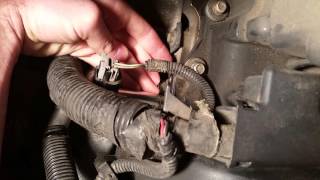
Used OEM Parts in Stock
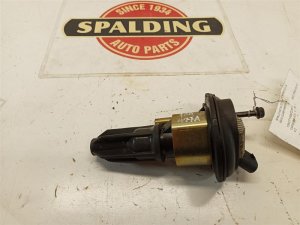

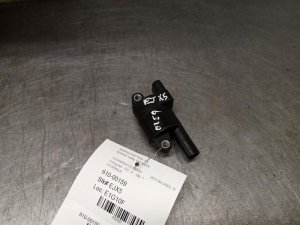


New Aftermarket Parts Available
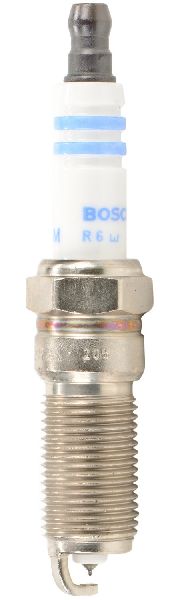

The information in this article is provided for general reference and educational purposes only. Vehicle specifications, procedures, and part compatibility can vary by production date, trim level, and region. Always consult your vehicle's factory service manual and verify part numbers before purchasing or performing repairs. Safety-critical components such as airbags, seat belts, and braking systems should be installed by a qualified professional.
- Hummer H3:
- 🎬 Helpful Videos
- 🛍️ Shop This Part
- What's Unique About the 2006-2010 Hummer H3
- Diagnostic Flowchart
- Symptoms You May Notice
- Most Likely Causes
- Rare But Worth Checking
- Diagnosis Steps
- Parts You'll Likely Need
- Related Codes That Often Appear With This One
- Technical Service Bulletins (TSBs) & Recalls
- Platform-Specific Known Issues
- Mechanic-Grade Diagnostic Values
- Hidden / Shadow Codes Worth Checking
- Scan Tool Commands That Help
- Wiring & Ground Locations
- Real Owner Repair Stories
- OEM Part Supersession History
- Model Year Variations Within This Range
- 🎟️ Get 5% Off