

P0300 on 2016-2019 Honda Odyssey: Random Misfire Causes & Fixes
For 2018-2019 Odyssey models, P0300 is most often caused by faulty fuel injectors, a problem covered by a Honda warranty extension (TSB 21-010). For 2016-2017 models, suspect fouled spark plugs due to VCM issues or standard wear. The injector fix can be costly without warranty (upwards of $1800 at a dealer), while spark plugs are a ~$150 DIY job.
- For a 2018-2019 Odyssey, your first step should be to contact a Honda dealer to check if your van is covered by the fuel injector warranty extension.
- For a 2016-2017 Odyssey, the most likely cause of P0300 is worn or oil-fouled spark plugs, often related to the VCM system.
- A flashing check engine light is a serious warning that you could be damaging your catalytic converters; reduce driving until the issue is fixed.
- Standard tune-up parts like spark plugs (NGK, Denso) and ignition coils (Hitachi) are reliable starting points for diagnosis if the injector TSB doesn't apply.
What's Unique About the 2016-2019 Honda ODYSSEY

The 2016-2019 Odyssey spans two generations with different primary causes for P0300. The 2018-2019 models with direct injection are known for a specific fuel injector defect that led Honda to issue a warranty extension to 10 years/150,000 miles via Technical Service Bulletin (TSB) 21-010, which supersedes A18-025. For the entire 2016-2019 range, Honda's Variable Cylinder Management (VCM) system, designed to improve fuel economy by shutting down cylinders, can lead to oil consumption which fouls spark plugs and causes misfires, a well-documented issue among owners who often resort to installing a 'VCM Muzzler' to disable the system.
Diagnostic Flowchart
Tap your situation to follow the diagnostic path that matches what you're seeing on this vehicle.
Generation note: This range covers two Odyssey generations. The 2016-2017 models are the end of the 4th generation (RC1/RC2) with a port-injected J35Z8 V6. The 2018-2019 models are the beginning of the 5th generation (RL6) with a direct-injected J35Y6 V6. This distinction is critical, as the most common cause (faulty fuel injectors) is specific to the 2018-2019 models due to debris from the manufacturing process.
Symptoms You May Notice
- Flashing or solid Check Engine Light
- Rough or shaky engine idle
- Vehicle hesitation or stumbling during acceleration
- Noticeable loss of engine power
- Reduced fuel economy
- Engine shaking or stuttering
- Shuddering when ECO mode engages/disengages (related to VCM cause)
- Replacing only spark plugs on a 2018-2019 model without addressing the known fuel injector issue.
- Replacing oxygen sensors, as they are more likely to be a symptom of the misfire (unburned fuel) rather than the cause.
- Assuming a catalytic converter has failed when the misfire is the root cause of the converter code (e.g., P0420/P0430). The TSB specifically notes the PCM may misinterpret sensor inputs as a bad converter.
Most Likely Causes

- Faulty Fuel Injectors (2018-2019 Models) 🔴 High Probability Honda TSB 21-010 (superseding A18-025) confirms that debris from the high-pressure pump or fuel injector machining process can clog or cause internal wear in the injectors on 2018-2019 models with the direct-injection engine. This is the most likely cause if you have a 5th-gen Odyssey, especially if other codes like P219A/B are present.
How to confirm: Check your vehicle's VIN against Honda's warranty extension program (TSB 21-010). A dealer can confirm eligibility for free. The diagnosis often involves checking for P0300 in combination with codes P219A or P219B. The TSB applies even if only P0300-P0306 codes are present.
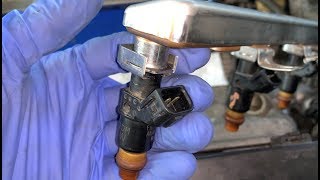
Typical fix: Replace all six fuel injectors and associated seals with the updated part kit. Honda may also perform a software update. This repair is covered if your vehicle is eligible under the 10-year/150,000-mile warranty extension. Out of warranty, a dealer may quote over $1,800 for the job, while an independent shop may be closer to $750-$950.
Est. part cost: $600-$1200 - Worn or Fouled Spark Plugs 🔴 High Probability This is a standard maintenance item, but Honda's VCM system can cause oil to seep past piston rings on deactivated cylinders (typically the rear bank), fouling the spark plugs prematurely and causing misfires. This is a very common complaint across all J-series engines with VCM, leading to a class-action lawsuit in the past.
How to confirm: Remove the spark plugs and inspect them. Look for heavy black carbon deposits, wet oil residue, or a worn-down electrode. Fouling is often worst on the cylinders deactivated by VCM (typically cylinders 1-3 on the rear bank).
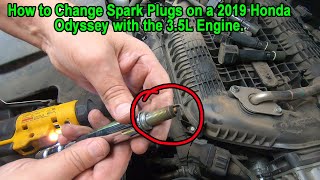
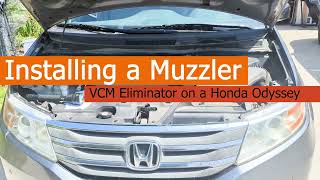
Typical fix: Replace all six spark plugs. 🎬 Watch: How to change spark plugs on a 2019 Odyssey. Using high-quality OEM-spec (NGK or Denso) iridium or ruthenium plugs is recommended. Many owners install a 'VCM Muzzler' or 'VCM Tuner II' to disable the VCM system and prevent future fouling. These devices trick the engine coolant sensor reading to prevent VCM activation. 🎬 See this walkthrough for installing a VCM disabling device.
Est. part cost: $100-$180 - Failing Ignition Coils 🟡 Medium Probability Coils are a common failure point on any modern engine. While usually one coil fails and triggers a specific cylinder code (e.g., P0301), a weak or intermittently failing coil can initially cause random misfires logged as P0300 before it fails completely.
How to confirm: With the engine running, carefully unplug one coil at a time. If you unplug a coil and the engine's idle doesn't change, you've found the dead cylinder/coil. A more reliable method is to swap the suspected bad coil with a known good one from another cylinder and see if the misfire code follows the coil (e.g., P0301 changes to P0302).
Typical fix: Replace the faulty ignition coil. It is often recommended to replace the corresponding spark plug at the same time. OEM brands include Denso and Hitachi.
Est. part cost: $50-$100 per coil - Intake Valve Carbon Buildup (2018-2019 Models) ⚪ Low Probability Direct-injection (DI) engines, like the one in the 2018-2019 Odyssey, spray fuel directly into the cylinder, so gasoline detergents don't wash over the intake valves. Over time, oil vapors from the PCV system can bake onto the hot valves, causing carbon buildup that restricts airflow and leads to misfires, especially at higher mileage.
How to confirm: This requires a borescope to visually inspect the intake valves, which usually involves removing the intake manifold. This is typically diagnosed after ruling out injectors, plugs, and coils.
Typical fix: Perform a walnut shell blasting service or manual cleaning of the intake valves. This is a labor-intensive job often costing over $500.
Est. part cost: $0 (service cost is labor)
Rare But Worth Checking
- Low Fuel Pressure: An owner complaint (ODI #11725894) linked P0300 with P0087 (Fuel Rail/System Pressure - Too Low), suggesting a potential issue with the fuel pump, especially on the high-pressure system of the 2018+ models.
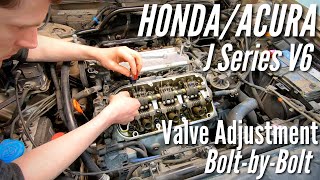
- Mechanical Engine Issue: Though rare, issues like a jumped timing belt or low compression in multiple cylinders could cause a P0300 code. A compression test can confirm or rule this out. On J-series engines, tight valve clearances that need adjustment can also cause misfires, particularly on cold starts. 🎬 Watch: How to perform a valve adjustment on J-series engines.
- Clogged EGR Passages: On older or higher-mileage J-series engines, the EGR (Exhaust Gas Recirculation) passages in the intake manifold can become clogged with carbon, leading to poor running and random misfires. While more common on the port-injected (2016-2017) models, it's a possibility for any. Cleaning the passages is required.
Diagnosis Steps

- Check for other codes. The presence of P219A/B on a 2018+ model strongly points to the fuel injector TSB.
- If driving a 2018-2019 Odyssey, check your VIN with a Honda dealer for eligibility under the fuel injector warranty extension (TSB 21-010). This should be your first step, as the repair may be free.
- Inspect all spark plugs. Look for signs of wear, oil fouling (VCM issue), or fuel saturation. Replace if in doubt. An owner on Reddit with a 2017 model found oil on plugs and needed new piston rings, a known VCM-related failure.
- Test the ignition coils. Swap coils between cylinders to see if a specific misfire code (e.g., P0301) follows the coil.
- For 2016-2017 models, if oil fouling on plugs is found, consider installing a VCM disabling device like the VCM Muzzler or VCM Tuner II to prevent recurrence.
- Check fuel pressure. Ensure the fuel pump is delivering adequate pressure to the fuel rail.
- If all else fails, consider more complex issues. For 2018+ models, this could be carbon buildup on intake valves. For all models, a mechanical issue (valve adjustment, compression) or clogged EGR ports could be at fault.
Parts You'll Likely Need
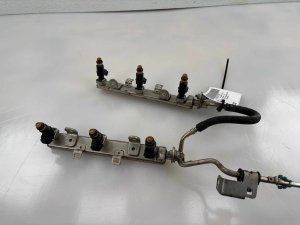
- Fuel Injector Set
(OEM #16010-RLV-315)— This is the primary fix for the widespread issue on 2018-2019 models, as documented in Honda's TSBs. This part number is specified for the Odyssey in TSB A18-025.
Trusted brands: Honda (OEM)
OEM price range: $800-$1200
Aftermarket price range: $500-$800 - Iridium/Ruthenium Spark Plugs
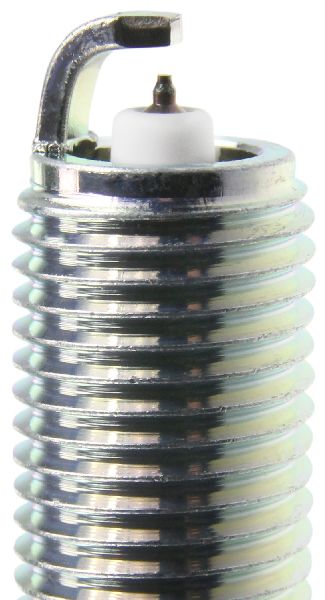
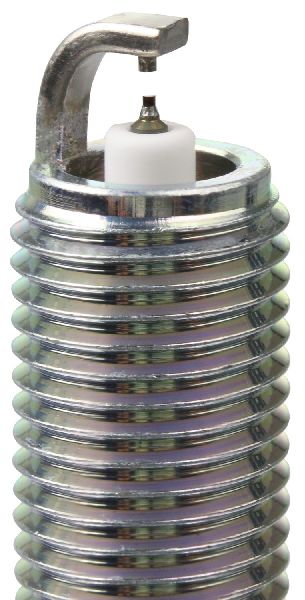
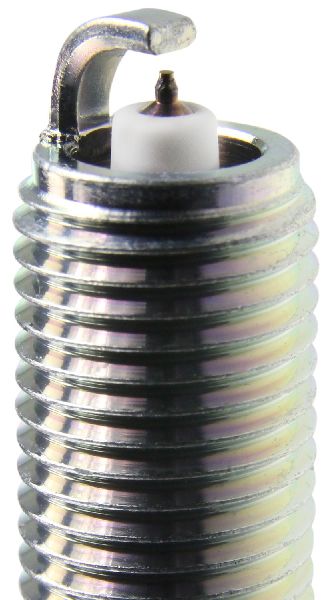
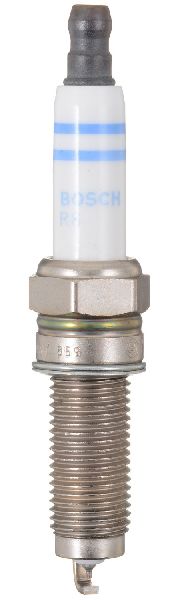
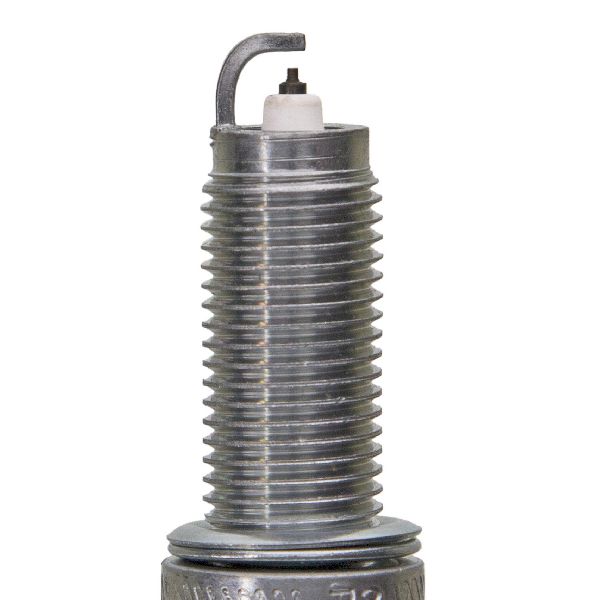
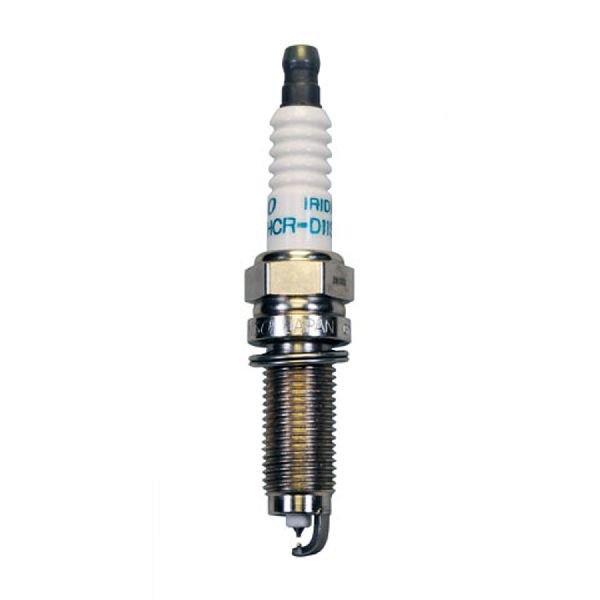
(OEM #NGK ILZKR7B11, Denso DXU22HCRD11S)— Worn or oil-fouled plugs are a leading cause of misfires on all model years. They are a critical maintenance item. NGK and Denso are OEM suppliers.
Trusted brands: NGK, Denso
OEM price range: $120-$180
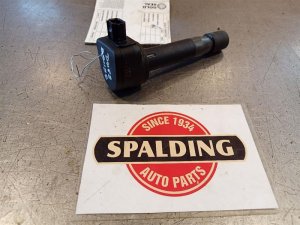
Aftermarket price range: $80-$150 - Ignition Coil — An intermittently failing coil can cause a random misfire before it fails completely and triggers a cylinder-specific code.
Trusted brands: Denso, Hitachi, NGK
OEM price range: $80-$120
Aftermarket price range: $40-$80 - VCM Muzzler / Tuner — For 2016-2017 models (and 2018+ to a lesser extent), this aftermarket device is a popular preventative fix to stop the VCM system from fouling spark plugs and causing misfires.
Trusted brands: VCMTuner II, S-VCM Controller
Aftermarket price range: $100-$150
Related Codes That Often Appear With This One
- P0301-P0306 — These are cylinder-specific misfire codes. P0300 often appears with one or more of these codes as the computer tries to pinpoint the problem.
- P219A / P219B — These codes indicate an air-fuel ratio imbalance between cylinders on Bank 1 or Bank 2. They are explicitly mentioned in TSB 21-010 as being directly related to the faulty fuel injector issue on 2018-2019 models.
- P0420 / P0430 — These catalyst efficiency codes can be triggered by chronic misfires dumping raw fuel into the exhaust, damaging the catalytic converter. The injector TSB also notes these codes can appear alongside the misfire codes and are covered under the same warranty extension.
- P3400 / P3497 — These codes relate to the VCM system's rocker arm oil pressure switches (Bank 1 and Bank 2). A failure in these switches, or low oil level, can cause the VCM to malfunction, leading to misfires.
Technical Service Bulletins (TSBs) & Recalls

- A18-025: The original TSB for 2018-2019 models identifying faulty fuel injectors as the cause for P0300-P0306 and P219A/B codes.
- 21-010: Supersedes A18-025. This is the warranty extension bulletin, extending coverage for the fuel injector replacement to 10 years or 150,000 miles for affected Odyssey, Pilot, and Ridgeline models.
- 20-100: A similar warranty extension TSB that applies to some Pilot and Ridgeline models, also covering the fuel injector issue.
- 13-081 / A25-061: Older TSBs related to a class-action lawsuit for piston ring sticking/oil consumption on earlier VCM-equipped engines, which is the root cause of plug fouling on 2016-2017 models.
Platform-Specific Known Issues
- Fuel Injector Failure (2018-2019): Honda has extended the warranty for fuel injectors to 10 years or 150,000 miles for many 2018-2019 Odysseys due to a manufacturing defect causing misfires. This is covered by TSBs A18-025, 20-100, and 21-010.
- VCM-Induced Spark Plug Fouling (All Years): The Variable Cylinder Management (VCM) system can cause increased oil consumption on the deactivated cylinders, leading to oil-fouled spark plugs and misfires. Many owners report this issue, sometimes leading to piston ring problems in the long term.
Mechanic-Grade Diagnostic Values
- Ignition Coil Primary Resistance — expected: 0.5 - 2.5 Ohms. Failure: A reading outside this range (e.g., open loop 'OL' or significantly higher/lower resistance) indicates a faulty primary winding.
- Ignition Coil Secondary Resistance — expected: 2,000 - 5,000 Ohms (2.0kΩ - 5.0kΩ) for four-stroke engines. Failure: A reading significantly outside this range suggests a failure in the secondary windings.
- Valve Clearance (Intake, Cold Engine) — expected: 0.20-0.24 mm (0.008-0.009 in). Failure: A clearance below the minimum spec ('tight valves') can prevent the valve from sealing, causing low compression and misfires, especially when the engine is cold.
- Valve Clearance (Exhaust, Cold Engine) — expected: 0.28-0.32 mm (0.011-0.013 in). Failure: Exhaust valves on J-series engines have a tendency to tighten over time. A clearance below spec is a common cause of mysterious misfires that are often misdiagnosed.
Scan Tool Commands That Help
- Honda HDS (or compatible advanced scanner like Launch X431): CKP Pattern Clear — This function must be used to clear the stored crankshaft position sensor pattern from the PCM before performing the learn procedure. It is required after major engine work, timing belt replacement, or replacing the CKP sensor to prevent false misfire detection.
- Honda HDS (or compatible advanced scanner like Launch X431): CKP Pattern Learn — After clearing the old pattern, this procedure allows the PCM to learn the new crankshaft tooth pattern. The engine is held at 3,000 RPM until warm, then decelerated several times. Failure to perform this can be a direct cause of P0300 codes after a repair.
- Advanced Scan Tool with Live Data: Misfire Counters (Mode 6) — To diagnose a P0300, monitoring the live misfire counts for each individual cylinder can reveal which cylinder(s) are the primary offenders, even if they haven't logged a specific P030x code yet. This helps focus diagnostic efforts.
Real Owner Repair Stories
- Reddit user on r/HondaOdyssey (2017 Honda Odyssey) — Persistent misfiring code.
❌ Tried (didn't work) Replacing ignition coil(s).
✅ What actually fixed it The user was advised that the root cause was likely the VCM (Variable Cylinder Management) system causing oil to foul the spark plugs. The final recommended fix was to replace the fouled spark plugs and install a 'VCM Tuner II' to disable the VCM system, which prevents the piston rings from aligning and allowing oil blow-by. This approach reportedly resolves the issue for the majority of owners. - YouTube video by Michael Borquez (2006 Saturn Vue with Honda J35 V6) — P0300, P0301-P0306, extremely rough idle, poor gas mileage, and a bank running rich code.
❌ Tried (didn't work) Initial thought was a bad oxygen sensor due to the rich code.
✅ What actually fixed it Inspection of the spark plugs showed they were extremely lean (melted electrode), the opposite of what the code suggested. The technician identified that the exhaust valves were all too tight. Adjusting the valve clearances to proper specification completely resolved the multiple misfire codes and rough running condition.
OEM Part Supersession History
16010-RLV-305→16010-RLV-315— This is the updated fuel injector kit intended to fix the misfire issue described in TSB A18-025 and later bulletins for the 2018-2019 Odyssey. The new part is designed to be less susceptible to debris.
Model Year Variations Within This Range
- 2018 vs 2019: The 2018 model year was a major redesign, while the 2019 model was largely a carry-over with minimal changes and a minor price increase. There were no significant mechanical or powertrain differences between the two years that would alter the diagnosis for P0300; both are subject to the fuel injector TSB.
Helpful Videos
Used OEM Parts in Stock


New Aftermarket Parts Available

The information in this article is provided for general reference and educational purposes only. Vehicle specifications, procedures, and part compatibility can vary by production date, trim level, and region. Always consult your vehicle's factory service manual and verify part numbers before purchasing or performing repairs. Safety-critical components such as airbags, seat belts, and braking systems should be installed by a qualified professional.
- Honda ODYSSEY:
- 🎬 Helpful Videos
- 🛍️ Shop This Part
- What's Unique About the 2016-2019 Honda ODYSSEY
- Diagnostic Flowchart
- Symptoms You May Notice
- Most Likely Causes
- Rare But Worth Checking
- Diagnosis Steps
- Parts You'll Likely Need
- Related Codes That Often Appear With This One
- Technical Service Bulletins (TSBs) & Recalls
- Platform-Specific Known Issues
- Mechanic-Grade Diagnostic Values
- Scan Tool Commands That Help
- Real Owner Repair Stories
- OEM Part Supersession History
- Model Year Variations Within This Range
- 🎟️ Get 5% Off