

P0300 on 2008-2015 Honda Odyssey: Random Misfire Causes and Fixes
Code P0300 on a 2008-2015 Honda Odyssey often points to spark plugs fouled by oil due to the VCM system. The most common fix is replacing the spark plugs and potentially disabling the VCM. In some cases, piston ring replacement may be necessary, a repair covered under Honda warranty extension TSB 13-081 for certain model years.
- P0300 on a 2008-2015 Odyssey is most likely caused by spark plugs fouled with oil due to the VCM system.
- The first step is to inspect and likely replace the spark plugs, especially in cylinders 1-4.
- Check if your vehicle's VIN is covered by Honda's warranty extension for piston ring repair (TSB 13-081 or 25-061).
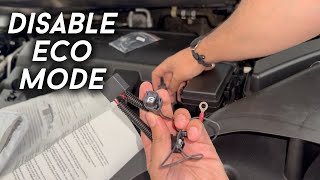
- For a long-term fix, many owners recommend installing an aftermarket VCM disabling device to prevent future spark plug fouling.
- Don't immediately assume a bad catalytic converter; it's usually a symptom of the misfire, not the cause.
What's Unique About the 2008-2015 Honda ODYSSEY

The Honda Odyssey from this era uses a 3.5L V6 engine with Variable Cylinder Management (VCM). This system deactivates some cylinders to improve fuel economy. A widely documented side effect is that oil can seep past the piston rings of the deactivated cylinders (often 1-4), fouling the spark plugs and causing misfires. This issue was so prevalent that it led to the Soto v. American Honda Motor Co., Inc. class-action lawsuit and subsequent warranty extensions from Honda (like TSB 13-081 and 13-080) to cover piston ring replacement.
Diagnostic Flowchart

Tap your situation to follow the diagnostic path that matches what you're seeing on this vehicle.
Generation note: This range covers the end of the third generation (2008-2010) and the first half of the fourth generation (2011-2015). Both generations use a J35 V6 engine with VCM and are susceptible to the same oil consumption and spark plug fouling issues. However, the systems differ slightly: 2008-2010 models often use VCM-1 (deactivating cylinders 1-3), while 2011+ models use VCM-2 (deactivating cylinders 1-4 in different combinations). Specific TSBs apply to different years: TSB 13-080 covers 2008-2010 models, while TSB 13-081 covers 2011-2013 models.
Symptoms You May Notice
- Check engine light is on (solid or flashing)
- Rough or shaky engine idle
- Hesitation or stumbling during acceleration
- Reduced engine power
- Poor fuel economy
- Engine running rough
- Shudder or vibration when VCM engages/disengages (ECO light on/off)
- Replacing only one spark plug or coil when multiple are needed.
- Replacing ignition coils when the root cause is oil-fouled spark plugs from the VCM issue.
- Replacing the catalytic converter when it has been damaged by, but is not the cause of, the misfire.
- Assuming a fuel problem when it is an ignition or mechanical (piston rings/valves) issue.
Most Likely Causes

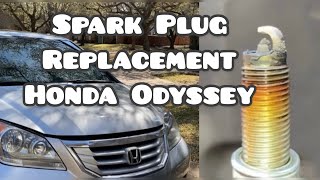
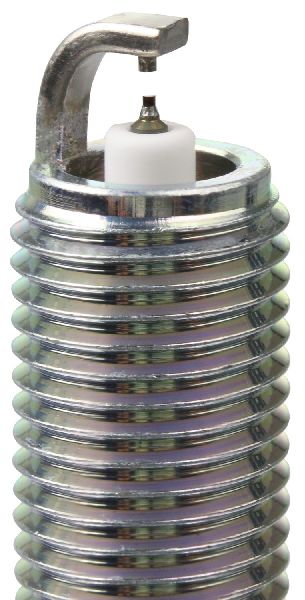
- Fouled Spark Plugs (due to VCM issue) 🔴 High Probability Honda's VCM system can cause oil to contaminate the spark plugs on deactivated cylinders (1-4), leading to fouling and misfires. This is the most notorious cause for P0300 on this platform, as acknowledged in TSB 13-081.
How to confirm: Remove the spark plugs from cylinders 1-4 (rear bank) and inspect for black, oily, or sooty deposits. Compare them to the plugs from cylinders 5-6 (front bank), which will likely appear much cleaner.
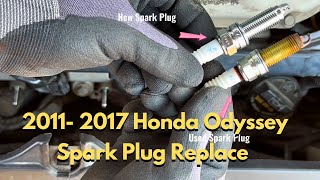
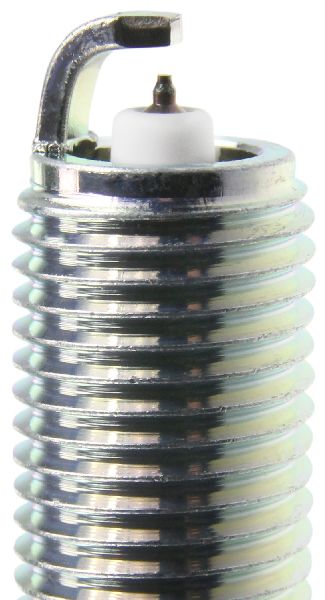
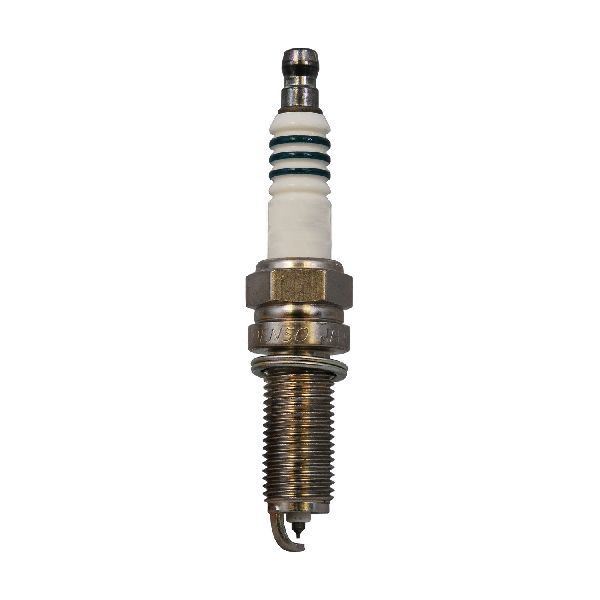
Typical fix: Replace all six spark plugs with OEM NGK or Denso Iridium plugs. For a long-term solution, many owners install a VCM disabling device. In severe cases where rings are damaged, piston ring replacement is required, which may be covered by Honda's warranty extension.
Est. part cost: $60-$150 for a set of 6 NGK or Denso spark plugs. - Failed Ignition Coil(s) 🟡 Medium Probability While a single failed coil usually throws a specific cylinder code (e.g., P0301), one or more intermittently failing coils can cause random misfires before failing completely. Oil leaking from valve cover tube seals can also damage coils.
How to confirm: With the engine idling, unplug one coil at a time. If unplugging a coil causes no change in the engine's idle, that coil (or its cylinder) is the problem. You can also swap a suspected bad coil with a known good one to see if the misfire follows the coil.
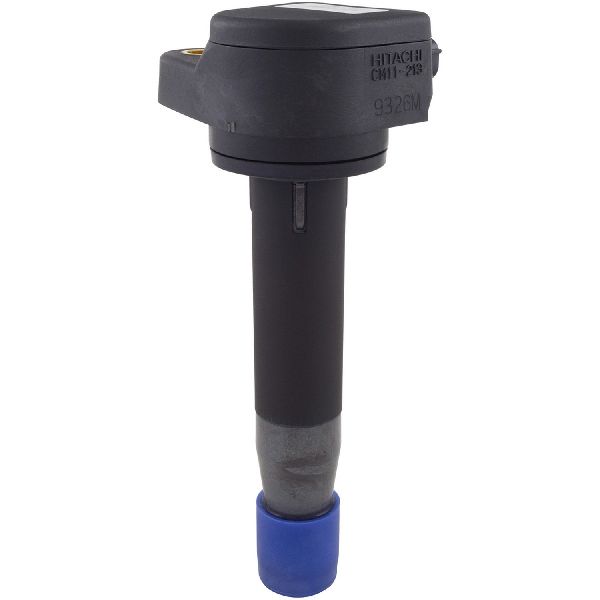
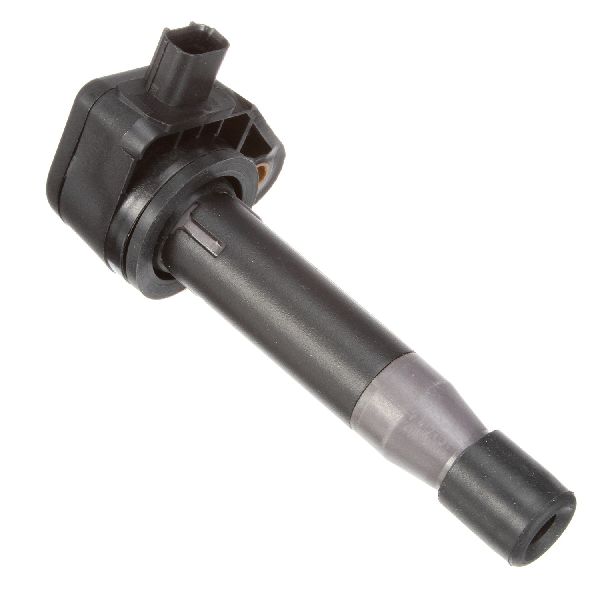
Typical fix: Replace the faulty ignition coil. It is highly recommended to use OEM-quality brands like Hitachi, Denso, or NGK, as some aftermarket coils can be unreliable.
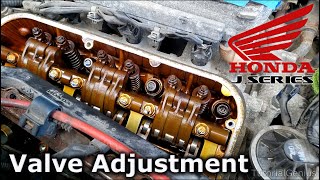
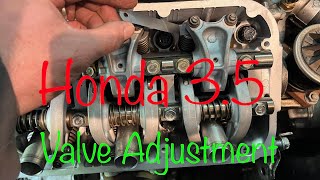
Est. part cost: $50-$90 per coil. - Valves Out of Adjustment 🟡 Medium Probability Honda J-series engines require periodic valve clearance adjustments, typically every 105,000 miles. If the valves become too tight, they won't seal properly, causing a loss of compression and leading to misfires, especially when the engine is warm.
How to confirm: Perform a valve clearance inspection and adjustment. This is a mechanical check requiring feeler gauges and should be done when the engine is cold. A ticking noise from the engine is a common symptom.
Typical fix: Adjust the valve clearances to manufacturer specifications. This is a labor-intensive but parts-light procedure.
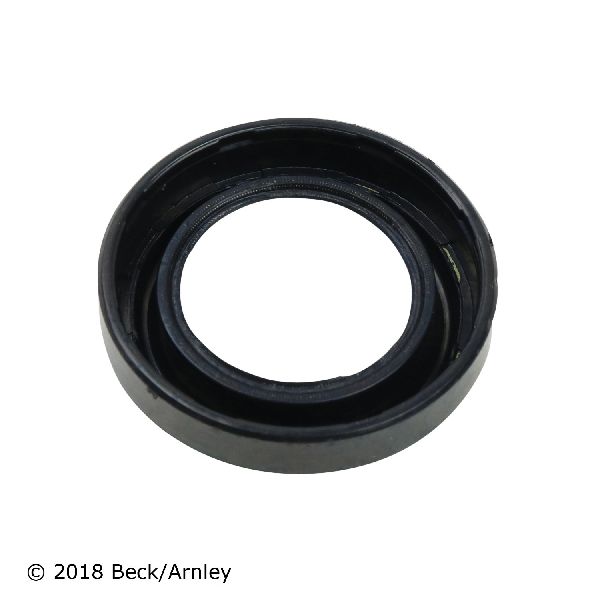
Est. part cost: $15-$30 for a valve cover gasket and spark plug tube seal set if needed. - Clogged EGR Passages ⚪ Low Probability The EGR system can become clogged with carbon, disrupting flow and causing misfires at idle or light throttle. This is a known issue on some Honda V6 engines.
How to confirm: Remove the EGR valve and inspect the valve and the intake manifold ports for heavy carbon buildup. The engine may stumble or stall if the EGR valve is manually opened at idle.
Typical fix: Clean the EGR valve and the passages in the intake manifold. Replace the EGR valve if it is faulty.
Est. part cost: $5 for gaskets and cleaner; $80-$200 for a new EGR valve.
Rare But Worth Checking
- Crankshaft Position (CKP) Sensor Re-learn Needed: In some cases, especially after major work like a timing belt change or even a battery replacement, the PCM can lose the learned crankshaft position pattern, causing random misfires. A dealership or a high-end scan tool is needed to perform the CKP pattern re-learn procedure.
- Clogged Fuel Injectors: If multiple fuel injectors become dirty or restricted, it can lead to a lean condition and random misfires. This is less common than ignition or VCM-related issues but can happen on higher mileage vehicles.
- Leaking Valve Cover Gasket / Spark Plug Tube Seals: The seals around the spark plug tubes can fail, allowing oil to fill the spark plug well. This can short out the ignition coil and cause a misfire. This is different from the internal oil fouling from the VCM issue and is an external leak.
Diagnosis Steps
- Scan for all OBD-II codes. Pay close attention to any specific cylinder misfire codes (P0301-P0306) that are present with P0300.
- Check for any applicable Technical Service Bulletins (TSBs) or warranty extensions for your vehicle's VIN. Honda has issued several related to this problem, most notably TSB 13-081 and 13-080.
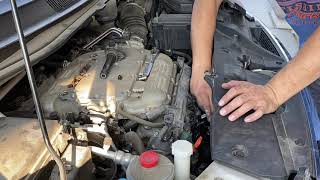
- Inspect the spark plugs, especially from cylinders 1-4 (the rear bank, closer to the firewall). Look for signs of oil fouling or heavy carbon buildup.
- If plugs are fouled, replace all six with high-quality NGK or Denso plugs. This is the most likely fix, though it may be temporary if the root cause isn't addressed.
- If plugs are clean, test the ignition coils. Swap a coil from a misfiring cylinder to a non-misfiring cylinder and see if the specific misfire code follows the coil.
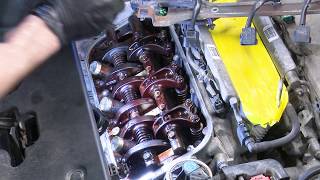
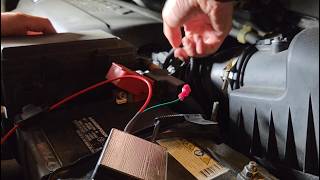
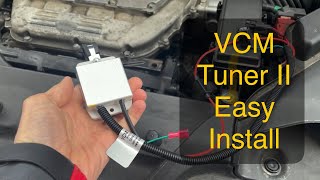
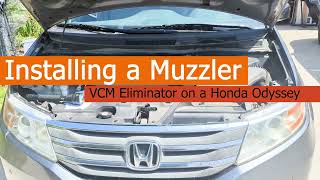
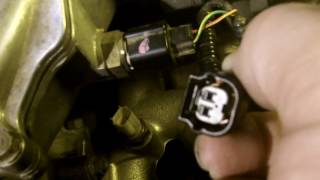
- Consider installing a VCM disabling device 🎬 Watch this 5-minute video to install a VCM Tuner II. to prevent recurrence of spark plug fouling. This is a highly recommended preventative step by the owner community.
- If the vehicle has over 100,000 miles, check service records for a valve adjustment. If not performed, consider doing it as tight valves are a common cause of misfires on J-series engines.
- If all else fails and the vehicle is eligible, consult a Honda dealer about the warranty extension for piston ring replacement.
Parts You'll Likely Need
- Spark Plugs
(OEM #12290-R71-L01 (NGK DILZKR7A11G) or 12290-R70-A01 (NGK ILZKR7B11))— This is the most common failure point. Oil fouling from the VCM system ruins the spark plugs, causing misfires.
Trusted brands: NGK (OEM), Denso (OEM)
OEM price range: $120-$180
Aftermarket price range: $60-$120 - Ignition Coil
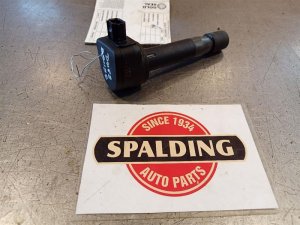
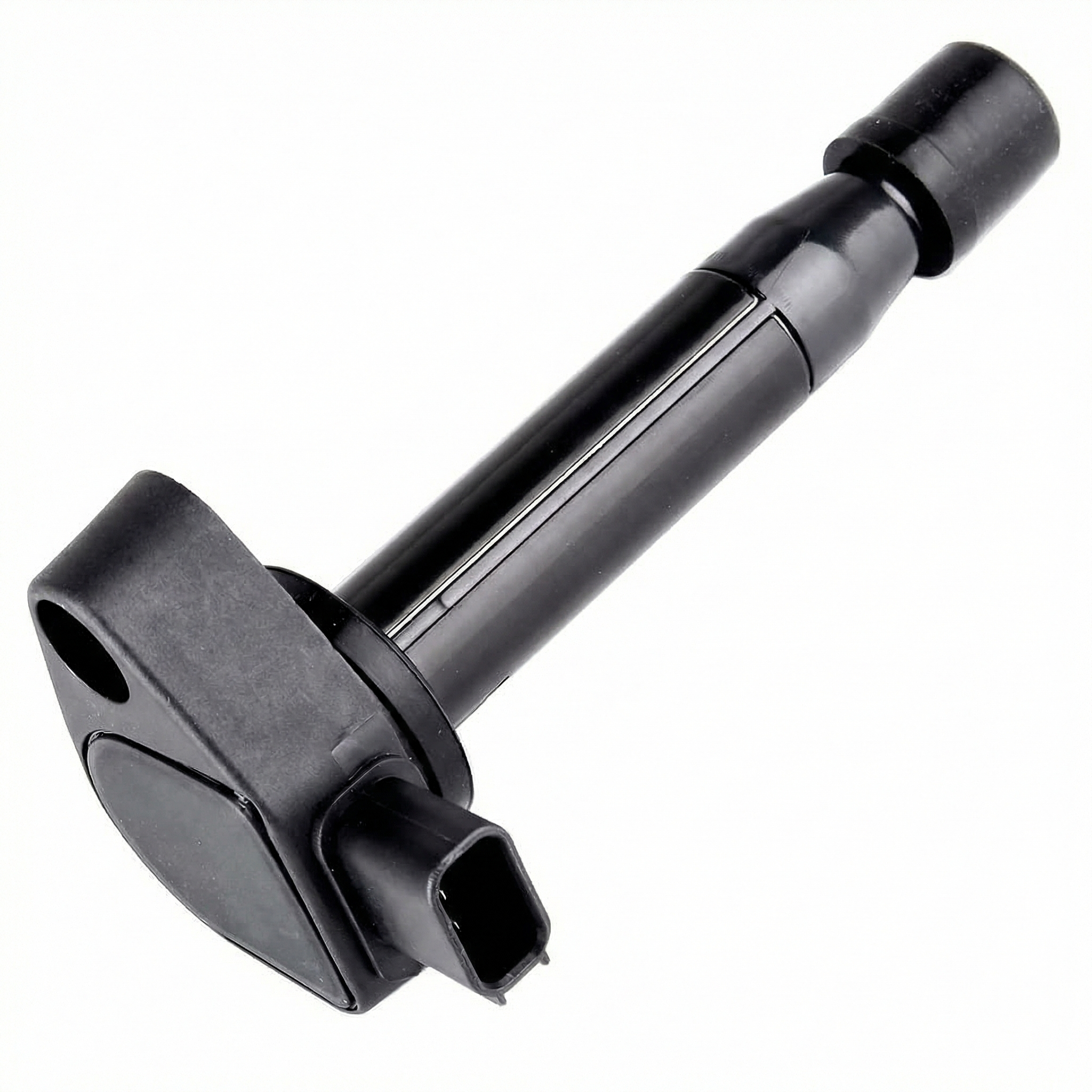
(OEM #30520-R70-A01 or 30520-R70-S01)— An intermittently failing coil can cause random misfires before it fails completely. Oil from leaking tube seals can also damage them.
Trusted brands: Hitachi (OEM), Denso (OEM), NGK
OEM price range: $90-$125
Aftermarket price range: $50-$90 - VCM Disabler / Muzzler — This aftermarket part prevents the VCM system from activating, stopping the root cause of the oil consumption and spark plug fouling. It is a popular long-term preventative fix among owners.
Trusted brands: VCMTuner II, S-VCM Controller, VCM Muzzler II
Aftermarket price range: $90-$140
Related Codes That Often Appear With This One
- P0301, P0302, P0303, P0304 — These codes indicate misfires in specific cylinders (1 through 4). They often accompany P0300 because the VCM-related issue primarily affects these cylinders, and the PCM logs both the specific and the random misfire codes. Honda's TSB 13-081 directly addresses this group of codes.
- P3400 / P3497 — These codes relate to the VCM system (Rocker Arm Oil Pressure Switch). A problem in the VCM system itself can cause misfires and may trigger these codes alongside P0300. TSB 11-033 was issued to address this with a software update.
Technical Service Bulletins (TSBs) & Recalls

- TSB 13-081: 'Warranty Extension: MIL Comes On With DTCs P0301 Through P0304' - This is the key bulletin for 2011-2013 models. It details the warranty extension resulting from the class-action lawsuit, acknowledging that piston rings may align, causing spark plug fouling. The fix involves piston ring replacement and, for 2011 models, a PCM software update.
- TSB 13-080: 'Warranty Extension: MIL Comes On With DTCs P0301 Through P0304' - This bulletin applies to 2008-2010 Odyssey EX-L and Touring models, providing a similar warranty extension and repair path (software update first, then piston rings if the issue returns).
- TSB 11-033: 'Engine Oil Consumption; MIL May Be On With DTC P3400 and/or P3497' - An earlier bulletin addressing oil consumption and VCM-related codes. The corrective action was a PGM-FI software update to change VCM engagement logic.
- TSB 10-063: Initially for the Honda Pilot, this bulletin addresses MIL on with P0300-P0304 and points to the same root cause, showing the issue is platform-wide. It was later superseded by warranty extension TSBs.
Platform-Specific Known Issues
- Owner Experience: The VCM Muzzler as a Permanent Fix: Countless owners on forums like Odyclub and in YouTube reviews report that after dealing with recurring P0300 codes and oil-fouled plugs, installing a VCM disabling device (often called a 'VCM Muzzler' or 'VCMTuner') permanently solved the problem. These devices trick the engine coolant temperature sensor to prevent the VCM from activating. Owners
Mechanic-Grade Diagnostic Values
- Fuel Pressure at Idle — expected: 380-430 kPa (55-63 psi) for 2008-2010 models. 390-440 kPa (57-64 psi) for 2011-2015 models.. Failure: Pressure significantly below the specified range indicates a weak fuel pump or clogged filter.
- Ignition Coil Resistance (Comparative Check) — expected: While absolute specs are not reliably published, all coils should have very similar resistance readings (e.g., within 5-10% of each other).. Failure: A coil with a significantly higher or lower resistance reading compared to the others is suspect. An open circuit (OL) indicates a failed coil.
- Ignition Coil Connector Voltage — expected: With key on, engine off: Pin A should have battery voltage, Pin B should be a good ground.. Failure: Lack of voltage or ground indicates a wiring or PCM driver issue, not a bad coil.
Hidden / Shadow Codes Worth Checking
- Live Misfire Counters: A capable scan tool can display live misfire counts for each individual cylinder, even if a specific P030x code has not been set. This allows a technician to see which cylinders are contributing to the P0300 count in real-time. (see via Using a professional scan tool (like Honda HDS, Snap-on, Autel) and navigating to the live data or misfire data stream.)
- Mode 6, Test ID ($A2-$AD), Component ID ($01-$0C): OBD-II Mode 6 data stores misfire counts for each cylinder from the last 10 driving cycles. This can reveal which cylinders are misfiring intermittently even if the check engine light is not currently on. (see via A scan tool that supports Mode 6 diagnostics.)
Scan Tool Commands That Help
- Honda HDS, Autel, Foxwell, Snap-on: CKP Pattern Clear / CKP Pattern Learn — This function must be used after replacing the crankshaft position sensor or performing major engine work (like a timing belt change or fixing a misfire) to make the PCM relearn the precise pattern of the crankshaft. Failing to do so can cause the PCM to falsely detect misfires and set a P0300 code.
- Professional Scan Tools: Cylinder Power Balance / Misfire Graph — When a P0300 is present without specific cylinder codes, this function graphically displays the contribution of each cylinder, making it easy to pinpoint which one(s) are underperforming.
Wiring & Ground Locations
- G101 — Typically located on the chassis frame near the battery or on the engine block itself. It is a primary ground point for the engine and PCM.. A corroded or loose G101 ground can cause erratic sensor readings and insufficient voltage for ignition coils, leading to random misfires that are difficult to trace.
- Ignition Coil Connector — On top of each valve cover, connecting to each ignition coil.. Knowing the pinout (Pin A: Power, Pin B: Ground, Pin C: Signal) allows for direct testing of the ignition circuit. A failure here can mimic a bad coil.
Real Owner Repair Stories
- Reddit user in r/HondaOdyssey (2004 Honda Odyssey (J35 engine family)) — Misfires in every cylinder (P0300, P0301-P0306), bad sluggish acceleration.
❌ Tried (didn't work) Replaced spark plugs, Replaced ignition coils, Performed a valve adjustment
✅ What actually fixed it Replacing all the fuel injectors. - Reddit user in r/AskAMechanic (2010 Honda Odyssey, 125,000 miles) — Intermittent misfires in each cylinder, check engine light comes and goes.
❌ Tried (didn't work) Replaced spark plugs (NGK), Replaced ignition coils with aftermarket (TRQ) brand
✅ What actually fixed it The user was advised by a shop that the next steps were to replace the aftermarket coils with OEM and perform a valve adjustment, which is a common high-mileage fix for these symptoms on the J35 engine. - Reddit user in r/HondaOdyssey (2007 Honda Odyssey, 124,000 miles) — Slight shutter/vibration at 35-45 mph, often mistaken for a misfire.
❌ Tried (didn't work) Initially diagnosing as an engine misfire.
✅ What actually fixed it Performing a single transmission fluid drain-and-fill with genuine Honda ATF resolved the shudder, confirming it was a torque converter issue, not an engine misfire.
"I Checked Everything" — The Actual Cause
- In cases where ignition components (plugs, coils), mechanical health (compression, valve adjustment), and vacuum integrity (smoke test) all check out, clogged or failing fuel injectors can be the hidden cause of a random misfire code. One owner fixed a P0300 with misfires on all cylinders by replacing the injectors after all other common fixes failed.
When the Usual Fixes Don't Work
- While the VCM-related oil fouling is the most common cause of P0300, it is not the only one. In higher mileage vehicles (>100k miles), a required valve adjustment is a very frequent cause of random misfires, especially at warm idle, and should not be overlooked. Furthermore, what feels like a misfire may not be one at all; a torque converter shudder is a well-documented issue on Odysseys that produces a nearly identical vibration and is often fixed with a simple transmission fluid change.
OEM Part Supersession History
Varies by cylinder→Piston Ring Set (P/N 13011-RV0-A01) per TSB 13-081— The original piston rings could align, causing excessive oil consumption and spark plug fouling. The new parts are designed to prevent this rotation.
Heads up: When performing the piston ring replacement per TSB 13-081, it is critical to use the exact parts list from the most recent version of the bulletin, as part quantities (like bolt counts) have been revised.
Model Year Variations Within This Range
- 2011 only: Vehicles from this model year require a mandatory PCM software update as part of the TSB 13-081 procedure for the piston ring issue. 2012-2013 models came with this update from the factory.
- 2008-2010 vs 2011-2015: Fuel pressure specifications are slightly different. 2008-2010 models specify 55-63 psi, while 2011-2015 models specify 57-64 psi.
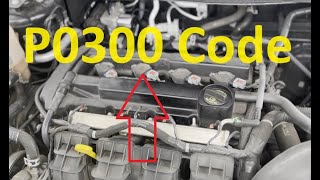
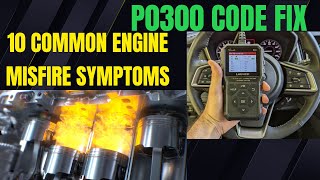
Helpful Videos
Used OEM Parts in Stock
New Aftermarket Parts Available

The information in this article is provided for general reference and educational purposes only. Vehicle specifications, procedures, and part compatibility can vary by production date, trim level, and region. Always consult your vehicle's factory service manual and verify part numbers before purchasing or performing repairs. Safety-critical components such as airbags, seat belts, and braking systems should be installed by a qualified professional.
- Honda ODYSSEY:
- 🎬 Helpful Videos
- 🛍️ Shop This Part
- What's Unique About the 2008-2015 Honda ODYSSEY
- Diagnostic Flowchart
- Symptoms You May Notice
- Most Likely Causes
- Rare But Worth Checking
- Diagnosis Steps
- Parts You'll Likely Need
- Related Codes That Often Appear With This One
- Technical Service Bulletins (TSBs) & Recalls
- Platform-Specific Known Issues
- Mechanic-Grade Diagnostic Values
- Hidden / Shadow Codes Worth Checking
- Scan Tool Commands That Help
- Wiring & Ground Locations
- Real Owner Repair Stories
- "I Checked Everything" — The Actual Cause
- When the Usual Fixes Don't Work
- OEM Part Supersession History
- Model Year Variations Within This Range
- 🎟️ Get 5% Off