

P0300 on 2018-2024 GMC Terrain: Random Misfire Causes & Fixes
Code P0300 on a 2018-2024 GMC Terrain often points to a known issue with the charge air cooler (CAC) collecting moisture, as detailed in GM Technical Service Bulletin #18-NA-020. This is especially common after long drives in high humidity or rain. Other common causes include worn spark plugs or failing ignition coils. The CAC is the most vehicle-specific issue, while plugs and coils are common to most engines.
- For a 2018-2024 GMC Terrain, a P0300 code is very frequently linked to a known issue with moisture in the charge air cooler, covered by TSB #18-NA-020.
- Always check for accompanying codes like P0299 and P2227, as they strongly point to the charge air cooler problem.
- Beyond the specific TSB, the most common causes are routine maintenance items: worn spark plugs and failing ignition coils.
- Do not drive if the check engine light is flashing, as this indicates a severe misfire that can quickly destroy the catalytic converter.
- Diagnosis should start with the cheapest and most common fixes (plugs, coils) before moving to more complex issues, but the charge air cooler TSB should be considered a top priority.
What's Unique About the 2018-2024 Gmc TERRAIN

The 2018-2024 GMC Terrain, equipped with either the 1.5L or 2.0L turbocharged engine, is uniquely susceptible to moisture buildup in the charge air cooler (CAC). Under specific conditions like high humidity or long drives in the rain, condensation can collect in the cooler. A sudden, heavy acceleration can then pull this water into the engine, causing a random misfire and triggering the P0300 code. This issue is so well-documented that General Motors has issued multiple revisions of a Technical Service Bulletin (TSB #18-NA-020) to address it, with fixes varying by vehicle build date and climate.
Diagnostic Flowchart

Tap your situation to follow the diagnostic path that matches what you're seeing on this vehicle.
Symptoms You May Notice
- Rough or shaky idle
- Hesitation or stumbling during acceleration
- Flashing Check Engine Light
- Solid Check Engine Light
- Reduced engine power message on the dash
- Poor fuel economy
- Engine stalling or rough idling
- Replacing only one spark plug or coil when a full set is due.
- Replacing oxygen sensors or the MAF sensor before checking for the more common issues like spark plugs, coils, and the TSB-related charge air cooler problem.
- Immediately assuming a major engine mechanical failure before ruling out ignition, fuel, and the well-documented CAC moisture issue.
Most Likely Causes


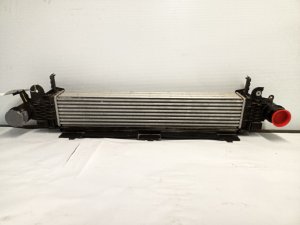
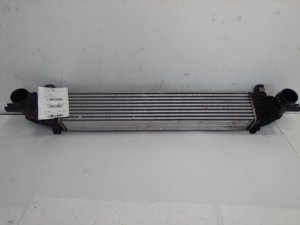
- Moisture in Charge Air Cooler (CAC) 🔴 High Probability The design of the air-to-air charge air cooler system on these small displacement turbocharged engines can allow condensation to accumulate during long drives in high humidity or rain. In cold climates, this moisture (from ambient air and PCV system) can freeze, restricting airflow and causing codes P0299/P2227. A heavy acceleration can ingest the collected water, causing the P0300 misfire.
How to confirm: Check for stored codes P0299 (Turbo Underboost) or P2227 (Barometric Pressure Sensor Performance) alongside P0300. The issue is most likely to occur after driving in rainy, foggy, or humid conditions. Diagnosis involves a smoke test of the charge air system for leaks and inspecting the CAC and its ducting for water.
Typical fix: The fix is dependent on the vehicle's build date. For 2018 models built before March 1, 2018, the primary fix is to replace the CAC with an updated part (P/N 85163204). For later models or recurring issues, GM has procedures involving installing grille covers or shutters to manage airflow and temperature at the CAC, especially in cold climates to prevent icing or in humid climates to reduce condensation. In some cases, the fix is simply to remove, thaw, and wash out a frozen CAC.
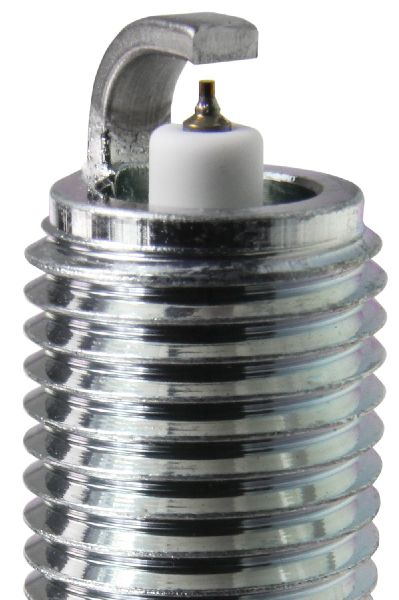
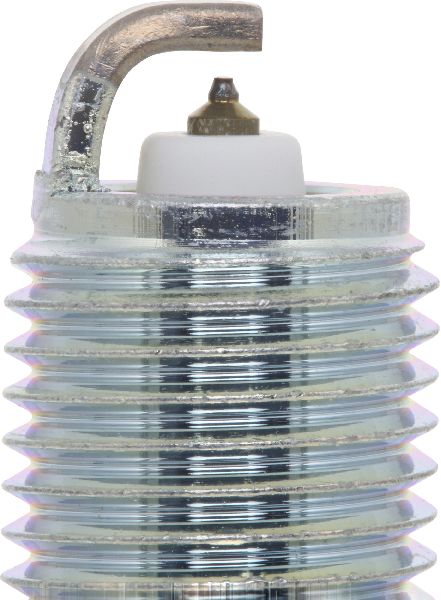
Est. part cost: $200-$450 - Worn or Defective Spark Plugs 🔴 High Probability Spark plugs are a standard wear item. GM issued an engineering information bulletin (EI190000001) to investigate cracked spark plug ceramics on 2018-2019 models with the 1.5L engine. Cracked insulators can be caused by thermal stress, detonation, or improper installation, leading to misfires.
How to confirm: Inspect the spark plugs for wear (especially on the iridium tip), fouling, or damage, such as cracked porcelain insulators. A typical service interval for these iridium plugs is 60,000-80,000 miles. An incorrect gap can also cause a random misfire.
Typical fix: Replace all four spark plugs as a set. Use OEM-spec ACDelco or NGK Iridium plugs. For the 1.5L (LYX), use ACDelco 41-166. For the 2.0L (LTG), use ACDelco 41-125. Ensure they are gapped correctly.
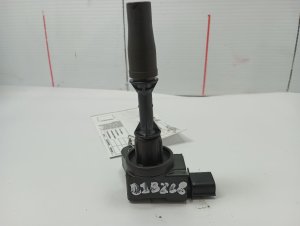
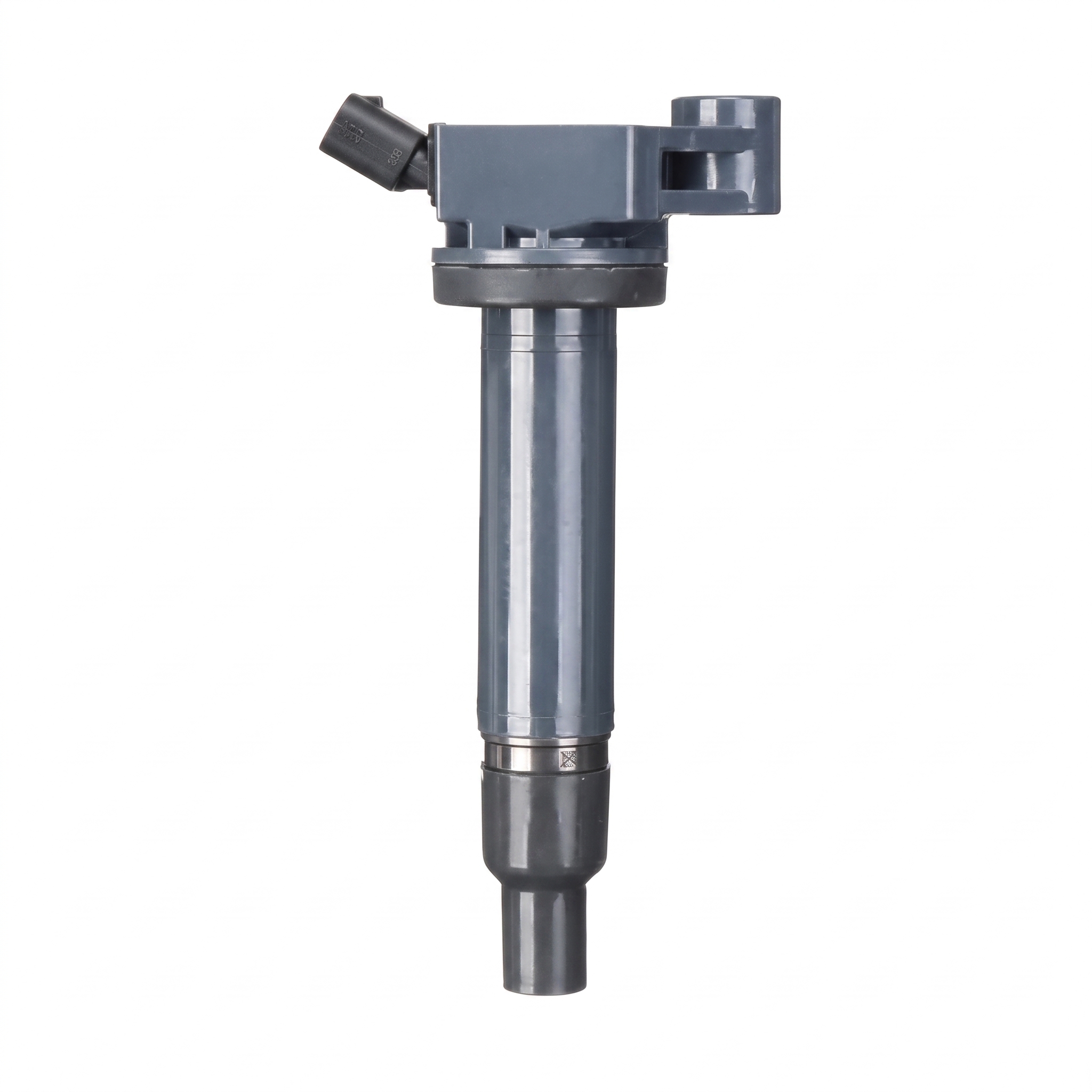
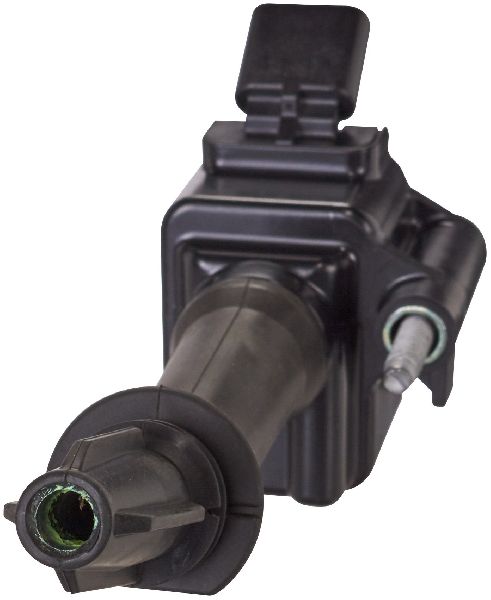
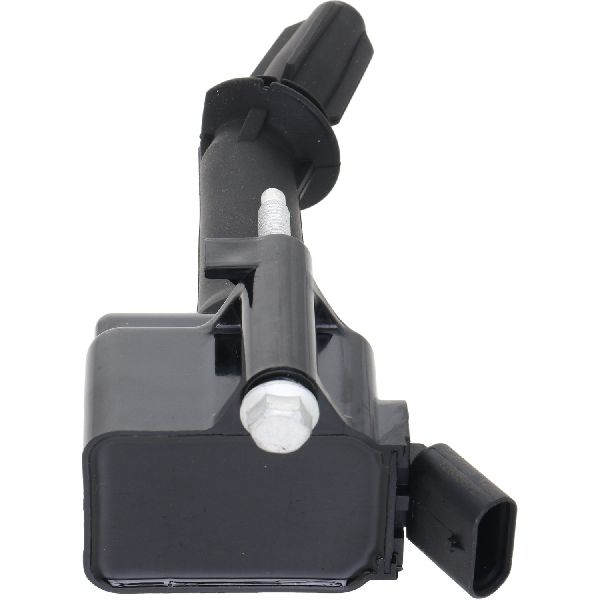
Est. part cost: $40-$80 - Failing Ignition Coils 🟡 Medium Probability Ignition coils can fail over time due to heat and vibration. While not as frequent as spark plugs, a weak or intermittently failing coil can cause random misfires before failing completely on a single cylinder.
How to confirm: Using a scan tool with live data, monitor misfire counts per cylinder. You can swap the suspected coil with a coil from a cylinder that is not misfiring. If the misfire follows the coil, the coil is bad.
Typical fix: Replace the faulty ignition coil. It is often recommended to replace the corresponding spark plug at the same time.
Est. part cost: $50-$100 per coil - Clogged or Dirty Fuel Injectors / Carbon Buildup ⚪ Low Probability Direct injection (DI) fuel systems operate at very high pressures and can be sensitive to fuel quality. Over time, carbon deposits can build up on injector tips and, more significantly, on the intake valves. Since fuel is injected directly into the cylinder, it doesn't wash over the valves to clean them. This buildup can disrupt airflow and cause misfires.
How to confirm: This is more difficult to diagnose. A professional injector balance test can identify flow issues. For carbon buildup, a borescope inspection of the intake valves is often required. Sometimes, using a quality fuel system cleaner provides temporary improvement, suggesting this is the issue.
Typical fix: Professional off-car or on-car fuel injector cleaning. For heavy carbon buildup on valves, walnut shell blasting is the most effective cleaning method. In severe cases, replacement of the faulty injectors is necessary.
Est. part cost: $100-$300 per injector
Rare But Worth Checking
- Vacuum Leak: A leak in the intake manifold, a vacuum hose, or a gasket can introduce unmetered air into the engine, leaning out the air-fuel mixture and causing misfires. This can be diagnosed with a smoke test.
- Faulty Oxygen (O2) Sensor: A failing upstream O2 sensor can send incorrect data to the ECM, causing improper fuel mixture adjustments and leading to misfires. A preliminary bulletin (PIP6071A) for newer models suggests this can be a cause.
- Frozen Turbocharger Wastegate Regulator Solenoid Valve: Concurrent with the CAC icing issue in cold weather, oil/water condensate can freeze in the wastegate regulator solenoid valve. This can cause boost issues and contribute to misfires. TSB PIP5812C addresses this specific problem.
Diagnosis Steps
- Use an OBD-II scanner to check for any other accompanying codes, especially P0299, P2227, or any cylinder-specific P030x codes. Note the freeze frame data to understand the conditions (engine temp, load, etc.) when the code was set.
- Investigate the Charge Air Cooler (CAC) issue per TSB #18-NA-020 and #22-NA-065. This is the highest probability cause, especially if the misfires occurred in high humidity, rain, or freezing temperatures, or if codes P0299/P2227 are present.
- Inspect the ignition system. Pull all four spark plugs and check for wear, proper gap, and signs of damage like cracked porcelain. Look for fouling that could indicate other issues (oil, fuel).
- Test the ignition coils. If misfire data points to a specific cylinder, swap that coil with another to see if the misfire moves. If the misfire is truly random, this may be less effective.
- Check for vacuum leaks. Use a smoke machine to test the intake manifold, vacuum lines, and gaskets for any unmetered air leaks.
- Test the fuel system. Check fuel pressure to ensure the pump is working correctly. Consider running a quality fuel injector cleaner (like Techron or Seafoam) through the system. For persistent issues, an injector balance test may be needed.
- As a final step for persistent issues, a compression test can check for mechanical engine problems, though this is a less likely cause for a random misfire on this platform compared to the CAC issue.
Parts You'll Likely Need
- Charge Air Cooler
(OEM #85163204 (per TSB 22-NA-065 for LYX engine) or 85046823 (updated part))— A known design issue causes moisture buildup leading to misfires, as documented in TSB #18-NA-020. Replacement with an updated design is the fix for early 2018 models. - Spark Plugs
(OEM #ACDelco 41-166 (1.5L) or 41-125 (2.0L))— Standard maintenance item and a frequent cause of misfires. Cracked insulators are a known issue on some 1.5L models. - Ignition Coil — Common failure item due to heat and vibration. Can cause intermittent or random misfires before failing completely.
Related Codes That Often Appear With This One
- P0299 — Turbocharger/Supercharger Underboost. This code often appears with P0300 when moisture freezes or accumulates in the charge air cooler, restricting airflow.
- P2227 — Barometric Pressure Sensor 'A' Circuit Range/Performance. This is another code that points to the charge air cooler issue, as restricted airflow affects sensor readings.
- P0301, P0302, P0303, P0304 — These are cylinder-specific misfire codes. P0300 may appear initially before the ECM isolates the problem to a specific cylinder, or it may appear alongside one of these codes.
- P0234 — Turbocharger/Supercharger Overboost Condition. This can be seen in conjunction with the other codes if the turbocharger wastegate regulator solenoid valve is frozen or contaminated.
Technical Service Bulletins (TSBs) & Recalls
- 18-NA-020: Multiple revisions (Dec 2018, Feb 2020, Aug 2022) address P0300, P0299, P2227 due to moisture/icing in the Charge Air Cooler. Fixes include CAC replacement, grille covers, and shutters depending on build date and climate.
- 22-NA-065: Specifically for P0300 set in high humidity or heavy rain, recommending installation of a lower grille cover and providing specific part numbers for different trims.
- PIP5511A: This is the precursor bulletin that was replaced by 18-NA-020.
- PIP5812C: Referenced in TSB 18-NA-020, this bulletin provides information on oil/moisture condensate freezing in the Turbocharger Wastegate Regulator Solenoid Valve.
- EI190000001: An Engineering Information bulletin to gather data on cracked spark plug insulators on 1.5L engines.
Platform-Specific Known Issues
- Owner Experience with CAC Moisture: An owner on terrainforum.net reported driving their 2018 Terrain Denali 2.0L for several hours on the highway during a rainstorm. When they accelerated to pass another vehicle, the check engine light began flashing, the engine ran rough, and the vehicle went into a reduced power mode. The stored code was P0300. The dealership diagnosed water in the charge air cooler system, a known issue covered by TSB 18-NA-020.
Mechanic-Grade Diagnostic Values
- Short-Term and Long-Term Fuel Trim — expected: Between -5% and +5% at idle.. Failure: Consistently high positive values (>10%) suggest a vacuum leak or under-reporting MAF sensor. High negative values suggest a leaking injector or other rich condition.
- Ignition Coil Output Voltage — expected: Should be able to produce a spark of at least 30-60kV.. Failure: Using a spark tester with an adjustable gap, a healthy coil should be able to create a spark across a 2cm gap. Inability to do so indicates a weak coil that may fail under load.
- System Voltage — expected: Approximately 13.5-14.5 Volts with the engine running.. Failure: Low system voltage (below 12.5V while running) can cause misfires on modern vehicles due to insufficient power for coils, injectors, and the ECM.
Scan Tool Commands That Help
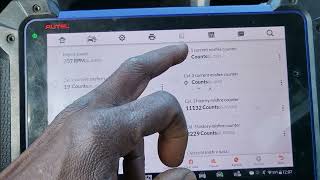
- GDS2 (or equivalent professional scanner): Misfire Data / Misfire Graphic — This is the primary tool for diagnosing a P0300. Even if no cylinder-specific codes (P0301-P0304) are present, the live data will show misfire counts for each cylinder, helping to identify which cylinders are contributing to the random misfire count.
- GDS2 (or equivalent professional scanner): Cylinder Power Balance — This bidirectional test allows the technician to selectively disable one fuel injector at a time. A good cylinder will show a noticeable drop in RPM when disabled. If disabling a cylinder causes little or no change in RPM, that cylinder is not contributing power, pointing to a problem with its ignition, fuel, or compression.
Wiring & Ground Locations
- G102 — Typically located at the rear of the engine.. This is a primary ground point for the ignition coils. A loose or corroded G102 can cause weak spark or intermittent ignition function across multiple cylinders, leading to a P0300 code.
- G101 / G106 — G101 is often on the lower front of the engine block; G106 is on the frame cross rail under the crank pulley. They are often jumpered together.. These grounds are critical for the Engine Control Module (ECM) and Transmission Control Module (TCM). A poor connection here can cause a wide range of erratic engine behavior, including misfires.
- G103 — Typically found on the cowl in the rear of the engine compartment, often near the brake booster.. This ground serves the Body Control Module (BCM), Instrument Panel Cluster (IPC), and the Data Link Connector (DLC). While not a direct engine ground, a fault here can cause communication issues and erratic behavior that could be misdiagnosed.
Real Owner Repair Stories
- YouTube channel 'P0300 FIXED 2021 GMC TERRAIN' (2021 GMC Terrain) — Flashing Check Engine Light, P0300 code, active misfire.
❌ Tried (didn't work) The diagnosis pointed to a bad coil, but the customer's budget constraints were a factor.
✅ What actually fixed it The customer only approved the replacement of a single faulty ignition coil. The mechanic noted the new OEM coil was an updated part design. The customer declined to replace the other coils or the spark plugs at the same time, creating a potential for future misfires from the older parts.
OEM Part Supersession History
23270538, 84454110→85163204— Updated design to mitigate moisture and ice accumulation as described in TSBs.85163204→85046823— Further design revision for the 1.5L engine charge air cooler.
Heads up: 85046823 is the latest part number for the 1.5L engine and should be used instead of prior versions if available.
Model Year Variations Within This Range
- 2018-2024: Per TSB 22-NA-067, technicians should check if the charge air cooler is the new design (identifiable by wider fin spacing and a division in the middle). If the updated cooler is already installed, it does not need to be replaced, and diagnosis should continue elsewhere.
- 2019-2021: A revised PCV system heater kit part number was released for these model years to address the cold-weather icing issue, indicating an ongoing evolution of the factory fix.
Helpful Videos



Used OEM Parts in Stock


New Aftermarket Parts Available


The information in this article is provided for general reference and educational purposes only. Vehicle specifications, procedures, and part compatibility can vary by production date, trim level, and region. Always consult your vehicle's factory service manual and verify part numbers before purchasing or performing repairs. Safety-critical components such as airbags, seat belts, and braking systems should be installed by a qualified professional.
- Gmc TERRAIN:
- 🎬 Helpful Videos
- 🛍️ Shop This Part
- What's Unique About the 2018-2024 Gmc TERRAIN
- Diagnostic Flowchart
- Symptoms You May Notice
- Most Likely Causes
- Rare But Worth Checking
- Diagnosis Steps
- Parts You'll Likely Need
- Related Codes That Often Appear With This One
- Technical Service Bulletins (TSBs) & Recalls
- Platform-Specific Known Issues
- Mechanic-Grade Diagnostic Values
- Scan Tool Commands That Help
- Wiring & Ground Locations
- Real Owner Repair Stories
- OEM Part Supersession History
- Model Year Variations Within This Range
- 🎟️ Get 5% Off