

P0300 on 2010-2017 GMC Terrain: Random Misfire Causes and Fixes
On a 2010-2017 GMC Terrain, especially with the 2.4L engine, a P0300 code is most often caused by excessive oil consumption leading to fouled spark plugs or a stretched timing chain. Start by checking the engine oil level and inspecting spark plugs and ignition coils. This issue is also rampant in its sister vehicle, the Chevrolet Equinox.
- For 2.4L engines, immediately check your engine oil level. Low oil is a critical symptom that points to the most common and severe root causes.
- A P0300 code is often a symptom of a larger problem like oil consumption or a stretched timing chain, not just a simple bad spark plug.
- Do not ignore a flashing check engine light, as this signals a severe misfire that can quickly damage your catalytic converter.
- Start with the cheapest and easiest fixes: inspect and replace spark plugs and swap ignition coils to test them before moving to more complex diagnoses.
- If you have a 2010-2013 2.4L model, research the GM Special Coverage programs for oil consumption, as you may have been eligible for a free repair.
What's Unique About the 2010-2017 Gmc TERRAIN

The 2010-2017 GMC Terrain, particularly models with the 2.4L Ecotec engine, has a well-documented history of excessive oil consumption due to piston ring design. This single issue is the root of many P0300 causes. GM issued multiple Special Coverage Adjustments (e.g., #14159 for 2010 models, #15285C for 2011, #N192291100 for 2013) to address this. Low oil levels can lead to a stretched timing chain, causing camshaft timing to be off (often triggering a P0014 code as seen in owner complaints). [ODI #11375295] Additionally, oil burning in the combustion chamber frequently fouls spark plugs, leading directly to misfires. While V6 models can also experience P0300, the 2.4L engine's specific problems make it uniquely prone to this code.
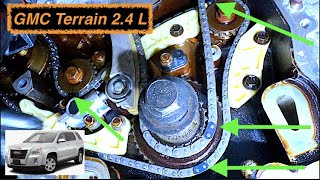
🎬 Watch: Diagnosing oil consumption and stretched timing chains.Diagnostic Flowchart

Tap your situation to follow the diagnostic path that matches what you're seeing on this vehicle.
Generation note: This range covers the first generation (2010-2017) of the GMC Terrain. The primary engines were the 2.4L I4 and the 3.0L V6 (2010-2012) or 3.6L V6 (2013-2017). The most severe issues related to P0300 are overwhelmingly associated with the 2.4L engine across this entire generation.
Symptoms You May Notice

- Flashing or solid Check Engine Light.
- Rough or shaking idle.
- Engine stumbling or hesitating during acceleration.
- Noticeable loss of engine power.
- Reduced fuel economy.
- An audible rattling or tapping noise from the engine, which could indicate a timing chain issue.
- Strong smell of gasoline from the oil filler cap, indicating a leaking HPFP.
- Replacing only one spark plug or ignition coil when multiple are failing or fouled.
- Replacing oxygen sensors, as they are more likely to report an issue caused by the misfire rather than be the cause of it.
- Replacing camshaft position sensors for P0014/P0011 without first verifying timing chain integrity.
Most Likely Causes

- Excessive Oil Consumption (2.4L Engine) 🔴 High Probability The 2.4L Ecotec engine was subject to multiple Technical Service Bulletins and special coverage programs (14159, 15285C, N192291100) for excessive oil consumption caused by premature piston ring wear.
How to confirm: Check the engine oil level frequently. GM's threshold for the issue was consumption of more than one quart every 2,000 miles. An owner complaint also cited excessive oil consumption along with a P0300 code. [ODI #11203242]
Typical fix: The official GM fix involves replacing the pistons and piston rings. This is a major engine repair. GM offered special coverage to cover this repair for an extended period (e.g., 7.5 years/120,000 miles for 2011 models).
Est. part cost: $400-$800 for piston and ring set - Worn or Fouled Spark Plugs 🔴 High Probability Oil blow-by from the piston ring issue on the 2.4L engine can quickly foul spark plugs, causing misfires. Even on V6 models, spark plugs are a common wear item.
How to confirm: Remove the spark plugs and inspect them for oil, carbon buildup, or a worn electrode.
Typical fix: Replace all four (or six for V6) spark plugs. It's recommended to use OEM-spec ACDelco Iridium plugs.
Est. part cost: $40-$100 - Stretched Timing Chain 🟡 Medium Probability Running the engine with low oil due to excessive consumption starves the timing chain tensioner of hydraulic pressure, leading to chain slack, guide wear, and stretching. This is a known failure point on the 2.4L engine.
How to confirm: Listen for a rattling noise on startup. A mechanic can check camshaft deviation with a scan tool. Often accompanied by timing codes like P0011, P0014, P0016, or P0017. [ODI #11375295]
Typical fix: Replace the timing chain, tensioner, and all guides. This is an advanced repair. Using an OEM kit is recommended.
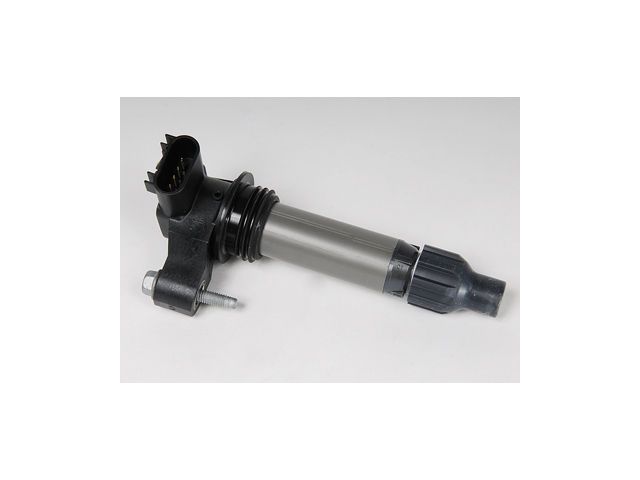
Est. part cost: $200-$400 for a timing chain kit - Faulty Ignition Coils 🟡 Medium Probability
How to confirm: With the engine running, use a scan tool to monitor misfire counts on each cylinder. Swap the ignition coil from a misfiring cylinder with one from a cylinder that is firing correctly. If the misfire follows the coil, the coil is bad.
Typical fix: Replace the faulty ignition coil. It is often recommended to replace the spark plug at the same time.
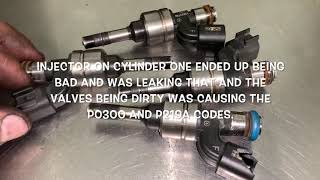
Est. part cost: $40-$80 per coil - Clogged or Faulty Fuel Injectors / Carbon Buildup ⚪ Low Probability Direct injection engines like those in the Terrain are prone to carbon buildup on injector tips and within the intake valves, which can disrupt fuel flow and cause misfires. GM issued a Preliminary Information bulletin (PIP5029) about this issue causing P0300 across many DI engines.
How to confirm: A professional can perform a fuel injector balance test. Severe carbon buildup on intake valves will be visible with a borescope.
Typical fix: Clean or replace the faulty fuel injectors. Walnut blasting of the intake ports and valves is often required to clean carbon buildup.
Est. part cost: $50-$150 per injector, $500-$1000 for walnut blasting service. - Leaking High-Pressure Fuel Pump (HPFP) ⚪ Low Probability The 2.4L engine uses a high-pressure fuel pump driven by the camshaft. A recall (#43180) was issued for 2010-2011 models for HPFP shaft seal failures. If the internal seal fails, it can leak gasoline directly into the crankcase, diluting the engine oil.
How to confirm: Check the engine oil for a strong gasoline smell. This condition often triggers a P0172 (System Too Rich) code alongside the P0300.
Typical fix: Replace the high-pressure fuel pump.
Est. part cost: $200-$400
Rare But Worth Checking
- Failed Engine Control Module (ECM): While rare, the E39/E39A ECMs used in these vehicles, particularly with the 2.4L engine, have a higher-than-average failure rate that can manifest as a P0300 code. This should only be considered after all other mechanical and electrical causes have been ruled out.
- Intake Manifold Vacuum Leak: A leak in the intake manifold gasket or a vacuum hose can introduce unmetered air, leaning out the air-fuel mixture and causing random misfires. A smoke test is the most effective way to diagnose this.
- Cylinder Block Porosity: TSB 18-NA-115 describes a rare condition where porosity in the engine block casting can cause coolant to leak into a cylinder on a cold engine, causing a cold-start misfire and P0300. The fix is engine replacement.
Diagnosis Steps
- Check the engine oil level and condition. If it is low or smells like gasoline, address the underlying cause (oil consumption or leaking HPFP) first.
- Scan the ECM for any other trouble codes. Codes like P0014 or P0172 provide strong clues to the root cause.
- Inspect all spark plugs for signs of wear, oil fouling, or carbon tracking. Replace if necessary with OEM-spec Iridium plugs.
- Inspect the ignition coils for any signs of damage. Swap coils between cylinders to see if the misfire follows the coil.
- If equipped with the 2.4L engine, listen carefully for a rattling noise from the engine's right side (passenger side) on a cold start, which indicates a timing chain issue.
- If carbon buildup is suspected, a professional may need to perform a borescope inspection of the intake valves.
- Perform a compression test to rule out internal mechanical engine problems like worn piston rings or poor valve sealing.
- If a vacuum leak is suspected, perform a smoke test to find the source of the leak.
- If all else fails, have a professional test the fuel injectors and diagnose the ECM.
Parts You'll Likely Need
- Spark Plugs
(OEM #12622561 (ACDelco 41-109))— Often fouled by oil consumption on the 2.4L engine or are simply a common wear item causing misfires. - Ignition Coils
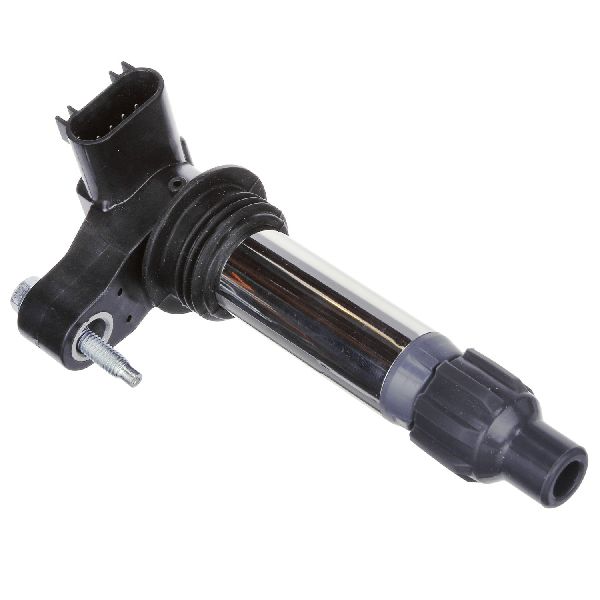
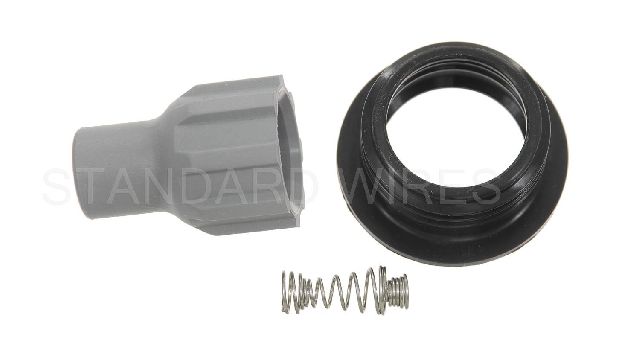
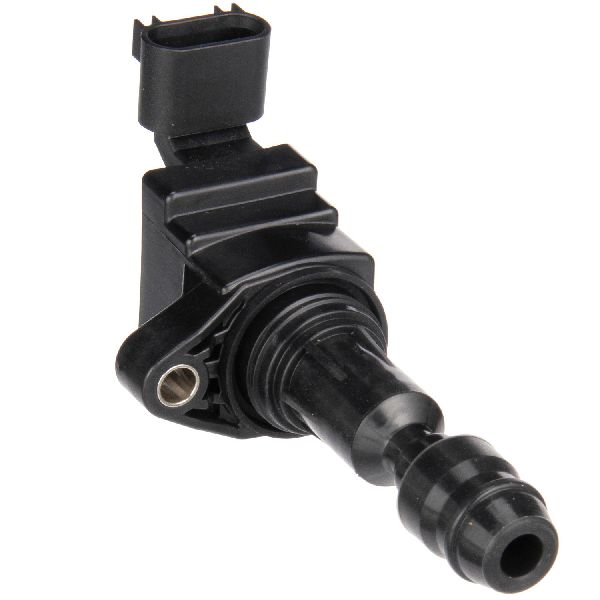
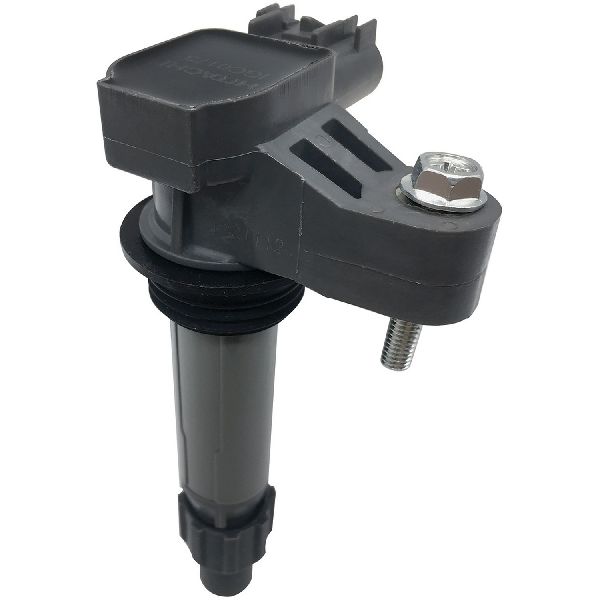
(OEM #D515C (V6 models))— A common failure point that can cause random misfires as it begins to fail intermittent
Related Codes That Often Appear With This One
- P0014 — Indicates 'Camshaft Position B - Timing Over-Advanced'. This code is very common with a stretched timing chain, a frequent cause of P0300 on the 2.4L engine. [ODI #11375295]
- P0172 — Indicates 'System Too Rich'. This often points to a leaking high-pressure fuel pump diluting the engine oil with gasoline, which can cause misfires.
- P0420 — Indicates 'Catalyst System Efficiency Below Threshold'. This is usually a consequence of the P0300, not a cause. Unburned fuel from misfires damages the catalytic converter.
- P0301-P0306 — These are codes for specific cylinder misfires (e.g., P0301 for Cylinder 1). A P0300 may be accompanied by one or more of these codes if the misfire is sometimes concentrated on specific cylinders before becoming random.
Technical Service Bulletins (TSBs) & Recalls
- 15285C: Special Coverage for Excessive Engine Oil Consumption on 2011 2.4L models. Fix is piston assembly replacement.
- 14159 / 14159D: Special Coverage for Excessive Engine Oil Consumption on 2010 2.4L models.
- N192291100: Special Coverage for Excessive Engine Oil Consumption on 2013 2.4L models.
- 18-NA-115: Addresses cold start misfire (P0300) potentially caused by cylinder block porosity requiring engine replacement.
- 43180: Emission Recall for 2010-2011 2.4L models to replace the high-pressure fuel pump due to seal failure.
- PIP5029: Preliminary information on P0300-P0306 misfires caused by heavy carbon buildup on intake/exhaust valves in direct injection engines.
Platform-Specific Known Issues
- Excessive Oil Consumption (2.4L Engine): GM issued multiple special coverage adjustments and TSBs (e.g., 15285C, 16118, N192291100) for excessive oil consumption due to worn piston rings on 2010-2013 models. This is the primary underlying issue for many P0300 codes on these vehicles.
- Cold Start Misfire: TSB #18-NA-115 specifically addresses a cold start misfire or rough idle that can set a P0300 code, indicating a known issue that GM has a diagnostic procedure for.
- Complex Misfire Diagnosis: TSB #PIP5628G notes that for diagnosing P0300-P0308 codes, specific information may need to be relayed to GM's Technical Assistance Center, suggesting some causes can be difficult to pinpoint.
Mechanic-Grade Diagnostic Values
- High-Pressure Fuel Pump (HPFP) Operating Pressure (2.4L) — expected: Approx. 200 PSI / 0.5 MPa.. Failure: Significantly lower pressure readings under load can indicate a failing pump, leading to a lean condition and misfires.
- Ignition Coil Primary Resistance — expected: 0.4 to 2.0 ohms.. Failure: A reading outside this range indicates a fault in the coil's primary windings.
- Ignition Coil Secondary Resistance — expected: 6,000 to 10,000 ohms (6k-10k Ω).. Failure: Readings significantly outside this range, or an open circuit (infinite resistance), point to a failed secondary winding.
- Scan Tool Fuel Trims (Freeze Frame Data) — expected: Single-digit corrections (e.g., +/- 8%).. Failure: Double-digit positive corrections (e.g., +15% or higher) when the P0300 code sets suggest a lean condition (like a vacuum leak) is causing the misfire, not an ignition problem.
Scan Tool Commands That Help
- GDS2/Tech2 (or equivalent professional scanner): Cylinder Power Balance Test — This function allows a technician to observe the contribution of each cylinder in real-time. A cylinder that shows a significant drop in performance compared to others can help pinpoint a specific coil, injector, or mechanical issue even if only a general P0300 is present.
- GDS2/Tech2 (or equivalent professional scanner): Misfire Data / Misfire Graphic — To view current and historical misfire counts for each specific cylinder. This is the primary tool to see which cylinders are contributing to the P0300 count, helping to narrow the diagnosis.
Wiring & Ground Locations
- G101 — Located at the lower left front of the engine compartment, under the battery, on the engine block.. This is a primary ground for the Engine Control Module (ECM). A loose or corroded connection here can cause erratic ECM behavior, leading to random misfires and other codes.
- G103 — Located at the left front of the engine compartment, under the battery.. Shares grounding duties for the ECM. Verifying this ground is clean and tight is a critical step when diagnosing electrical-related misfires.
- G105 (2.4L) — Located on the rear of the engine.. Provides a ground path for various engine components. A poor connection can cause feedback or voltage issues that may affect sensor readings related to the ignition and fuel systems.
Real Owner Repair Stories
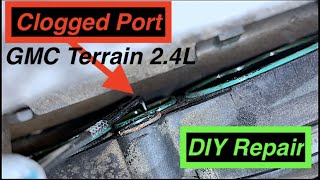
- YouTube video by 'OldSoulMillennial' (2014 GMC Terrain 2.4L) — High pressure behind the oil fill cap (cap rattles when loose and engine is running), indicating excessive crankcase pressure.
❌ Tried (didn't work) The owner identified the pressure issue as the primary symptom before throwing parts at the car.
✅ What actually fixed it The fixed PCV orifice inside the intake manifold was clogged. The owner removed the intake manifold to gain access to the orifice and cleaned it out with a pick tool. This restored proper crankcase ventilation and resolved the underlying cause of oil consumption and potential misfires.
OEM Part Supersession History
12628347, 12578517 (Intake VVT Solenoid)→12655420, 12679099.— Updated design for improved reliability and performance.12628348, 12578518 (Exhaust VVT Solenoid)→12655421, 12679100.— Updated design for improved reliability and performance.12608371, 12633115, 12639694 (High Pressure Fuel Pump)→12641847.— Design improvements to address seal failures and improve durability.
Model Year Variations Within This Range
- 2010-2012 vs 2013-2017: The optional V6 engine was changed. 2010-2012 models used a 3.0L V6 (264 hp), while 2013-2017 models received a significantly more powerful 3.6L LFX V6 (301 hp). While both can experience P0300, the specific parts like intake manifolds and some sensors differ. The 3.6L also brought improved midrange torque, changing the driving characteristics.
- 2013+: For 2013, GMC introduced the top-level Denali trim, which included new dual-flow dampers for a more refined ride. Additionally, the touchscreen audio interface was updated with IntelliLink smartphone integration. These changes do not directly affect the cause of P0300 but are key differences in the model years.
Helpful Videos

Used OEM Parts in Stock


New Aftermarket Parts Available

The information in this article is provided for general reference and educational purposes only. Vehicle specifications, procedures, and part compatibility can vary by production date, trim level, and region. Always consult your vehicle's factory service manual and verify part numbers before purchasing or performing repairs. Safety-critical components such as airbags, seat belts, and braking systems should be installed by a qualified professional.
- Gmc TERRAIN:
- 🎬 Helpful Videos
- 🛍️ Shop This Part
- What's Unique About the 2010-2017 Gmc TERRAIN
- Diagnostic Flowchart
- Symptoms You May Notice
- Most Likely Causes
- Rare But Worth Checking
- Diagnosis Steps
- Parts You'll Likely Need
- Related Codes That Often Appear With This One
- Technical Service Bulletins (TSBs) & Recalls
- Platform-Specific Known Issues
- Mechanic-Grade Diagnostic Values
- Scan Tool Commands That Help
- Wiring & Ground Locations
- Real Owner Repair Stories
- OEM Part Supersession History
- Model Year Variations Within This Range
- 🎟️ Get 5% Off