

P0300 on 2005 GMC Jimmy Classic: Random Misfire Causes and Fixes
For a 2005 GMC Jimmy Classic with a P0300 code, the most common cause is a worn-out distributor cap and rotor, a routine maintenance item that can be replaced by a DIYer for $30-$80. Other frequent culprits are a failed fuel pressure regulator leaking inside the intake manifold or deteriorated lower intake manifold gaskets causing a vacuum leak.
- Start your diagnosis with the ignition system. A worn distributor cap and rotor is the most likely cause of P0300 on this engine.
- If the ignition system is in good condition, the next step is to perform a fuel pressure leak-down test to check for a faulty fuel pressure regulator.
- A flashing check engine light is a serious warning. It means raw fuel is being dumped into the exhaust, which will quickly destroy the catalytic converter. Avoid driving the vehicle if the light is flashing.
- When replacing the fuel pressure regulator or the entire spider injector assembly, you must also replace the upper and lower intake manifold gaskets.
What's Unique About the 2005-2005 Gmc JIMMY CLASSIC
The 2005 GMC Jimmy Classic uses the long-running 4.3L Vortec V6 engine. This engine has a distributor-based ignition system, which is a very common source of P0300 misfires due to wear and corrosion on the cap and rotor. GM even issued a TSB (03-06-04-041A) about clogged distributor vent screens causing moisture buildup and corrosion. It also features a unique Central Sequential Fuel Injection (CSFI) 'spider' assembly located under the intake manifold. The fuel pressure regulator on this unit is a known failure point, often leaking fuel internally and causing a rich condition that leads to random misfires.
Diagnostic Flowchart
Tap your situation to follow the diagnostic path that matches what you're seeing on this vehicle.
Symptoms You May Notice
- Rough or shaky idle
- Hesitation or stumbling during acceleration
- Noticeable loss of engine power
- Flashing Check Engine Light (indicates a severe misfire)
- Difficulty starting the engine, or extended cranking time
- Reduced fuel economy
- Hissing or whistling sounds from the engine bay, indicating a vacuum leak
- Backfiring or sputtering, especially under load
- Replacing only the spark plugs without checking the distributor cap and rotor, which are the most common failure points.
- Replacing individual fuel injectors when the fuel pressure regulator is the actual point of failure within the spider assembly.
- Replacing the mass airflow (MAF) sensor, when a vacuum leak from the intake gaskets is the true cause of the lean condition.
- Replacing ignition parts repeatedly when the underlying cause is a worn distributor gear causing incorrect timing.
Most Likely Causes
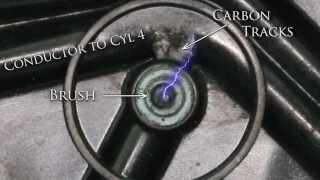
- Worn Distributor Cap and Rotor 🔴 High Probability The distributor is a mechanical part that wears over time. Corrosion or carbon tracking on the internal contacts disrupts the spark delivery to the cylinders. Moisture buildup from clogged distributor vents is a known issue, as noted in TSB 03-06-04-041A. Many owners on forums like BlazerForum.com report that using only ACDelco parts solves the issue.
How to confirm: Visually inspect the inside of the distributor cap and the edge of the rotor for white/green corrosion, black carbon tracks, moisture, or physical damage. This is the most common and first place to check.
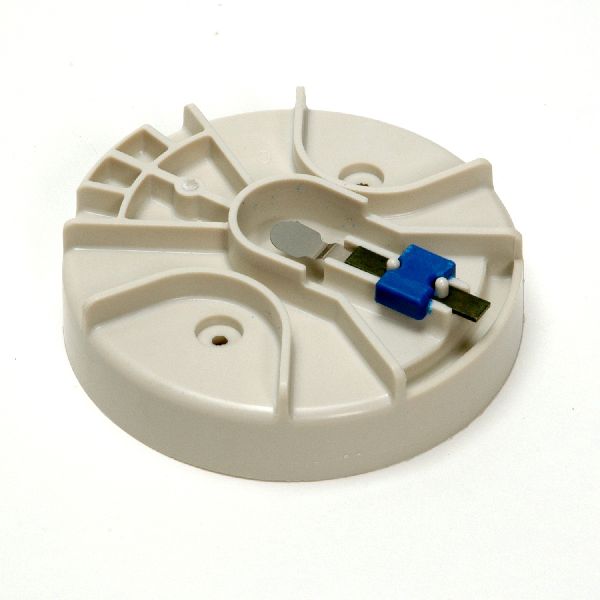
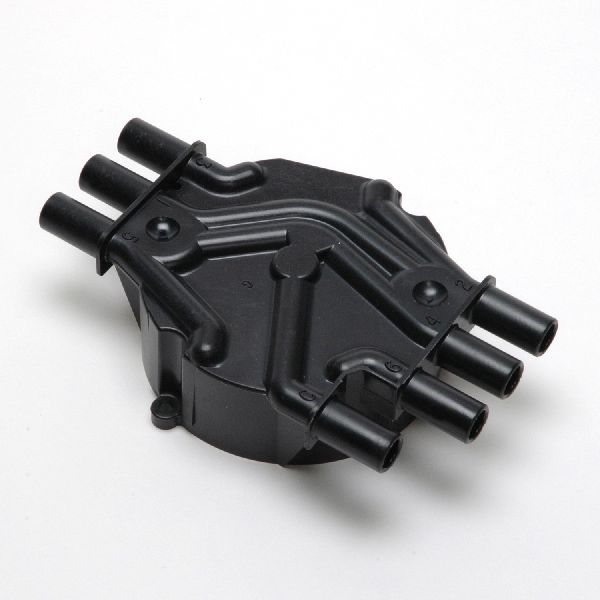
Typical fix: Replace the distributor cap and rotor. It's highly recommended to use quality ACDelco parts and apply silicone dielectric grease to the terminals. Some technicians recommend removing the small vent screens on the distributor base to improve airflow and prevent future moisture buildup.
Est. part cost: $30-$80 - Failing Fuel Pressure Regulator 🔴 High Probability The regulator is part of the 'spider' fuel injector assembly inside the intake manifold. Its internal diaphragm can rupture, causing raw fuel to leak directly into the intake, creating a rich fuel mixture and misfires.
How to confirm: Perform a fuel pressure leak-down test. Connect a gauge to the Schrader valve. Key on, engine off (KOEO) pressure should be 60-66 psi. After turning the key off, the pressure should not drop more than 5 psi in 10 minutes. A rapid drop indicates a leak. You can also remove the upper intake plenum and check the regulator's vacuum port for the presence or smell of raw fuel.
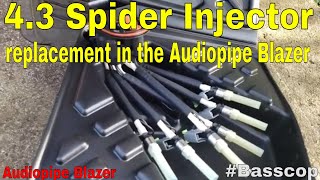
Typical fix: Replace the fuel pressure regulator. Since this requires removing the upper intake manifold, it's often recommended to upgrade the entire spider injector assembly to the more reliable Multi-Port Fuel Injection (MPFI) design at the same time.
Est. part cost: $70-$150 for the regulator, $250-$400 for a full MPFI spider assembly upgrade. - Leaking Intake Manifold Gaskets 🟡 Medium Probability The original plastic-carrier lower intake gaskets on the 4.3L V6 are known to degrade and crack from heat cycles and exposure to coolant/oil, causing vacuum leaks (lean condition) or coolant leaks into the engine oil.
How to confirm: With the engine running, spray carburetor cleaner or a propane torch (unlit) around the intake manifold sealing surfaces. If the engine RPM changes, a vacuum leak is present. Also check the oil cap and dipstick for a milky, frothy appearance indicating coolant contamination.
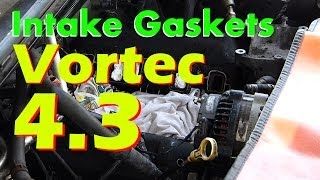
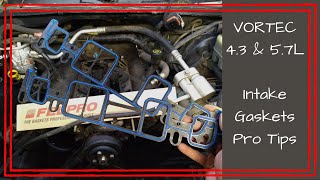
Typical fix: Replace the lower and upper intake manifold gaskets with an updated steel-carrier design, such as the Fel-Pro MS 98016 T set, which is specifically designed to fix this issue. 🎬 Watch this detailed guide on replacing your lower intake manifold gaskets.
Est. part cost: $50-$100 - Worn Spark Plugs and Wires 🟡 Medium Probability These are standard maintenance items. The 4.3L Vortec is known to be sensitive to the brand of plugs and wires. Worn plugs have an increased gap, and old wires can have high resistance or cracked insulation, leading to a weak or lost spark.
How to confirm: Inspect spark plugs for wear, fouling (carbon tracking), and correct gap (typically 0.060 inches, but verify for your specific vehicle). Inspect wires for cracks, burns, or corrosion. Many forum members on BlazerForum.com and other sites report that only ACDelco plugs (41-993) and wires resolve persistent misfires.
Typical fix: Replace all spark plugs and spark plug wires as a set. Use of ACDelco parts is strongly recommended by experienced owners.
Est. part cost: $60-$120 - Worn Distributor Gear / Excessive Play ⚪ Low Probability The gear at the bottom of the distributor that meshes with the camshaft can wear out, causing excessive rotational play ('slop') in the distributor shaft. This leads to erratic ignition timing and can set a P0300 that is difficult to diagnose.
How to confirm: Remove the distributor cap and attempt to rotate the rotor by hand. There should be almost no rotational play. If you can wiggle it back and forth more than a tiny amount, the gear is likely worn. A more precise method is to check the 'Camshaft Retard Offset' with a capable scan tool; it should be 0° +/- 2°. A value outside this range, especially a negative one, points to a worn gear or incorrect distributor installation.
Typical fix: Replace the entire distributor assembly. After replacement, the Camshaft Retard Offset MUST be set using a scan tool.
Est. part cost: $100-$250
Rare But Worth Checking
- Clogged EGR Valve: An EGR valve stuck open can create a large vacuum leak, causing a lean condition and random misfires, especially at idle.
- Weak Fuel Pump or Clogged Fuel Filter: While the spider injector is a more common fuel issue, low overall fuel pressure from a weak pump or restricted filter can starve the entire engine for fuel, causing lean misfires across all cylinders, especially under load.
- Internal Engine Mechanical Problems: In high-mileage engines, issues like a worn timing chain, worn camshaft lobes, or weak/broken valve springs can cause misfires. A compression test (static and running) can help diagnose these deeper issues.
- Crankshaft Position Sensor (CKP) Variation Not Learned: If the crankshaft sensor, timing cover, or engine has been replaced, a 'Crankshaft Variation Relearn' procedure must be performed with a scan tool. Failure to do so can cause the PCM to incorrectly report misfires.
Diagnosis Steps
- Read all stored fault codes with an OBD-II scanner. Note if any other codes are present alongside P0300, especially P0171/P0174 (lean), P0172/P0175 (rich), or P1345 (timing).
- Check if the Check Engine Light is flashing. If so, minimize driving to prevent catalytic converter damage.
- Perform a full visual inspection of the engine bay. Look for cracked vacuum hoses, disconnected sensors, or obvious damage.
- Inspect the distributor cap and rotor. Remove the cap and look for corrosion, carbon tracking, moisture, or cracks. This is the most probable cause. Use of ACDelco parts is highly recommended.
- If the cap and rotor are good, inspect the spark plugs and wires for wear or damage. Look for carbon tracking on the plug porcelain.
- Perform a fuel pressure test. Connect a fuel pressure gauge to the service port. With the Key On, Engine Off (KOEO), pressure should be 60-66 psi. Start the engine, pressure should hold. Turn the engine off and monitor for 10 minutes. If pressure drops more than 5 psi, suspect a leaking fuel pressure regulator or injector.
Parts You'll Likely Need
- Distributor Cap and Rotor Kit
(OEM #ACDelco D328A (Cap), D465 (Rotor))— This is the most common failure point for a P0300 on the 4.3L V6. It's a standard wear-and-tear ignition component, and owners strongly recommend OEM parts.
Trusted brands: ACDelco, Delphi
OEM price range: $40-$70
Aftermarket price range: $25-$50 - Fuel Injection Spider Assembly (MPFI Upgrade)
(OEM #ACDelco: 217-3028 / GM: 19210688)— This is the permanent fix for a leaking fuel pressure regulator or clogged poppet valves in the original CSFI system. It converts the system to more reliable multi-port injectors. Other quality aftermarket brands include Delphi (FJ10565) and Standard Motor Products (FJ503).
Trusted brands: ACDelco, Delphi, Standard Motor Products
OEM price range: $350-$500
Aftermarket price range: $200-$350 - Intake Manifold Gasket Set (Lower)
(OEM #Fel-Pro: MS 98016 T)— The original plastic gaskets are a common failure point causing vacuum leaks. The Fel-Pro MS 98016 T is an engineered aftermarket solution with a steel carrier that prevents cracking.
Trusted brands: Fel-Pro
OEM price range: N/A (Aftermarket design is superior)
Aftermarket price range: $60-$90 - Spark Plugs
(OEM #ACDelco 41-993 (Iridium))— Standard maintenance item, but these engines are notoriously picky. Using the specified ACDelco plugs often resolves misfires that other brands do not.
Trusted brands: ACDelco
OEM price range: $6-$10 per plug
Aftermarket price range: $4-$8 per plug
Related Codes That Often Appear With This One
- P0171 — System Too Lean (Bank 1) - Often indicates a vacuum leak from sources like the intake manifold gasket, which is a common cause of P0300.
- P0174 — System Too Lean (Bank 2) - Same as P0171, points towards a vacuum leak affecting the whole engine.
- P0172 / P0175 — System Too Rich - These codes strongly suggest the fuel pressure regulator is leaking raw fuel into the intake manifold.
- P0301-P0306 — Cylinder-specific misfire codes. While P0300 indicates a random misfire, the computer may also log codes for the cylinders that are misfiring most frequently.
- P1345 — Crankshaft Position to Camshaft Position Correlation Error. This code indicates the distributor is installed incorrectly (off by a tooth) or the distributor gear is severely worn, which can also cause a P0300.
Technical Service Bulletins (TSBs) & Recalls
- Bulletin #PIP5628G (2023-08-10): A general bulletin for technicians on what data to collect (using a scan tool and PICO scope) when diagnosing misfire codes P0300-P0308 before contacting GM's Technical Assistance Center (TAC).
- Bulletin #03-06-04-041A (2005-01-28): Specifically addresses P0300 on 4.3L engines. It identifies clogged distributor vent screens as the cause of moisture buildup, leading to heavy corrosion inside the cap and on the rotor, causing misfires. The fix is to replace the cap/rotor and remove the vent screens.
Platform-Specific Known Issues
- The Distributor Cap Moisture/Corrosion TSB: A very common real-world failure is corrosion inside the distributor cap due to trapped moisture. GM TSB 03-06-04-041A directly addresses this. Owners report white, chalky residue or green corrosion on the terminals. A tech on a forum noted that for over a year before the TSB, they were instructed to pop out the small vent screens at the base of the distributor to improve airflow and prevent recurrence.
- The 'Parts Cannon' Doesn't Always Work: In a thread on BlazerForum.com, a user with a 2003 ZR2 (same 4.3L engine) threw the 'parts cannon' at a P0300: new plugs, wires, cap, rotor, crank sensor, and a full spider injector assembly. They still had a flashing check engine light. A shop then replaced the entire distributor, which finally fixed the flashing light but left a 'pending' P0300, showing how a worn distributor gear or shaft can be the final, elusive culprit after all common items are replaced.
- Importance of Camshaft Retard Offset: Multiple expert posts on BlazerForum.com stress that after any distributor work (replacement, or even just disturbing it during an intake gasket job), the Camshaft Retard Offset must be checked with a scan tool. The spec is 0° +/- 2°. An incorrect value, even if it doesn't set a P1345 code, will cause cross-firing inside the cap and trigger a P0300. This is a critical step often missed by DIYers.
Mechanic-Grade Diagnostic Values
- Camshaft Retard Offset (CMP Retard) — expected: 0° +/- 2°. Failure: A value outside of the +/- 2° range indicates incorrect distributor installation or a worn distributor gear. A negative value often points to gear wear.
- Mass Airflow (MAF) Sensor Reading at Idle — expected: 4.0 to 6.0 grams/second (g/s) at fully warmed-up idle.. Failure: Significantly lower readings can indicate a vacuum leak (unmetered air entering after the sensor). Significantly higher readings could indicate an EGR issue or other sensor problems.
- Short Term Fuel Trim (STFT) at Idle with Vacuum Leak — expected: Close to 0% (+/- 10%). Failure: Consistently high positive numbers (e.g., +15% or higher) at idle that decrease toward 0% when RPMs are raised to ~2000 RPM strongly suggest a vacuum leak.
- Ignition Control Module (ICM) Power Supply — expected: Should show full battery voltage (approx. 12V) with the key on, engine off.. Failure: Significantly lower voltage indicates a problem in the power supply circuit to the module, not necessarily the module itself.
Hidden / Shadow Codes Worth Checking
- Mode $06 Misfire Data: This is not a specific code, but a data function within a professional scan tool. It provides raw misfire counts per cylinder from the last drive cycle, even for cylinders that haven't misfired enough to set a specific P030x code. (see via A professional-grade scan tool (like a GM Tech 2 or equivalent) with Mode $06 data capability.)
Scan Tool Commands That Help
- GM Tech 2 / GDS2 (or equivalent): Injector Balance Test — This is the definitive test for the spider injector assembly. The tool individually fires each injector and measures the fuel pressure drop. An uneven drop across cylinders confirms a faulty or clogged injector/poppet valve, which is a common cause of P0300 on the 4.3L V6.
- GM Tech 2 / GDS2 (or equivalent): Crankshaft Position System Variation Learn (CASE Relearn) — This procedure MUST be performed after replacing the PCM, crankshaft position sensor, timing components, or the engine itself. Failure to do so can cause the PCM to misinterpret normal crankshaft speed variations as misfires, falsely setting a P0300 code.
- GM Tech 2 / GDS2 (or equivalent): Misfire Graphic — This function displays live and historical misfire counts for all cylinders, allowing a technician to see which cylinders are contributing to the random misfire count in real-time, helping to isolate the issue.
Wiring & Ground Locations
- G102 / G106 — On the rear of the left-hand (driver's side) cylinder head.. This is a critical ground point for ignition components. A loose or corroded connection here can cause weak or erratic spark, leading to random misfires that are difficult to trace.
- G104 — On the rear of the right-hand (passenger's side) cylinder head.. Provides a ground path for various engine sensors. A poor connection can lead to incorrect sensor data being sent to the PCM, affecting fuel and timing calculations, which can result in misfires.
- G100 — On the lower right-hand (passenger's side) front of the engine block.. This is a main engine block ground. A compromised connection can cause a host of electrical issues, including problems with the ignition and fuel systems.
Real Owner Repair Stories
- BlazerForum.com user 'ChevyFamily' (1997 4.3L Blazer (same platform/engine)) — Rough idle and P0300 code immediately after replacing the lower intake manifold gasket.
❌ Tried (didn't work) Adjusting the distributor, New distributor cap, New spark plugs, New remanufactured distributor assembly, Cleaning EGR valve
✅ What actually fixed it The issue persisted after trying all common ignition-related fixes. The owner took it to a dealer, who diagnosed and replaced the entire fuel injector 'spider' assembly. This resolved the P0300 code and rough idle.
"I Checked Everything" — The Actual Cause
- On GM Vortec engines, it's a known issue for the plastic intake manifold gaskets to leak only when the engine is hot and the aluminum manifold has expanded. A smoke test performed on a cold or lukewarm engine may show no leaks, leading a technician to incorrectly rule out the intake gaskets as the cause. The misfire often appears after highway driving and then idling at a stop light.
OEM Part Supersession History
Various original CSFI 'spider' injector part numbers→ACDelco 217-3028 (GM Part #89060439)— The original Central Sequential Fuel Injection (CSFI) unit used poppet valves that were highly prone to sticking and clogging from fuel deposits.
Heads up: This is a direct-fit upgrade that converts the system to a more reliable Multiport Fuel Injection (MPFI) design with individual electronic injectors. The kit includes the new injector assembly and a new mounting bracket, as the design is different from the original.
Helpful Videos
Used OEM Parts in Stock


New Aftermarket Parts Available


The information in this article is provided for general reference and educational purposes only. Vehicle specifications, procedures, and part compatibility can vary by production date, trim level, and region. Always consult your vehicle's factory service manual and verify part numbers before purchasing or performing repairs. Safety-critical components such as airbags, seat belts, and braking systems should be installed by a qualified professional.
- Gmc JIMMY CLASSIC:
- 🎬 Helpful Videos
- 🛍️ Shop This Part
- What's Unique About the 2005-2005 Gmc JIMMY CLASSIC
- Diagnostic Flowchart
- Symptoms You May Notice
- Most Likely Causes
- Rare But Worth Checking
- Diagnosis Steps
- Parts You'll Likely Need
- Related Codes That Often Appear With This One
- Technical Service Bulletins (TSBs) & Recalls
- Platform-Specific Known Issues
- Mechanic-Grade Diagnostic Values
- Hidden / Shadow Codes Worth Checking
- Scan Tool Commands That Help
- Wiring & Ground Locations
- Real Owner Repair Stories
- "I Checked Everything" — The Actual Cause
- OEM Part Supersession History
- 🎟️ Get 5% Off