

P0300 on 2001-2004 GMC Jimmy: Random Misfire Causes and Fixes
On a 2001-2004 GMC Jimmy with the 4.3L V6, a P0300 code is most often caused by a worn distributor cap and rotor or a failing fuel pressure regulator. A full ignition tune-up using quality parts is the first step, and if that fails, a fuel pressure test is critical. Worn distributor gears and intake manifold gasket leaks are also very common culprits.
- For a P0300 on a 2001-2004 GMC Jimmy, start with the ignition system. A new distributor cap and rotor is the most likely and cost-effective first step.
- If a tune-up doesn't solve the problem, immediately perform a fuel pressure leak-down test. A faulty fuel pressure regulator is the second most common cause.
- A flashing check engine light is a critical warning. Stop driving to avoid destroying your catalytic converter, which is a much more expensive repair.
- When replacing the fuel pressure regulator, you must also replace the upper intake manifold gaskets. It's wise to use high-quality parts to avoid repeating this labor-intensive job.
What's Unique About the 2001-2004 Gmc JIMMY
The 2001-2004 GMC Jimmy uses the 4.3L Vortec V6, an engine with a distributor-based ignition system and a central 'spider' fuel injection assembly. These two systems are the primary sources of P0300 codes on this truck. Unlike modern coil-on-plug systems, the single distributor cap and rotor are a frequent failure point due to moisture intrusion and internal corrosion. The distributor drive gear is also a known weak point that wears over time, causing erratic timing. Furthermore, the fuel pressure regulator, located under the upper intake manifold, is notorious for its internal diaphragm rupturing and leaking raw fuel into the intake.
Diagnostic Flowchart
Tap your situation to follow the diagnostic path that matches what you're seeing on this vehicle.
Symptoms You May Notice
- Rough or unstable idle
- Vehicle shaking or jerking, especially under load or at certain RPMs (e.g., 2500 RPM).
- Hesitation or lack of acceleration.
- Flashing Check Engine Light.
- Reduced fuel economy.
- Difficulty starting the engine, sometimes requiring throttle input to start.
- Engine may stall at idle.
- Replacing oxygen (O2) sensors. While a bad O2 sensor can affect fuel trim and may be flagged with other codes, it's rarely the root cause of a P0300 on this vehicle.
- Replacing only the spark plugs without inspecting the distributor cap and rotor, which are a more likely point of failure.
- Replacing the ignition coil. While possible, the coil is a robust component and fails less frequently than the cap, rotor, and distributor gear.
Most Likely Causes
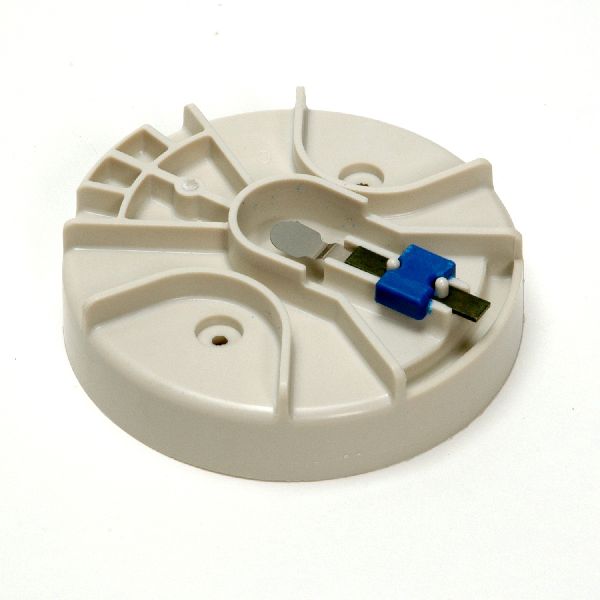
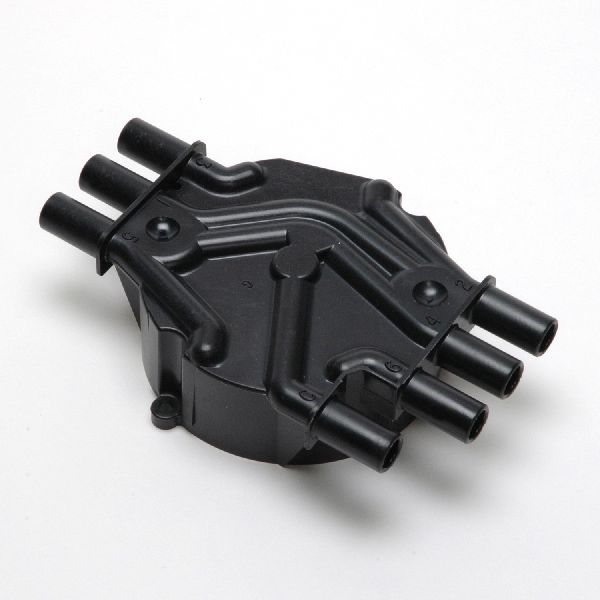
- Worn Distributor Cap and Rotor 🔴 High Probability The distributor cap on the 4.3L V6 is located at the rear of the engine where airflow is poor, making it prone to trapping moisture. This leads to corrosion (white or green powder) on the internal terminals and carbon tracking, causing weak or misdirected spark. Using non-ACDelco parts can lead to premature failure.
How to confirm: Remove the distributor cap (two screws) and inspect the inside terminals for white or green corrosion, black carbon tracks, or any signs of moisture. Check the metal tip of the rotor for similar wear or carbon buildup. A worn cap is a very common cause of a P0300 on these trucks.
Typical fix: Replace the distributor cap and rotor together. It is highly recommended to use an ACDelco cap and rotor kit for longevity. Apply silicone dielectric grease to the terminals.
Est. part cost: $30-$70 - Leaking Fuel Pressure Regulator 🔴 High Probability The regulator's internal diaphragm is a known weak point. It is located under the upper intake manifold, and when it ruptures, it leaks raw fuel directly into the engine through its vacuum hose, causing a rich condition and random misfires.
How to confirm: Perform a fuel pressure test. With the key on, engine off, pressure should be 60-66 psi. Turn the engine off; pressure should not drop more than 5 psi in 10 minutes. A rapid drop indicates a leak. The most definitive sign is disconnecting the vacuum hose from the regulator; if raw fuel is present or smells strongly of gas, the regulator is bad.
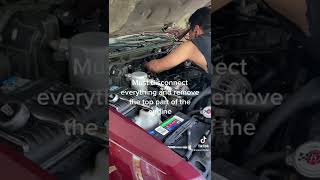
Typical fix: Replace the fuel pressure regulator. 🎬 Watch: Step-by-step fuel pressure regulator installation guide. This requires removing the upper intake manifold (plenum), so the plenum gaskets should be replaced at the same time.
Est. part cost: $50-$100 - Worn Distributor Assembly (Gear Wear) 🟡 Medium Probability Over high mileage, the helical gear on the bottom of the distributor shaft wears against the camshaft gear. This creates excessive play ('slop') in the shaft, leading to erratic spark timing that the PCM cannot compensate for, triggering a P0300.
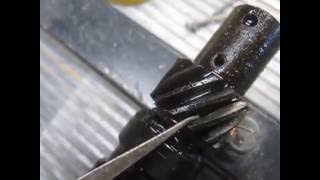
How to confirm: Remove the distributor cap and grasp the rotor. Attempt to wiggle the rotor rotationally. A very small amount of play is normal, but significant movement (several degrees of rotation) indicates a worn gear. The edges of the gear teeth may also appear sharp instead of flat. 🎬 See how to identify a worn distributor gear.
Typical fix: Replace the entire distributor assembly. After replacement, the Camshaft Retard must be set using a scan tool to be within +/- 2 degrees of 0. Failure to do so can cause continued misfires.
Est. part cost: $100-$250 - Vacuum Leak (Intake Manifold Gaskets) 🟡 Medium Probability The original lower intake manifold gaskets on the 4.3L V6 were made with a plastic frame that degrades over time from exposure to coolant, especially modern types. This allows unmetered air into the engine, creating a lean condition (often with P0171/P0174 codes) that causes misfires.
How to confirm: With the engine running, spray carburetor cleaner or starter fluid sparingly around the intake manifold gasket edges where they meet the cylinder heads. If the engine idle speed changes, a leak is present. A smoke machine is a safer and more effective method. Other symptoms include unexplained coolant loss and milky-looking oil.
Typical fix: Replace the upper and lower intake manifold gaskets. Use an upgraded gasket set with a metal frame, such as those from Fel-Pro or updated ACDelco designs, for a more durable repair.
Est. part cost: $40-$80 - Worn Spark Plugs and Wires 🟡 Medium Probability These are standard maintenance items. Worn plugs with excessive gaps or old wires with high resistance or cracked boots can cause a weak spark, leading to incomplete combustion and misfires.
How to confirm: Inspect spark plugs for wear, fouling (carbon or oil), and incorrect gap. Look for carbon tracking (black lines) on the plug's ceramic insulator. Test spark plug wires for resistance with a multimeter; high or out-of-spec resistance indicates they are bad.
Typical fix: Replace all spark plugs and spark plug wires as a set. Use of quality ACDelco plugs is recommended.
Est. part cost: $60-$120
Rare But Worth Checking
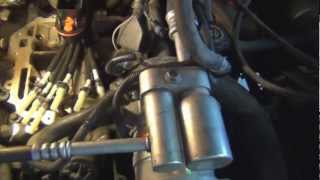
- Faulty Central Port 'Spider' Injector Assembly: The entire fuel injector assembly can fail, with individual poppet valves sticking, leaking, or having a poor spray pattern. An upgrade to the more reliable Multi-Port Fuel Injection (MPFI) spider assembly is a common and highly recommended solution. 🎬 Watch: How to upgrade your spider injector assembly.
- Weak Fuel Pump: If fuel pressure is consistently low (below 60 psi while running) and the regulator and filter are good, the fuel pump may be failing. This causes a lean condition and misfires, especially under load.
- Crankshaft Position Sensor Variation Not Learned: If the crankshaft position sensor, timing cover, or distributor has been replaced or disturbed, a 'CASE Relearn' or 'Crank Relearn' procedure must be performed with a capable scan tool. Failure to do so can cause the PCM to misinterpret crankshaft speed variations and incorrectly set a P0300 code.
- Clogged Fuel Injectors: As outlined in GM TSB 03-06-04-030F, fuel injectors can become restricted due to fuel contaminants, leading to a lean condition and misfires. This can sometimes be resolved with a professional on-vehicle cleaning procedure.
Diagnosis Steps
- Check if the Check Engine Light is flashing. If so, avoid driving to prevent catalytic converter damage.
- Visually inspect the ignition system. Remove the distributor cap and check for moisture, white/green corrosion, or black carbon tracks on the internal terminals. Check the rotor for wear. This is the most common starting point.
- Inspect spark plug wires for cracks, burns, or loose connections. Pull a few spark plugs and check for wear, fouling, and proper gap.
- Perform a fuel pressure test. Connect a gauge to the Schrader valve on the fuel line. With the key on, engine off (KOEO), pressure should be 60-66 psi. Start the engine; pressure should hold steady. Turn the engine off; pressure should not drop more than 5 psi in 10 minutes. A rapid drop strongly suggests a leaking fuel pressure regulator or spider injector assembly.
- If a fuel pressure leak-down is confirmed, remove the upper intake plenum to access the fuel pressure regulator. Disconnect its vacuum line and check for the smell or presence of raw fuel. If fuel is found, the regulator is faulty and must be replaced.
- If fuel pressure is good, check for vacuum leaks. Use a smoke machine or cautiously spray starter fluid around the intake manifold gaskets, listening for a change in engine RPM.
- With the distributor cap off, grasp the rotor and check for excessive side-to-side rotational play. Significant 'slop' indicates a worn distributor gear, requiring replacement of the entire distributor.
- If the distributor, timing cover, or crank sensor has been serviced recently, perform a Crankshaft Position Variation (CASE) relearn procedure using a compatible scan tool.
Parts You'll Likely Need
- Distributor Cap and Rotor Kit
(OEM #ACDelco D328A (Cap), ACDelco D465 (Rotor))— This is the most frequent point of failure for the ignition system on the 4.3L V6, causing random misfires due to corrosion and wear. Using OEM parts is highly recommended.
Trusted brands: ACDelco, Standard Motor Products, Delphi
OEM price range: $40-$70
Aftermarket price range: $25-$50 - Fuel Pressure Regulator
(OEM #ACDelco 19210686 (or superseded numbers like 217-3299))— A ruptured diaphragm in the regulator is a very common cause of P0300, leading to an internal fuel leak into the intake manifold.
Trusted brands: ACDelco, Delphi, Standard Motor Products
OEM price range: $70-$110
Aftermarket price range: $50-$80 - Upper Intake Manifold (Plenum) Gasket Set — These gaskets must be replaced when servicing the fuel pressure regulator or spider injector. They can also be a source of vacuum leaks.
Trusted brands: Fel-Pro, ACDelco
OEM price range: $20-$40
Aftermarket price range: $15-$30 - Distributor Assembly — Required if the internal gear is worn, causing excessive rotational play and erratic timing.
Trusted brands: ACDelco, Delphi, Cardone (Remanufactured)
OEM price range: $150-$250
Aftermarket price range: $80-$150
Related Codes That Often Appear With This One
- P0301-P0306 — If the random misfire begins to occur more frequently on a specific cylinder, the PCM may also log a cylinder-specific code (e.g., P0301 for Cylinder 1).
- P0171 / P0174 — These 'System Too Lean' codes often accompany a P0300 when the cause is a significant vacuum leak (like intake manifold gaskets) or a fuel delivery issue.
- P1345 — This code for 'Crankshaft Position to Camshaft Position Correlation' will be set if the distributor is installed incorrectly (e.g., off by a tooth), which will also cause severe misfiring.
Technical Service Bulletins (TSBs) & Recalls
- PIP5628G: Preliminary information for diagnosing misfire DTCs P0300-P0308.
- 03-06-04-030F: Addresses various driveability symptoms, including P0300, due to clogged or restricted fuel injectors and outlines cleaning procedures.
- 03-06-04-041: Relates to poor engine performance and P0300 on 2001-2003 models, advising inspection of distributor vent screens to prevent moisture and corrosion.
Platform-Specific Known Issues
- A service bulletin suggests that on some vehicles, the vent screens in the distributor cap can become clogged, trapping ozone and moisture which accelerates corrosion. The fix is to remove the screens to improve ventilation.
- The Central Sequential Fuel Injection (CSFI) 'spider' assembly is located under the intake plenum. Replacing the fuel pressure regulator, which is attached to it, is a labor-intensive job for a small part.
Mechanic-Grade Diagnostic Values
- Fuel Pressure (Key On, Engine Off) — expected: 60-66 PSI. Failure: Pressure below 60 PSI may indicate a weak pump; pressure that drops more than 5 PSI in 10 minutes indicates a leak (likely regulator or spider).
- Fuel Pressure (Engine Running) — expected: 53-55 PSI or higher. Failure: Pressure significantly below the KOEO reading or below 53 PSI suggests a failing fuel pump.
- Camshaft Retard (Scan Tool PID) — expected: 0° +/- 2°. Failure: A value outside this range indicates the distributor is not correctly timed with the camshaft, which will cause misfires. This must be adjusted after distributor replacement.
- Ignition Coil Secondary Resistance — expected: 3,000 - 10,000 ohms (3k-10k Ω). Failure: A reading outside this range indicates a faulty ignition coil.
- Ignition Coil Primary Resistance — expected: 0.15 - 0.6 ohms (Ω). Failure: A reading outside this range indicates a faulty ignition coil.
Hidden / Shadow Codes Worth Checking
- Mode $06 Misfire Data: This is not a trouble code but a diagnostic function on advanced scan tools. It provides raw misfire counts for each individual cylinder, even before the count is high enough to set a P0301-P0306 code. This can help identify a cylinder that is misfiring more than others, even when the only stored code is P0300. (see via A professional-grade scan tool or advanced OBD-II software (like BlueDriver or OBD Fusion) with Mode $06 capabilities.)
Scan Tool Commands That Help
- GM Tech 2 / Professional Scan Tool: Crankshaft Position Variation Learning (CASE Relearn) — This procedure is mandatory after replacing the PCM, crankshaft position sensor, distributor, or making major engine repairs. It synchronizes the PCM with the minor variations of the crankshaft reluctor wheel, which is critical for accurate misfire detection. Failure to perform it is a common cause of a persistent P0300 after repairs.
- GM Tech 2 / Professional Scan Tool: Injector Balance Test — This function allows the technician to fire each fuel injector individually while monitoring fuel pressure drop. It is used to identify a weak or clogged injector that may be causing a misfire on a specific cylinder, which contributes to a random P0300 code.
Wiring & Ground Locations
- PCM Ground — On a stud at the rear of the driver's side cylinder head.. A poor or corroded ground connection at this location can cause erratic behavior from the PCM and ignition control module, leading to unexplained misfires and other electrical issues.
- Main Engine to Chassis Ground — Typically a braided strap from the back of the engine block to the firewall.. This is the primary ground for the entire engine. If this strap is loose, corroded, or broken, the ignition system may not receive a stable ground, causing weak spark and random misfires.
- Ignition Control Module (ICM) Connector — The electrical connector on the ignition control module, which is mounted on a bracket next to the ignition coil.. High resistance in the wiring or terminals of this connector can cause the ICM to fail repeatedly or cause intermittent spark issues, leading to a P0300. Checking for corrosion or damage here is crucial if ICM failure is suspected.
Real Owner Repair Stories
- Blazer Forum user (2001 GMC Jimmy) — P0300 and P0304 codes with a flashing Service Engine Soon light after having lower intake manifold gaskets replaced.
❌ Tried (didn't work) The shop that did the gasket replacement could not figure out the misfire.
✅ What actually fixed it The user was advised that P0300 codes on this engine are almost always caused by the secondary ignition system (cap, rotor, plugs, wires), a worn distributor gear, or a fuel delivery problem. The user was instructed to check these components as the next step. - 2CarPros user 'evolution46' (2001 GMC Jimmy, 86,000 miles) — Persistent P0300 code even after major part replacement. Vehicle runs fine otherwise.
❌ Tried (didn't work) Replaced the entire motor, New spark plugs, New distributor cap and rotor, New spark plug wires, New fuel filter
✅ What actually fixed it A mechanic advised the owner to check, clean, or replace the Crankshaft Position Sensor (CKP) and perform a CASE relearn, as the PCM uses the CKP signal to detect misfires by monitoring changes in crankshaft speed. A faulty signal or unlearned sensor can cause a false P0300.
"I Checked Everything" — The Actual Cause
- In some cases, a smoke test for vacuum leaks may come back clean, but the root cause is still a vacuum-related issue that the test can't easily show. A common example on the 4.3L V6 is a leaking fuel pressure regulator. When its diaphragm ruptures, it leaks raw fuel directly into its vacuum line, creating a rich condition and misfires without creating a traditional vacuum leak that a smoke machine would detect.
When the Usual Fixes Don't Work
- While the most common causes are ignition and fuel-related, a notable number of owners have chased a P0300 code by replacing the entire ignition system (plugs, wires, cap, rotor) and the spider injector assembly, only to find the problem was a worn distributor gear. The excessive play in the gear causes erratic timing that mimics a fuel or spark issue. Checking for rotational play at the distributor rotor is a critical, often-overlooked step that can save hundreds of dollars in unnecessary parts.
OEM Part Supersession History
Various (Original CSFI 'Spider' Injector)→ACDelco 217-3028 (or 89060439), Standard Motor Products FJ503— The original Central Sequential Fuel Injection (CSFI) unit used poppet valves that were prone to sticking and leaking. The upgraded Multi-Port Fuel Injection (MPFI) unit replaces the poppet valves with true electronic injectors at the port for improved reliability and performance.
Heads up: This is a direct-fit upgrade. It is highly recommended to replace the original CSFI unit with the MPFI upgrade if diagnosing a fuel-related P0300.
Helpful Videos
Used OEM Parts in Stock

New Aftermarket Parts Available


The information in this article is provided for general reference and educational purposes only. Vehicle specifications, procedures, and part compatibility can vary by production date, trim level, and region. Always consult your vehicle's factory service manual and verify part numbers before purchasing or performing repairs. Safety-critical components such as airbags, seat belts, and braking systems should be installed by a qualified professional.
- Gmc JIMMY:
- 🎬 Helpful Videos
- 🛍️ Shop This Part
- What's Unique About the 2001-2004 Gmc JIMMY
- Diagnostic Flowchart
- Symptoms You May Notice
- Most Likely Causes
- Rare But Worth Checking
- Diagnosis Steps
- Parts You'll Likely Need
- Related Codes That Often Appear With This One
- Technical Service Bulletins (TSBs) & Recalls
- Platform-Specific Known Issues
- Mechanic-Grade Diagnostic Values
- Hidden / Shadow Codes Worth Checking
- Scan Tool Commands That Help
- Wiring & Ground Locations
- Real Owner Repair Stories
- "I Checked Everything" — The Actual Cause
- When the Usual Fixes Don't Work
- OEM Part Supersession History
- 🎟️ Get 5% Off