

P0300 on 2005-2009 GMC Envoy: Random Misfire Causes and Fixes
P0300 on a 2005-2009 GMC Envoy indicates a random or multiple cylinder misfire. The most common causes are worn spark plugs and failing ignition coils. Start by replacing plugs with AC Delco 41-103 Iridiums and inspecting coils, especially after rain due to a common cowl leak. A dirty throttle body or failing Camshaft Position Actuator Solenoid are also frequent culprits.
- A P0300 code on your Envoy is serious, especially if the check engine light is flashing. Avoid driving to prevent expensive catalytic converter damage.
- Start your diagnosis with the basics: replace old spark plugs with AC Delco Iridiums (41-103) and inspect/test the ignition coils.
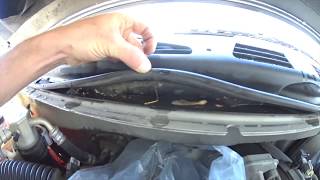
- Check for the common water leak at the cowl seal. If you see signs of water or corrosion on the coils, the seal needs to be cleaned or replaced.
- If ignition parts don't fix it, the next most likely cause is a vacuum leak from a bad intake manifold gasket.
- Be aware of less common but documented major mechanical issues like worn camshafts or collapsed lifters if the problem persists.
What's Unique About the 2005-2009 Gmc ENVOY

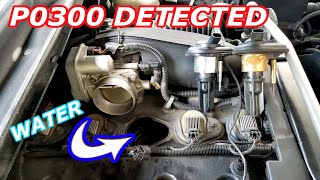
The GMC Envoy from this era, particularly with the 4.2L inline-6 engine, is known for several specific issues that can lead to a P0300 code. A degraded cowl seal at the base of the windshield can allow water to drip directly onto the ignition coils, especially cylinder #4, causing them to short out and fail, particularly after rain or a car wash. 🎬 Watch: How to permanently fix water leaking onto ignition coils. This is a widely documented issue in owner forums. Furthermore, these engines can be prone to more serious mechanical issues, such as worn camshaft lobes, as highlighted in official GM Technical Service Bulletins like #PIP4138R.
Diagnostic Flowchart

Tap your situation to follow the diagnostic path that matches what you're seeing on this vehicle.
Symptoms You May Notice
- Rough or shaky idle
- Engine hesitation or stumbling during acceleration
- Flashing or solid Check Engine Light
- Reduced engine power
- Poor fuel economy
- A 'chugging' sound from the engine
- Engine stalling at stops
- Replacing only one spark plug or coil when others are near the end of their service life.
- Replacing the catalytic converter without first fixing the root cause of the misfire.
- Assuming the Powertrain Control Module (PCM) is bad before thoroughly checking all ignition, fuel, and mechanical possibilities.
- Replacing the Camshaft Position Sensor when the issue is actually the nearby Camshaft Position Actuator Solenoid.
Most Likely Causes

- Worn or Incorrect Spark Plugs 🔴 High Probability These engines are notoriously sensitive to spark plug type and condition. Forum users repeatedly confirm that using plugs other than the recommended AC Delco 41-103 Iridiums can cause persistent, hard-to-diagnose misfires, even if the plugs are new.
How to confirm: Inspect the spark plugs for wear, fouling, or incorrect gap. Check the part number to ensure they are AC Delco 41-103 Iridiums. Many owners have solved P0300 simply by replacing other plug brands with the correct ACDelcos.
Typical fix: Replace all six spark plugs with AC Delco P/N 41-103, gapped correctly. Do not use other brands as a first-line fix.
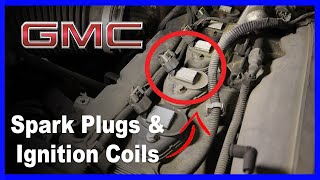
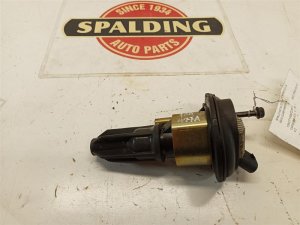
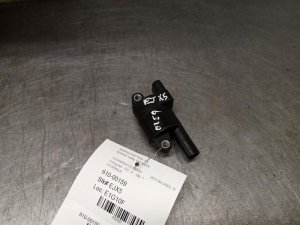
Est. part cost: $40-$80 - Failing Ignition Coils 🔴 High Probability The coil-on-plug design is reliable but coils fail with age. A very common issue is water intrusion from a leaking cowl seal, which shorts out the coils, most often #4. Loose coil mounting bolts (10mm) can also cause a poor ground and misfires.
How to confirm: With the engine running, carefully unplug one coil at a time. If there is no change in the engine's idle, you've found a dead cylinder. Swap that coil with a known good one (e.g., from cylinder #1) and clear codes. If the misfire code changes to the new cylinder (e.g., P0301), the coil is bad.
Typical fix: Replace the faulty ignition coil(s). Many owners replace all coils at once as a preventative measure, especially on high-mileage vehicles.
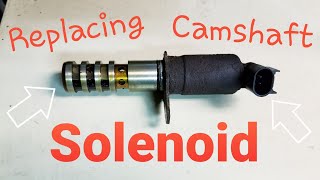
Est. part cost: $30-$70 per coil - Dirty or Failing Camshaft Position Actuator Solenoid (VVT Solenoid) 🟡 Medium Probability This solenoid controls variable valve timing. It has small oil passages and screens that can get clogged with sludge, especially if oil changes are delayed. A malfunctioning solenoid can cause erratic timing, leading to rough idle and random misfires.
How to confirm: Often accompanied by codes like P0014 or P0013. The part can be removed (one 10mm bolt) and inspected. Check screens for sludge or debris. Cleaning it can sometimes be a temporary fix, but replacement is recommended.
Typical fix: Replace the Camshaft Position Actuator Solenoid. It is a relatively inexpensive and easy part to replace on the 4.2L engine.
Est. part cost: $30-$75 - Vacuum Leak (Intake Manifold Gasket) 🟡 Medium Probability The intake manifold gaskets on the 4.2L I6 and 5.3L V8 engines can become brittle and crack over time, allowing unmetered air to enter the engine and disrupt the air-fuel ratio, causing a lean condition and misfires.
How to confirm: Perform a smoke test by introducing smoke into the intake system and watching for leaks. Alternatively, with the engine running, carefully spray carburetor cleaner around the intake manifold where it meets the cylinder head; a noticeable increase in engine RPM indicates a leak.
Typical fix: Replace the intake manifold gaskets. This is more labor-intensive than plugs or coils.
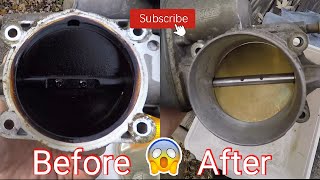
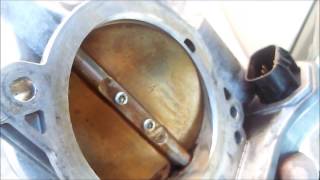
Est. part cost: $20-$60 - Dirty Throttle Body 🟡 Medium Probability Carbon and gunk build up on the back of the throttle plate, restricting airflow at idle. The computer tries to compensate, leading to an unstable idle and potential misfires. This is a very common maintenance item on these trucks.
How to confirm: Visually inspect the throttle body bore and plate for a thick black ring of carbon buildup.
Typical fix: Remove the throttle body and clean it thoroughly with throttle body cleaner and a soft brush. Disconnect the battery for 30 minutes afterward to reset the PCM's learned idle values.
Est. part cost: $5-$10 for cleaner
Rare But Worth Checking
- Worn Camshaft Lobes: A known issue documented by GM in TSB #PIP4138R. If basic ignition and fuel system checks don't solve the misfire, this should be investigated. It prevents valves from opening fully, causing a persistent misfire and may be accompanied by a chirp or tick noise.
- Low Fuel Pressure: A weak fuel pump or clogged fuel filter can starve the engine for fuel, causing random misfires, especially under load. Check fuel pressure at the rail to confirm (should be 50-60 PSI).
- Collapsed or Stuck Lifters (5.3L V8 with AFM): On the 5.3L V8 engine with Active Fuel Management (AFM), the specialized lifters can become stuck or collapse, especially if oil changes are neglected. This will cause a dead misfire on an AFM cylinder (1, 4, 6, or 7) and is often accompanied by a distinct ticking noise.
- Clogged Catalytic Converter: If the catalytic converter is clogged, it creates excessive exhaust backpressure, which can cause the engine to misfire randomly. This is often a result of long-term, unaddressed misfires melting the converter's internal structure.
Diagnosis Steps
- Scan for any other accompanying trouble codes. Codes like P0301-P0306 can help narrow the search, while codes like P0014 point towards the VVT system.
- Inspect all spark plugs. Replace them with AC Delco Iridium plugs (41-103 for the 4.2L) if they are worn, fouled, or a different brand. This is the most common and critical first step.
- Test the ignition coils. Swap a suspected bad coil with a known good one to see if the misfire moves to the other cylinder.
- Inspect for a leaking cowl seal above the engine. After a rain or car wash is a prime time for this failure. Check for signs of water or corrosion around the ignition coils, particularly cylinder #4.
- Clean the throttle body. A dirty throttle body is a very common cause of rough idle and misfires on this platform.
- Check and/or replace the Camshaft Position Actuator Solenoid (VVT Solenoid), especially if code P0014 is present.
- Check for vacuum leaks. Use a smoke machine or the carburetor cleaner method to check for leaks around the intake manifold gasket and vacuum hoses.
- Test fuel pressure. Connect a fuel pressure gauge to the fuel rail to ensure the pump is providing adequate pressure (typically 50-60 PSI for these models).
- If all else fails, perform a compression test to check for mechanical engine problems like bad valves, head gasket failure, or worn piston rings.
- For persistent issues on high-mileage engines, have a professional inspect the camshaft for worn lobes as per TSB #PIP4138R.
Parts You'll Likely Need

- Spark Plugs
(OEM #ACDelco 41-103)— These engines are extremely sensitive to spark plug type. Forum consensus is that non-OEM plugs are a primary cause of misfires.
Trusted brands: ACDelco (recommended)
OEM price range: $8-$12 per plug
Aftermarket price range: $5-$10 per plug - Ignition Coil
(OEM #ACDelco 12629472 (superceded by 19421261) or D585)— Coils fail due to age and heat, and are particularly vulnerable to water damage from a common cowl leak on this platform.
Trusted brands: ACDelco, Delphi, Standard Motor Products (Blue Streak)
OEM price range: $50-$80 per coil
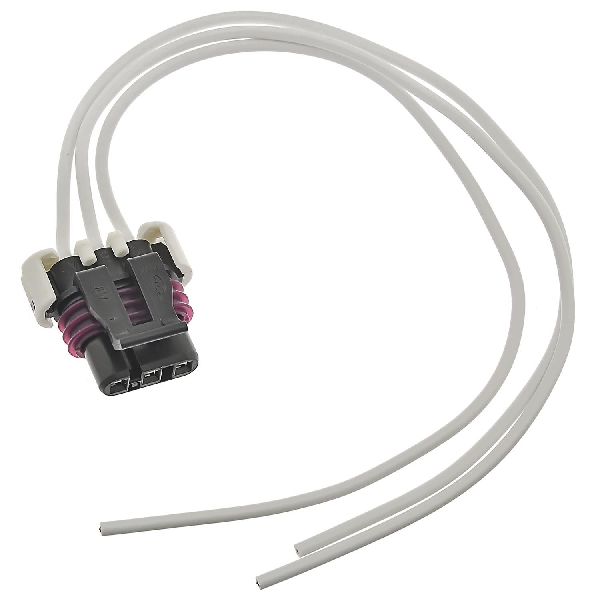
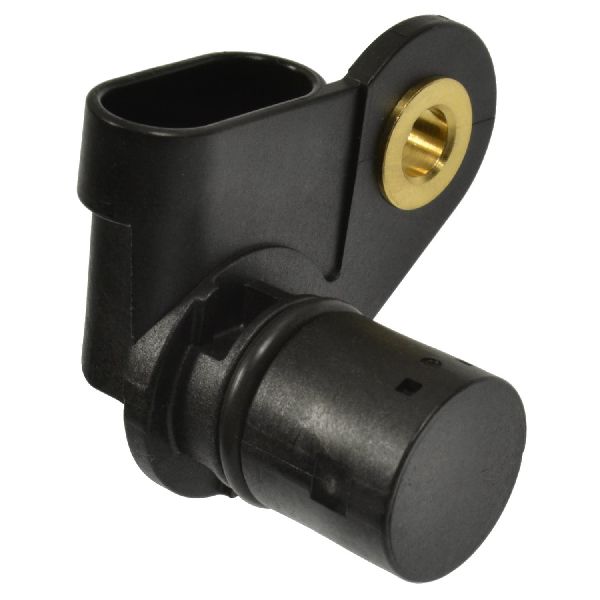
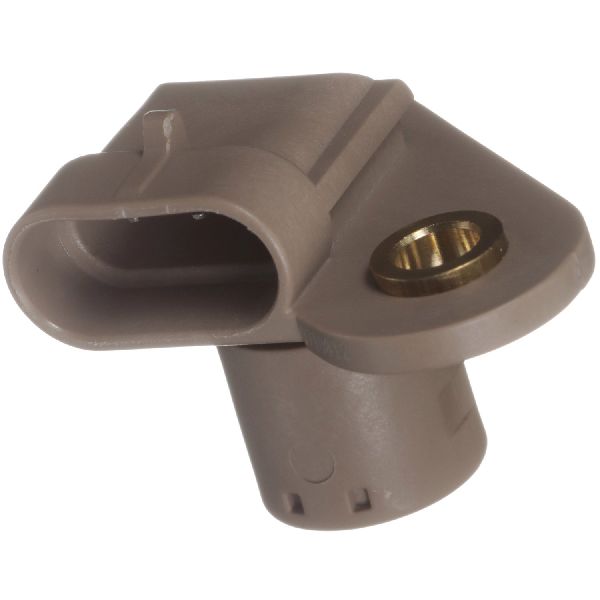
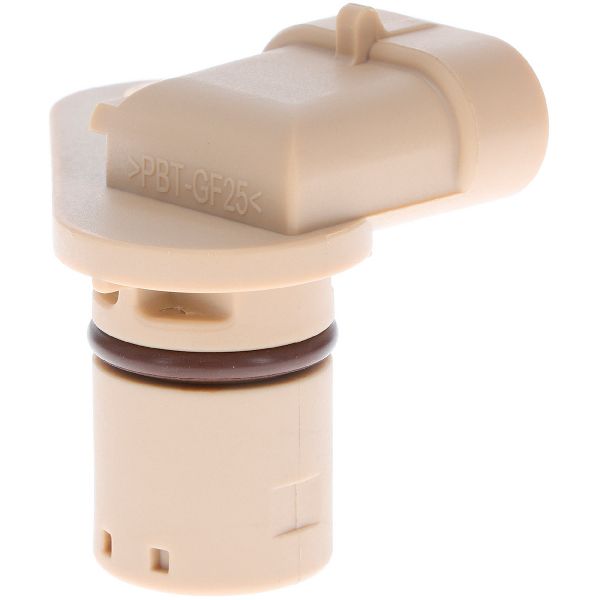
Aftermarket price range: $25-$50 per coil - Camshaft Position Actuator Solenoid
(OEM #ACDelco 12615873)— Clogging of internal screens with oil sludge is a common cause of rough idle, misfires, and P0014 codes.
Trusted brands: ACDelco, Dorman
OEM price range: $40-$60
Aftermarket price range: $25-$45 - Intake Manifold Gasket Set — Gaskets become brittle with age and heat cycles, leading to vacuum leaks that cause lean misfires.
Trusted brands: Fel-Pro, Mahle
OEM price range: $40-$70
Aftermarket price range: $20-$50
Related Codes That Often Appear With This One
- P0301-P0306 — If the computer is able to identify a specific cylinder that is consistently misfiring, it will set a code from P0301 (Cylinder 1) to P0306 (Cylinder 6) in addition to or instead of P0300.
- P0171 — System Too Lean (Bank 1). This often appears with P0300 when a vacuum leak from a part like the intake manifold gasket is the root cause, as the leak allows too much unmetered air into the engine.
- P0014 — 'B' Camshaft Position - Timing Over-Advanced. This can appear alongside a P0300 if there's an issue with the variable valve timing (VVT) solenoid or the camshaft phaser, affecting engine timing and causing misfires.
Technical Service Bulletins (TSBs) & Recalls
- PIP4138R: Addresses engine misfire (P0300-P0308) and/or engine noise. It guides technicians to check for worn camshaft lobes or sticking valves if standard diagnostics for ignition and fuel systems do not resolve the issue.
- PIP5628G: A preliminary information bulletin requesting technicians to gather specific diagnostic data for vehicles with P0300-P0308 codes to assist GM's Technical Assistance Center (TAC), indicating ongoing tracking of this issue.
- PIP4568P: Discusses engine misfires on cylinders 1, 4, 6, or 7 in V8 engines with Active Fuel Management (AFM), linking the P0300 code to AFM lifters that are stuck, collapsed, or unlocking improperly.
Platform-Specific Known Issues
- Water Leaking on Coils: A deteriorated or debris-filled cowl weatherstrip at the base of the windshield allows rainwater to drip directly onto the engine. Due to the engine's slant, this water often lands on the #4 ignition coil, causing it to short out and fail, triggering a P0304 or P0300, especially after a car wash or rainstorm. This is one of the most-discussed P0300 causes in owner communities.
- Spark Plug Sensitivity: The 4.2L Atlas engine is famously picky about spark plugs. Countless forum threads describe owners chasing a P0300 code after installing high-quality aftermarket plugs (like Bosch or NGK), with the issue only being resolved by switching to the OEM-specified AC Delco 41-103 Iridium plugs.
- Loose Intake Manifold Bolts: The bolts securing the plastic intake manifold can sometimes loosen over time, creating a significant vacuum leak that leads to a P0300 and P0171. Checking the torque on these bolts is a recommended diagnostic step.
- Clogged VVT Solenoid: The Camshaft Position Actuator Solenoid is prone to clogging from oil sludge, leading to improper valve timing and misfires. Cleaning the throttle body and this solenoid are often recommended as the first steps after checking plugs and coils.
Mechanic-Grade Diagnostic Values
- Fuel Pressure (Key On, Engine Off and at Idle) — expected: 50-62 PSI. Failure: Pressure below 50 PSI indicates a weak fuel pump or clogged filter.
- Camshaft Position Actuator Solenoid (VVT Solenoid) Control Signal — expected: Pulse Width Modulated (PWM) signal. 0% duty cycle for maximum advance, 100% for maximum retard (25 degrees), 50% to hold position.. Failure: Signal stuck high or low, or not responding to PCM commands, indicates a wiring or PCM issue. A mechanically stuck solenoid won't respond regardless of signal.
- Compression Test — expected: 174-185 PSI per cylinder, with minimal variation between cylinders.. Failure: Significantly lower pressure in one or more cylinders indicates a mechanical issue like worn rings, bad valves, or a failed head gasket.
Hidden / Shadow Codes Worth Checking
- Live Misfire Data Graph: While not a 'code', this function displays real-time misfire counts for each individual cylinder. It allows a technician to see which cylinder(s) are misfiring even when the issue is not consistent enough to set a specific P0301-P0306 code. (see via GM Tech2 or equivalent high-end bidirectional scan tool.)
Scan Tool Commands That Help
- GM Tech2 / GDS2: Misfire Graph — This is a primary diagnostic step for a P0300 code to determine if the 'random' misfire is truly random or is biased towards one or two specific cylinders.
- GM Tech2 / GDS2: Fuel Injector Balance Test — Use this after ignition and vacuum issues are ruled out. It commands each injector to fire for a set duration and measures the corresponding drop in fuel pressure to identify a weak or clogged injector.
- Professional Scan Tool: Crankshaft Position (CKP) Variation Learn / CASE Relearn — Perform this procedure after replacing a crankshaft position sensor, flexplate, or PCM. It calibrates the PCM to minor variations in the crankshaft reluctor wheel to prevent false misfire detection.
Wiring & Ground Locations
- G103 — On the left front of the engine compartment, on the left side of the radiator support.. This is a primary chassis ground point for the forward lamp harness, which can sometimes share grounding paths or create electrical noise affecting sensors if corroded or loose.
- G105 / G106 — G105 is on the firewall in the engine compartment. G106 is on the engine side of the left front wheel well.. These are major grounds for the engine and instrument panel harness. A poor connection here can cause erratic behavior from multiple sensors and the PCM.
- G109 / G110 — On the lower left side of the 4.2L engine block.. These are critical engine block grounds. The ignition coils rely on a solid engine ground to produce a strong spark. Corrosion or a loose connection here can directly cause weak spark and misfires.
Real Owner Repair Stories
- YouTube channel 'Kevin Nadeau' (2004 GMC Envoy 4.2L) — Shuttering while driving, blinking check engine light, P0300 code.
❌ Tried (didn't work) Initially checked all coil bolts and electrical connectors, which were all tight and secure.
✅ What actually fixed it The owner found significant water in the #4 spark plug well. The seal on the #4 ignition coil was cracked, allowing water from the known cowl leak area to short out the spark. After drying the well, cleaning the coil, and reinstalling, the misfire was resolved, with the final fix being a new ignition coil to ensure a proper seal. - YouTube channel 'skiprope536' (2005 GMC Envoy with 265,000 miles) — Rough running, P0300 code.
❌ Tried (didn't work) Swapping the suspected bad coil from cylinder #6 to #5 to see if the misfire followed.
✅ What actually fixed it The misfire moved from cylinder #6 to #5 after swapping the ignition coils, confirming the coil was faulty. Replacing the bad ignition coil with a new one (Blue Streak brand mentioned) and clearing the codes resolved the issue.
"I Checked Everything" — The Actual Cause
- A cracked exhaust manifold, a known issue on the 4.2L I6, can cause a P0300. It won't be found with a standard intake smoke test. The crack allows oxygen to enter the exhaust, causing the upstream O2 sensor to read a false lean condition. The PCM then adds too much fuel, leading to random misfires.
- A cracked flexplate can cause crankshaft position sensor signal variations that the PCM interprets as a misfire. This mechanical issue is often misdiagnosed as an engine knock and will not be found via smoke test, compression test, or ignition analysis. A key symptom can be a fine rusty powder in the transmission bellhousing inspection cover.
OEM Part Supersession History
ACDelco 12578517→ACDelco 12615873, 12602516— Internal design improvements to resist failure from oil contamination and heat.
Heads up: Later part numbers are generally backward compatible for this component.
Model Year Variations Within This Range
- 2006-2009: The 4.2L I6 engine received a horsepower increase from 275 to 291 hp (285 hp for 2008-2009) due to internal revisions and tuning. While most P0300 causes are the same, later models have slightly different PCM calibrations.
- 2005-2009: The 5.3L V8 engine option was introduced, which featured Displacement on Demand (later called Active Fuel Management - AFM). This system is a unique potential cause for P0300 on V8 models due to failing AFM lifters, an issue not present on the 4.2L I6.
- 2006+: Stabilitrak electronic stability control became standard. While not a direct cause, the system uses wheel speed and steering angle sensors, adding complexity to the vehicle's overall electronic system.
Helpful Videos

Used OEM Parts in Stock




New Aftermarket Parts Available


The information in this article is provided for general reference and educational purposes only. Vehicle specifications, procedures, and part compatibility can vary by production date, trim level, and region. Always consult your vehicle's factory service manual and verify part numbers before purchasing or performing repairs. Safety-critical components such as airbags, seat belts, and braking systems should be installed by a qualified professional.
- Gmc ENVOY:
- 🎬 Helpful Videos
- 🛍️ Shop This Part
- What's Unique About the 2005-2009 Gmc ENVOY
- Diagnostic Flowchart
- Symptoms You May Notice
- Most Likely Causes
- Rare But Worth Checking
- Diagnosis Steps
- Parts You'll Likely Need
- Related Codes That Often Appear With This One
- Technical Service Bulletins (TSBs) & Recalls
- Platform-Specific Known Issues
- Mechanic-Grade Diagnostic Values
- Hidden / Shadow Codes Worth Checking
- Scan Tool Commands That Help
- Wiring & Ground Locations
- Real Owner Repair Stories
- "I Checked Everything" — The Actual Cause
- OEM Part Supersession History
- Model Year Variations Within This Range
- 🎟️ Get 5% Off