

P0300 on 2016-2018 Fiat 500X: Random Misfire Causes and Fixes
P0300 on a 2016-2018 Fiat 500X indicates a random multiple cylinder misfire. The most common causes are worn spark plugs or failing ignition coils. For the 2.4L engine, oil in the spark plug wells from a leaking valve cover gasket is a very frequent cause. Before replacing parts, always check the engine oil level, as low or incorrect oil can cause misfires in the MultiAir system.
- P0300 signifies a random misfire on multiple cylinders, not a single one.
- Always check the engine oil level first on a Fiat 500X; low or incorrect oil is a unique and common cause of misfires due to the MultiAir system.
- The most likely parts needed are spark plugs and/or ignition coils, which are standard maintenance items.
- A flashing Check Engine Light is serious and indicates a risk of expensive catalytic converter damage; limit driving immediately.
- If basic tune-up parts and correct oil level don't fix the issue, the problem could be more complex, such as a vacuum leak, a failing MultiAir actuator, or a bad crankshaft sensor.
What's Unique About the 2016-2018 Fiat 500X

The Fiat 500X uses MultiAir engine technology, which actuates intake valves using electro-hydraulic solenoids fed by engine oil. This system is highly sensitive to oil level, quality, and pressure. Low oil, dirty oil, or using the wrong type of oil can starve the MultiAir actuator (often called the 'brick'), leading to poor valve timing and causing random misfires that can be mistaken for ignition or fuel system faults. This oil dependency is a unique characteristic and a common source of P0300 codes on this platform, especially on the 2.4L Tigershark engine 🎬 Watch: Diagnosing misfire codes on the 2.4L Tigershark engine. which is known for excessive oil consumption.
Diagnostic Flowchart

Tap your situation to follow the diagnostic path that matches what you're seeing on this vehicle.
Symptoms You May Notice
- Rough or shaky idle, can be erratic and unpredictable
- Hesitation or stumbling during acceleration
- Flashing or solid Check Engine Light
- Noticeable loss of engine power
- Reduced fuel economy
- Engine stalling, especially at idle
- Smell of raw gasoline from the exhaust
- Loud noise from the exhaust during a misfire event
- Replacing only one spark plug or coil when others are near the end of their service life.
- Replacing fuel injectors on a 2.4L engine when the actual problem is low engine oil affecting the MultiAir system.
- Assuming a major engine failure without first checking basic maintenance items like spark plugs, coils, and oil level.
- Replacing spark plugs and coils on a 2.4L without replacing the leaking valve cover gasket that caused them to fail. The new parts will soon be fouled with oil.
Most Likely Causes

- Worn or Incorrect Spark Plugs 🔴 High Probability The 1.4L turbo engine is sensitive to spark plug condition and requires changes every 30,000 miles. Using non-OEM or improperly gapped plugs can cause misfires. The 2.4L engine's plugs are often fouled by leaking valve cover gaskets.
How to confirm: Inspect the spark plugs for wear (widened gap), fouling, oil contamination, or damage. Check they are the correct type (e.g., NGK Iridium) and gapped correctly. The gap for the 1.4L is ~0.026"-0.028" (or 0.024" for tuned engines) and ~0.047" for the 2.4L.
Typical fix: Replace all four spark plugs with high-quality OEM-spec plugs. NGK Iridium plugs are a common and successful choice for both engines.
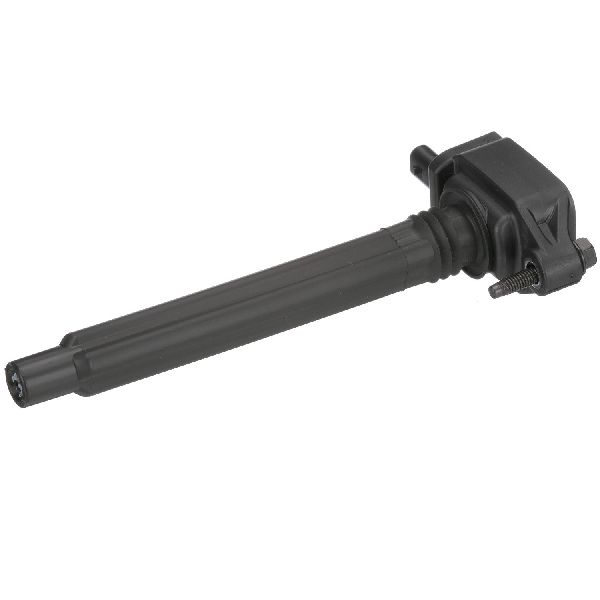
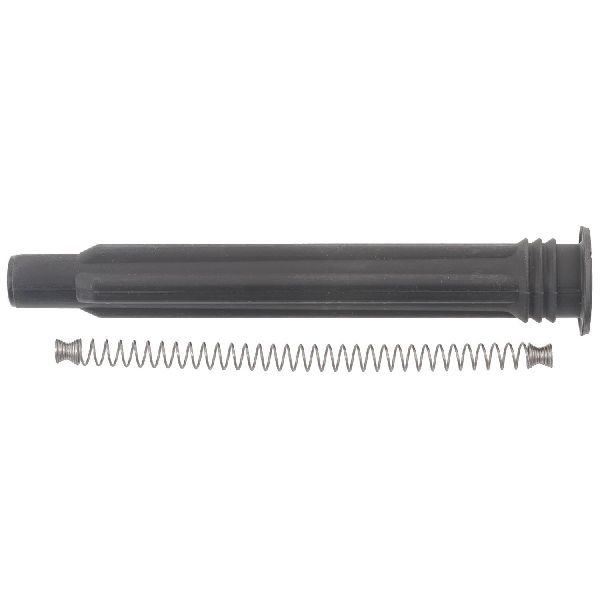
Est. part cost: $40-$80 - Failing Ignition Coils 🔴 High Probability Ignition coils are a common failure point due to heat and vibration. On the 2.4L engine, they are frequently damaged by oil leaking from the valve cover gasket into the spark plug tubes.
How to confirm: If a specific cylinder misfire code (e.g., P0301, P0302) is also present, swap the ignition coil from the misfiring cylinder with one from a working cylinder. If the code follows the coil, the coil is bad. For a random P0300, visual inspection for cracks, damage, or oil saturation on the boot is a first step. A general test for primary resistance on this type of coil is between 0.4 and 2 ohms.
Typical fix: Replace the faulty ignition coil(s). It is often recommended to replace them as a set, especially if the vehicle has high mileage or if multiple coils are oil-soaked.
Est. part cost: $50-$100 per coil - Low or Incorrect Engine Oil 🟡 Medium Probability The MultiAir system relies on engine oil pressure to operate the intake valves. The 2.4L Tigershark engine is notorious for excessive oil consumption, making low oil levels a frequent problem that starves the MultiAir actuator and leads to misfires. A Reddit user with a Fiat 500 confirmed that low oil was the cause 🎬 See how low oil levels trigger random misfire codes. of their P0300/P0301 codes after a dealer visit.
How to confirm: Check the engine oil level on the dipstick when the engine is cold and on a level surface. Ensure the correct oil viscosity (e.g., 5W-40 full synthetic for 1.4L) is being used as specified by the manufacturer.
Typical fix: Top off or change the engine oil and filter using the manufacturer-specified grade. Address any underlying oil consumption issues, which may require dealer intervention or more frequent oil level checks.
Est. part cost: $40-$90 for an oil change - Leaking Valve Cover Gasket / Spark Plug Tube Seals 🔴 High Probability This is an extremely common failure on the 2.4L Tigershark engine. The seals around the spark plug tubes harden and fail, allowing oil to leak directly into the spark plug wells, saturating the coils and plugs.
How to confirm: When removing the ignition coils, check for liquid oil in the spark plug tubes. Oil contamination will short out the spark and cause a misfire. A burning oil smell from the engine bay is another strong indicator.
Typical fix: Replace the valve cover gasket and the integrated spark plug tube seals. It is critical to replace the seals as part of the gasket job. It's also wise to replace the oil-fouled spark plugs and ignition coils at the same time.
Est. part cost: $30-$70 for the gasket kit - Vacuum Leaks ⚪ Low Probability Hoses and gaskets can become brittle and crack over time, allowing unmetered air to enter the engine and disrupt the air-fuel ratio, causing a lean condition and random misfires.
How to confirm: Perform a smoke test to check for leaks in the intake manifold, vacuum lines, and PCV system. Listen for hissing sounds around the engine bay at idle. A faulty PCV valve can also cause a vacuum leak.
Typical fix: Replace the cracked hose or faulty gasket. The PCV valve may also need replacement.
Est. part cost: $10-$100
Rare But Worth Checking
- Failing MultiAir Actuator ('Brick'): If basic ignition and oil-related issues are ruled out, the MultiAir unit itself can fail. This is an expensive repair but is a known issue on these engines. A user on 'The FIAT Forum' reported P0300 and P0304 codes alongside P106B (actuator stuck), pointing towards a MultiAir unit fault after ruling out plugs and coils.
- Faulty Crankshaft Position Sensor or Tone Wheel: A failing crankshaft position sensor can send incorrect rotational speed data to the PCM, leading to a false misfire code. On some Fiat models, this sensor is difficult to access, but some owners have retrofitted an older, externally mounted sensor and pulley to fix the issue. This is a complex repair but has been documented as a solution for persistent, hard-to-diagnose P0300 codes.
- Clogged or Failing Fuel Injectors: While less common than ignition issues, dirty or failing fuel injectors can cause lean conditions and misfires. However, on the 2.4L engine, symptoms mimicking bad injectors are very often caused by low engine oil affecting the MultiAir system, so oil level should always be the first check.
- PCM Software Update Needed: FCA has issued Technical Service Bulletins (TSBs) like 08-027-20 that involve a PCM software update to improve misfire detection and prevent false codes. A TSB was also released for the 2.4L Tigershark engine to address oil consumption, which involved a PCM update that reportedly fixed misfire issues for some owners.
Diagnosis Steps

- Scan for any other accompanying trouble codes. Codes for specific cylinders (P0301-P0304) can help narrow the search.
- Check the engine oil level and condition immediately. This is the most critical first step for any MultiAir engine. Ensure it is full and of the correct viscosity.
- Inspect the ignition system. Remove the ignition coils and spark plugs. On the 2.4L engine, look for oil in the spark plug tubes, which indicates a leaking valve cover gasket.
- Examine the spark plugs for wear (worn electrode), carbon fouling, or oil fouling. Replace if they are old or in poor condition, ensuring the correct part and gap.
- If a specific cylinder misfire is identified, swap the ignition coil with a known good cylinder. If the misfire code moves to the new cylinder, the coil is faulty.
- Check for vacuum leaks. Listen for hissing noises and inspect all vacuum hoses for cracks. A smoke test is the most effective method. 🎬 Watch: Step-by-step guide to fixing common misfire symptoms. A faulty PCV valve is a potential source.
- If the above steps do not resolve the issue, further diagnosis of the fuel system (fuel pressure, injectors) and engine mechanical condition (compression test) may be needed.
- Check for any available Technical Service Bulletins (TSBs) related to a PCM software update for misfire detection, such as TSB 08-027-20.
Parts You'll Likely Need
- Spark Plugs
(OEM #1.4L: NGK SIKR9A7 (or 94469); 2.4L: NGK LFR5AIX-11 (or 4469))— This is the most common maintenance item causing a P0300 code. The MultiAir engines are sensitive to plug condition and proper gap.
Trusted brands: NGK, Mopar
OEM price range: $60-$100
Aftermarket price range: $40-$80 - Ignition Coil
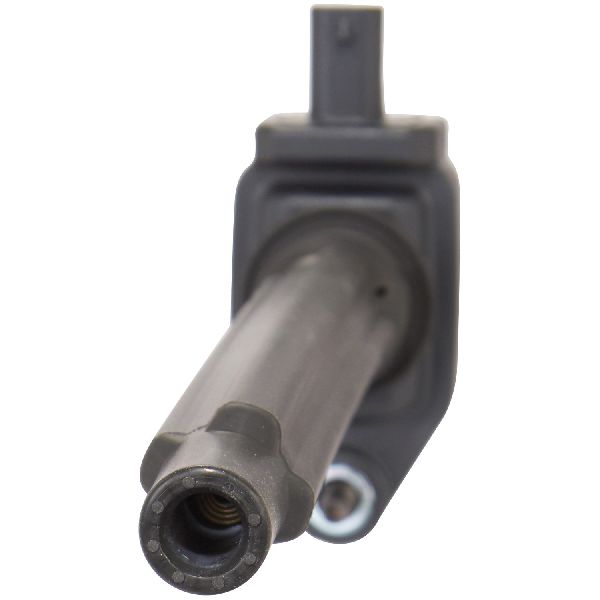
(OEM #2.4L: Mopar 68242286AA (or aftermarket equivalent UF751))— Ignition coils are a primary cause of misfires. On the 2.4L, they are often damaged by oil leaks.
Trusted brands: Mopar, Bosch, NGK
OEM price range: $80-$120
Aftermarket price range: $50-$90 - Valve Cover Gasket Kit (2.4L) — Required if oil is found in the spark plug wells on the 2.4L Tigershark, which is a very common cause of misfires on this specific engine.
Trusted brands: Mopar, Fel-Pro, Mahle
OEM price range: $50-$90
Aftermarket price range: $30-$70
Related Codes That Often Appear With This One
- P0301, P0302, P0303, P0304 — These codes indicate a misfire on a specific cylinder (1, 2, 3, or 4). They often accompany P0300 as the computer detects both random and specific cylinder misfires.
- P130A — This is a manufacturer-specific code for 'Hide Cylinder' which can be set when the PCM detects an excessive misfire and shuts off fuel to that cylinder to protect the catalytic converter. It is often seen with P0300.
- P106B — This code, specific to cylinder 4 ('Cylinder 4 UniAir actuation electro-valve signal'), points directly to a problem with the MultiAir actuator ('brick') and can accompany a P0300/P0304 if the actuator is failing.
Technical Service Bulletins (TSBs) & Recalls
- 08-027-20: This TSB is mentioned for multiple FCA vehicles with the 2.4L engine and addresses MIL illumination for misfire codes (P0300, P0301, P0302, P0303, P0304). The fix often involves a Powertrain Control Module (PCM) software update to refine misfire detection logic.
Platform-Specific Known Issues
- 2.4L Tigershark Oil Consumption & Valve Cover Gasket Leak: The most significant vehicle-specific issue for the 2.4L Fiat 500X is the combination of excessive oil consumption and a high failure rate of the valve cover gasket. The gasket leak allows oil to pool in the spark plug tubes, fouling the plugs and coils, directly causing a P0300 code. This is often misdiagnosed as only bad plugs/coils. The underlying gasket leak must be fixed. Simultaneously, the engine may be consuming oil internally, so even without an external leak, a low oil level can starve the MultiAir system and cause identical misfire symptoms. Owners must check their oil level frequently.
- 1.4L MultiAir Turbo Spark Plug Interval: For the 1.4L Turbo engine, the most common cause of P0300 is exceeding the 30,000-mile spark plug service interval. These engines are very sensitive to spark plug wear and proper gapping. Many owners report that simply replacing the plugs with the correct NGK Iridium plugs (gapped to ~0.026") resolves the misfire code.
Mechanic-Grade Diagnostic Values
- Ignition Coil Primary Resistance — expected: 0.4 - 2.0 Ohms. Failure: A reading of 0 Ohms indicates a shorted coil; a high or infinite reading indicates an open coil.
- Ignition Coil Secondary Resistance — expected: 6,000 - 8,000 Ohms (for segmented core type). Failure: A reading significantly outside this range suggests a faulty coil.
- Fuel Injector Resistance (1.4L) — expected: 14.5 - 15.0 Ohms. Failure: Readings outside this range may indicate a faulty injector coil.
- Live Data - Short/Long Term Fuel Trims (STFT/LTFT) — expected: Close to 0% (+/- 5%). Failure: High positive trims (e.g., +10% to +25%) suggest the engine is compensating for a lean condition, often caused by a vacuum leak or weak fuel delivery.
Hidden / Shadow Codes Worth Checking
- Mode $06 Misfire Counters: Even with a general P0300 code, many advanced scan tools, including AlfaOBD, can access Mode $06 data which contains misfire counts for each individual cylinder. This allows a technician to see which cylinder is misfiring the most, even if a specific P030x code has not been set. (see via Advanced OBD2 scanner or diagnostic software like AlfaOBD or MultiECUScan.)
Scan Tool Commands That Help
- AlfaOBD / MultiECUScan: Cylinder Performance Test / Injector Kill Test — This bidirectional command allows a technician to disable one injector at a time to see the effect on engine RPM. If disabling an injector causes little to no change in how the engine runs, it confirms that cylinder was not contributing properly (misfiring). This helps isolate the problem cylinder when only a P0300 is present.
- AlfaOBD / MultiECUScan: Read System Status (ECU) — Used to view detailed, manufacturer-specific ECU data, including injector codes and other parameters not available on generic OBD2 readers. This can be crucial for diagnosing complex electronic or fuel system issues.
Wiring & Ground Locations
- PCM Connector (1.4L) — Located in the engine bay, connected to the main engine computer.. Specific pins control the ignition coils. For example, on some Fiat models, Pin 11 controls Coil 1, and Pin 3 controls Coil 2. Testing for the correct digital signal (a 0-5-0v square wave) at these pins can confirm if the PCM is sending the command to fire the coil.
- Engine Ground Straps — Multiple locations, typically from the engine block/cylinder head to the chassis frame rail.. A poor or corroded engine ground can cause a weak spark or erratic sensor readings, leading to random misfires. A common symptom of bad grounds on Fiats can be multiple, seemingly unrelated warning lights on the dashboard.
Real Owner Repair Stories
- Reddit user on r/Fiat (2012 Fiat 500 Sport (similar MultiAir system)) — P0300 and P0301 codes, sputtering, stalling, and no-start condition.
❌ Tried (didn't work) A 'tune-up' at a general auto shop did not resolve the issue; the codes returned.
✅ What actually fixed it A Fiat dealer diagnosed the problem as low engine oil. An oil change resolved the misfire codes and running issues. The owner noted their oil had been changed recently, highlighting the importance of checking the oil level itself, not just relying on service history. - Reddit user on r/JeepCompass (2018 Jeep with 2.4L Tigershark engine (shared with 500X)) — Excessive oil consumption (1 quart per 1000 miles), which is a known cause of misfires on this engine.
❌ Tried (didn't work) Just topping up oil.
✅ What actually fixed it The owner took the vehicle to a dealer for a Technical Service Bulletin (TSB) related to oil consumption. The fix was a PCM software update which resolved the high oil consumption and also improved shifting performance.
OEM Part Supersession History
68223569AB, 68223569AC→68223569AD— Standard part revision and improvement by the manufacturer.
Heads up: These part numbers are for a Mopar ignition coil that fits various FCA vehicles and are listed as being replaced by the 'AD' version. Always verify fitment with VIN.N/A→Bosch 0221504026 / Mopar 68308653AA— Performance Upgrade
Heads up: For the 1.4L Turbo engine, the ignition coils from the Alfa Romeo 4C are a direct-fit, bolt-in performance upgrade that can help reduce misfires, especially on tuned engines.
Model Year Variations Within This Range
- 2018: For the 2018 model year, the Fiat 500X received the updated Uconnect 4 infotainment system as standard, which included Apple CarPlay and Android Auto. This change is primarily electronic and does not directly affect the P0300 code causes, but it's a key differentiator for the model year.
- 2016-2018: The base 'Pop' trim came standard with the 1.4L Turbo engine and a manual transmission. The 2.4L engine with a 9-speed automatic was optional on the Pop and standard on Trekking and Lounge trims. Therefore, diagnostic approaches for P0300 must first identify which engine is present.
Helpful Videos
Used OEM Parts in Stock

New Aftermarket Parts Available


The information in this article is provided for general reference and educational purposes only. Vehicle specifications, procedures, and part compatibility can vary by production date, trim level, and region. Always consult your vehicle's factory service manual and verify part numbers before purchasing or performing repairs. Safety-critical components such as airbags, seat belts, and braking systems should be installed by a qualified professional.
- Fiat 500X:
- 🎬 Helpful Videos
- 🛍️ Shop This Part
- What's Unique About the 2016-2018 Fiat 500X
- Diagnostic Flowchart
- Symptoms You May Notice
- Most Likely Causes
- Rare But Worth Checking
- Diagnosis Steps
- Parts You'll Likely Need
- Related Codes That Often Appear With This One
- Technical Service Bulletins (TSBs) & Recalls
- Platform-Specific Known Issues
- Mechanic-Grade Diagnostic Values
- Hidden / Shadow Codes Worth Checking
- Scan Tool Commands That Help
- Wiring & Ground Locations
- Real Owner Repair Stories
- OEM Part Supersession History
- Model Year Variations Within This Range
- 🎟️ Get 5% Off