

P0300 on 2011-2015 Dodge Journey: Random Misfire Causes and Fixes
On 3.6L V6 models from 2011-2013, a P0300 code is very often caused by a defective left cylinder head, a known issue covered by an extended warranty (X56). Another common 3.6L issue is failing rocker arms, identified by a ticking noise. For all engines, standard causes like worn spark plugs and bad ignition coils are also common. A cylinder head replacement can be thousands but may be free at a dealer, while a basic tune-up costs $200-$500.
- For 2011-2013 Dodge Journey models with the 3.6L V6, P0300 is very likely caused by a defective left cylinder head. Check for warranty coverage before paying for any repairs.
- For all other models and the 2.4L engine, start diagnosis with the basics: spark plugs and ignition coils are the most common culprits.
- Do not ignore a flashing check engine light. Driving with a severe misfire can quickly damage your catalytic converter, a costly repair.
- A PCM software update is a known fix for P0300 on this platform and should be considered if tune-up parts don't solve the issue.
What's Unique About the 2011-2015 Dodge JOURNEY

The 2011-2015 Dodge Journey, particularly models with the 3.6L Pentastar V6, has a well-documented history with the P0300 code. For 2011-2013 models, this code is frequently linked to a manufacturing defect in the left cylinder head that causes premature valve guide and seat wear. The problem was so widespread that Chrysler issued a 10-year/150,000-mile extended warranty (X56) to cover the necessary repairs. Therefore, unlike many other vehicles where P0300 points to simple tune-up parts, on an early 3.6L Journey it can signify a major, but potentially warranty-covered, internal engine problem. Additionally, the 3.6L Pentastar is also known for rocker arm failures that can cause a ticking noise and trigger a P0300 code.
Diagnostic Flowchart

Tap your situation to follow the diagnostic path that matches what you're seeing on this vehicle.
Generation note: The 2011-2015 model years are all part of the first-generation (JC) facelift. However, the most significant issue, the defective cylinder head on the 3.6L V6, primarily affects 2011, 2012, and 2013 models built on or before July 25, 2012, as specified in TSB 09-002-14. A secondary common issue, failing rocker arms, also primarily affects earlier Pentastar engines.
Symptoms You May Notice

- Rough or shaky idle
- Hesitation or stumbling during acceleration
- Noticeable loss of engine power
- Flashing Check Engine Light (indicates a severe misfire)
- Reduced fuel economy
- Audible ticking or tapping noise from the top of the engine
- Replacing only spark plugs and coils when the underlying issue on a 3.6L V6 is the cylinder head. Owners may spend hundreds on a tune-up only for the P0300 code to return.
- Confusing the symptoms of a failing rocker arm (ticking noise) with a failing cylinder head. Both can cause P0300 but require different, expensive repairs.
Most Likely Causes

- Defective Left Cylinder Head (3.6L V6 Only) 🔴 High Probability A known manufacturing defect in early Pentastar engines caused excessive wear on the valve guides and seats, particularly for cylinder #2, leading to a loss of compression and misfires on the left bank (cylinders 2, 4, 6). This prompted Chrysler to issue TSB #09-002-14 and warranty extension X56.
How to confirm: A cylinder leak-down test is the definitive diagnostic step. Per TSB 09-002-14, leakage of 25% or more on cylinders 2, 4, or 6 confirms the failure.
Typical fix: Replacement of the left cylinder head assembly with the updated part (RL141353AC). This repair may be covered under the 10-year/150,000-mile extended warranty for affected vehicles.
Est. part cost: $800-$1500 - Failing Rocker Arms / Lifters (3.6L V6 Only) 🔴 High Probability The 3.6L Pentastar engine is also known for issues with rocker arm roller bearings, where worn or missing needle bearings cause excessive play. This leads to a distinct ticking noise and can eventually cause a misfire. One owner on dodgejourneyforum.net reported a P0300 code immediately after replacing ticking rocker arms, indicating the complexity of the job.
How to confirm: Listen for a loud, sharp 'clack' or ticking noise from the upper engine that gets faster with RPM. Visual inspection after removing the valve cover will reveal a rocker arm with excessive side-to-side play or one that has come completely loose.
Typical fix: Replace all 24 rocker arms and potentially the associated lifters. It is recommended to replace them all at once, as others are likely to fail. The updated Mopar part is designed to be more durable.
Est. part cost: $200-$400 - Worn Spark Plugs or Faulty Ignition Coils 🔴 High Probability These are standard maintenance items that wear out. The 3.6L V6 requires spark plug replacement at 100,000 miles, but failure can occur sooner, causing weak spark and misfires. This applies to both the 3.6L and 2.4L engines.
How to confirm: Inspect spark plugs for wear, fouling, or incorrect gap. Test ignition coils by swapping a suspected bad coil with a known good one to see if the misfire code follows the coil to the new cylinder.
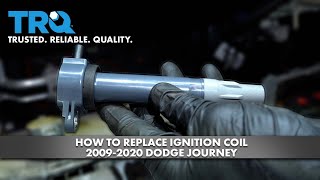
Typical fix: Replace all spark plugs and any faulty ignition coils. It is best practice to replace spark plugs as a full set. 🎬 Watch: Step-by-step guide to replacing spark plugs and coils.
Est. part cost: $50-$300 - Outdated Powertrain Control Module (PCM) Software 🟡 Medium Probability Multiple Technical Service Bulletins (TSBs), including #18-014-15 REV-A and #18-081-17, list P0300 as a code that can be resolved with a PCM software update to improve engine control logic and misfire detection.
How to confirm: A Dodge dealership or qualified shop must check the current software version against the latest available version using a diagnostic tool like wiTECH.
Typical fix: Reprogramming (flashing) the PCM with the updated software.
Est. part cost: $0-$200 - Vacuum Leak ⚪ Low Probability Hoses and gaskets can become brittle and crack over time. On the Journey, the intake manifold gaskets are a potential failure point that can allow unmetered air into the engine, disrupting the air-fuel ratio and causing random misfires.
How to confirm: A smoke test is the most effective method. This involves feeding pressurized smoke into the intake system and watching for where it escapes.
Typical fix: Replace the cracked hose or faulty gasket (e.g., intake manifold gaskets).
Est. part cost: $10-$100
Rare But Worth Checking
- Clogged or Faulty Fuel Injectors: An injector that is dirty or failing can cause a lean condition in one cylinder, but if multiple injectors are affected, it can trigger a P0300.
- Crankshaft Position Sensor Failure: TSB #18-081-17 and #18-033-16 list P0300 alongside P0335 (Crankshaft Position Sensor Circuit), indicating a faulty sensor can sometimes contribute to misfire detection issues, often resolved with a PCM update.
- Low Fuel Pressure: A weak fuel pump or clogged fuel filter can starve the entire engine for fuel, leading to misfires across multiple cylinders. One owner on a forum replaced the fuel pump for a P0300, though it did not solve their specific issue.
Diagnosis Steps
- Scan the PCM for any other trouble codes. Codes for specific cylinders (P0301-P0306) or systems can provide crucial clues.
- Listen carefully to the engine at idle and when revving. A distinct, sharp ticking from the top of the 3.6L V6 strongly suggests a rocker arm/lifter issue.
- If driving a 2011-2013 3.6L V6, check with a Dodge dealer using your VIN to see if the X56 extended warranty for the left cylinder head is active for your vehicle.
- Inspect the basics: Check for worn spark plugs and signs of damage or oil on ignition coils. Consider replacing spark plugs if they are near or over their 100,000-mile service life.
- If plugs and coils are good, test for vacuum leaks using a smoke machine, paying attention to the intake manifold gaskets and all vacuum hoses.
- Test fuel pressure to ensure the fuel pump is delivering adequate pressure according to factory specifications.
- For 3.6L V6 models with misfires on cylinders 2, 4, or 6 and no ticking noise, perform a cylinder leak-down test. Leakage over 25% strongly indicates the cylinder head failure as outlined in TSB 09-002-14.
- If all else fails, have a dealer check if a PCM software update is available.
Parts You'll Likely Need
- Left Cylinder Head Assembly (3.6L V6)
(OEM #RL141353AC)— This is the definitive fix for the common valve guide wear issue on 2011-2013 3.6L engines.
Trusted brands: Mopar
OEM price range: $1000-$1500
Aftermarket price range: $800-$1200 - Rocker Arm (3.6L V6)
(OEM #5184296AH)— This is the updated Mopar part to fix the common ticking noise and related misfires caused by failed rocker arm bearings. It supersedes previous part numbers (AD, AE, AF, AG).
Trusted brands: Mopar
OEM price range: $20-$35 per arm
Aftermarket price range: $10-$25 per arm - Spark Plugs (3.6L V6)
(OEM #SP149125AE (Mopar/Champion))— Worn spark plugs are a primary cause of misfires. These are the standard replacement plugs for the 3.6L engine.
Trusted brands: Mopar, NGK, Champion
OEM price range: $10-$15 per plug
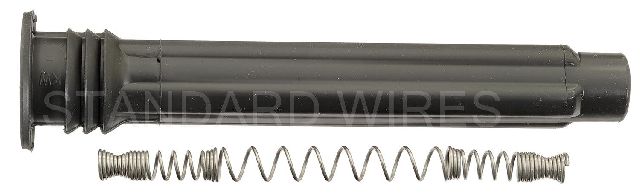
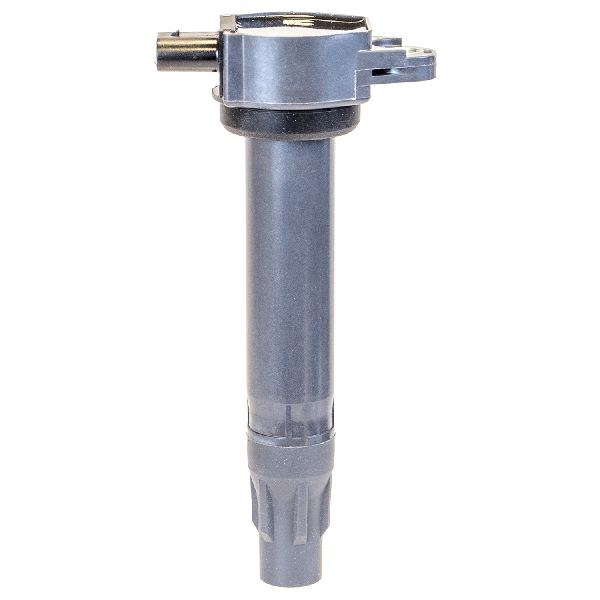
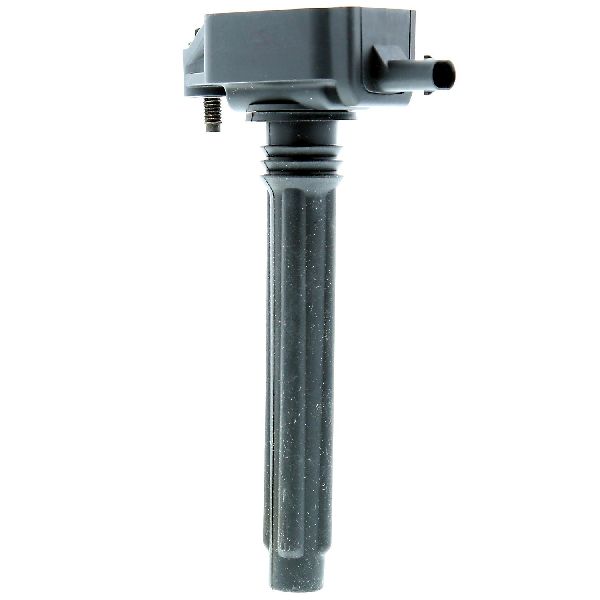
Aftermarket price range: $5-$10 per plug - Ignition Coil (3.6L V6)
(OEM #5149168AI)— A failed ignition coil will cause a misfire on its corresponding cylinder. If multiple coils are weak, it can trigger a P0300.
Trusted brands: Mopar, NGK, Delphi, Bosch
OEM price range: $40-$60
Aftermarket price range: $25-$50
Related Codes That Often Appear With This One
- P0302, P0304, P0306 — These codes for cylinders 2, 4, and 6 often accompany P0300 on the 3.6L V6, as they are all on the left cylinder bank affected by the head defect.
- P000A / P000B — Slow camshaft position response codes are mentioned alongside P0300 in TSBs #18-081-17 and #18-014-15 REV-A, suggesting they can be related to PCM software or internal timing issues like failing cam phasers.
- P0335 — Crankshaft Position Sensor Circuit code. TSB #18-081-17 indicates this can appear with P0300, often related to a needed PCM software update.
Technical Service Bulletins (TSBs) & Recalls
- 09-002-14 Rev. B
- D-14-12 (X56 Warranty Bulletin)
- 18-081-17
- 18-033-16
- 18-014-15 REV-A
Platform-Specific Known Issues
- The 3.6L V6 Left Cylinder Head Defect (2011-2013): The most critical issue is the extended warranty (X56) for the left cylinder head on 2011-2013 models with the 3.6L V6. This was issued to address premature wear of the valve guides/seats that leads to misfires on cylinders 2, 4, and 6. Owners on forums like dodgejourneyforum.net have discussed receiving the warranty repair, which can take a week or more at the dealer.
- The 3.6L V6 'Pentastar Tick' from Rocker Arms: A very common issue on the 3.6L engine is a loud ticking sound caused by failing rocker arm bearings. This can eventually lead to a P0300 misfire code. A user on dodgejourneyforum.net described how their engine began misfiring and shaking immediately after they replaced the rocker arms themselves, highlighting the sensitivity of the valvetrain components.
- 2.4L I4 P0300 Challenges: While less documented than the 3.6L issues, owners of the 2.4L Journey also face the P0300 code. One owner on dodgejourneyforum.net detailed a frustrating diagnostic process, replacing the catalytic converter, O2 sensors, cam/crank sensors, fuel pump, plugs, and coils, with the P0300 code persisting, leading to suspicion of a bad PCM.
Mechanic-Grade Diagnostic Values
- Fuel Injector Resistance (3.6L V6) — expected: ~12.0 - 12.5 Ohms. Failure: A reading that is significantly higher, lower, or open loop (OL) indicates a failed injector.
- Ignition Coil Primary Winding Resistance — expected: 0.4 - 2.0 Ohms. Failure: A reading outside this range suggests a faulty coil.
- Ignition Coil Secondary Winding Resistance — expected: 6,000 - 10,000 Ohms (6k - 10k Ω). Failure: A reading outside this range suggests a faulty coil.
- Live Data: Long Term Fuel Trim (LTFT) at Idle — expected: -10% to +10%. Failure: High positive trims (e.g., +25%) indicate the engine is compensating for a lean condition, often caused by a vacuum leak or weak fuel delivery, which can lead to random misfires.
Hidden / Shadow Codes Worth Checking
- Mode 6 Misfire Counters: Even when a P0300 (random misfire) is the only code set, the PCM often tracks misfire events for each individual cylinder. This data, accessible via Mode $06 on a capable scan tool, can reveal which specific cylinder(s) are misfiring the most, helping to pinpoint the issue without a specific P030x code being present. (see via A professional-level scan tool (such as a Foxwell NT510 Elite or the dealer wiTECH system) with Mode $06 capabilities.)
Scan Tool Commands That Help
- wiTECH or equivalent professional scanner: Cylinder Contribution Test / Misfire Counter Live Data — This function is crucial for diagnosing a P0300. It allows a technician to see live misfire counts per cylinder while the engine is running. By observing which cylinders are logging misfires under different conditions (idle, load, cold/hot), the problem can be narrowed down from 'random' to specific cylinders, even if no P0301-P0306 codes are set.
- wiTECH: ASD Relay Actuation — When diagnosing a no-spark condition that could be causing misfires, a technician can use the scan tool to command the Auto Shutdown (ASD) relay on. This allows for testing of the power supply circuit at the ignition coil connector to verify if the coil is receiving voltage from the PCM/TIPM.
Wiring & Ground Locations
- Engine Wiring Harness Chafe Points — On some related platforms, the engine wiring harness can rub against the ECM/TCM bracket, the upper control arm, and the shock tower bolt.. While not a top common cause, chafing of the engine wiring harness can cause intermittent shorts to ground for various sensor, ignition coil, or fuel injector circuits. This can lead to erratic behavior and trigger a random misfire code that is difficult to diagnose through component testing alone. A recall (08V-247) was issued for potential harness chafing on the transaxle mount for the 2009 model year, highlighting this as a potential issue.
Real Owner Repair Stories
- dodgejourneyforum.com user (2014 Dodge Journey 3.6L V6) — Engine was running fine but had a ticking noise. After replacing the rocker arms to fix the tick, the engine immediately started shaking and misfiring with a P0300 code.
❌ Tried (didn't work) Replacing all spark plugs, Replacing all ignition coils
✅ What actually fixed it The user did not post a final resolution, but another forum member suggested the engine timing was likely off by a tooth. This can happen during a rocker arm replacement if the timing chain is not handled correctly, causing a new misfire problem immediately after the repair. - dodgejourneyforum.com user (2009 Dodge Journey 2.4L with 140k miles) — Hesitation, power loss, occasional stalling, and a P0300 code.
❌ Tried (didn't work) Replacing O2 sensor, Replacing catalytic converter, Replacing camshaft position sensor, Replacing crankshaft position sensor, Replacing all spark plugs and ignition coils, Replacing fuel pump and strainer
✅ What actually fixed it The owner performed a compression test which showed very high but consistent numbers (205-225 PSI). A mechanic suspected a bad PCM was the final remaining possibility, but the thread ends without confirmation of the fix. This story highlights how P0300 can lead to extensive and expensive parts replacement without a resolution when the root cause is elusive.
OEM Part Supersession History
5184296AD, 5184296AE, 5184296AF, 5184296AG→5184296AH— The original rocker arms were prone to premature failure of the roller needle bearings, causing a distinct ticking noise and eventual misfires. The 'AH' revision is the updated, more durable design from Mopar.
Model Year Variations Within This Range
- 2011-2013 (specifically on or before July 25, 2012 build date): Models in this range with the 3.6L V6 are susceptible to the left cylinder head defect. Vehicles built after this date received heads with improved valve guides and seats from the factory.
- 2009: A safety recall (08V-247 / H21) was issued for potential engine wiring harness chafing against the transaxle mount, which could cause a short and, in a worst-case scenario, a fire. While this specific recall doesn't cover the 2011-2015 range, it establishes a history of potential wiring chafe issues on the platform.
Helpful Videos

Used OEM Parts in Stock


New Aftermarket Parts Available

The information in this article is provided for general reference and educational purposes only. Vehicle specifications, procedures, and part compatibility can vary by production date, trim level, and region. Always consult your vehicle's factory service manual and verify part numbers before purchasing or performing repairs. Safety-critical components such as airbags, seat belts, and braking systems should be installed by a qualified professional.
- Dodge JOURNEY:
- 🎬 Helpful Videos
- 🛍️ Shop This Part
- What's Unique About the 2011-2015 Dodge JOURNEY
- Diagnostic Flowchart
- Symptoms You May Notice
- Most Likely Causes
- Rare But Worth Checking
- Diagnosis Steps
- Parts You'll Likely Need
- Related Codes That Often Appear With This One
- Technical Service Bulletins (TSBs) & Recalls
- Platform-Specific Known Issues
- Mechanic-Grade Diagnostic Values
- Hidden / Shadow Codes Worth Checking
- Scan Tool Commands That Help
- Wiring & Ground Locations
- Real Owner Repair Stories
- OEM Part Supersession History
- Model Year Variations Within This Range
- 🎟️ Get 5% Off