

P0300 on 2017-2021 Chrysler Pacifica Hybrid: Random Misfire Causes and Fixes
P0300 on a Pacifica Hybrid indicates random engine misfires. While spark plugs and ignition coils are common culprits, this code is frequently linked to more serious issues on this platform, such as failing rocker arms or fuel system problems. A ticking engine noise is a key symptom of mechanical valvetrain failure, a widely documented issue with the 3.6L Pentastar engine.
- P0300 on a Pacifica Hybrid means multiple cylinders are misfiring.
- Listen for an engine 'tick'—this is a critical symptom pointing to common rocker arm failure, a serious mechanical issue.
- Always check for other codes. A P00C6 (low fuel pressure) or P105D (valve stuck) can direct you to the true cause.
- Start with the basics (spark plugs, coils) but be prepared for a more complex diagnosis involving the fuel system or internal engine components.
- Do not drive if the check engine light is flashing, as this can quickly damage the catalytic converters.
What's Unique About the 2017-2021 Chrysler PACIFICA PLUG-IN HYBRID
On the Pacifica Hybrid's 3.6L Pentastar engine, a P0300 code is often more than a simple tune-up issue. This platform is known for valvetrain problems, specifically failing roller rocker arms whose needle bearings can wear out, causing a distinct engine 'tick' and leading to misfires. This issue is common across the entire Pentastar engine family. Furthermore, as a plug-in hybrid, its unique operational demands can expose other weaknesses. Manufacturer TSBs specifically link P0300 to low fuel pressure (P00C6) and high oil levels, suggesting fuel system issues like leaking injectors or a failing high-pressure fuel pump could be the root cause. [Bulletin #18-044-26, 3]
Diagnostic Flowchart
Tap your situation to follow the diagnostic path that matches what you're seeing on this vehicle.
Symptoms You May Notice
- Flashing or solid Check Engine Light
- Rough or shaky engine idle
- Engine hesitation or stumbling during acceleration
- Noticeable loss of power
- Reduced fuel economy
- Engine 'ticking' or 'tapping' noise, especially from the top of the engine
- Replacing only spark plugs and coils when a mechanical ticking noise is present. This ignores the more likely and serious underlying rocker arm failure.
Most Likely Causes
- Failed Roller Rockers and/or Lifters 🔴 High Probability The 3.6L Pentastar engine has a well-documented history of rocker arm bearing failure across numerous Chrysler, Dodge, and Jeep models. The needle bearings in the rocker arm can fail, causing the arm to drag on the camshaft lobe, leading to wear, ticking noises, and misfires.
How to confirm: Listen for a distinct ticking or tapping sound from the top of the engine, often described as a 'sewing machine' noise. A mechanic can confirm by removing the valve covers to inspect the camshafts and rocker arms for scoring, wear, or seizure.
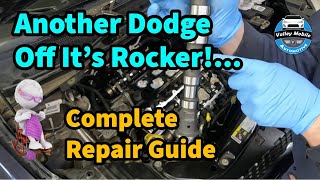
Typical fix: Replacement of all rocker arms and lifters on the affected cylinder bank (or both banks is recommended). If the camshaft is scored, it will also need to be replaced. This is a labor-intensive repair. 🎬 Watch: Complete guided repair for 3.6L rocker arm replacement.
Est. part cost: $200-$500 - Worn or Defective Spark Plugs 🔴 High Probability The recommended service interval is 100,000 miles, but plugs can fail earlier. Chrysler issued TSB 09-013-20 Rev. A for some 2020-2021 Pacifica models (built between 08/28/2020 and 10/27/2020) due to a batch of spark plugs with manufacturing defects causing internal cracks and misfires.
How to confirm: Remove and inspect the spark plugs for excessive wear, carbon fouling, oil contamination, or cracks in the ceramic insulator. If a vehicle falls within the TSB date range, the plugs are suspect even if they look normal.
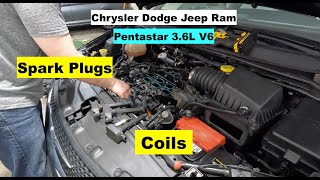
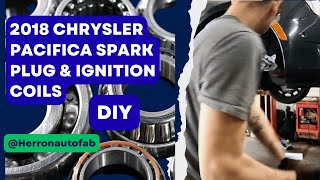
Typical fix: Replace all six spark plugs. Per TSB 09-013-20, if one defective plug from the bad batch is found, all six must be replaced. 🎬 See this step-by-step DIY spark plug and coil replacement.
Est. part cost: $50-$120 - Faulty Ignition Coils 🟡 Medium Probability
How to confirm: Use a scan tool to identify which cylinders are misfiring most often. Swap the ignition coil from a misfiring cylinder with one from a known good cylinder. If the misfire code follows the coil (e.g., P0302 becomes P0304), the coil is bad.
Typical fix: Replace the faulty ignition coil. It's often recommended to replace them as a set if they are original and the vehicle has high mileage.
Est. part cost: $30-$70 per coil - Low Fuel Pressure / Leaking Injectors 🟡 Medium Probability TSB #18-044-26 specifically connects P0300 with code P00C6-00 (Fuel Rail Pressure Too Low) and a high oil level warning. [Bulletin #18-044-26, 3] This strongly suggests fuel is leaking past the high-pressure pump or a fuel injector, contaminating the engine oil (fuel dilution) and causing a loss of fuel pressure.
How to confirm: Connect a fuel pressure gauge to the fuel rail and verify the pressure is within spec at idle and under load. Check the engine oil dipstick for a level that is overfull and smells strongly of gasoline.
Typical fix: Identify and replace the leaking component, which could be the high-pressure fuel pump or a faulty fuel injector. An immediate oil and filter change is mandatory to remove the contaminated oil.
Est. part cost: $200-$400 for a fuel pump assembly, $50-$150 per injector
Rare But Worth Checking
- Rodent Damage to Wiring: A Reddit user with a Pacifica reported finding a chewed wiring harness to the ignition coils, which caused persistent P0300 and P0303 codes. Always inspect the engine bay for signs of nests or damaged wires, especially if the vehicle sits for periods.
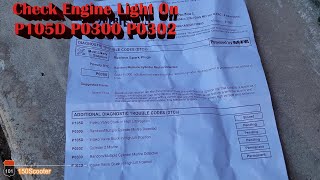
- Loose VVT Solenoid: A loose mounting bolt on a Variable Valve Timing (VVT) solenoid can cause it to function improperly, leading to misfires. This has been observed alongside codes like P105D. 🎬 Watch: How to fix P105D and P0300 error codes.
- Cylinder Head Porosity: While more documented on other manufacturer's engines (like GM), a porous spot in the cylinder head casting can allow oil or coolant to leak into the spark plug tube, fouling the plug and coil, causing a misfire. If a plug is repeatedly fouled with oil from the top, this could be the cause, requiring cylinder head replacement.
Diagnosis Steps
- Scan for Codes: Use an OBD-II scanner to confirm P0300 and check for any other codes, especially cylinder-specific misfires (P0301-P0306) or codes related to fuel pressure (P00C6) or valvetrain (P105D).
- Listen to the Engine: Start the vehicle and listen for a distinct 'ticking' or 'tapping' noise from the engine's top end. This sound is a strong indicator of rocker arm failure.
- Inspect Ignition System: If there is no ticking, start with the basics. Inspect all spark plugs for wear, damage, or fouling. Check if your vehicle's build date falls under TSB 09-013-20 Rev. A. Swap ignition coils between cylinders to see if the misfire follows the coil.
- Check Fuel System: Check the engine oil for the smell of gasoline, which indicates a leaking injector or fuel pump issue. If possible, test the fuel pressure to ensure it meets manufacturer specifications.
- Inspect for Vacuum Leaks: Check all vacuum hoses for cracks or loose connections. A leak can lean out the air-fuel mixture and cause random misfires.
- Professional Inspection: If the steps above do not reveal the cause, the issue is likely internal (rocker arms, camshafts). This requires professional diagnosis, including removing the valve covers for a physical inspection of the valvetrain components for wear.
Parts You'll Likely Need
- Rocker Arm and Lifter Kit
(OEM #5184296AH (Rocker Arm - supersedes previous versions))— This is a highly probable cause of P0300 on the 3.6L Pentastar engine due to a known design weakness in the rocker arm bearings. Using the updated OEM part number is critical.
Trusted brands: Mopar, Mahle
OEM price range: $20-$30 per arm
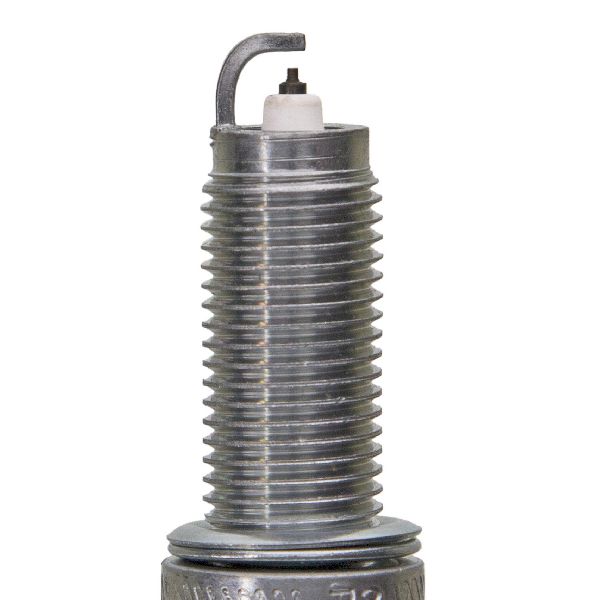
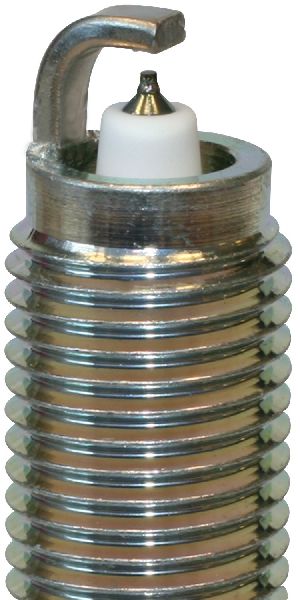
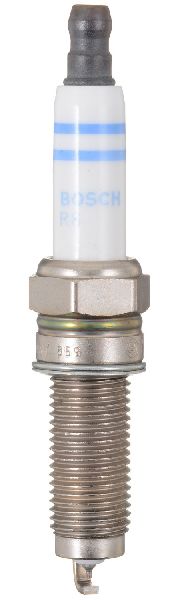
Aftermarket price range: $150-$300 for a full kit - Spark Plugs — They are a standard maintenance item and a common cause of misfires. A specific TSB (09-013-20) also identified defective plugs on some 2020-2021 models.
Trusted brands: NGK, Champion
OEM price range: $80-$150
Aftermarket price range: $50-$120 - Ignition Coil — A common failure point on any modern engine that directly causes a lack of spark and misfires.
Trusted brands: Mopar, Denso, Delphi
OEM price range: $50-$80
Aftermarket price range: $30-$70
Related Codes That Often Appear With This One
- P0301-P0306 — These codes pinpoint a misfire to a specific cylinder. P0300 is often set when one or more of these individual codes are also present, helping to narrow the search.
- P00C6 — Stands for 'Fuel Rail Pressure Too Low'. TSB #18-044-26 directly links this code with P0300 on the Pacifica Hybrid, indicating the misfire is likely caused by a fuel delivery problem like a leaking injector or failing fuel pump. [Bulletin #18-044-26, 3]
- P105D — Means 'Intake Valve Stuck In Low Lift Position'. Its appearance with P0300 strongly suggests a problem with the engine's valvetrain, such as a failing rocker arm or VVT system component.
Technical Service Bulletins (TSBs) & Recalls
- 18-044-26: Mentions P0300 occurring with P00C6 (Fuel Rail Pressure Too Low) and a high oil level warning.
- 18-054-17 REV. A: Lists P0300 as a possible code set along with various other fault codes.
- 09-013-20: Discusses defective spark plugs causing misfires on 2020-2021 models.
Platform-Specific Known Issues
- TSB #18-044-26: Links P0300 to low fuel rail pressure (P00C6) and a high oil level warning, pointing to a fuel system fault (leaking high-pressure pump or injector) causing fuel to dilute the engine oil. [Bulletin #18-044-26, 3]
- TSB #09-013-20 Rev. A: Identifies a batch of defective spark plugs with internal cracks on 2020-2021 models, including the Pacifica, built within a specific date range, causing misfires.
Mechanic-Grade Diagnostic Values
- Ignition Coil Primary Winding Resistance — expected: 0.4 to 2.0 Ohms. Failure: A reading outside this range indicates a faulty coil.
- Ignition Coil Secondary Winding Resistance — expected: 6,000 to 10,000 Ohms (6k-10k Ω). Failure: A reading outside this range suggests the coil is bad.
- VVT Solenoid (Oil Control Valve) Resistance — expected: 5.0 to 12.0 Ohms. Failure: A reading outside this range suggests a faulty solenoid.
Hidden / Shadow Codes Worth Checking
- Mode $06 Misfire Counters: Even with a generic P0300, the PCM tracks misfire events for each individual cylinder. This data can be viewed using a capable scan tool to see which cylinder(s) are the primary offenders, effectively turning a P0300 into a more specific lead (e.g., showing high counts on cylinder 2). (see via A scan tool that supports Mode $06 test results.)
Scan Tool Commands That Help
- wiTECH (or advanced aftermarket scanners): Cylinder Contribution / Power Balance Test — This function allows the technician to disable one cylinder at a time (by cutting fuel or spark) and monitor the corresponding drop in engine RPM. If disabling a cylinder causes little or no RPM drop, it confirms that cylinder was not contributing power, isolating the fault.
- wiTECH 2.0: Clear All DTCs (with Security Gateway bypass) — On 2018 and newer models, a Security Gateway Module (SGW) prevents standard OBD-II tools from performing active commands, including clearing codes. A bypass cable or an authorized, authenticated wiTECH tool is required to properly clear codes after a repair.
Real Owner Repair Stories
- YouTube channel '150 SCOOTER' (2018 Chrysler Pacifica) — Check Engine Light with codes P0300, P0302 (Cylinder 2 Misfire), and P105D (Intake Valve Stuck). Engine was shaking and running rough.
❌ Tried (didn't work) Initial diagnosis pointed towards a bad spark plug or ignition coil on cylinder 2.
✅ What actually fixed it The 10mm bolt holding the VVT solenoid for cylinder 2 was found to be completely loose. The solenoid was vibrating and not functioning correctly. Tightening the bolt to secure the solenoid resolved all codes and the misfire. - YouTube channel '2018 Chrysler Pacifica DTC P0300 and P000A fixed' (2018 Chrysler Pacifica) — Codes P0300 and P000A, engine rattling, ticking noise, and occasional stalling.
❌ Tried (didn't work) Initial inspection focused on common causes like rocker arms.
✅ What actually fixed it The intake oil control valve (part of the VVT system) was found to be internally broken, causing it to stick out of its housing. Replacing the faulty oil control valve and the associated camshaft phaser resolved the rattling and misfire codes.
OEM Part Supersession History
5184296AD, 5184296AE, 5184296AF, 5184296AG→5184296AH— Revisions to improve the durability of the rocker arm and its needle bearings to address the widespread failure issue.
Heads up: The latest part number, 5184296AH, should always be used for repairs to ensure the most updated design is installed.
Model Year Variations Within This Range
- 2017-2021: The Pacifica Hybrid uses an Atkinson-cycle version of the 3.6L Pentastar V6, which is optimized for efficiency. It is paired with an electronically variable transmission (e-CVT), not the 9-speed automatic found in the non-hybrid model. The total system horsepower is rated at 260 hp, slightly less than the gas-only version.
- 2018-2021: These models are equipped with a Security Gateway Module (SGW) that restricts OBD-II port access. While reading codes is still possible with any scanner, clearing codes or performing bidirectional tests (like a cylinder contribution test) requires either a special bypass cable or an authenticated dealer-level scan tool like wiTECH 2.0.
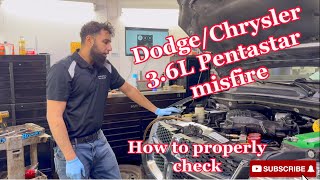
Helpful Videos

Used OEM Parts in Stock

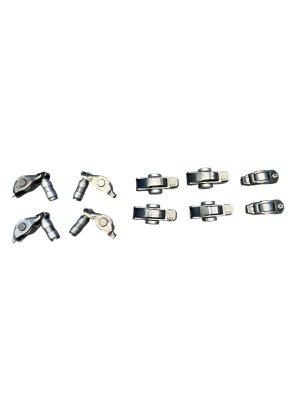
New Aftermarket Parts Available

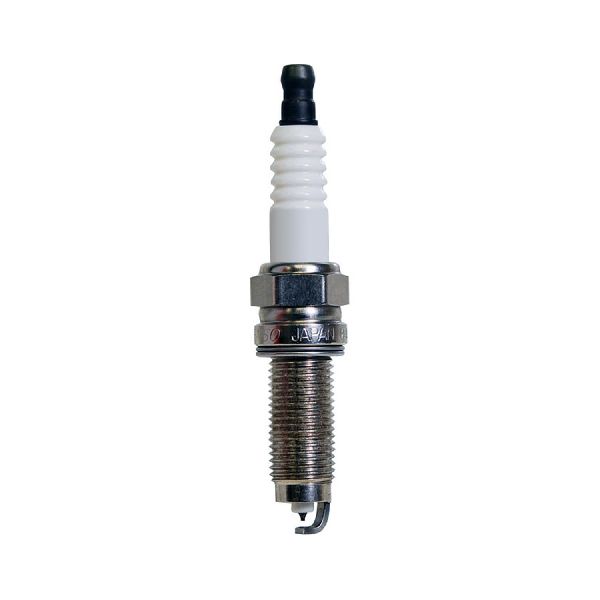
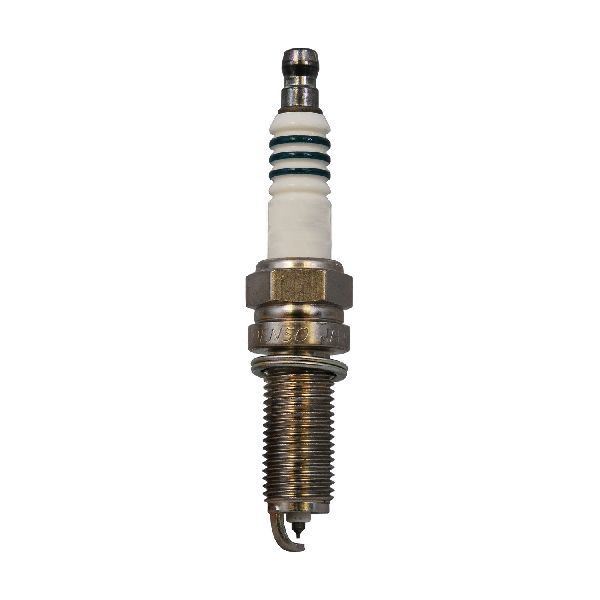

The information in this article is provided for general reference and educational purposes only. Vehicle specifications, procedures, and part compatibility can vary by production date, trim level, and region. Always consult your vehicle's factory service manual and verify part numbers before purchasing or performing repairs. Safety-critical components such as airbags, seat belts, and braking systems should be installed by a qualified professional.
- Chrysler PACIFICA PLUG-IN HYBRID:
- 🎬 Helpful Videos
- 🛍️ Shop This Part
- What's Unique About the 2017-2021 Chrysler PACIFICA PLUG-IN HYBRID
- Diagnostic Flowchart
- Symptoms You May Notice
- Most Likely Causes
- Rare But Worth Checking
- Diagnosis Steps
- Parts You'll Likely Need
- Related Codes That Often Appear With This One
- Technical Service Bulletins (TSBs) & Recalls
- Platform-Specific Known Issues
- Mechanic-Grade Diagnostic Values
- Hidden / Shadow Codes Worth Checking
- Scan Tool Commands That Help
- Real Owner Repair Stories
- OEM Part Supersession History
- Model Year Variations Within This Range
- 🎟️ Get 5% Off