

P0300 on 2011-2017 Chrysler 200: Random Misfire Causes and Fixes
P0300 on a Chrysler 200 means multiple cylinders are misfiring. For the 3.6L V6 (especially 2011-2013), this is often a symptom of a serious left cylinder head failure due to worn valve guides and seats, a known defect covered by TSB 09-002-14 and warranty extension X56. For all engines, start by checking basic tune-up items like spark plugs and ignition coils, which cost around $100-$300 for a DIY fix. On 2.4L engines, oil leaking into spark plug wells from a bad valve cover gasket is also a ve
- P0300 indicates a random or multiple cylinder misfire, which is a serious issue that should be addressed promptly to avoid damaging the catalytic converter.
- For 2011-2014 models with the 3.6L V6, P0300 is a very strong indicator of the well-known left cylinder head failure. Check for misfires on cylinders 2, 4, and 6.
- For all engines, diagnosis should begin with the basics: checking for oil in the spark plug wells, inspecting spark plugs for wear, and testing ignition coils.
- The vehicle's generation and engine type are critical for accurate diagnosis. A 2.4L engine has different common failure points than the 3.6L V6.
- Do not drive if the check engine light is flashing, as this signals a severe misfire that can cause expensive catalytic converter damage.
What's Unique About the 2011-2017 Chrysler 200

The 2011-2017 Chrysler 200 spans two generations with different engines, and the cause of a P0300 code can be drastically different between them. First-generation (2011-2014) models with the 3.6L Pentastar V6 are known for a serious left cylinder head defect that causes misfires. The failure is due to excessive wear on the valve guides and seats, leading to a loss of compression. This problem was so common it prompted a warranty extension (X56) and multiple Technical Service Bulletins (TSB 09-002-14). For the second-generation (2015-2017) 2.4L 'Tigershark' engine, P0300 is more likely related to common issues like oil-fouled spark plugs from excessive oil consumption or a leaking valve cover gasket that allows oil to pool in the spark plug tubes.
Diagnostic Flowchart

Tap your situation to follow the diagnostic path that matches what you're seeing on this vehicle.
Generation note: The 2011-2017 Chrysler 200 covers two distinct generations: - First Generation (2011-2014): Offered with a 2.4L 'World' I4 engine or a 3.6L 'Pentastar' V6. The V6 in these years (specifically 2011-2013 models built before July 25, 2012) is particularly susceptible to a left cylinder head failure causing P0300, often accompanied by P0302, P0304, and P0306. - Second Generation (2015-2017): Offered with an updated 2.4L 'Tigershark' I4 or the 3.6L 'Pentastar' V6. The 2.4L in this generation is known for oil consumption issues (related to piston rings) and valve cover gasket leaks that can lead to misfires.
Symptoms You May Notice

- Flashing or solid Check Engine Light
- Rough or shaky idle
- Engine hesitation or stumbling during acceleration
- Noticeable loss of engine power
- Reduced fuel economy
- Hard starting
- Engine ticking noise (can be associated with the 3.6L cylinder head or rocker arm failure)
- Smell of burning oil (if caused by a valve cover leak dripping on the exhaust)
- Replacing only one spark plug or coil when a full set is needed.
- Replacing oxygen sensors when they are correctly reporting a problem caused by the misfire.
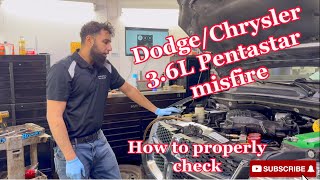
- On 3.6L V6 models, repeatedly replacing coils and plugs without performing a leak-down test to address the underlying cylinder head issue. 🎬 Watch: Diagnosing Pentastar misfire codes and cylinder head issues.
- On 2.4L models, ignoring oil in the spark plug wells and only replacing the plugs/coils, leading to a quick return of the misfire.
Most Likely Causes

- Defective Left Cylinder Head (3.6L Pentastar V6 only, esp. 2011-2013) 🔴 High Probability A well-documented factory defect involving premature wear of valve seats and valve guides on the left cylinder head (cylinders 2, 4, 6) causes loss of compression and misfires. This was covered under warranty extension X56 for 10 years/150,000 miles. The issue was addressed in production starting in mid-2012 with a redesigned head.
How to confirm: Misfire codes are predominantly on cylinders 2, 4, or 6 (P0302, P0304, P0306) along with P0300. A cylinder leak-down test showing leakage of 25% or greater is the definitive diagnostic step outlined in TSB 09-002-14.
Typical fix: Replace the left cylinder head with an updated part (Part number RL141353AC or a later revision). This is a major repair.
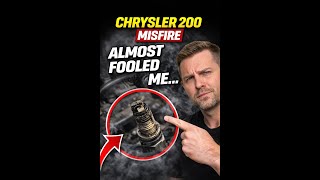
Est. part cost: $550-$1200 for the part - Leaking Valve Cover / Spark Plug Tube Seals (2.4L Engine) 🔴 High Probability The valve cover gasket and integrated spark plug tube seals can harden and leak oil directly into the spark plug wells, saturating the ignition coil boot and spark plug. This is a very common failure on the 2.4L Tigershark engine. 🎬 See how oil in the valve cover causes this misfire.
How to confirm: Remove the ignition coils and look for liquid engine oil pooling in the spark plug tubes. The coil boots will be wet with oil.
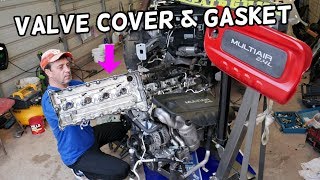
Typical fix: Replace the valve cover gasket, which includes new spark plug tube seals and bolt grommets. RTV sealant must be applied at specific points (timing cover and camshaft cap seams) during reinstallation. 🎬 Follow this walkthrough to replace your valve cover gasket.
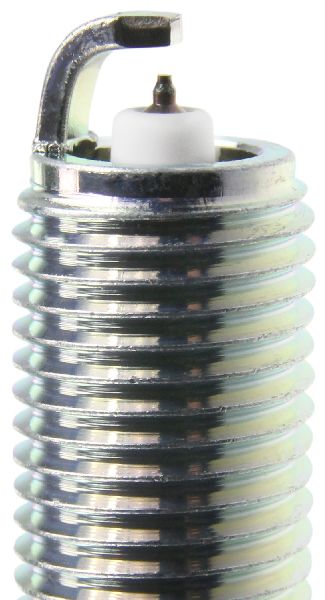
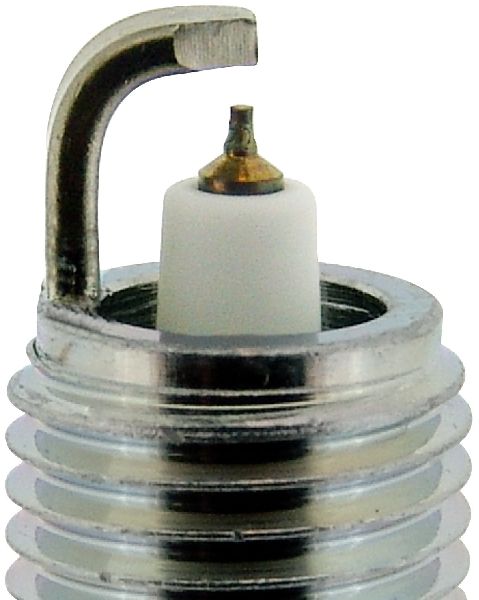
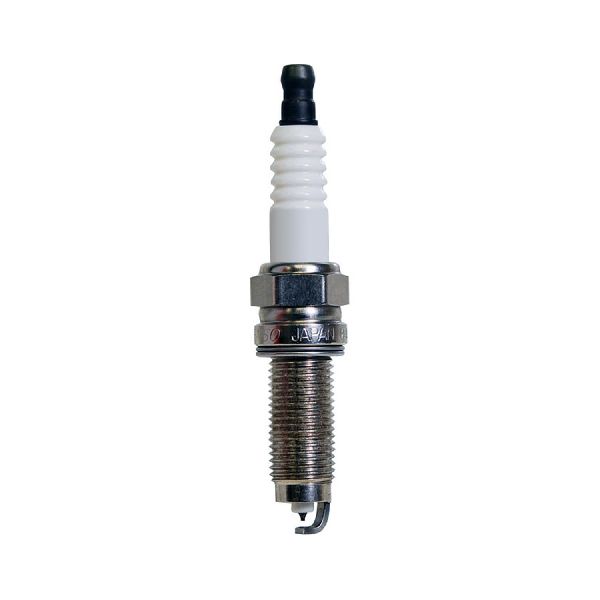
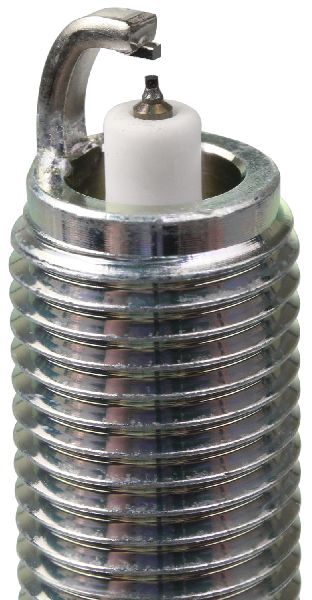
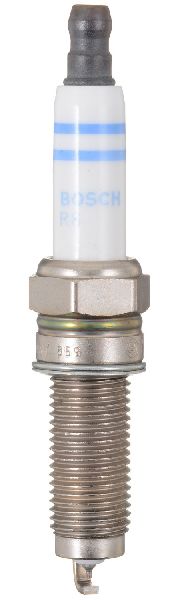
Est. part cost: $50-$150 - Worn or Incorrect Spark Plugs 🔴 High Probability A common maintenance item. Using non-OEM plugs or plugs with an incorrect gap can cause misfires. Some Pentastar engines had TSBs for internally cracked spark plugs from the factory, causing misfires.
How to confirm: Inspect spark plugs for wear (worn center electrode), carbon fouling, oil contamination, or incorrect gap. A cracked porcelain insulator is a clear sign of failure.
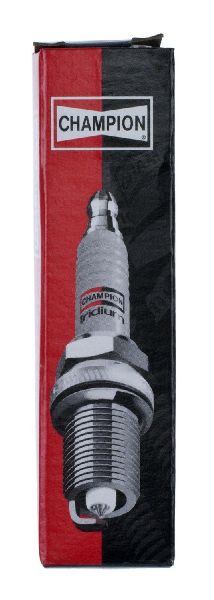
Typical fix: Replace all spark plugs as a set. Use OEM-spec plugs (NGK or Champion are common OE suppliers) gapped correctly.
Est. part cost: $40-$100 - Faulty Ignition Coil(s) 🟡 Medium Probability
How to confirm: Use a scan tool with live data to identify misfiring cylinders. Swap the ignition coil from a misfiring cylinder with a known good cylinder. Clear codes and see if the misfire code follows the coil (e.g., P0302 becomes P0304 after swapping coils on cylinders 2 and 4), the coil is bad.
Typical fix: Replace the faulty ignition coil. It is often recommended to replace the spark plug at the same time.
Est. part cost: $30-$80 per coil - Clogged or Faulty Fuel Injectors ⚪ Low Probability
How to confirm: Requires testing fuel pressure and flow rate. A professional can perform an injector balance test to compare the performance of each injector. Resistance should be between 12.0 and 12.5 ohms.
Typical fix: Clean or replace the faulty fuel injectors. Accessing them on the 3.6L V6 requires removing the upper intake manifold.
Est. part cost: $50-$150 per injector
Rare But Worth Checking
- Failed PCV Valve (2.4L Engine): On the 2.4L Tigershark, the PCV valve is integrated into the valve cover. If it sticks open, it creates a large vacuum leak, which can cause a rough idle and random misfire codes (P0300-P0304). The fix requires replacing the entire valve cover.
- Faulty Crankshaft Position Sensor: A failing crankshaft position sensor can send erratic signals to the PCM, preventing it from accurately tracking engine speed and detecting misfires, sometimes leading to a P0300 code.
- Low Fuel Pressure: A weak fuel pump or clogged fuel filter can starve the engine for fuel, causing lean conditions and random misfires across all cylinders. Requires a fuel pressure test to diagnose.
- Vacuum Leak: A significant leak from a cracked hose or failed intake manifold gasket can introduce unmetered air, throwing off the air-fuel ratio and causing misfires. A smoke test is the most effective way to find a vacuum leak.
- Failed Rocker Arms/Lifters (3.6L Pentastar): While more commonly associated with a ticking noise, failed roller rocker arms can seize or wear, leading to improper valve lift and causing misfires. This is a separate known issue on the Pentastar engine.
Diagnosis Steps
- Read all stored fault codes with an OBD-II scanner. Note any codes accompanying P0300 and check freeze-frame data to see the conditions when the code was set.
- If specific cylinder misfire codes (P0301-P0306) are present, focus on those cylinders first.
- Visually inspect the engine bay for obvious issues like disconnected vacuum hoses, damaged wiring, or signs of oil leaks around the valve covers.
- For 2.4L engines, pull the ignition coils and check the spark plug tubes for oil. If oil is present, the valve cover gasket is leaking and is the primary suspect.
- Inspect and replace spark plugs if they are due. Check for signs of wear, fouling, or damage. Ensure they are gapped correctly (e.g., 0.047 inches for the 2.4L Tigershark).
- Test the ignition coils by swapping a coil from a misfiring cylinder to a non-misfiring cylinder. Clear codes and see if the misfire code follows the coil.
- For 3.6L V6 engines (2011-2013), if misfires are concentrated on cylinders 2, 4, and/or 6, strongly suspect the known cylinder head issue. Perform a cylinder leak-down test on those cylinders. Leakage over 25% confirms a bad cylinder head per TSB 09-002-14.
- If the basics (plugs, coils, leaks) check out, investigate the fuel system. Check fuel pressure to ensure the pump is working correctly.
- Check for vacuum leaks using a smoke machine, paying close attention to the intake manifold gaskets and PCV hoses.
Parts You'll Likely Need
- Spark Plug
Related Codes That Often Appear With This One
- P0301-P0306 — These codes specify which cylinder is misfiring. P0300 often appears alongside one or more of these, especially if the misfire is consistent on certain cylinders but also occurs randomly on others. For the 3.6L head issue, P0300 is commonly seen with P0302, P0304, and P0306.
- P0420 / P0430 — These codes indicate 'Catalyst System Efficiency Below Threshold.' A persistent misfire allows unburned fuel to enter the exhaust, where it can overheat and damage the catalytic converter, triggering these codes.
Technical Service Bulletins (TSBs) & Recalls
- 09-002-14 Rev. B: Details the diagnosis (cylinder leak-down test) and repair (replace left cylinder head) for P0300, P0302, P0304, P0306 on 2011-2013 3.6L engines.
- X56 Warranty Extension (D-14-12): Extends the warranty on the left cylinder head for affected 3.6L engines to 10 years or 150,000 miles.
- 18-102-16: A PCM software update that may address various DTCs, including multiple misfire codes. [NHTSA 1810216]
- 08-027-20: Relates to an ignition coil harness connector repair for various misfire codes on 2.4L engines. [NHTSA 08-027-20]
Platform-Specific Known Issues
- Owner Experience: 3.6L V6 Cylinder Head Failure: Many owners of 2011-2013 models report a sequence of events starting with a ticking noise, followed by a check engine light for codes P0300, P0302, P0304, or P0306. After unsuccessful attempts at replacing spark plugs and coils, a dealer diagnosis using a cylinder leak-down test confirms the head failure. The repair is covered if the vehicle is within the 10-year/150,000-mile extended warranty (X56). Those outside the warranty face a repair bill of over $2,000.
- Owner Experience: 2.4L Tigershark Oil in Spark Plug Wells: A very common story for second-generation 200 owners involves a rough idle and a P0300-P0304 code. Upon inspection, they find one or more spark plug tubes filled with engine oil. The fix is a new valve cover gasket kit. It's a manageable DIY job for many, as shown in several online videos, and solves the misfire completely.
Mechanic-Grade Diagnostic Values
- Fuel Pressure (Both 2.4L and 3.6L engines) — expected: 407 KPa +/- 34 KPa (59 psi +/- 5 psi) with ignition on, engine not running.. Failure: Pressure significantly below this range indicates a weak fuel pump or clogged filter.
- Ignition Coil Primary Resistance — expected: 0.4 - 2.0 Ohms. Failure: A reading outside this range indicates a faulty coil winding.
- Ignition Coil Secondary Resistance — expected: 6,000 - 10,000 Ohms. Failure: A reading outside this range indicates a faulty secondary coil winding.
- Fuel Injector Resistance (3.6L Pentastar) — expected: Approximately 12.0 - 12.5 Ohms. Failure: A significantly higher or lower reading suggests a failed injector coil.
- Cylinder Leak-down Test (3.6L Pentastar with suspected head issue) — expected: Less than 15-20%. Failure: Leakage of 25% or greater confirms a faulty cylinder head requiring replacement, per Chrysler's TSB.
Scan Tool Commands That Help
- wiTECH (Chrysler Dealer Tool): OBD II Monitors -> "Which cylinder is misfiring" — This function provides live misfire counts for each individual cylinder, which is essential for diagnosing a P0300 code by showing which cylinders are contributing to the random misfire count, even if they haven't set their own specific P030x code.
- wiTECH (Chrysler Dealer Tool): PCM Reprogram/Flash — Per TSB #18-094-16 and #18-073-16, a PCM software update is available to improve misfire detection logic and address falsely set codes. This should be performed if hardware diagnostics do not reveal a cause.
Wiring & Ground Locations
- G905A — Below the left headlight assembly in the engine compartment.. This is a primary ground point for several engine control components. Corrosion or a loose connection here can cause erratic sensor readings and interfere with ignition system operation, potentially leading to random misfire codes.
- PCM C2 Connector — The second main harness connector at the Powertrain Control Module (PCM).. This connector contains the individual control circuits for the ignition coils (e.g., K19 for Coil 1). Testing for continuity and shorts to ground at these pins is a key step in diagnosing a coil control circuit fault after swapping coils doesn't work.
Real Owner Repair Stories
- YouTube user, based on forum research (2013 Chrysler 200) — No start, no crank condition, which is an extreme electrical symptom that can be related to the same ground issues causing misfires.
❌ Tried (didn't work) Initial diagnosis pointed towards complex electrical failures like the ECU or wiring harness.
✅ What actually fixed it The owner added an additional 4-gauge ground wire from the battery's negative terminal bolt to the chassis. This simple, low-cost fix resolved the electrical issue, suggesting the factory ground was insufficient or had developed high resistance.
OEM Part Supersession History
Various early 3.6L left cylinder heads (2011-2012)→RL141353AC (and later revisions)— The original heads had prematurely wearing valve guides and seats. The updated part has hardened components to resolve the issue.
Heads up: Using an old-stock or pre-revision head will result in the same failure recurring. TSB 09-002-14 specifies using the updated part number for the warranty repair.
Model Year Variations Within This Range
- 2011-2014 (First Generation): Used a 2.4L 'World' I4 engine and a 3.6L Pentastar V6 paired with 4-speed or 6-speed automatic transmissions. The critical P0300 issue on these models is the 3.6L cylinder head defect (2011-2013).
- 2015-2017 (Second Generation): Introduced the 2.4L 'Tigershark' I4 and an updated 3.6L Pentastar V6, both paired exclusively with a 9-speed automatic transmission. P0300 on the 2.4L is more commonly linked to oil consumption and valve cover leaks, while the V6 head issue was largely resolved.
- 2016+: The 3.6L Pentastar engine received an update (VVL, cooled EGR, new injectors/coils) which improved efficiency. While the core architecture is the same, some diagnostic procedures or parts may differ slightly from earlier versions.
Helpful Videos
We Have This Part in Stock

The information in this article is provided for general reference and educational purposes only. Vehicle specifications, procedures, and part compatibility can vary by production date, trim level, and region. Always consult your vehicle's factory service manual and verify part numbers before purchasing or performing repairs. Safety-critical components such as airbags, seat belts, and braking systems should be installed by a qualified professional.
- Chrysler 200:
- 🎬 Helpful Videos
- 🛍️ Shop This Part
- What's Unique About the 2011-2017 Chrysler 200
- Diagnostic Flowchart
- Symptoms You May Notice
- Most Likely Causes
- Rare But Worth Checking
- Diagnosis Steps
- Parts You'll Likely Need
- Related Codes That Often Appear With This One
- Technical Service Bulletins (TSBs) & Recalls
- Platform-Specific Known Issues
- Mechanic-Grade Diagnostic Values
- Scan Tool Commands That Help
- Wiring & Ground Locations
- Real Owner Repair Stories
- OEM Part Supersession History
- Model Year Variations Within This Range
- 🎟️ Get 5% Off