

P0300 on 2013-2020 Chevrolet Trax: Random Misfire Causes and Fixes
On a 2013-2020 Chevy Trax, P0300 is most often caused by a failed ignition coil pack or worn spark plugs. A faulty valve cover with an integrated PCV valve is the next most likely culprit, often setting a P0171 code as well. Expect to pay $150-$280 for a new coil pack.
- P0300 on a Chevy Trax is most likely an ignition issue (coil pack, spark plugs) or a vacuum leak from the PCV system.
- A flashing check engine light indicates a severe misfire that can damage your catalytic converter; avoid driving.
- Always replace spark plugs when replacing the ignition coil pack.
- If you also have codes P0171 and P0299, the problem is almost certainly a vacuum leak from the valve cover or intake manifold.
- Using a scan tool that can read Mode 6 data can help pinpoint the misfiring cylinder, making diagnosis much faster.
What's Unique About the 2013-2020 Chevrolet TRAX

The 1.4L turbocharged LUV engine in the Trax is known for two primary weaknesses that directly lead to code P0300. First, it uses a single ignition coil pack assembly for all four cylinders; when one section fails, the entire unit needs replacement, and failure is common. Second, its complex Positive Crankcase Ventilation (PCV) system has several components prone to failure—notably a diaphragm in the valve cover and a check valve in the intake manifold—which cause significant vacuum leaks that trigger random misfires. These PCV issues are so prevalent that they affect all vehicles using this engine, including the Buick Encore, Chevy Sonic, and Chevy Cruze.
Diagnostic Flowchart

Tap your situation to follow the diagnostic path that matches what you're seeing on this vehicle.
Generation note: The 2013-2020 model years cover the first generation of the Chevrolet Trax. This includes the pre-facelift (2013-2016) and post-facelift (2017-2020) models. The 1.4L LUV turbo engine and its common failure points related to P0300 are consistent across this entire generation and its platform mates.
Symptoms You May Notice
- Rough or shaky idle
- Hesitation or stumbling during acceleration
- Noticeable loss of engine power
- Flashing or solid Check Engine Light
- Reduced fuel economy
- Engine shaking upon startup or uphill climbs.
- Loud hissing or whistling noise from the engine bay (indicates PCV failure).
- Hard starting, especially after refueling (can indicate a stuck EVAP purge valve).
- Replacing only the spark plugs when the ignition coil pack is the root cause.
- Replacing oxygen sensors for a P0171 code without first checking for the underlying vacuum leak from the PCV system that is also causing the P0300.
- Replacing the valve cover for a PCV diaphragm leak without first confirming the intake manifold check valve is still present. A missing check valve will cause the new valve cover to fail prematurely.
Most Likely Causes

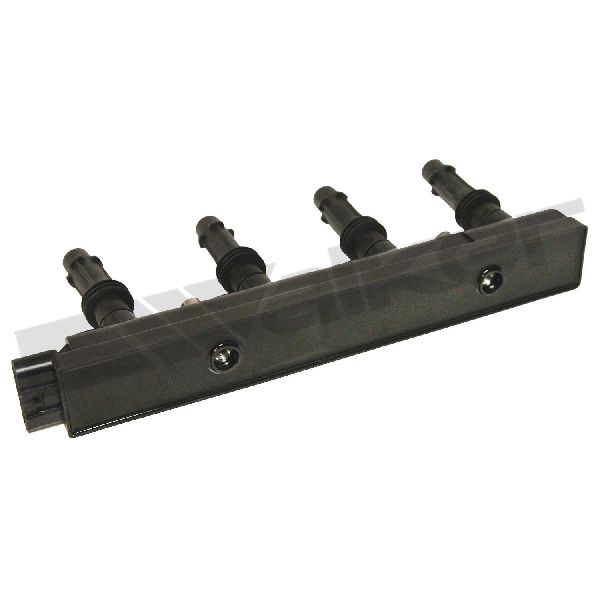
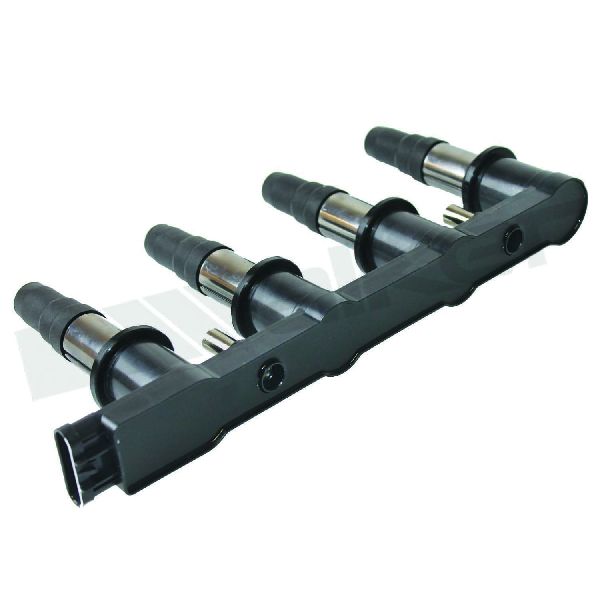
- Failed Ignition Coil Pack 🔴 High Probability The 1.4L engine uses a single cassette-style coil pack for all cylinders. Heat and vibration cause the internal coils or the boots to fail over time. If one coil fails, the entire assembly must be replaced. Oil leaks from a failed valve cover gasket can also seep into the spark plug wells and destroy the coil boots, leading to misfires.
How to confirm: Inspect the coil pack for cracks, and check the boots for corrosion, swelling, or oil contamination. A diagnostic scan tool with Mode 6 data can often reveal which cylinder has the highest misfire count, even with a P0300 code, pointing to the corresponding section of the coil pack. An owner reported a P0300 was caused by a coil pack failure at under 40,000 miles.
Typical fix: Replace the entire ignition coil pack assembly. 🎬 Watch: A beginner-friendly guide to replacing your coil pack and plugs. It is highly recommended to replace all four spark plugs at the same time.
Est. part cost: $180-$280 - Worn or Fouled Spark Plugs 🔴 High Probability Turbocharged engines are more sensitive to spark plug condition. An incorrect spark plug gap is a very common cause of random misfires. Worn electrodes or carbon/oil fouling can prevent a strong spark, leading to incomplete combustion.
How to confirm: Remove and inspect the spark plugs. Look for worn-down electrodes, white ash deposits, or black, oily fouling. Check the gap; the OEM spec for the ACDelco Iridium plugs is typically 0.028 inches. Gaps that have widened significantly with wear can cause a P0300.
Typical fix: Replace all four spark plugs with the correct type (Iridium is OEM). Ensure they are gapped correctly before installation.
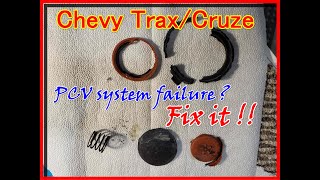
Est. part cost: $30-$60 - Failed Valve Cover / PCV System 🟡 Medium Probability The valve cover contains a non-serviceable PCV regulator diaphragm that is known to tear, creating a large vacuum leak. This is a very common failure on the 1.4L LUV engine across all vehicle platforms it's used in.
How to confirm: With the engine running, listen for a distinct hissing or whistling sound from the top of the engine. You can also feel for strong suction by placing your finger over the small vent hole on the valve cover's diaphragm cap. This failure almost always triggers code P0171 (System Too Lean) along with P0300.
Typical fix: Replace the entire valve cover assembly. 🎬 See this DIY walkthrough for replacing both the manifold and cover. The new cover includes a new gasket and PCV diaphragm. It is critical to check the intake manifold check valve (next cause) at the same time, as a missing valve there will cause the new valve cover to fail quickly.
Est. part cost: $80-$150 - Failed Intake Manifold PCV Check Valve 🟡 Medium Probability A small orange check valve inside the plastic intake manifold can degrade, break apart, and get sucked into the engine. This leaves a permanent opening between the intake and the crankcase, causing a severe vacuum/boost leak that the system cannot compensate for.
How to confirm: Remove the PCV hose from the driver's side of the intake manifold and look inside the port with a flashlight. A small, orange, nipple-like valve should be visible. If it is missing, the valve has failed. This issue almost always sets codes P0171 (System Too Lean) and P0299 (Turbo Underboost) along with P0300.
Typical fix: The official GM repair is to replace the entire intake manifold. However, several aftermarket kits (such as from CruzeKits.com) are available to install a more durable, external check valve, which is a more permanent 🎬 Watch: How to install the CruzeKits PCV fix it kit. and cost-effective solution.
Est. part cost: $200-$400 for a new manifold, or ~$75 for an aftermarket external valve kit.
Rare But Worth Checking
- Clogged or Faulty Fuel Injectors: While less common than ignition or PCV issues, a dirty or failing fuel injector can cause a lean misfire. A TSB for the 2018 Trax (PIP5353F) mentions checking for crossed fuel injector control circuit wires at the ECM, which can cause difficult-to-diagnose misfires.
- Plugged PCV Orifice in Camshaft Cover: A GM service bulletin (PIP5197H) notes that a plugged PCV orifice inside the camshaft cover can cause excessive crankcase pressure, leading to oil leaks and potentially a P0300 code. The fix involves removing the cover and cleaning the orifice.
- Broken Piston Ring Land: A more severe and rare cause is internal engine damage. TSB PIP5628G addresses conditions of oil consumption and misfires (P0300) which may be caused by a broken piston ring land, leading to low compression in a cylinder. Diagnosis requires a compression and cylinder leak-down test.
Diagnosis Steps
- Read all stored trouble codes with an OBD-II scanner. Note any codes that accompany P0300, as they provide critical clues (e.g., P0171, P0299).
- Check live data for fuel trims. High positive fuel trims (e.g., >15%) strongly suggest a vacuum leak.
- With the engine running, listen for a loud hissing or whistling from the top of the engine. Perform the 'finger test' by covering the small hole on the PCV diaphragm cap on the valve cover; strong suction indicates a tear.
- Inspect the intake manifold PCV check valve. Remove the PCV tube on the driver's side of the intake manifold and look inside the port with a flashlight. Confirm the small orange, nipple-like valve is present and intact.
- If no vacuum leak is apparent, inspect the ignition system. Remove the engine cover and the ignition coil pack (one T30 Torx connector and two T30 bolts). Inspect the coil pack for cracks, carbon tracking, or damage. Check the boots for oil saturation or swelling.
- Remove and inspect all four spark plugs. Check for wear, fouling, and correct spark gap (typically 0.028"). Replace if in doubt.
- If the cause is still not found, diagnosis should proceed to checking fuel pressure, testing fuel injectors for clogging, and performing an engine compression test to rule out mechanical issues.
Parts You'll Likely Need
- Ignition Coil Pack
(OEM #ACDelco D521C (GM 25198623))— This is the most frequent point of failure for ignition-related misfires on the 1.4L Trax engine.
Trusted brands: ACDelco, Delphi, NGK
Related Codes That Often Appear With This One
- P0171 — System Too Lean. This code is frequently caused by the same vacuum leaks that cause P0300, such as a failed valve cover diaphragm or intake manifold check valve.
- P0299 — Turbocharger Underboost. A significant vacuum/boost leak from a failed PCV system component means the turbo cannot build proper pressure, triggering this code alongside the misfire.
- P0496 — EVAP Flow During Non-Purge. A stuck-open EVAP purge valve can cause a vacuum leak, leading to lean conditions and misfires, similar to the symptoms of a PCV failure.
- P1101 — Intake Air Flow System Performance. This code is often set when the measured airflow from the MAF sensor doesn't match what the ECM expects, a common result of a large vacuum leak from the PCV system.
Technical Service Bulletins (TSBs) & Recalls
- PIP5628G: Provides information to aid in diagnosing misfire codes P0300-P0308.
- PIP5353F: Details diagnosing a rough idle or P0300 caused by fuel injector control circuit wire colors.
- 21NA255: Provides repair information to correct an engine misfire that sets DTC P0300.
Platform-Specific Known Issues
- Owner Experience: The Full PCV System Failure: A common story for Trax/Sonic/Cruze owners involves a sequence of events. First, a P0171 code appears with a rough idle. The owner replaces the valve cover, which fixes the issue temporarily. Soon after, the code returns along with P0300 and P0299. This is because the initial failure was a missing intake manifold check valve, which caused high crankcase pressure that destroyed the diaphragm in the new valve cover. The complete fix requires both addressing the intake check valve (with an aftermarket kit or new manifold) AND replacing the valve cover again.
- Misdiagnosis with Hidden Damage: In a video example on a 2020 Trax with P0300, a technician found that the previous owner had attempted to hide a problem. The ignition coil boot for one cylinder was broken and improperly taped back together. While a scan tool's Mode 6 data pointed to a single-cylinder misfire, the P0300 code was stored because the misfire was significant enough to be considered random by the ECM at times. This highlights the importance of a physical inspection of the coil pack.
Mechanic-Grade Diagnostic Values
- Fuel Injector Resistance — expected: 12 Ohms (nominal). Failure: A reading significantly higher or lower than 12 Ohms, or an open circuit (OL), indicates a failed injector coil.
- MAP Sensor Voltage — expected: Key-On Engine-Off: ~4.5V. Engine running at idle: 1.0V - 2.0V.. Failure: Voltage that does not change with engine vacuum or is stuck high/low indicates a failed sensor or vacuum leak.
- Low-Side Fuel Pressure (at fuel rail) — expected: ~400 kPa (~58 PSI) at idle. Failure: Pressure that is significantly below the desired value shown on a scan tool indicates a weak fuel pump or clogged filter.
Hidden / Shadow Codes Worth Checking
- Mode 6, Test ID $A2-$A5: These are not traditional DTCs but onboard monitor test results. Test IDs $A2, $A3, $A4, and $A5 correspond to the misfire counters for cylinders 1, 2, 3, and 4, respectively. Even with a generic P0300, checking this data can reveal which specific cylinder has the highest misfire count, pinpointing the problem area. (see via A professional-grade OBD-II scan tool that can display Mode 6 data. This function is often found under 'OBD Monitor Test' or a similar menu.)
Scan Tool Commands That Help
- GDS2 (GM Dealer Tool) or equivalent professional scanner: Cylinder Power Balance — Used to identify a misfiring cylinder by sequentially disabling fuel injectors and observing the RPM drop for each cylinder. If disabling an injector causes little or no change in RPM, that cylinder was not contributing, indicating a problem.
- GDS2 (GM Dealer Tool) or equivalent professional scanner: Crankshaft Position Variation Learn — This special function is required after replacing the crankshaft position sensor, flexplate, or ECM. It recalibrates the ECM to the precise position of the crankshaft reluctor wheel to ensure accurate misfire detection and prevent false P0300 codes.
- GDS2 (GM Dealer Tool) or equivalent professional scanner: EVAP Purge/Seal — Used to command the EVAP purge solenoid on and off to test for proper function. This helps diagnose if a stuck-open purge valve is the source of the vacuum leak causing the P0300 and associated P0496 code.
Wiring & Ground Locations
- G102 — Typically located at the left rear of the engine/cylinder head.. This is a primary ground point for the ignition coil cassette. A loose or corroded G102 ground can cause a weak or intermittent spark across all cylinders, leading to random misfires.
- G103 — Located on the cowl in the engine compartment, often near the brake booster.. This ground serves the Engine Control Module (ECM). A poor connection here can cause a wide range of erratic engine behavior, including false misfire detection and incorrect sensor readings.
- Ignition Coil Connector (T8) — The 7-pin connector that plugs into the top of the ignition coil pack.. The plastic locking tab on this connector is notoriously brittle and often breaks. A loose connection here can cause intermittent misfires on one or all cylinders. The wires can also chafe or break at the connector body.
Real Owner Repair Stories
- YouTube channel 'Pine Hollow Auto Diagnostics' (2020 Chevrolet Trax) — Rough running engine, P0300 code stored.
❌ Tried (didn't work) The previous owner had attempted to repair the ignition coil with silicone, which failed.
✅ What actually fixed it The technician used Mode 6 data on a scan tool to identify a high misfire count on cylinder 4. Upon inspection, the ignition coil boot for cylinder 4 was found to be broken and poorly repaired with silicone. Replacing the entire ignition coil pack assembly resolved the misfire. - YouTube channel 'The Car Doctor' (2017 Chevrolet Trax Premier 1.4L AWD) — Check engine light on, hard start after refueling, codes P0171, P0300, P0496, P1101.
❌ Tried (didn't work) Initial diagnosis could point to multiple issues (vacuum leak, MAF performance, misfire).
✅ What actually fixed it The combination of codes, especially P0496 (EVAP Flow During Non-Purge) and hard starting after fueling, pointed directly to a stuck-open EVAP purge solenoid. This created a vacuum leak that caused the lean condition (P0171), airflow performance issue (P1101), and the resulting random misfire (P0300). Replacing the EVAP purge solenoid fixed all codes.
"I Checked Everything" — The Actual Cause
- A smoke test will correctly identify vacuum leaks from a torn PCV diaphragm or bad intake gaskets, but it will NOT find internal engine issues that can cause a P0300. For example, a broken piston ring land (as noted in TSB PIP5628G) will cause low compression and misfires, but will pass a smoke test as it is not an external vacuum leak.
- A cracked flexplate can cause the crankshaft position sensor to send erratic signals to the ECM, which are then misinterpreted as random misfires. This is a mechanical issue that will not be found with a smoke test, multimeter, or by inspecting the ignition/fuel systems.
When the Usual Fixes Don't Work
- While the most common causes are ignition and PCV system vacuum leaks, a significant number of cases are resolved by addressing the EVAP system. An owner may report symptoms that perfectly match a PCV failure (lean codes, random misfire), but the true cause is a stuck-open EVAP purge solenoid. This is especially likely if the owner also experiences hard starting immediately after refueling. One owner with P0300, P0171, and P1101 found the ultimate fix to be the EVAP purge valve, not the more commonly replaced valve cover.
OEM Part Supersession History
GM 13355784 (pigtail), Delphi 55563971 (housing)→GM 19119634 / ACDelco PT3106 (pigtail kit), Aptiv F444110 (housing)— The original ignition coil connector (T8) design was prone to the locking tab becoming brittle and breaking, leading to a poor connection. The part has been superseded multiple times.
Heads up: While multiple pigtails exist, the best repair is often to de-pin and replace only the plastic connector housing, avoiding splices in the engine harness. This requires a destructive removal of the old housing.
Model Year Variations Within This Range
- 2013-2020: The core 1.4L LUV engine and its common failure points (PCV system, coil pack) are consistent. A significant facelift occurred for the 2017 model year, changing the exterior and interior appearance, but not the underlying powertrain components related to P0300.
- Pre-2013 vs. 2013+: The ignition coil connector design changed around 2013. Earlier versions on the 1.4L engine family sometimes featured a large metal shield around the connector, while later versions (as on the Trax) use a simpler plastic design with a purple or red locking tab. The internal terminals and wiring remained the same.
Helpful Videos

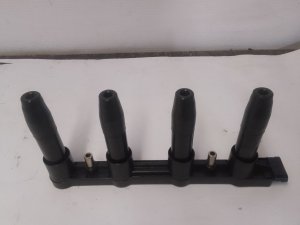
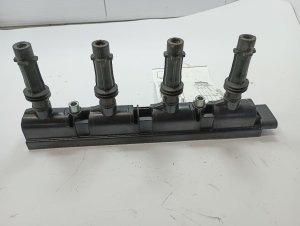
Used OEM Parts in Stock
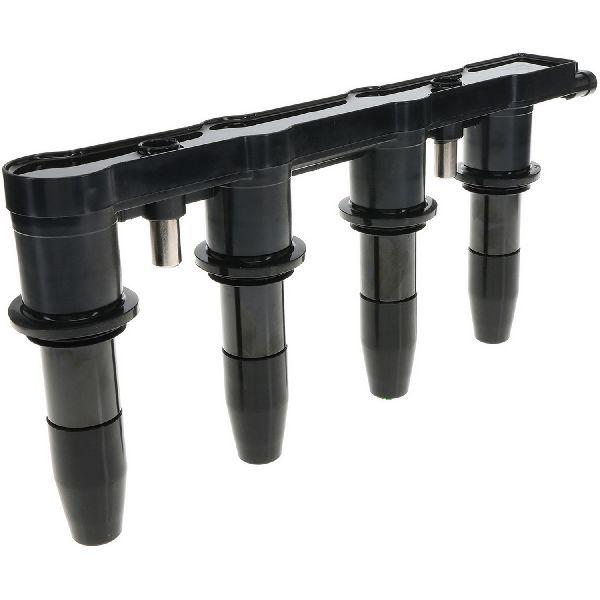
New Aftermarket Parts Available




The information in this article is provided for general reference and educational purposes only. Vehicle specifications, procedures, and part compatibility can vary by production date, trim level, and region. Always consult your vehicle's factory service manual and verify part numbers before purchasing or performing repairs. Safety-critical components such as airbags, seat belts, and braking systems should be installed by a qualified professional.
- Chevrolet TRAX:
- 🎬 Helpful Videos
- 🛍️ Shop This Part
- What's Unique About the 2013-2020 Chevrolet TRAX
- Diagnostic Flowchart
- Symptoms You May Notice
- Most Likely Causes
- Rare But Worth Checking
- Diagnosis Steps
- Parts You'll Likely Need
- Related Codes That Often Appear With This One
- Technical Service Bulletins (TSBs) & Recalls
- Platform-Specific Known Issues
- Mechanic-Grade Diagnostic Values
- Hidden / Shadow Codes Worth Checking
- Scan Tool Commands That Help
- Wiring & Ground Locations
- Real Owner Repair Stories
- "I Checked Everything" — The Actual Cause
- When the Usual Fixes Don't Work
- OEM Part Supersession History
- Model Year Variations Within This Range
- 🎟️ Get 5% Off