

P0300 on 2009-2017 Chevrolet Traverse 3.6L: Random Misfire Causes and Fixes
P0300 on a Traverse most often means you have bad ignition coils and/or worn-out spark plugs. Because accessing the rear three cylinders requires removing the intake manifold, it's wise to replace all six of both parts at once. If that doesn't fix it, suspect carbon buildup on the intake valves, a clogged PCV system integrated into the valve cover, or a stretched timing chain.
- P0300 means multiple cylinders are misfiring randomly. On the Traverse 3.6L, this is most often caused by worn spark plugs and/or failed ignition coils.
- A flashing check engine light is a critical warning. Stop driving immediately to prevent destroying the catalytic converters, which is a very expensive repair.
- Accessing the rear three cylinders (1, 3, 5) requires removing the upper intake manifold. Due to the high labor involved, it is highly recommended to replace all six spark plugs and all six ignition coils at the same time.
- If new plugs and coils don't solve the problem, the next most likely causes are carbon buildup on the intake valves or a clogged PCV system (requiring valve cover replacement).
- A stretched timing chain is a known, serious, and expensive issue on this engine that can cause a P0300 code. If other fixes fail, this should be investigated by a professional.
What's Unique About the 2009-2017 Chevrolet Traverse

The 2009-2017 Traverse uses the 3.6L direct-injection V6 (LLT until 2012, LFX from 2013-on). These engines are known for specific issues that cause P0300. Carbon buildup on intake valves is a common side effect of direct injection and can restrict airflow, causing misfires, especially on cold starts. Additionally, these engines, particularly the earlier LLT version, are notorious for premature timing chain stretch. This can alter valve timing and cause widespread misfires, sometimes appearing before setting a specific timing-related code like P0008. The original factory oil life monitor (OLM) calibration was overly optimistic, contributing to oil degradation and accelerated chain wear.
Symptoms You May Notice
- Flashing or steady Check Engine Light
- Rough or shaking idle, engine may vibrate noticeably.
- Engine hesitation or stumbling during acceleration
- Noticeable loss of power
- Poor fuel economy
- Engine may be hard to start
- Rattling noise from the engine, especially on startup, can indicate a timing chain issue. 🎬 See how a failed timing chain sounds during a hard start.
- Replacing only one or two spark plugs or ignition coils instead of a full set of six. Due to the labor of removing the intake manifold, it's inefficient and often leads to repeat failures.
- Replacing oxygen sensors. While O2 sensors can be affected by misfires, they are rarely the root cause of a P0300.
- Assuming a fuel system cleaner will fix heavy carbon buildup. While helpful for maintenance, additives cannot remove significant baked-on carbon deposits from intake valves.
- Ignoring timing chain noise. The rattling sound on startup is a key symptom of a stretched timing chain and should not be ignored, as it can be the root cause of the misfire.
Most Likely Causes

- Worn or Fouled Spark Plugs 🔴 High Probability Spark plugs are a normal wear item with a service interval around 100k miles, but their replacement is often neglected. The rear three plugs (Bank 1: cylinders 1, 3, 5) are difficult to access, leading many to put off the job. Oil consumption from PCV issues can also foul plugs prematurely, causing misfires.
How to confirm: Remove and inspect the spark plugs. Look for worn electrodes, heavy carbon deposits, oil/fuel fouling, or cracked ceramic insulators.
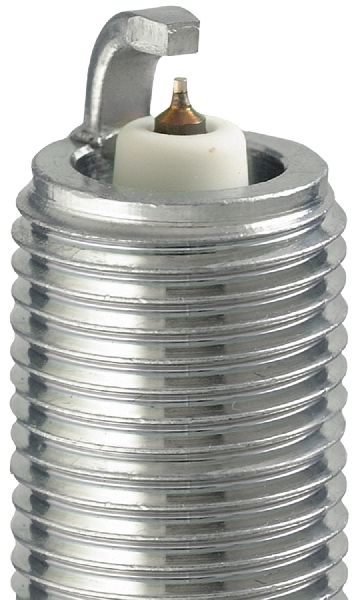
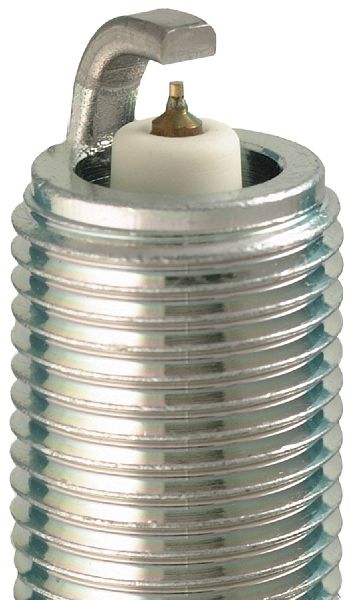
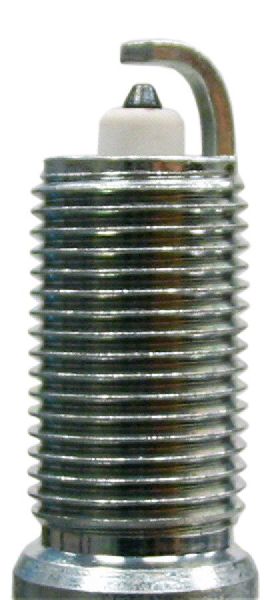
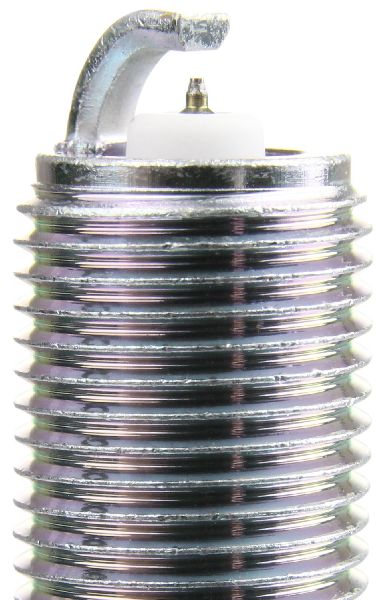
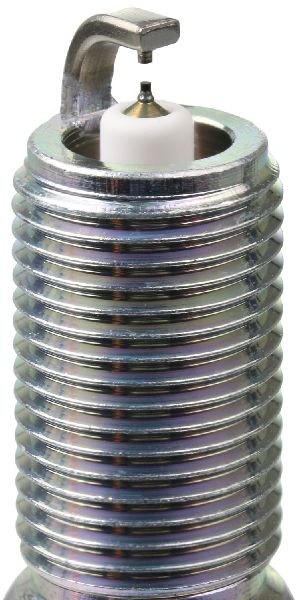
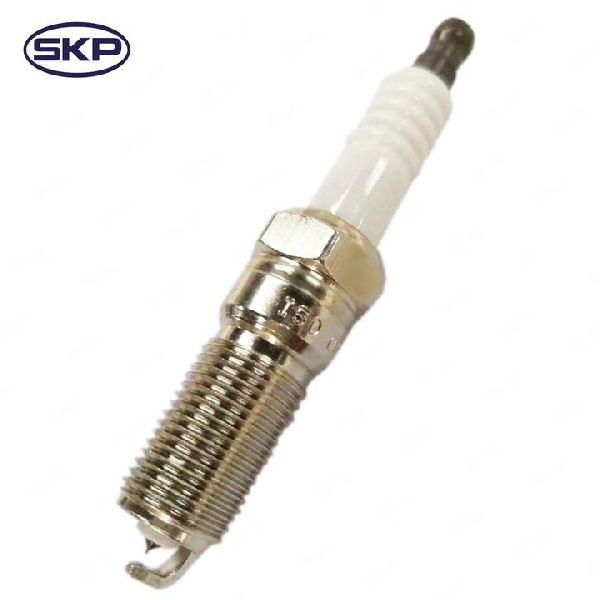
Typical fix: Replace all six spark plugs. It is highly recommended to use the specified ACDelco Iridium plugs (Part No. 41-109). Given the labor involved, this is almost always done at the same time as ignition coil replacement.
Est. part cost: $60-$120 for a set of six plugs - Failed Ignition Coil(s) 🔴 High Probability Heat and age cause the ignition coils to fail, leading to a weak or non-existent spark. As with spark plugs, the difficult access for the rear bank means they are often not replaced until a failure occurs.
How to confirm: Use a scan tool with live data to view misfire counts per cylinder. Swap a coil from a misfiring cylinder to a known good cylinder (e.g., swap cylinder 1 and 2). If the misfire follows the coil (e.g., a P0301 becomes P0302), the coil is bad.
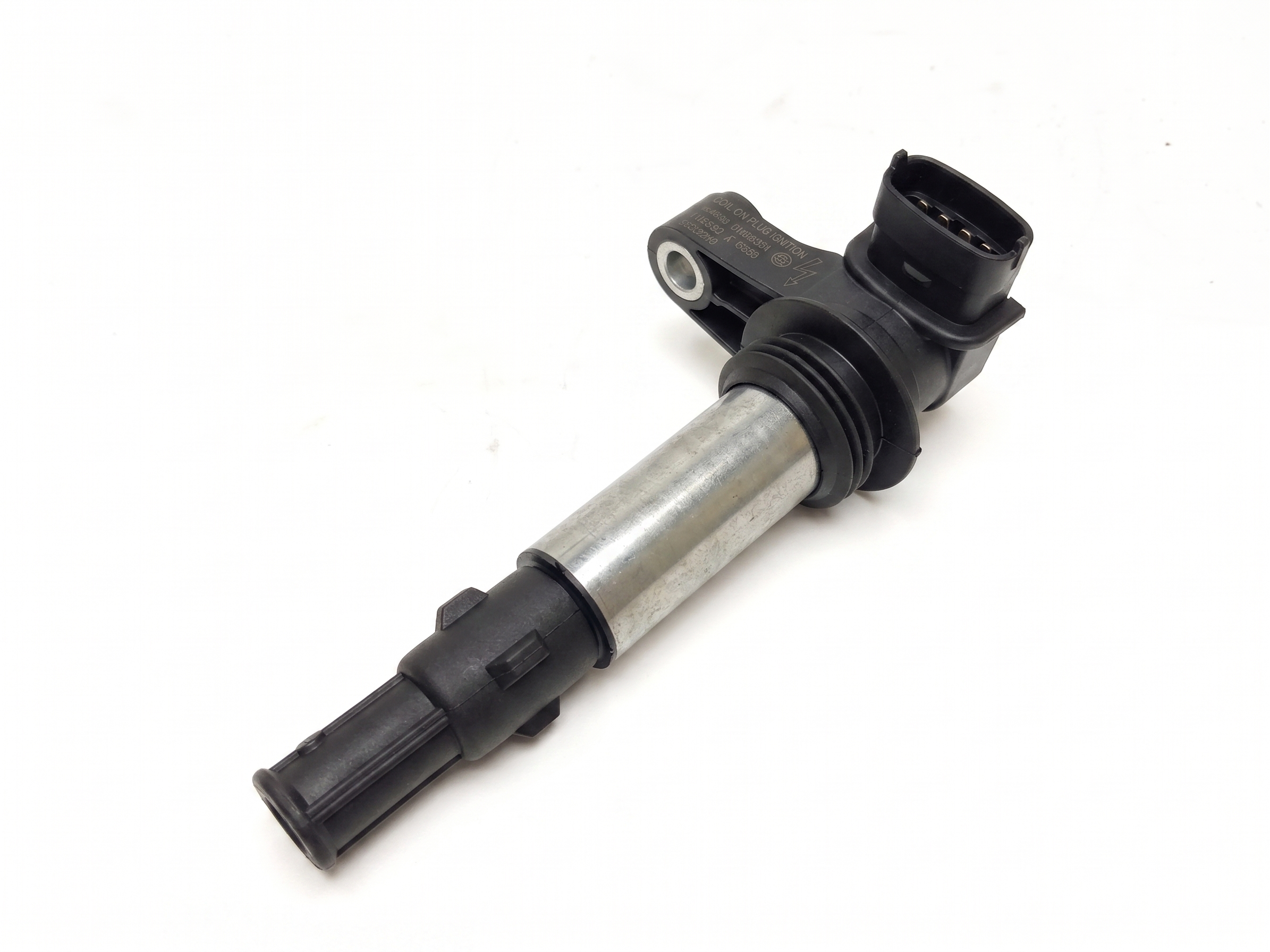
Typical fix: Replace the faulty ignition coil. It is strongly recommended to replace all six coils and spark plugs at the same time, as the intake manifold must be removed to access the rear bank. The OEM ACDelco coil part number is D515C (GM #12632479).
Est. part cost: $30-$60 per coil - Carbon Buildup on Intake Valves 🟡 Medium Probability This is a very common issue on the Traverse's direct injection (DI) engines. Because fuel is injected directly into the cylinder, it no longer washes over the intake valves. Oil vapor from the PCV system bakes onto the hot valves, restricting airflow and causing misfires, especially on cold starts.
How to confirm: This is difficult to confirm without using a borescope to visually inspect the intake valves through the intake ports, which requires removing the intake manifold.
Typical fix: The valves must be manually cleaned. The most effective method is walnut shell blasting, which is a professional service that can cost $500-$800+. Some chemical cleaning services are available but may be less effective on heavy buildup. 🎬 Watch a demonstration of using chemical cleaner on intake valves.
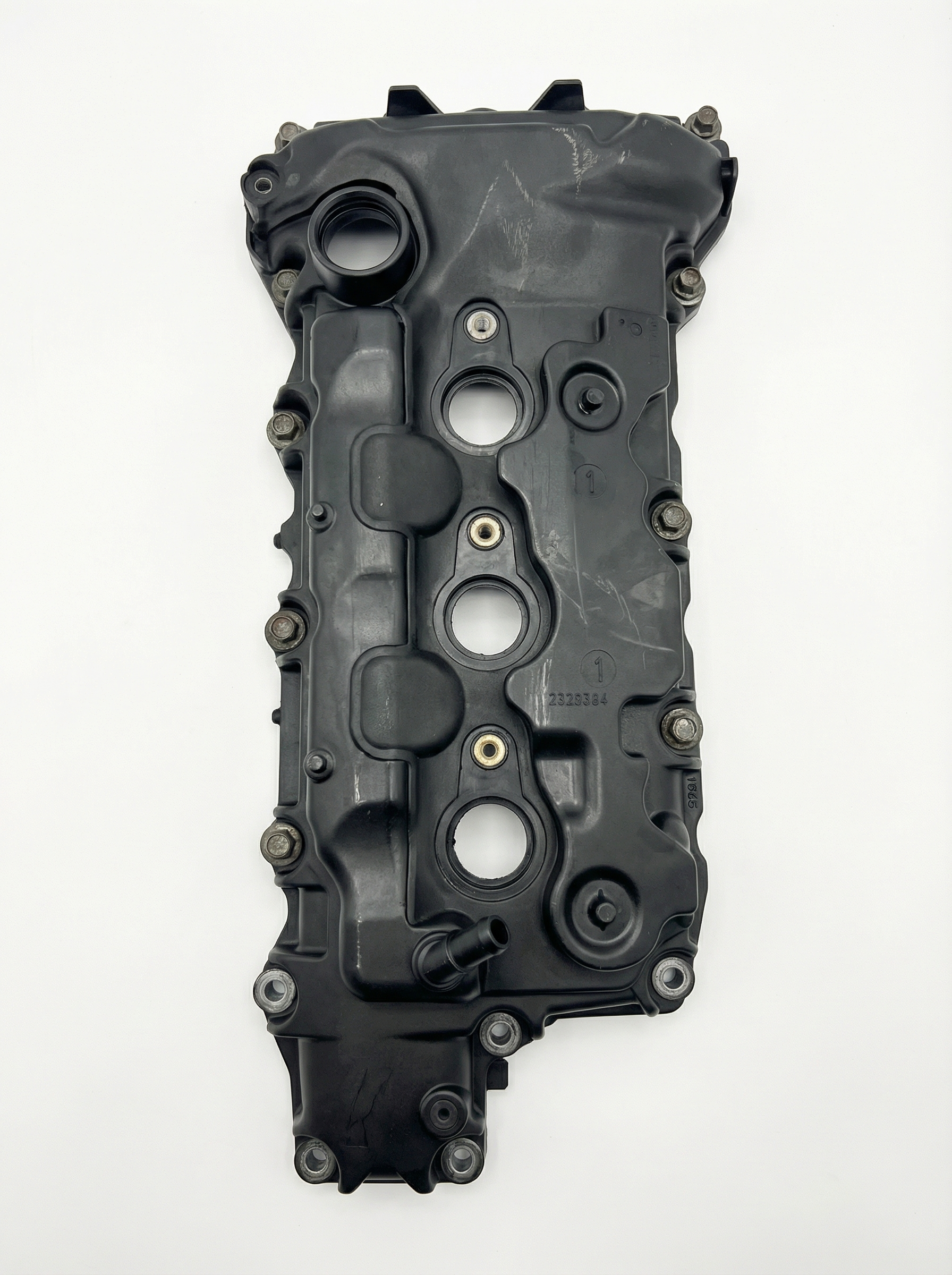
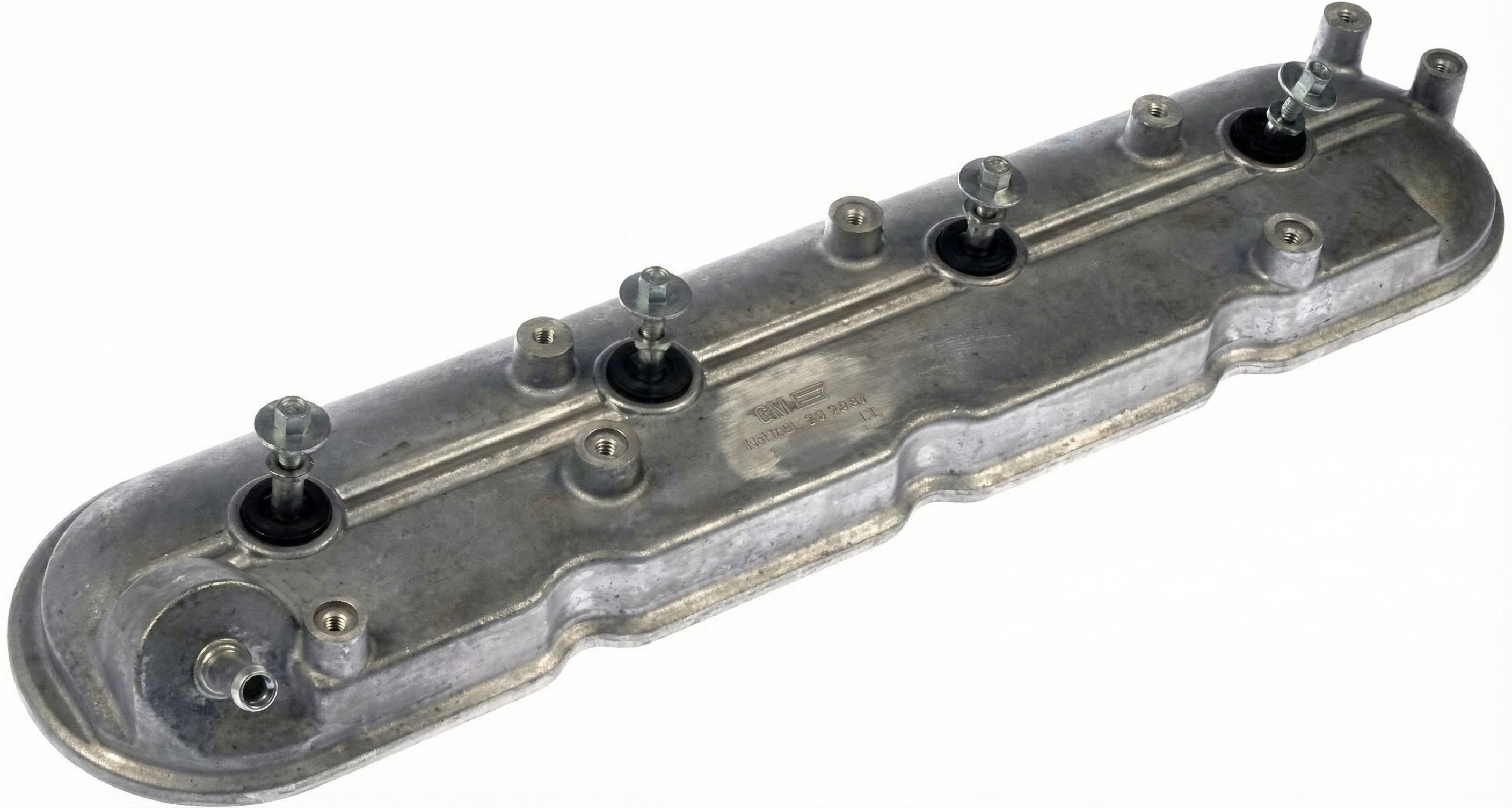
Est. part cost: $0 (if performing other work), but professional service is high - Clogged PCV System / Failed Valve Cover 🟡 Medium Probability The PCV orifice is integrated into the driver-side (rear) valve cover and is not serviceable separately. It is known to clog with sludge, leading to high crankcase pressure, increased oil consumption, and oil-fouled spark plugs that cause misfires.
How to confirm: Excessive pressure or suction at the oil fill cap when the engine is running can indicate a problem. A forum post on ScannerDanner.com describes significant pressure blowing from the oil dipstick tube on a 2012 Traverse with P0300. A visual inspection may show oil leaks from seals.
Typical fix: The entire valve cover must be replaced with an updated part, as the orifice is not serviceable separately.
Est. part cost: $80-$150
Rare But Worth Checking
- Stretched Timing Chains: This is a well-documented and serious issue with the 3.6L V6 engine family, especially the 2009 LLT. A stretched chain can cause the camshaft timing to be slightly off, leading to random misfires. Often, a P0300 will appear before more specific timing codes like P0008 or P0017 are set. GM issued Special Coverage Adjustment #14582 for some 2009 models, extending the warranty to 10 years/120,000 miles for this issue. This is an expensive, labor-intensive repair often costing over $2,000-$3,000.
- Clogged or Faulty Fuel Injectors: Direct injection fuel injectors can become clogged over time, disrupting the spray pattern and causing a lean misfire. While less common than ignition issues, it's a possibility, especially on higher mileage vehicles. A forum discussion on BobIsTheOilGuy.com noted that injectors are a likely culprit when only a P0300 is present without cylinder-specific codes. NHTSA ODI #11289527 describes a vehicle that entered "reduced power" mode and was diagnosed as needing at least a cylinder #3 fuel injector to address codes P0300 and P0303.
- Intake Manifold Gasket Leak: A vacuum leak from a failed intake manifold gasket can lean out the air/fuel mixture on multiple cylinders, causing a P0300, often accompanied by lean codes (P0171, P0174). Since the manifold must be removed for plug/coil service, the gaskets must be replaced to prevent this issue.
- Engine Block Porosity: A rare but documented issue in TSB 18-NA-115 where a porous engine block allows a tiny amount of coolant to leak into a cylinder when cold. This causes a misfire on cold starts that goes away as the engine warms up. The TSB shows images of the specific porosity at the deck face to cylinder liner interface that is the cause. The only official fix is a complete engine replacement.
- Actuator Failures: An owner reported in NHTSA ODI #11582002 that an actuator was not locking into position, which was inspected by a dealer after the check engine light came on with codes P0300 and P05CD, causing problems accelerating past 35 mph.
Diagnosis Steps

- Check for any other stored DTCs with an OBD-II scanner. Codes like P0301-P0306 can help narrow the focus, while codes like P0171/P0174 point towards a vacuum leak. Manufacturer TSB #PIP5628G notes that misfire codes P0300-P0308 may also be accompanied by DTC P050D.
- Use a scan tool with live data to monitor the misfire counter for each cylinder. This can help identify which cylinder(s) are the primary offenders, even if only a P0300 is set.
- Perform a thorough visual inspection of the engine bay. Look for cracked vacuum hoses (especially PCV tubes), loose connections, or signs of oil leaks around the valve covers.
- If specific cylinders are identified, swap the ignition coil with a known good cylinder. If the misfire follows the coil, the coil is faulty. Do the same with the spark plug if the coil swap has no effect.
- If coils and plugs are ruled out, the next step is to remove the intake manifold for further inspection. This is a good time to replace all six spark plugs (ACDelco 41-109), ignition coils (ACDelco D515C), and intake gaskets.
- With the intake manifold off, inspect the intake ports for carbon buildup on the valves.
- If no obvious cause is found, more advanced diagnostics are needed. This includes checking fuel pressure, performing a smoke test for vacuum leaks, and testing for low engine compression.
Parts You'll Likely Need

- Ignition Coil
(OEM #12632479)— One of the most frequent causes of P0300. The original coils fail from heat and age. It is highly recommended to replace all six at once.
Trusted brands: ACDelco, Bosch
OEM price range: $50-$70 each
Aftermarket price range: $30-$50 each - Iridium Spark Plug
(OEM #41-109)— A primary cause of weak spark and misfires. They are a standard maintenance item that is often neglected due to the difficult access of the rear bank.
Trusted brands: ACDelco, NGK
OEM price range: $10-$15 each
Aftermarket price range: $8-$12 each - Valve Cover (Driver Side/Rear) — The integrated PCV orifice in the original cover clogs, causing high oil consumption and fouling the spark plugs, which leads to misfires.
Trusted brands: ACDelco
OEM price range: $100-$150
Aftermarket price range: $70-$120
Related Codes That Often Appear With This One
- P0301-P0306 — These are cylinder-specific misfire codes. They often appear with P0300 to help identify which cylinders are most affected.
- P0171 / P0174 — These 'System Too Lean' codes can be caused by a large vacuum leak (like a bad intake gasket) that is also causing the misfire.
- P0008 / P0017 — These codes indicate a camshaft/crankshaft correlation issue, often pointing to stretched timing chains. P0300 can be the first code to appear before the timing issue becomes severe enough to trigger these.
- P0496 — This EVAP code for 'Flow During a Non-Purge Condition' is common and can be caused by a faulty purge valve. A stuck-open purge valve can create a vacuum leak, causing a lean condition and misfires.
- P050D / P05CD — These codes are sometimes seen alongside P0300 during cold starts or acceleration issues as noted in TSB #PIP5628G and NHTSA ODI #11582002.
Technical Service Bulletins (TSBs) & Recalls
- Cold Start Misfire and/or Rough Idle – DTC P0300 May Be Set (Bulletin #18-NA-115): Addresses a cold start misfire caused by engine block porosity, which allows coolant to seep into a cylinder. The bulletin provides visual examples to differentiate normal pitting from the defect. The prescribed fix is engine replacement.
- Misfire Diagnosis (Bulletin #PIP5628G): Provides preliminary information to aid in diagnosing vehicles that come in with misfires and DTC codes P0300 through P0308.
- 3-5-Reverse Clutch Plate Fractured: Not directly related to P0300, but a critical issue for 2009 Traverse models. A fractured wave plate in the 6T75 transmission causes loss of 3rd, 5th, and Reverse gears. GM extended warranty coverage to 10 years/120,000 miles.
- Timing Chain Wear: Extended warranty coverage for premature timing chain wear on certain 2009 models to 10 years or 120,000 miles. This is a primary cause of P0300 and other timing codes on these engines.
Platform-Specific Known Issues
- Timing Chain Stretch: The 3.6L V6 engines in this generation are known for premature timing chain wear, which is a very expensive repair. This can cause P0300 before any specific timing codes appear.
- Direct Injection Carbon Buildup: Heavy carbon deposits on the intake valves are a common problem that restricts airflow and causes misfires, particularly on cold starts.
- Clogged PCV Orifice: The PCV system is built into the rear valve cover and is not serviceable. When it clogs, the entire cover must be replaced to resolve issues with crankcase pressure and oil consumption.
Mechanic-Grade Diagnostic Values
- Low-Pressure Fuel System — expected: 50-60 psi (Key On, Engine Off). Some sources state a wider operating range of 87-130 psi.. Failure: Pressure below 50 psi can indicate a weak in-tank fuel pump.
- High-Pressure Fuel System (at idle) — expected: 276-725 psi (1.9-5.0 MPa). Pressure can reach over 2,000 PSI under load.. Failure: Pressure significantly below this range at idle, often accompanied by codes P0087 or P0191, points to a failing high-pressure fuel pump (HPFP).
- Fuel Injector Coil Resistance (2009-2012 LLT Engine) — expected: 11.8 - 12.6 Ohms. Failure: A reading outside this range indicates a failed injector. Do not use this spec for LFX engines.
- Fuel Injector Coil Resistance (2013-2017 LFX Engine) — expected: 1.2 - 1.8 Ohms. Failure: A reading outside this range indicates a failed injector. Note the significantly lower resistance compared to the LLT engine.
- Ignition Coil Resistance (ACDelco D515C) — expected: Not a specified or reliable test.. Failure: Manufacturers do not publish resistance specs for these coils. A failed coil may show an open circuit, but coils can fail dynamically under heat and load. The 'swap test' is the correct diagnostic procedure.
Hidden / Shadow Codes Worth Checking
- Mode 6, Test ID $A2-$A7: These Test IDs correspond to the raw misfire counts for each cylinder (1-6). This data can reveal which cylinder is misfiring most frequently, even if only a general P0300 code is set and no cylinder-specific (P0301-P0306) codes are present. (see via An advanced OBD-II scan tool capable of displaying Mode $06 data.)
- P1336: This code for 'Crankshaft Position (CKP) System Variation Not Learned' will be stored if the Crankshaft Position Variation Learn procedure is required but has not been completed. This situation can arise after replacing the ECM, crankshaft sensor, or major engine components, and can interfere with proper misfire detection. (see via Standard OBD-II scanner.)
Scan Tool Commands That Help
- GDS2 / Tech2: Crankshaft Position Variation Learn — This procedure MUST be performed after replacing the ECM, crankshaft position sensor, crankshaft, or flexplate. It calibrates the ECM to minor manufacturing variations in the crankshaft reluctor wheel, ensuring accurate misfire detection. Failure to perform this can cause false P0300 codes or prevent the system from accurately identifying misfires.
- GDS2 / High-Level Scan Tool: Misfire Data / Misfire History — Use this to view live and historical misfire counts for each cylinder. Even with only a P0300 code, one or two cylinders will often show significantly higher counts, pointing you to a specific coil, plug, or injector to test first.
Wiring & Ground Locations

- G105 / G106 — Main engine grounds, typically located on the engine block itself or on the front frame rail near the radiator support.. These are primary grounds for the Engine Control Module (ECM) and its sensors. A loose or corroded connection at these points can introduce electrical noise and cause erratic signals from the crankshaft and camshaft position sensors, leading to false misfire detection and P0300 codes.
- G104 — Ground strap located on the rear of the driver's side cylinder head (Bank 1).. This ground is critical for the ignition coils on Bank 1 (the rear bank). A loose bolt here can cause intermittent misfires on cylinders 1, 3, and 5, especially as the engine torques under load, leading to a P0300 that is difficult to diagnose.
- Underhood Fuse Box — The main fuse box in the engine compartment.. Corrosion can develop on the main posts and under the mounting screws of the fuse box, creating a poor ground for multiple systems. This can cause a variety of electrical issues, including random misfires that set a P0300 code.
Real Owner Repair Stories
- Synthesized from multiple forum reports (2018 GMC Acadia (platform mate) 3.6L V6, ~85,000 miles) — Flashing check engine light under acceleration, rough idle, P0305 and P0300 codes.
❌ Tried (didn't work) Replaced spark plug in cylinder 5, Swapped ignition coil from cylinder 5 to cylinder 3, Replaced fuel injector for cylinder 5
✅ What actually fixed it A technician found the G104 ground strap bolt on the rear of the driver's side cylinder head was slightly loose. Tightening the bolt completely resolved the misfire. - YouTube video comment (2012 Chevrolet Traverse) — P0300, P0304, P0354 (Ignition Coil D Circuit Malfunction)
❌ Tried (didn't work) Not specified, but implies standard tune-up parts were considered.
✅ What actually fixed it The owner found corrosion under the main mounting screws of the underhood fuse box. Cleaning the corrosion from the grounding points fixed the misfires. - ScannerDanner Forum (2012 Chevrolet Traverse 3.6L) — Flashing check engine light with P0300, engine won't rev past 1500 RPM, significant pressure blowing out of the oil dipstick tube.
❌ Tried (didn't work) All ignition coils and spark plugs had been replaced one month prior.
✅ What actually fixed it The excessive crankcase pressure blowing from the dipstick tube was a classic symptom of a clogged PCV orifice, which is integrated into the valve cover. The fix is to replace the entire driver's side (rear) valve cover. - NHTSA ODI #10670698 — An owner reported that their vehicle was unsafe after diagnostic codes P0300, P0305, P0221, and P0121 were shown, indicating multiple electrical and misfire issues.
"I Checked Everything" — The Actual Cause
- A cracked flexplate (the plate between the engine and torque converter) can trigger a false P0300. The crack causes vibrations or a knocking sound that the crankshaft position sensor misinterprets as an engine misfire. All engine-related tests (ignition, fuel, smoke test) will come back clean because the problem is in the drivetrain. The key symptom is often a knocking or ticking sound from the bellhousing area that may change with engine temperature.
When the Usual Fixes Don't Work
- While plugs and coils are the most common cause, a significant number of owners have replaced all six of both only for the P0300 to remain. In these cases, the actual cause is often a less obvious systemic issue. One owner traced a persistent misfire to a loose ground strap on the cylinder head after new plugs, coils, and injectors failed to fix it. Another found the fix was cleaning corrosion from the mounting points of the underhood fuse box. In other cases, a seemingly ignition-related misfire was actually caused by a cracked flexplate, which can only be diagnosed by listening for mechanical noise from the transmission bellhousing area.
OEM Part Supersession History
Various early timing chain kits (e.g., 12651450)→12700436 (or equivalent like Cloyes 9-0753S)— The original timing chains were made of a material prone to premature stretching and wear. The updated kits feature chains made from a more durable design to prevent a repeat failure.
Heads up: While older kits will physically fit, installing them is a false economy that will likely lead to the same timing chain failure within a shortened interval. Always use the latest available part number.12610626, 12618542→12632479 (ACDelco D515C)— Minor internal revisions for improved durability and resistance to heat-related failure.
Model Year Variations Within This Range
- 2009-2012: These models use the 3.6L LLT V6. They are known to be more susceptible to the premature timing chain stretch issue. Their fuel injectors have a high resistance of ~12 Ohms.
- 2013-2017: These models use the updated 3.6L LFX V6, which features an integrated exhaust manifold/cylinder head design and supposedly improved timing chains. Their fuel injectors are a low-impedance design with a resistance of ~1.5 Ohms. Using the wrong injector or resistance spec will lead to misdiagnosis.
Diagnostic Flowchart
Other Known Issues on This Vehicle
Issues unrelated to this code that are worth knowing about as an owner of this generation:
- Stretched Timing Chains 🔴 High — Very common on 2009-2012 LLT engines, often appearing between 70,000 and 120,000 miles. Less common but still possible on later LFX engines. (Ref: Special Coverage Adjustment #14582 for 2009 models)
- Transmission 3-5-R Wave Plate Failure 🔴 High — Common on 2009 models, typically failing before 120,000 miles. Results in loss of 3rd, 5th, and Reverse gears, requiring a transmission rebuild or replacement. (Ref: Special Coverage Adjustment #14404B)
- Power Steering Pump Failure / High-Pressure Hose Leak 🟠 Medium — Widespread issue across all model years. Owners report whining noises, difficulty steering, and visible leaks from the pump or high-pressure lines. Repair can be expensive due to difficult access.
- Excessive Oil Consumption 🟠 Medium — Commonly reported, especially on earlier models. Often linked to the clogged PCV orifice in the valve cover or worn piston rings. (Ref: TSB #010601011L)
- Leaking Water Pump 🟠 Medium — The water pump seal is a known failure point, leading to coolant leaks that can be difficult to trace. Often requires replacement between 80,000 and 130,000 miles.
- Failing A/C Lines to Rear HVAC 🟡 Low — The aluminum A/C lines running to the rear of the vehicle are prone to corrosion and leaking refrigerant, causing the A/C to fail. Repair is expensive, leading many to install a rear A/C block-off kit instead.
Used vs. New Parts: Buying Guide for This Vehicle
When a used part is the smart pick: For this repair, used parts are generally not recommended for the primary failure items. However, a used intake manifold assembly from a low-mileage donor could be a cost-effective option if the original is cracked or damaged during repair.
Donor-vehicle mileage cap: roughly under 75000 miles for the part to have meaningful remaining life.
What to inspect on the donor part:
- For an intake manifold, check for cracks, especially around bolt holes and seams.
- Ensure all threaded inserts for sensors and brackets are intact.
- Verify the donor vehicle did not suffer a catastrophic engine failure or fire.
OEM-only on this vehicle (don't cheap out):
- Ignition Coils: Aftermarket coils have a high failure rate. Stick with ACDelco (GM OE) to avoid repeat repairs.
- Sensors (Crankshaft, Camshaft): These critical sensors provide data the ECM relies on for timing and misfire detection. OEM ACDelco parts are strongly recommended for reliability.
- Timing Chain Kit: Given the catastrophic consequences of a failure, use the latest superseded OEM kit (ACDelco) or a top-tier aftermarket equivalent with a strong reputation, like Cloyes.
Aftermarket brands forum-validated for this vehicle:
- Timing Chain Kit: Cloyes (e.g., 9-0753S) is a well-regarded alternative to OEM.
- Valve Cover: Dorman, SKP, and API are common aftermarket replacements available from major retailers.
Brands owners have reported issues with on this vehicle:
- No-name/unbranded ignition coils: Many owners report that cheap, unbranded ignition coil sets from online marketplaces fail quickly, sometimes within weeks, causing the P0300 code to return.
Real Owner Stories
Aggregated from forums and TSBs cited above. Mileages and costs reflect what owners reported in those sources.
2012 Chevrolet Traverse 3.6L V6
Symptoms: Significant pressure blowing from the oil dipstick tube along with a P0300 code.
What fixed it: Replacement of the valve cover due to a clogged, non-serviceable PCV orifice.
Source hint: ScannerDanner Forum: 2012 chevy traverse 3.6. P0300
2009 Chevrolet Traverse 3.6L V6 — 100000 miles
Symptoms: Multiple misfire codes including P0300, P0301, P0303, P0304, and P0305.
What fixed it: Repair of the timing chain, a known failure point for this model year.
Source hint: BobIsTheOilGuy: 2009 Traverse multiple misfire codes
2015 Chevrolet Traverse 3.6L V6
Symptoms: P0300 code present with no other specific cylinder codes.
What fixed it: Fuel injector replacement was identified as the likely cause when no cylinder-specific codes are present.
Source hint: BobIsTheOilGuy: '15 Traverse P0300 -- step away?
Documented NHTSA Reports
NHTSA ODI #11289527
Symptoms: The vehicle experienced reduced power and was able to "limp" to a dealership with fault codes P0300 and P0303.
What fixed it: The dealership diagnosed the issue as minimally needing a cylinder #3 fuel injector.
NHTSA ODI #11582002
Symptoms: Check engine light with codes P0300 and P05CD, with difficulty accelerating past 35 mph.
What fixed it: Inspection revealed an actuator not locking into position.
NHTSA ODI #10670698
Symptoms: Diagnostic codes P0300, P0305, P0221, and P0121 were present.
What fixed it: The owner reported the vehicle as unsafe and requested a recall due to the severity of the electrical and engine codes.
Related OBD-II Codes
Frequently Asked Questions
Is there a special warranty for the timing chain issues causing P0300 on my 2009 Traverse?
My 2012 Traverse has a P0300 and air is blowing out of the dipstick tube. What is the fix?
Which spark plugs should I use for my 3.6L V6 Traverse to prevent misfires?
Could a cold start misfire on my Traverse be caused by a manufacturing defect in the engine block?
Why is the labor so high to change the rear spark plugs and coils on this vehicle?
Does the 2009 Traverse have a known transmission issue that might be confused with engine stumbling?
Helpful Videos


Used OEM Parts in Stock
New Aftermarket Parts Available

The information in this article is provided for general reference and educational purposes only. Vehicle specifications, procedures, and part compatibility can vary by production date, trim level, and region. Always consult your vehicle's factory service manual and verify part numbers before purchasing or performing repairs. Safety-critical components such as airbags, seat belts, and braking systems should be installed by a qualified professional.
- Chevrolet Traverse:
- 🎬 Helpful Videos
- 🛍️ Shop This Part
- What's Unique About the 2009-2017 Chevrolet Traverse
- Symptoms You May Notice
- Most Likely Causes
- Rare But Worth Checking
- Diagnosis Steps
- Parts You'll Likely Need
- Related Codes That Often Appear With This One
- Technical Service Bulletins (TSBs) & Recalls
- Platform-Specific Known Issues
- Mechanic-Grade Diagnostic Values
- Hidden / Shadow Codes Worth Checking
- Scan Tool Commands That Help
- Wiring & Ground Locations
- Real Owner Repair Stories
- "I Checked Everything" — The Actual Cause
- When the Usual Fixes Don't Work
- OEM Part Supersession History
- Model Year Variations Within This Range
- Diagnostic Flowchart
- Other Known Issues on This Vehicle
- Used vs. New Parts: Buying Guide for This Vehicle
- Real Owner Stories
- 2012 Chevrolet Traverse 3.6L V6
- 2009 Chevrolet Traverse 3.6L V6 — 100000 miles
- 2015 Chevrolet Traverse 3.6L V6
- Documented NHTSA Reports
- NHTSA ODI #11289527
- NHTSA ODI #11582002
- NHTSA ODI #10670698
- Related OBD-II Codes
- Frequently Asked Questions
- 🎟️ Get 5% Off