

P0300 on 2009-2016 Chevrolet Traverse: Random Misfire Causes and Fixes
P0300 on a 2009-2016 Traverse most often means you have a bad ignition coil or worn-out spark plugs. A flashing check engine light is serious; stop driving to avoid damaging the catalytic converters. Replacing all six plugs and coils can cost between $300 and $700, with a significant portion being labor due to the rear bank's difficult access.
- P0300 on a Traverse signals random misfires, most commonly caused by bad ignition coils and/or worn spark plugs.
- A flashing check engine light is a critical warning. Stop driving immediately to prevent expensive damage to the catalytic converters.
- Due to the labor required to remove the intake manifold, it is strongly recommended to replace all six spark plugs and all six ignition coils at the same time.
- Other known issues on the 3.6L V6, like carbon buildup on intake valves and clogged PCV systems, can also cause P0300 and should be considered if new plugs and coils don't solve the problem.
What's Unique About the 2009-2016 Chevrolet TRAVERSE

The 2009-2016 Traverse uses a 3.6L direct-injection V6 engine (LLT until 2012, then LFX). These engines are known for specific issues that can lead to a P0300 code. Carbon buildup on intake valves is a common problem with direct injection and can cause misfires, especially on cold starts. Additionally, the PCV system integrated into the driver-side (rear) valve cover is prone to clogging. This increases crankcase pressure, which can cause oil consumption, foul spark plugs, and lead to misfires. The labor-intensive nature of accessing the rear three cylinders (under the intake manifold) for spark plug or coil replacement is a defining characteristic of this platform.
Diagnostic Flowchart

Tap your situation to follow the diagnostic path that matches what you're seeing on this vehicle.
Symptoms You May Notice
- Flashing or solid Check Engine Light
- Engine shaking, stumbling, or running rough, especially at idle
- Hesitation or lack of power when accelerating
- Reduced fuel economy
- Engine power reduced message on the dashboard
- Gasoline smell from the exhaust
- Audible popping or sputtering from the engine/exhaust
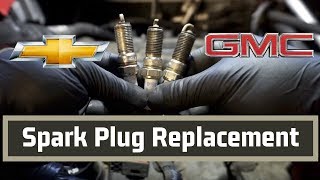
- Replacing only one ignition coil or spark plug. Due to the high labor involved in accessing the rear bank of cylinders (requiring intake manifold removal), it's cost-effective to replace all plugs and coils at once to prevent repeat repairs. 🎬 Watch: Step-by-step guide to replacing spark plugs and the intake manifold.
- Replacing oxygen sensors. While O2 sensors can fail, they are not a primary cause of a P0300 code. A misfire is more likely to damage an O2 sensor than be caused by one.
- Ignoring a software update. In some cases, particularly for cold start misfires, a dealer may perform a software update per a TSB that widens the parameters for setting a P0300 code.
Most Likely Causes

- Faulty Ignition Coils 🔴 High Probability Ignition coils are a common failure item on many modern engines, including the Traverse's 3.6L V6. Heat and vibration lead to internal coil failure over time. A faulty ignition coil was cited as the cause in NHTSA complaint #11044841.
How to confirm: Use an OBD-II scanner with live data to view misfire counts per cylinder. Swap the suspected bad coil with a known good one from another cylinder. If the misfire code follows the coil (e.g., P0301 moves to P0304), the coil is bad.
Typical fix: Replace the faulty ignition coil. It is highly recommended to replace all six coils and spark plugs at the same time, especially since the rear three coils require removing the intake manifold. Common OEM-quality replacement coils include ACDelco D501C and Bosch 0221604112.
Est. part cost: $30-$70 per coil for brands like ACDelco or Bosch. - Worn or Fouled Spark Plugs 🔴 High Probability Spark plugs are a regular maintenance item. The original equipment ACDelco Iridium plugs have a service interval of around 100,000 miles. If they are not replaced, the electrodes wear out, causing a weak spark and misfires.
How to confirm: Remove the spark plugs and inspect them. Look for worn electrodes, heavy carbon deposits, or oil fouling. A wet, fuel-smelling plug indicates a lack of spark, while a white, ashy plug can indicate a lean condition or a bad fuel injector.
Typical fix: Replace all six spark plugs. Use high-quality Iridium plugs as specified by the manufacturer, such as ACDelco 41-109 or 41-107 depending on the specific year. Given the labor to access the rear bank, this is almost always done with ignition coil replacement.
Est. part cost: $8-$20 per plug - Clogged or Faulty Fuel Injectors 🟡 Medium Probability As direct injection engines, the fuel injectors operate under high pressure and can become clogged with carbon deposits over time, disrupting the spray pattern. NHTSA complaint #11289527 points to a faulty fuel injector as the cause for P0300 and P0303 codes. Forum users on BobIsTheOilGuy note that injectors are a likely culprit when only P0300 is present.
How to confirm: A professional can perform a fuel injector balance test using a scan tool like the GM GDS. A DIY method is to check spark plug condition; a very clean or white plug can indicate a lean condition caused by a clogged injector.
Typical fix: Professional fuel system cleaning may work, but often the faulty injector(s) must be replaced. GM notes in TSBs that if an injector is replaced, the parts catalog must be checked carefully to ensure the correct part is used.
Est. part cost: $50-$150 per injector - Carbon Buildup on Intake Valves 🟡 Medium Probability Direct injection (GDI) engines spray fuel directly into the cylinder, so gasoline detergents don't wash over the intake valves. This allows oil vapor and carbon to bake onto the valves, restricting airflow and causing misfires, particularly on cold starts. This is a well-documented issue across all GM 3.6L GDI engines.
How to confirm: This requires a physical inspection of the intake valves, usually with a borescope, after removing the intake manifold.
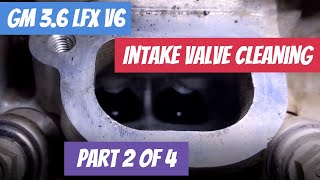
Typical fix: The valves must be manually cleaned, most often through walnut shell blasting. 🎬 See how to perform a professional intake valve cleaning. This is a labor-intensive job that can cost $500-$800+ at a repair shop.
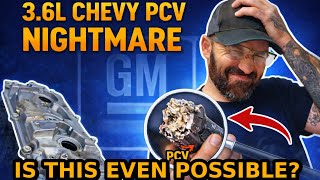
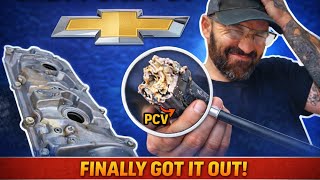
Est. part cost: $50 (cleaning materials) to $800+ (shop service) - Clogged PCV System / Failed Valve Cover ⚪ Low Probability The rear (driver's side) valve cover on the 3.6L engine has an integrated, non-serviceable PCV orifice that is known to clog with sludge. This increases crankcase pressure, forcing oil past seals and into the combustion chamber, which can foul spark plugs and cause misfires. A user on the ScannerDanner forum described symptoms of high crankcase pressure (blowing pressure from the dipstick) along with a P0300 code.
How to confirm: Symptoms include a sudden increase in oil consumption, oil blowing from the dipstick tube or oil cap, oil leaks (especially at the rear main seal), and lean codes (P0171/P0174). Inspecting the PCV orifice requires removing the intake manifold and valve cover.
Typical fix: Replace the entire driver-side valve cover assembly with an updated part that has a larger orifice. The updated GM part number is often cited as 12632479.
Est. part cost: $70-$150
Rare But Worth Checking
- Stretched Timing Chains: While less common than coils or plugs, the 3.6L V6 (especially the earlier LLT version) is known for premature timing chain wear. A stretched chain can cause camshaft/crankshaft correlation codes (like P0008, P0017, P0018) and lead to random misfires. A video on a GMC Acadia with the same engine showed a P0300 and rattling noise that was diagnosed as a timing chain failure. 🎬 Watch: Diagnosing a P0300 misfire caused by a stretched timing chain. This is a very expensive, labor-intensive repair.
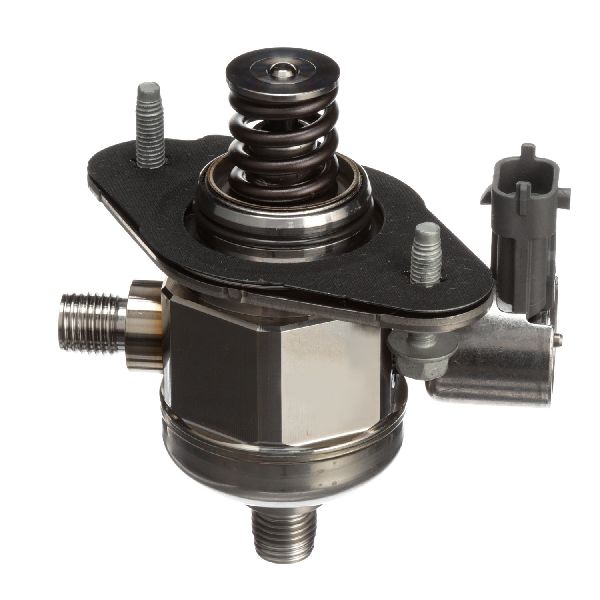
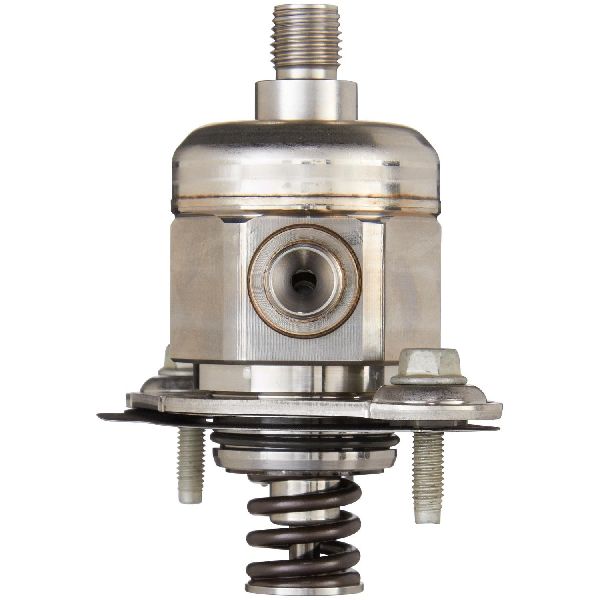
- Low Fuel Pressure: A failing in-tank fuel pump or a faulty high-pressure fuel pump (HPFP) can starve the engine of fuel, causing misfires under load. This will usually be accompanied by other codes like P0087 (Fuel Rail Pressure Too Low) or P0191 (Fuel Rail Pressure Sensor Performance).
- Vacuum Leaks: A cracked hose or a leaking intake manifold gasket can introduce unmetered air into the engine, disrupting the air-fuel ratio and causing misfires. This will often set lean codes (P0171, P0174) alongside the P0300. A loose ground wire for an ignition coil bank can also cause intermittent misfires on multiple cylinders.
- Engine Block Porosity: GM Technical Service Bulletin 18-NA-115 addresses a specific condition where porosity in the engine block casting can cause a tiny coolant leak into a cylinder. This typically causes a misfire on a cold start that goes away as the engine warms up and the metal expands. The fix is an engine replacement.
Diagnosis Steps
- Read all stored fault codes with an OBD-II scanner. Note any codes besides P0300, as they provide crucial clues (e.g., P030x, P0171, P0087).
- Check for a flashing vs. steady Check Engine Light. A flashing light indicates a severe, catalyst-damaging misfire.
- Using the scanner's live data, monitor misfire counts for each cylinder to see if the misfires are truly random or concentrated on one or two cylinders.
- Inspect the ignition system. Start with the easiest-to
Parts You'll Likely Need

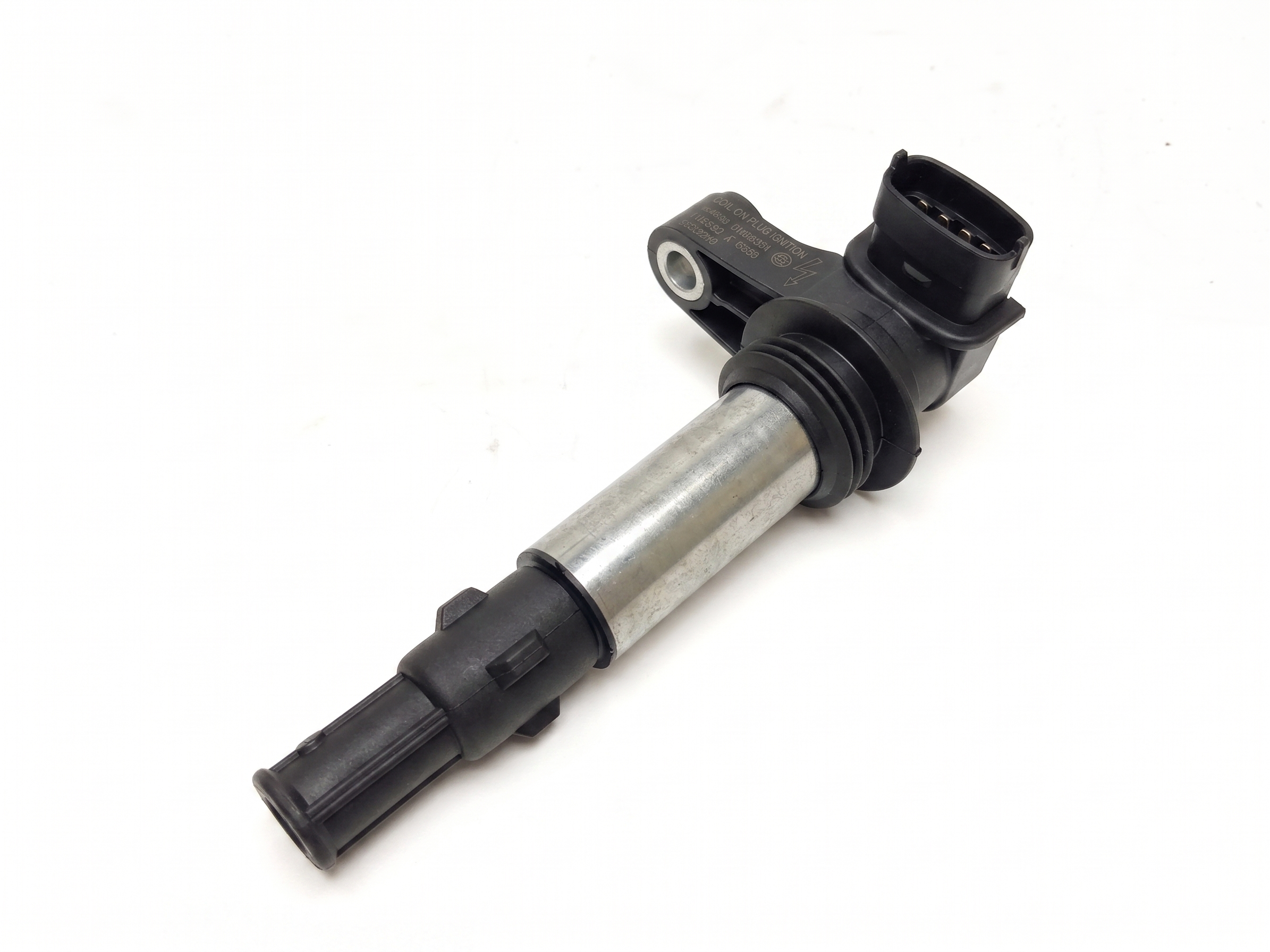
- Ignition Coil
(OEM #12632479)— This is one of the most frequent causes of P0300. The original coils fail from heat and age. NHTSA complaint #11044841 confirms this failure.
Trusted brands: ACDelco, Delphi
OEM price range: $50-$80
Aftermarket price range: $30-$60 - Iridium Spark Plug
(OEM #41-109)— Worn spark plugs are a primary cause of weak spark and misfires. They are a standard maintenance item that is often neglected.
Trusted brands: ACDelco, NGK
OEM price range: $12-$20
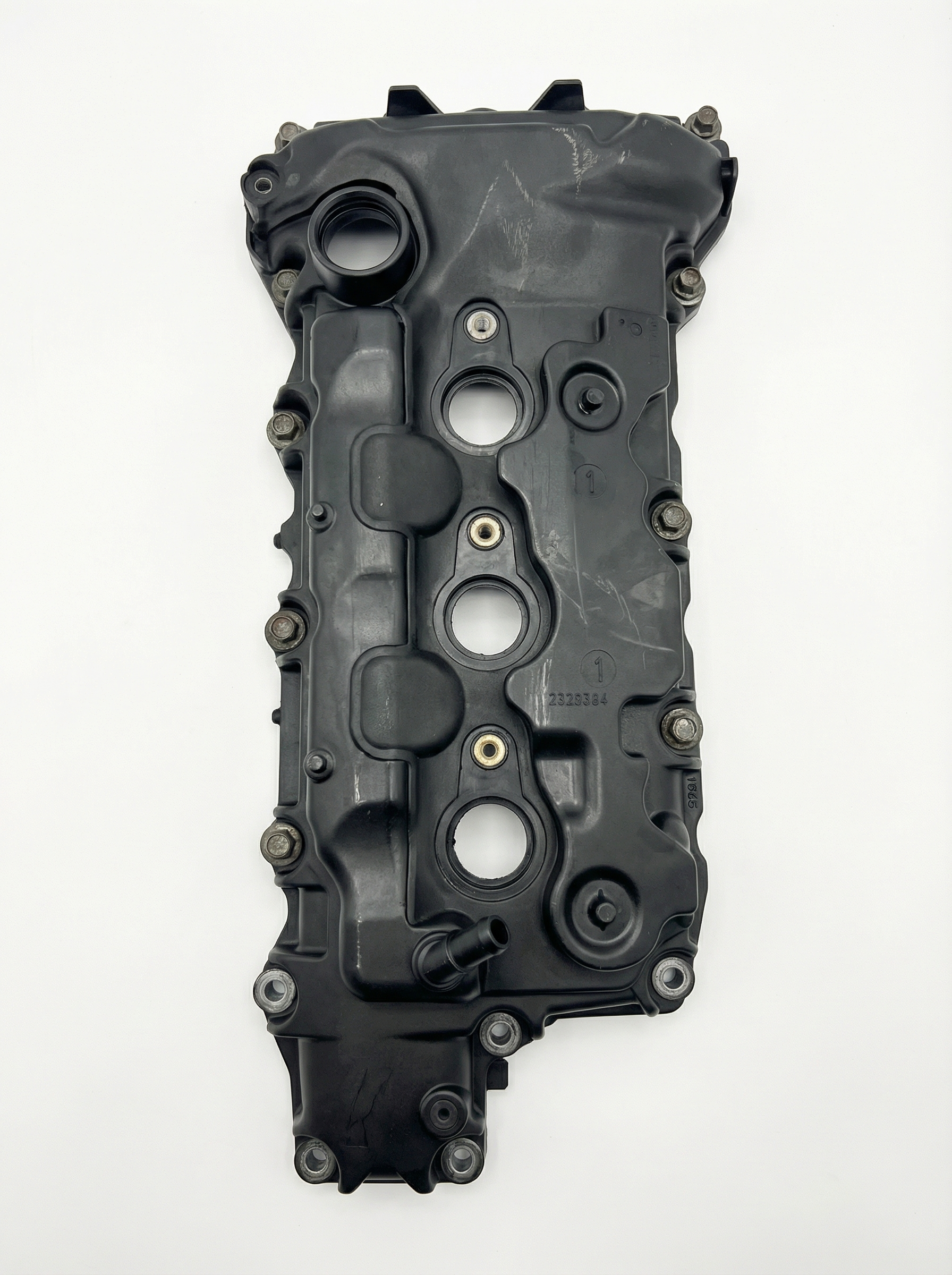
Aftermarket price range: $8-$15 - Valve Cover (Driver Side/Rear) — The integrated PCV orifice in the original cover clogs, causing high oil consumption and fouling spark plugs. Replacing the cover with an updated design is a common fix for these related issues.
Trusted brands: ACDelco, Dorman
OEM price range: $100-$180
Aftermarket price range: $70-$120 - Fuel Injector
(OEM #12663380)— Clogging is common in direct injection systems and can cause a lean misfire on one or more cylinders, as noted in NHTSA complaint #11289527.
Trusted brands: ACDelco, Bosch
OEM price range: $100-$150
Aftermarket price range: $50-$90
Related Codes That Often Appear With This One
- P0301-P0306 — These are cylinder-specific misfire codes (e.g., P0301 is Cylinder 1 Misfire). They often appear with P0300 to help pinpoint which cylinders are most affected.
- P0171 / P0174 — These 'System Too Lean' codes indicate too much air or not enough fuel. They can be caused by vacuum leaks, a faulty MAF sensor, or a clogged PCV system, all of which can also cause a P0300 misfire.
- P0087 / P0191 — These codes point to a problem with the fuel delivery system, such as a failing high-pressure fuel pump or sensor, which can cause widespread misfires.
- P0008 / P0017 — These codes indicate a problem with engine timing, specifically the correlation between the crankshaft and camshafts. They are a strong indicator that a stretched timing chain may be the root cause of the P0300 misfire.
Technical Service Bulletins (TSBs) & Recalls
- Addresses a cold start misfire and/or rough idle with DTC P0300. The cause may be engine cylinder block porosity allowing coolant to leak into a cylinder, which often requires engine replacement to fix.
- Provides diagnostic guidance for technicians contacting GM's Technical Assistance Center (TAC) for misfire codes P0300-P0308. It outlines a checklist of information to gather, including fuel trims, injector balance test results, and compression test results.
Platform-Specific Known Issues
- Rear Bank Access for Ignition Components: Replacing the three ignition coils and spark plugs on the rear bank (cylinders 1, 3, 5) is significantly more labor-intensive than the front bank. It requires the complete removal of the upper intake manifold, adding 2-3 hours of labor to the job. This makes it highly advisable to replace all six plugs and coils simultaneously.
- Integrated PCV Orifice Failure: The PCV orifice is integrated into the driver's side (rear) valve cover and is not separately serviceable. It is known to clog with oil sludge, leading to high crankcase pressure, increased oil consumption, and oil-fouled spark plugs that cause misfires. The fix is to replace the entire valve cover with an updated part.
- Direct Injection Carbon Buildup: Like many GDI engines, the 3.6L V6 is prone to heavy carbon deposits on the intake valves because fuel is injected directly into the cylinder, bypassing the valves. This buildup restricts airflow and can cause misfires, especially during cold starts. The only effective fix is manual cleaning, such as walnut blasting.
Mechanic-Grade Diagnostic Values
- Low-Pressure Fuel Pump (In-tank) — expected: 45-55 GPH flow rate, up to 43 PSI. Some aftermarket pumps are rated up to 110-120 PSI.. Failure: Pressure below specification, especially under load, can cause lean conditions and random misfires.
- Direct Injection Fuel Injector Resistance — expected: Approximately 1.5 - 1.6 ohms when tested from the ECM connector.. Failure: An injector with significantly higher or lower resistance, or an open circuit, is faulty.
- Short-Term (STFT) and Long-Term (LTFT) Fuel Trims — expected: Total fuel trim (STFT + LTFT) should ideally be within +/- 10%.. Failure: Consistently high positive fuel trims (> +10%) indicate the ECM is adding fuel to compensate for a lean condition (e.g., vacuum leak, weak fuel pump), which can lead to misfires.
- Mass Airflow (MAF) Sensor Reading at Idle — expected: Approximately 8 g/s at warm idle for a 3.6L engine.. Failure: A reading that is significantly higher or lower can indicate a sensor fault or a large vacuum leak, confusing the ECM's fuel calculations and causing misfires.
Scan Tool Commands That Help
- GDS2 (GM's Global Diagnostic System 2): Cylinder Power Balance Test — This bidirectional test allows a technician to disable one cylinder at a time and monitor the drop in engine RPM. If disabling a cylinder causes little or no change in RPM, that cylinder is not contributing power, confirming it is the source of a misfire even if no specific P030x code is set.
- GDS2 (GM's Global Diagnostic System 2): Fuel Injector Balance Test — This test commands each injector to fire for a set period while the tool measures the corresponding drop in fuel rail pressure. It can identify a clogged or weak injector that isn't flowing enough fuel, or a leaking injector that flows too much, both of which can cause a P0300.
Wiring & Ground Locations
- G110 — Right rear of the engine, mounted to the back of the cylinder head.. This is a primary engine ground. A loose or corroded G110 can cause intermittent electrical issues for various engine components, potentially leading to erratic sensor readings or weak spark that could trigger a P0300.
- G103 — Left side of the engine compartment, on the inner fender panel.. This ground serves the Engine Control Module (ECM). A poor connection here can directly impact the ECM's operation, leading to a wide range of phantom issues, including random misfire codes.
- Ignition Coil Harness — Runs across the top of the engine to each coil.. The wiring harness, especially the connectors to the ignition coils, can become brittle from heat cycles. A corroded pin or broken wire in the harness can cause an intermittent misfire on one or more cylinders that appears random.
Real Owner Repair Stories
- Chevy HHR Network forum user 'allsmilesjp' (2.2L Ecotec engine (Note: Not the 3.6L V6, but the diagnostic process for P0300 is illustrative)) — Bad idle, dying at stops, P0300 code, and a 'clacky, diesel' sound on startup.
❌ Tried (didn't work) Replaced fuel injectors, Replaced spark plugs, Replaced ignition control module, Replaced coil pack
✅ What actually fixed it During a timing chain replacement, a stuck timing chain tensioner was discovered. Replacing the timing set (chain, guides, tensioner) resolved the misfire. The theory was the stuck tensioner allowed the chain to have enough slack to jump timing slightly.
OEM Part Supersession History
12611545, 12632255→12638530, 12669384— Standard part evolution and design updates for fuel injectors for the 3.6L engine.
Heads up: It is critical to use the vehicle's VIN to verify the correct injector part number, as multiple designs were used.ACDelco 41-107→ACDelco 41-109 (GM Part #12622561)— Updated Iridium spark plug design for improved performance and longevity.
Heads up: While both may fit, the 41-109 is the recommended plug for most LFX engine applications.Unknown (original valve cover)→GM 12632479 (and subsequent revisions)— The original PCV orifice integrated into the driver-side valve cover was prone to clogging. Updated parts feature a larger, less restrictive orifice to combat sludge buildup and excessive crankcase pressure.
Model Year Variations Within This Range
- 2009-2012: These models primarily used the 3.6L LLT V6 engine. This engine version is noted as being more susceptible to premature timing chain stretch, which is a major potential cause of P0300.
- 2013-2016: These models used the updated 3.6L LFX V6 engine. The LFX featured design improvements including a revised cylinder head design, lighter components, and an integrated exhaust manifold. While still a direct-injection engine prone to carbon buildup, some of the timing chain issues from the LLT were addressed.
Helpful Videos
Used OEM Parts in Stock
New Aftermarket Parts Available


The information in this article is provided for general reference and educational purposes only. Vehicle specifications, procedures, and part compatibility can vary by production date, trim level, and region. Always consult your vehicle's factory service manual and verify part numbers before purchasing or performing repairs. Safety-critical components such as airbags, seat belts, and braking systems should be installed by a qualified professional.
- Chevrolet TRAVERSE:
- 🎬 Helpful Videos
- 🛍️ Shop This Part
- What's Unique About the 2009-2016 Chevrolet TRAVERSE
- Diagnostic Flowchart
- Symptoms You May Notice
- Most Likely Causes
- Rare But Worth Checking
- Diagnosis Steps
- Parts You'll Likely Need
- Related Codes That Often Appear With This One
- Technical Service Bulletins (TSBs) & Recalls
- Platform-Specific Known Issues
- Mechanic-Grade Diagnostic Values
- Scan Tool Commands That Help
- Wiring & Ground Locations
- Real Owner Repair Stories
- OEM Part Supersession History
- Model Year Variations Within This Range
- 🎟️ Get 5% Off