

P0300 on 2016-2021 Chevrolet Spark: Random Misfire Causes and Fixes
On a 2016-2021 Chevy Spark, a P0300 code is most often caused by worn-out spark plugs or a failing ignition coil. Replacing these ignition components is a common and relatively affordable DIY fix. Less common causes include vacuum leaks or fuel delivery problems.
- P0300 on a 2016-2021 Spark indicates a random misfire affecting multiple cylinders.
- Start your diagnosis with the most common and affordable culprits: the spark plugs and the ignition coil pack.
- Do not ignore a flashing Check Engine Light, as this signals a severe misfire that can quickly damage your expensive catalytic converter.
- If a basic ignition tune-up doesn't solve the problem, the next most likely cause is a vacuum leak.
What's Unique About the 2016-2021 Chevrolet SPARK

The 1.4L LV7 Ecotec engine in the fourth-generation Spark is a simple, naturally-aspirated, port-injected engine generally considered reliable. However, like many modern small-displacement engines, it is sensitive to ignition component health. A random misfire (P0300) often points directly to the basics: spark plugs and the single coil pack that fires all four cylinders. While other causes are possible, owner experiences and mechanic reports frequently start and end with a basic ignition system tune-up.
Diagnostic Flowchart
Tap your situation to follow the diagnostic path that matches what you're seeing on this vehicle.
Symptoms You May Notice
- Rough or shaky idle
- Engine stumbling or hesitating during acceleration
- Flashing Check Engine Light (indicates a severe misfire)
- Reduced fuel economy
- Noticeable loss of engine power
- Engine running rough
- Replacing only one spark plug when the whole set is old.
- Replacing oxygen sensors, as a bad O2 sensor is more likely to be a result of the misfire (due to unburnt fuel) rather than the cause, although it can be a cause in some cases.
Most Likely Causes


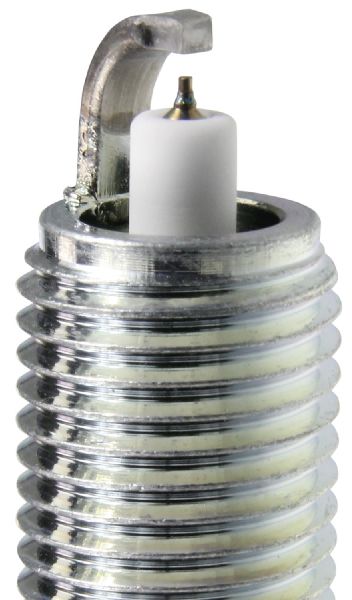
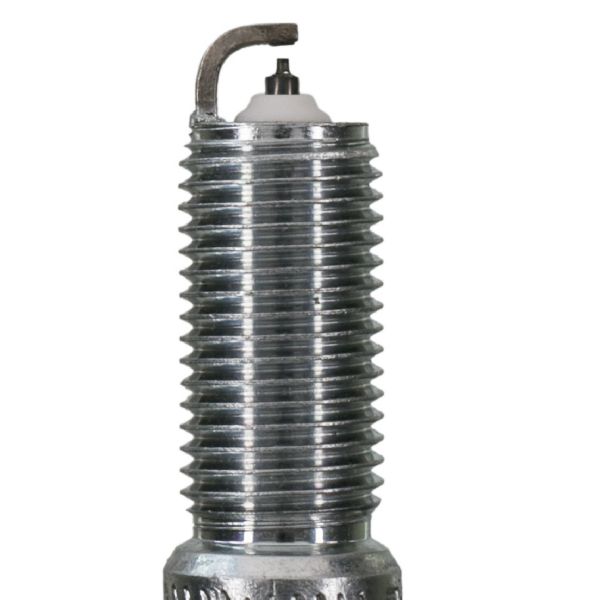
- Worn or Fouled Spark Plugs 🔴 High Probability Spark plugs are a routine maintenance item and are the most frequent cause of misfires on most gasoline engines. The electrodes wear down over time, increasing the gap and leading to a weak or inconsistent spark. Forum users frequently report that replacing the spark plugs resolves a P0300 code.
How to confirm: Remove the spark plugs and inspect them. Look for worn-down electrodes, heavy carbon buildup, or oil/coolant fouling. One owner found a bent electrode on a plug, which caused their P0300 issue. Comparing the color of the plug tips can also indicate if one cylinder is running differently than the others.
Typical fix: Replace all four spark plugs as a set. The original equipment plugs are Iridium type. Ensure they are gapped correctly if not pre-gapped.
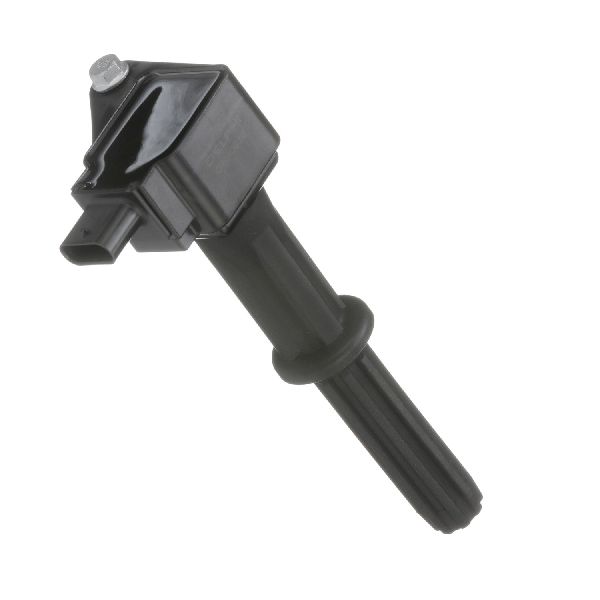
Est. part cost: $25-$60 - Faulty Ignition Coil Pack 🔴 High Probability The Spark uses a single coil pack assembly that houses all four coils. Age and heat cycles can cause the internal windings to fail or the housing to crack, allowing spark to arc to the engine block instead of the spark plug. This is the second most common failure point after spark plugs.
How to confirm: Visually inspect the coil pack for cracks, burn marks, or discoloration. On a similar GM 1.8L engine, a mechanic found the coil housing was brittle and cracked, causing a P0300. A diagnostic method involves using an inline spark tester to check for consistent spark on each cylinder.
Typical fix: Replace the entire ignition coil pack assembly. It is held on by two Torx bolts.
Est. part cost: $80-$160 - Vacuum Leak 🟡 Medium Probability Vacuum hoses, particularly PCV lines, can become brittle and crack over time. Intake manifold gaskets can also fail, introducing unmetered air into the engine. This disrupts the air-fuel ratio and can cause a lean misfire across multiple cylinders.
How to confirm: A visual inspection may reveal cracked or disconnected hoses. The most effective method is a smoke test, where a mechanic forces smoke into the intake system to see where it leaks out. Spraying starter fluid or soapy water around suspected leak areas while the engine is running can also help by causing a change in engine idle.
Typical fix: Replace the leaking hose or gasket. One Spark owner had a cracked hose and a failing manifold pressure sensor, which were fixed together.
Est. part cost: $10-$120 - Clogged or Faulty Fuel Injectors ⚪ Low Probability Fuel injectors can become clogged with deposits over time, preventing them from delivering the correct amount of fuel to one or more cylinders. While less common than ignition issues, it can cause a persistent random misfire that doesn't respond to a tune-up.
How to confirm: Requires a diagnostic scan tool to monitor fuel trim data for signs of a lean condition. A professional may perform a fuel injector balance test to measure the flow rate of each injector, as outlined in GM's diagnostic procedures.
Typical fix: The injectors may be professionally cleaned. If cleaning is unsuccessful or an injector has failed electrically, it will need to be replaced.
Est. part cost: $50-$150 per injector
Rare But Worth Checking
- Low Fuel Pressure: A weak fuel pump or clogged fuel filter can starve the entire engine for fuel, causing random misfires under load. This would typically be confirmed with a fuel pressure test at the fuel rail.
- Internal PCV Valve Failure: While more documented on the related GM 1.4L *turbo* engine, a failure of an internal Positive Crankcase Ventilation (PCV) check valve is possible. In the turbo engines, a small orange check valve inside the intake manifold can get dislodged and 'eaten' by the engine, causing a massive vacuum leak and codes like P0171 and P0300. While the LV7 is different, a PCV system failure can still cause similar vacuum leak symptoms.
- Faulty Crankshaft Position Sensor: A failing crankshaft position sensor can send erratic signals to the ECM, which uses this data to detect misfires. This can cause the ECM to incorrectly report a misfire. This repair often requires performing a "crankshaft position variation learn" procedure with a scan tool.
Diagnosis Steps

- Read the codes with an OBD-II scanner and check for any other stored codes. Note if the Check Engine Light is steady or flashing and save the freeze frame data.
- Inspect the ignition system first, as it's the most common culprit. Remove and examine all four spark plugs for wear, damage, or fouling.
- Check the ignition coil pack for any visible damage, cracks, or corrosion on the housing and boots.
- If ignition components seem okay, check for vacuum leaks. Visually inspect all vacuum hoses connected to the intake manifold for cracks or disconnections. A smoke test is the most reliable method to find hidden leaks.
- Check fuel delivery. Use a scan tool to observe short-term and long-term fuel trims for signs of a lean or rich condition.
- If a fuel issue is suspected, perform a fuel pressure test to ensure the fuel pump and filter are working correctly.
- If the above steps do not reveal the cause, more advanced diagnostics like an engine compression test, a cylinder leakage test, or testing the fuel injectors may be necessary.
Parts You'll Likely Need

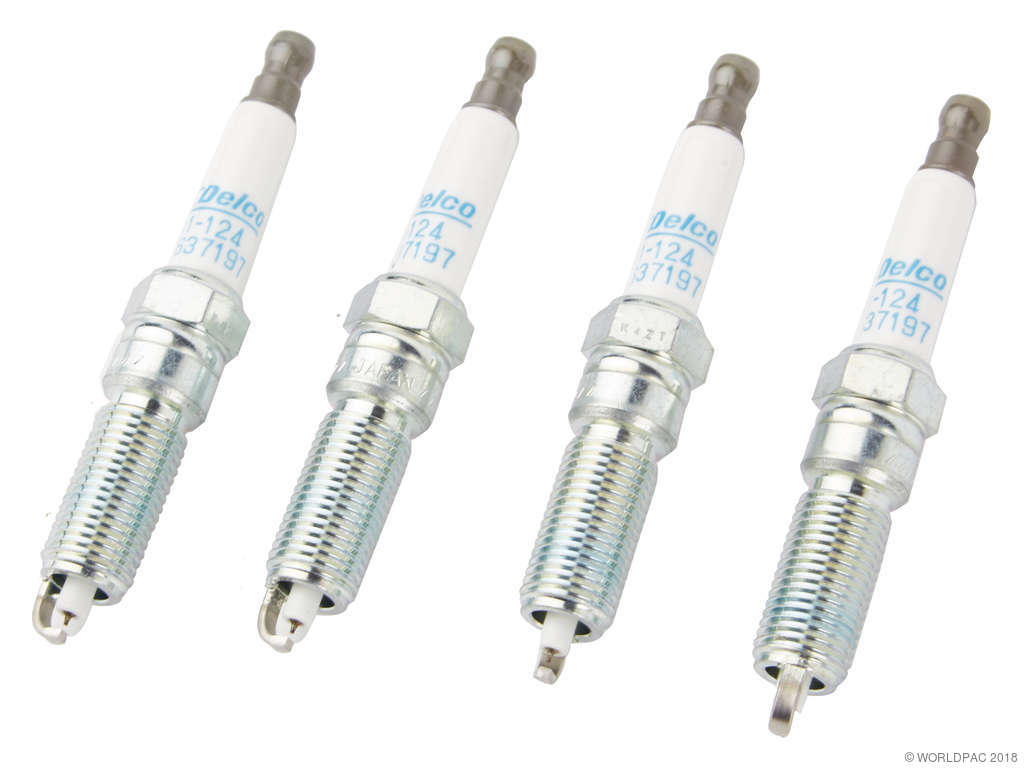
- Spark Plugs
(OEM #ACDelco 41-124 (or superseding part #12637197))— These are the most common failure point for a P0300 code as they are a standard wear-and-tear item.
Trusted brands: ACDelco, NGK
OEM price range: $35-$60 (set of 4)
Aftermarket price range: $25-$45 (set of 4) - Ignition Coil Pack
(OEM #ACDelco 12673523 (replaces 12647553))— This is the second most likely cause. Since the Spark uses a single coil pack, a failure within the unit can affect multiple cylinders randomly.
Trusted brands: ACDelco, Delphi, Standard Motor Products
OEM price range: $120-$200
Aftermarket price range: $80-$160
Related Codes That Often Appear With This One
- P0301, P0302, P0303, P0304 — If the ECM can eventually isolate the misfire to a specific cylinder, it will store a code like P0301 (Cylinder 1 Misfire) alongside the P0300.
- P0171 — This code for "System Too Lean (Bank 1)" often points to a vacuum leak, which is also a common cause of a P0300 misfire.
Technical Service Bulletins (TSBs) & Recalls
- PIP5628G: This is a Preliminary Information Bulletin, not a recall or a fix. It instructs GM technicians on what specific data to collect (using GDS2 scan tools and PICO oscilloscope) when a vehicle presents with misfire codes like P0300. It's essentially a guide for escalating the issue to the Technical Assistance Center (TAC) and asks for checks like relative compression and fuel injector balance tests.
Platform-Specific Known Issues
- Ignition System is the Primary Suspect: Overwhelmingly, owner forums and mechanic advice point to the spark plugs and the single ignition coil pack as the first place to look. Due to the engine's simple design, these two components are responsible for the vast majority of P0300 codes on the 2016-2021 Spark.
Hidden / Shadow Codes Worth Checking
- Mode 6, Test ID $0A-$0D, Component ID $01-$04: Misfire counts for individual cylinders (Cylinder 1-4). While not a 'hidden' code, this data is not on the main DTC screen and must be accessed via the Mode 6 diagnostic function on a capable OBD-II scanner. It shows raw misfire counts per cylinder, which can help identify a cylinder that is misfiring frequently but not enough to set a specific P030x code. (see via An OBD-II scan tool with Mode 6 data capabilities. Navigate to the Mode 6 test results and look for the misfire monitor test IDs.)
Scan Tool Commands That Help
- GDS2 (GM Diagnostic Software): Crankshaft Position Variation Learn — This procedure must be performed after replacing the crankshaft position sensor, the engine control module (ECM), or making significant engine mechanical repairs. Failure to perform the relearn can cause the ECM to misinterpret normal crankshaft speed variations as misfires, leading to a false P0300 code.
- GDS2 (GM Diagnostic Software): Injector Test / Fuel Injector Balance — To diagnose a potential fuel delivery issue. This function allows a technician to command each injector to fire for a specific duration and measure the corresponding drop in fuel pressure. This can identify a clogged or weak injector that is causing a lean misfire on one or more cylinders.
- GDS2 (GM Diagnostic Software): Misfire Graphic — To view real-time and historical misfire data for each cylinder. A technician can view misfire counts over the last 10 driving cycles to see if a particular cylinder is the primary offender, even if it hasn't set a specific P030x code yet.
Wiring & Ground Locations
- G103 — Located at the left rear of the engine compartment on the cowl, above the brake booster.. This is a major ground point that serves the Engine Control Module (ECM), Body Control Module (BCM), and the Data Link Connector (DLC), among other components. A loose or corroded G103 can cause erratic behavior and phantom codes, including a P0300, due to improper voltage supply or reference for the ECM and its sensors.
- ECM Connector K20, Pins 32, 40, 57, 91 — At the Engine Control Module (ECM).. These specific pins control the ignition coils. Pin 57 controls coil 1, Pin 40 controls coil 2, Pin 91 controls coil 3, and Pin 74 (on a different vehicle) controls coil 4. A wiring diagram for the specific Spark ECM shows Pin 32 controls coils 1 and 4. Checking for a consistent signal at these pins with an oscilloscope can confirm if the ECM is commanding the coils to fire correctly, helping to isolate a wiring or ECM fault.
Real Owner Repair Stories
- Reddit user in r/chevyspark (2015 Chevrolet Spark LT, 74,979 miles) — Initially had a P0304 (Cylinder 4 misfire), then a P0302 (Cylinder 2 misfire). After some fixes, a P0300 code appeared.
❌ Tried (didn't work) The user first replaced spark plugs and the #4 and #2 ignition coils, which seemed to work temporarily., User also added SeaFoam to the oil and fuel tank, after which the P0300 code appeared.
✅ What actually fixed it The final resolution is not explicitly stated in the provided snippet, but the initial problem pointed towards ignition components. The appearance of P0300 after other work suggests an underlying issue that was not fully resolved by replacing individual coils, pointing towards a more systemic problem like a failing coil pack assembly or a different issue altogether.
OEM Part Supersession History
12647553→12673523— This is a common part number update from GM. The reasons are not publicly detailed but typically involve minor improvements in manufacturing, materials, or internal design to enhance durability and performance.
Heads up: The new part number (12673523) is a direct replacement for the old one and should be fully compatible with all specified vehicles.
Model Year Variations Within This Range
- 2016: The 2016 model year introduced the fourth-generation Spark with a new, more refined 1.4L LV7 engine, replacing the previous 1.2L engine. This 98-hp engine remained consistent through the 2021 model year, meaning diagnostic procedures for P0300 are largely the same across this entire range.
Helpful Videos



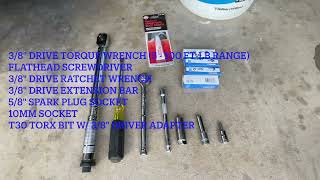
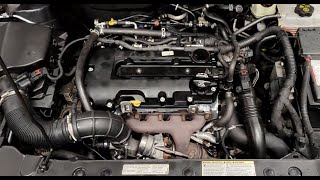
Used OEM Parts in Stock


New Aftermarket Parts Available
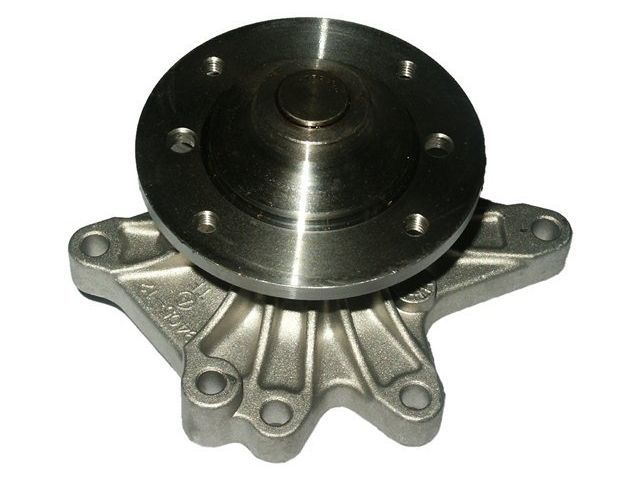


The information in this article is provided for general reference and educational purposes only. Vehicle specifications, procedures, and part compatibility can vary by production date, trim level, and region. Always consult your vehicle's factory service manual and verify part numbers before purchasing or performing repairs. Safety-critical components such as airbags, seat belts, and braking systems should be installed by a qualified professional.
- Chevrolet SPARK:
- 🎬 Helpful Videos
- 🛍️ Shop This Part
- What's Unique About the 2016-2021 Chevrolet SPARK
- Diagnostic Flowchart
- Symptoms You May Notice
- Most Likely Causes
- Rare But Worth Checking
- Diagnosis Steps
- Parts You'll Likely Need
- Related Codes That Often Appear With This One
- Technical Service Bulletins (TSBs) & Recalls
- Platform-Specific Known Issues
- Hidden / Shadow Codes Worth Checking
- Scan Tool Commands That Help
- Wiring & Ground Locations
- Real Owner Repair Stories
- OEM Part Supersession History
- Model Year Variations Within This Range
- 🎟️ Get 5% Off