

P0300 on 2014-2018 Chevrolet Silverado 1500: Random Misfire Causes and Fixes
On a 2014-2018 Silverado 5.3L, P0300 is often caused by worn spark plugs, a bad ignition coil, or faulty fuel injectors. More serious, and common, causes include failed Active Fuel Management (AFM) lifters, which can be an expensive repair. Start with basic ignition checks before suspecting major engine work.
- P0300 means multiple cylinders are misfiring, and the cause is something affecting the engine globally.
- Always start diagnosis with the basics: check for other codes, inspect spark plugs, and test ignition coils.
- On the 2014-2018 Silverado 5.3L, be highly suspicious of failed AFM lifters (especially if you hear a ticking noise) or leaking fuel injectors (especially if you also have a P050D code).
- Do not drive if the check engine light is flashing to avoid catastrophic damage to your catalytic converters.
- Due to the complexity of the fuel and AFM systems, what starts as a simple code can lead to an expensive repair if the root cause is mechanical.
What's Unique About the 2014-2018 Chevrolet Silverado 1500

The 5.3L L83 V8 engine in this generation of Silverado is known for specific issues that lead to a P0300 code. The Active Fuel Management (AFM) system, designed to save fuel by deactivating cylinders (1, 4, 6, and 7), uses specialized lifters that are a notorious failure point. These lifters can collapse, become mechanically stuck, or suffer internal damage due to oil aeration, causing a persistent misfire and often a distinct ticking noise. GM has released multiple Technical Service Bulletins, including an updated TSB 15-06-01-002M, acknowledging this issue. Additionally, as a direct-injection engine, carbon buildup on intake valves and failing high-pressure fuel injectors are common problems that can disrupt the air-fuel mixture and trigger misfires. Manufacturer Bulletin #PIP5628G further notes that specific diagnostic information must often be provided to technical assistance centers when diagnosing P0300 through P0308 codes on these engines.
Symptoms You May Notice
- Flashing or solid Check Engine Light
- Rough or uneven idle
- Noticeable engine hesitation or stumbling during acceleration
- Reduced engine power
- Decreased fuel economy
- Engine ticking or knocking noise, which can indicate lifter failure
- Stalling
- Unusual oil consumption
- White smoke or a coolant odor from the exhaust during cold starts (associated with P0300 and P050D)
- Replacing only one spark plug when all are due.
- Replacing oxygen sensors when they are correctly reporting a problem with the air/fuel mixture caused by a misfire.
- Assuming a major mechanical failure before checking basic ignition and fuel delivery components.
- Mistaking a transmission torque converter shudder for an engine misfire.
Most Likely Causes

- Worn or Fouled Spark Plugs 🔴 High Probability High-energy ignition systems and issues like oil consumption or carbon buildup can shorten spark plug life. It's a common maintenance item that is often overlooked.
How to confirm: Remove and inspect all eight spark plugs. Look for excessive electrode wear, oil fouling (black and wet), or carbon deposits (dry and sooty). A normal plug should have a light tan or grayish deposit. The specified gap is 0.040 inches.
Typical fix: Replace all eight spark plugs and the spark plug wires/boots. It's recommended to use high-quality Iridium plugs like the specified ACDelco parts. The original part (41-123) has been superseded by part number 41-162.
Est. part cost: $60-$150 - Faulty Ignition Coil(s) 🟡 Medium Probability Heat and vibration in the engine bay can cause ignition coils to fail over time, leading to a weak or no spark. Manufacturer Bulletin #PIP5298B notes that a Service Engine Soon light with P0300 and a rough running engine may persist even after standard diagnostics are completed.
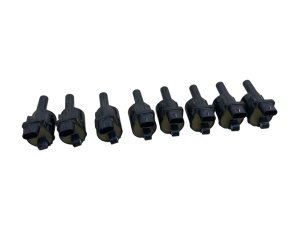
How to confirm: Use a scan tool to identify which cylinders are misfiring. Swap the ignition coil from a misfiring cylinder with one from a cylinder that is not misfiring. Clear the codes and run the engine. If the misfire code moves to the new cylinder, the coil is bad.
Typical fix: Replace the faulty ignition coil. It is often recommended to replace the corresponding spark plug at the same time. The OEM part is commonly listed as ACDelco D510C or 12570616.
Est. part cost: $40-$80 per coil - Faulty Fuel Injectors 🟡 Medium Probability The L83 engine uses direct injection, and the injectors operate under very high pressure. They are known to become clogged or leak internally, a problem often highlighted in GM TSB 19-NA-218. This is very often seen with a P050D (Cold Start Rough Idle) code.
How to confirm: A professional diagnostic approach involves a fuel pressure leak-down test. After the engine is shut off, the high-pressure fuel rail should maintain pressure. A rapid drop in pressure points to one or more leaking injectors. A scan tool can also be used to monitor fuel trim balance between cylinders.
Typical fix: Replace the faulty fuel injector(s). This is an involved job due to the high-pressure fuel system. The OEM part number is 12668390, which may be superseded by 12681212 or 12710481. Per GM, the fuel rail crossover tube is a one-time use part and must be replaced.
Est. part cost: $50-$120 per injector - Failed Active Fuel Management (AFM) Lifters 🟡 Medium Probability This is a well-documented, widespread issue on GM V8s with AFM. The lifters for cylinders 1, 4, 6, and 7 can become mechanically stuck, collapsed, or damaged, leading to a complete loss of valve function on that cylinder. GM TSB 15-06-01-002 has been updated multiple times (latest versions include 'K', 'M', and 'N') to address this.
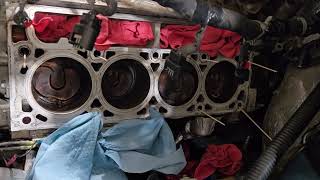
How to confirm: Diagnosis often starts with a distinct ticking noise from the top of the engine. A technician will use a scan tool to monitor misfires and may need to remove the valve covers to visually inspect valve movement, where a rocker arm on an affected cylinder will be stationary. A compression test may also show low or zero compression on the affected cylinder.
Typical fix: This is a major repair. It requires replacing the faulty bank of AFM lifters, the valve lifter oil manifold (VLOM), and often the camshaft if it has been damaged by the failed lifter roller. Many owners opt for an 'AFM delete kit' to permanently remove the problematic components. The repair can cost over $2,000.
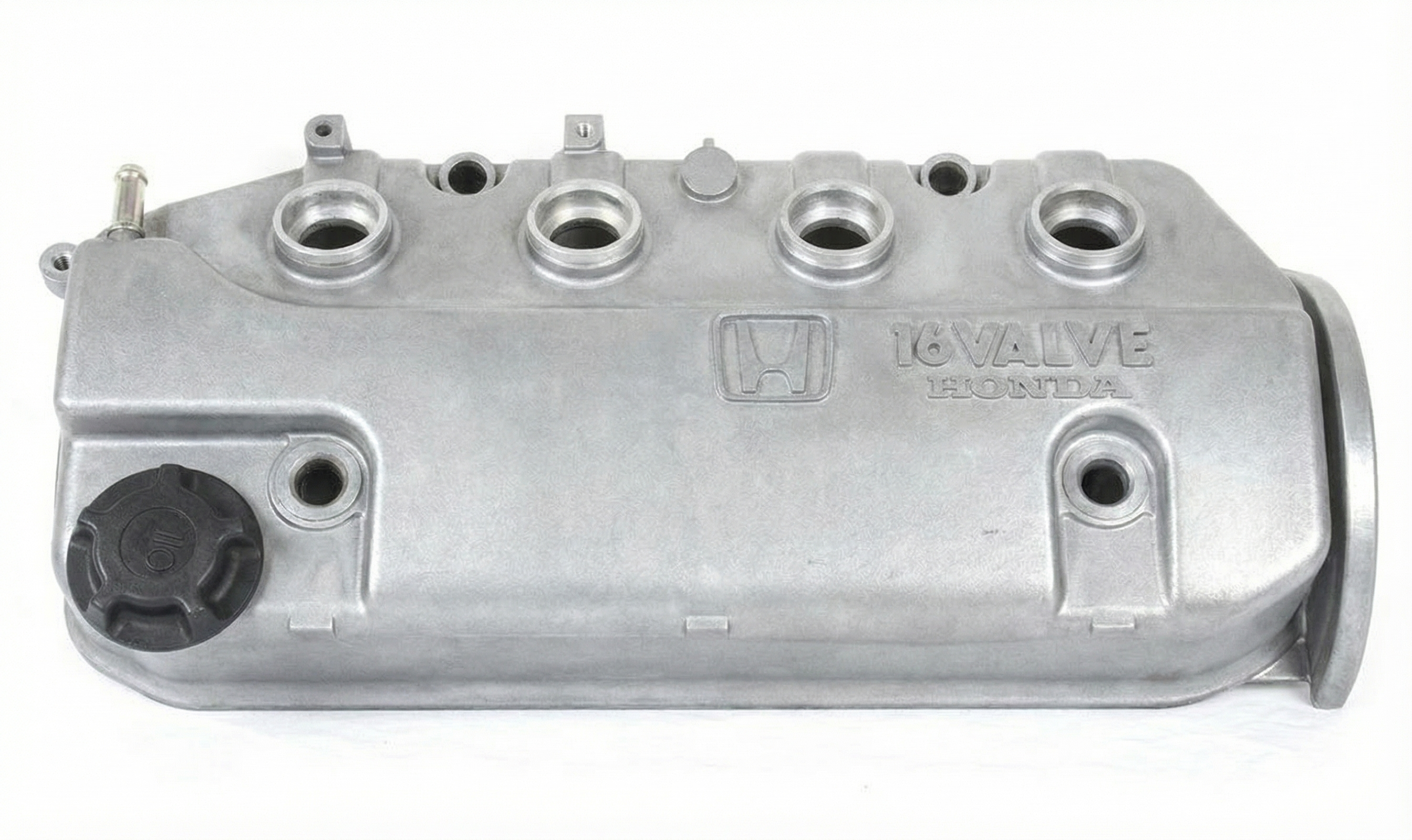
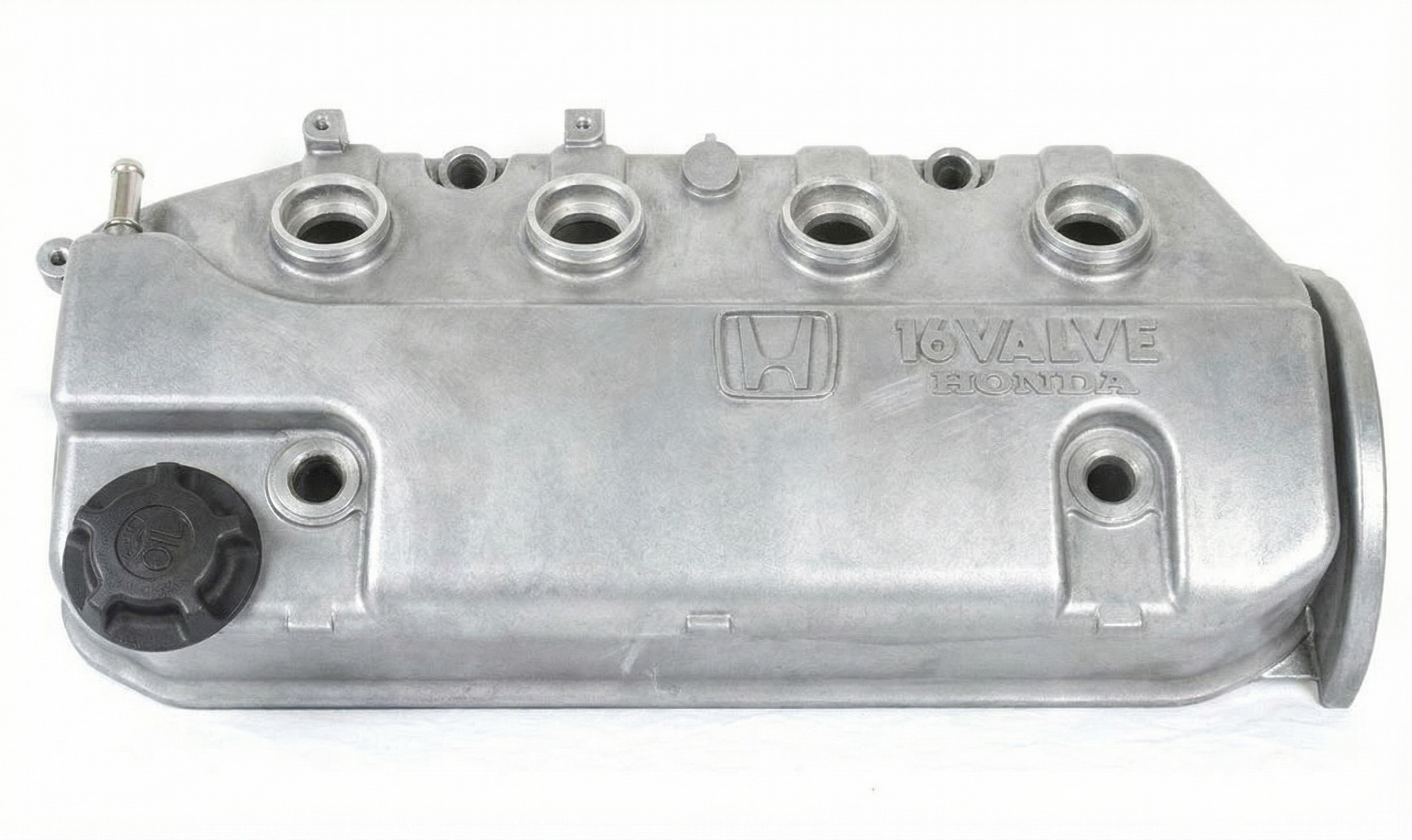
Est. part cost: $400-$1200 for parts, depending on OEM vs. aftermarket and whether a delete kit is used. - Vacuum Leak ⚪ Low Probability A specific known failure point on these trucks is the driver's side valve cover, which has an integrated, non-serviceable PCV system. The cover can crack or the internal baffle can fail, creating a vacuum leak and causing excessive oil consumption.
How to confirm: A vacuum leak will often cause high positive fuel trims and lean codes (P0171/P0174). A smoke machine is the most reliable method for finding a leak. Pay close attention to the PCV hoses and the driver's side valve cover itself. A failing brake booster can also cause a significant vacuum leak when the brake pedal is pressed.
Typical fix: Replace the cracked hose or failed gasket. If the valve cover is the cause, it must be replaced as an assembly (e.g., GM Part 12677324).
Est. part cost: $10-$150
Rare But Worth Checking
- Low Fuel Pressure: While injectors are more common, a weak in-tank fuel pump or a failing high-pressure fuel pump (HPFP) can starve the entire engine for fuel, causing random misfires under load.
- Clogged Catalytic Converter: A restricted exhaust creates backpressure that can cause misfires. This is usually a result of a long-term misfire condition (dumping raw fuel into the exhaust), not the initial cause.
- Intake Valve Carbon Buildup: A known issue with all direct-injection engines. Heavy carbon deposits on the back of the intake valves can disrupt airflow into the cylinders, causing misfires, especially during cold starts. The typical repair is walnut shell blasting of the intake ports.
- Torque Converter Shudder: A failing torque converter can cause a shudder during light acceleration or when decelerating, which the crankshaft position sensor can misinterpret as an engine misfire, setting a P0300 code. This is a common misdiagnosis.
- Broken Valve Spring: Though less common than lifter failure, a broken valve spring is a known issue on the L83/L86 engines and is mentioned in GM TSBs like PIP5423B. It can cause P0300 and P0506 (Idle Air Control System RPM Lower Than Expected).
- Coolant Intrusion: As detailed in Bulletin #PIP5498J, coolant can enter the combustion chamber, causing a P050D and P0300 after a cold start, often accompanied by white smoke or a coolant odor from the exhaust.
Diagnosis Steps

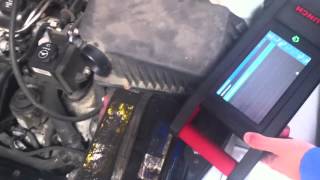
- Read all stored fault codes with an OBD-II scanner. Note any codes that appear with P0300.
- Use the scanner's live data function to monitor misfire counts for each cylinder to see if the misfires are truly random or favoring certain cylinders (especially AFM cylinders 1, 4, 6, 7).
- Inspect the ignition system. Pull all spark plugs and check for wear, damage, or fouling. The condition of the plugs can provide clues about the engine's health.
- If misfires are concentrated on one cylinder, swap the ignition coil with a known good cylinder. If the misfire follows the coil, the coil is bad.
- Check for vacuum leaks. A smoke test is the most effective method. Visually inspect PCV hoses and the driver's side valve cover for cracks or oil residue.
- Test fuel pressure. For the L83, this means checking both the low-pressure side and the high-pressure side. A leak-down test is crucial for diagnosing leaky injectors.
- Listen for a top-end ticking noise, a classic symptom of a failed AFM lifter. If heard, remove the valve cover(s) and run the engine briefly to visually confirm all rocker arms are moving.
- If a shudder is felt at certain speeds, use a scan tool to monitor torque converter clutch slip RPM to rule out a transmission issue.
- If mechanical damage is suspected (like a failed lifter or broken valve spring), perform a compression test to check the mechanical integrity of each cylinder.
Parts You'll Likely Need

- Iridium Spark Plugs
(OEM #ACDelco 41-162)— Worn spark plugs are a primary cause of misfires and are a routine maintenance item. 41-162 supersedes the original 41-123 plug.
Trusted brands: ACDelco, NGK - Ignition Coil
(OEM #ACDelco 12570616 / D510C)— Coils can fail from heat and vibration, causing a weak or absent spark on one cylinder.
Trusted brands: ACDelco, Delphi - Fuel Injector
(OEM #ACDelco 12668390)— Direct injectors on the L83 are a common failure point, leading to rough starts and random misfires.
Trusted brands: ACDelco, GM Genuine - AFM Lifter Kit
(OEM #Varies by kit, includes lifters, guides, gaskets.)— The most notorious and severe cause of P0300 on this engine; requires replacement of collapsed/stuck lifters.
Trusted brands: ACDelco, Melling, Texas Speed (for delete kits) - Driver's Side Valve Cover
(OEM #GM 12677324)— The integrated PCV system can fail, causing a vacuum leak and oil consumption that leads to misfires.
Trusted brands: GM Genuine, Dorman
Related Codes That Often Appear With This One
- P0301-P0308 — If the random misfire becomes more consistent in one or more cylinders, the PCM will set a specific cylinder misfire code alongside P0300. This can be the first sign of a failing AFM lifter on that cylinder.
- P050D — This code for 'Cold Start Rough Idle' is very commonly seen with P0300 on these trucks and strongly points towards leaking fuel injectors, as documented in GM TSB 20-NA-166.
- P0171/P0174 — These 'System Too Lean' codes can indicate a vacuum leak is the root cause of the misfire, as unmetered air is entering the engine.
Technical Service Bulletins (TSBs) & Recalls
- 15-06-01-002M / 15-06-01-002K: Addresses engine misfire/tick noise caused by mechanically collapsed/stuck AFM lifters.
- 19-NA-218: Relates to rough idle and misfire codes (P0300, P050D) caused by faulty fuel injectors.
- 20-NA-166: Connects P0300 and P050D on cold starts to potential coolant intrusion or other issues after ruling out fuel/ignition.
- PIP5163A: Discusses diagnosis of oil consumption, misfire, and cylinder leakage, ruling out 'out of round' cylinders as a common cause.
- PIP5423B: Mentions broken valve springs as a potential cause for P0506 and related misfire codes.
- Bulletin #PIP5628G: Communicates information needed for TAC to aid in diagnosing misfires and DTC Codes P0300 - P0308 and/or P050D.
- Bulletin #PIP5498J: Notes that P050D and P0300 after a cold start can be caused by coolant getting into the engine, potentially accompanied by white smoke.
- Bulletin #PIP5298B: Provides diagnostic information for a Service Engine Soon light with P0300 and a rough running engine.
Platform-Specific Known Issues

- AFM Lifter Failure on Cylinders 1, 4, 6, 7: The most significant known issue for the L83 engine. The lifters used for the Active Fuel Management system are prone to mechanical failure, getting stuck in the collapsed position. This results in a dead cylinder, causing a misfire, ticking noise, and eventually a P0300 code. The repair is labor-intensive and costly.
- Leaking Direct Fuel Injectors: The high-pressure direct fuel injectors are a common point of failure. They can leak fuel into the cylinder after shutdown, causing a rich condition and rough idle on the next cold start (P050D) which is often accompanied by a P0300 misfire code.
- Cracked Driver's Side Valve Cover (PCV Failure): The PCV system is integrated into the driver's side valve cover and is not serviceable. The plastic cover can develop cracks or the internal baffle can fail, creating an unmetered vacuum leak that leans out the fuel mixture and can cause oil to be sucked into the intake, fouling spark plugs and leading to misfires.
Mechanic-Grade Diagnostic Values
- Low-Pressure Fuel System — expected: 40-90 PSI, averaging 46-55 PSI at idle.. Failure: Pressure below 40 PSI indicates a weak in-tank pump or a failing Fuel Pump Control Module (FPCM).
- High-Pressure Fuel System (at idle) — expected: 426 - 2200 PSI, typically 500-900 PSI once warm.. Failure: Pressure significantly below 500 PSI at idle or wild fluctuations can indicate a failing High Pressure Fuel Pump (HPFP).
- High-Pressure Fuel System (cranking) — expected: 300-400 PSI.. Failure: Significantly lower pressure during cranking can prevent the engine from starting.
- Ignition Coil Primary Resistance — expected: 0.4 - 2.0 ohms.. Failure: A reading outside this range indicates a faulty primary winding in the coil.
- Ignition Coil Secondary Resistance — expected: 5,000 - 10,000 ohms.. Failure: A reading outside this range, or an open circuit (infinite resistance), points to a failed secondary winding.
- Short Term & Long Term Fuel Trims — expected: Within +/- 10% at idle and under load. Ideally close to 0%.. Failure: Consistently high positive trims (>10%) suggest a vacuum leak, while high negative trims suggest an over-fueling condition (e.g., leaking injector).
Scan Tool Commands That Help
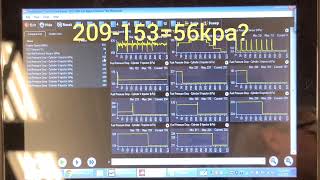
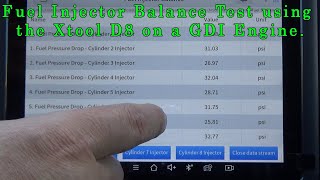
- GDS2 (GM Dealer/Professional Scan Tool): Fuel Injector Balance Test — Used to identify leaking or clogged injectors. The tool commands each injector to pulse and measures the corresponding pressure drop in the fuel rail. An injector with a significantly different pressure drop from the average indicates a fault. The acceptable variance is typically within 20% of the average pressure drop.
- GDS2 (GM Dealer/Professional Scan Tool): Cylinder Power Balance — Used to identify a weak cylinder by individually disabling fuel injectors and measuring the RPM drop for each. If disabling one cylinder causes little to no change in RPM, that cylinder is not contributing power correctly.
- GDS2 (GM Dealer/Professional Scan Tool): Crankshaft Position Variation Learn — This procedure is required after replacing the crankshaft position sensor, ECM, crankshaft balancer, or performing major engine work. It calibrates the PCM to recognize the precise signature of the crankshaft reluctor wheel, ensuring accurate misfire detection. Failure to perform this can cause a false P0300.
- GDS2 (GM Dealer/Professional Scan Tool): AFM/DFM Cylinder Deactivation — A technician can command the AFM system on and off while monitoring misfire counters to see if the misfires only occur when the system is active, strongly pointing to a lifter or VLOM issue.
Wiring & Ground Locations
- G103 / G104 — On the front of each cylinder head. These are the primary grounds for the ignition coil packs on each bank.. A loose or corroded ground at these locations can cause an entire bank of cylinders to misfire, leading to a P0300. This is a common issue and should be checked early in the diagnosis.
- G107 — On the engine block, typically near the driver's side motor mount.. This is a main engine-to-chassis ground. Poor connection here can cause a wide range of electrical issues, including erratic sensor readings that could contribute to a P0300.
- G110 — On the rear of the driver's side cylinder head.. This ground is for the Engine Control Module (ECM) and various sensors. A fault here can directly impact ECM operation and misfire detection.
- Ignition Coil Connector — On top of each ignition coil.. The 4-pin connector contains a 12V+ feed, a chassis ground, an ECM ground, and the trigger signal from the ECM. Checking for 12V power and good ground at the connector is a key step before condemning a coil.
Real Owner Repair Stories
- SilveradoSierra.com forum user (2015 Chevrolet Silverado 5.3L) — P0300 code, shuddering feeling like driving over rumble strips between 40-70 mph.
❌ Tried (didn't work) Replaced spark plugs, Replaced ignition coils, Cleaned throttle body
✅ What actually fixed it The issue was misdiagnosed as an engine misfire. The actual cause was a faulty torque converter. The fix was a transmission fluid flush with Mobil 1 Synthetic LV ATF HP fluid as per TSB 18-NA-355, which resolved the shudder and the false P0300 code. - Reddit user on r/MechanicAdvice (2011 Chevrolet Silverado (similar issue applies to 2014-2018)) — Intermittent P0300, entire driver's side bank of cylinders would stop firing.
❌ Tried (didn't work) Owner was struggling to diagnose the intermittent issue.
✅ What actually fixed it A repair shop found and cleaned two bad engine ground connections. This restored stable voltage to the ignition system and resolved the random misfire. - NHTSA ODI #11342428 — An owner reported that while accelerating at an intersection, the engine light came on and the vehicle's action impeded traffic. A review of the fault codes displayed P0300 and P050D, which the owner noted are commonly related to faulty fuel injectors. The truck had approximately 34,000 miles at the time.
- NHTSA ODI #11218392 — An owner cited reference #PIP5498K regarding codes P050D and P0300, expressing concern that the vehicle may have one of the defective engines mentioned in manufacturer service information.
"I Checked Everything" — The Actual Cause
- A common scenario is a cracked driver's side valve cover, which contains the integrated PCV system. A smoke test may not reveal the leak if the crack only opens or worsens under specific engine vacuum/temperature conditions. The fix is to replace the entire valve cover assembly.
- The brake booster check valve can fail or the booster diaphragm can rupture, creating a large vacuum leak only when the brake pedal is applied. This can cause the engine to stumble or stall at stops, mimicking a misfire, but a standard smoke test with the engine off would not find it.
OEM Part Supersession History
ACDelco 41-123 (Iridium Spark Plug)→ACDelco 41-162— Improved design for better durability and performance in direct injection engines.GM 12668390 (Fuel Injector)→12681212, 12710481— Internal design revisions to improve reliability and prevent leaking.
Heads up: Always verify the correct part number for the specific VIN, as multiple revisions exist.Various AFM Lifter PNs→Updated lifter designs and VLOM (Valve Lifter Oil Manifold) PN 12571609.— To address the high failure rate of the original AFM lifters. Many owners now opt for 'AFM Delete Kits' which use standard, more robust lifters.
Heads up: When performing an AFM delete, a custom ECU tune is required to disable the system electronically.
Model Year Variations Within This Range
- 2015-2018: Introduction of the 8L90 8-speed automatic transmission on some models (vs. the 6-speed 6L80). The 8-speed is known for a torque converter clutch shudder described in TSB 18-NA-355, which is frequently misdiagnosed as a P0300 engine misfire.
- 2014-2015 vs 2016-2018: The mid-cycle refresh in 2016 introduced aesthetic changes but the L83 engine and its core vulnerabilities (AFM lifters, DI carbon buildup) remained largely the same throughout the 2014-2018 range.
Diagnostic Flowchart
Real Owner Stories
Aggregated from forums and TSBs cited above. Mileages and costs reflect what owners reported in those sources.
Chevrolet Silverado 1500 5.3L V8
Symptoms: Experienced a progression from a single cylinder misfire code (P0307) to a random multiple cylinder misfire (P0300), accompanied by a tell-tale ticking sound from the engine.
What fixed it: Addressed the failed AFM lifter. Owners frequently debate between replacing the factory AFM components or installing an aftermarket AFM delete kit to permanently bypass the system.
Source hint: silveradosierra.com
Related OBD-II Codes
Frequently Asked Questions
I have a P0300 code and a ticking noise on my 2015 Silverado 1500 5.3L. What is the most likely cause?
My 2017 Silverado 5.3L idles rough on cold starts and shows codes P0300 and P050D. Are these related?
What spark plugs should I use to fix a misfire on my 2014-2018 Chevrolet Silverado 1500 5.3L?
Can a bad PCV valve cause a P0300 on the L83 engine?
I've ruled out fuel and ignition issues, but I still get a P0300 and P050D on cold starts. Does TSB 20-NA-166 apply to my truck?
If my AFM lifters failed, do I have to replace them with the same parts?
Helpful Videos
Used OEM Parts in Stock

New Aftermarket Parts Available


The information in this article is provided for general reference and educational purposes only. Vehicle specifications, procedures, and part compatibility can vary by production date, trim level, and region. Always consult your vehicle's factory service manual and verify part numbers before purchasing or performing repairs. Safety-critical components such as airbags, seat belts, and braking systems should be installed by a qualified professional.
- Chevrolet Silverado 1500:
- 🎬 Helpful Videos
- 🛍️ Shop This Part
- What's Unique About the 2014-2018 Chevrolet Silverado 1500
- Symptoms You May Notice
- Most Likely Causes
- Rare But Worth Checking
- Diagnosis Steps
- Parts You'll Likely Need
- Related Codes That Often Appear With This One
- Technical Service Bulletins (TSBs) & Recalls
- Platform-Specific Known Issues
- Mechanic-Grade Diagnostic Values
- Scan Tool Commands That Help
- Wiring & Ground Locations
- Real Owner Repair Stories
- "I Checked Everything" — The Actual Cause
- OEM Part Supersession History
- Model Year Variations Within This Range
- Diagnostic Flowchart
- Real Owner Stories
- Chevrolet Silverado 1500 5.3L V8
- Related OBD-II Codes
- Frequently Asked Questions
- 🎟️ Get 5% Off