

P0300 on 2019-2022 Chevrolet Express: Random Misfire Causes and Fixes
P0300 on a 2019-2022 Chevy Express indicates a random engine misfire. The most common causes are worn spark plugs, faulty ignition coils, or a vacuum leak from a failed intake manifold gasket, particularly on 6.0L V8 models. For direct-injected engines (4.3L, 6.6L), issues like carbon buildup or a failing high-pressure fuel pump are also possibilities. Start with a basic ignition system inspection before moving to more complex diagnostics.
- P0300 indicates a random misfire affecting multiple cylinders, pointing to a system-wide problem.
- For V8 models, especially the 6.0L, a failed intake manifold gasket causing a vacuum leak is a very common culprit.
- Always start diagnosis with the basics: inspect spark plugs and ignition coils for wear or damage.
- A flashing check engine light is a critical warning. Stop driving immediately to prevent expensive damage to the catalytic converters.
- The specific engine in your Express van (4.3L, 6.0L, or 6.6L) can influence the most likely cause of the misfire.
What's Unique About the 2019-2022 Chevrolet EXPRESS

The 2019-2022 Express was offered with several distinct engines, including the 4.3L V6 (LV3), 6.0L V8 (L96), and the newer 6.6L V8 (L8T). The diagnostic approach for a P0300 can vary by engine. The port-injected 6.0L Vortec V8 (used through 2020) is well-known for intake manifold gasket failures causing vacuum leaks. The direct-injected 4.3L V6 and 6.6L V8 (from 2021) are more susceptible to carbon buildup on intake valves, which can restrict airflow and cause misfires. Additionally, while lifter failures are a known concern on modern GM V8 engines, it's critical to note the 6.6L L8T in the Express does *not* have the Active Fuel Management (AFM) system, so AFM-related lifter collapse is not a cause for this specific engine, a common misdiagnosis trap. 🎬 See this 6.6L L8T engine misfire diagnosis and common fixes. For the direct-injected engines, a failing high-pressure fuel pump can also be a cause, presenting with lean codes (P0171/P0174) alongside the P0300.
Diagnostic Flowchart
Tap your situation to follow the diagnostic path that matches what you're seeing on this vehicle.
Symptoms You May Notice

- Flashing or solid Check Engine Light
- Rough or shaking idle
- Engine hesitation or stumbling during acceleration
- Noticeable loss of engine power, especially under load
- Reduced fuel economy
- A smell of raw fuel from the exhaust
- Engine ticking or chirping noise (can indicate mechanical issues like lifters)
- Replacing oxygen (O2) sensors. O2 sensors detect the results of a misfire (a lean or rich condition) and will often set codes as a result, but they are rarely the root cause of the P0300 code itself.
- Assuming Active Fuel Management (AFM) lifter failure on the 6.6L L8T V8. This engine, used from 2021-2022 in the Express, does not have AFM, so this common GM V8 issue does not apply here.
Most Likely Causes

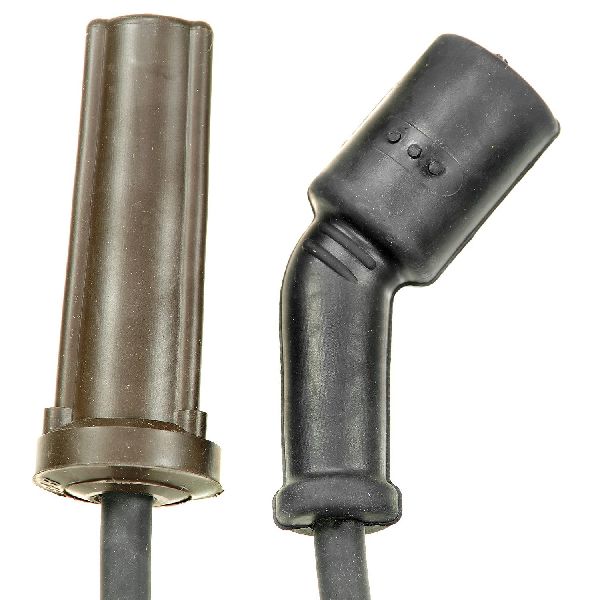
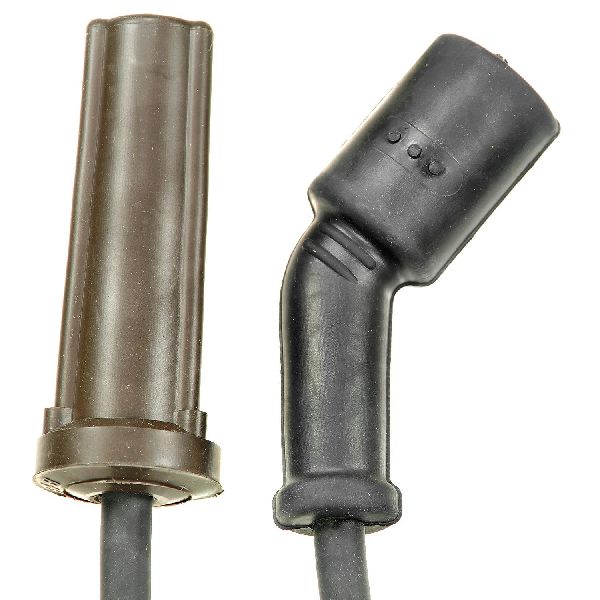
- Worn Spark Plugs or Faulty Ignition Coils/Wires 🔴 High Probability These are standard maintenance items that wear out over time. High engine temperatures in the van's engine bay can accelerate the degradation of wires and coil boots. Fouled plugs from oil or fuel issues are also common.
How to confirm: Inspect spark plugs for wear (worn electrode), fouling (black, wet, or white deposits), or incorrect gap. Test ignition coils by swapping a suspected bad coil with a known good one to see if the misfire character changes. Inspect wires (if equipped) for cracks or damage.
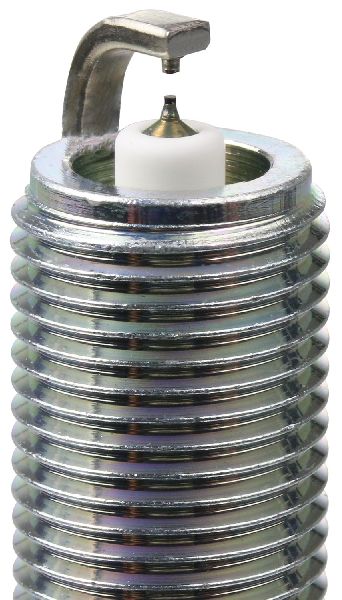
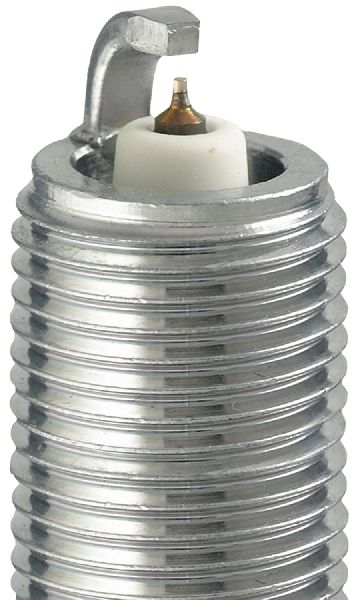
Typical fix: Replace all spark plugs and any faulty ignition coils or wires. It is recommended to replace plugs as a set. ACDelco Iridium plugs are pre-gapped and should not be adjusted.
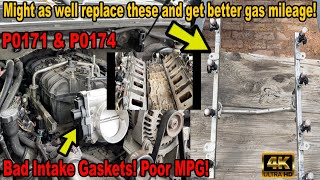
Est. part cost: $50-$250 - Vacuum Leak (especially Intake Manifold Gasket) 🔴 High Probability The 6.0L Vortec V8 engine, common in this van through 2020, is notorious for its plastic-framed intake manifold gaskets failing from heat cycles, causing unmetered air to enter the engine and triggering lean codes (P0171/P0174) with P0300.
How to confirm: Perform a smoke test on the intake system to see if smoke escapes from the gasket area. Alternatively, carefully spray brake cleaner or starting fluid around the intake manifold sealing surfaces while the engine is idling; a change in engine RPM indicates a leak.
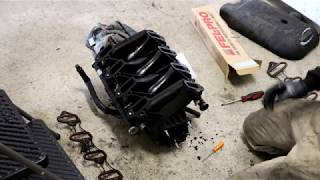
Typical fix: Replace the intake manifold gaskets. Many technicians and DIYers opt for upgraded gaskets with a metal frame, like the Fel-Pro MS 98016 T, 🎬 Watch: Detailed intake manifold gasket replacement walkthrough for Express vans. for improved durability and sealing on imperfect surfaces.
Est. part cost: $80-$200 - Dirty or Failing Fuel Injectors 🟡 Medium Probability Fuel deposits can build up over time, disrupting the injector's spray pattern and leading to a lean condition and misfires. This can be an issue on both port and direct-injection engines. GM has also issued bulletins regarding incorrect injector part numbers causing issues.
How to confirm: Use a professional scan tool to perform a fuel injector balance test (AFIT is the preferred GM tool). You can also check fuel trim data; high positive fuel trims can indicate the PCM is compensating for a lack of fuel.
Typical fix: Professional fuel system cleaning may resolve minor issues. If an injector is faulty, it will need to be replaced. Ensure the correct part number injector is used for the specific engine.
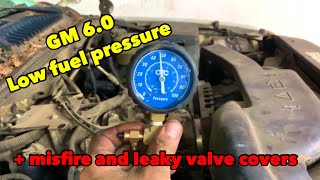
Est. part cost: $70-$150 per injector - Low Fuel Pressure 🟡 Medium Probability A weak fuel pump, failing fuel pump control module (FPCM), or clogged fuel filter can starve the engine of fuel, causing random misfires, especially under load. For direct-injected 6.6L V8s, the engine-mounted high-pressure fuel pump can be a culprit.
How to confirm: Connect a fuel pressure gauge to the fuel rail's service port and verify the pressure is within the manufacturer's specifications (around 58 psi for LS-based engines) at idle and under load. For DI engines, a scan tool is needed to monitor high-side pressure.
Typical fix: Replace the failing fuel pump, FPCM, or clogged fuel filter. For the 6.6L, this may involve replacing the high-pressure fuel pump.
Est. part cost: $300-$600 for a fuel pump assembly
Rare But Worth Checking
- Intake Valve Carbon Buildup: This is specific to the direct-injection 4.3L V6 and 6.6L V8 engines. Without fuel washing over the intake valves, carbon can accumulate, restricting airflow and causing misfires. This often requires professional 'walnut blasting' to clean. TSB 16-NA-383 discusses this issue.
- Mechanical Engine Failure (Lifters, Camshaft): A collapsed lifter or worn camshaft lobe can cause a persistent misfire. This is a known issue on some modern GM V8s and is often accompanied by a distinct ticking or chirping noise at half of crankshaft speed. This is a major, labor-intensive repair. TSB 19-NA-219 addresses this possibility.
- Faulty Crankshaft Position Sensor (CKP): An erratic signal from the CKP sensor can disrupt ignition timing and cause random misfires, sometimes without a specific CKP sensor code. Replacement requires a 'crankshaft variation relearn' procedure with a capable scan tool to sync the new sensor with the PCM. 🎬 Watch: How to perform a modern GM crankshaft relearn procedure.
Diagnosis Steps
- Read all stored fault codes with an OBD-II scanner. Note any other codes present, especially lean codes (P0171/P0174) or specific cylinder misfires (P030x).
- Analyze freeze frame data to understand the engine conditions (speed, load, temperature) when the misfire was first detected.
- Use a scan tool with Mode $06 capabilities to view misfire counts for each cylinder. This can help identify problem cylinders even without a specific P030x code, guiding your diagnosis.
- Visually inspect the ignition system. Check for worn or fouled spark plugs, and damaged ignition coils or wires.
- Test for vacuum leaks using a smoke machine, paying close attention to the intake manifold gaskets (especially on the 6.0L V8), PCV hoses, and brake booster line.
- Check fuel pressure using a fuel pressure gauge to ensure the fuel pump and filter are functioning correctly. For DI engines, monitor high-pressure rail data with a scan tool.
- For direct-injection engines (4.3L, 6.6L), consider the possibility of carbon buildup on intake valves if other causes are ruled out.
- If a ticking noise is present, investigate the valvetrain for a possible worn camshaft or collapsed lifter, following diagnostics outlined in TSB 19-NA-219.
- As a final step for persistent issues, perform an engine compression test and cylinder leak-down test to check for mechanical problems like bad valves or piston rings.
Parts You'll Likely Need
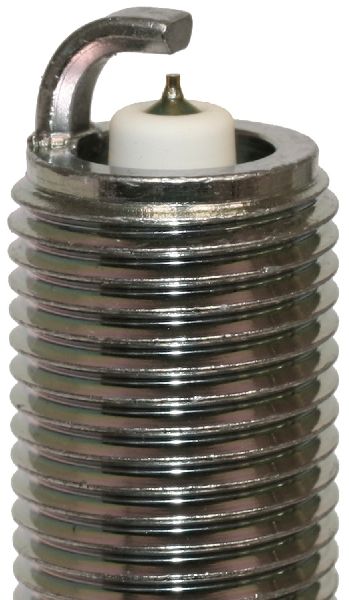
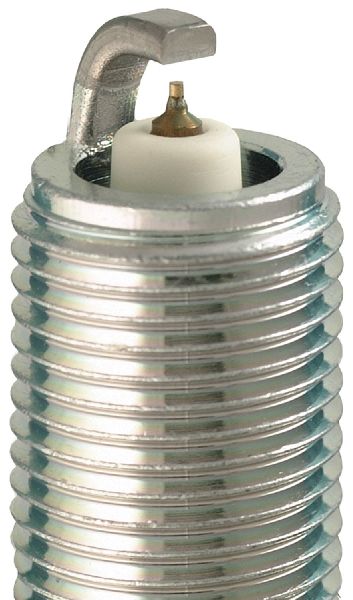
- Spark Plugs
(OEM #12683541)— These are a primary wear item and the most common starting point for fixing any misfire code. The specified part is an ACDelco Iridium plug.
Trusted brands: ACDelco, NGK
OEM price range: $10-$20 per plug
Aftermarket price range: $5-$15 per plug - Intake Manifold Gasket Set
(OEM #89060413)— A very common failure on the 6.0L V8 engine, leading to vacuum leaks that cause random misfires. The upgraded Fel-Pro MS 98016 T with a metal carrier is a popular, more durable replacement.
Trusted brands: Fel-Pro (MS 98016 T), ACDelco
OEM price range: $80-$150
Aftermarket price range: $60-$100
Related Codes That Often Appear With This One
- P0301-P0308 — If the random misfire becomes consistent on one or more specific cylinders, the PCM will store a cylinder-specific code alongside P0300.
- P0171, P0174 — These 'System Too Lean' codes for Bank 1 and Bank 2 often accompany a P0300 caused by a vacuum leak or a fuel delivery problem.
- P0420, P0430 — These 'Catalyst Efficiency' codes can appear after a long period of misfiring, indicating that the unburnt fuel has damaged the catalytic converters.
- P1336 — This code indicates that the Crankshaft Position Variation relearn procedure has not been performed or was unsuccessful after a sensor or computer replacement.
Technical Service Bulletins (TSBs) & Recalls
- Provides a diagnostic template and preliminary information for technicians to gather when diagnosing misfire codes P0300-P0308. It emphasizes having scan tool data and specific test results ready before contacting GM technical assistance.
- Addresses potential mechanical causes for P0300-P0308 codes, such as a worn camshaft lobe, sticking valve, or collapsed lifter, especially when a ticking or chirping noise at half crankshaft speed is present.
- Discusses carbon buildup on intake valves in direct injection engines, which can cause misfires. It provides instructions for decarbonizing the engine.
- Warns technicians that installing an incorrect part number fuel injector can lead to various performance issues, including misfire codes.
Platform-Specific Known Issues
- 6.0L V8 Intake Manifold Gasket Failure: Owners of Express/Savana vans with the 6.0L V8 frequently report P0300 accompanied by P0171 and P0174. The cause is almost universally a vacuum leak from the OEM plastic-carrier intake manifold gaskets. The standard, highly recommended repair is to replace them with the upgraded metal-carrier Fel-Pro MS 98016 T gasket set.
- 6.6L V8 High-Pressure Fuel Pump Failure: In a documented case on a 2021 van with the 6.6L L8T engine, the vehicle presented with P0300 and lean codes (P0171/P0174). A standard smoke test revealed no vacuum leaks. The actual cause was a failing high-pressure fuel pump that could not provide adequate fuel pressure under load, leading to the lean misfires. This highlights that for direct injection engines, fuel delivery issues can mimic vacuum leaks.
- Crankshaft Position Sensor Relearn Necessity: Multiple owner forums describe chasing a P0300 code that was ultimately resolved by performing a crankshaft position sensor (CKP) relearn procedure, sometimes even when the sensor itself was not replaced. An erratic signal or lost calibration can cause random misfires that the PCM cannot attribute to a specific cylinder. This procedure requires a capable scan tool.
Mechanic-Grade Diagnostic Values
- Fuel Pressure (6.0L L96 Engine) — expected: 58 - 62 PSI, constant pressure at idle.. Failure: Pressure below 58 PSI or dropping significantly under load indicates a weak fuel pump or clogged filter.
- High-Pressure Fuel Rail (6.6L L8T Engine) — expected: Up to 2,175 PSI (15,000 kPa).. Failure: Pressure that fails to meet the ECM's commanded value (monitored via scan tool) points to a failing high-pressure fuel pump (HPFP) or a leak in the high-pressure system.
- Low-Pressure Fuel Supply (6.6L L8T Engine) — expected: Approximately 72 PSI (500 kPa) from the in-tank pump feeding the high-pressure pump.. Failure: Low pressure on the low side will starve the high-pressure pump, preventing it from reaching its target pressure and causing misfires under load.
- Ignition Coil Primary Resistance — expected: 0.5 - 2.0 Ohms.. Failure: A reading of OL (over-limit/infinite) or significantly outside the specified range indicates a failed coil winding.
- Ignition Coil Secondary Resistance — expected: 5,000 - 10,000 Ohms (5k - 10k Ω).. Failure: A reading far outside this range suggests the coil's secondary winding is compromised and cannot produce a strong spark.
Hidden / Shadow Codes Worth Checking
- Mode $06 Misfire Counters: This is not a formal trouble code, but a diagnostic mode accessible with most advanced scan tools. It shows the raw misfire count for each individual cylinder, even if the count is not high enough to trigger a specific P0301-P0308 code. This is invaluable for identifying which cylinders are contributing to the random P0300 misfire. (see via A scan tool with Mode $06 capability is required. The data is typically found under 'On-Board Monitoring' or a similar menu.)
Scan Tool Commands That Help
- GDS2 / High-End Bidirectional Scanner: Fuel Injector Balance Test — Use this test when you suspect a fuel delivery issue but fuel pressure is normal. The tool commands each injector to fire for a set duration while you monitor the pressure drop on a mechanical gauge. An injector with a smaller pressure drop than the others is restricted or clogged.
- GDS2 / High-End Bidirectional Scanner: Crankshaft Position (CKP) Variation Relearn — This procedure is mandatory after replacing the crankshaft position sensor, camshaft position sensor, or the ECM itself. Failure to perform the relearn can cause the PCM to incorrectly detect misfires and set a P0300 or P1336 code.
Wiring & Ground Locations
- Main Engine Harness — Routed over the driver's side upper A-arm in the engine bay.. There are multiple owner reports of this harness rubbing through on the A-arm, causing intermittent shorting of critical sensor or actuator wires. This can lead to a persistent, hard-to-diagnose P0300 that appears to have no cause, as all components test good individually.
Real Owner Repair Stories
- Chevrolet Forum user 'KeepNScore' (2004 Chevrolet Express 3500 6.0L (similar L96 architecture)) — Persistent P0300 code, misfiring on cylinders 2, 4, 6, and 8 after 40-75 miles of driving. Replaced catalytic converter, muffler, plugs, and wires with no success.
❌ Tried (didn't work) Catalytic converter replacement, Muffler replacement, Spark plug replacement, Spark plug wire replacement, Compression check (passed)
✅ What actually fixed it A professional shop found a combination of three separate issues: 1) A leaking intake manifold gasket above cylinder #6. 2) Heavily clogged fuel injectors needing a professional cleaning. 3) The passenger side O2 sensors were not communicating with the computer, requiring a wiring repair.
"I Checked Everything" — The Actual Cause
- A common scenario for a hard-to-find P0300 is when a smoke test reveals no vacuum leaks, but the cause is electrical. A prime example for the Express van is the main engine wiring harness chafing on the driver's side upper A-arm. This creates an intermittent short that causes misfires but would not be found with a smoke test.
OEM Part Supersession History
55490097→12683541— Standard part evolution and consolidation by the manufacturer.
Heads up: The part is a direct replacement for many GM applications, but always verify fitment for the specific engine.GM OEM Intake Gasket (e.g., 89060413)→Fel-Pro MS 98016 T (Aftermarket Upgrade)— The OEM gasket uses a plastic carrier that can crack and degrade from heat cycles and fuel exposure. The Fel-Pro aftermarket part uses a more durable aluminized steel carrier and a superior rubber compound to prevent these common failures.
Heads up: This is a popular and well-regarded upgrade, not a direct OEM supersession. It is designed to be a more robust solution for the repair environment.
Model Year Variations Within This Range
- 2019-2020: The primary V8 engine option was the 6.0L L96, a port-injected engine. Diagnostics for P0300 on these models should heavily prioritize vacuum leaks from the intake manifold gasket and standard fuel pressure checks at the rail (spec: 58-62 PSI).
- 2021-2022: The 6.0L V8 was replaced by the new 6.6L L8T V8. This is a direct-injection engine, so P0300 diagnosis must also consider carbon buildup on intake valves and issues with the high-pressure fuel system (pump and injectors). This engine does NOT have Active Fuel Management (AFM).
Helpful Videos

Used OEM Parts in Stock


New Aftermarket Parts Available

The information in this article is provided for general reference and educational purposes only. Vehicle specifications, procedures, and part compatibility can vary by production date, trim level, and region. Always consult your vehicle's factory service manual and verify part numbers before purchasing or performing repairs. Safety-critical components such as airbags, seat belts, and braking systems should be installed by a qualified professional.
- Chevrolet EXPRESS:
- 🎬 Helpful Videos
- 🛍️ Shop This Part
- What's Unique About the 2019-2022 Chevrolet EXPRESS
- Diagnostic Flowchart
- Symptoms You May Notice
- Most Likely Causes
- Rare But Worth Checking
- Diagnosis Steps
- Parts You'll Likely Need
- Related Codes That Often Appear With This One
- Technical Service Bulletins (TSBs) & Recalls
- Platform-Specific Known Issues
- Mechanic-Grade Diagnostic Values
- Hidden / Shadow Codes Worth Checking
- Scan Tool Commands That Help
- Wiring & Ground Locations
- Real Owner Repair Stories
- "I Checked Everything" — The Actual Cause
- OEM Part Supersession History
- Model Year Variations Within This Range
- 🎟️ Get 5% Off