

P0300 on 2021-2024 Chevrolet Equinox: Random Misfire Causes & Fixes
On 2021-2024 Equinox models with the 1.5L Turbo engine, a P0300 code is frequently caused by moisture building up and freezing in the charge air cooler (CAC), an issue acknowledged by GM in service bulletins. Other common causes include worn spark plugs and faulty ignition coils.
- For the 2021-2024 Equinox, P0300 is very frequently linked to a design issue with the Charge Air Cooler (CAC) on the 1.5L Turbo engine.
- Always check for associated codes P0299 (Underboost) and P2227 (Barometric Sensor), as they strongly point to the CAC issue.
- Diagnosis should prioritize inspecting the CAC for moisture or ice, especially in cold or humid climates, before replacing common parts like spark plugs or coils.
- Driving with a flashing check engine light can cause expensive damage to the catalytic converter; address the misfire promptly.
- Referencing GM Technical Service Bulletins like #18-NA-020 is critical for an accurate diagnosis and repair.
What's Unique About the 2021-2024 Chevrolet EQUINOX

The 2021-2024 Equinox primarily uses a 1.5L turbocharged engine that is known to have a specific weakness leading to code P0300, particularly in certain weather conditions. Moisture from the PCV system and ambient humidity can accumulate inside the charge air cooler (CAC). In cold weather (especially below 20°F/-7°C), this moisture can freeze, restricting airflow and causing a misfire. Similarly, during long drives in heavy rain or high humidity, moisture can collect and then be suddenly ingested by the engine during a heavy acceleration event, also causing a misfire. This issue is well-documented by GM in multiple revisions of Technical Service Bulletin 18-NA-020 and the newer 22-NA-065, which often see P0300 paired with codes P0299 (Turbo Underboost) and P2227 (Barometric Pressure Sensor Performance).
Diagnostic Flowchart

Tap your situation to follow the diagnostic path that matches what you're seeing on this vehicle.
Symptoms You May Notice

- Flashing or solid Check Engine Light
- Rough or shaky engine idle
- Engine hesitation or stumbling during acceleration
- Reduced engine power or 'Reduced Power' message on dash
- Noticeable decrease in fuel economy
- Potential engine stalling
- Difficulty starting the engine
- Raw fuel smell from the exhaust
- Replacing only spark plugs without inspecting the charge air cooler. Given the known TSBs, the CAC should be a primary suspect, especially if the misfires occur in cold or wet weather.
- Replacing ignition coils or injectors when the root cause is a vacuum leak or fuel pressure issue affecting all cylinders.
- Assuming a bad catalytic converter is the cause, when it is actually the victim of prolonged misfiring dumping unburned fuel into the exhaust.
Most Likely Causes

- Moisture in Charge Air Cooler (CAC) 🔴 High Probability The design of the air-to-air charge air cooler system on the 1.5L turbo engine makes it susceptible to moisture buildup from the PCV system and high humidity. This moisture can freeze in cold weather or be ingested in a slug during acceleration in wet conditions, causing misfires. This is a known issue documented in GM Technical Service Bulletins #18-NA-020 and #22-NA-065.
How to confirm: Inspect the inside of the charge air cooler and its connecting ducts for signs of moisture, an oily/watery sludge, or ice in cold temperatures. A smoke test is the first step recommended by GM to check for leaks in the entire charge air system from the turbo to the throttle body. Freeze frame data may show the misfire occurred in cold ambient temperatures or during high load after a long drive.
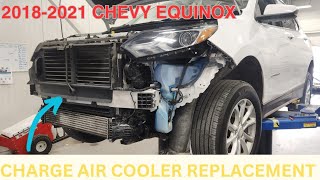
Typical fix: Per TSBs, the fix depends on conditions. If the CAC is contaminated or frozen, it must be removed, thawed, cleaned, and reinstalled. For vehicles built before January 5, 2019, the original CAC is replaced with an updated part. In cold climates 🎬 Watch: Step-by-step guide to replacing the charge air cooler. or for those who drive in high humidity, a specific grille cover may be installed to block cold air and prevent freezing or moisture buildup. In some cases, an ECM calibration update is also required.
Est. part cost: $250-$500 - Worn or Fouled Spark Plugs 🔴 High Probability Spark plugs are a standard maintenance item. As they wear, the gap can widen, or they can become fouled with carbon or oil, leading to a weak spark and incomplete combustion. This is a common cause for P0300 on any gasoline engine.
How to confirm: Remove and visually inspect all four spark plugs. Look for worn electrodes, cracks in the porcelain, oil/fuel fouling, or heavy carbon deposits. Compare the electrode gap to the manufacturer's specification.
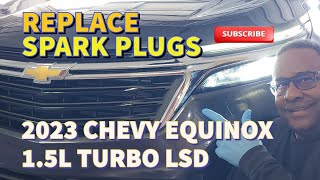
Typical fix: Replace all four spark plugs as a set. It is recommended to use OEM-spec plugs, such as ACDelco Iridium plugs (e.g., part 🎬 See how to replace spark plugs and coils on this engine. number 41-163 for the 1.5L engine).
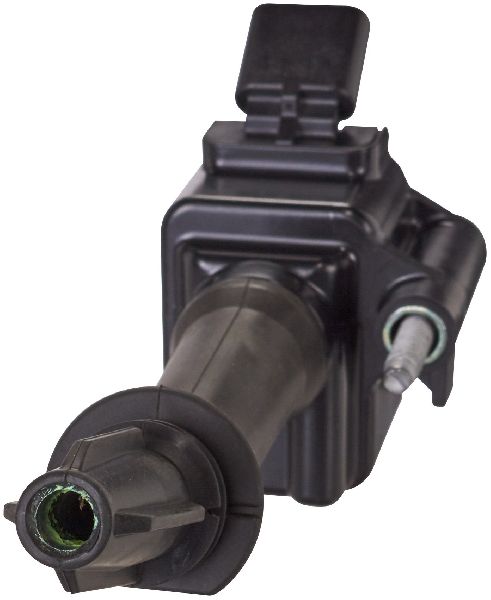
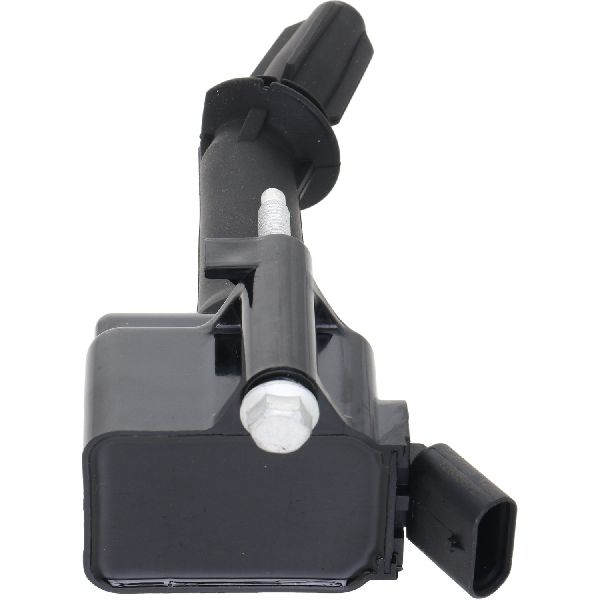
Est. part cost: $40-$80 - Faulty Ignition Coils 🟡 Medium Probability Ignition coils are a common failure point on modern engines, responsible for delivering high voltage to the spark plugs. Heat and vibration can cause them to fail over time, leading to misfires.
How to confirm: With the engine misfiring, use a scan tool with live data to view misfire counters for each cylinder. If a specific cylinder is misfiring more than others (e.g., P0302), swap that cylinder's ignition coil with a known good cylinder (e.g., cylinder 1). Clear the codes and run the engine. If the misfire code follows the coil (now showing P0301), the coil is bad.
Typical fix: Replace the faulty ignition coil. Many owners choose to replace all coils at the same time as a preventative measure, especially on higher mileage vehicles.
Est. part cost: $50-$100 per coil - PCV System Issues 🟡 Medium Probability The PCV (Positive Crankcase Ventilation) system is explicitly cited by GM as a source of the moisture that accumulates in the charge air cooler. A malfunctioning or clogged PCV orifice/valve or a cracked hose can contribute directly to the CAC moisture problem and cause other engine performance issues. TSB 20-NA-047 addresses a plugged PCV orifice causing high crankcase pressure, which can also lead to misfires.
How to confirm: Inspect the PCV valve and associated hoses for cracks, blockages, or signs of oil/moisture contamination. On these GM engines, the fixed orifice PCV is located in the camshaft cover and can become clogged with carbon, requiring cleaning or replacement. A manometer can be used to check for excessive positive crankcase pressure, which points to a clogged PCV system.
Typical fix: Replace the PCV orifice (Part No. 12641875) and any damaged hoses. Clean any clogged PCV passages in the camshaft cover.
Est. part cost: $20-$50
Rare But Worth Checking
- Clogged or Leaking Fuel Injectors: Direct injection engines like the 1.5L Turbo can be prone to carbon buildup on injectors, which can disrupt the fuel spray pattern. A leaking injector can also cause a rich condition and misfires, sometimes evidenced by the smell of fuel in the engine oil.
- Vacuum Leak: A leak in a vacuum hose, intake manifold gasket, or the brake booster can introduce unmetered air into the engine, throwing off the air-fuel ratio and causing random misfires. A smoke test is the most effective way to find such leaks.
- Low Fuel Pressure: A weak high-pressure fuel pump, in-tank fuel pump, or clogged fuel filter can starve the engine of fuel, leading to lean misfires, especially under load.
- Low Engine Compression: Internal engine issues such as worn piston rings, leaking valves, or a damaged head gasket can cause low compression in one or more cylinders, leading to persistent misfires. A compression test and a cylinder leak-down test can diagnose this. Some GM 1.5L engines have been noted for cracked pistons, which would cause low compression and misfires.
Diagnosis Steps
- Use an OBD-II scanner to confirm the P0300 code and check for any other stored codes, especially P0299, P2227, and P0234.
- Review freeze-frame data to understand the engine conditions (ambient temperature, load, RPM) when the misfire occurred. Note if it happened in very cold, wet, or high-humidity conditions.
- Perform a thorough visual inspection of the engine bay. Look for obvious issues like cracked vacuum lines, loose electrical connectors, or oil leaks around the valve cover that could foul ignition coils.
- Based on GM TSBs #18-NA-020 and #22-NA-065, the primary suspect is the Charge Air Cooler (CAC). Perform a smoke test on the entire intake system from the turbo to the throttle body to check for leaks.
- If no leaks are found, inspect the inside of the CAC and its ducts for moisture, an oily sludge, or ice (if in a cold climate). If contamination is found, the CAC must be removed, cleaned, and reinstalled.
- Remove and inspect all spark plugs for wear, damage, or fouling. Replace as a set if they are worn, past their service interval, or their condition is questionable. The recommended OEM plug is ACDelco 41-163.
- Test the ignition coils. Use a scan tool to monitor live misfire data per cylinder. Swap the coil from a misfiring cylinder with a non-misfiring cylinder to see if the misfire follows the coil.
- Inspect the PCV system, including the valve/orifice and hoses, for any clogs or damage, as this is a known source of CAC moisture.
- If the above steps do not reveal the cause, proceed to more advanced diagnostics like checking fuel pressure (both low and high pressure systems), testing fuel injectors for flow and leaks, and performing an engine compression test.
Parts You'll Likely Need
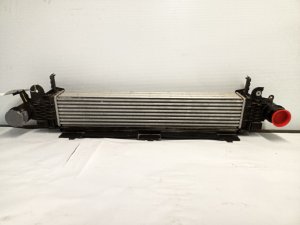
- Charge Air Cooler
(OEM #85163204)— A primary cause of P0300 on this platform due to moisture accumulation, as identified in GM TSB #18-NA-020 and #22-NA-065. This part number is the updated cooler assembly. It supersedes previous part numbers 85163203, 23270571, and others.
Trusted brands: ACDelco, GM Genuine
OEM price range: $350-$500
Aftermarket price range: $250-$400 - Spark Plugs
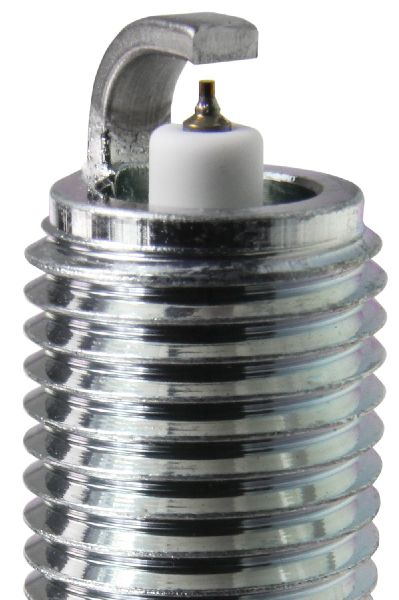
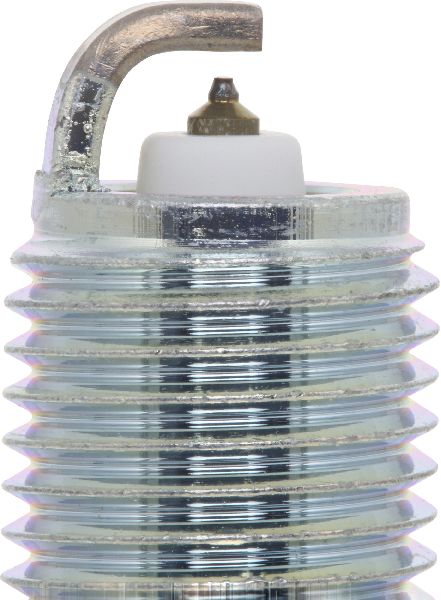
(OEM #ACDelco 41-163)— Standard wear item and a frequent cause of misfires on any gasoline engine. Using the correct OEM-spec Iridium plug is recommended for direct-injection turbo engines.
Trusted brands: ACDelco, NGK
OEM price range: $60-$90 (set of 4)
Aftermarket price range: $40-$70 (set of 4) - Ignition Coil
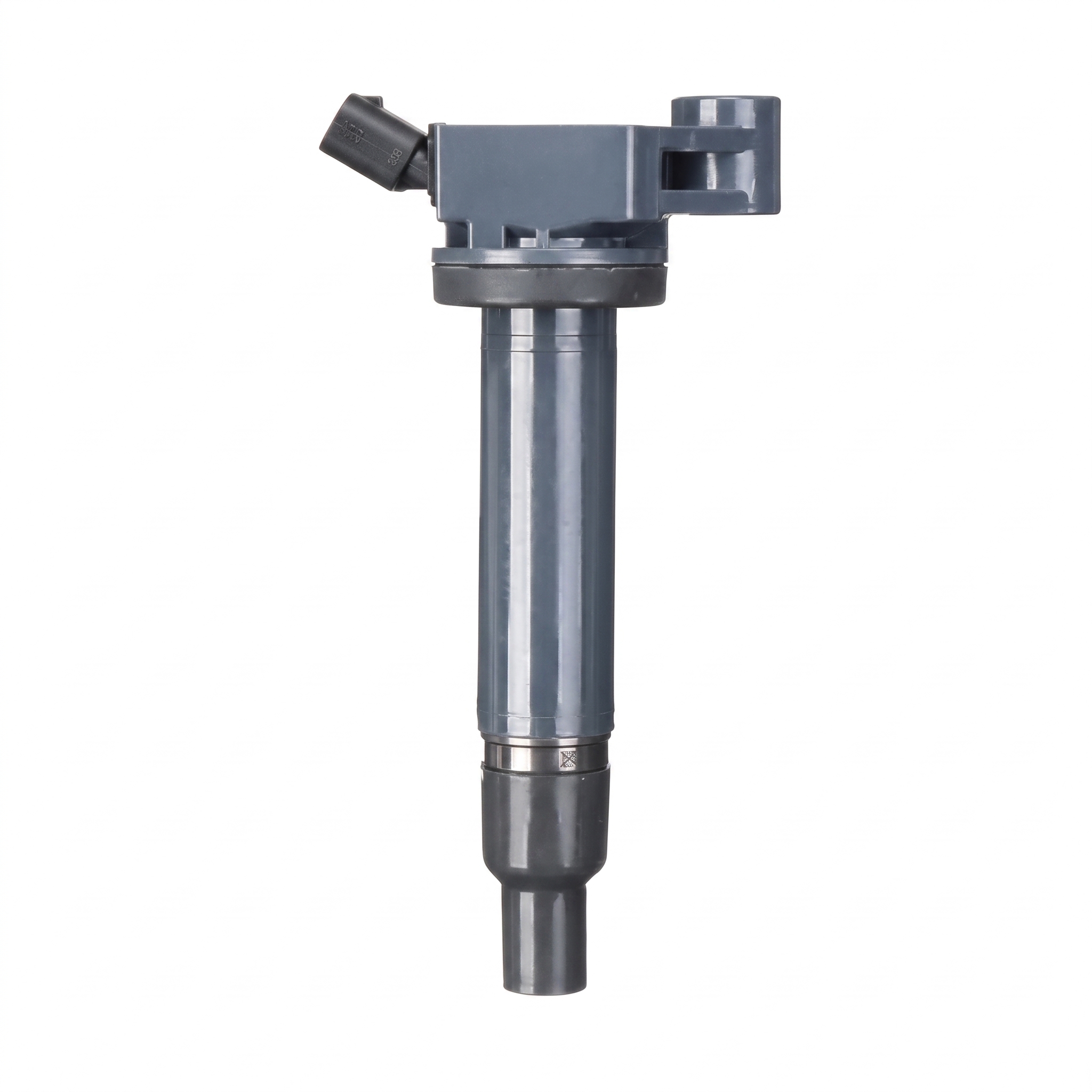
(OEM #ACDelco D521C (12674754))— A common electrical failure point that directly causes misfires. When one fails, others may be near the end of their service life.
Trusted brands: ACDelco, Delphi, Bosch
OEM price range: $80-$120 (per coil)
Aftermarket price range: $50-$90 (per coil) - Grille Cover
(OEM #84624274 (2018-21), 85551501 (2022+))— A specific part called out in GM TSBs to prevent the CAC from freezing in cold climates or ingesting excessive water in rainy conditions. Part number varies by model year and trim.
Trusted brands: GM Genuine
OEM price range: $50-$100
Aftermarket price range: N/A
Related Codes That Often Appear With This One
- P0299 — Turbo/Supercharger Underboost. This code often appears with P0300 when a frozen or restricted charge air cooler prevents the turbo from building proper boost pressure.
- P2227 — Barometric Pressure Sensor Range/Performance. This sensor's readings can be affected by the restricted airflow from a clogged or frozen charge air cooler, triggering this code alongside P0300.
- P0171 — System Too Lean. This can be caused by unmetered air from a vacuum leak or a failing upstream O2 sensor, leading to misfires.
- P0234 — Turbocharger Overboost Condition. This can also be related to the CAC issue, sometimes caused by a frozen Turbocharger Wastegate Regulator Solenoid Valve (TCV).
- P050D — Cold Start Rough Idle. This code often accompanies P0300 and points towards issues that are most apparent before the engine reaches operating temperature, such as the CAC moisture issue or fuel delivery problems.
Technical Service Bulletins (TSBs) & Recalls
- Primary TSB for P0300/P0299/P2227 caused by moisture/icing in the Charge Air Cooler. Provides detailed diagnostic charts and repair procedures including cleaning, replacement, and grille cover installation.
- Addresses P0300 specifically when occurring after driving in heavy rain or high humidity, recommending the installation of a grille cover.
- Preliminary information bulletin for dealers to collect data on persistent misfire codes for factory analysis.
- Similar CAC icing TSB for the Chevrolet Malibu with the 1.5L LFV engine, showing the problem is common to the engine platform.
Platform-Specific Known Issues
- TSB #18-NA-020 (Multiple Revisions): This is the primary document addressing P0300, P0299, and P2227. It details diagnosing and fixing moisture buildup in the CAC. The procedure involves a smoke test, cleaning or replacing the CAC, and potentially installing a grille cover or shutter system depending on the vehicle's build date and climate. It has been revised many times since 2018 to add model years and refine the repair process.
- TSB #22-NA-065: This bulletin specifically addresses P0300 caused by driving in high humidity or heavy rain. It explains that long drives in these conditions can cause moisture to collect, which is then drawn into the engine on heavy acceleration. The fix is to install a lower grille cover and advise the customer on its use (e.g., remove when towing or in temps above 85°F/30°C).
- Owner Experience on forums like ChevyEquinoxForum.com shows owners struggling with P0300, often replacing plugs and coils before learning about the CAC issue from a dealer or other owners. These threads corroborate the symptoms of rough idle and hesitation, especially in cold or wet weather.
- TSB #PIP5628G: This is a preliminary bulletin requesting technicians to gather specific diagnostic information and contact GM's Technical Assistance Center (TAC) when dealing with persistent misfire codes (P0300-P0308), indicating that some cases may require deeper factory-level analysis.
Mechanic-Grade Diagnostic Values
- Low-Side Fuel System Pressure (1.5L LYX) — expected: 345 - 650 kPa (50 - 94 PSI) while running. Failure: Pressure below this range could indicate a weak in-tank fuel pump or clogged filter.
- Crankcase Pressure (1.5L LYX) — expected: -1 to -5 inches of water at hot idle. Failure: Pressure at or above 0 inches of water (positive pressure) indicates a clogged PCV system, which can cause oil leaks and contribute to misfires.
- Ignition Coil Primary Winding Resistance — expected: Typically 0.4 – 2 ohms. Failure: A reading outside this range suggests a faulty coil.
- Ignition Coil Secondary Winding Resistance — expected: Typically 6,000 – 10,000 ohms (6k-10k Ω). Failure: A reading outside this range suggests a faulty coil.
Scan Tool Commands That Help
- GDS2 (GM Dealer Tool): Misfire History / Misfire Graphic — To view historical and live misfire counts for each cylinder to determine if the misfire is truly random or predominantly on one cylinder, which helps isolate the cause.
- GDS2 (GM Dealer Tool): Fuel Injector Balance Test — To identify a clogged or failing fuel injector that may be causing a lean or rich misfire on a specific cylinder. TSB PIP5628G recommends this as a key diagnostic step.
- GDS2 (GM Dealer Tool): Crankshaft Position Variation Learn — After certain repairs, like replacing a crankshaft position sensor or major engine work, this procedure must be performed to allow the ECM to learn the minor variations in the crankshaft reluctor wheel for accurate misfire detection.
- GDS2 (GM Dealer Tool): Cylinder Power Balance — To identify which cylinder(s) are contributing less power by sequentially disabling fuel injectors and monitoring the RPM drop for each.
Wiring & Ground Locations
- Engine Block Grounds — There are typically multiple ground wires bolted directly to the engine block and cylinder head. One common location is on the front left side of the engine near the starter.. A poor engine ground can cause erratic behavior in sensors and actuators, including the ignition coils and fuel injectors, leading to random misfires.
- Instrument Panel Fuse Block — Located on the passenger side, behind the lower glove compartment.. While less likely to be a direct cause, fuses related to the ECM or ignition system are housed here and should be checked for integrity.
- Engine Compartment Fuse Block — Located in the engine bay, contains primary fuses and relays for engine components.. This is the primary location for fuses and relays critical to the ignition system, fuel pump, and ECM. A loose or corroded connection here can cause intermittent power loss and misfires.
Real Owner Repair Stories
- Chevrolet Forum user 'apache snow' (2021 Equinox Premier 1.5T with 15,000 miles) — Rough running, engine fluctuation until warm. Check engine light on.
❌ Tried (didn't work) Dealer initially could not duplicate the problem and just erased the codes.
✅ What actually fixed it The dealer replaced the upstream O2 sensor. The codes present were P0300, P0171 (System Too Lean), and P0133 (O2 Sensor Circuit Slow Response). - Chevy Equinox Forum user 'jamesf' (2011 Equinox 2.4L (Note: older model, but illustrates a relevant cause)) — Persistent P0300 code, especially at high RPMs (>5000). Stabilitrak light also comes on.
❌ Tried (didn't work) Replaced spark plugs (ACDelco), coil packs, MAF sensor, cleaned throttle body, used Sea Foam.
✅ What actually fixed it The PCV orifice in the intake manifold was completely caked over with carbon. Cleaning the orifice and replacing the VVT solenoids resolved the issue.
OEM Part Supersession History
Varies (Original Charge Air Cooler)→85163204 (Updated Charge Air Cooler Assembly)— The original design was prone to moisture accumulation. The updated part has design changes to mitigate this.N/A→84624274 (Grille Cover for 2018-2021 Equinox), 85551501 (Grille Cover for 2022 Equinox, except RS), 85551504 (Grille Cover for 2022 Equinox RS)— To be installed on vehicles experiencing the CAC moisture issue in high humidity or cold weather, as per TSB 22-NA-065. It helps regulate air temperature entering the CAC.
Heads up: Different part numbers exist for different model years and trims (e.g., RS model).
Model Year Variations Within This Range
- 2021-2022: These model years use the 1.5L LYX Turbo I4 engine, which produces 170 hp.
- 2023-2024: These model years use the updated 1.5L LSD Turbo I4 engine. It features a higher-pressure fuel system (35 MPa vs 20 MPa), enhanced piston design, and produces 175 hp. TSBs for P0300 apply to both engine versions, indicating the CAC issue was not fully resolved by the engine update.
- Vehicles built after Jan 5, 2019: These vehicles were factory-equipped with an updated charge air cooler design intended to reduce moisture buildup. However, TSBs still apply, suggesting the issue can persist.
Helpful Videos

Used OEM Parts in Stock



New Aftermarket Parts Available



The information in this article is provided for general reference and educational purposes only. Vehicle specifications, procedures, and part compatibility can vary by production date, trim level, and region. Always consult your vehicle's factory service manual and verify part numbers before purchasing or performing repairs. Safety-critical components such as airbags, seat belts, and braking systems should be installed by a qualified professional.
- Chevrolet EQUINOX:
- 🎬 Helpful Videos
- 🛍️ Shop This Part
- What's Unique About the 2021-2024 Chevrolet EQUINOX
- Diagnostic Flowchart
- Symptoms You May Notice
- Most Likely Causes
- Rare But Worth Checking
- Diagnosis Steps
- Parts You'll Likely Need
- Related Codes That Often Appear With This One
- Technical Service Bulletins (TSBs) & Recalls
- Platform-Specific Known Issues
- Mechanic-Grade Diagnostic Values
- Scan Tool Commands That Help
- Wiring & Ground Locations
- Real Owner Repair Stories
- OEM Part Supersession History
- Model Year Variations Within This Range
- 🎟️ Get 5% Off