

P0300 on 2006-2009 Cadillac XLR: Random Misfire Causes and Fixes
P0300 on a Cadillac XLR indicates random cylinder misfires. The most common causes are worn spark plugs, failing ignition coils, or vacuum leaks from loose intake manifold bolts or deteriorated PCV hoses. Start by checking for specific cylinder misfire codes (P0301-P0308) to narrow down the issue, and check intake manifold bolt torque as it's a known, simple-to-check issue on the Northstar engine.
- P0300 means multiple cylinders are misfiring, but the computer doesn't know which ones.
- A flashing check engine light is a serious warning that catalytic converter damage is imminent; reduce engine load immediately.
- Start your diagnosis with the cheapest and most common culprits: spark plugs, ignition coils, and vacuum leaks.
- On the XLR's Northstar engine, pay special attention to vacuum leaks from loose intake manifold bolts and old PCV hoses.
- Using a scan tool that can read specific misfire counters (e.g., P0301-P0308) will make diagnosis much faster and more accurate.
What's Unique About the 2006-2009 Cadillac XLR
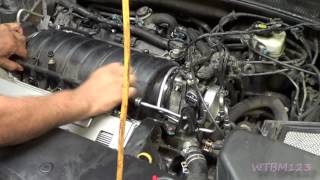
The Cadillac XLR uses the Northstar V8 engine, a sophisticated dual overhead cam design. While P0300 is a generic code, on this platform it's frequently linked to specific issues like vacuum leaks around the intake manifold—a known weak point where bolts can vibrate loose over time. 🎬 Watch: Diagnosing Northstar idle misfires caused by loose intake bolts. Forum members on Cadillac XLR Forums often suggest checking the intake manifold bolt torque as a first step. Diagnosing this code can be complex, as indicated by a GM Technical Service Bulletin (PIP5628G) that requests technicians to gather detailed diagnostic data when encountering misfire codes on these vehicles.
Diagnostic Flowchart
Tap your situation to follow the diagnostic path that matches what you're seeing on this vehicle.
Symptoms You May Notice
- Rough or shaky idle
- Hesitation or stumbling during acceleration
- Noticeable loss of engine power
- Flashing Check Engine Light (especially under load)
- Engine running noticeably rougher than usual
- Possible smell of gasoline from the exhaust
- StabiliTrak light may illuminate on the dash as a secondary warning
- Replacing oxygen sensors. While a faulty O2 sensor can contribute to fuel trim issues that might lead to a misfire, it's rarely the root cause of a P0300 code. It's more often a symptom of the misfire itself, or a separate issue like a vacuum leak causing both lean codes and misfire codes.
Most Likely Causes
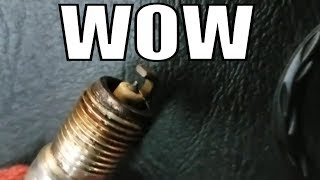
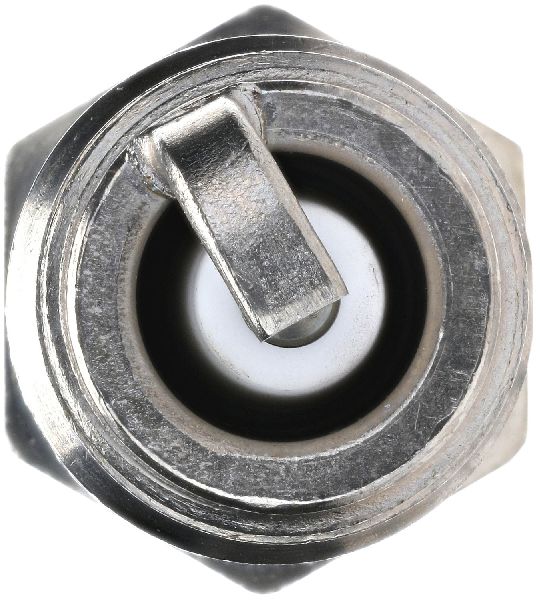
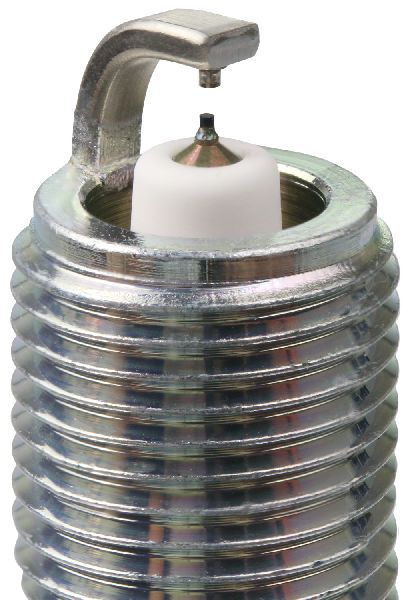
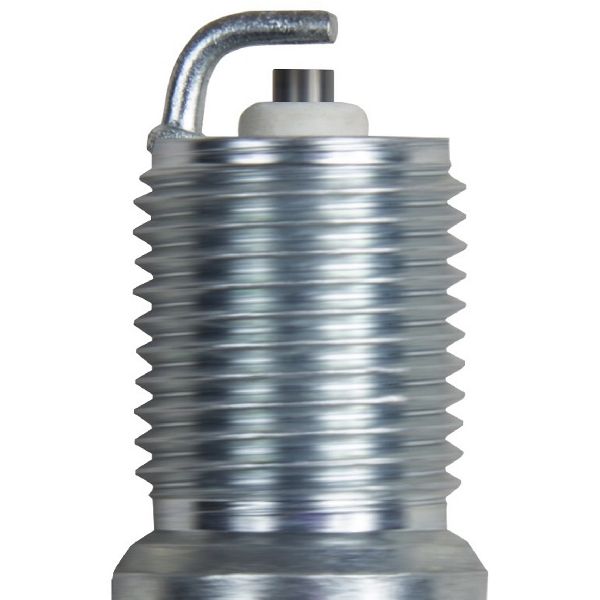
- Worn or Fouled Spark Plugs 🔴 High Probability Spark plugs are a primary cause of misfires on any gasoline engine. The Northstar can be sensitive to plug condition. A TSB for the supercharged LC3 engine (#08-06-04-038) specifically calls out replacing fuel-fouled spark plugs to resolve P0300. Over time, electrodes wear down, or they can become fouled by oil or carbon deposits.
How to confirm: Inspect the spark plugs for wear, damage, or fouling. A scan tool may identify specific cylinders with higher misfire counts (e.g., P0307), which should be inspected first. In one documented case, swapping a bad plug to another cylinder confirmed the plug was the issue.
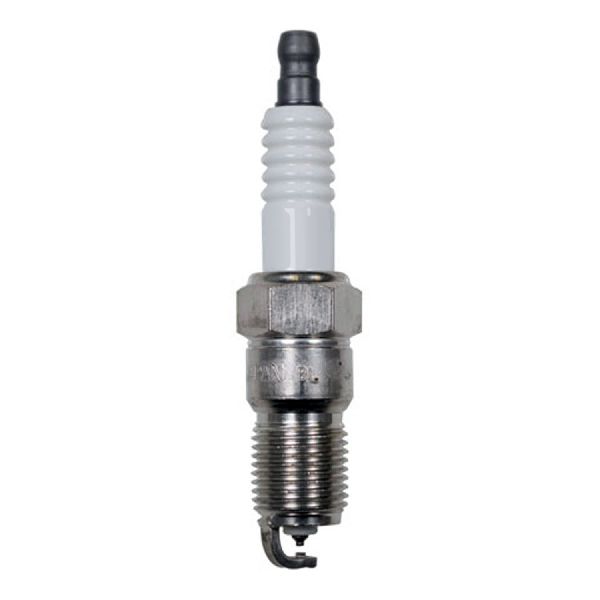
Typical fix: Replace all 8 spark plugs as a set. It is recommended to use high-quality Iridium plugs, such as the ACDelco 41-104 for the 4.6L Northstar.
Est. part cost: $60-$150 - Failing Ignition Coil(s) 🔴 High Probability The Northstar engine uses a coil-on-plug ignition system. These coils are a common failure item due to age and heat cycles, leading to a weak or non-existent spark.
How to confirm: Use a scan tool to identify which cylinder is misfiring (e.g., P0301, P0307). Swap the ignition coil from the misfiring cylinder with a coil from a known good cylinder. If the misfire code follows the coil to the new cylinder, the coil is bad. A user on Cadillac XLR Forums confirmed this method worked for their P0307 code.
Typical fix: Replace the faulty ignition coil. Many owners choose to replace them in banks or all at once as a preventative measure.
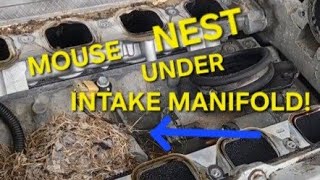
Est. part cost: $80-$120 per coil - Vacuum Leak 🟡 Medium Probability Forum discussions frequently point to vacuum leaks as a cause for P0300 on Northstar engines, often accompanied by lean codes P0171 and P0174. The plastic intake manifold bolts can vibrate loose over time, causing a gasket leak. PCV hoses can also become soft, cracked, or collapse, creating an unmetered air leak that causes a rough idle and misfires.
How to confirm: Perform a smoke test to find the source of the leak. Alternatively, carefully spray starting fluid or carb cleaner around the intake manifold gasket and vacuum hoses with the engine running; a change in engine RPM indicates a leak. Checking the torque on the intake manifold bolts is a common first step; one owner reported they were so loose the manifold was 'about to fall off'.
Typical fix: Tighten the intake manifold bolts to the correct torque specification (89 lb-in or ~7.4 lb-ft) in a criss-cross pattern. Replace any cracked or deteriorated vacuum hoses. The PCV hose assembly can be a specific point of failure.
Est. part cost: $10-$100 - Low Fuel Pressure or Clogged Injectors ⚪ Low Probability A weak fuel pump or clogged fuel filter can starve the engine of fuel, causing random misfires across all cylinders. While not unique to the XLR, it's a fundamental check when ignition and vacuum issues are ruled out.
How to confirm: Connect a fuel pressure gauge to the fuel rail and check that the pressure is within OEM specifications, both at idle and under load. A scan tool can be used to command injectors to check for a pressure drop, but this is an advanced diagnostic step.
Typical fix: Replace the weak fuel pump or clogged fuel filter. Fuel injectors can sometimes be cleaned, but replacement is often necessary if they are faulty.
Est. part cost: $50-$400
Rare But Worth Checking
- Clogged Catalytic Converter: A clogged catalytic converter can create excessive backpressure, leading to misfires. This is often accompanied by a significant loss of power, especially at higher RPMs, a sulfur or 'rotten egg' smell from the exhaust, and potentially other codes like P0420.
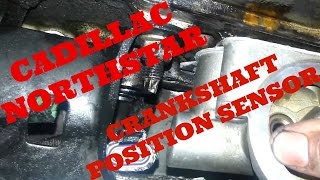
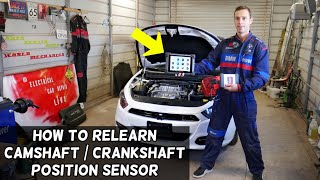
- Faulty Crankshaft Position Sensor (CKP): A failing CKP sensor can send incorrect timing information to the PCM, causing random misfires. This often presents with stalling or a crank-no-start condition. After replacing the sensor, a 'Crankshaft Variation Relearn' procedure must be performed with a capable scan tool for the PCM to recognize the new sensor's signal properly.
- Internal Engine Issues: Though less common on the later Northstar engines, head gasket issues can cause coolant to enter the cylinders and trigger a P0300 code. Other internal problems like low compression from worn piston rings or valve issues can also be a cause, though this is rare and would likely be accompanied by other severe symptoms like smoke or high oil consumption.
Diagnosis Steps
- Check for other stored trouble codes. A specific cylinder misfire code (P0301-P0308) is the most valuable piece of information to pinpoint the issue.
- If you have a scan tool with live data, monitor the misfire counters for each cylinder to see which ones are most affected. This can help identify a problematic cylinder even without a specific P030x code.
- Check the easy and platform-specific items first: Inspect the intake manifold bolts for tightness. They should be torqued to 89 lb-in (10 Nm). This is a very common, well-documented issue on Northstar engines.
- Inspect the basics: Check for worn or fouled spark plugs and signs of arcing or damage on the ignition coil boots.
- If a specific cylinder is identified, swap its ignition coil with one from a cylinder that is not misfiring. Clear the codes and see if the misfire follows the coil.
- If coils and plugs are good, check for vacuum leaks. Visually inspect all vacuum hoses, especially the PCV lines which are known to crack or collapse. Perform a smoke test or carefully use starting fluid around the intake manifold to check for leaks.
- Check fuel pressure using a fuel pressure gauge to rule out a weak fuel pump or clogged filter. With the engine off, pressure should be around 52-60 psi.
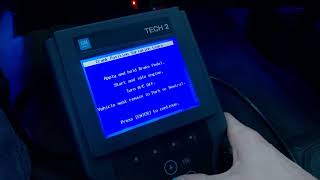
- If a crankshaft position sensor was replaced, ensure a 'Crankshaft Variation Relearn' procedure was performed using a compatible scan tool like a GM Tech2.
- If all else fails, consider more complex issues like clogged fuel injectors, a clogged catalytic converter, or low engine compression, which may require professional diagnosis.
Parts You'll Likely Need
- Spark Plugs
(OEM #ACDelco 41-104)— Worn spark plugs are the most frequent cause of ignition misfires and are a standard maintenance item. The 4.6L Northstar often uses this specific Iridium plug.
Trusted brands: ACDelco, Denso, Autolite
OEM price range: $10-$20 per plug
Aftermarket price range: $5-$15 per plug - Ignition Coil
(OEM #D514A (ACDelco))— Ignition coils are a common failure point that directly causes misfires. When one fails, others may be near the end of their service life.
Trusted brands: ACDelco, Delphi, Standard Motor Products
OEM price range: $100-$125 per coil
Aftermarket price range: $60-$90 per coil - Intake Manifold Gasket Set
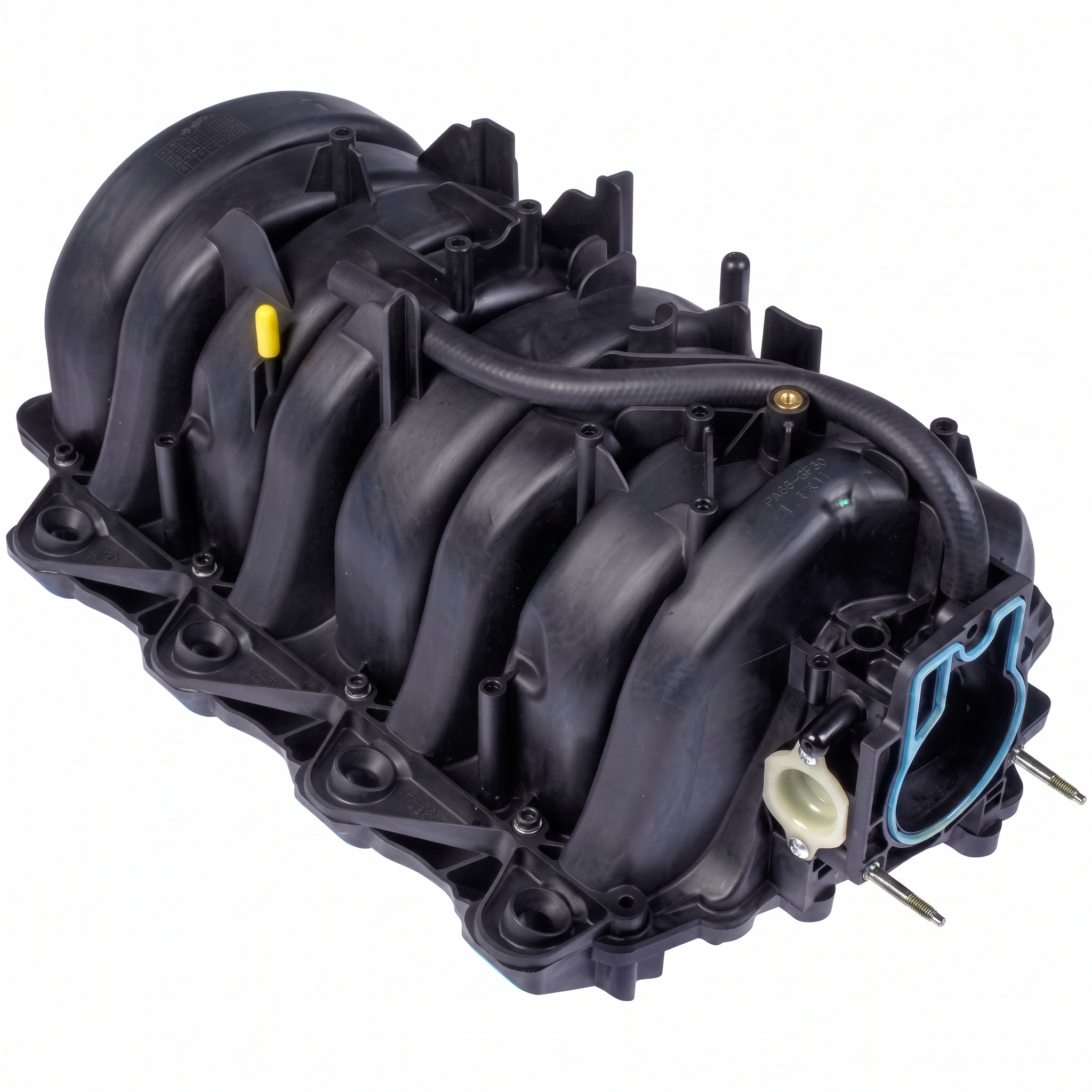
(OEM #89017690 (ACDelco))— Required if the intake manifold bolts have loosened and created a vacuum leak, a known issue on this platform. Often replaced as a set when re-torquing the manifold.
Related Codes That Often Appear With This One
- P0301-P0308 — These codes specify which cylinder is misfiring (e.g., P0307 is a misfire on cylinder 7). They are extremely helpful in narrowing down the diagnosis from a random misfire (P0300) to a specific component like a single coil or plug.
- P0171 / P0174 — These codes indicate a 'System Too Lean' condition on Bank 1 or Bank 2. They frequently appear with P0300 when the cause is a vacuum leak, as the unmetered air leans out the air/fuel mixture, causing misfires.
- P1336 — This code for 'Crankshaft System Variation Not Learned' will be stored if the Crankshaft Variation Relearn procedure was not successfully completed after replacing a CKP sensor or the ECM. It directly impacts the PCM's ability to accurately detect misfires.
Technical Service Bulletins (TSBs) & Recalls
- PIP5628G: A GM bulletin requesting technicians to collect specific scan tool data before contacting technical assistance for P0300-P0308 codes, indicating the diagnostic complexity.
- 08-06-04-038: Specific to the 4.4L Supercharged LC3 engine (XLR-V), this TSB addresses rough idle and P0300 codes caused by fuel-fouled spark plugs and recommends their replacement.
Platform-Specific Known Issues
- Loose intake manifold bolts are a frequently cited cause of vacuum leaks leading to P0300 on Northstar engines. Re-torquing them to 89 lb-in often resolves the issue. One owner on Cadillac XLR Forums stated their manifold was 'about to fall off' due to loose bolts.
- Deteriorating PCV hoses are another common source of vacuum leaks. A video diagnosis of a Northstar with P0300 at idle traced the fault to a soft, leaking PCV hose at the intake connection.
- For the supercharged XLR-V (LC3 engine), TSB #08-06-04-038 directly addresses P0300 caused by fuel-fouled spark plugs, recommending replacement.
Mechanic-Grade Diagnostic Values
- Fuel Pressure (Key On, Engine Off) — expected: 55-60 psi. Failure: Pressure significantly below this range indicates a weak fuel pump or leak. A rapid drop after priming may indicate a bad in-tank regulator.
- Ignition Coil Primary Resistance — expected: 0.4 to 2.0 ohms. Failure: A reading of 0 ohms indicates a short, while a significantly higher reading indicates an open circuit.
- Ignition Coil Secondary Resistance — expected: 6,000 to 15,000 ohms (6k-15k Ω). Failure: Readings outside this range suggest a faulty coil winding.
- Crankshaft Position Sensor (CKP) Resistance — expected: 200 to 1,000 ohms. Failure: A reading of 0 ohms suggests a short, while a very high (Megaohm) reading indicates an open circuit in the sensor.
- Intake Manifold Bolt Torque — expected: 89 lb-in (10 Nm). Failure: Bolts being loose indicates a likely vacuum leak, a very common cause for P0300 on this engine.
Scan Tool Commands That Help
- GM Tech2 / Tech2Win: Crankshaft Position Variation Learn — This procedure is mandatory after replacing the Crankshaft Position Sensor (CKP), or reprogramming/replacing the ECM. Failure to perform this can cause inaccurate misfire detection and may set a P1336 code. The procedure involves warming the engine, applying the brake, and accelerating to a fuel cut-off RPM (around 4000 RPM for the V8) to allow the PCM to learn the precise rotational variations of the crankshaft.
- GM Tech2 / GDS: Misfire Graphic Display / Misfire Data List — To monitor live misfire counts per cylinder. This is the primary tool for diagnosing a P0300, as it can reveal if the misfires are truly random or concentrated on one or two cylinders, helping to guide diagnosis toward a specific coil/plug/injector even if a specific P030x code has not been set.
Wiring & Ground Locations
- G102 — Located at the left rear of the engine.. This is the ground point for all 8 ignition coils. A loose or corroded connection at G102 can cause weak or intermittent spark across multiple cylinders, leading to a random misfire P0300 code.
- G103 — Located at the left rear of the engine compartment on the cowl, above the brake booster.. This ground serves the Engine Control Module (ECM) and the Data Link Connector (DLC). A poor connection here can cause a wide range of erratic engine behavior and diagnostic communication issues, potentially including misfire codes.
- Engine Ground Straps — There are two engine ground straps from the back of each cylinder head to the firewall/cowl.. These main straps ensure the entire engine block has a solid ground path to the chassis. Degradation of these straps can lead to insufficient grounding for sensors and ignition components, causing difficult-to-diagnose electrical problems, including misfires.
Real Owner Repair Stories
- Cadillac XLR Forums (2004 Cadillac XLR) — P0300 error code.
❌ Tried (didn't work) Initial diagnosis with a generic code reader was unhelpful.
✅ What actually fixed it The user was advised to first check the torque on the intake manifold bolts, as this is a well-known and easy-to-check source of vacuum leaks that cause random misfires on the Northstar engine.
Model Year Variations Within This Range
- 2007-2009: The 5-speed automatic transmission (5L50-E) used in 2006 models was replaced by the 6-speed automatic (6L80-E) for both the base and XLR-V models starting in 2007. While not a direct cause of P0300, different transmission behavior can sometimes change the load conditions under which a misfire becomes noticeable.
- 2006-2009 (XLR-V): The high-performance XLR-V uses a 4.4L supercharged Northstar V8 (LC3), while the base model uses a 4.6L naturally aspirated V8 (LH2). While they share a basic architecture, diagnostics for the XLR-V must also consider the supercharger and related components as potential sources of vacuum leaks or performance issues.
- 2009: The 2009 model year featured cosmetic changes to the front and rear fascias and added Bluetooth capability. There were no significant engine changes affecting the P0300 code for this model year.
Helpful Videos
Used OEM Parts in Stock

New Aftermarket Parts Available


The information in this article is provided for general reference and educational purposes only. Vehicle specifications, procedures, and part compatibility can vary by production date, trim level, and region. Always consult your vehicle's factory service manual and verify part numbers before purchasing or performing repairs. Safety-critical components such as airbags, seat belts, and braking systems should be installed by a qualified professional.
- Cadillac XLR:
- 🎬 Helpful Videos
- 🛍️ Shop This Part
- What's Unique About the 2006-2009 Cadillac XLR
- Diagnostic Flowchart
- Symptoms You May Notice
- Most Likely Causes
- Rare But Worth Checking
- Diagnosis Steps
- Parts You'll Likely Need
- Related Codes That Often Appear With This One
- Technical Service Bulletins (TSBs) & Recalls
- Platform-Specific Known Issues
- Mechanic-Grade Diagnostic Values
- Scan Tool Commands That Help
- Wiring & Ground Locations
- Real Owner Repair Stories
- Model Year Variations Within This Range
- 🎟️ Get 5% Off