

P0300 on 2005-2011 Cadillac STS: Random Misfire Causes and Fixes
A P0300 code on a 2005-2011 Cadillac STS indicates random cylinder misfires. The most common causes are worn spark plugs and failing ignition coils. However, on models with the 3.6L V6 engine, this code can also be a serious warning sign of stretched timing chains, a more complex and expensive repair. On the 4.6L Northstar V8, vacuum leaks are a very common culprit.
- P0300 means your engine is misfiring on multiple cylinders, and you should not ignore it, especially if the check engine light is flashing.
- Start your diagnosis with the cheapest and most common parts: inspect spark plugs and test ignition coils.
- If you have a 3.6L V6 engine, be aware that this code is a classic symptom of stretched timing chains, a known and serious issue with this engine.
- On the 4.6L V8, carefully check for vacuum leaks from cracked hoses around the intake manifold before assuming a more expensive problem.
- Do not replace oxygen sensors to fix a P0300; they are usually reporting a symptom, not the cause.
What's Unique About the 2005-2011 Cadillac STS

The 2005-2011 Cadillac STS was primarily equipped with two different engines: the 3.6L V6 (LY7/LLT) and the 4.6L Northstar V8 (LH2). While both can suffer from common P0300 culprits like bad coils and plugs, the 3.6L V6 (specifically the earlier LY7 version) is widely known for premature timing chain stretching. This specific mechanical issue is a frequent cause of P0300 on the V6 models, often accompanied by timing correlation codes (P0008, P0017), and is a much more involved repair than a standard ignition tune-up. The Northstar V8, on the other hand, is more prone to vacuum leaks from brittle intake components and PCV hoses causing this code, often along with lean codes P0171 and P0174. The direct-injected 3.6L LLT V6, introduced in 2008, is also susceptible to carbon buildup on intake valves, which can cause misfires, particularly on a cold start.
Diagnostic Flowchart

Tap your situation to follow the diagnostic path that matches what you're seeing on this vehicle.
Symptoms You May Notice

- Rough or shaky idle
- Hesitation or stumbling during acceleration
- Flashing or solid Check Engine Light
- Noticeable loss of engine power
- Reduced fuel economy
- The "Service StabiliTrak" message may sometimes appear along with the misfire. This is because the engine's rough running is detected by chassis sensors, causing the traction/stability control system to be disabled as a precaution.
- A hissing sound from the engine bay, indicating a vacuum leak
- Replacing oxygen (O2) sensors. O2 sensors will often report a lean condition (P0171, P0174) as a result of the misfire or vacuum leak, but they are rarely the root cause of the P0300 code itself.
- Replacing only spark plugs when an ignition coil is the actual point of failure, or when corrosion on the coil terminal is the issue.
Most Likely Causes


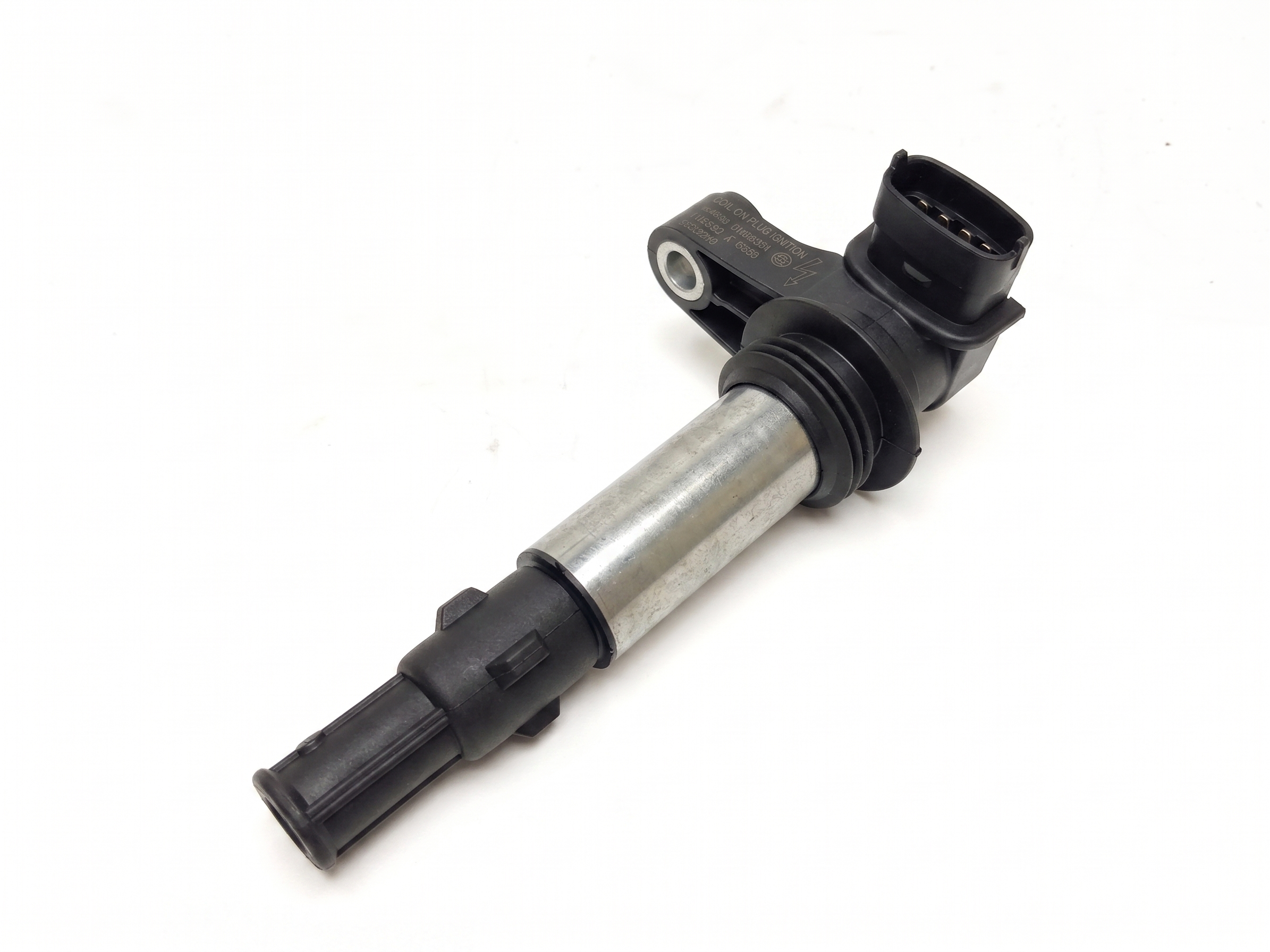
- Worn Spark Plugs or Failing Ignition Coils 🔴 High Probability These are standard wear-and-tear items. The coil-on-plug design is effective but individual coils can fail from heat and age. Corrosion on the coil pack terminals can also cause a weak connection and misfires.
How to confirm: Inspect spark plugs for wear, fouling, or damage. To test a coil, swap it with one from a known good cylinder. If a specific misfire code (e.g., P0301) follows the coil, the coil is bad. A visual inspection of the coil boots and springs for rust or corrosion is also recommended.
Typical fix: Replace all spark plugs as a set. Replace the faulty ignition coil(s). It's often recommended to replace all coils at once if they are original and high-mileage. Applying dielectric grease 🎬 Watch this step-by-step guide to replacing STS coils and spark plugs. to the new coil boots can prevent moisture intrusion and corrosion.
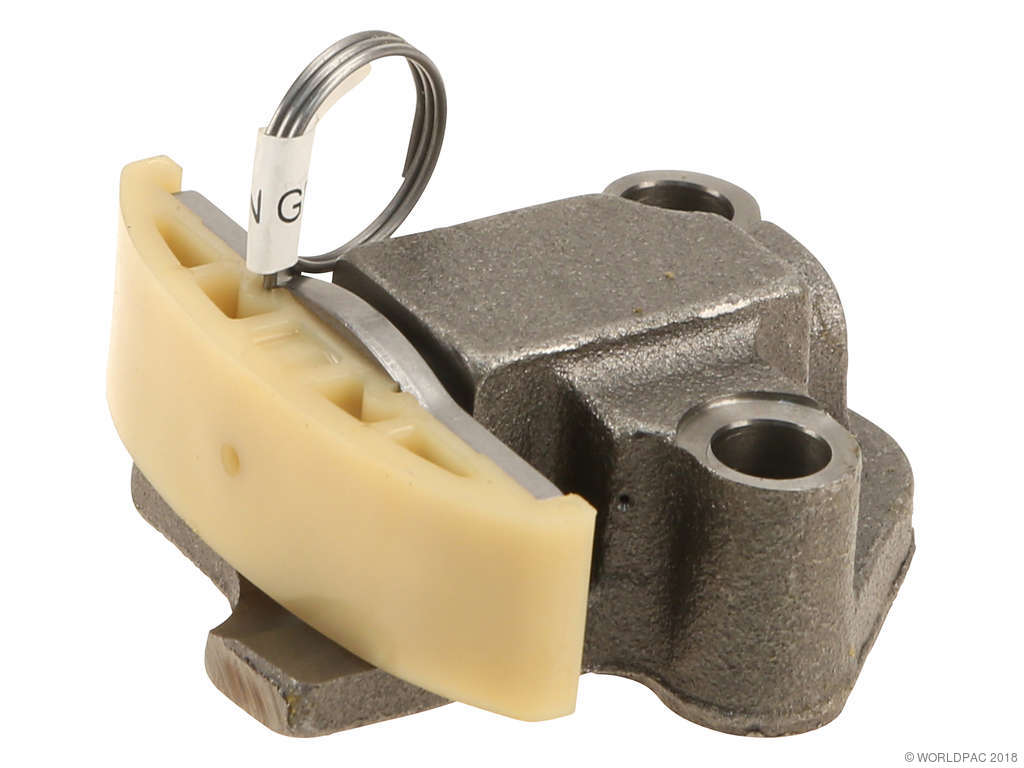
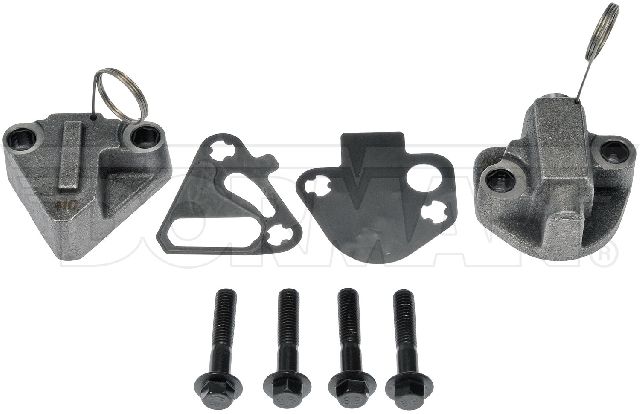
Est. part cost: $80-$400 - Stretched Timing Chains (3.6L V6 Engine) 🟡 Medium Probability The early 3.6L LY7 V6 engines are known for premature timing chain wear due to the original chain design. This causes camshaft timing to become erratic, leading to correlation codes (like P0008, P0017) and random misfires (P0300). GM issued TSB #12-06-01-009F to address this, which includes updated timing chain kits.
How to confirm: A professional technician will use a scan tool to monitor camshaft deviation PIDs. Significant deviation at idle that doesn't correct itself is a strong indicator of chain stretch. The presence of codes P0008, P0016, P0017, P0018, or P0019 alongside P0300 is a near-certain diagnosis. 🎬 See how these timing death codes affect the GM V6 engine.
Typical fix: This is a major repair that involves replacing the primary and secondary timing chains, tensioners, and guides with the updated parts specified by GM. It is labor-intensive, typically taking 8-12 hours.
Est. part cost: $400-$800 - Vacuum Leaks (Especially on Northstar V8) 🟡 Medium Probability On the Northstar V8, the PCV hose that connects to the back of the intake manifold is a common failure point; it can become soft, crack, or collapse, creating a large vacuum leak. The rubber intake plenum boot connecting the throttle body to the intake is also known to rupture. These leaks introduce unmetered air, causing a lean condition (P0171/P0174) and misfires.
How to confirm: A hissing sound near the engine is a tell-tale sign. A DIY method is to carefully spray brake cleaner or a propane torch (unlit) around suspected areas; a change in engine idle indicates a leak. The most effective diagnostic method is a professional smoke test, which will visually reveal the source of any air leaks.
Typical fix: Replace the cracked or leaking hose or gasket. The PCV hose and intake boot are common replacement parts. In a YouTube video, an owner diagnosed a P0300, P0171, and P0174 on his 2005 STS by finding a hissing sound and replacing the faulty PCV fittings and cleaning the throttle body. 🎬 Watch this owner diagnose and fix P0300 and vacuum leak codes.
Est. part cost: $20-$150 - Dirty or Clogged Fuel Injectors ⚪ Low Probability
How to confirm: Check fuel trim data with a scan tool. A professional can perform a fuel injector balance test to confirm if one or more injectors are flowing poorly. You can also check plugs to see if any are 'wet' with fuel, indicating a leaking injector.
Typical fix: Professional fuel system cleaning or replacement of the faulty injectors.
Est. part cost: $50-$500
Rare But Worth Checking
- Low Fuel Pressure: A weak fuel pump or clogged fuel filter can starve the engine for fuel, causing random misfires under load. This should be checked with a fuel pressure gauge connected to the fuel rail.
- Clogged Catalytic Converter: A partially clogged catalytic converter can create excessive backpressure, leading to misfires. This is often a result of long-term misfires being ignored.
- Low Engine Compression: On high-mileage engines, internal wear such as worn piston rings or a failing head gasket can cause a loss of compression, resulting in a misfire. A compression test can diagnose this. Northstar engines were known for head gasket issues, though less so on the later LH2 models.
- Weak or Failing Battery: A battery that is failing or has low voltage can cause a variety of erratic electronic issues in modern cars, including triggering a P0300 code. The engine control module and ignition system require stable voltage to operate correctly.
- Carbon Buildup on Intake Valves (3.6L LLT DI Engine): The 3.6L LLT engine, introduced in 2008, uses direct injection (SIDI). This design can lead to carbon deposits on the intake valves over time, as fuel is no longer sprayed over them to provide a cleaning effect. This buildup can disrupt airflow and cause misfires, especially when the engine is cold. GM issued a technical service bulletin (PIP5029A) regarding this issue.
Diagnosis Steps
- Scan for all stored trouble codes. Note any codes that accompany P0300, as they provide critical clues (e.g., P0171/P0174 for lean conditions, P0017 for timing issues).
- Inspect all spark plugs for wear, damage, or carbon fouling. Replace if they are old or in poor condition.
- Inspect ignition coils for cracks or damage, and check terminals for corrosion. Swap a coil from a misfiring cylinder (if identifiable via scan tool data) with a good cylinder to see if the misfire follows the coil.
- Perform a smoke test to check for vacuum leaks, paying close attention to the intake manifold gaskets, PCV hoses (especially the one at the rear of the intake on the V8), and the air intake boot between the throttle body and air filter housing.
- Connect a fuel pressure gauge and test fuel pressure to rule out a weak fuel pump or clogged filter.
- For 3.6L V6 models, use an advanced scan tool to monitor camshaft position deviation to check for timing chain stretch, especially if codes like P0008 or P0017 are present.
- Check battery voltage and alternator output. A weak battery can cause a host of electrical gremlins, including misfire codes.
- If all else fails, perform an engine compression test to check for mechanical issues like a bad head gasket or worn piston rings.
Parts You'll Likely Need
- Ignition Coil
(OEM #ACDelco D515C (for 3.6L V6, cross-references to GM 12632479))— A primary cause of misfires on most modern engines, including the STS. They fail from heat and age.
Trusted brands: ACDelco, Delphi, NGK
OEM price range: $50-$90 per coil
Aftermarket price range: $30-$60 per coil - Spark Plugs
(OEM #ACDelco 41-107 (Iridium, for 3.6L V6))— A fundamental maintenance item. Worn electrodes or incorrect gaps directly cause weak spark and misfires.
Trusted brands: ACDelco, NGK
OEM price range: $10-$20 per plug
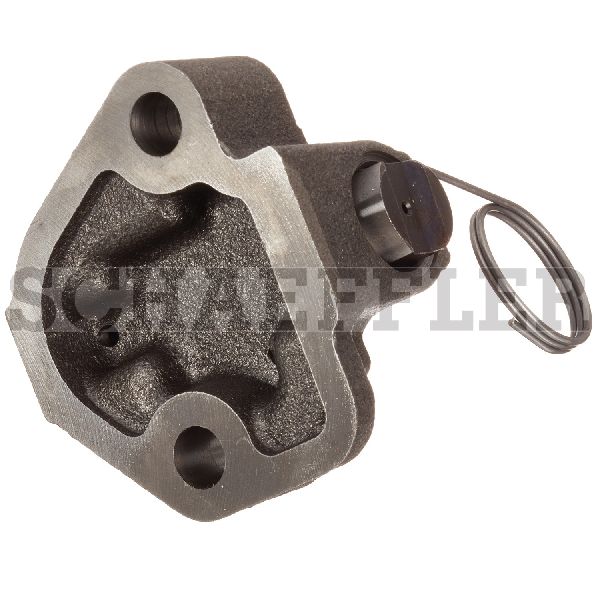
Aftermarket price range: $5-$15 per plug - Timing Chain Kit (3.6L V6)
(OEM #Cloyes 9-0753S)— The original timing chains on the 3.6L LY7 engine are a known failure point, leading to P0300 and other timing-related codes. Updated kits are required for a lasting repair.
Trusted brands: Cloyes, ACDelco
OEM price range: $400-$800
Aftermarket price range: $250-$500
Related Codes That Often Appear With This One
- P0301-P0308 — These codes indicate a misfire on a specific cylinder (e.g., P0301 for cylinder 1). A P0300 may appear before the computer can isolate the issue to one cylinder, or it may appear alongside these codes.
- P0171, P0174 — These codes indicate the engine is running too lean on Bank 1 and Bank 2, respectively. They frequently accompany a P0300 caused by a vacuum leak or a fuel delivery problem.
- P0008, P0017 — On the 3.6L V6, these codes indicate a problem with the engine timing and camshaft/crankshaft position correlation. They are strong indicators that the P0300 is being caused by stretched timing chains.
Technical Service Bulletins (TSBs) & Recalls
- PIP5628G: Preliminary information on diagnosing misfire codes P0300-P0308.
- PIP5038B: General information regarding multiple misfire and ignition coil circuit codes.
- 12-06-01-009F: This is the key TSB for the 3.6L V6. It details the issue of stretched timing chains causing codes P0008, P0017, etc., and P0300. It lists the affected vehicles and specifies the updated timing chain service kits to be used for the repair.
Platform-Specific Known Issues
- The 3.6L LY7 V6 engine used from 2005-2007 is particularly susceptible to stretched timing chains, which is a very common cause for P0300 on those models.
- On the 4.6L Northstar V8, a hissing sound is often traced to a deteriorated PCV hose assembly on the intake manifold, which creates a significant vacuum leak.
Mechanic-Grade Diagnostic Values
- Low-Side Fuel Pressure (Key On, Engine Off) — expected: 55-60 psi. Failure: Pressure below this range indicates a weak in-tank fuel pump or clogged filter.
- Fuel Pressure (Port-Injected V6/V8 at Idle) — expected: 40.5-47 psi. Failure: Pressure below this range can cause lean conditions and misfires.
- Mode 6 Misfire Counts — expected: Near zero for all cylinders during a drive cycle.. Failure: A high number of misfire counts logged for specific cylinders, even without a specific P030x code, can help pinpoint the source of a P0300.
Hidden / Shadow Codes Worth Checking
- Mode 6, Test ID $A2-$AB: These Test IDs correspond to cylinder misfire data for cylinders 1 through 10 (though only 1-6 or 1-8 will be used). A technician can view the raw misfire counts for each cylinder in the current and last ten driving cycles. This is invaluable for diagnosing a P0300, as it shows which cylinders are contributing to the random misfire count before a specific P030x code is set. (see via A professional scan tool capable of displaying Mode 6 data.)
Scan Tool Commands That Help
- Tech2 / GDS2: Crankshaft Position System Variation Learn — This procedure is required after replacing the crankshaft position sensor, the engine control module (ECM), or the engine assembly. Failure to perform the relearn can cause the ECM to incorrectly detect misfires and set a P0300 code. The engine must be running and at operating temperature to perform the procedure.
- Tech2 / GDS2: Fuel Injector Balance Test — This function allows a technician to individually fire each injector while monitoring fuel pressure drop with a gauge. It can definitively identify a clogged or weak injector that may be causing misfires, which is more precise than just observing fuel trims.
Wiring & Ground Locations
- G102 — Located at the left rear of the engine.. This is the primary ground for the ignition coils on the Northstar V8. A loose or corroded connection at G102 can cause weak or intermittent spark across multiple cylinders, leading directly to a P0300 code.
- G103 / G107 — Located on the rear of the cylinder heads (V6) or on the cowl above the brake booster (V8).. These grounds are critical for the Engine Control Module (ECM) and various sensors. A poor ground connection here can cause erratic sensor readings and incorrect calculations by the ECM, potentially leading to misfire detection.
Real Owner Repair Stories
- YouTube user 'WTBM123 Car repair' (2003 Cadillac DTS with Northstar V8 (similar LH2 architecture)) — Misfire only at idle, P0300 code stored. Scan tool showed misfire counts on cylinder #1 specifically at idle.
❌ Tried (didn't work) Initial diagnosis pointed towards a vacuum leak.
✅ What actually fixed it The PCV hose connected to the back of the intake manifold was found to be soft, cracked, and leaking. The intake plenum boot and intake gaskets were also replaced as a preventative measure. After replacement, the misfire counts at idle returned to zero. - YouTube user 'Charles Booker' (2005 Cadillac STS V8) — Hesitation, rough idle, and Check Engine Light with codes P0300, P0171, and P0174.
❌ Tried (didn't work) The owner took it to a dealer who diagnosed the issues.
✅ What actually fixed it The owner performed the repairs himself. The fix involved replacing faulty PCV valve connectors that were causing a vacuum leak and cleaning the throttle body. This resolved the lean codes and the random misfire code.
OEM Part Supersession History
Various early 3.6L LY7 timing chain part numbers prior to 2012.→Kits like ACDelco 12651450 or Cloyes 9-0753S.— The original timing chains were prone to premature stretching. The updated kits feature chains made of more durable materials to resolve the wear issue.
Heads up: When replacing timing chains on an LY7, it is critical to use the new, updated kit. Using old stock or an incorrect part number will lead to a repeat failure.
Model Year Variations Within This Range
- 2008-2011: Starting in the 2008 model year, the Cadillac STS offered the 3.6L LLT V6 engine as an update to the previous LY7. The LLT features Spark Ignited Direct Injection (SIDI). While this improved power and fuel economy, it also introduced the potential for carbon buildup on intake valves, a cause of P0300 not typically seen on the earlier port-injected LY7.
Helpful Videos
Used OEM Parts in Stock

New Aftermarket Parts Available




The information in this article is provided for general reference and educational purposes only. Vehicle specifications, procedures, and part compatibility can vary by production date, trim level, and region. Always consult your vehicle's factory service manual and verify part numbers before purchasing or performing repairs. Safety-critical components such as airbags, seat belts, and braking systems should be installed by a qualified professional.
- Cadillac STS:
- 🎬 Helpful Videos
- 🛍️ Shop This Part
- What's Unique About the 2005-2011 Cadillac STS
- Diagnostic Flowchart
- Symptoms You May Notice
- Most Likely Causes
- Rare But Worth Checking
- Diagnosis Steps
- Parts You'll Likely Need
- Related Codes That Often Appear With This One
- Technical Service Bulletins (TSBs) & Recalls
- Platform-Specific Known Issues
- Mechanic-Grade Diagnostic Values
- Hidden / Shadow Codes Worth Checking
- Scan Tool Commands That Help
- Wiring & Ground Locations
- Real Owner Repair Stories
- OEM Part Supersession History
- Model Year Variations Within This Range
- 🎟️ Get 5% Off