

P0300 on 2018-2022 Cadillac Escalade: Random Misfire Causes and Fixes
Code P0300 on a 2018-2022 Escalade indicates a random or multiple cylinder misfire. For 2021-2022 models with the L87 engine, this is frequently caused by failed valve lifters, a significant and costly repair often preceded by a distinct ticking noise. On all models, diagnosis should begin with more common and less expensive issues like fouled spark plugs, faulty ignition coils, or loose spark plug wires, which are a known issue per GM TSB #PIP5159C.
- P0300 means your engine is misfiring on random cylinders, which requires immediate attention.
- For 2021-2022 models, the most serious and probable cause is a failure of the engine's valve lifters, which is a major repair.
- Always start your diagnosis with the basics: check for worn spark plugs and ensure spark plug wires are securely connected.
- A flashing check engine light indicates a severe misfire that can quickly destroy your catalytic converters. Stop driving immediately.
- Multiple Technical Service Bulletins (TSBs) exist for this code on this vehicle, pointing to several known issues from lifters to simple loose wires.
What's Unique About the 2018-2022 Cadillac ESCALADE

The 2018-2022 Escalade spans two generations with different V8 engines: the 2018-2020 (4th gen) uses the 6.2L L86 with Active Fuel Management (AFM), while the 2021-2022 (5th gen) uses the 6.2L L87 with the more complex Dynamic Fuel Management (DFM). Both systems are designed to improve fuel economy by deactivating cylinders, but they place significant stress on the valve lifters. The L87 in the 5th generation models is particularly known for premature valve lifter failures that can cause a P0300 code, sometimes at very low mileage. This internal engine problem is a significant, well-documented issue for this specific platform and is more severe than typical ignition-related misfires.
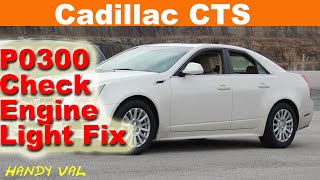
🎬 Watch: Diagnosing a P0300 code and engine shaking symptoms.Diagnostic Flowchart

Tap your situation to follow the diagnostic path that matches what you're seeing on this vehicle.
Generation note: This guide covers the end of the 4th generation (2018-2020, GMT K2XL platform) and the beginning of the 5th generation (2021-2022, GMT T1XX platform). The 4th gen uses the 6.2L L86 V8 with AFM, while the 5th gen uses the 6.2L L87 V8 with DFM. A primary cause of P0300, especially in the 5th gen L87, is related to valve lifter failure, which can sometimes lead to bent pushrods and camshaft damage.
Symptoms You May Notice
- Rough or shaking idle
- Hesitation or stumbling during acceleration.
- Reduced engine power and sluggish performance.
- Flashing or solid Check Engine Light
- Distinct, rhythmic ticking or tapping noise from the upper engine, which may be more pronounced on one side.
- Service StabiliTrak light may illuminate
- Sudden engine shutdown or stalling in severe cases.
- Replacing only spark plugs when the underlying cause is a failing valve lifter. The misfire may temporarily improve but will return as the mechanical issue worsens.
- Replacing oxygen sensors. O2 sensors report on combustion efficiency; they are almost never the root cause of a misfire code, but rather are affected by it.
- Assuming a ticking noise is a simple exhaust leak when it is actually the characteristic sound of a collapsed AFM/DFM lifter.
Most Likely Causes

- Failed Valve Lifters (AFM/DFM) 🔴 High Probability This is a well-documented issue, particularly on the 2021+ L87 engine with DFM, but also affects the L86 with AFM. The complex lifters used for cylinder deactivation can collapse, get stuck, or suffer internal damage to their locking pins. This can lead to a misfire, bent pushrods, and even camshaft damage if not addressed. Numerous TSBs, including #23-NA-043 and #15-06-01-002L, have been issued to address this widespread problem.
How to confirm: Diagnosis starts with listening for a characteristic ticking noise. A technician will use a scan tool to monitor misfire data on each cylinder. Definitive diagnosis requires removing the valve covers to inspect for non-moving valves, bent pushrods, or other valvetrain damage. TSB #23-NA-043 outlines the diagnostic path, which may lead to replacing lifters on one or both banks depending on mileage and findings.
Typical fix: Replacement of all valve lifters and guides on the affected cylinder bank is the minimum repair. Per TSB #23-NA-043, if the vehicle has under 16,000 miles, GM recommends replacing lifters on both banks. The job is labor-intensive, requiring removal of the cylinder head(s), and replacement of head gaskets, intake manifold gaskets, and often the pushrods. The camshaft must also be inspected for damage.
Est. part cost: $400-$800 - Worn or Fouled Spark Plugs 🟡 Medium Probability Spark plugs are a regular maintenance item. While modern iridium plugs have a long service life, they can still fail or become fouled by carbon or oil deposits, leading to a weak or inconsistent spark that can trigger a P0300.
How to confirm: Remove and inspect all 8 spark plugs. Look for signs of wear on the electrode, excessive carbon buildup, oil fouling, or cracks in the porcelain insulator. A worn plug will have a rounded center electrode instead of a sharp point.
Typical fix: Replace all 8 spark plugs with high-quality OEM-spec plugs. It is often recommended to replace the spark plug wires at the same time as a preventative measure.
Est. part cost: $80-$150 - Faulty Ignition Coils or Wires 🟡 Medium Probability Heat and vibration can cause ignition coils to fail over time. More specifically for these trucks, TSB #PIP5159C points out that spark plug wires can become loose at the coil due to a missing or damaged 'C' clip, causing intermittent misfires. This is a simple but common issue to check.
How to confirm: Physically check that all spark plug wires are securely clicked onto both the ignition coils and the spark plugs. A technician can use a scan tool's live data to watch misfire counters while swapping a suspected bad coil with one from a known good cylinder to see if the misfire code follows the coil.
Typical fix: Replace the faulty ignition coil(s) and/or spark plug wires. Ensure replacement wires have the proper 'C' retaining clip to prevent them from backing off the coil.
Est. part cost: $50-$90 per coil - Vacuum Leak ⚪ Low Probability Intake manifold gaskets, PCV hoses, or the brake booster vacuum line can crack, perish, or become dislodged. This allows unmetered air into the engine, creating a lean air/fuel mixture that can cause random misfires, especially at idle.
How to confirm: A visual inspection may reveal obviously cracked or disconnected hoses. A professional will use a smoke machine to pump smoke into the intake system with the engine off and watch for smoke escaping, which pinpoints the leak's location.
Typical fix: Replace the leaking gasket or hose.
Est. part cost: $20-$200
Rare But Worth Checking
- Faulty Fuel Injectors: A clogged or failing fuel injector can cause a lean misfire on one cylinder. If multiple injectors become dirty or restricted over time, it can trigger a P0300 code. This can sometimes be resolved with a professional fuel system cleaning service.
- Low Fuel Pressure: A failing fuel pump, a clogged fuel filter, or a faulty fuel pressure sensor can starve the engine for fuel, causing misfires across multiple cylinders, especially under heavy load or acceleration.
- Internal Engine Damage: As noted in TSB #PIP5498M, coolant can enter a cylinder through a leaking head gasket or cracked cylinder head, causing a misfire on cold starts, often with white smoke from the exhaust. In severe cases, other mechanical failures like a damaged piston or bent connecting rod can also cause P0300.
- Wiring Harness Issues: TSB #PIP5724 points to potential wiring harness pin fitment issues that can cause P0300 along with numerous other electrical codes. Another potential issue is a poor engine ground connection, which can cause erratic behavior in the ignition system.
- Cracked Exhaust Manifold: A crack in an exhaust manifold can create a ticking noise similar to a bad lifter. The leak can also allow oxygen to be pulled into the exhaust stream, confusing the oxygen sensors and causing incorrect fuel trims that may lead to a P0300 code.
Diagnosis Steps

- Read the codes with an OBD-II scanner and check for any other accompanying codes. Note the specific cylinders that may have misfire counts, even if they haven't triggered a specific P030x code yet.
- Check Freeze Frame data to see the engine conditions (speed, load, temperature) when the code was set. This can provide clues as to when the misfire is occurring (e.g., under load, at idle, when cold).
- Perform a thorough visual inspection. Look for loose spark plug wires as mentioned in TSB #PIP5159C, disconnected vacuum hoses, or poor engine ground connections.
- Listen for engine noises. A distinct, rhythmic ticking from the top of the engine is a strong indicator of a failed valve lifter, a known and common issue.
- Inspect the ignition system. Remove and inspect all spark plugs for wear, fouling, or damage. Test the ignition coils by swapping a coil from a cylinder with high misfire counts with a known good one and see if the misfire follows the coil.
- Check for vacuum leaks. The most effective method is to use a smoke machine to test the integrity of the intake manifold, gaskets, and all vacuum hoses.
- Test fuel pressure and injector function. This ensures the engine is receiving the correct amount of fuel and that all injectors are firing properly.
- If lifter failure is suspected, remove the valve covers and run the engine briefly to observe rocker arm movement. A rocker arm that is not moving indicates a collapsed lifter.
Parts You'll Likely Need

- Valve Lifter Kit (AFM/DFM)
(OEM #12710739 (Supersedes 12645725))— This is the primary fix for the common valve lifter failure on L86 and L87 engines. The repair typically involves replacing all 8 lifters on the affected bank, along with the lifter guides.
Trusted brands: ACDelco
OEM price range: $400-$800
Aftermarket price range: $300-$600 - Spark Plugs
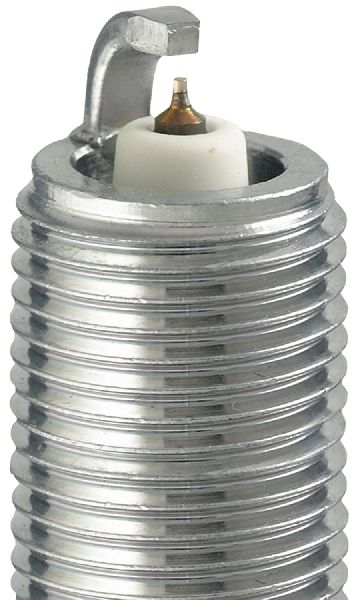
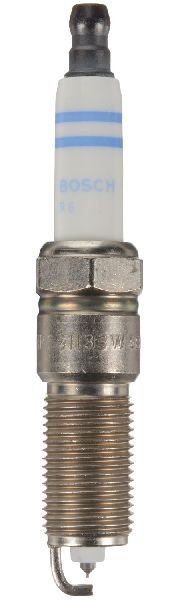
(OEM #12622441 (ACDelco 41-123))— Worn or fouled spark plugs are a common cause of misfires and are a standard maintenance item. Replacing them is a crucial first step in diagnosis.
Trusted brands: ACDelco, NGK
OEM price range: $10-$15 per plug
Aftermarket price range: $8-$12 per plug - Ignition Coil
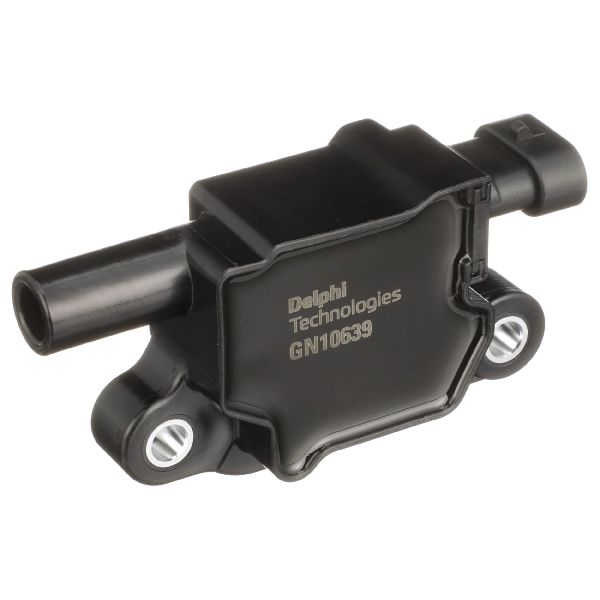
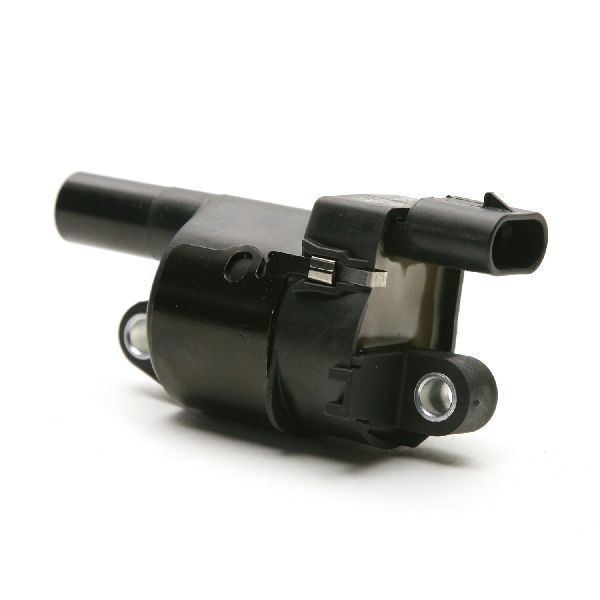
(OEM #12708496 (ACDelco D526C))— An ignition coil provides the high voltage spark. A single failing coil can sometimes cause random misfires before failing completely on one cylinder.
Trusted brands: ACDelco, Delphi, Standard Motor Products
OEM price range: $60-$90
Aftermarket price range: $40-$70 - Cylinder Head Gasket Kit — Required when replacing valve lifters, as the cylinder head must be removed. The kit typically includes the head gasket, intake and exhaust manifold gaskets, and other necessary seals.
Trusted brands: ACDelco, Fel-Pro
OEM price range: $200-$350
Aftermarket price range: $150-$250
Related Codes That Often Appear With This One
- P0301-P0308 — These codes indicate a misfire on a specific cylinder (e.g., P0301 for cylinder 1). They often accompany P0300, especially in the early stages of a problem before it becomes widespread enough for the ECM to classify it as 'random'.
- P050D — This code indicates a 'Cold Start Rough Idle'. TSB #PIP5498M links this code with P0300, often pointing to coolant entering a cylinder on a cold engine, causing a misfire until the coolant is burned off.
- P3400 — This code stands for 'Cylinder Deactivation System Bank 1'. It often appears alongside a P0300 when the root cause is related to the AFM/DFM system, such as a stuck lifter or a problem with the valve lifter oil manifold.
Technical Service Bulletins (TSBs) & Recalls
- 23-NA-043: Addresses engine misfires (P0300) caused by faulty valve lifters and guides on 2021 models.
- PIP5628G: Preliminary information for diagnosing misfire codes P0300-P0308 on 2022 models.
- PIP5159C: Details inspection for loose spark plug wires causing P0300 on 2019 models.
- PIP5498M: Connects P0300 with P050D on cold starts for 2018 models, suggesting a coolant leak.
- PIP5724: Links P0300 to potential wiring harness issues on 2020 models.
- N212353840: A service update for dealers to address potential valve lifter issues on 2021 models with the 6.2L L87 V8.
Platform-Specific Known Issues
- Valve Lifter Failure (2021-2022 L87 V8): A significant number of 2021+ Escalades with the 6.2L L87 engine have experienced failures of the Dynamic Fuel Management (DFM) lifters, sometimes with very low mileage. The failure often presents as a P0300 code accompanied by a distinct ticking noise. TSB #23-NA-043 provides the updated repair procedure, which may involve replacing lifters on one or both banks.
- Valve Lifter Failure (2018-2020 L86 V8): While more prominent on the newer L87, the L86 engine is also susceptible to collapsed Active Fuel Management (AFM) lifters, which can cause the same P0300 code and ticking noise. TSB #15-06-01-002L addresses this for the earlier models.
- Loose Spark Plug Wires (2018-2020 L86 V8): TSB #PIP5159C specifically calls out that a loose spark plug wire at the ignition coil, due to a missing 'C' clip, can be a simple cause for a P0300 misfire code on these engines.
Mechanic-Grade Diagnostic Values
- High-Pressure Fuel System Pressure — expected: Up to 15 MPa (150 bar or ~2,175 psi). Failure: Significantly lower pressure indicates a failing High-Pressure Fuel Pump (HPFP) or a leak.
- Ignition Coil Resistance (Primary) — expected: ~0.40 to 0.50 ohms. Failure: Readings outside this range suggest a faulty coil winding.
- Ignition Coil Resistance (Secondary) — expected: ~8.0K to 14.5K ohms. Failure: A reading far outside this range, or an open circuit (infinite resistance), indicates a failed coil.
- Short-Term and Long-Term Fuel Trims (STFT/LTFT) — expected: Within +/- 10% at idle and steady RPM.. Failure: Consistently positive values above 10% suggest the engine is compensating for a lean condition (e.g., vacuum leak). Consistently negative values below -10% suggest a rich condition.
Hidden / Shadow Codes Worth Checking
- Misfire History Counters: While not a formal 'code,' professional scan tools like the GM GDS2 can display historical misfire data for each individual cylinder, even if a specific P030x code has not been set. This data is crucial for identifying which cylinder(s) are the primary contributors to a P0300. (see via Requires a professional-grade scan tool with manufacturer-specific software (e.g., GM GDS2 or equivalent).)
Scan Tool Commands That Help
- GDS2 (or equivalent professional scanner): Cylinder Power Balance Test — This is a primary diagnostic step for a P0300 code. The tool sequentially disables fuel to each cylinder and measures the corresponding drop in engine RPM. A cylinder with a smaller RPM drop is not contributing as much power, pinpointing the source of the misfire.
- GDS2 (or equivalent professional scanner): Cylinder Deactivation (AFM/DFM) System Test — Used to diagnose issues with the Valve Lifter Oil Manifold (VLOM) solenoids or lifters. The technician can command the system active or inactive to see if it induces or changes the misfire condition, helping to isolate the fault to the cylinder deactivation hardware.
Wiring & Ground Locations
- Engine Harness Chafe Point 1 — Driver's side, where the engine harness may contact the sharp edge of the black ECM/TCM bracket.. Chafing here can short out various sensor or actuator circuits, including those for the ignition or fuel system, causing erratic behavior and misfires. This is a known issue addressed by GM Bulletin #21-NA-149.
- Engine Harness Chafe Point 2 — Driver's side, where the engine harness can rub against the upper control arm.. Similar to the ECM bracket, contact with the moving suspension component can wear through insulation and cause intermittent shorts, leading to random misfires that are hard to trace.
- Engine Harness Chafe Point 3 — Driver's side, where the harness can make contact with the shock tower bolt.. This is another point of potential abrasion from engine vibration that can damage wiring and lead to codes like P0300.
- G102 (or equivalent) — Typically located on the left rear of the engine block.. This ground point is often responsible for grounding all eight ignition coils. A loose or corroded connection here can cause a weak spark across all cylinders, leading to a random misfire.
- G103 (or equivalent) — Typically located on the cowl in the engine compartment, above the brake booster.. This ground serves the Body Control Module (BCM), Instrument Panel Cluster (IPC), and the Data Link Connector (DLC). A poor connection can cause a wide range of bizarre electrical issues, though it's less likely to be a direct cause of P0300 than G102.
Real Owner Repair Stories
- YouTube Channel 'GMC & Chevrolet Misfire - P0300 / Lifter Issues' (GMC Yukon with 5.3L V8 (similar AFM architecture to L86)) — Check engine light with a misfire code. Swapping plugs and coils did not resolve the issue.
❌ Tried (didn't work) Swapping spark plugs, Swapping ignition coils
✅ What actually fixed it The definitive cause was a collapsed AFM lifter. This was confirmed by removing the valve cover and running the engine, which showed one rocker arm was completely stationary. The final repair was engine replacement due to high mileage and concurrent oil consumption issues.
"I Checked Everything" — The Actual Cause
- A cracked flexplate can trigger a P0300 code. Standard diagnostics for vacuum leaks (smoke test), fuel, and ignition would all pass. The crack causes a wobble that can disrupt the crankshaft position sensor's reading, making the ECM believe there's a misfire. The sound can also be misdiagnosed as a lifter tick or rod knock.
OEM Part Supersession History
AFM Lifter (e.g., Elgin HL-7011)→DFM Lifter (e.g., Elgin HL-7025 / GM 12698946)— GM introduced a revised lifter for the newer Dynamic Fuel Management (DFM) engines starting in 2019.
Heads up: CRITICAL: The new DFM lifter (HL-7025) IS backward-compatible and can be used in older AFM engines. However, the original AFM lifter (HL-7011) WILL NOT work in a newer DFM engine.
Model Year Variations Within This Range
- 2018-2020: These models use the 6.2L L86 engine with Active Fuel Management (AFM), which deactivates 4 of the 8 cylinders. Lifter failures are common but involve 8 standard lifters and 8 deactivation lifters.
- 2021-2022: These models use the 6.2L L87 engine with Dynamic Fuel Management (DFM), which can deactivate any number of cylinders in various patterns. These engines may have up to 16 deactivation-style lifters and are known for a high rate of lifter failure.
- 2021-2022: A recall was issued for some 2021-2024 vehicles with the L87 engine due to supplier manufacturing defects, specifically out-of-spec crankshaft dimensions and sediment in oil galleries causing rod bearing damage. This can lead to catastrophic engine failure, which would present as a misfire.
- 2022: GM released a revised DFM lifter design during the 2022 model year. A later 2022 vehicle may have the updated lifters from the factory compared to an earlier 2022 or 2021 model.
Helpful Videos

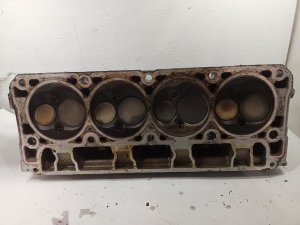
Used OEM Parts in Stock

New Aftermarket Parts Available


The information in this article is provided for general reference and educational purposes only. Vehicle specifications, procedures, and part compatibility can vary by production date, trim level, and region. Always consult your vehicle's factory service manual and verify part numbers before purchasing or performing repairs. Safety-critical components such as airbags, seat belts, and braking systems should be installed by a qualified professional.
- Cadillac ESCALADE:
- 🎬 Helpful Videos
- 🛍️ Shop This Part
- What's Unique About the 2018-2022 Cadillac ESCALADE
- Diagnostic Flowchart
- Symptoms You May Notice
- Most Likely Causes
- Rare But Worth Checking
- Diagnosis Steps
- Parts You'll Likely Need
- Related Codes That Often Appear With This One
- Technical Service Bulletins (TSBs) & Recalls
- Platform-Specific Known Issues
- Mechanic-Grade Diagnostic Values
- Hidden / Shadow Codes Worth Checking
- Scan Tool Commands That Help
- Wiring & Ground Locations
- Real Owner Repair Stories
- "I Checked Everything" — The Actual Cause
- OEM Part Supersession History
- Model Year Variations Within This Range
- 🎟️ Get 5% Off