

P0300 on 2014-2016 Cadillac ELR: Random Misfire Causes and Fixes
P0300 on a 2014-2016 Cadillac ELR indicates a random misfire in its 1.4L gasoline engine. The most common causes are a failing ignition coil cassette, worn spark plugs, or a failed PCV system within the valve cover. Since the engine runs intermittently, these parts can fail from age, moisture corrosion, or infrequent use. A DIY repair with new plugs and a coil cassette costs around $150-$250, while a valve cover replacement can add another $100-$200.
- P0300 on the ELR means its gasoline engine is misfiring, and you'll only notice symptoms when the engine is running.
- The most likely cause is a failed ignition system, specifically the one-piece ignition coil cassette and/or the spark plugs.
- Because the ELR shares its engine with the 2011-2015 Chevy Volt, parts like the ignition coil (ACDelco 55579072) are interchangeable.
- Do not drive with a flashing check engine light, as this can quickly destroy the catalytic converter.
- Replacing the spark plugs and ignition coil cassette together is a common, effective, and relatively simple DIY repair for this code.
What's Unique About the 2014-2016 Cadillac ELR
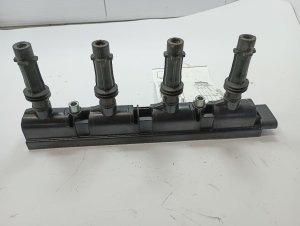
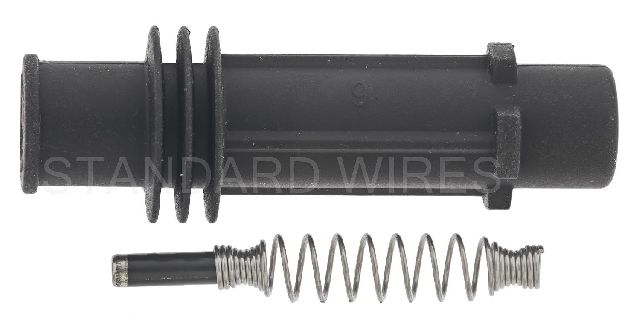
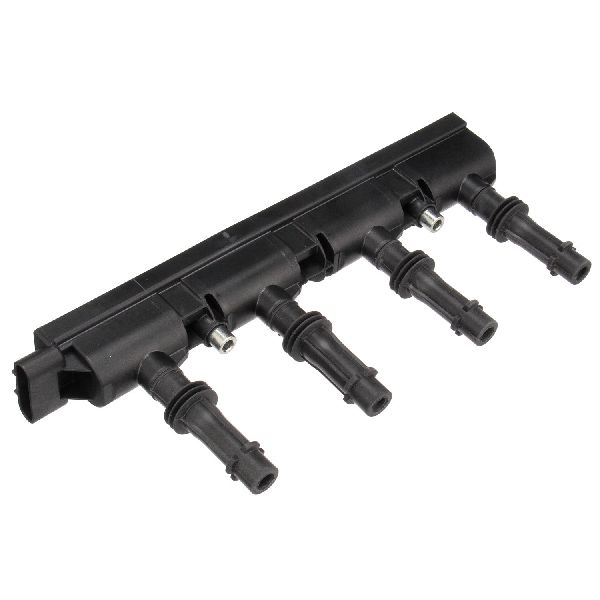
The Cadillac ELR is a range-extended electric vehicle, sharing its powertrain with the 2011-2015 Chevrolet Volt. Its 1.4L gasoline engine doesn't run constantly, only activating to charge the battery when it's depleted. This intermittent use can lead to unique failure patterns. Moisture can build up under the plastic engine cover and inside the spark plug boots, causing the metal contact springs of the ignition coil to rust or develop greenish-white corrosion, leading to a weak spark. Spark plugs can also foul from infrequent, short run cycles. Unlike many engines with individual ignition coils, the ELR uses a single, one-piece ignition coil 'cassette' that houses all four coils. If one internal coil fails, the entire unit must be replaced.
🎬 Watch: Diagnosing a secondary ignition misfire on this engine.Diagnostic Flowchart
Tap your situation to follow the diagnostic path that matches what you're seeing on this vehicle.
Symptoms You May Notice
- Check Engine Light is on (may be steady or flashing)
- Rough running or shuddering when the gasoline engine is active
- Hesitation or lack of power during acceleration (in gas mode)
- Reduced fuel economy when using the range extender
- Stabilitrak warning light may illuminate
- Audible engine shaking or struggling sound
- Replacing only one spark plug when the entire set is old.
- Replacing an oxygen sensor, which is more likely to be a symptom of the misfire (due to unburnt fuel) rather than the cause.
- Replacing only the ignition coil when the spark plugs are also old and fouled, which can cause the new coil to fail prematurely.
Most Likely Causes
- Failing Ignition Coil Cassette 🔴 High Probability The 1.4L engine in the ELR and Volt uses a one-piece coil cassette which is a known failure point. Intermittent engine use allows moisture to collect on the contact springs, causing corrosion that weakens the spark. Since it's a single unit, the entire cassette must be replaced even if only one cylinder's coil is bad.
How to confirm: Remove the plastic engine cover and the coil cassette (held by two Torx bolts). Inspect the contact springs inside each boot for rust or greenish-white corrosion. Check the cassette housing for cracks or burn marks. A scan tool can monitor live misfire counts per cylinder to help confirm the issue before disassembly.
Typical fix: Replace the entire ignition coil cassette and all four spark plugs at the same time.
Est. part cost: $100-$200 - Worn or Fouled Spark Plugs 🔴 High Probability Due to the engine's role as a range extender, it may run for short periods, which can lead to carbon fouling on spark plugs. Age and mileage are also factors. The original equipment ACDelco iridium plugs have a long service life, but are not immune to fouling or wear, which creates a weak spark and leads to incomplete combustion and misfires.
How to confirm: Remove and inspect all four spark plugs. Look for worn or rounded electrodes, heavy black carbon deposits, or oil/coolant fouling. Check that the spark plug gap is correct, though ACDelco Iridium plugs (41-122) are pre-gapped and should not be adjusted.
Typical fix: Replace all four spark plugs. It is strongly recommended to do this at the same time as the ignition coil cassette.
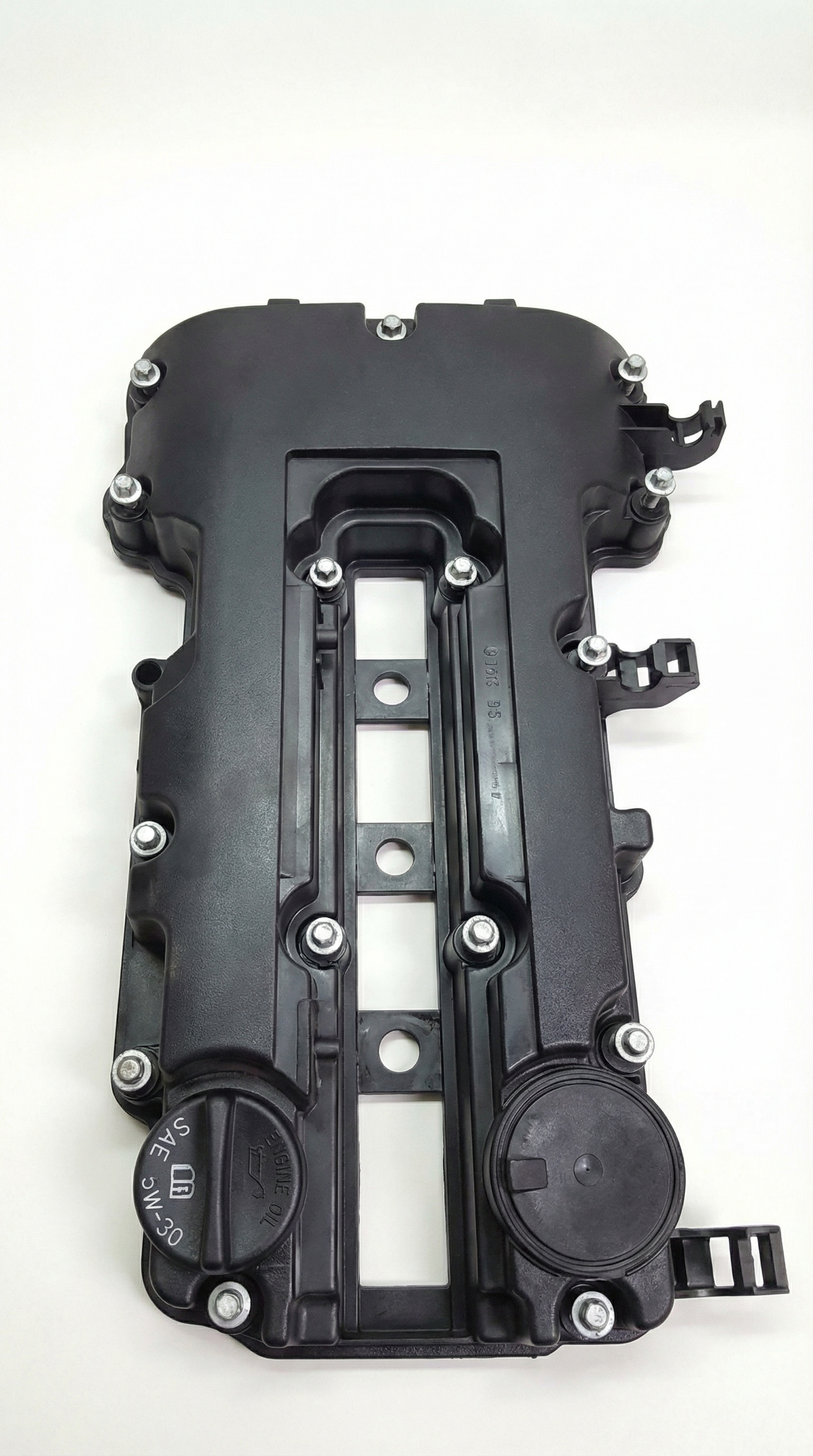
Est. part cost: $30-$60 - PCV System Issues / Vacuum Leak 🟡 Medium Probability The PCV system on the 1.4L engine is integrated into the valve cover. A small rubber diaphragm inside is known to tear, creating a significant unmetered vacuum leak. This leans out the air-fuel mixture, causing random misfires, often accompanied by a P0171 code. The entire valve cover must be replaced to fix this.
How to confirm: With the engine running, listen for a distinct hissing sound near the valve cover. Another definitive test is to try to remove the oil filler cap while the engine is running. If the diaphragm has failed, strong vacuum will make the cap very difficult to remove. A failed check valve in the intake manifold can also cause similar symptoms.
Typical fix: Replace the entire valve cover assembly. Aftermarket aluminum valve covers are available which may offer better durability than the OEM plastic part. 🎬 See this walkthrough on replacing the valve cover and PCV.
Est. part cost: $80-$200 - Low or Contaminated Fuel ⚪ Low Probability Because the gasoline engine is used infrequently, the fuel in the tank can become old (over 6 months), absorb water, and lose volatility. This leads to poor combustion. TSB #PIP3333C notes that on returnless fuel systems like the ELR's, contaminants can get trapped in the fuel rail and cause intermittent misfires, particularly on cylinders 1 or 4 during turns.
How to confirm: Consider the age of the fuel. If it's been in the tank for more than 6-12 months, it is suspect. A fuel sample can be taken to check for water separation or contamination.
Typical fix: Add fresh, high-quality gasoline to the tank to dilute the old fuel. Using a fuel stabilizer during periods of low use can prevent this issue.
Est. part cost: $0-$20
Rare But Worth Checking
- Clogged Fuel Injectors: Stale fuel can lead to deposits that clog fuel injectors, causing a lean condition and misfires. This is less common than ignition issues but possible given the vehicle's hybrid nature.
- Low Fuel Pressure: A weak fuel pump or clogged fuel filter can starve the engine of fuel, leading to random misfires across all cylinders. This should be checked if ignition and vacuum-related causes are ruled out.
- Poor Engine Ground Connection: A loose or corroded primary ground strap for the ignition system (G102, on the rear of the cylinder head) can cause a weak or inconsistent spark, leading to random misfires that are difficult to diagnose.
Diagnosis Steps
- Read the freeze frame data with an OBD-II scanner to see the engine conditions (load, RPM, temperature) when the code was set.
- Using a scan tool with live data, monitor the misfire counters for each of the four cylinders. Focus on the cylinder(s) with the highest counts.
- Check for any other accompanying codes (e.g., P0301-P0304, P0171) to help narrow down the cause.
- Inspect the ignition system. Remove the coil cassette and check the contact springs for corrosion. Inspect the spark plugs for wear and fouling. If their age is unknown or they look worn, replace all four plugs and the coil cassette as a set.
- If plugs and coil are good, check for vacuum leaks. Listen for hissing sounds around the valve cover. With the engine running, carefully try to remove the oil cap. If there is strong suction holding it down, the PCV diaphragm in the valve cover has likely failed.
- Consider the age of the fuel. If it's old, add fresh fuel. Reference TSB #PIP3333C regarding fuel contamination.
- If the above steps do not resolve the issue, perform a fuel pressure test to check for a weak fuel pump or clogged filter.
- As a final step, a cylinder compression test can be performed to rule out internal mechanical engine problems like a damaged piston, although this is rare.
Parts You'll Likely Need
- Ignition Coil Cassette
(OEM #55579072 (Superseded by 25198623))— This is a very common failure item on the 1.4L engine due to moisture corrosion on the contact springs. The entire cassette must be replaced as a single unit.
Trusted brands: ACDelco, Delphi, NGK
OEM price range: $150-$250
Aftermarket price range: $80-$150 - Spark Plugs
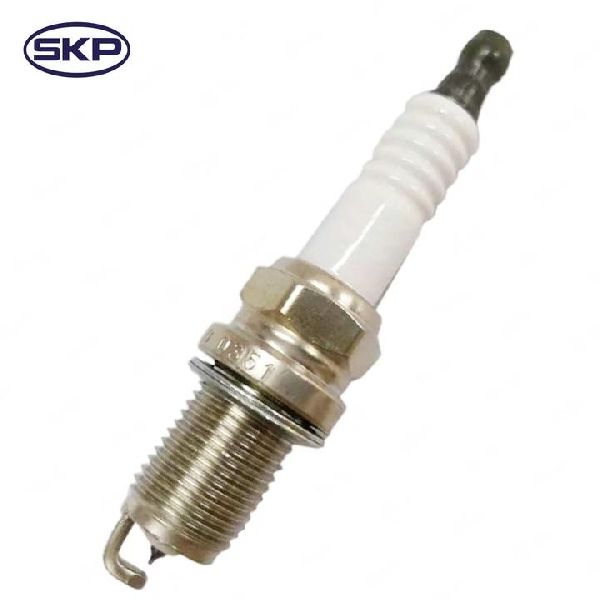
(OEM #41-122 (ACDelco Iridium))— Worn or fouled spark plugs are a primary cause of misfires and should be replaced as part of a tune-up, especially when replacing the coil cassette. 🎬 Watch: How to replace the spark plugs and ignition coil.
Trusted brands: ACDelco, NGK
OEM price range: $40-$60 (set of 4)
Aftermarket price range: $25-$50 (set of 4) - Valve Cover Assembly
(OEM #25198874, 25198498, 55573746)— The integrated PCV diaphragm is a known failure point that tears and causes a major vacuum leak, leading to P0300 and P0171 codes. The entire cover must be replaced.
Trusted brands: ACDelco / GM Genuine, Dorman, Various Aftermarket (including aluminum versions)
OEM price range: $140-$200
Aftermarket price range: $60-$120
Related Codes That Often Appear With This One
- P0301, P0302, P0303, P0304 — If the misfire becomes consistent on one cylinder, or if a scan tool can read misfire history, the general P0300 code may be accompanied by a cylinder-specific code.
- P0171 — A 'System Too Lean' code can appear alongside P0300 if the misfire is caused by a vacuum leak (like a failed PCV valve cover) that allows too much unmetered air into the engine.
- P0420 — A 'Catalyst System Efficiency Below Threshold' code can be triggered if a persistent misfire allows unburnt fuel to enter and damage the catalytic converter.
Technical Service Bulletins (TSBs) & Recalls
- PIP5628G: Mentions P0300 and the need for specific diagnostic information for misfire conditions.
- PIP3333C: Addresses intermittent engine misfires and P0300, instructing technicians to follow service information diagnostics.
Platform-Specific Known Issues
- Technical Service Bulletin #PIP5628G is a general diagnostic guide for GM technicians, advising them to collect specific data like fuel trims and misfire counts before contacting the Technical Assistance Center (TAC) for P0300-P0308 codes.
- Technical Service Bulletin #PIP3333C specifically mentions that intermittent misfires, especially on cylinders 1 or 4 during turns, can be caused by fuel contamination in the fuel rail, a possibility given the infrequent gas engine use in an ELR.
Mechanic-Grade Diagnostic Values
- Fuel Pressure (at fuel rail) — expected: ~55-58 PSI (400 kPa). Failure: Pressure significantly below 55 PSI indicates a weak fuel pump or clogged filter.
- Short & Long Term Fuel Trims (STFT/LTFT) — expected: Within +/- 10% at warm idle.. Failure: Consistently positive trims > +15% suggest a vacuum leak (e.g., PCV/valve cover failure).
- Fuel Injector Resistance — expected: ~11-14 Ohms. Failure: A reading significantly outside this range or an open circuit (OL) suggests a failed injector coil.
Hidden / Shadow Codes Worth Checking
- Mode $06, Test IDs $A2-$A5: Provides misfire counts for each cylinder (1-4) over the last 10 driving cycles. This can reveal which cylinder is misfiring most frequently even if a specific P030x code has not been set. (see via Advanced OBD-II scan tool with Mode $06 functionality.)
Scan Tool Commands That Help
- GDS2 (GM Dealer Tool): Misfire Graphic / Misfire History Counters — This is the primary professional tool for diagnosing a P0300. It displays live and historical misfire counts for each cylinder, allowing a technician to see if the 'random' misfire is actually biased toward one or two cylinders.
- GDS2 (GM Dealer Tool): Crankshaft Position Variation Learn — This relearn procedure should be performed after major engine work or replacing the ECM or crankshaft sensor. If this data is corrupt, the ECM can falsely detect misfires and set a P0300 code.
- GDS2 (GM Dealer Tool): Fuel Injector Balance Test — This command individually fires each injector and measures the drop in fuel rail pressure. An unequal pressure drop indicates a clogged or failing injector, helping to isolate a fuel delivery issue without disassembly.
Wiring & Ground Locations
- G102 — On the rear of the cylinder head, near the thermostat housing.. This is a primary ground for the ignition coil cassette. A loose or corroded connection at G102 can cause insufficient voltage to the ignition system, resulting in a weak, inconsistent spark and random misfires that are difficult to diagnose.
Real Owner Repair Stories
- Reddit r/volt user (2014 Chevrolet Volt (same 1.4L LUU powertrain)) — Persistent P0302 misfire code, engine shaking.
❌ Tried (didn't work) Replaced spark plugs, Replaced ignition coil pack
✅ What actually fixed it The issue was a faulty PCV system integrated into the valve cover. Replacing the entire valve cover assembly resolved the misfire.
OEM Part Supersession History
55579072, 25195107→25198623— Ignition Coil Cassette. The multiple supersessions suggest revisions were made by GM to improve the durability and resistance to moisture/corrosion that caused misfires.55573746, 25198498→25198874— Valve Cover Assembly. The part was revised multiple times to address the common failure of the integrated PCV diaphragm tearing.
Model Year Variations Within This Range
- 2014 vs 2016: While the 2016 ELR received a power increase and chassis updates, the core 1.4L LUU engine and its ignition and PCV systems remained unchanged from the 2014 model. The causes and fixes for P0300 are identical across the 2014-2016 model years.
Helpful Videos
Used OEM Parts in Stock
New Aftermarket Parts Available



The information in this article is provided for general reference and educational purposes only. Vehicle specifications, procedures, and part compatibility can vary by production date, trim level, and region. Always consult your vehicle's factory service manual and verify part numbers before purchasing or performing repairs. Safety-critical components such as airbags, seat belts, and braking systems should be installed by a qualified professional.
- Cadillac ELR:
- 🎬 Helpful Videos
- 🛍️ Shop This Part
- What's Unique About the 2014-2016 Cadillac ELR
- Diagnostic Flowchart
- Symptoms You May Notice
- Most Likely Causes
- Rare But Worth Checking
- Diagnosis Steps
- Parts You'll Likely Need
- Related Codes That Often Appear With This One
- Technical Service Bulletins (TSBs) & Recalls
- Platform-Specific Known Issues
- Mechanic-Grade Diagnostic Values
- Hidden / Shadow Codes Worth Checking
- Scan Tool Commands That Help
- Wiring & Ground Locations
- Real Owner Repair Stories
- OEM Part Supersession History
- Model Year Variations Within This Range
- 🎟️ Get 5% Off