

P0300 on 2006-2011 Cadillac DTS: Random Misfire Causes and Fixes
P0300 on a Cadillac DTS with the Northstar V8 often points to a vacuum leak from deteriorated rubber components like the intake plenum boot or PCV hoses. If not a vacuum leak, worn spark plugs and failing ignition coils are the next most likely culprits. A smoke test is the best way to confirm a vacuum leak. In some cases, oil spillage onto the fuel injector harness can cause wires to short, creating a random misfire.
- For a P0300 on a 2006-2011 DTS, immediately suspect a vacuum leak from the intake plenum boot or PCV hoses.
- A smoke test is the most effective way to locate hard-to-see cracks in the intake system's rubber components.
- If the check engine light is flashing, driving should be minimized to prevent expensive damage to the catalytic converters.
- If vacuum leaks are ruled out, the next logical step is a full tune-up with new spark plugs (ACDelco Iridium recommended) and testing the ignition coils.
- Always check for coolant loss, as the Northstar's history with head gaskets makes it a potential, though more serious, cause of misfires.
What's Unique About the 2006-2011 Cadillac DTS

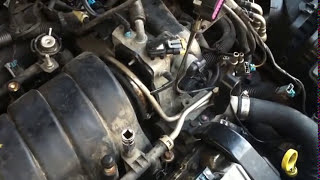
The 2006-2011 Cadillac DTS uses the 4.6L Northstar V8, an engine with specific known issues that can lead to a P0300 code. A very common cause on this platform is vacuum leaks from brittle rubber parts in the intake system, such as the intake plenum to throttle body coupler and various PCV hose elbows. These parts degrade from age and heat, causing unmetered air to enter the engine, which leads to a lean condition (often with codes P0171 and P0174) and random misfires, especially noticeable at idle. 🎬 Watch: Troubleshooting rough idle and lean codes on the Northstar. Another documented issue is oil spillage during oil changes contaminating the fuel injector wiring harness, leading to insulation breakdown and intermittent shorts between wires.
Diagnostic Flowchart

Tap your situation to follow the diagnostic path that matches what you're seeing on this vehicle.
Symptoms You May Notice
- Rough or shaking idle.
- Hesitation or stumbling during acceleration.
- Flashing Check Engine Light (especially under load).
- Reduced engine power.
- Poor fuel economy.
- Engine stalling, particularly at idle.
- Popping or backfiring from the exhaust.
- Replacing only spark plugs when a vacuum leak is the true cause.
- Replacing the Mass Airflow (MAF) sensor, which is rarely the cause of P0300 on this vehicle. A MAF issue would more likely present with other codes and symptoms.
- Replacing all ignition coils when only one is faulty or the issue is unrelated to the coils.
Most Likely Causes

- Vacuum Leaks 🔴 High Probability The rubber intake plenum boot (coupler) and PCV valve hoses on the Northstar engine are known to become brittle and crack over time, creating leaks. This is a widely documented pattern failure, often causing misfires that are worst at idle and improve with acceleration.
How to confirm: Perform a smoke test on the intake system. Alternatively, with the engine running, carefully spray short bursts of brake cleaner or a propane torch (unlit) around the intake boot and vacuum hoses; a change in engine idle indicates a leak. A hissing sound from the engine bay at idle is also a strong clue. Misfire counts on a scan tool that are high at idle but drop to zero when the throttle is opened are a classic sign of a vacuum leak.
Typical fix: Replace the cracked rubber intake boot and any damaged PCV hoses or elbows. It's often recommended to replace the intake manifold gaskets at the same time, as the intake must be removed for access.
Est. part cost: $20-$150 - Worn Spark Plugs 🟡 Medium Probability As with any engine, spark plugs are a routine maintenance item. On the V8, they can be neglected due to the difficulty of accessing the rear bank of cylinders, which is tucked under the cowl.
How to confirm: Remove and inspect the spark plugs for wear (worn electrode), fouling (black soot, oil, or white deposits), or incorrect gap. If they are original or have more than 80,000-100,000 miles, they are due for replacement. Look for carbon tracking, which are fine black lines on the white porcelain insulator, indicating spark is leaking to ground.
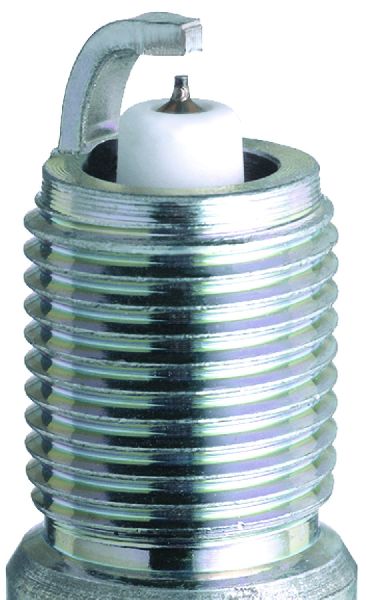
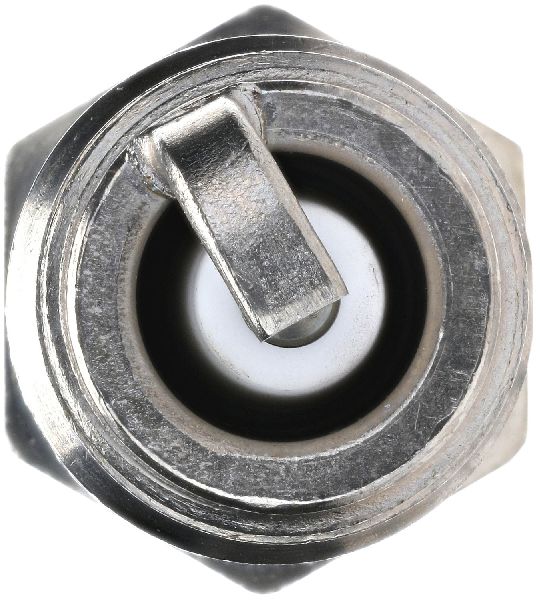
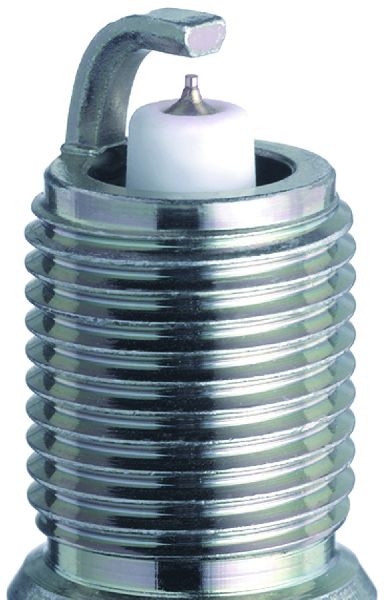
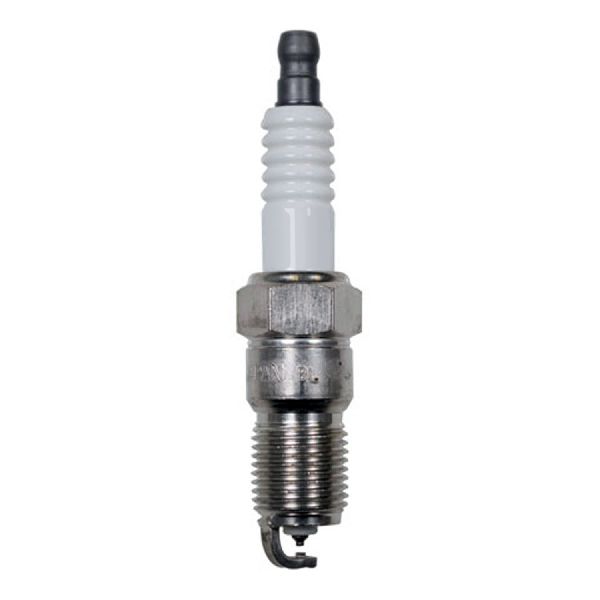
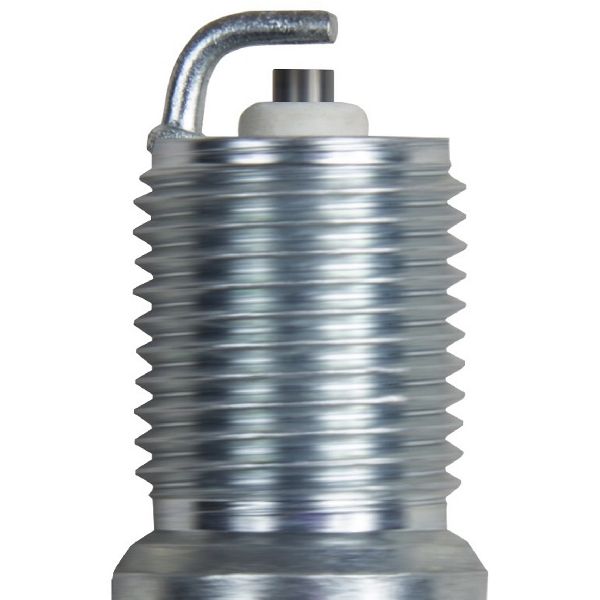
Typical fix: Replace all 8 spark plugs. Using the recommended OEM ACDelco Iridium plugs (Part No. 41-987) is advised for longevity and correct performance.
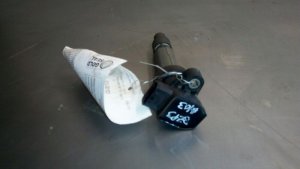
Est. part cost: $60-$120 - Failing Ignition Coils 🟡 Medium Probability The Northstar uses a Coil-on-Plug (COP) system. Heat and age can cause the coils to fail, leading to weak or no spark. While a single dead coil usually sets a specific cylinder code (e.g., P0301), one or more intermittently failing coils can trigger a P0300.
How to confirm: Use a scan tool with live data to view misfire counts per cylinder. If misfires are concentrated on one or two cylinders despite the P0300 code, swap the coil from a misfiring cylinder with one from a non-misfiring cylinder. Clear the codes and run the engine. If the misfire code follows the coil to the new cylinder (e.g., P0301 becomes P0302), the coil is bad.
Typical fix: Replace the faulty ignition coil(s). The OEM part is typically ACDelco D501C. It is common practice to replace the spark plug at the same time.
Est. part cost: $40-$80 per coil - Low Fuel Pressure or Dirty Injectors ⚪ Low Probability
How to confirm: Connect a fuel pressure gauge to the fuel rail's Schrader valve. With the key on and engine off, pressure should be between 48-55 PSI. Listen to each injector with a mechanic's stethoscope to ensure they are all clicking consistently. A scan tool with an injector balance test function can also help identify a weak or clogged injector.
Typical fix: Replace a weak fuel pump or clogged fuel filter. If injectors are suspected, they can be professionally cleaned or replaced. Sometimes, oil contamination from spills can damage the injector connector, requiring cleaning or replacement of the pigtail.
Est. part cost: $50-$400
Rare But Worth Checking
- Clogged Catalytic Converter: A partially clogged catalytic converter can create excessive backpressure, leading to random misfires. This is often a result of long-term unaddressed misfires melting the converter's internal structure.
- Internal Engine Issues (Head Gasket): While later Northstar engines had improved head bolt designs, head gasket failure is still a possibility and a notorious issue for this engine family. This can allow coolant to enter the combustion chamber, causing misfires. Check for unexplained coolant loss, a milky appearance on the oil cap, or white smoke from the exhaust.
- Damaged Injector Wiring Harness: Spilled oil during oil changes can saturate the injector wiring harness located on top of the engine. Over time, the oil degrades the wire insulation, causing wires to become brittle, crack, and short against each other. This can lead to intermittent and random misfires that are difficult to trace. A visual inspection may reveal melted or bare wires.
Diagnosis Steps
- Read all stored fault codes with an OBD-II scanner. Note any other codes besides P0300, especially P0171/P0174 which point to a vacuum leak.
- Check for a flashing check engine light. If it's flashing, avoid heavy acceleration to protect the catalytic converters.
- Visually inspect the engine bay for obvious issues like disconnected vacuum hoses, cracked rubber, or damaged wiring, particularly the fuel injector harness under the oil fill cap.
- Perform a smoke test to check for vacuum leaks. Pay close attention to the intake manifold boot between the throttle body and plenum, and all PCV hoses and elbows.
- If no vacuum leaks are found, inspect the ignition system. Use a scan tool to monitor live misfire data to see if any cylinders are misfiring more than others. A misfire that only occurs at idle strongly points to a vacuum leak.
- Remove and inspect all spark plugs for wear, damage, or fouling (oil, fuel, or coolant). Replace if in doubt.
- Test ignition coils by swapping a suspected bad coil with a known good one and see if the misfire count follows the coil.
- Check fuel pressure at the fuel rail to ensure it is within the 48-55 PSI specification.
- If all else fails and especially if you are losing coolant without an external leak, perform a block test (chemical test) for combustion gases in the coolant and a cylinder compression test to check for head gasket failure.
Parts You'll Likely Need

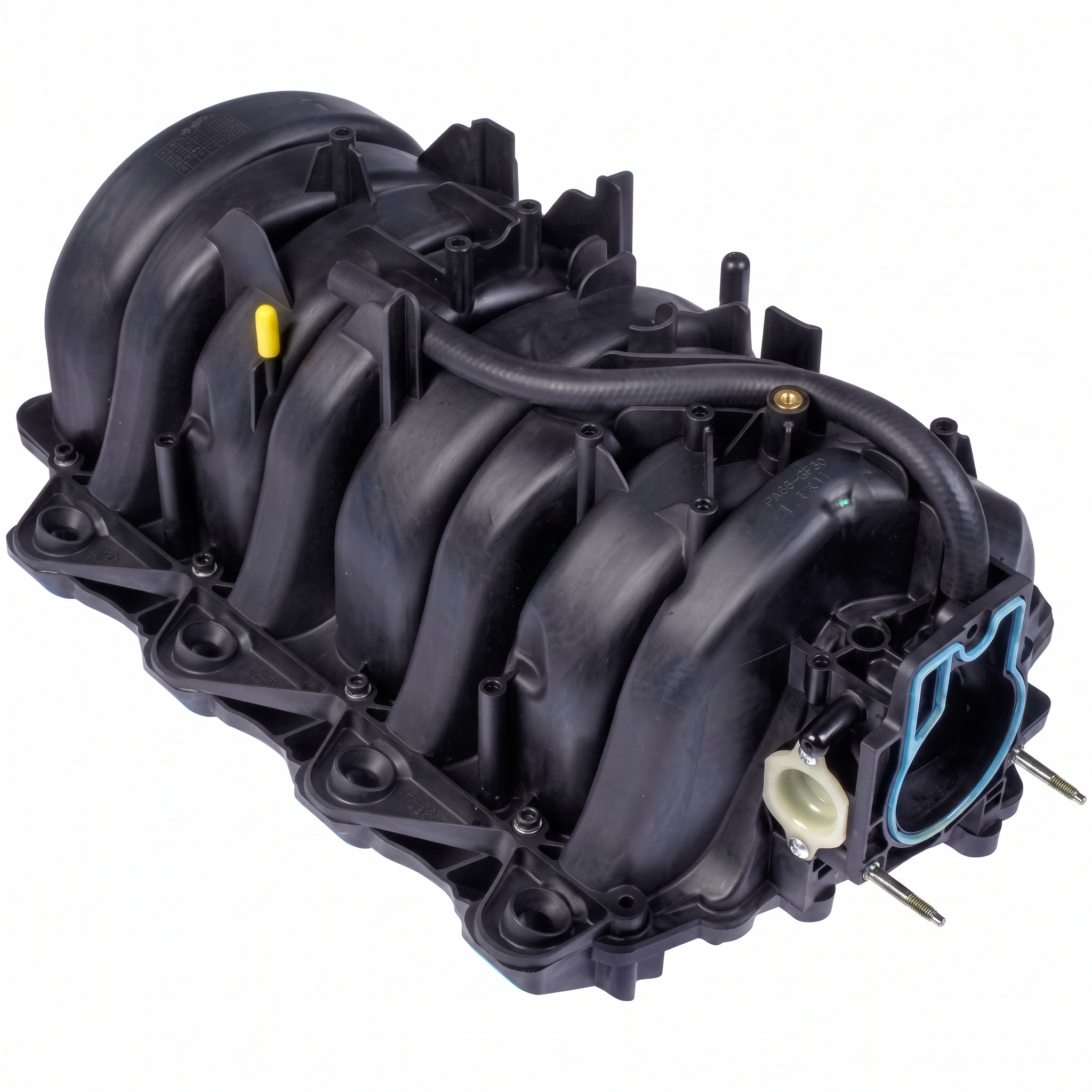
- Intake Manifold Plenum Boot/Coupler
(OEM #19355391)— This rubber part is the most frequent cause of vacuum leaks on the Northstar V8, leading directly to P0300. It cracks from age and heat.
Trusted brands: ACDelco, Dorman
OEM price range: $40-$70
Aftermarket price range: $20-$40 - Spark Plugs
(OEM #41-987)— Worn spark plugs are a fundamental cause of misfires and are a critical maintenance item.
Trusted brands: ACDelco, NGK
OEM price range: $8-$15 per plug
Aftermarket price range: $5-$10 per plug - Ignition Coil
(OEM #D501C)— Individual coil failure is common and will cause misfires. P0300 can result if multiple coils are weak or failing intermittently.
Trusted brands: ACDelco, Delphi, Denso
OEM price range: $60-$100
Aftermarket price range: $30-$60 - Intake Manifold Gaskets
(OEM #89017593)— Often replaced when fixing the intake plenum boot, as the manifold must be removed. They can also leak on their own, causing similar symptoms.
Related Codes That Often Appear With This One
- P0171 — System Too Lean (Bank 1) - Often appears with P0300 when a vacuum leak is present, as the unmetered air causes a lean condition.
- P0174 — System Too Lean (Bank 2) - Also commonly triggered by a vacuum leak affecting both cylinder banks.
- P0301-P0308 — Specific cylinder misfire codes. Sometimes the ECM will log a P0300 along with one or more specific cylinder codes, which can help narrow down the search to a bad coil, plug, or injector.
Technical Service Bulletins (TSBs) & Recalls
- This Technical Service Bulletin provides diagnostic guidance for technicians encountering engine misfires (P0300-P0308). It outlines a structured process for diagnosis, including using a scan tool to gather freeze frame data, performing relative compression tests, checking fuel delivery, and inspecting ignition components. It serves as a template for escalating the issue to the Technical Assistance Center (TAC), ensuring all preliminary data is collected.
Platform-Specific Known Issues

- The rubber intake boot located between the throttle body and the intake plenum is a known pattern failure item that cracks and causes major vacuum leaks, often leading to P0300, P0171, and P0174 codes.
- PCV hoses and elbows, particularly those connecting to the intake manifold, are prone to becoming soft, brittle, and cracking, creating hard-to-find vacuum leaks that cause an idle-only misfire.
- The location of the oil fill cap directly above the fuel injector wiring harness makes it easy to spill oil onto the harness, which can degrade the wiring over time and cause intermittent electrical shorts, resulting in a random misfire.
Mechanic-Grade Diagnostic Values
- Fuel Injector Coil Resistance — expected: 14.0 - 14.5 ohms. Failure: A reading of 'OL' (open loop) or a value significantly outside the expected range indicates a bad injector coil. All injectors should have similar readings.
- Crankshaft Position (CKP) Sensor Supply Voltage — expected: 5 Volts DC. Failure: With the key on and sensor unplugged, probing the 5V reference wire in the harness connector should show 5V. No voltage or low voltage indicates a wiring or ECM issue.
- Crankshaft Position (CKP) Sensor Ground — expected: Near 0 Volts DC / Good continuity to chassis ground. Failure: A high voltage reading on the ground wire indicates a poor ground connection, which can cause erratic sensor performance.
Hidden / Shadow Codes Worth Checking
- P1336: Crankshaft Position (CKP) System Variation Not Learned. This code indicates the ECM has not learned the specific mechanical variations of the crankshaft reluctor wheel. It will be set if the learn procedure has not been performed or if it failed. (see via A GM Tech2 or equivalent professional scan tool. This code is critical because an un-learned system can misinterpret normal crankshaft speed fluctuations as engine misfires, triggering a P0300.)
Scan Tool Commands That Help
- GM Tech2 / GDS2: Crankshaft Position Variation Learn (CASE Learn) — This procedure MUST be performed after replacing the crankshaft position sensor, the ECM, or the crankshaft itself. It commands the ECM to learn the crankshaft's unique signature to accurately detect misfires. The procedure involves revving the engine to the fuel cut-off point (around 5,150 RPM) and letting it return to idle.
- GM Tech2 / GDS2: Fuel Injector Balance Test — To identify a clogged or weak fuel injector without removing the fuel rail. The tool pulses each injector one by one while the technician monitors the pressure drop on a connected fuel pressure gauge. A smaller pressure drop for a specific cylinder indicates a faulty injector.
- GM Tech2 / GDS2: Misfire Data / Misfire Graph — To view live and historical misfire counts for each individual cylinder. This is essential for determining if a 'random' P0300 code is truly random or if it's heavily biased towards one or two cylinders, which would point towards a specific coil, plug, or injector.
Wiring & Ground Locations
- Main Engine Ground Strap — Typically runs from the engine block (near the front) to the front frame rail on the driver's side.. A corroded, loose, or damaged main ground strap can cause insufficient voltage for ignition coils and injectors, leading to weak spark or erratic injector performance that can manifest as a random misfire. This is a common and often overlooked cause of various electrical issues.
- G104 — On the engine block, below and to the side of the ignition coil cassette for the front bank of cylinders.. This is a primary ground point for multiple engine sensors and components. Corrosion or looseness here can cause erratic signals and trigger various codes, including P0300.
Real Owner Repair Stories
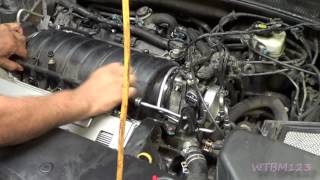
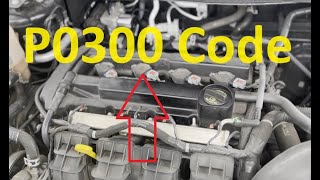
- YouTube user 'WTBM123 Car repair' (Cadillac DTS Northstar) — Misfire only at idle, P0300 code present. Ran fine above idle.
❌ Tried (didn't work) Initial diagnosis pointed to a vacuum leak due to the idle-only nature of the misfire.
✅ What actually fixed it The end of the PCV hose that connects to the intake manifold was cracked and leaking vacuum. The user replaced the hose end, and also preventatively replaced the main intake boot and intake gaskets. - Reddit user on r/MechanicAdvice (Cadillac Northstar) — General maintenance to prevent issues.
✅ What actually fixed it The owner considers removing the intake manifold annually for cleaning of the throttle body and intake passages as 'routine maintenance' to prevent carbon buildup from causing issues. This highlights heavy carbon buildup as a known long-term problem that can lead to misfires.
"I Checked Everything" — The Actual Cause
- Heavy carbon buildup on the intake valves can cause a misfire, especially on a cold start, that will not be found with a smoke test. The carbon can absorb fuel spray or restrict airflow, leaning out the mixture for that cylinder. The fix is a chemical 'top engine' cleaning procedure or walnut blasting the valves.
- An intermittently failing Crankshaft Position (CKP) sensor can provide erratic signals to the ECM, causing it to incorrectly report misfires. The sensor may be functioning well enough to not set its own specific fault code (like P0335), but its data is unreliable. This requires oscilloscope analysis or replacement based on symptoms after other causes are ruled out.
Helpful Videos

Used OEM Parts in Stock

New Aftermarket Parts Available


The information in this article is provided for general reference and educational purposes only. Vehicle specifications, procedures, and part compatibility can vary by production date, trim level, and region. Always consult your vehicle's factory service manual and verify part numbers before purchasing or performing repairs. Safety-critical components such as airbags, seat belts, and braking systems should be installed by a qualified professional.
- Cadillac DTS:
- 🎬 Helpful Videos
- 🛍️ Shop This Part
- What's Unique About the 2006-2011 Cadillac DTS
- Diagnostic Flowchart
- Symptoms You May Notice
- Most Likely Causes
- Rare But Worth Checking
- Diagnosis Steps
- Parts You'll Likely Need
- Related Codes That Often Appear With This One
- Technical Service Bulletins (TSBs) & Recalls
- Platform-Specific Known Issues
- Mechanic-Grade Diagnostic Values
- Hidden / Shadow Codes Worth Checking
- Scan Tool Commands That Help
- Wiring & Ground Locations
- Real Owner Repair Stories
- "I Checked Everything" — The Actual Cause
- 🎟️ Get 5% Off